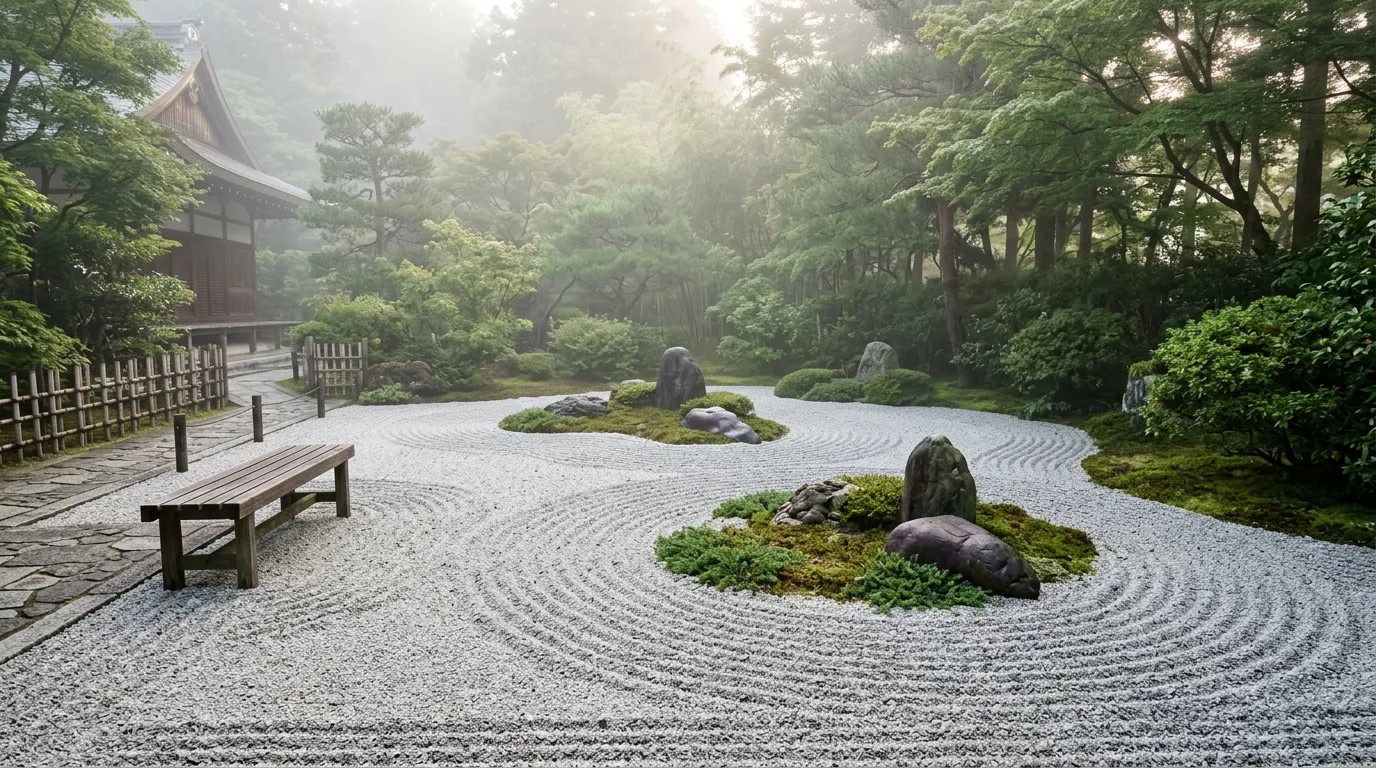
Zen-inspired landscapes are often so compelling because they create peace through spacing, material, and restraint rather than through abundance. A few well-placed elements can shape a surprisingly deep emotional response.
Stone, gravel, moss, water, shade, and carefully edited greenery all help build that quiet atmosphere when they are arranged with intention and given room to breathe.
These zen landscape ideas explore paths, courtyards, tea-garden moments, and urban retreats that turn outdoor space into something calmer, slower, and more reflective.
Quick planning notes
Focus on a few strong materials instead of many decorative layers so the garden keeps its sense of stillness.
Use spacing intentionally because open ground is often as important as the planted or built elements.
Choose plants with calm form and texture rather than chasing too much seasonal color.
Think about sound, shadow, and movement as part of the design, not only the static view.
Idea 1
A raked gravel court with one sculptural pine and stone lantern
Zen landscapes often feel peaceful because they reduce the garden to a few carefully placed elements whose spacing matters as much as the elements themselves. Gravel, stone, and a single pine can create more calm than a much fuller space when the composition is that deliberate.
Idea 2
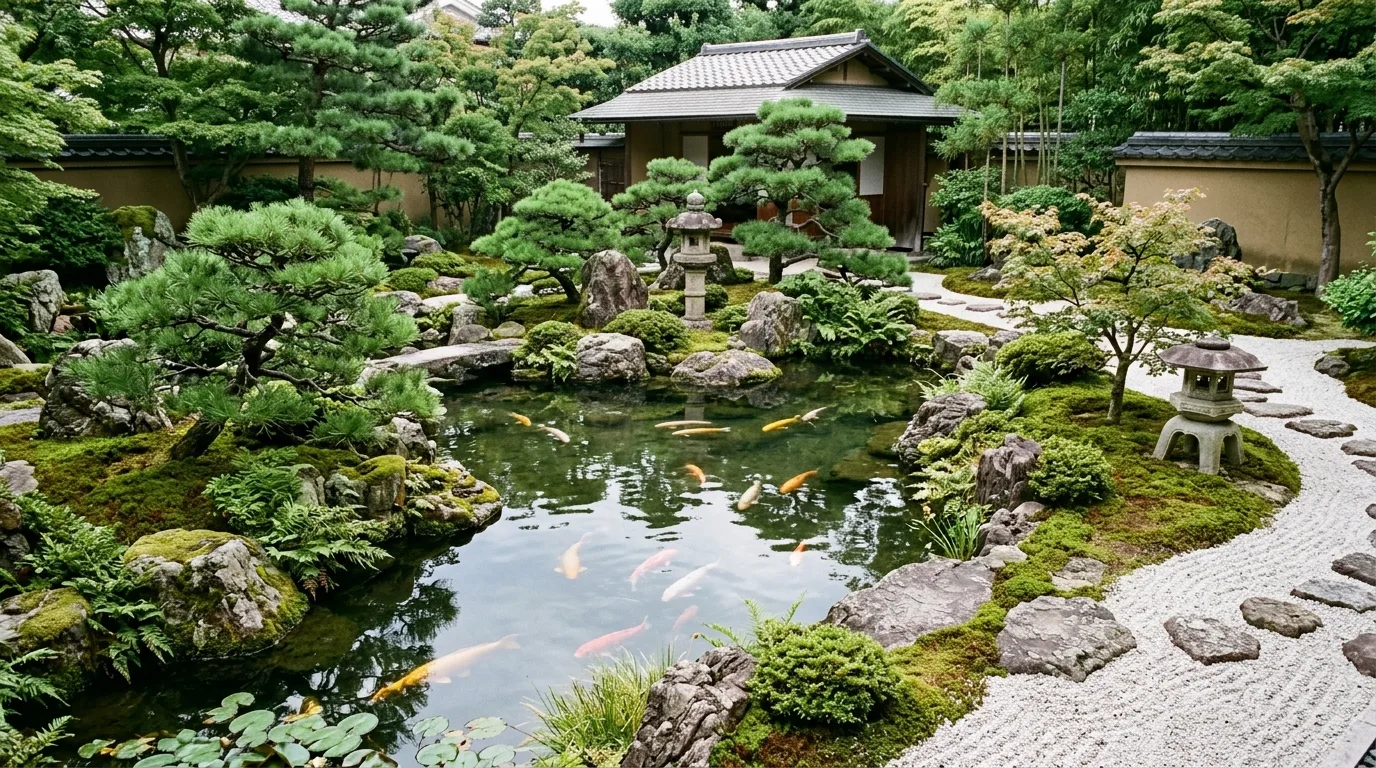
A stepping-stone path crossing moss and pale gravel
A simple path becomes meditative when the materials around it stay soft, quiet, and textural enough to slow the eye as well as the body. Moss and gravel create a calm ground plane that makes each stone feel intentional and gently ceremonial.
Idea 3
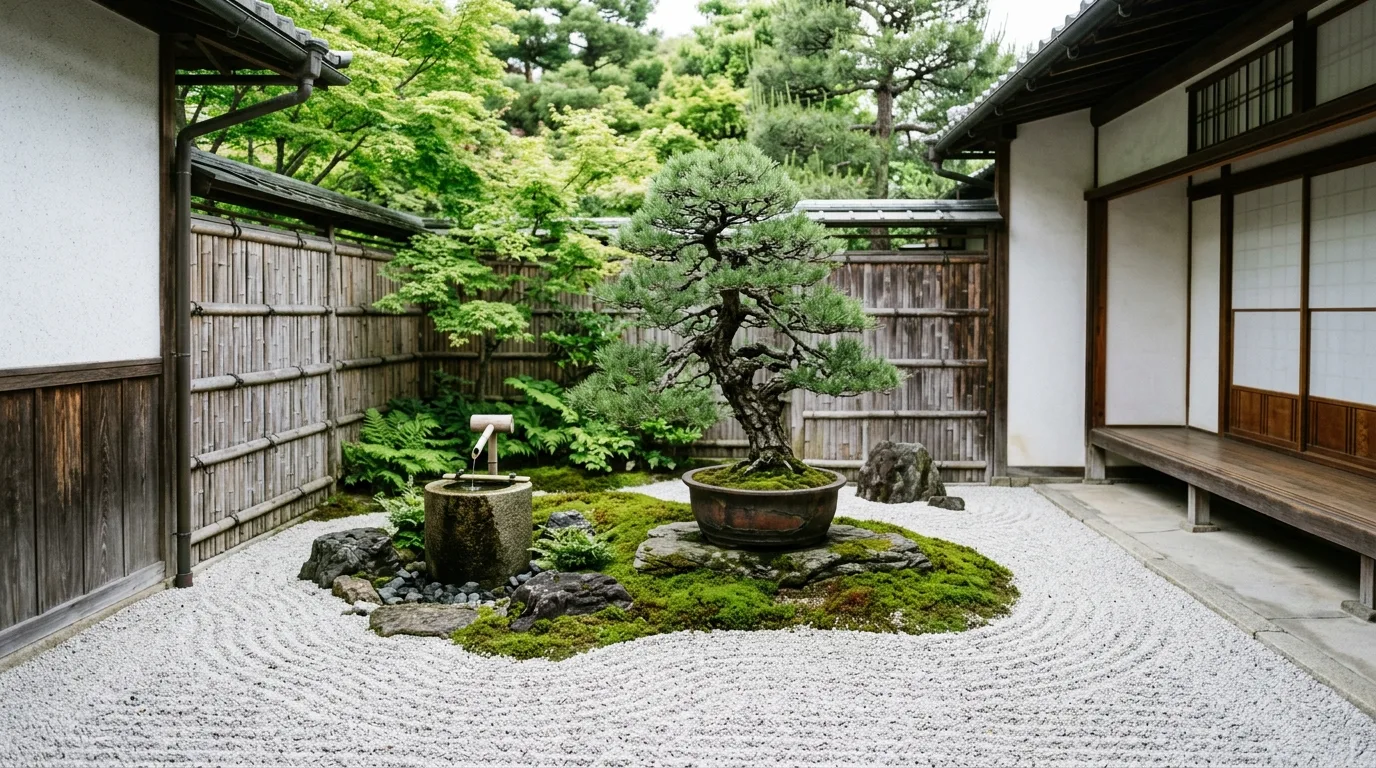
A bamboo screen garden with filtered light and deep calm
Privacy in a zen landscape is most effective when it feels natural and quiet, and bamboo screening can create that soft enclosure while adding movement and a pleasant sound in the breeze. The whole garden becomes more introspective without feeling closed off.
Idea 4
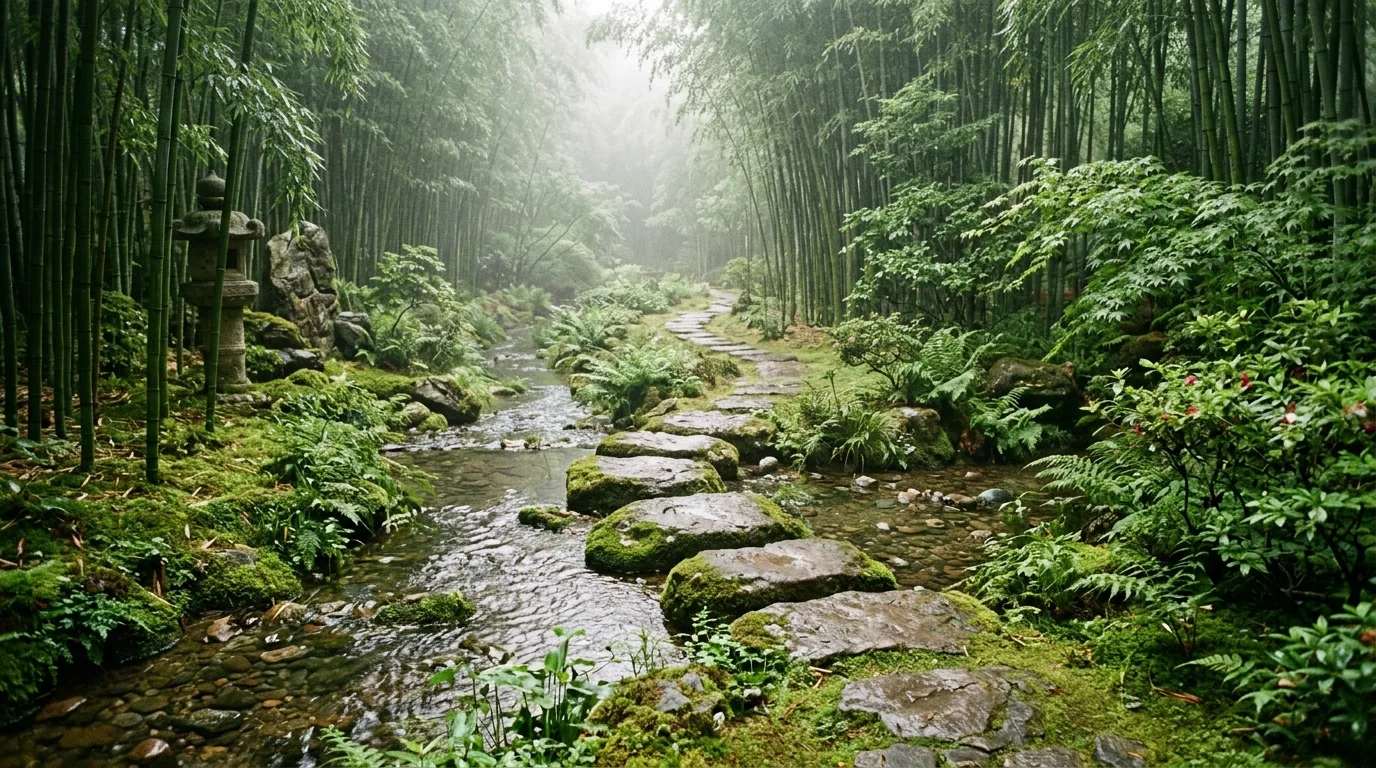
A small courtyard with a basin fountain and restrained planting
Water in zen design is usually most moving when it stays simple and close, offering sound and reflection rather than spectacle. A courtyard basin paired with minimal planting creates a deeply restful mood that feels grounded and intimate.
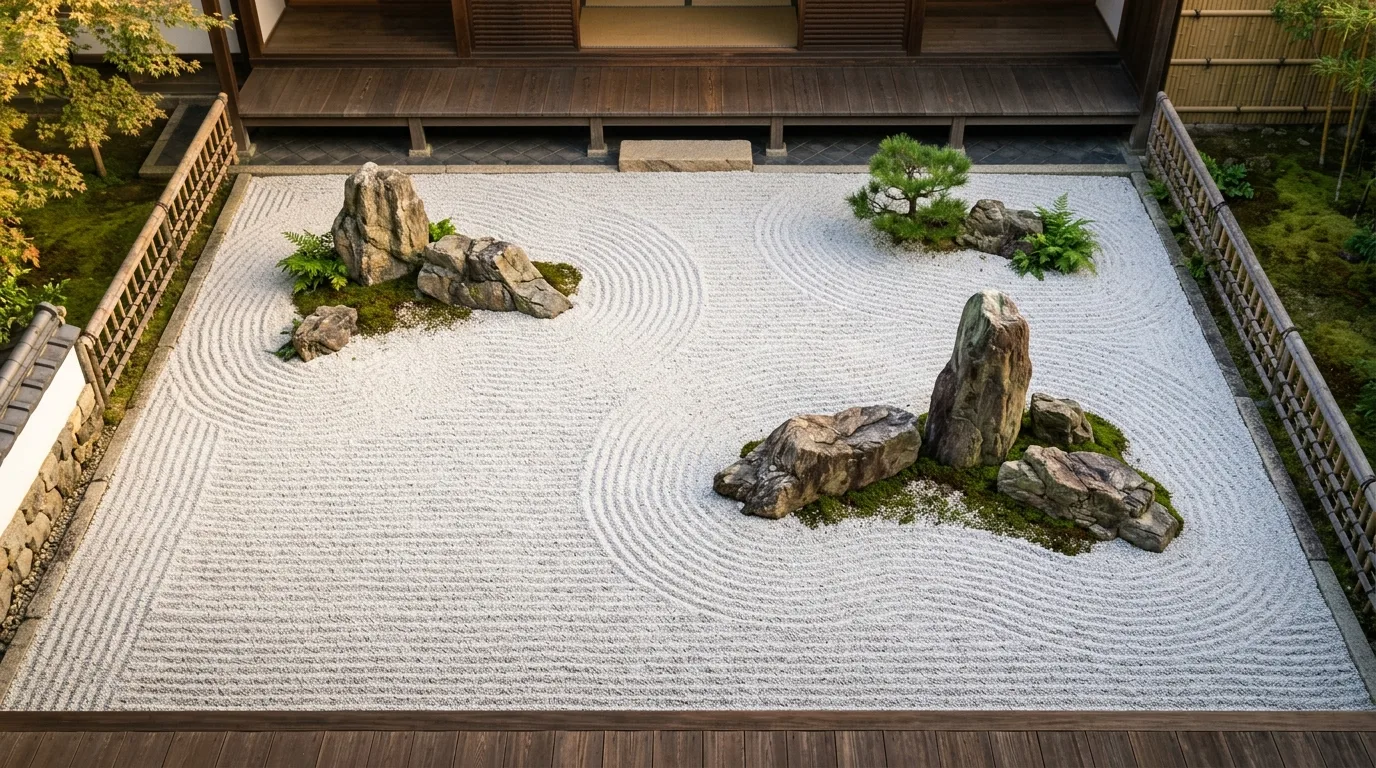
Idea 5
A dry stream composition made from rock, gravel, and rhythm
Dry stream beds are powerful in zen-inspired gardens because they suggest movement without needing constant action, relying on line and stone placement to guide the imagination. The result feels poetic and highly considered without losing practicality.
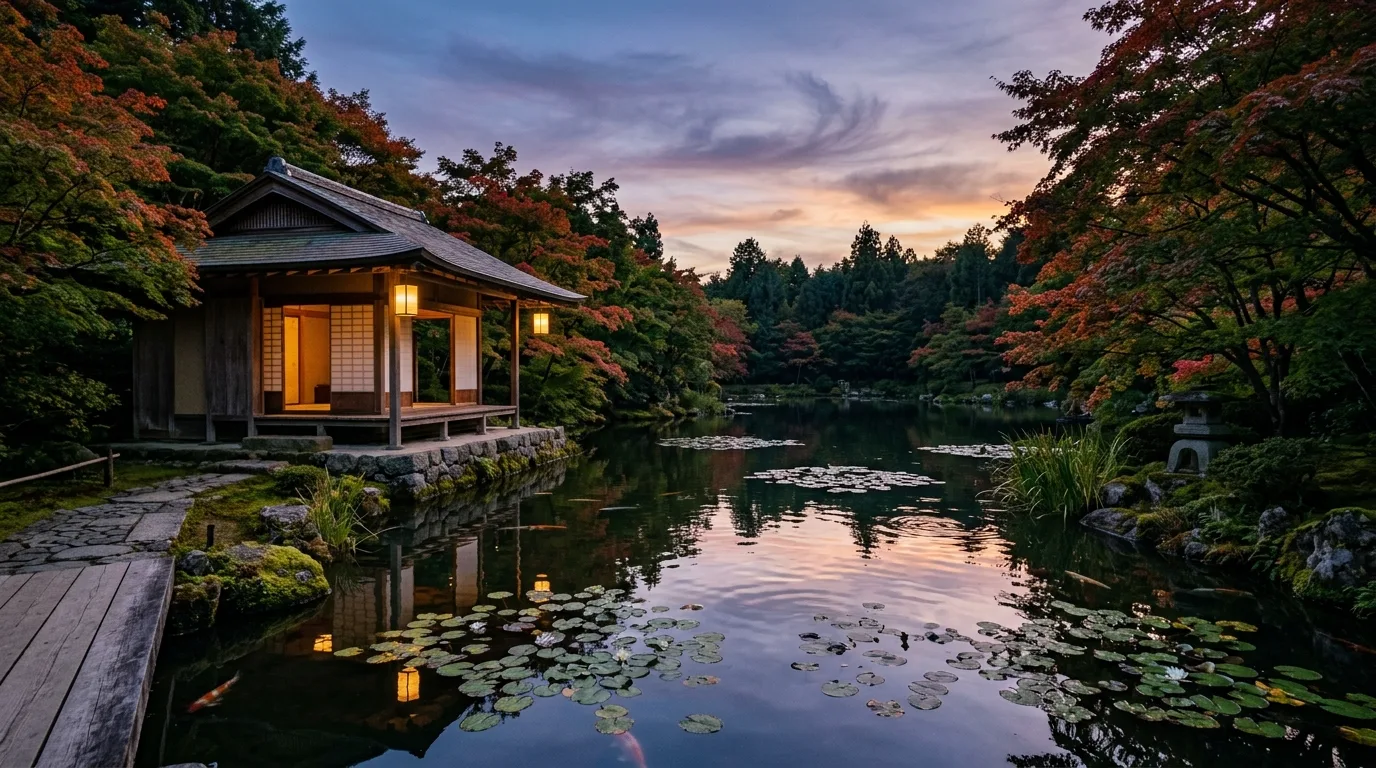
Idea 6
A tea-garden entry using weathered stone and clipped greenery
Thresholds matter in zen design because the shift from one space to another is part of the emotional experience, and weathered stone gives that transition a sense of age and quiet importance. The clipped greenery keeps the mood clean and composed.
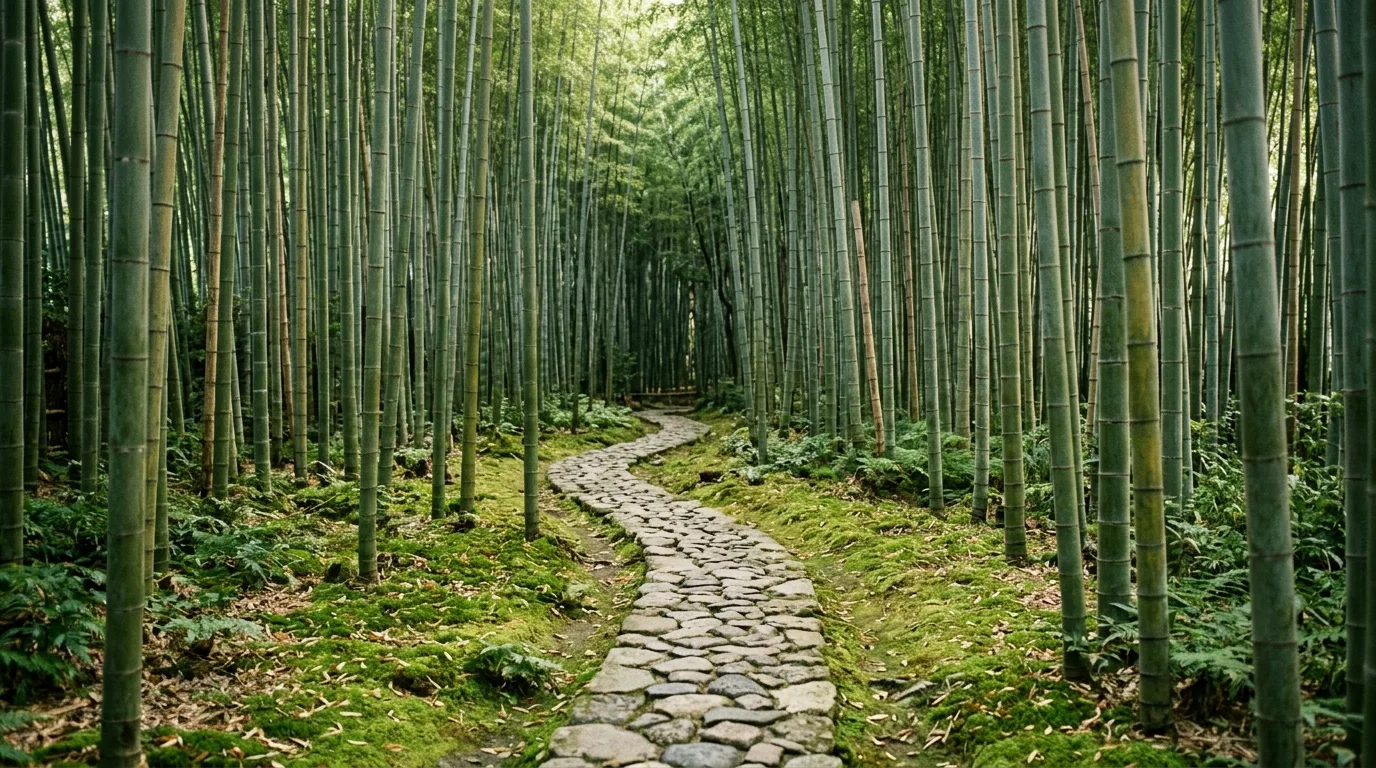
Idea 7
A shade garden where moss becomes the main visual softness
Moss can make a garden feel instantly hushed because it absorbs the eye and turns the ground into one continuous quiet surface rather than a place of competing detail. In shade, that softness becomes one of the most beautiful parts of the whole composition.
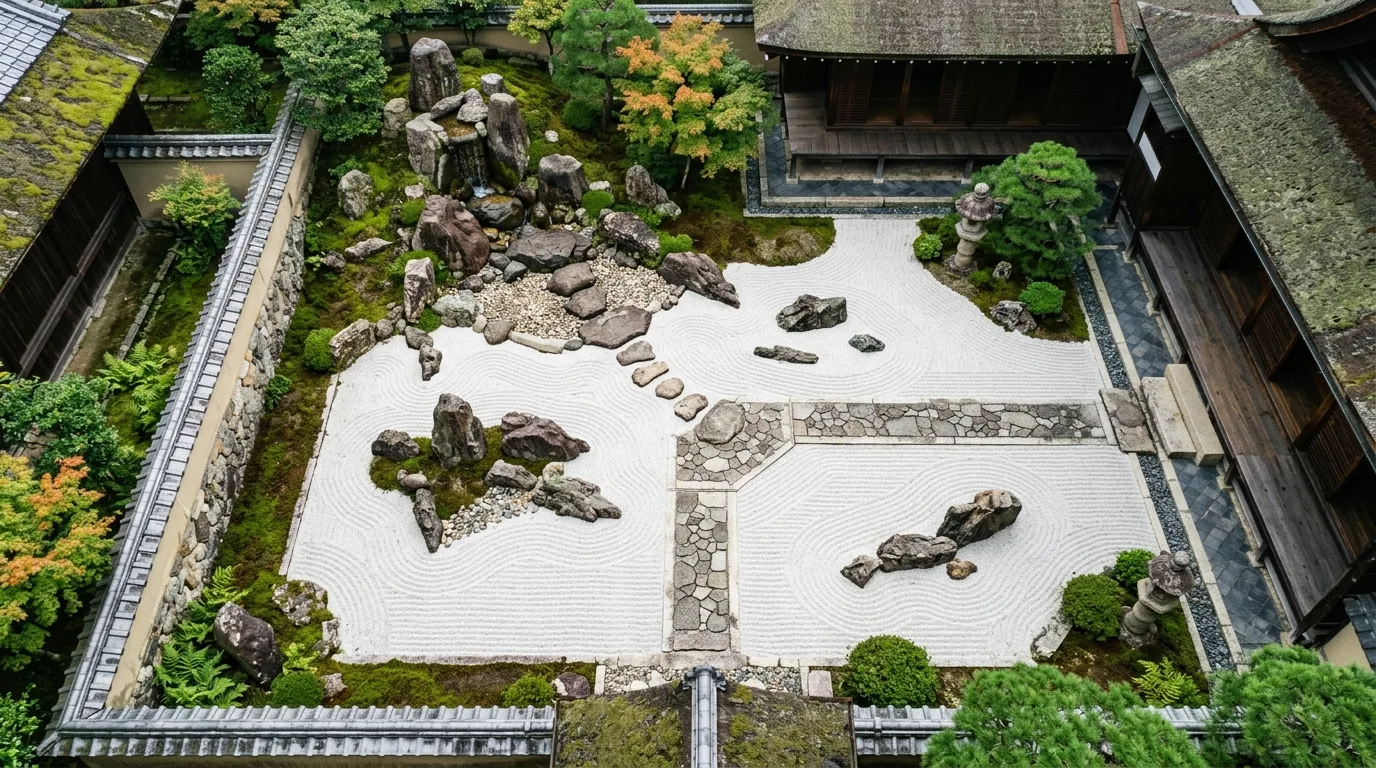
Idea 8
A bridge-over-gravel scene creating a symbolic garden crossing
Small bridges are compelling in zen landscapes when they are treated as symbolic gestures rather than decorative novelties, giving the garden a sense of passage and reflection with very little actual distance required. The whole scene feels intentional and contemplative.
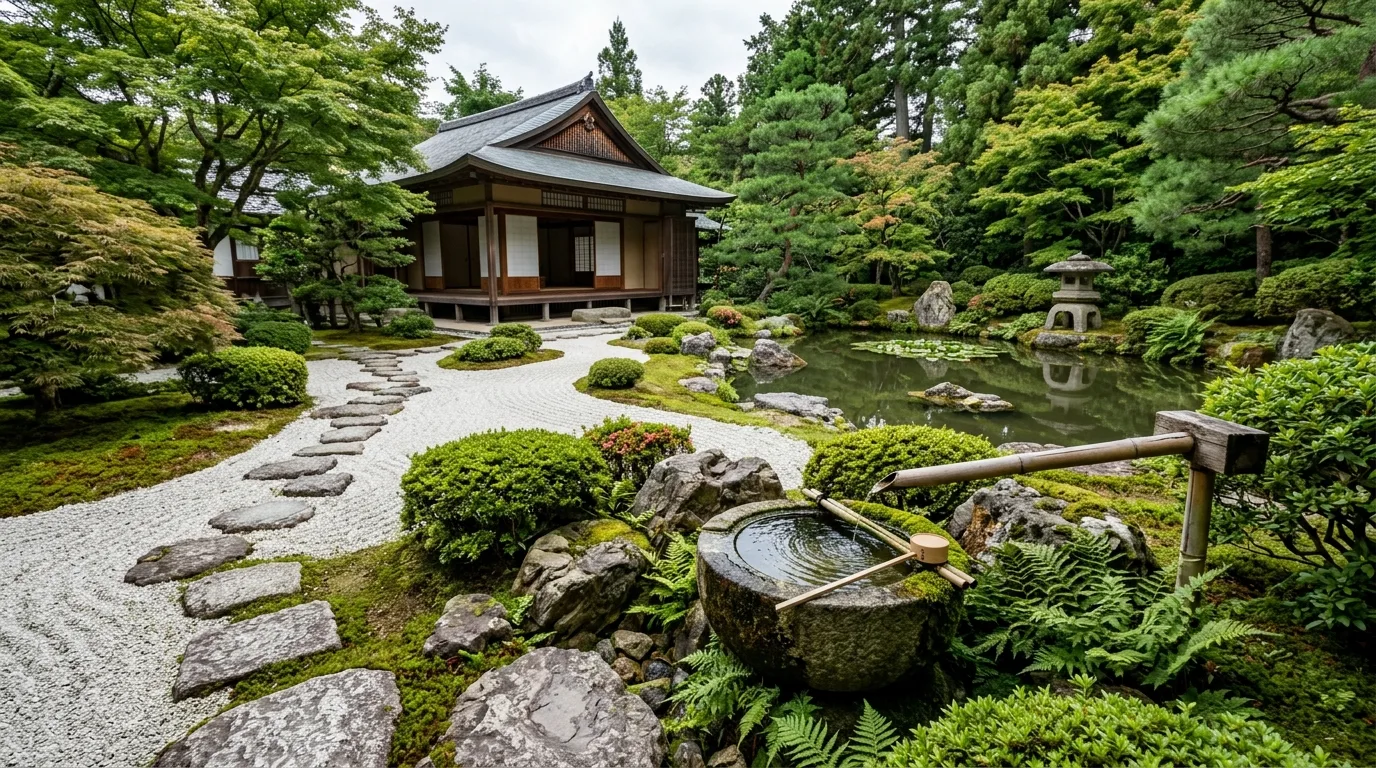
Idea 9
A wall garden using shadows, stone, and one carefully shaped shrub
Sometimes the calmest spaces come from very limited ingredients, and a quiet wall composition can feel deeply complete when shadow, masonry, and one beautifully pruned plant are allowed to lead. The restraint makes every detail more meaningful.
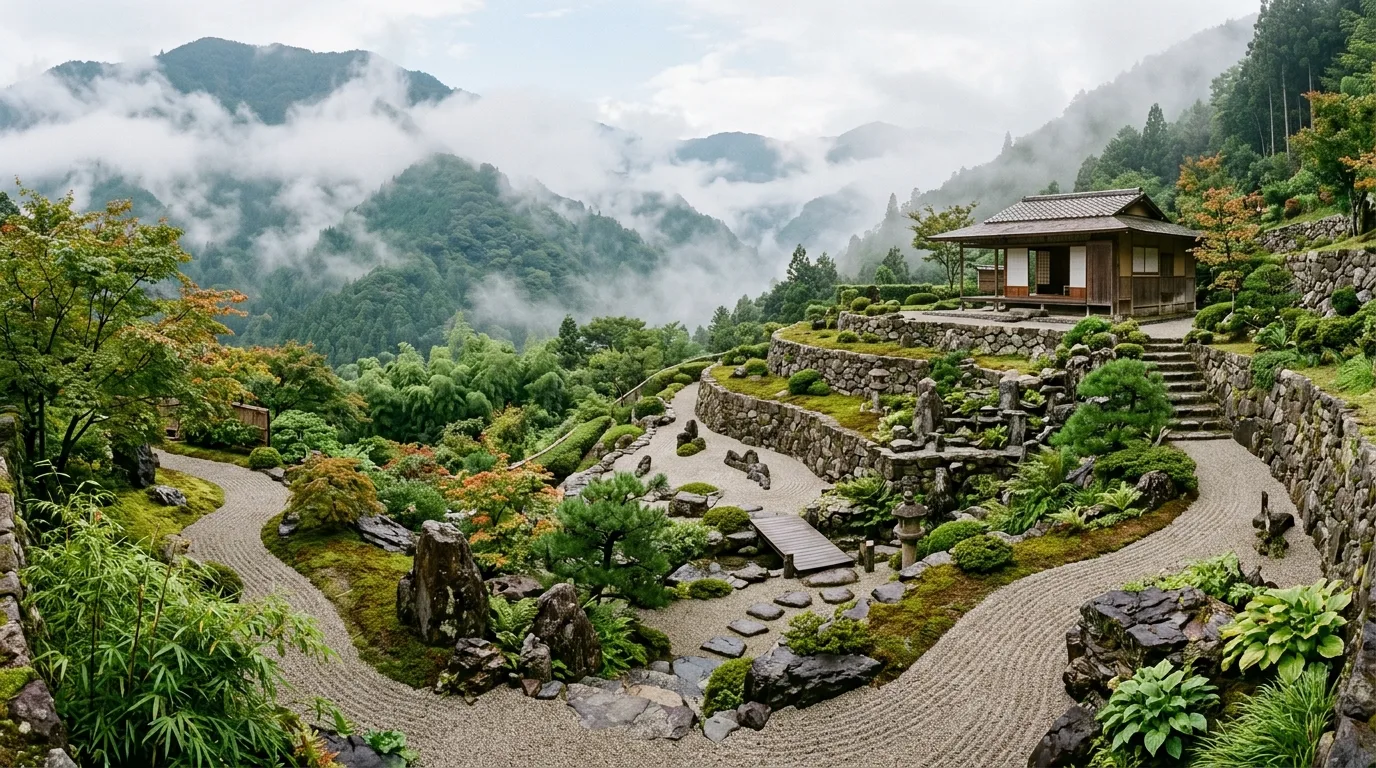
Idea 10
A compact urban zen yard with clean lines and breathing room
Urban spaces benefit from zen principles because the discipline of fewer materials and clearer spacing can make even a tiny yard feel much more peaceful than its footprint suggests. The roominess comes from editing, not from size alone.
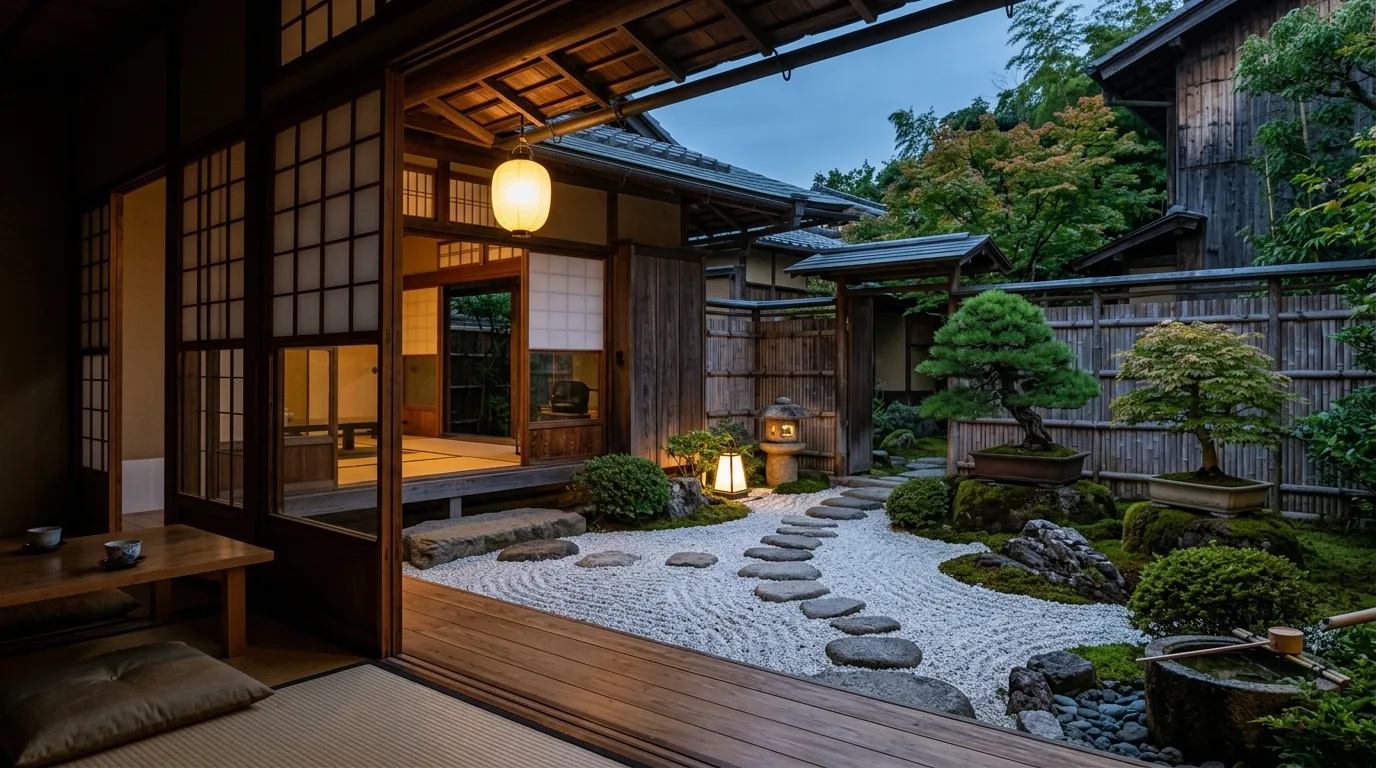
Idea 11
A moon-viewing terrace with simple paving and low planting
Zen-inspired outdoor rooms are often designed around quiet observation rather than activity, and a plain terrace with low planting can become beautiful precisely because it gives the sky, the light, and the changing hour more room to matter. The mood stays spare but emotionally rich.
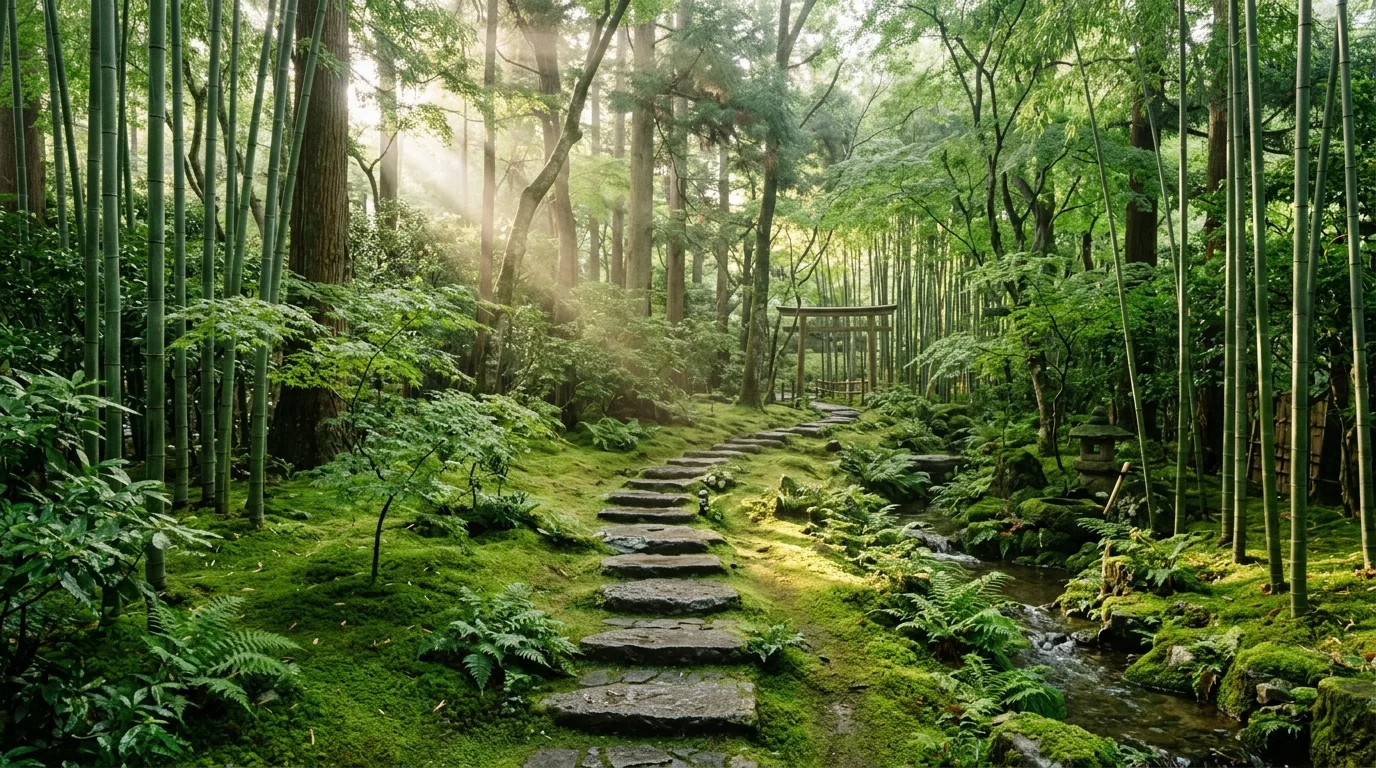
Idea 12
A peaceful retreat where stone, water, and emptiness feel balanced
The best zen landscapes are not empty by accident but spacious on purpose, using a careful balance of solid forms and open ground to create stillness that can be felt immediately. That balance is what gives the garden its unusual depth and quiet power.
Read next on Saw & Sprout
Edible Gardens
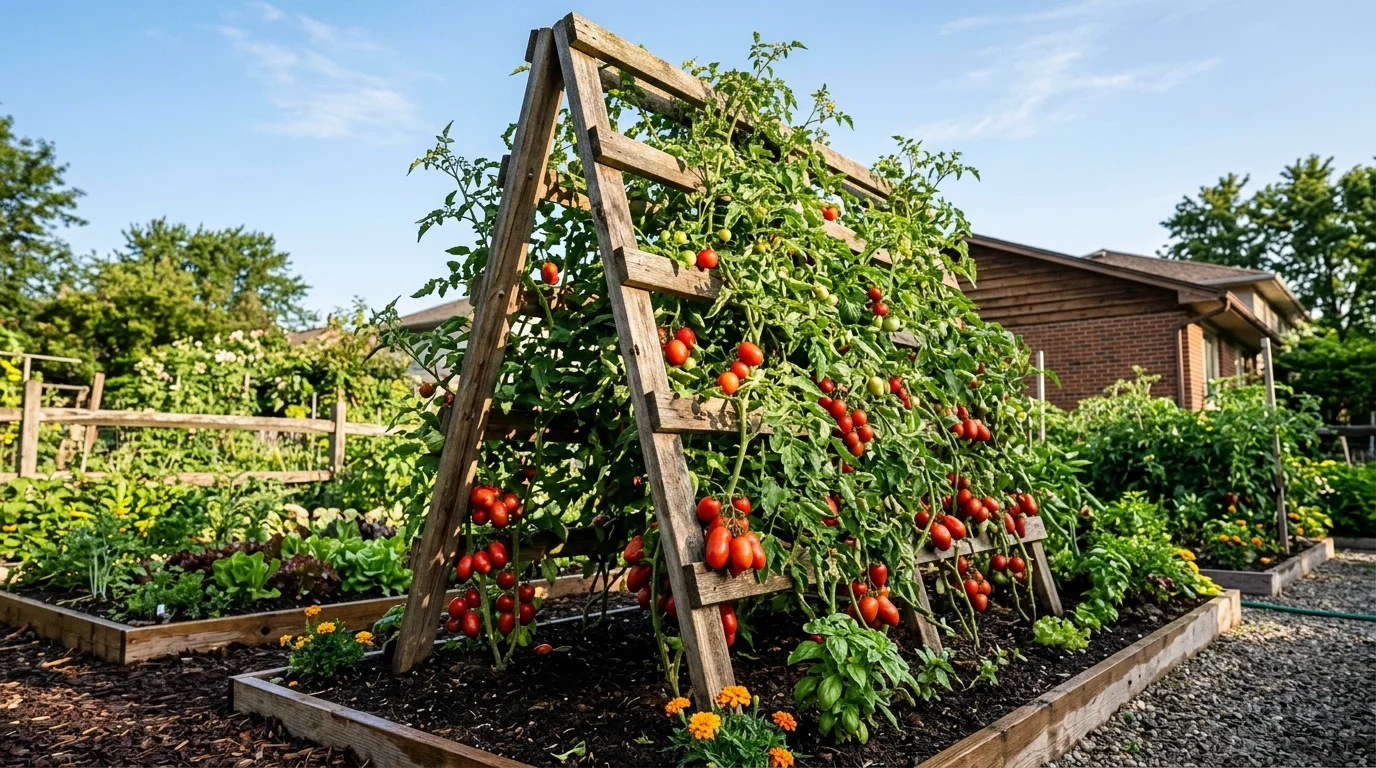
13 Clever Tomato Trellis Gardens for a Bountiful Harvest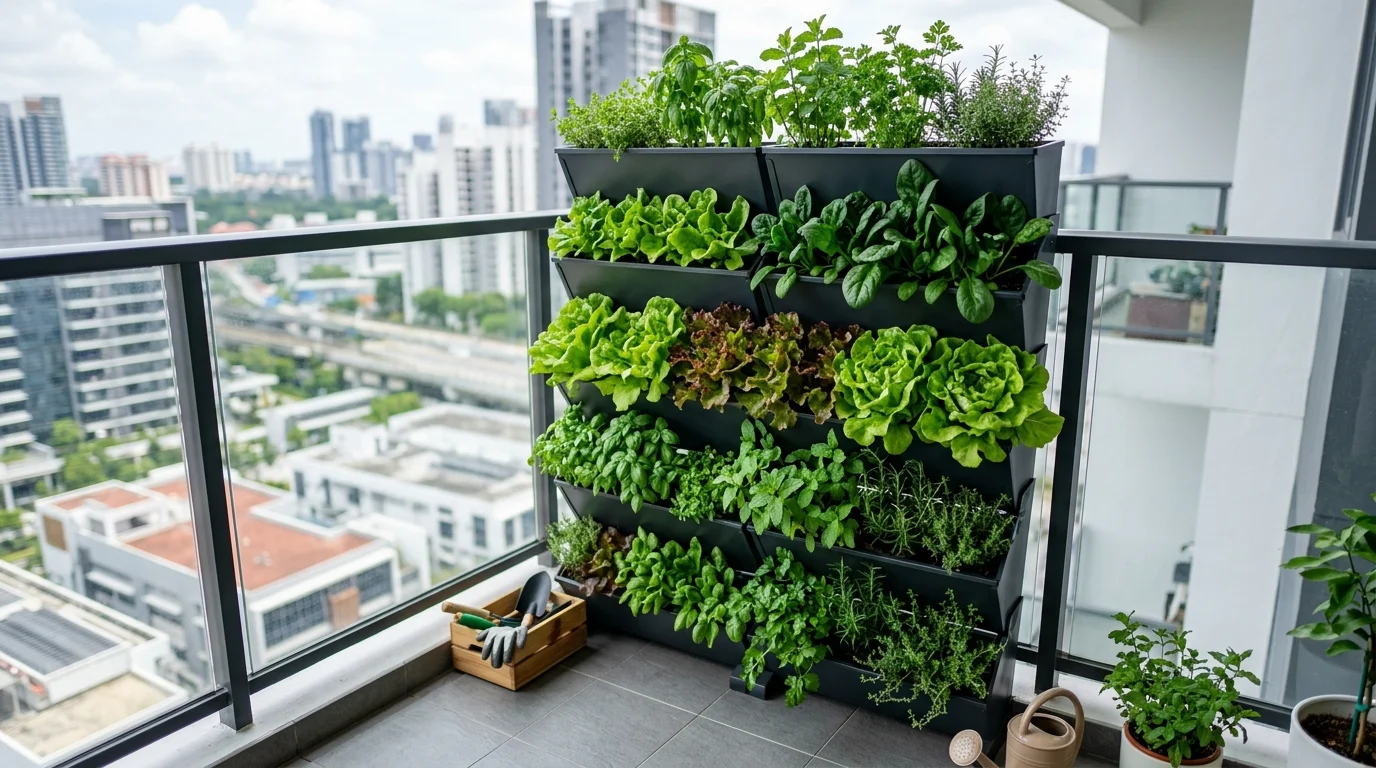
Small-Space Growing
14 Space-Saving Small Vegetable Gardens for Urban GrowersFrequently asked questions
What makes a landscape feel zen?
Restraint, thoughtful spacing, natural materials, quiet planting, and a sense of balance usually create the strongest zen atmosphere.
Do zen gardens need a lot of maintenance?
Not always. Many are fairly manageable because the plant palette is limited and the design relies heavily on durable materials and careful editing.
Can a zen landscape work in a small backyard?
Yes. Zen principles often translate beautifully to compact spaces because simplicity and clarity make small yards feel calmer and more generous.