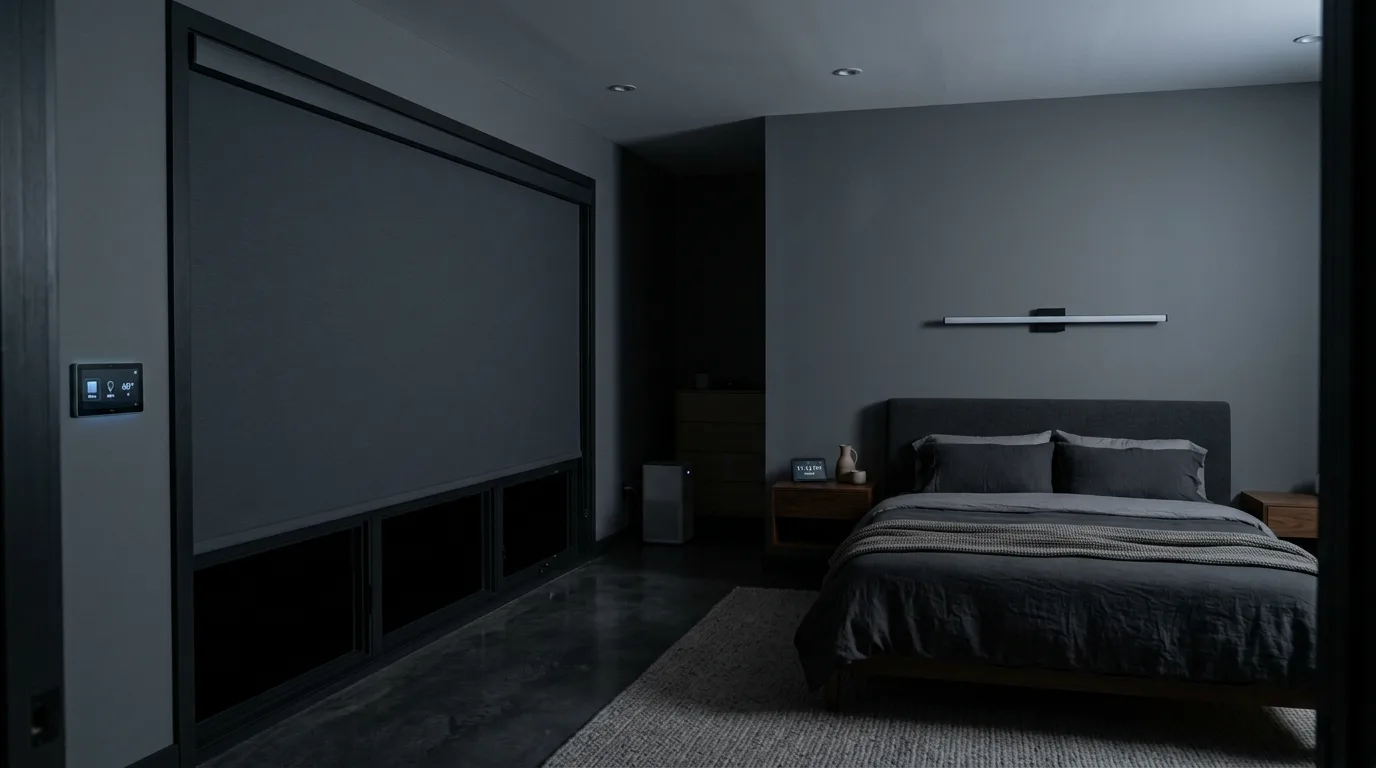
Window darkening matters because small amounts of early light can change how well a room sleeps, rests, or even functions for shift work and privacy. A smarter setup can make evenings feel more cocooning and mornings far less disruptive without turning the room into a bunker during the day.
The best solutions are usually layered instead of relying on one product to solve every problem alone. Shade fit, side gaps, curtain width, fabric weight, and mounting details all influence whether the room becomes genuinely dark or only somewhat dimmer.
These ideas focus on darkening strategies that feel practical, attractive, and worth the effort. Some are better for bedrooms or nurseries, some for apartments or media rooms, but all of them help create better rest and calmer privacy.
Quick planning notes
Identify where the light actually leaks first, because side gaps, top gaps, and fabric choice each need slightly different solutions.
Layer treatments whenever possible so you can keep the room attractive in daylight while still achieving real darkness at night.
Think about convenience as well as darkness, since a setup that is awkward to close fully often ends up being used less consistently.
Choose the level of darkness based on the room's real purpose, because a nursery, guest room, and media room do not all need the same solution.
Idea 1
Full blackout drapes layered over a recessed shade for total coverage
Layering two treatments is one of the smartest ways to darken a room because it closes the gaps where light usually sneaks through. The setup feels finished and substantial, giving better sleep without sacrificing a polished look during the day.
Idea 2
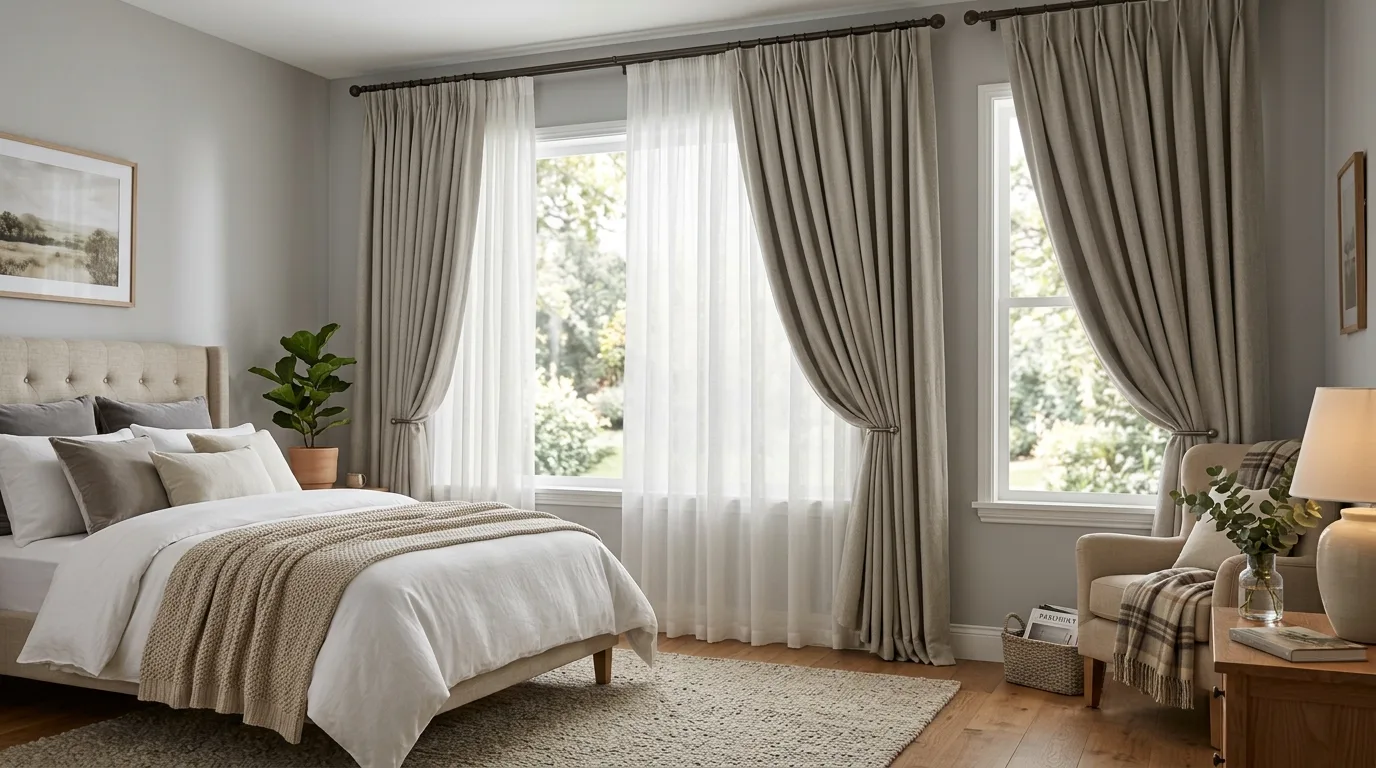
Roman blackout shade mounted inside a deep window frame
A well-fitted Roman blackout shade can make a bedroom feel calmer because it handles darkness without bringing in the visual bulk of full drapery. Inside mounting helps control the light more precisely, especially when the window already has depth.
Idea 3
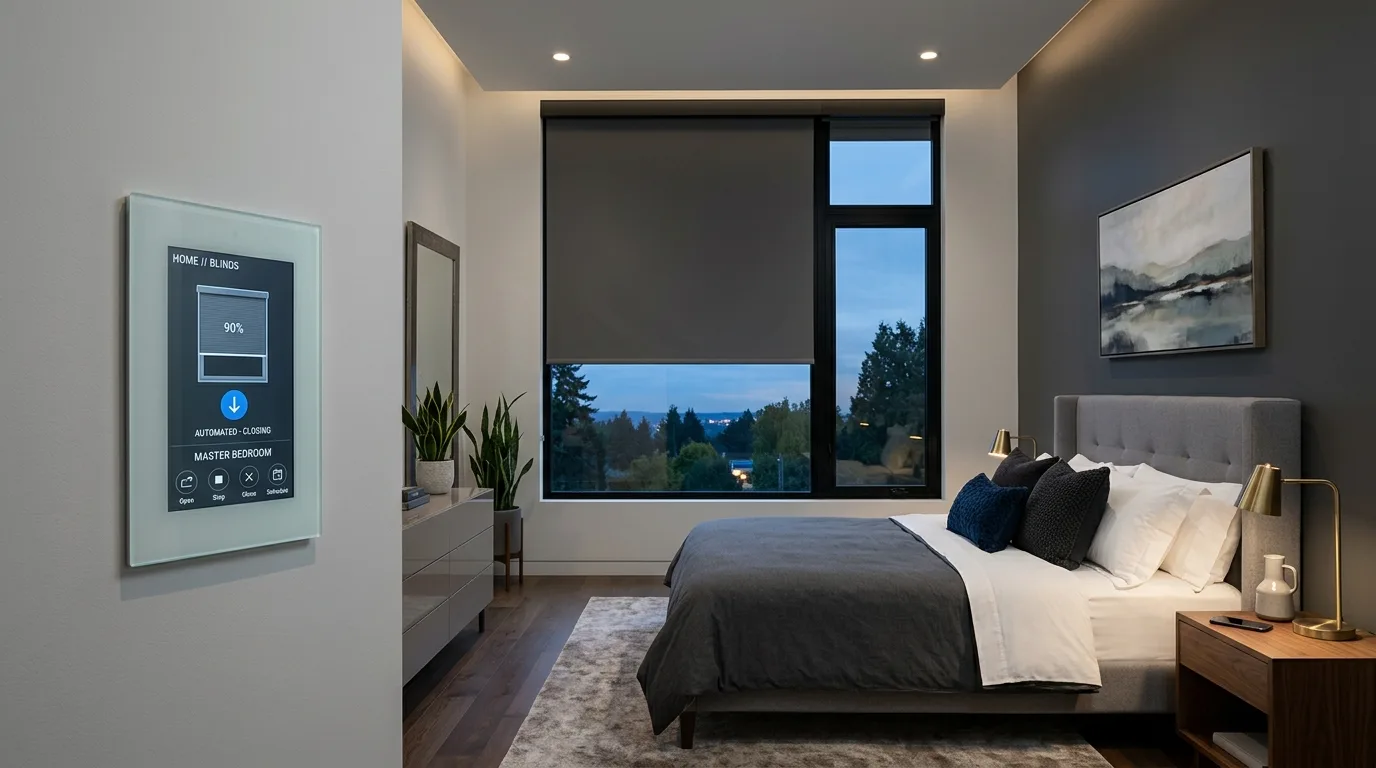
Track mounted curtains wrapping the wall to reduce side light leaks
Curtains that wrap wider than the frame solve one of the most common sleep problems by blocking the bright lines that appear at dawn. The track keeps the treatment clean, making the room feel more intentional and much darker at rest time.
Idea 4
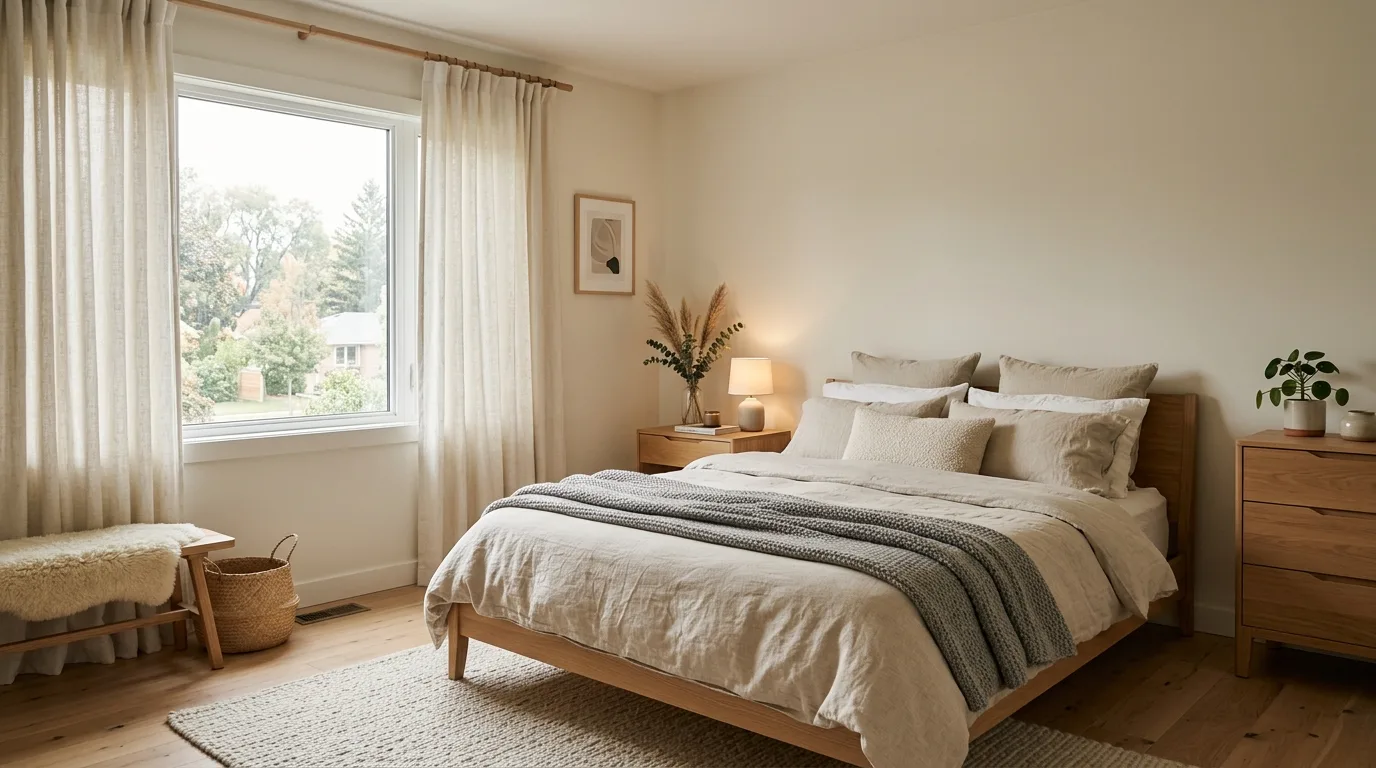
Bedroom with blackout roller and soft linen outer panels
Pairing a practical blackout roller with softer decorative panels works well because it separates function from atmosphere without losing either. The room still feels warm and layered, but it can become truly dark when needed.
Idea 5
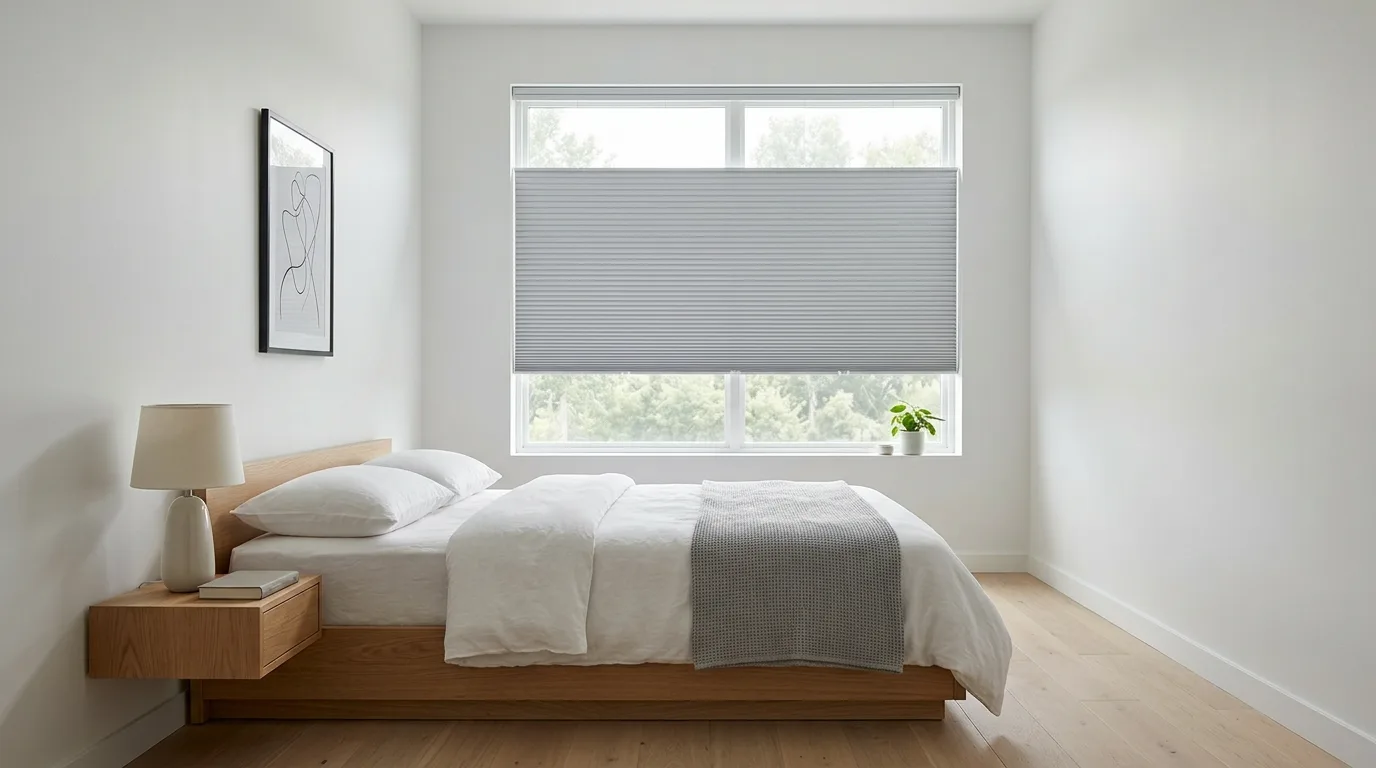
Nursery window with cordless shade and snug side channels
Nurseries benefit from darker windows when naps need to feel predictable, and side channels help reduce the glow that often sneaks in around a standard shade. A cordless solution also keeps the room safer and visually cleaner.
Idea 6
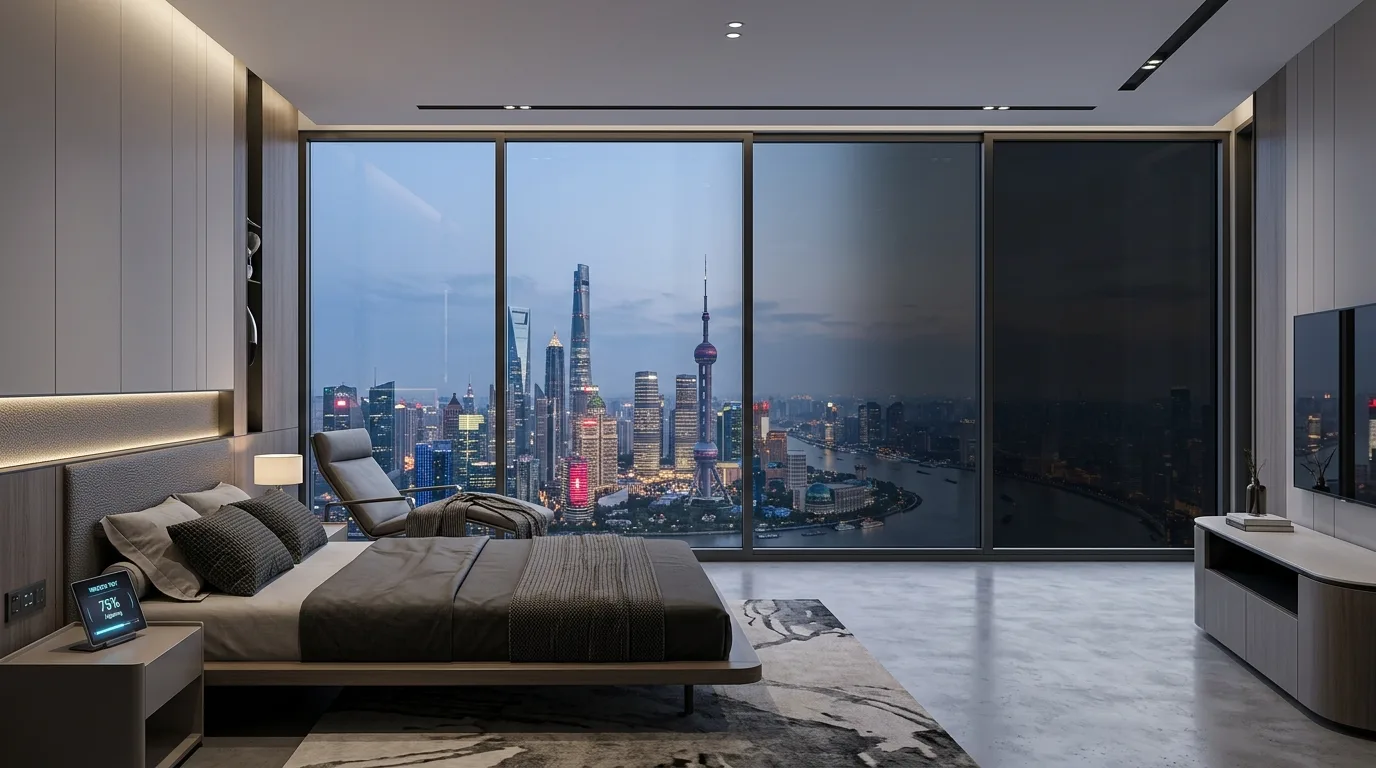
Apartment solution using blackout film and a heavier curtain layer
Rental-friendly darkening can still be effective when film reduces the incoming brightness and heavier curtains handle the rest. The combination makes a small bedroom more private and more restful without relying on permanent changes.
Idea 7
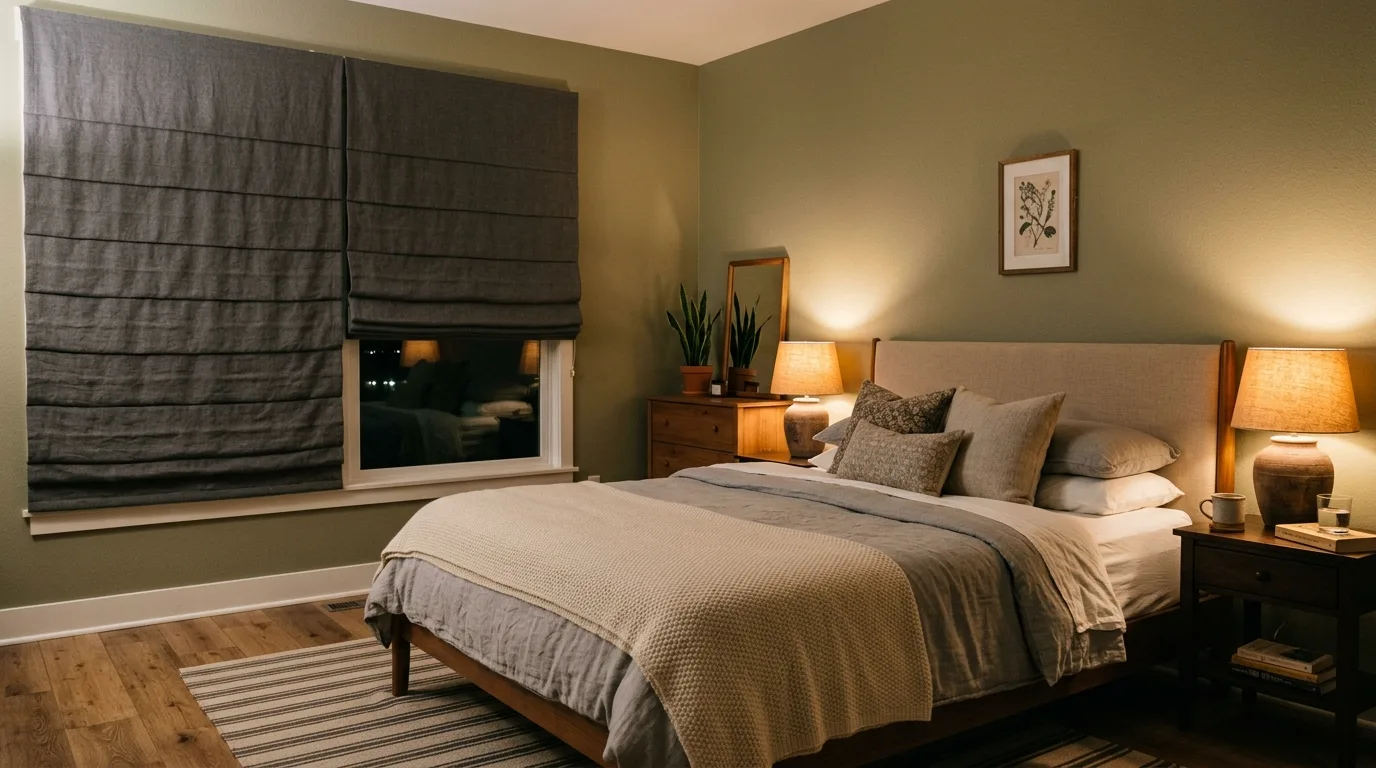
Attic window treatment with fitted blind and thermal drape
Attic windows often need extra control because the light angle can be intense, especially in early morning. A fitted blind with a thermal drape handles both brightness and comfort, making the room better for sleep and seasonal temperature swings.
Idea 8
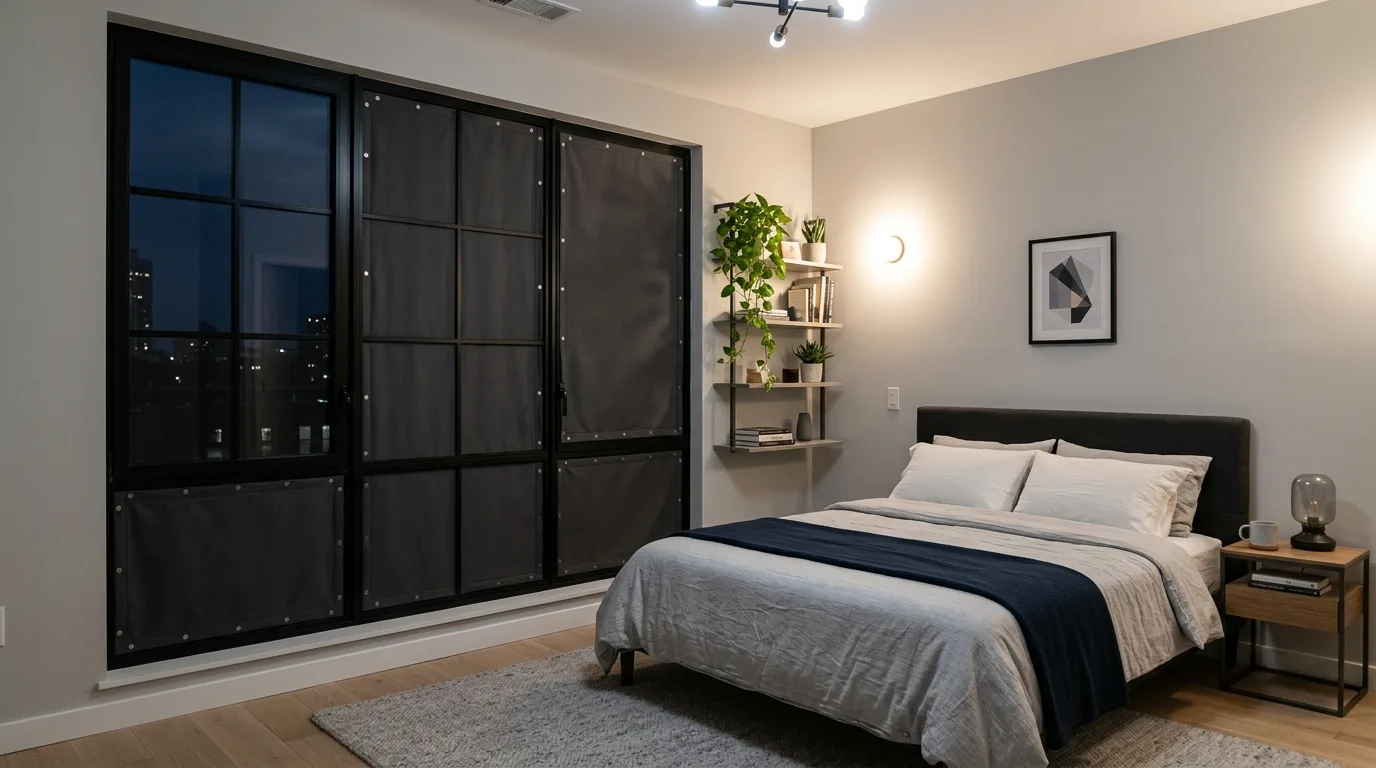
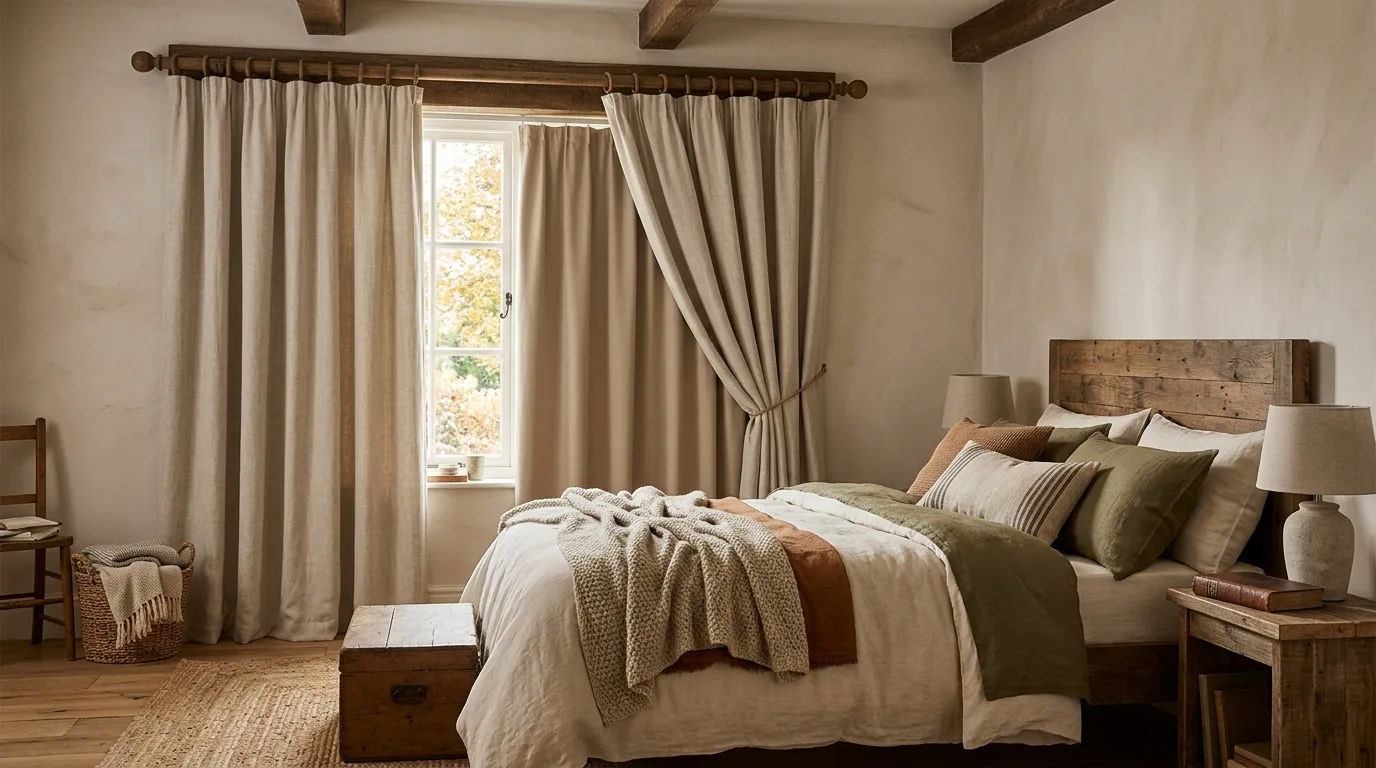
Side sleeper bedroom with headboard wall curtains extending past the frame
Running curtains wider than the opening is a simple fix that makes a real difference when you are sensitive to light leaking around the edges. The room stays visually soft, but the sleep environment becomes much more controlled and restful.
Idea 9
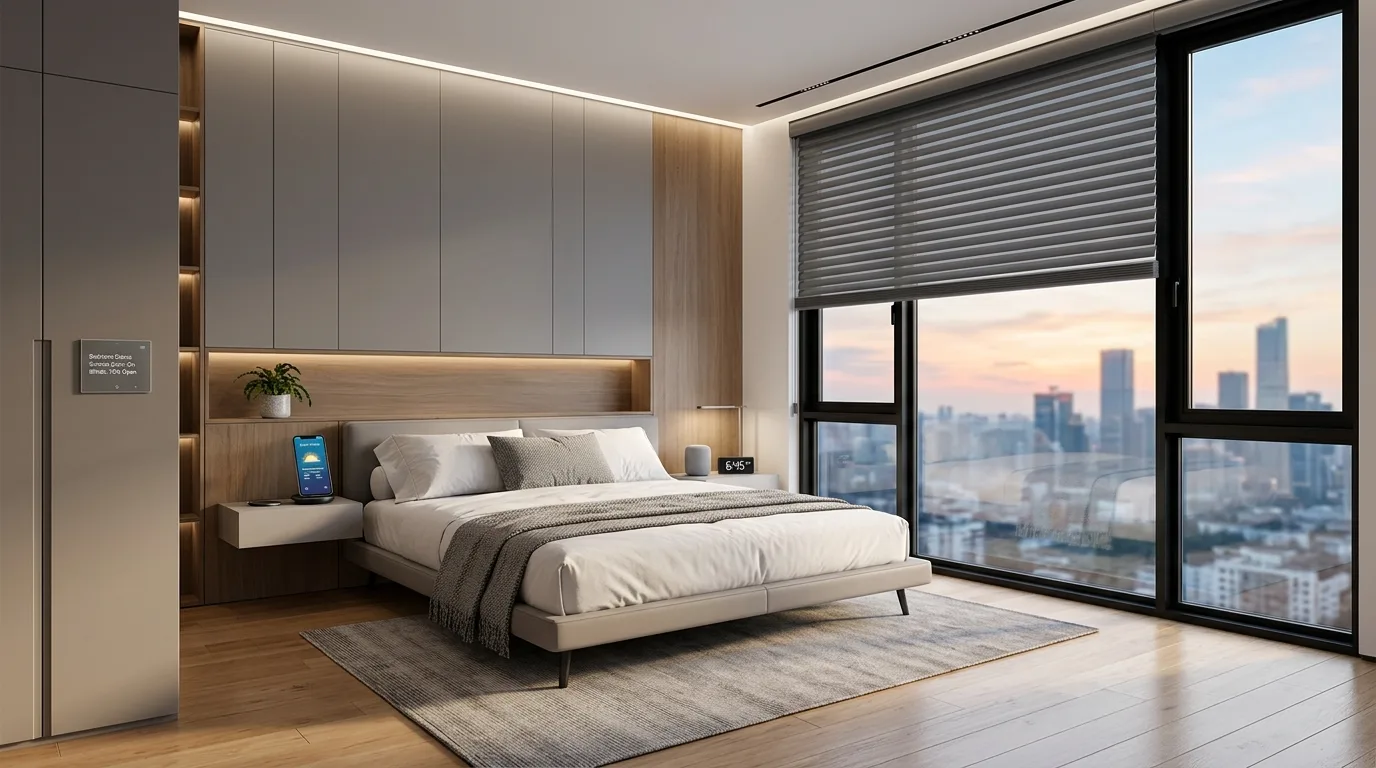
Minimal room with motorized blackout shade for easy nightly control
Motorized shades are useful when consistent darkness matters, because they make it easy to close the room fully without fuss at the end of the day. The clean look also suits minimalist rooms that want quiet function without extra fabric.
Idea 10
Guest room with plantation shutters paired with blackout panels
Shutters alone can leave lines of light, which is why pairing them with blackout panels often gives a much better result for sleeping guests. The combination feels classic in daylight and much more effective after dark.
Idea 11
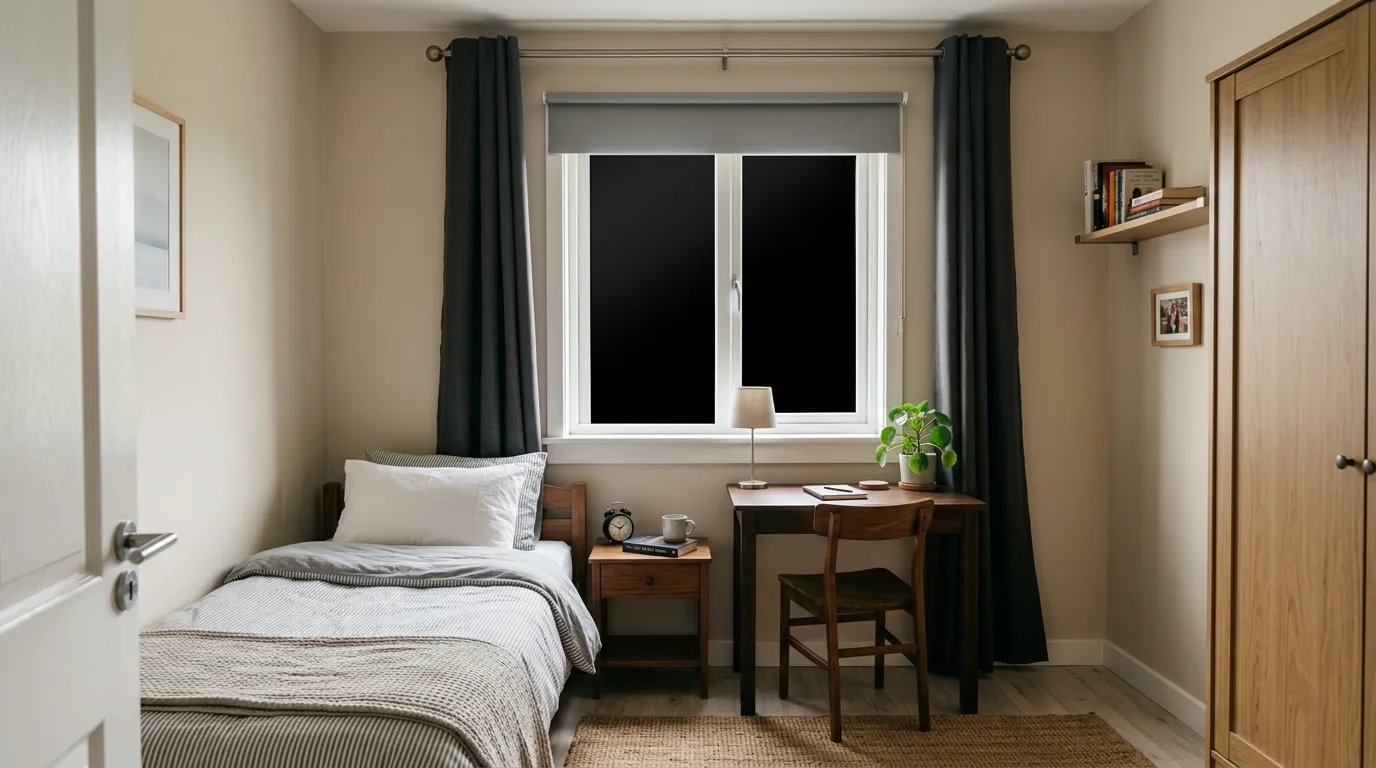
Small bedroom with top down bottom up shade and night curtain overlay
A flexible shade can help privacy and daylight during regular hours, while a curtain overlay makes the room dark enough at bedtime. That two-part solution works especially well when one small bedroom needs to behave differently across the day.
Idea 12
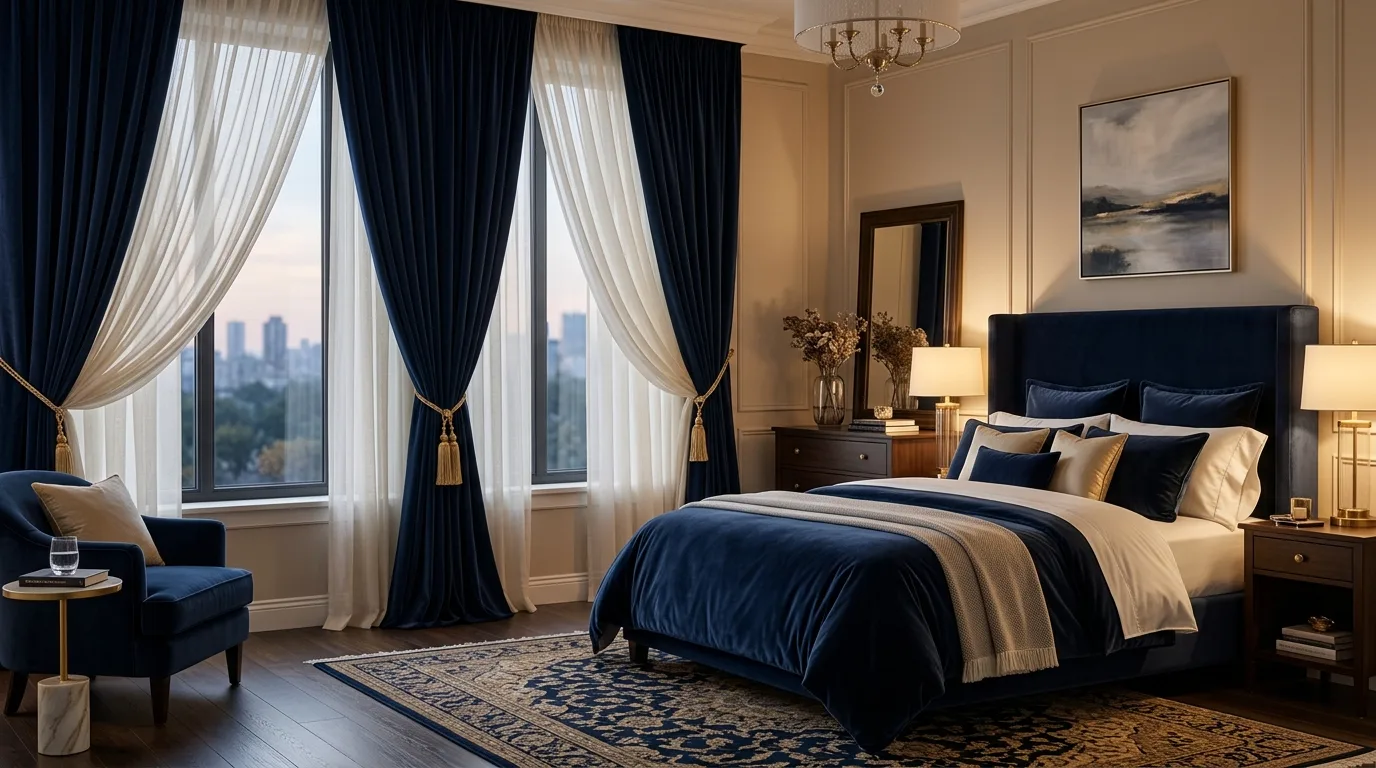
Media room window using velvet drapes and sealed blackout backing
Velvet helps darken a room partly through weight and partly through the way it softens both light and sound, making it ideal for deeper rest or screen viewing. With blackout backing, the room feels more enclosed and far less disturbed by outside brightness.
Read next on Saw & Sprout


Edible Gardens
13 Clever Tomato Trellis Gardens for a Bountiful Harvest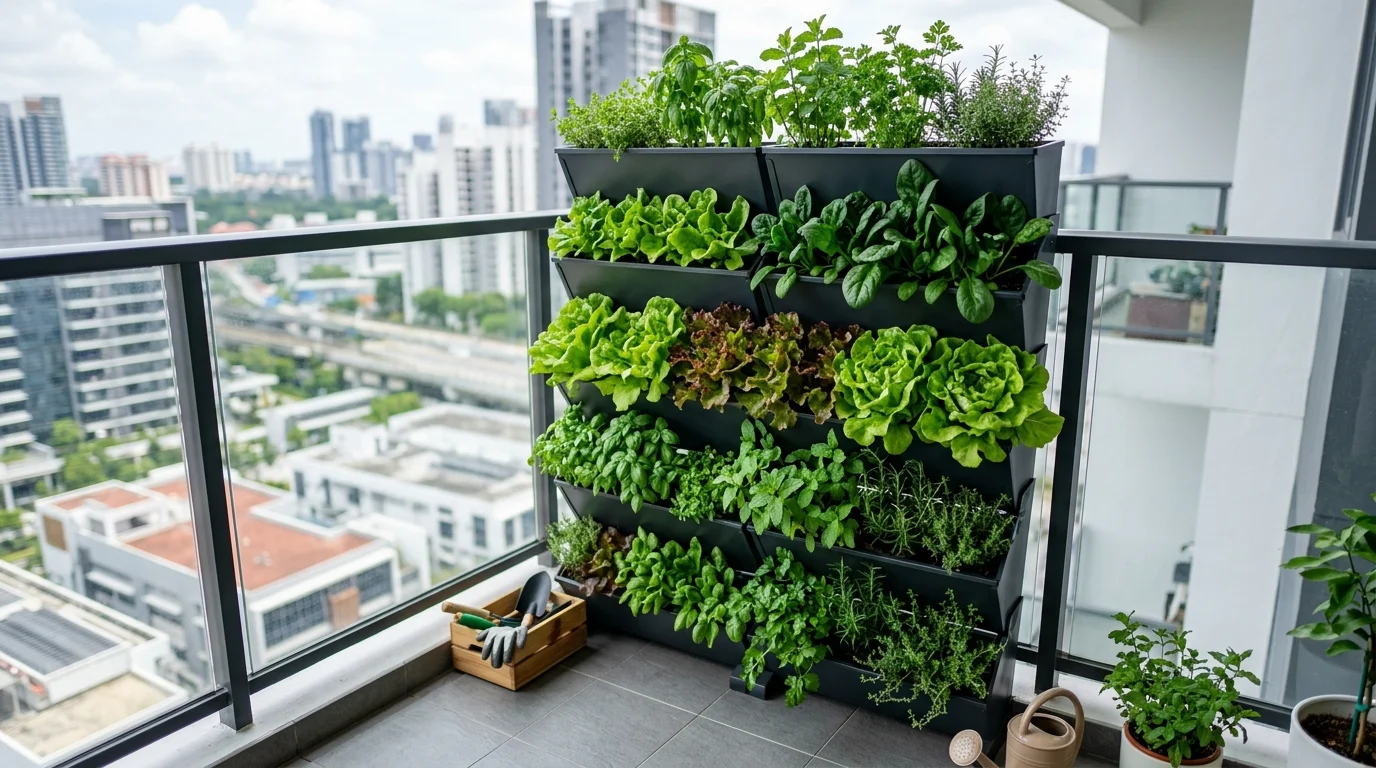
Small-Space Growing
14 Space-Saving Small Vegetable Gardens for Urban GrowersFrequently asked questions
What is the biggest reason blackout setups still leak light?
Side and top gaps are often the main issue, which is why fit and layering matter as much as fabric darkness.
Are blackout curtains enough on their own?
Sometimes, but many rooms darken much better when curtains are paired with a closer-fitting inner shade or another light-blocking layer.
Which rooms benefit most from window darkening?
Bedrooms, nurseries, media rooms, guest rooms, and spaces that face bright streetlights or early morning sun usually benefit most.