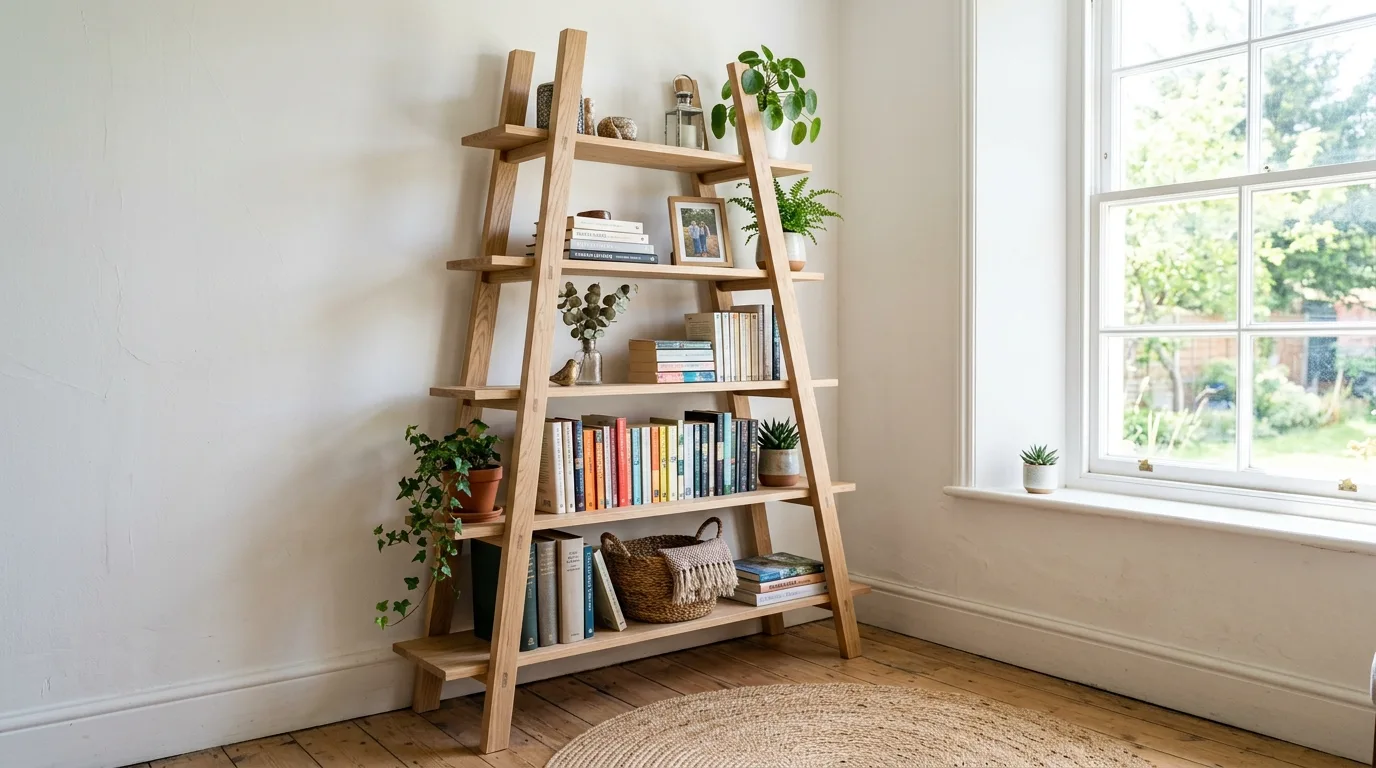
Bookshelves are some of the most satisfying DIY projects because they solve storage and style at the same time. A well proportioned shelf can make a blank wall feel useful, make a small room feel more intentional, and give books and objects a home that supports the rest of the decor.
What makes a bookshelf feel successful is not only what it holds but how it fits the room. Scale, spacing, depth, and whether the unit feels built in, floating, industrial, or more traditional all shape how finished the final project feels.
These bookshelf ideas focus on designs that are practical enough to build and strong enough to improve how a room works. Some are compact and simple, while others feel more architectural, but each one turns storage into something much more visually rewarding.
Quick planning notes
Build for the wall and not just the books, because shelf depth, height, and spacing should suit both the room proportions and the kinds of objects you plan to store.
Decide early whether the shelves should disappear into the architecture or stand out as a furniture feature, since that choice influences trim, paint, brackets, and overall shape.
Use repeated spacing and clean alignment wherever possible, because even simple shelves feel more professional when their rhythm is consistent from top to bottom.
Leave room for mixed styling if you want the shelves to feel more polished, since books, baskets, and a few quieter objects usually look better together than books packed edge to edge on every level.
Idea 1
Simple open pine shelves for a clean living room wall
Plain pine shelves can look much more intentional than people expect once the brackets are aligned well and the spacing is consistent from one level to the next. This style works especially well when you want storage that feels light and easy to live with.
Idea 2
Built in style shelves around a doorway or opening
Framing a doorway with bookshelves turns dead wall area into useful storage while making the whole room feel more custom and architectural. The effect can be especially impressive because it reads like part of the house rather than added furniture.
Idea 3
Low horizontal shelves under a wide window
A low shelf run beneath a window keeps the wall useful without blocking light, which makes it a strong option for smaller rooms or reading corners. It also gives books and baskets a quieter more integrated place to live.
Idea 4
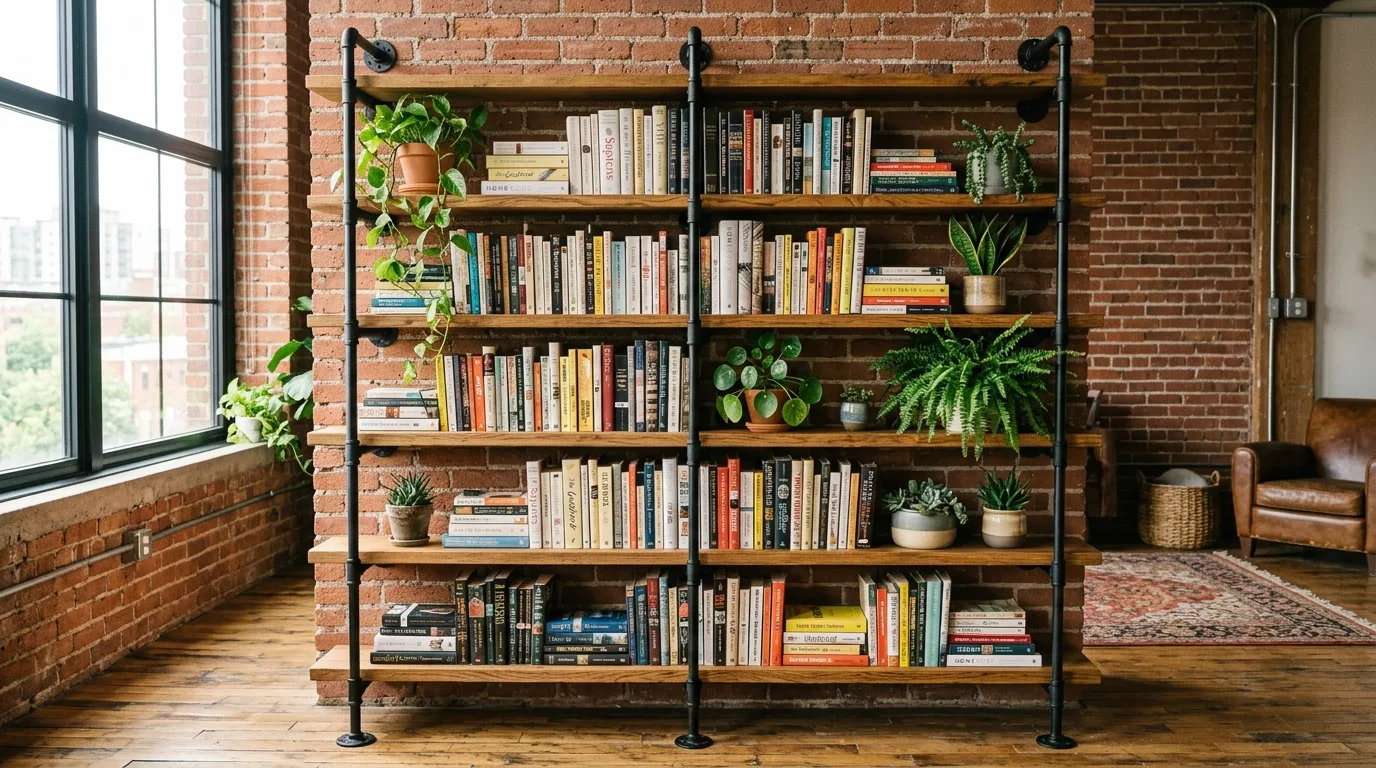
Industrial pipe shelf unit with wood plank boards
Pipe and plank shelving has a straightforward rugged appeal that works beautifully in offices, dens, or loft-like spaces where you want storage with more character. The materials are simple, but the contrast gives the unit a lot of presence.
Idea 5
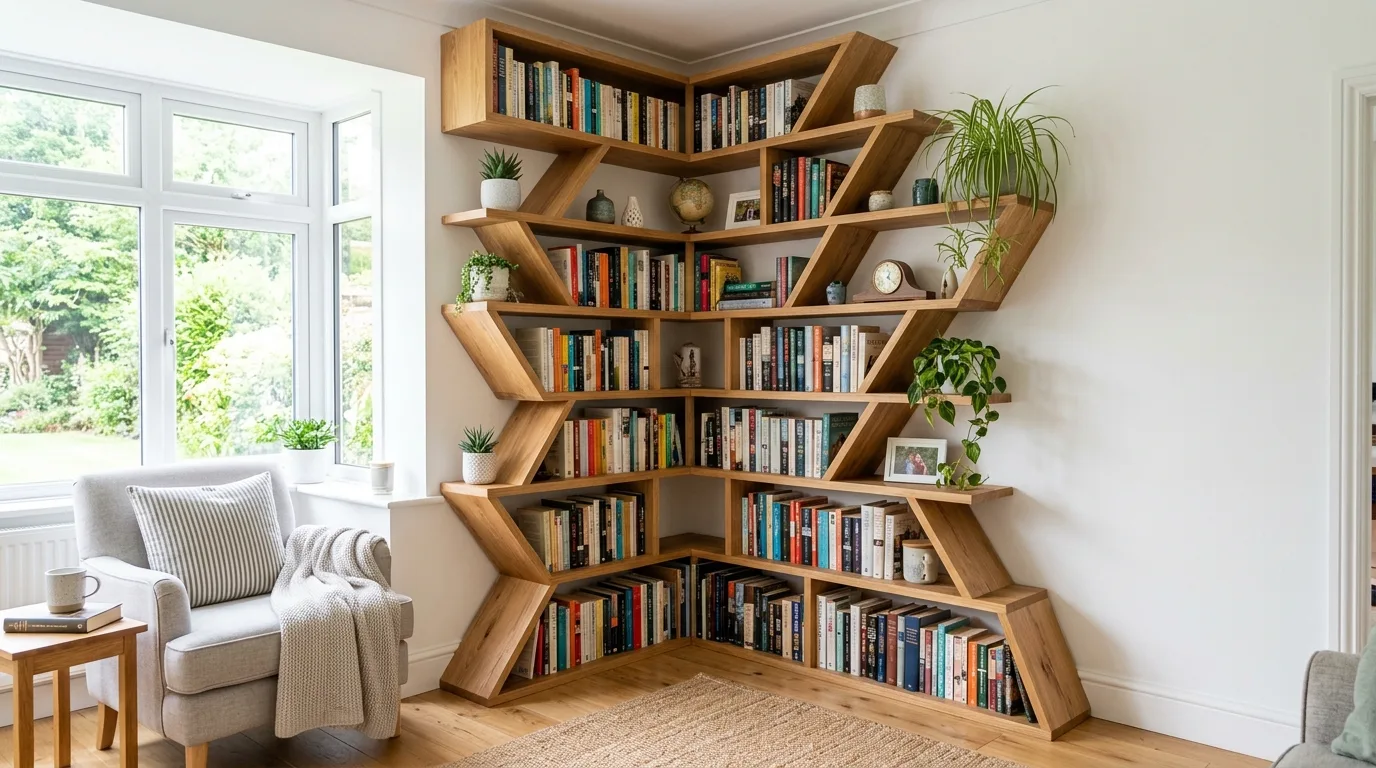
Slim ladder style shelves for a small apartment corner
Ladder shelves are useful because they keep a narrow footprint while still giving you several levels of storage and display. In a small apartment, that balance between function and openness can make a corner feel finished without making it feel heavy.
Idea 6
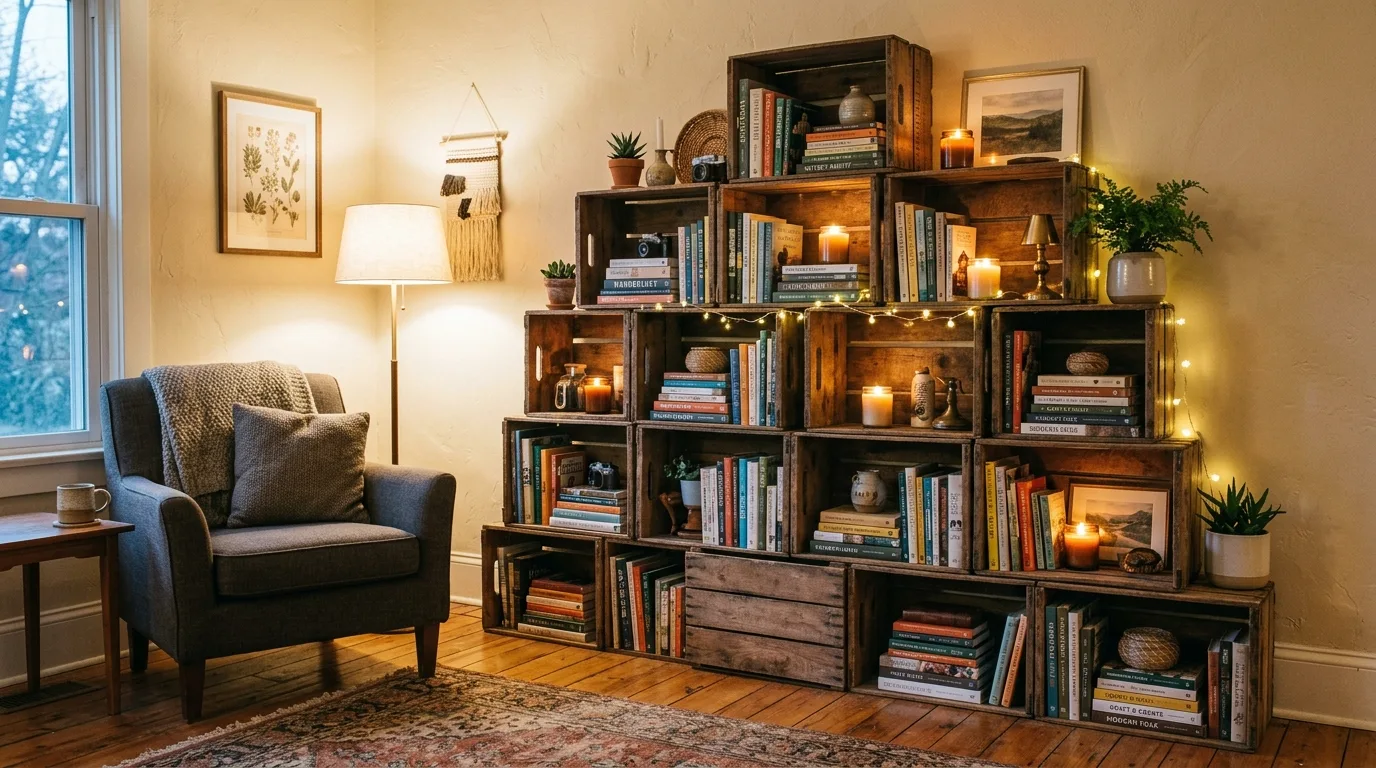
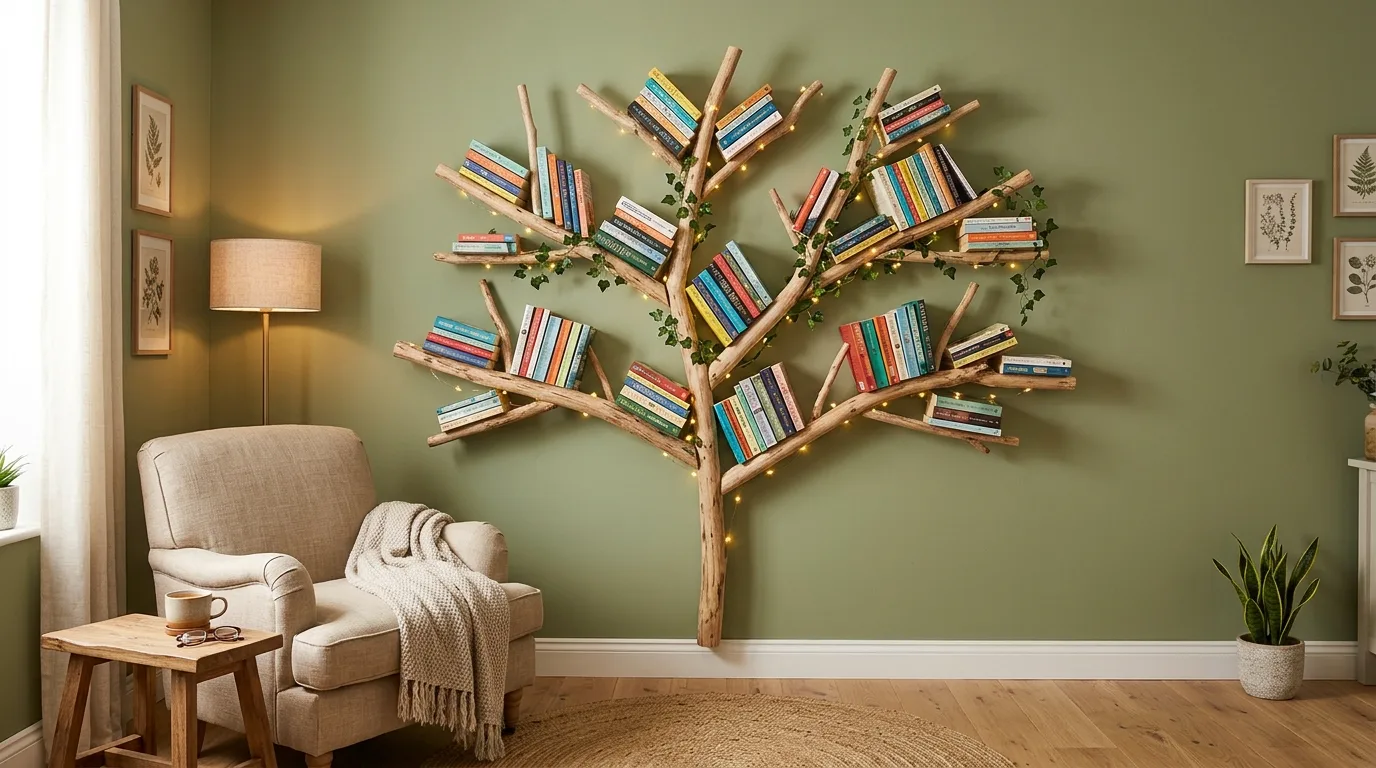
Cube shelves sized for baskets and mixed storage
Cube shelving is popular for a reason because it handles books, bins, and decorative objects with very little fuss while keeping everything easy to sort visually. It is a good build when you need storage that is practical before it is precious.
Idea 7
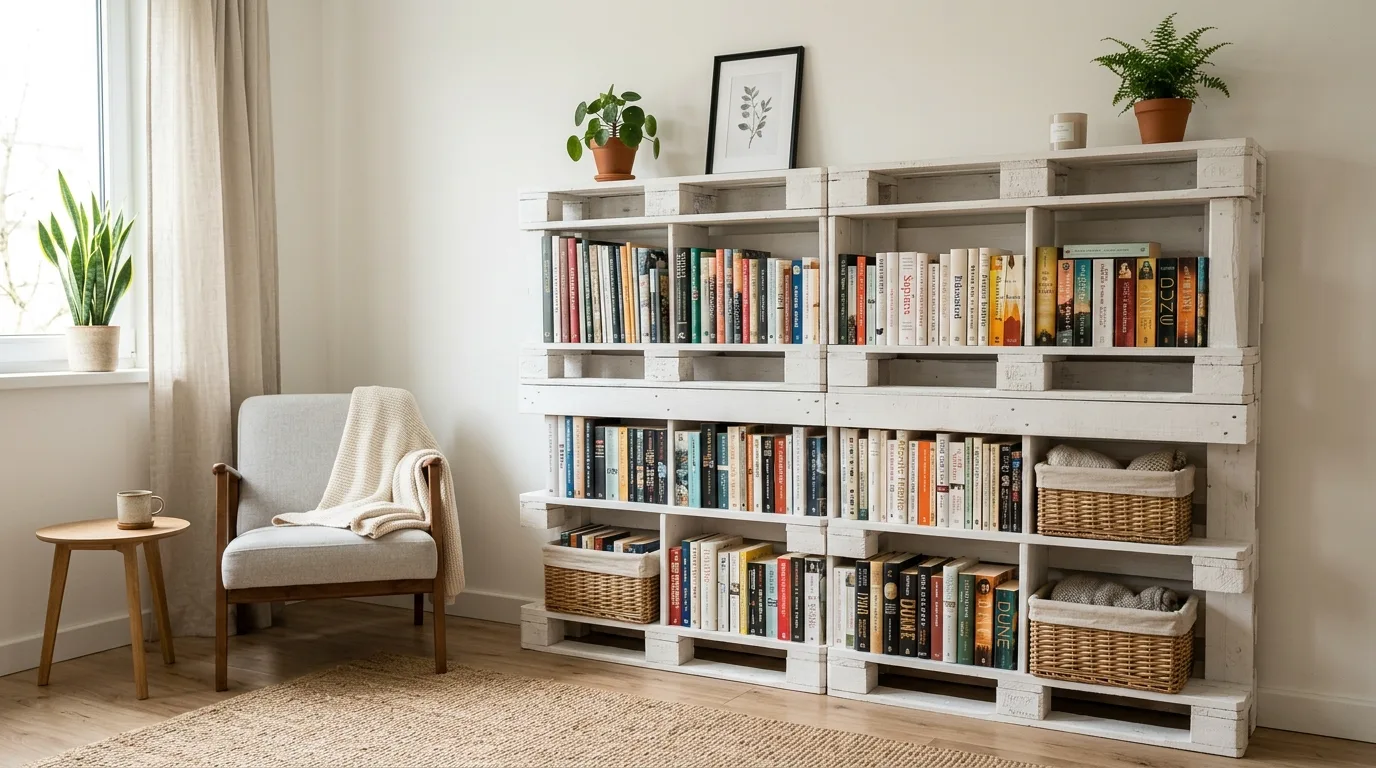
Nursery book ledges that keep covers facing forward
Forward facing ledges make childrens books easier to reach and turn the covers into part of the room decor, which is both useful and charming. They are simple to build but can make a nursery feel much more considered and inviting.
Idea 8
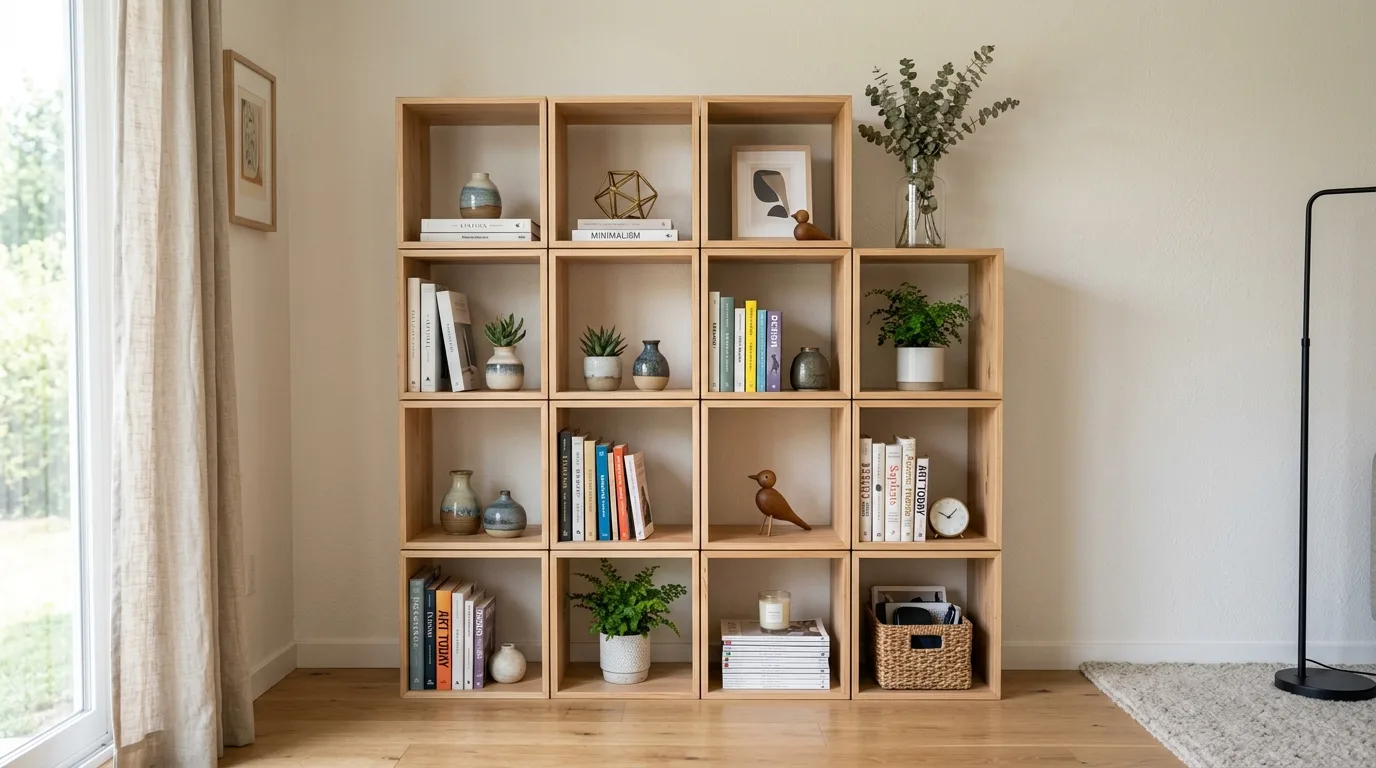
Tall narrow shelves beside a fireplace or media unit
A tall shelf built to fill the slim space beside a fireplace can make the whole wall feel balanced and put an awkward strip of wall to work. The height also helps smaller rooms gain storage without sacrificing too much floor space.
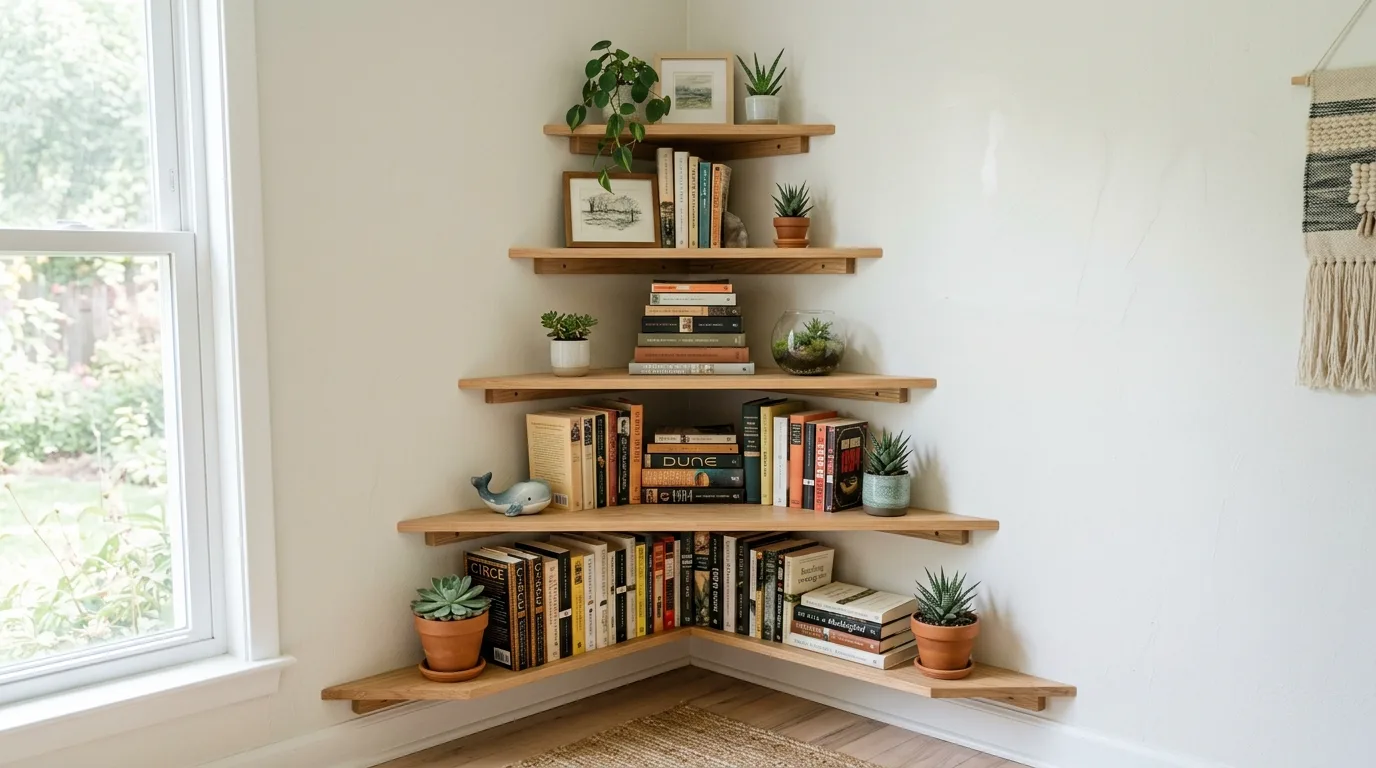
Idea 9
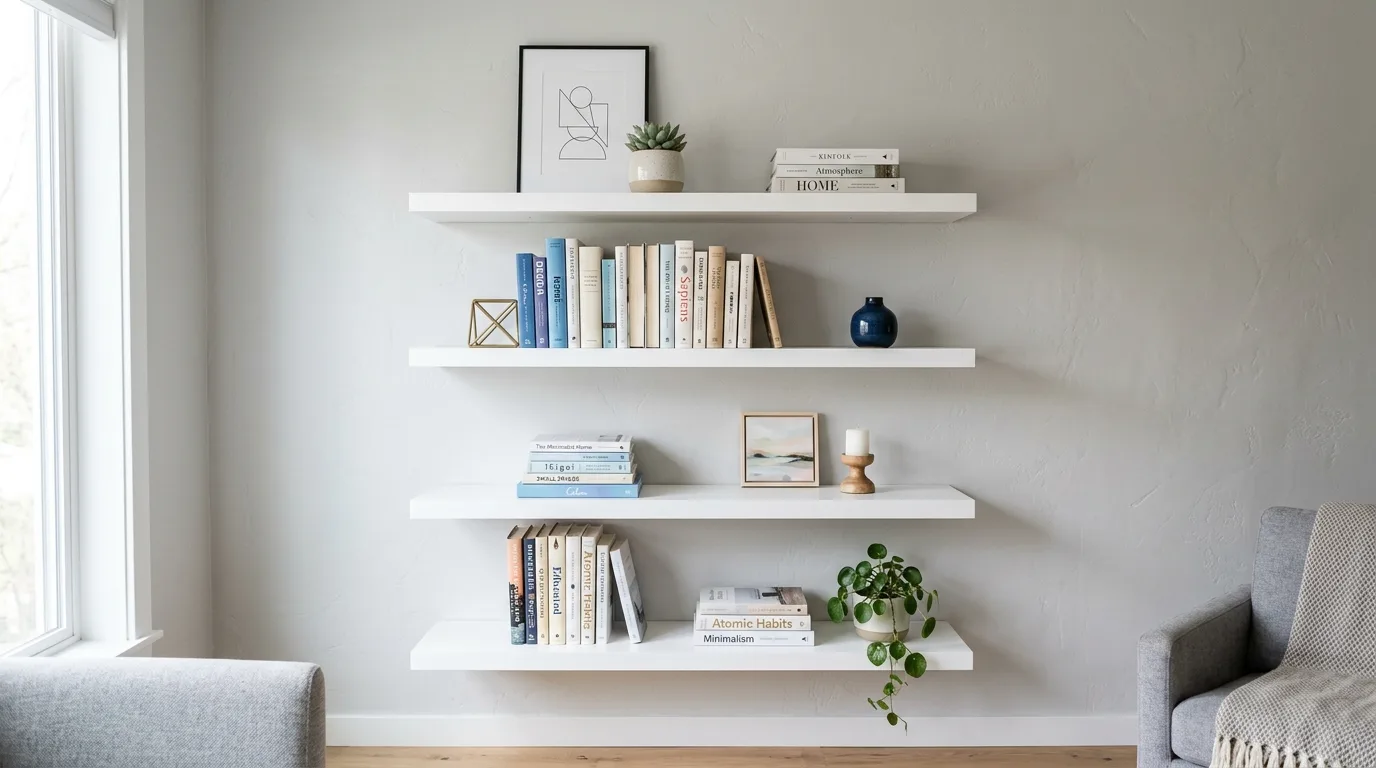
Floating book ledges for a minimal hallway display
Floating ledges keep the profile shallow and are especially useful in hallways where deeper shelves would feel intrusive. They also make books and framed art feel more curated, which can turn an overlooked passage into something much warmer.
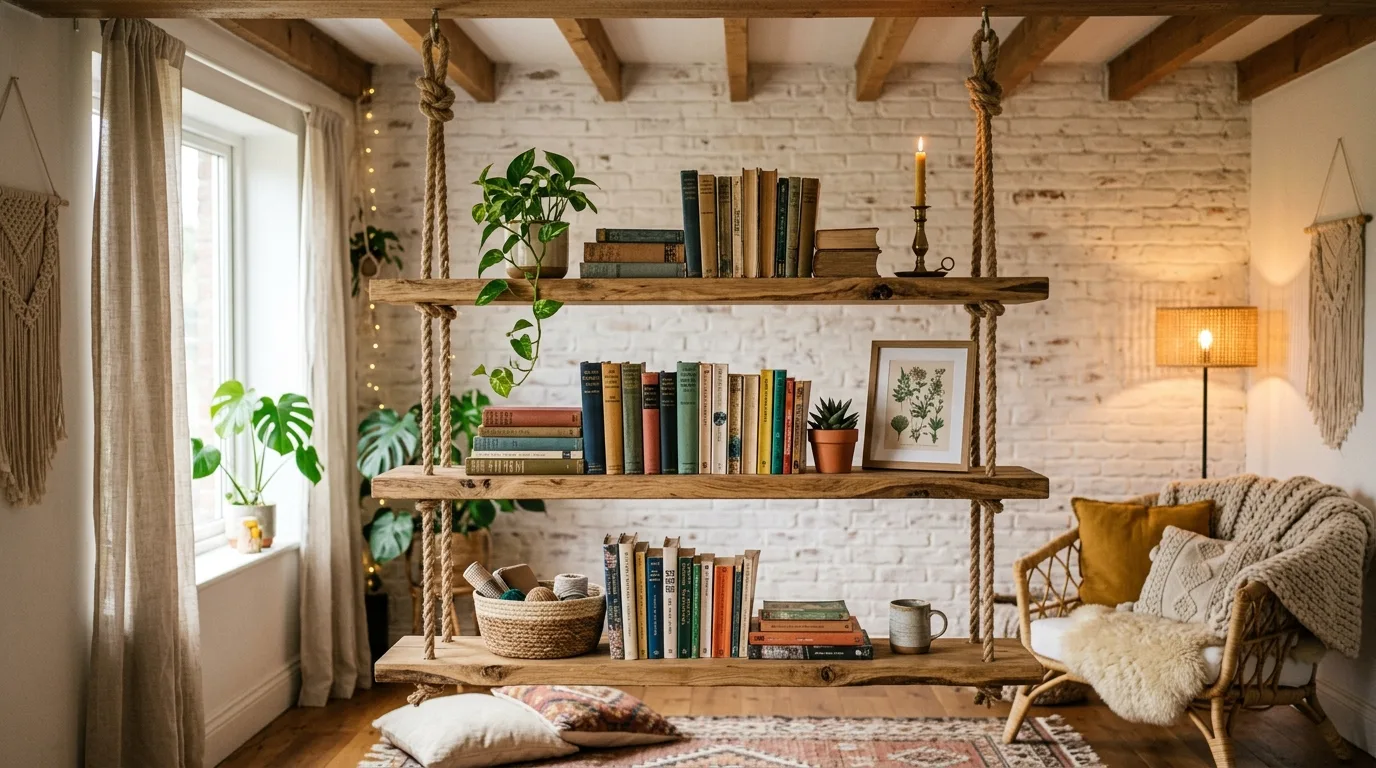
Idea 10
Corner wrap shelves that use every inch well
A corner wrap bookshelf can feel surprisingly generous because it uses two walls at once and makes hard to furnish space become useful. This kind of build often works best when you want storage to feel integrated instead of appended as an afterthought.
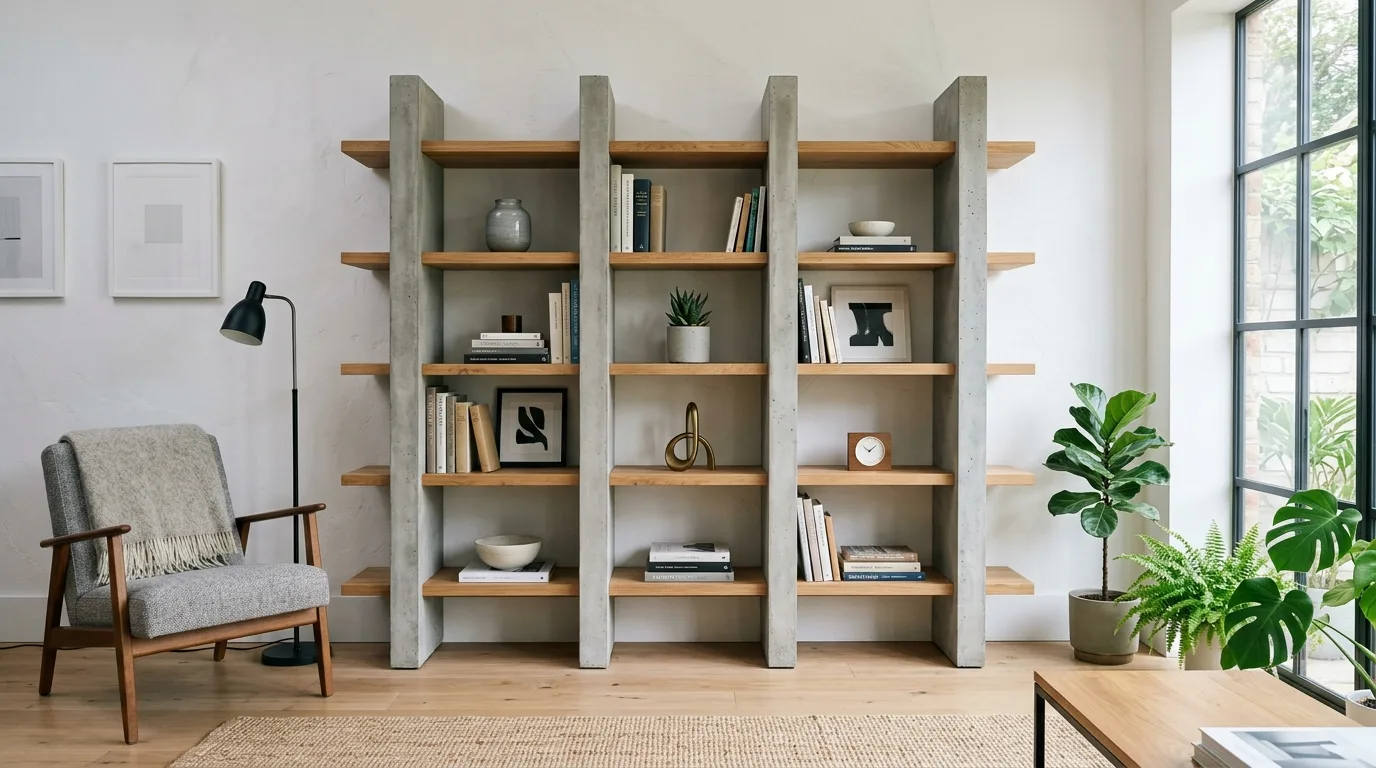
Idea 11
Painted shelves with a contrasting darker back panel
A darker back panel gives the shelves more depth and helps the books and objects stand out more clearly without needing elaborate styling. It is a subtle trick, but it can make a basic build feel much more finished and custom.
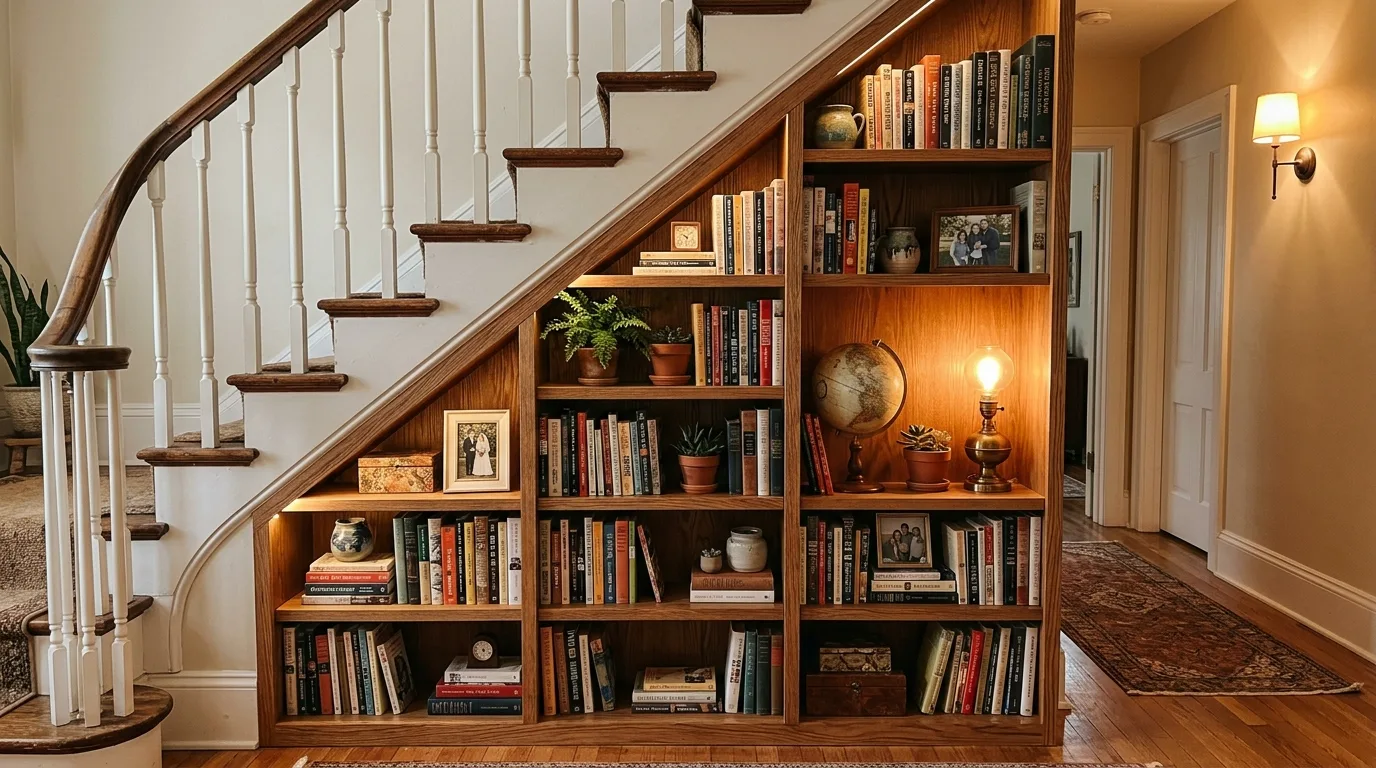
Idea 12
Reading nook shelf wall with a bench tucked below
Combining shelving with a bench turns simple storage into a whole reading zone, which makes the room feel more purposeful and inviting. It is a great project when you want books to shape the atmosphere of the space rather than just fill it.
Read next on Saw & Sprout
Edible Gardens
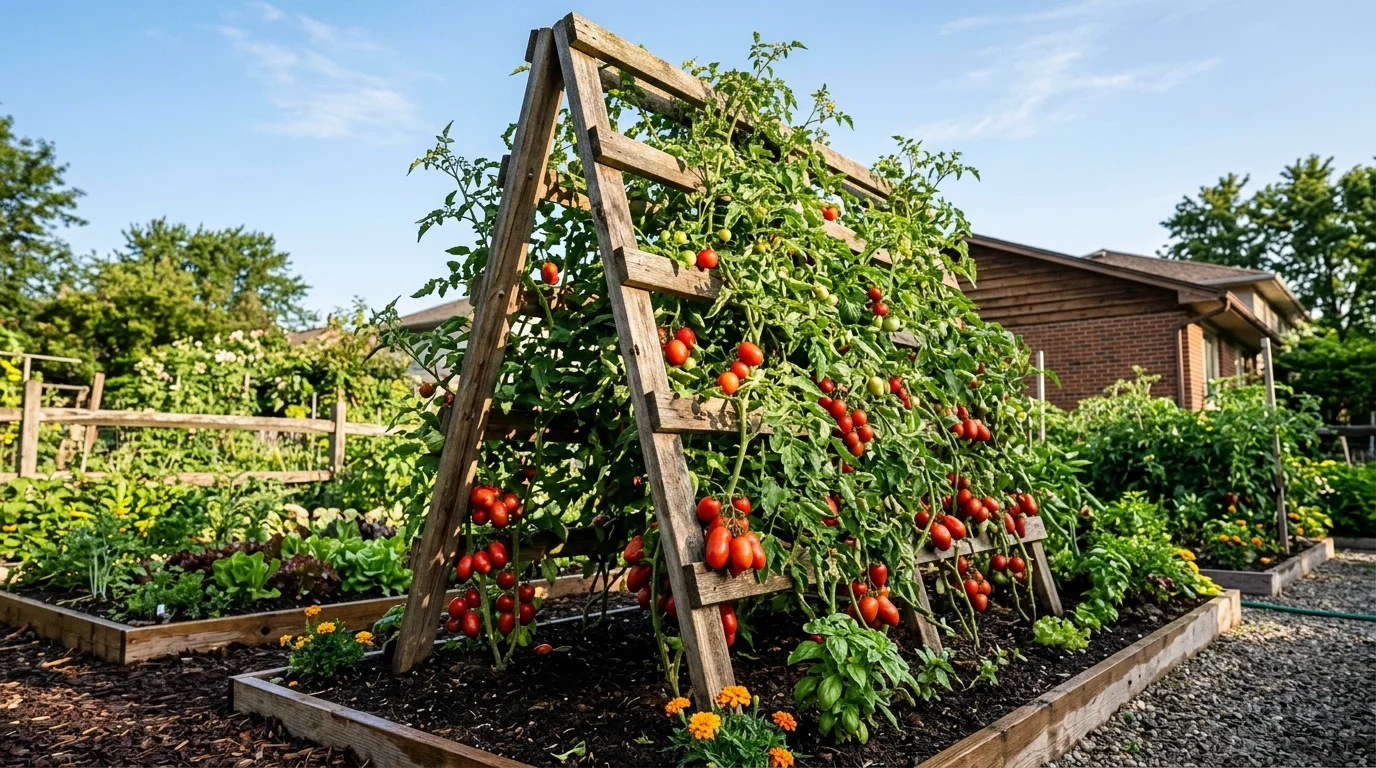
13 Clever Tomato Trellis Gardens for a Bountiful Harvest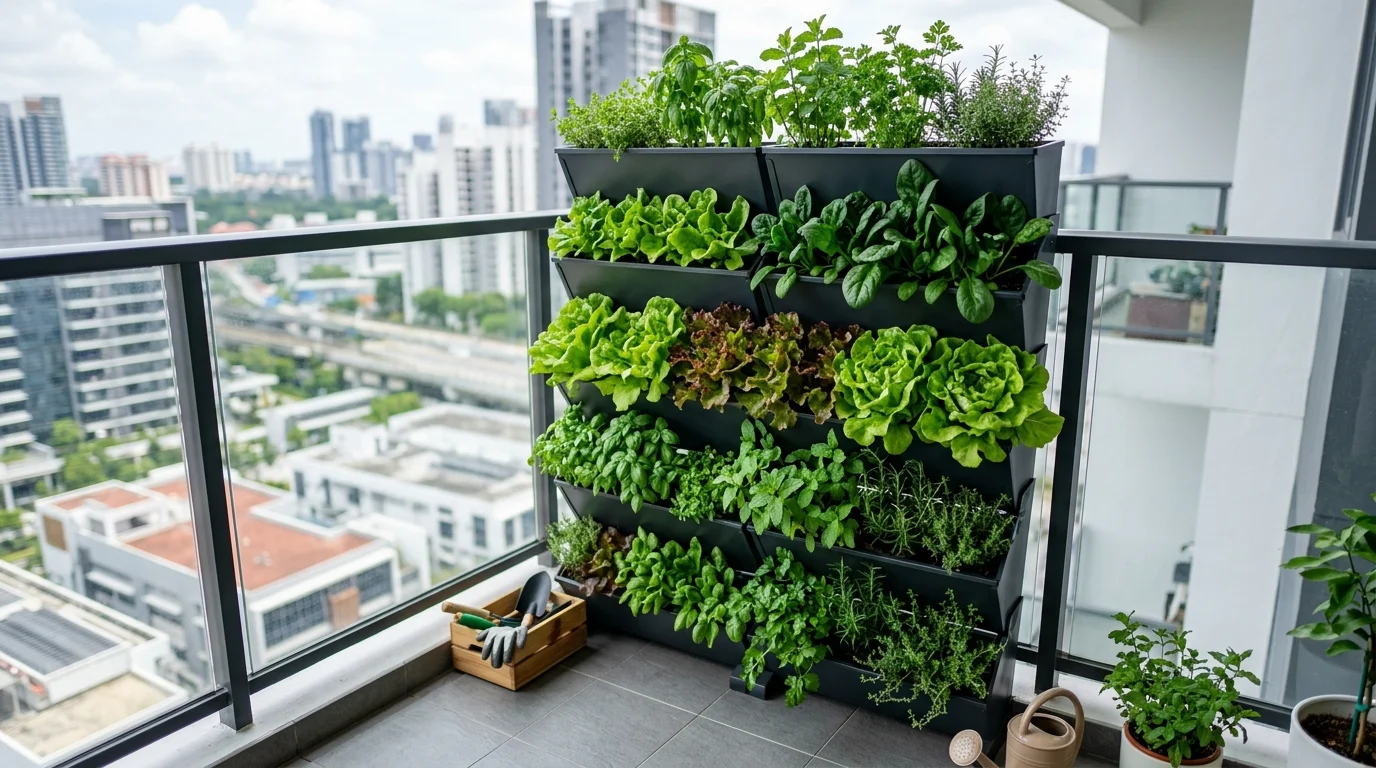
Small-Space Growing
14 Space-Saving Small Vegetable Gardens for Urban GrowersFrequently asked questions
What type of DIY bookshelf is easiest to build?
Simple wall mounted shelves, basic ladder units, and straightforward cube systems are often the easiest starting points because the shapes stay cleaner and the cuts are simpler.
How do you make bookshelves look stylish and not just practical?
Good spacing, strong alignment, and a little room for baskets, framed art, or decor usually help shelves feel more designed instead of purely utilitarian.
Where do custom bookshelves make the biggest difference?
They can completely improve reading nooks, living room walls, hallways, nursery spaces, fireplace sides, and awkward corners that need both storage and visual structure.