Sustainable landscapes work best when the environmental choices also make the yard more beautiful, not less. Native planting, smarter water use, lower-input surfaces, and habitat-friendly decisions can all create outdoor spaces that feel richer, calmer, and more connected to place.
A green yard does not have to look sparse or overly technical. In fact, the strongest eco-friendly designs often feel more alive because they rely on layered planting, useful spaces, and systems that support the landscape naturally over time.
These sustainable landscape ideas explore ways to create greener yards that still feel stylish and complete. Each one shows how beauty, function, and responsible design can support each other without compromise.
Quick planning notes
Choose plants that genuinely suit the site so sustainability works through the seasons instead of only on paper.
Reduce high-input areas where possible and give the most maintenance to the spaces that matter visually or functionally.
Use material choices that support drainage, durability, and lower long-term waste.
Think about habitat, water, and daily use together so the yard feels both responsible and enjoyable.
Idea 1
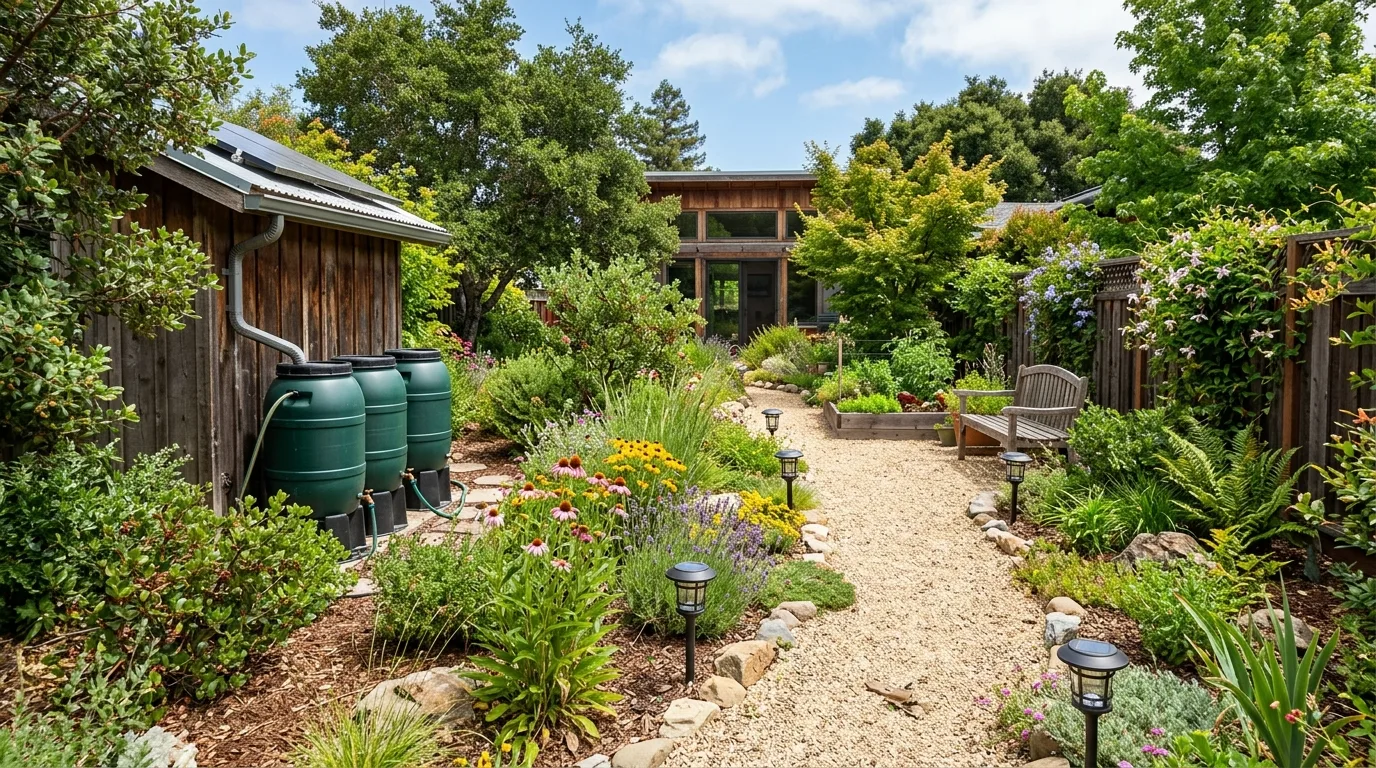
A native planting plan that cuts water use while adding texture
Sustainable landscapes feel most convincing when their environmental logic also creates visual richness, and a native planting scheme does exactly that by reducing irrigation needs while still delivering layered foliage, bloom, and seasonal movement. The result is a yard that feels responsible without losing beauty or personality.
Idea 2
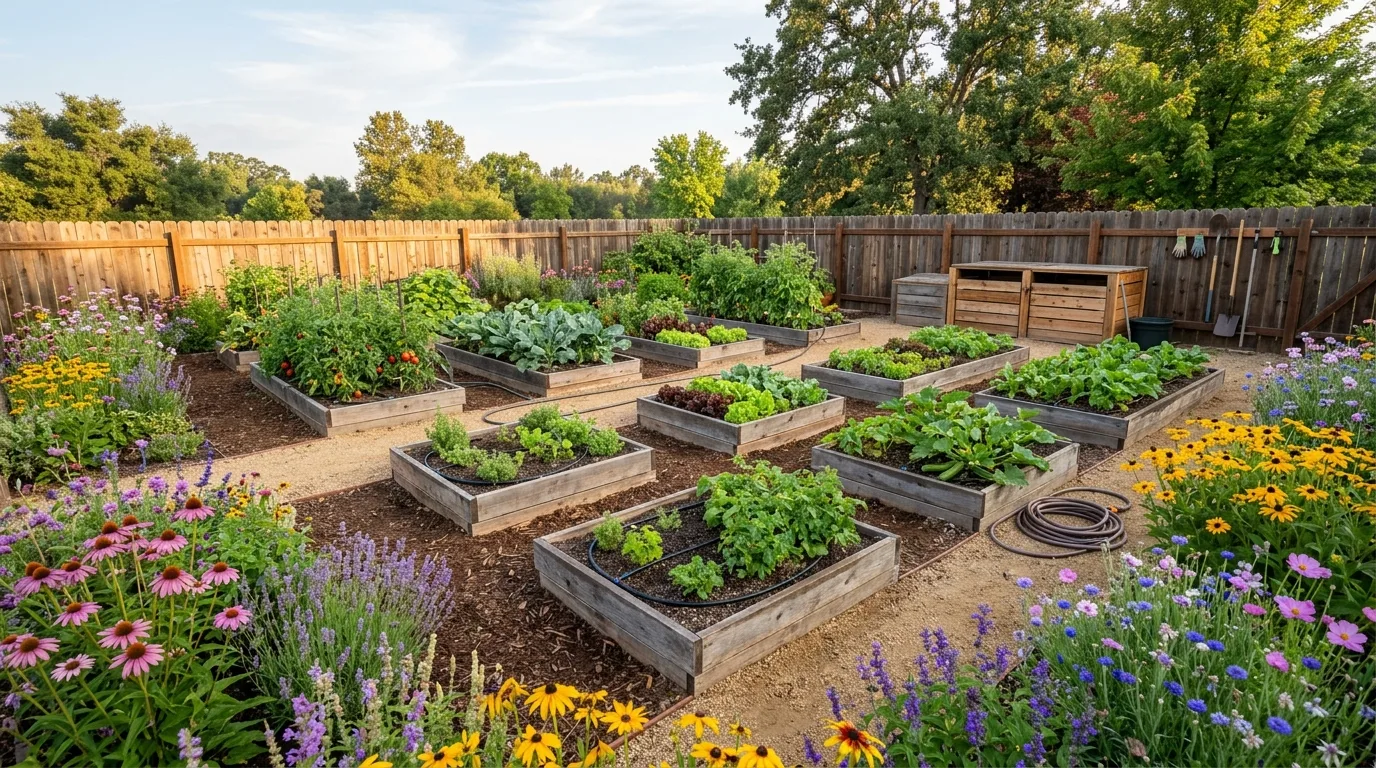
A gravel path garden built around drought-tolerant structure
Gravel paths are especially effective in green-minded yards because they reduce high-maintenance lawn area and create a clean framework for planting that thrives with less water. When paired with hardy grasses and resilient perennials, the whole space feels thoughtful, modern, and easy to care for long term.
Idea 3
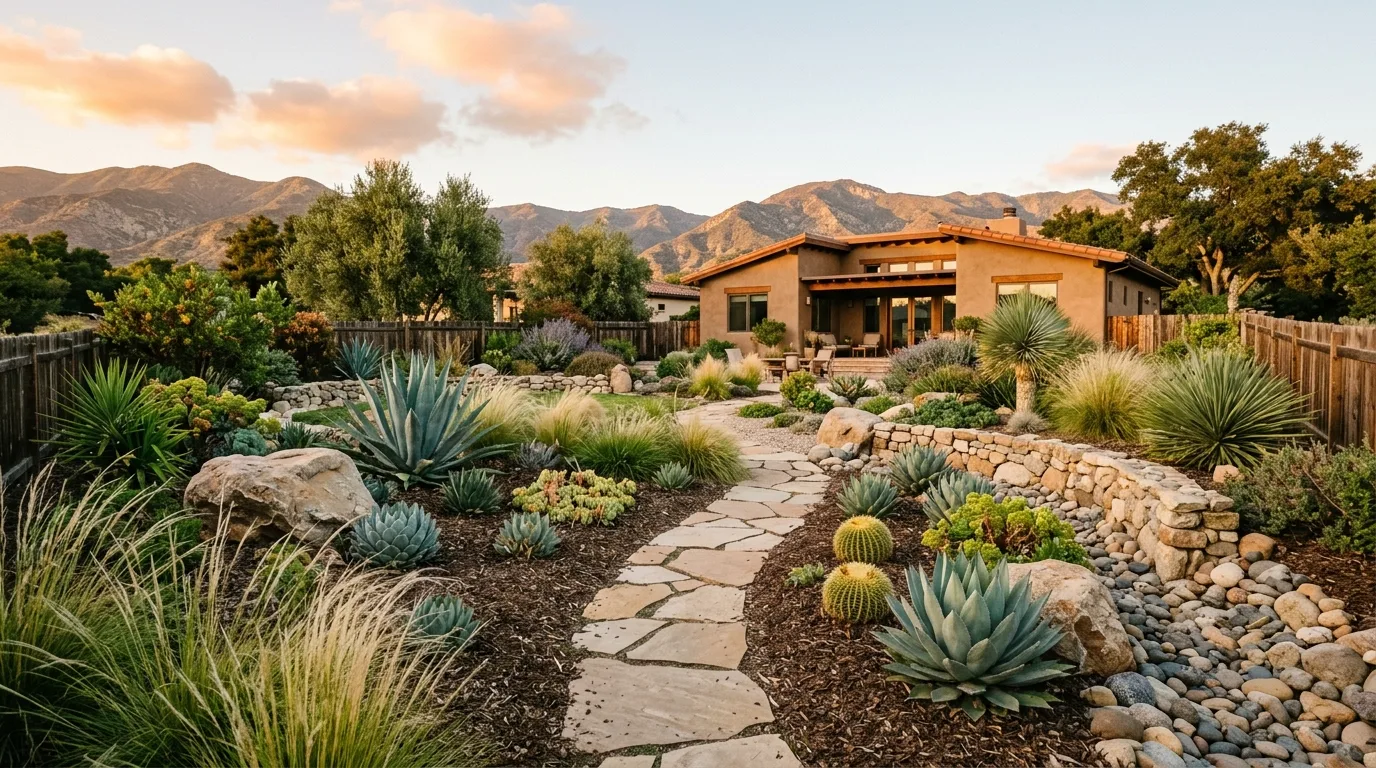
A rain-garden border designed to manage runoff beautifully
Rain gardens show how sustainability can be both practical and attractive by turning stormwater into part of the planting strategy rather than a drainage problem to hide. With the right layered vegetation, the border feels lush and purposeful while helping the yard handle water more intelligently.
Idea 4
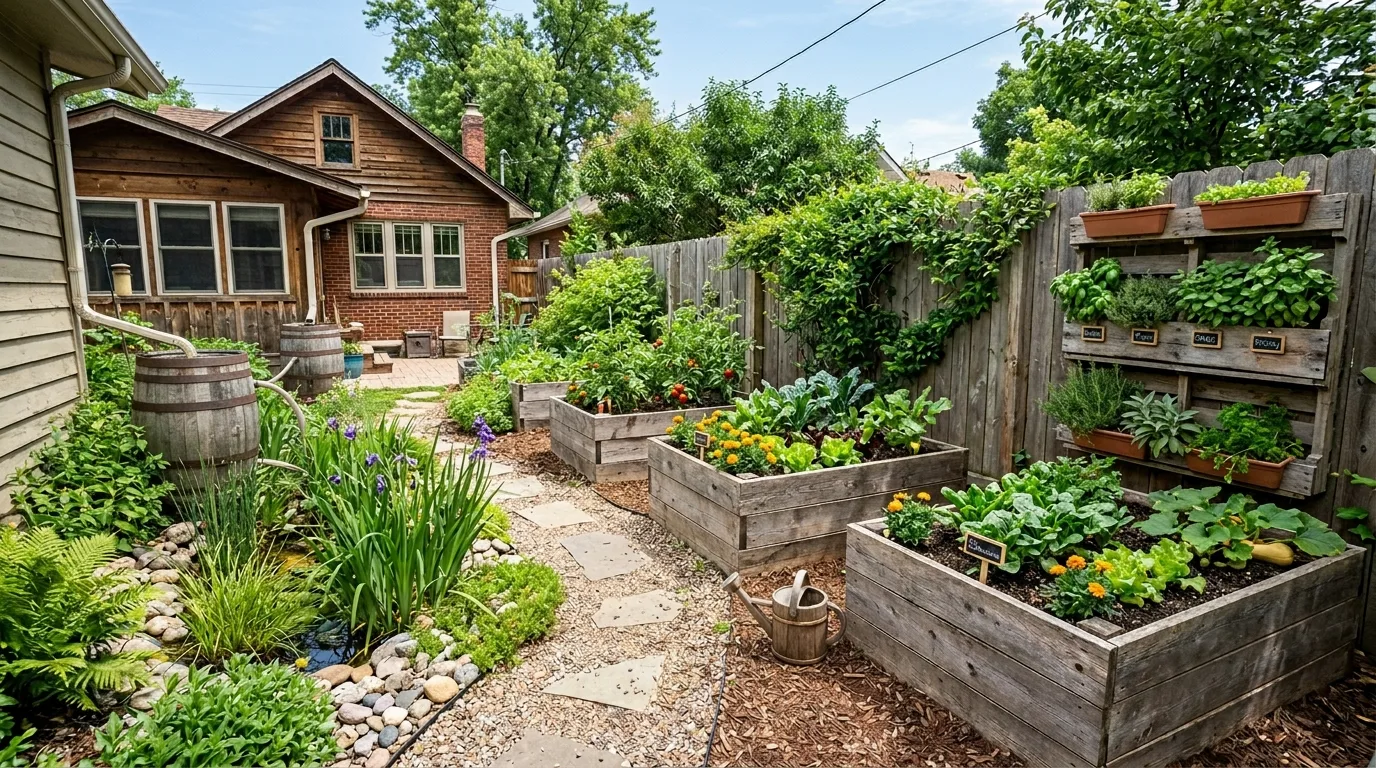
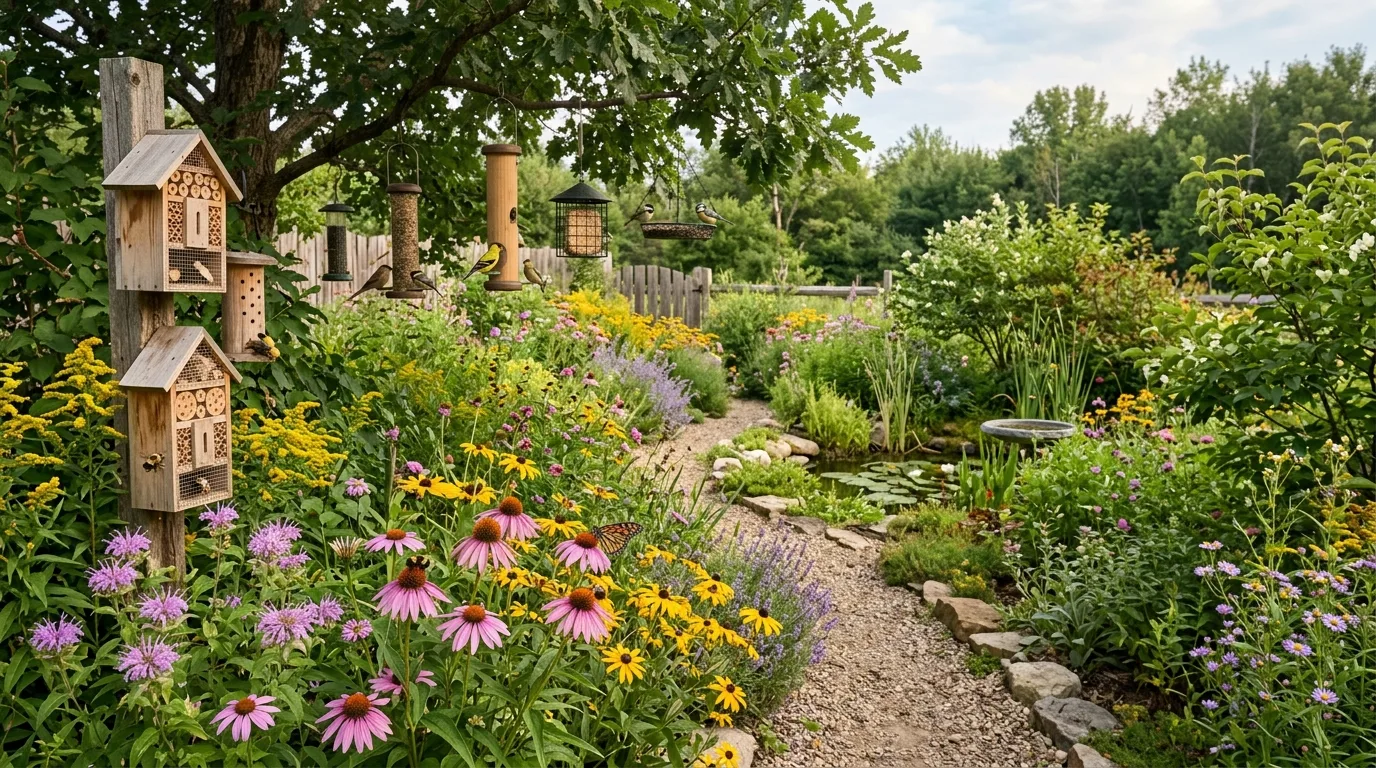
A meadow-style lawn alternative buzzing with pollinator life
Replacing traditional turf with a meadow-inspired planting can make a yard feel far more alive because the flowers, seed heads, and movement attract wildlife while reducing mowing and heavy input. The softer natural rhythm also gives the landscape a more relaxed and ecological character.
Idea 5
A shaded seating corner cooled by layered edible planting
Combining beauty with useful planting is one of the strongest sustainable moves a garden can make, and a seating nook edged with herbs, berries, or leafy greens makes the yard feel productive as well as attractive. That overlap between comfort and harvest gives the landscape deeper value.
Idea 6
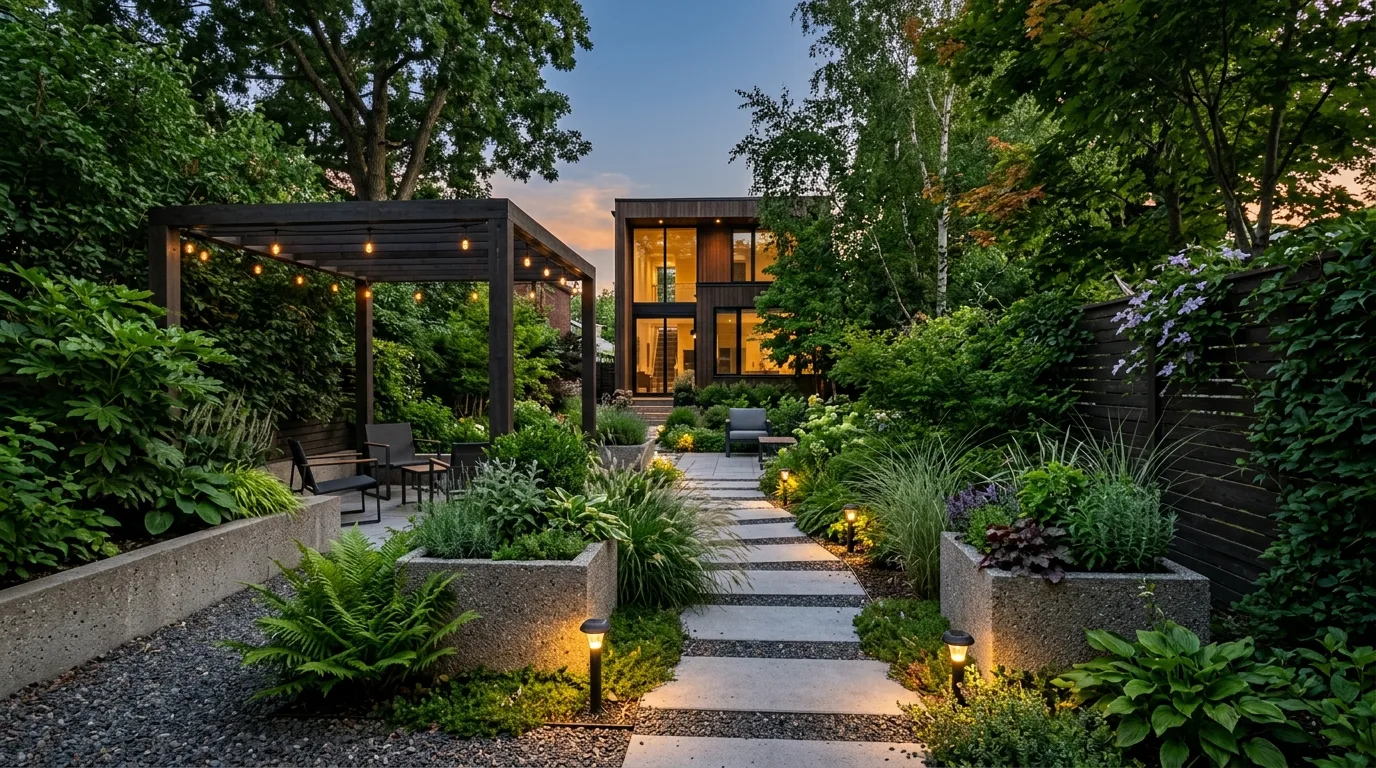
Permeable paving softened with hardy groundcover seams
Hardscape can still support a greener yard when it allows water to move through rather than shed away immediately, and permeable surfaces do that while keeping the design crisp. Threading hardy groundcovers through the joints softens the look and makes the paving feel more alive.
Idea 7
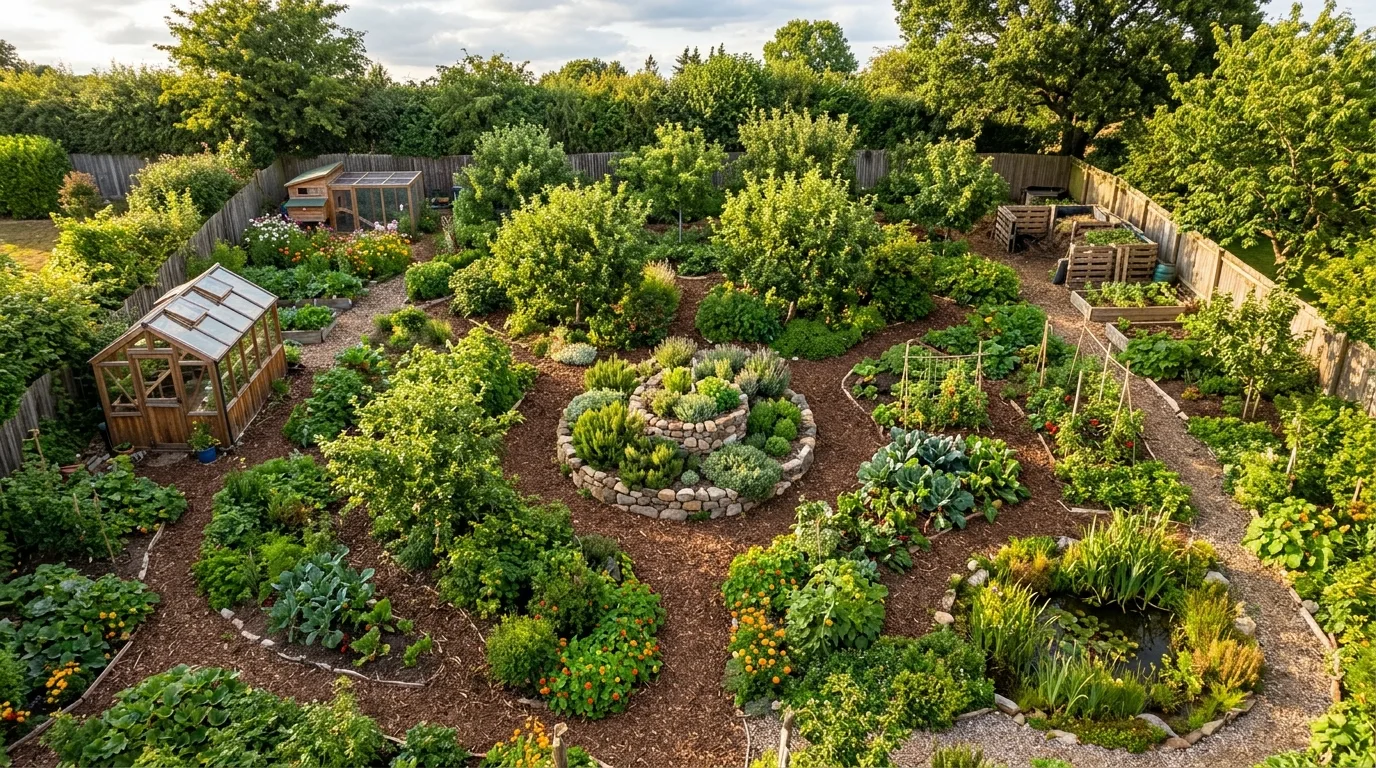
A compost-friendly backyard garden with structured planting beds
Sustainable yards often work best when everyday maintenance supports the system itself, and structured planting beds near a compost area make that cycle feel integrated instead of hidden. The design still reads as polished, but the garden also becomes more self-supporting over time.
Idea 8
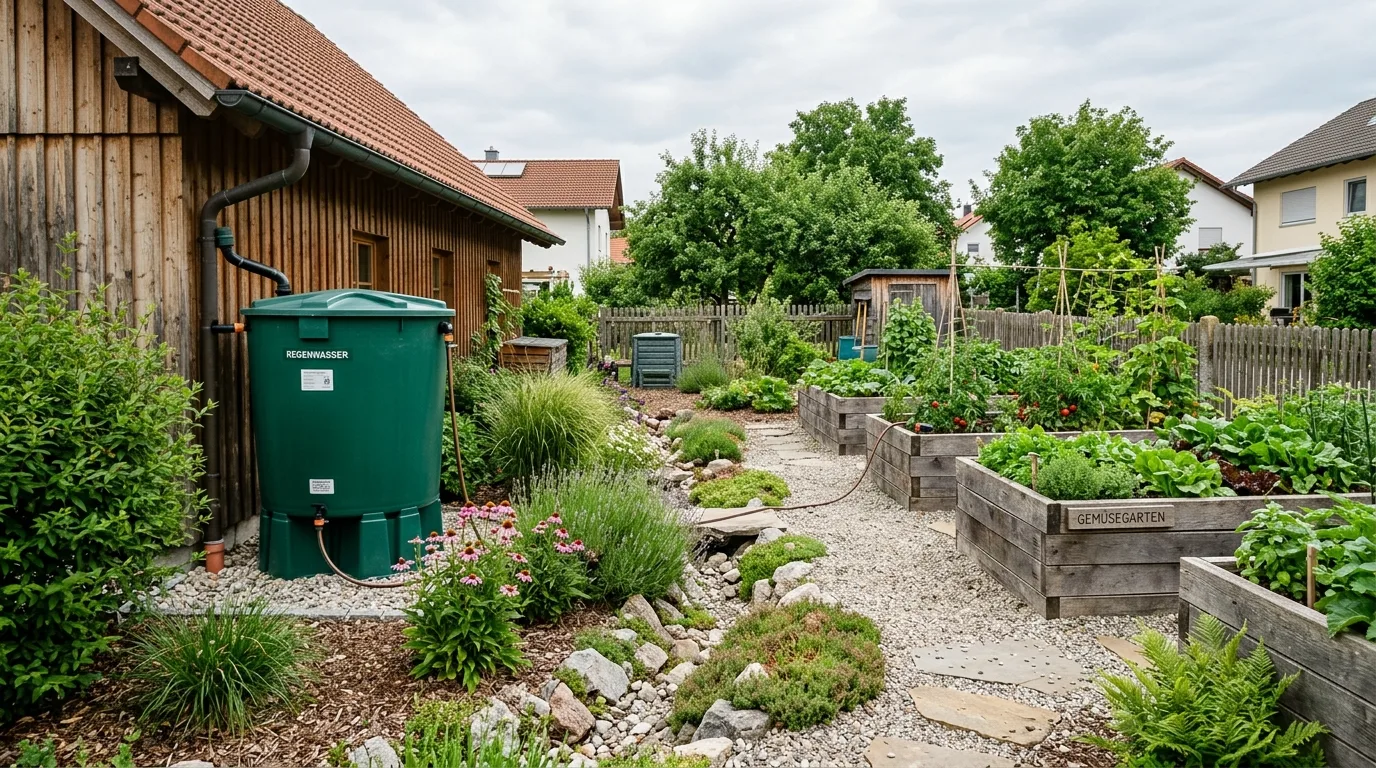
A low-mow family yard framed with resilient mixed borders
Families often need open space, but that does not mean every inch has to be high-input turf, and a reduced lawn framed with resilient planting can strike a much smarter balance. The yard stays usable while the borders add biodiversity, softness, and seasonal change.
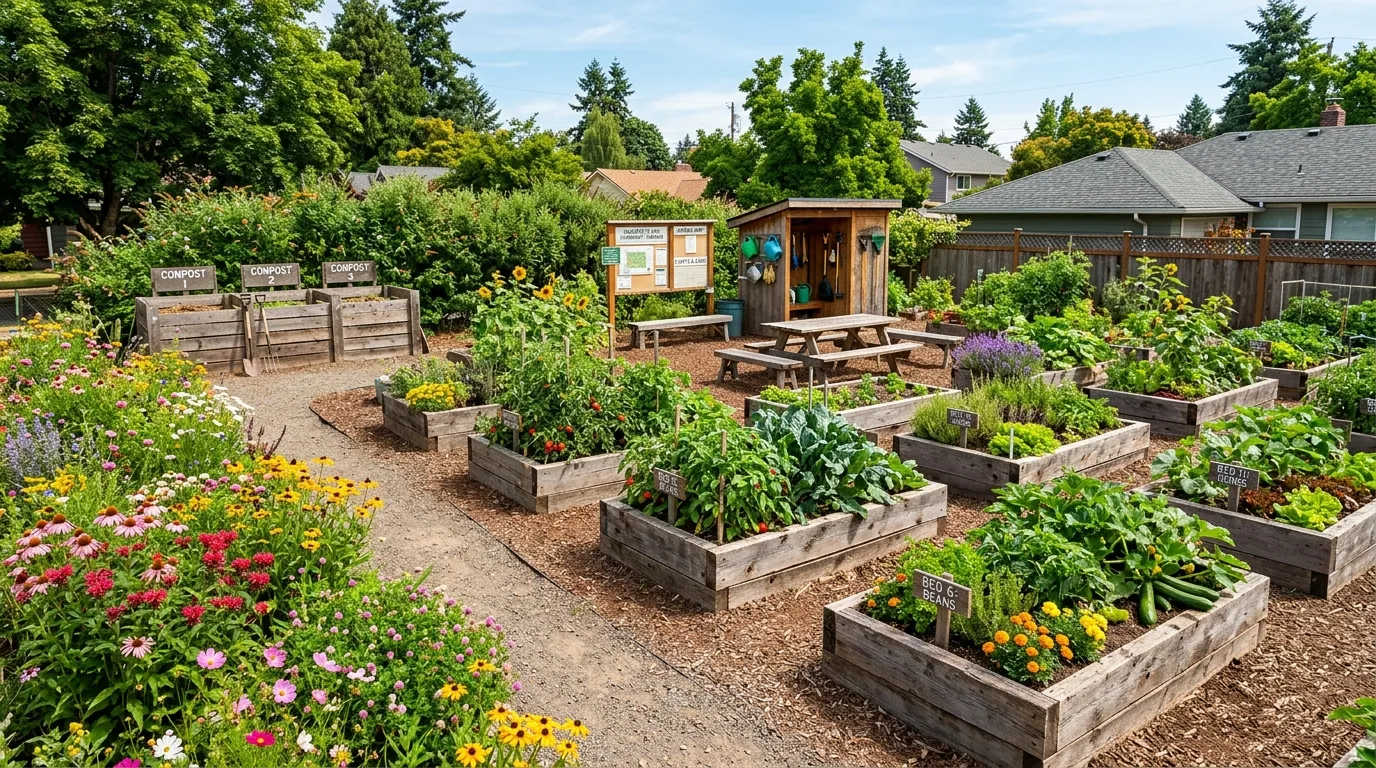
Idea 9
A recycled-material retaining edge adding character and function
Reused stone, timber, or brick can give a sustainable landscape more depth because the materials bring texture and history while reducing the need for entirely new resources. That layered character makes the green choices feel designed rather than purely technical.
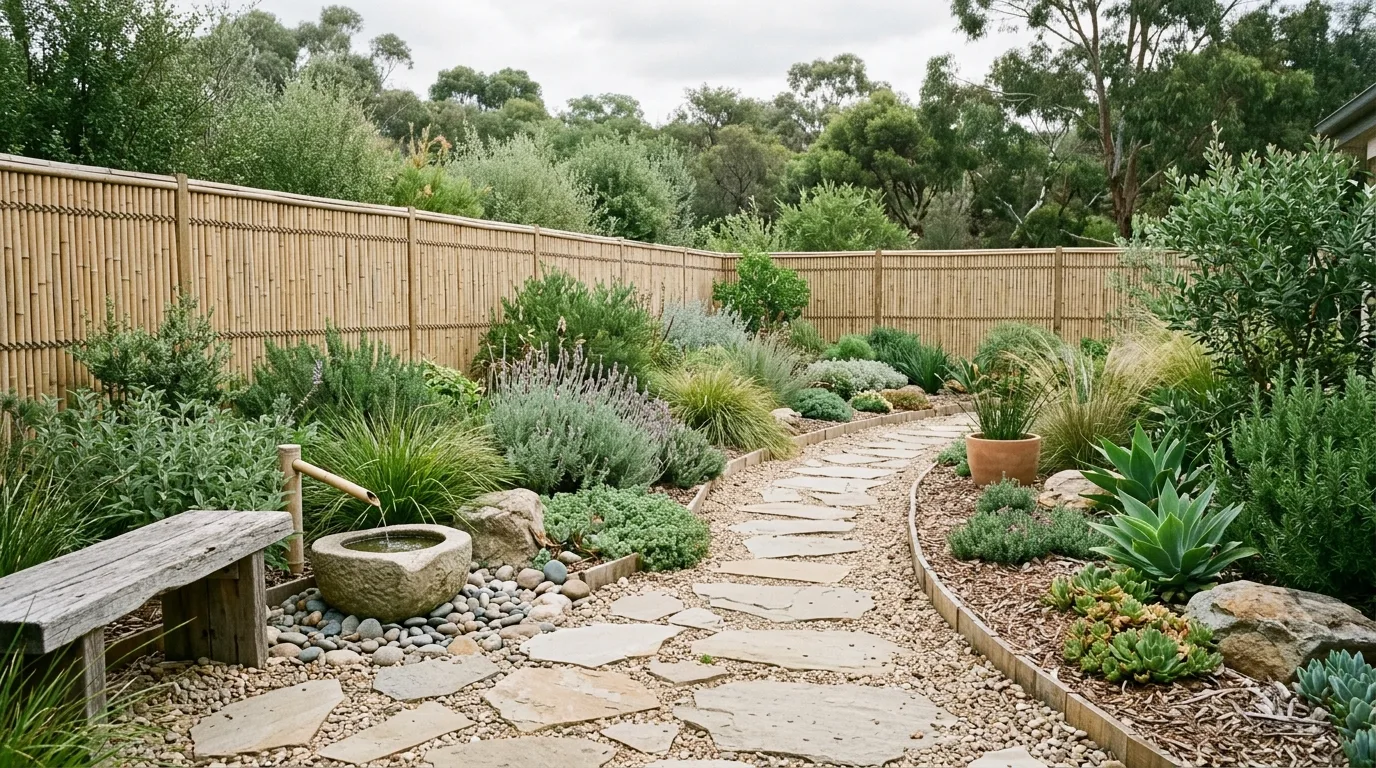
Idea 10
A front yard reworked with fewer inputs and more native color
Front yards often become more beautiful when they move away from thirsty sameness and toward a palette that actually suits the climate, and native color does that without feeling austere. The planting looks more rooted in place and usually asks for much less intervention once established.
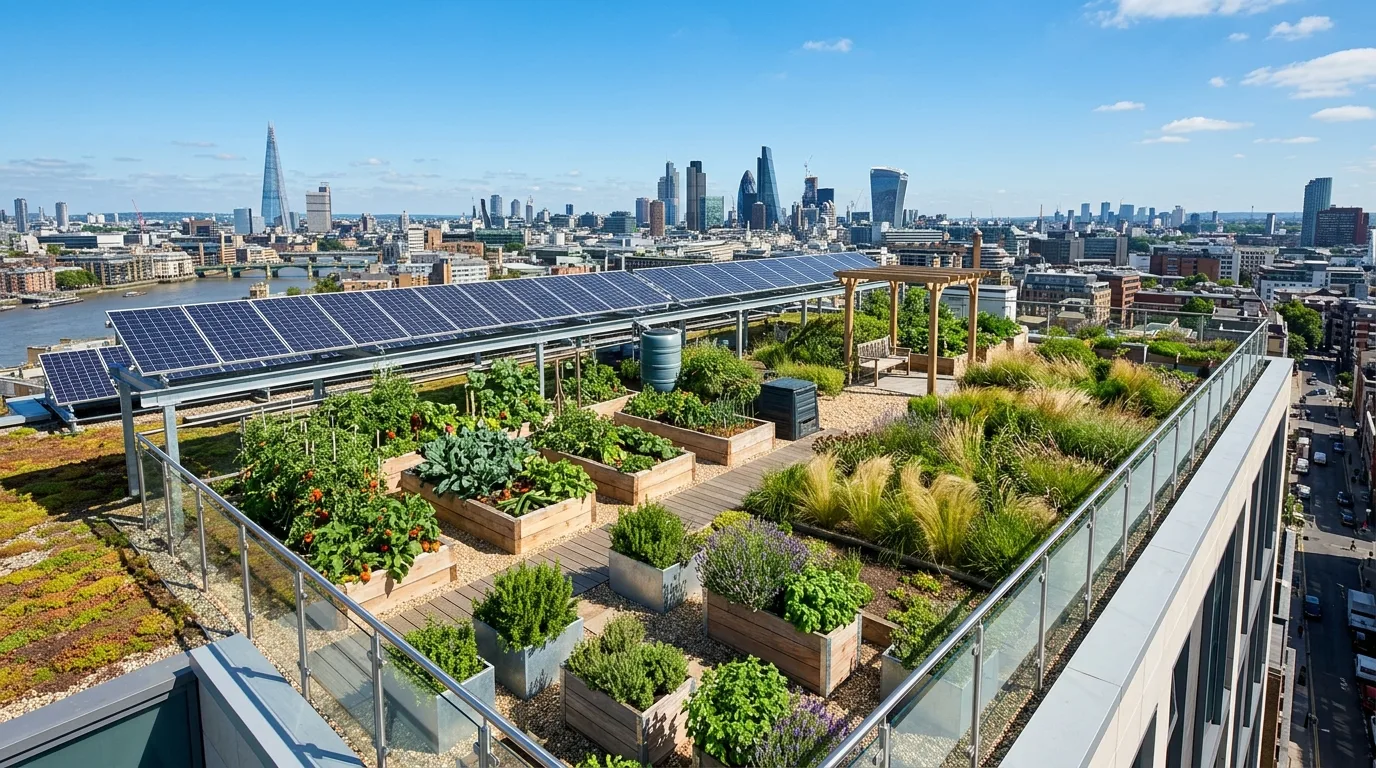
Idea 11
A wildlife-friendly hedge line supporting a greener property edge
Sustainable design is not only about water and mowing because habitat matters too, and a mixed hedge line can provide shelter, screening, and seasonal interest all at once. That makes the property edge more ecologically generous while still feeling visually complete.
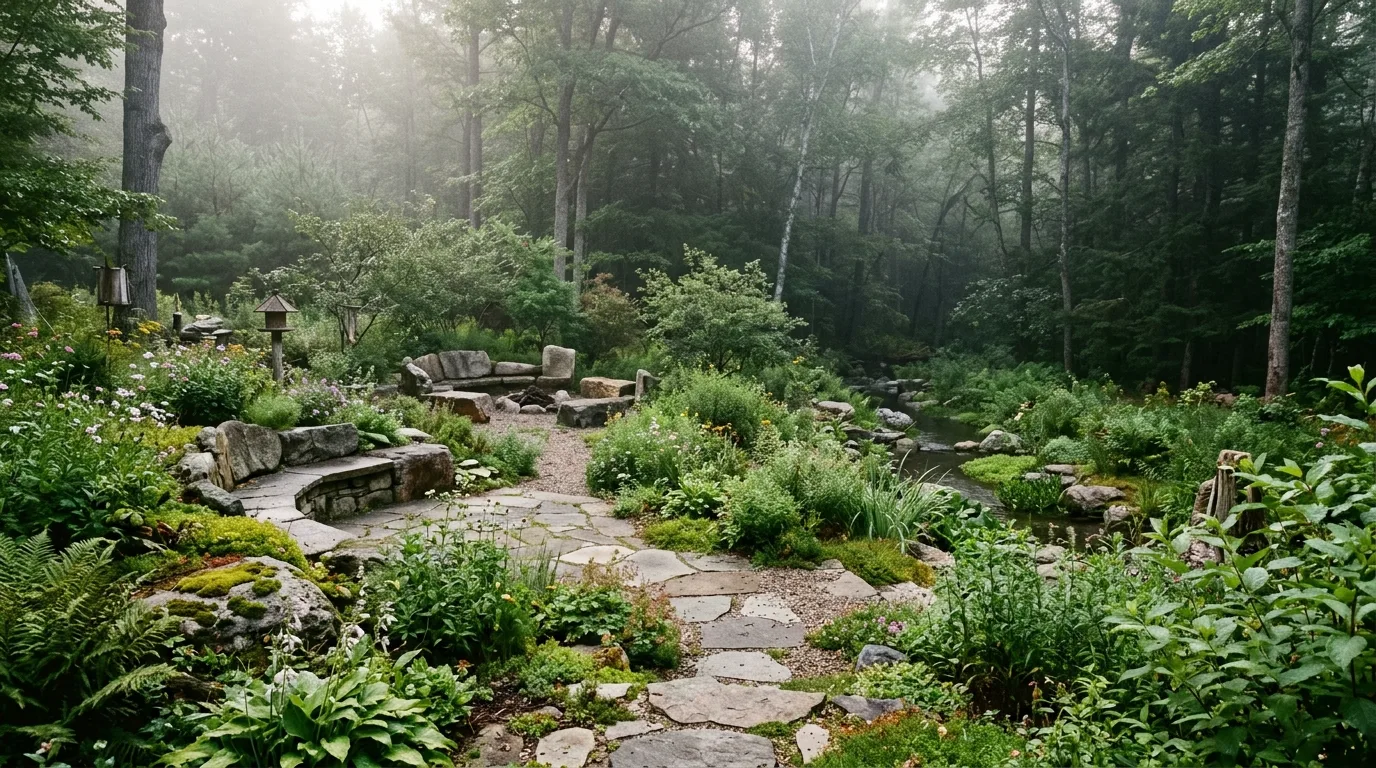
Idea 12
A productive courtyard mixing flowers, herbs, and small fruit
Courtyard gardens become especially satisfying when ornamental beauty and edible usefulness overlap, and that mix is one of the clearest expressions of sustainable design. Flowers keep the space inviting while herbs and fruit make the yard contribute in a more tangible everyday way.
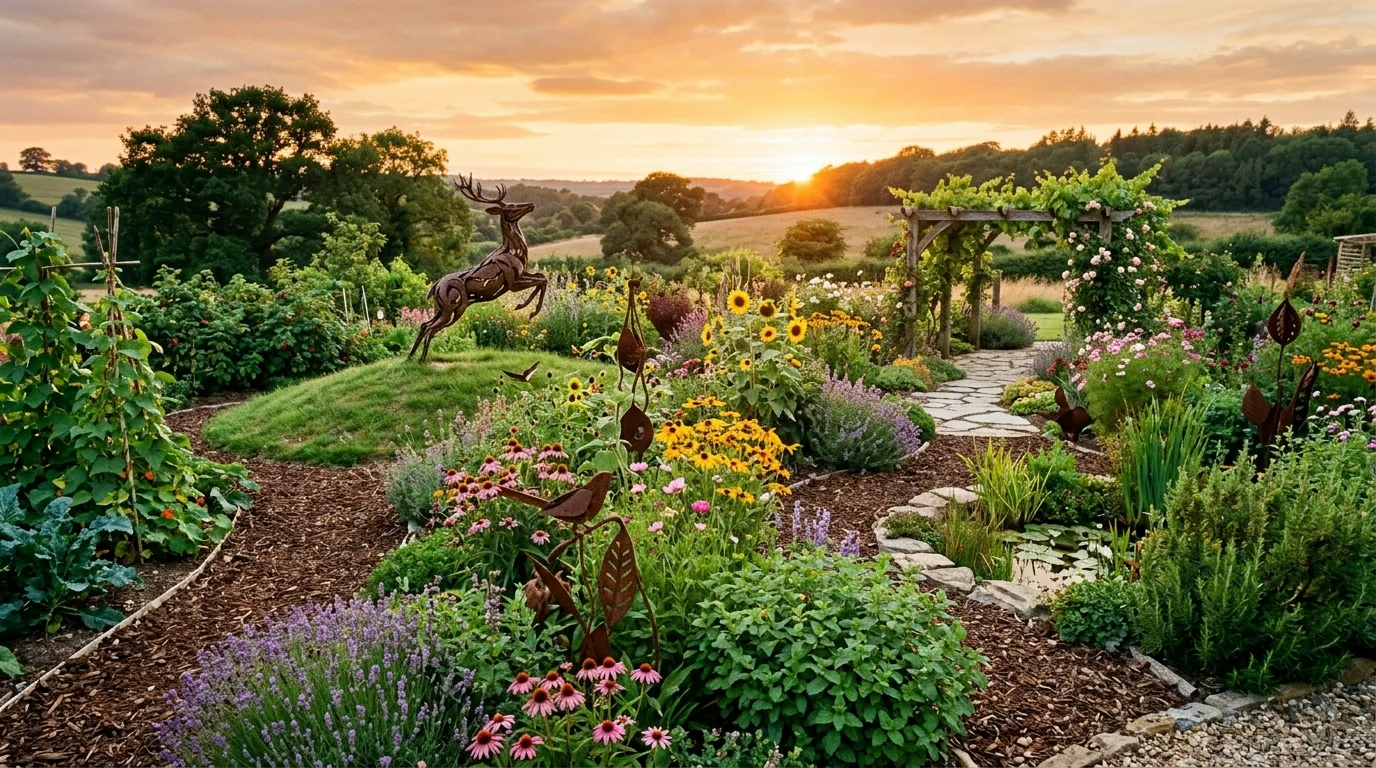
Idea 13
A layered green yard that feels lush without wasteful upkeep
The most successful sustainable landscapes prove that easy care does not have to mean sparse design, and layered planting is often the key to that balance. By relying on strong forms, repeated textures, and the right plants for the site, the yard can feel full, healthy, and genuinely green in every sense.
Read next on Saw & Sprout
Edible Gardens
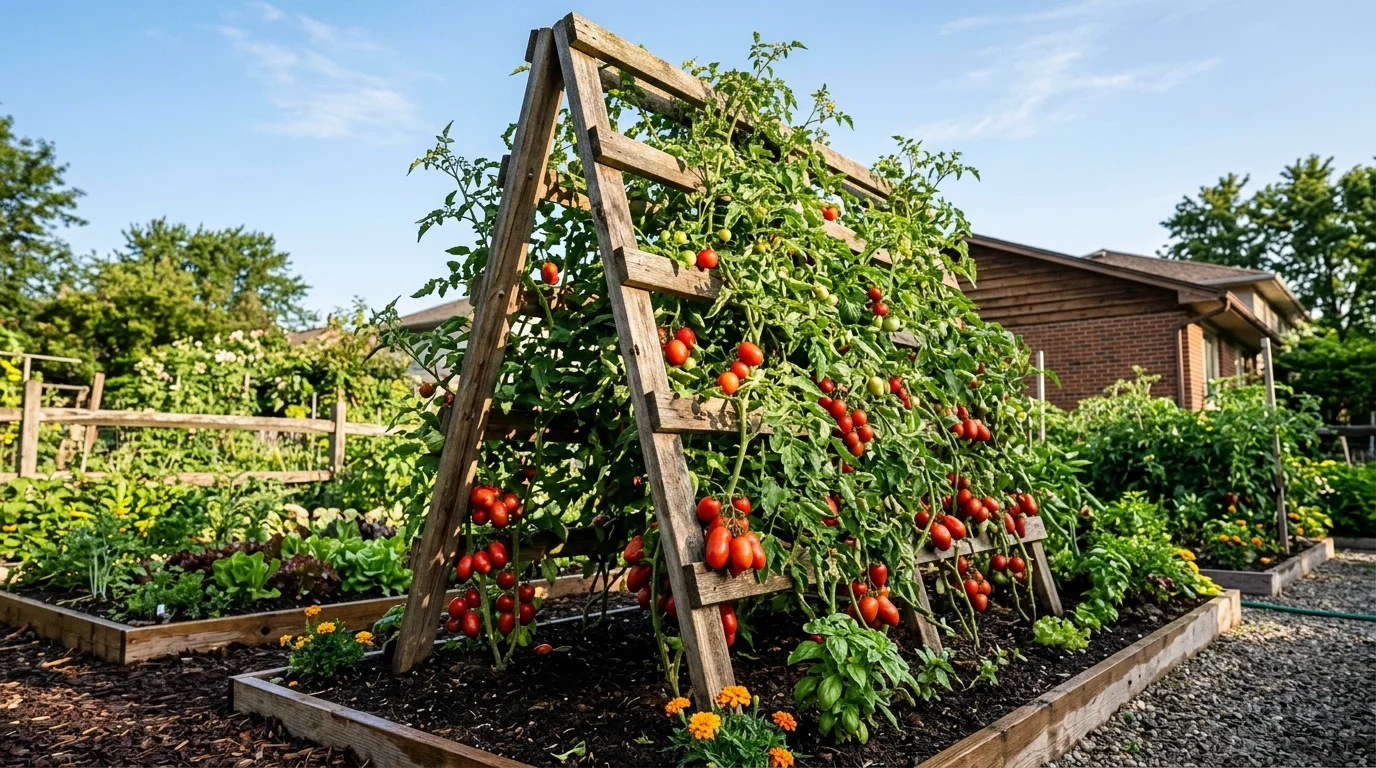
13 Clever Tomato Trellis Gardens for a Bountiful Harvest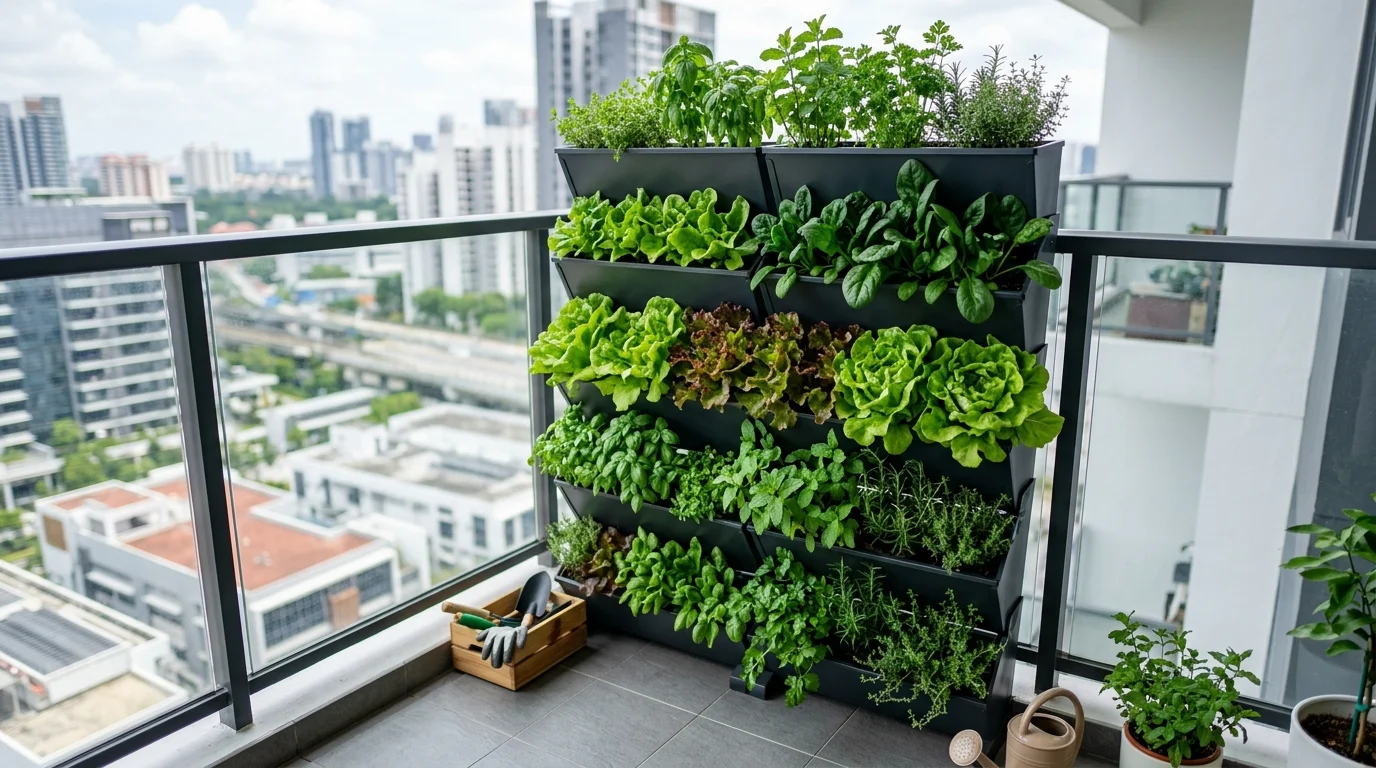
Small-Space Growing
14 Space-Saving Small Vegetable Gardens for Urban GrowersFrequently asked questions
What makes a landscape sustainable?
It usually uses resources more carefully through plant choice, water management, lower maintenance inputs, durable materials, and support for local ecology.
Can sustainable landscaping still look lush?
Yes. With good layering, the right plants, and smart spacing, sustainable yards can feel full, attractive, and highly designed.
What is the easiest first step toward a greener yard?
Reducing unnecessary lawn and replacing it with site-appropriate planting is often one of the most effective and visible improvements.