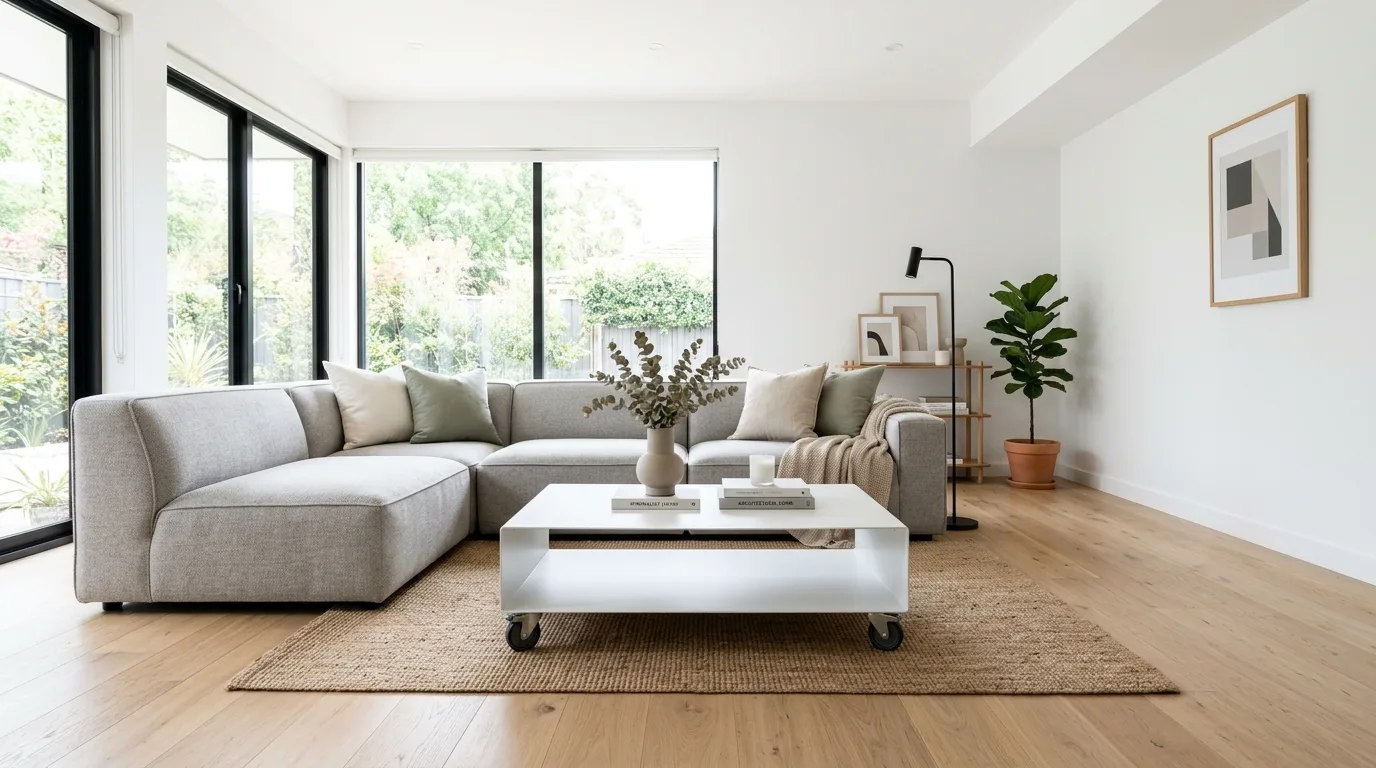
A movable coffee table can change how a living room works because it allows the center of the room to adapt instead of staying locked in one fixed arrangement. That flexibility matters more than ever in homes where lounging, working, playing, hosting, and everyday circulation all happen in the same space.
The smartest options do not only move; they also earn their footprint through storage, adjustability, or multiple modes of use. When the table can expand, separate, lift, or disappear more easily, the entire room starts to feel more capable and less constrained.
These ideas focus on coffee tables that feel practical, stylish, and genuinely useful for real life. Some are light and minimal, some more substantial, but all of them show how the center of a living room can become much more adaptable.
Quick planning notes
Think about how the room changes across the day because the best movable table is the one that supports the most important shifts in real use.
Choose the right balance between visual lightness and functional storage so the table stays flexible without becoming flimsy or cluttered.
Keep traffic flow in mind, since a mobile table often works best when it helps rather than complicates circulation around seating.
Let the mobility stay elegant where possible, because hidden wheels, nested parts, or convertible forms often look better than obviously utilitarian hardware.
Idea 1
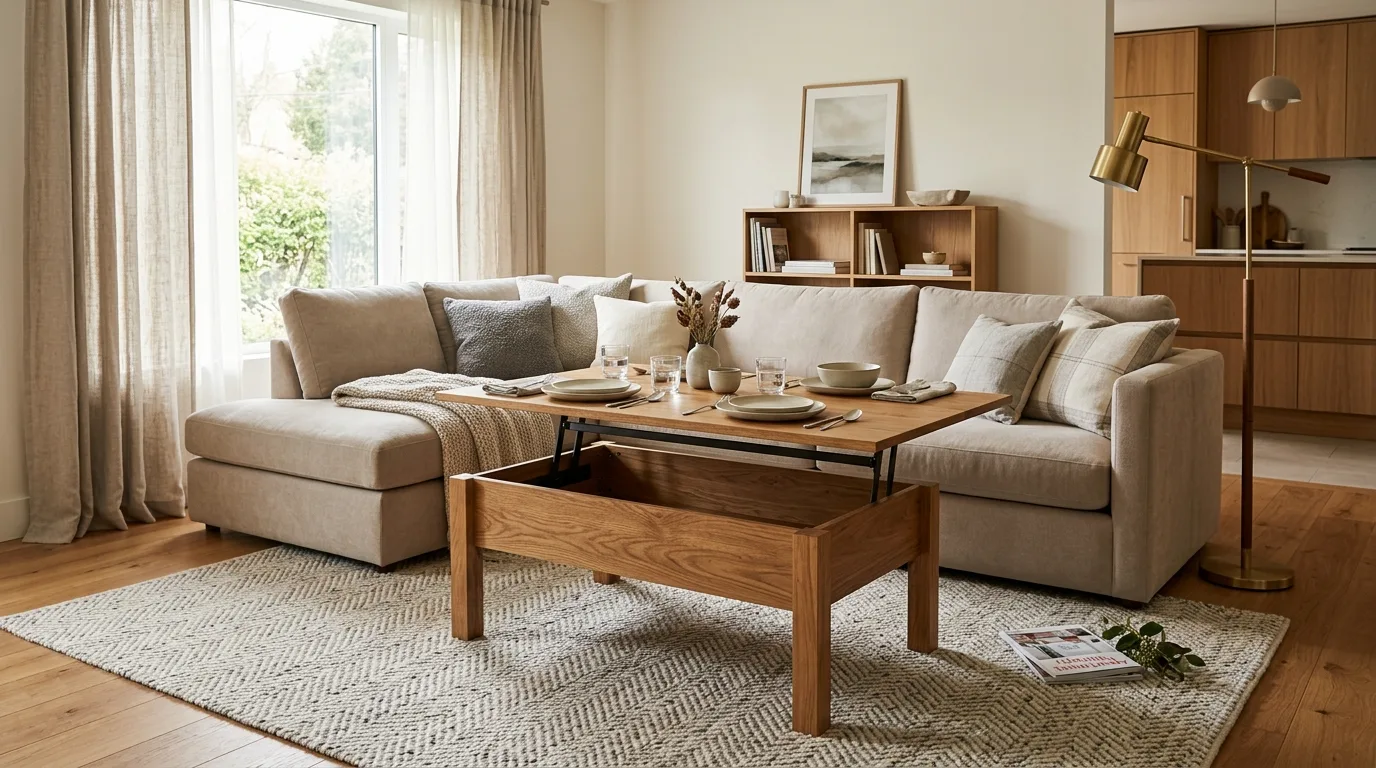
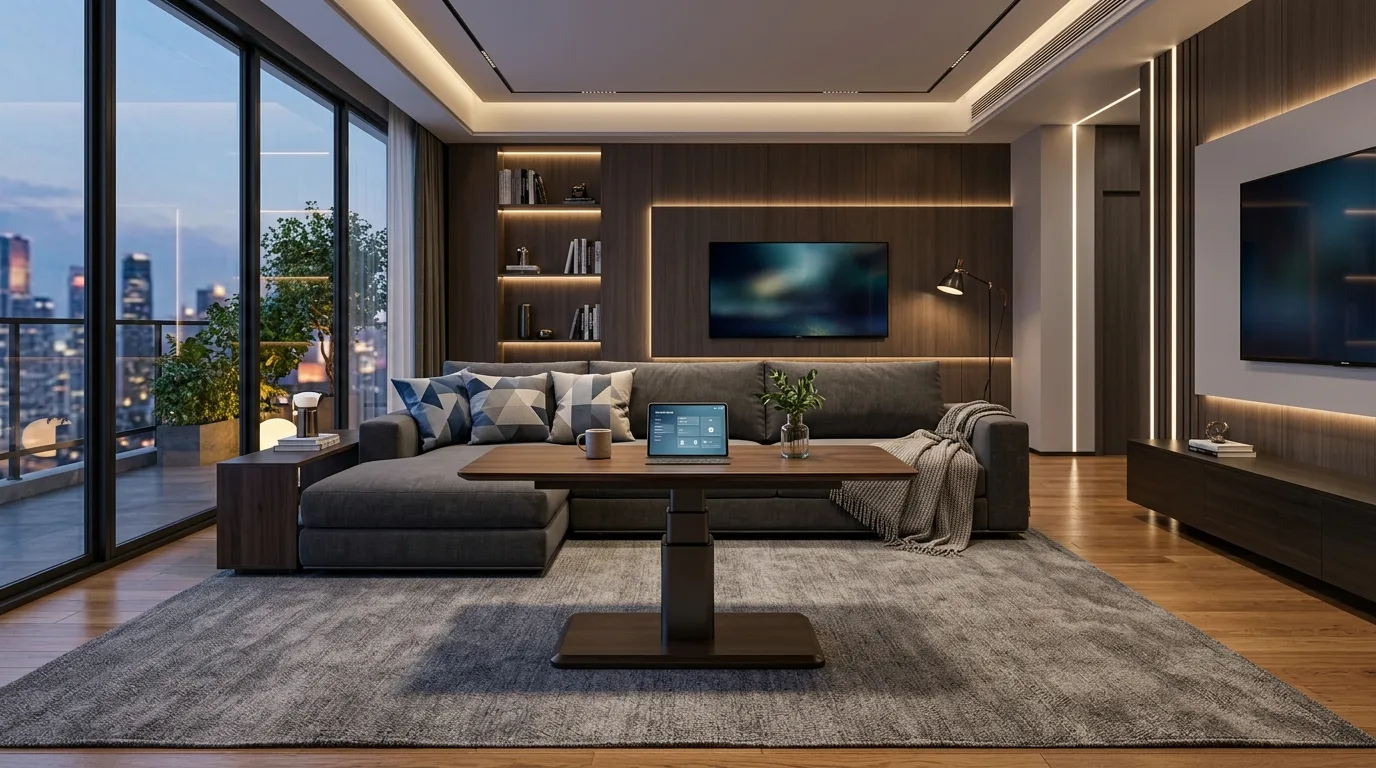
Lift top coffee table that shifts from lounge surface to work station
A lift-top table is versatile because it responds to how living rooms actually function now, moving from drinks and books to laptop use without needing a second piece of furniture. That flexibility can make the whole room feel more useful and much less static.
Idea 2
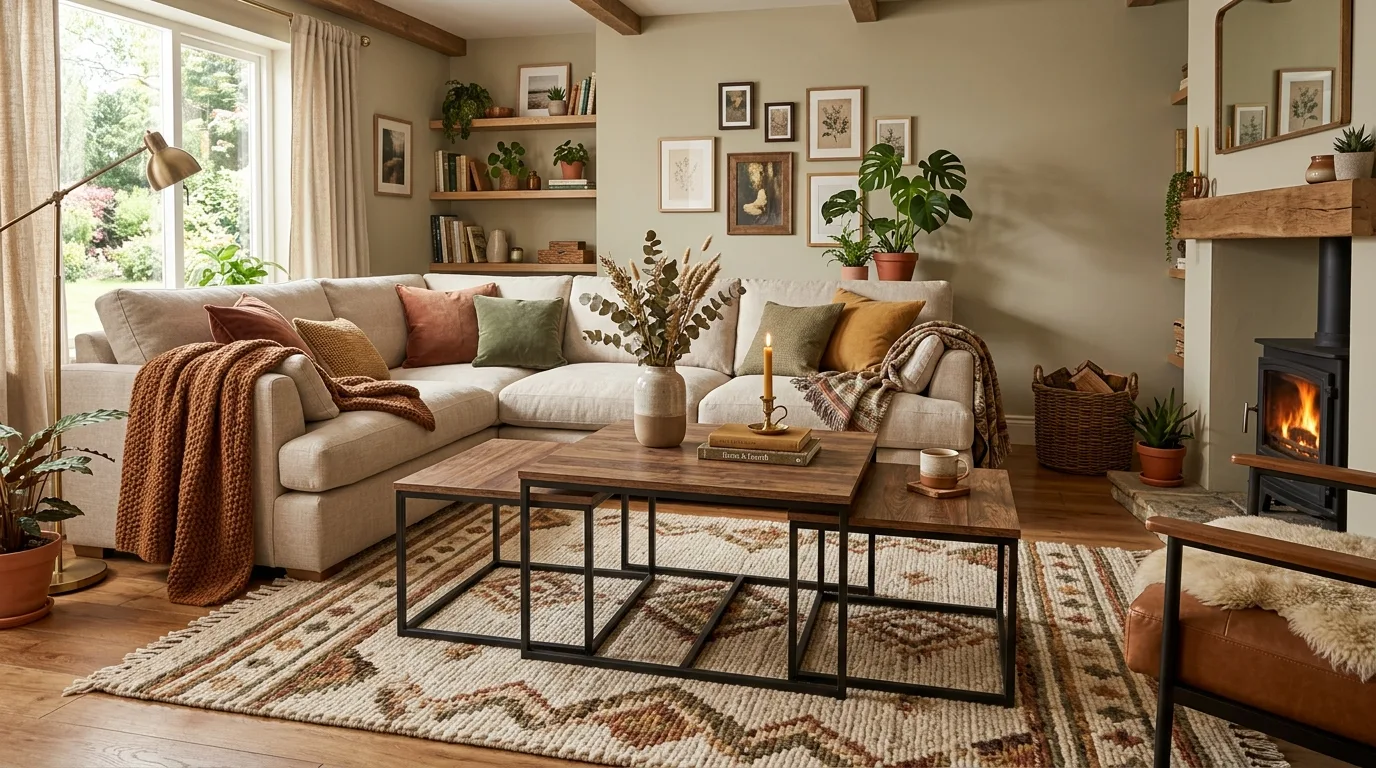
Two nesting tables that spread out for guests and tuck back afterward
Nesting coffee tables give a living room a more adaptable center because the pieces can separate when needed and contract when the room wants more space. The setup feels lighter than one bulky table, while still giving plenty of surface flexibility.
Idea 3
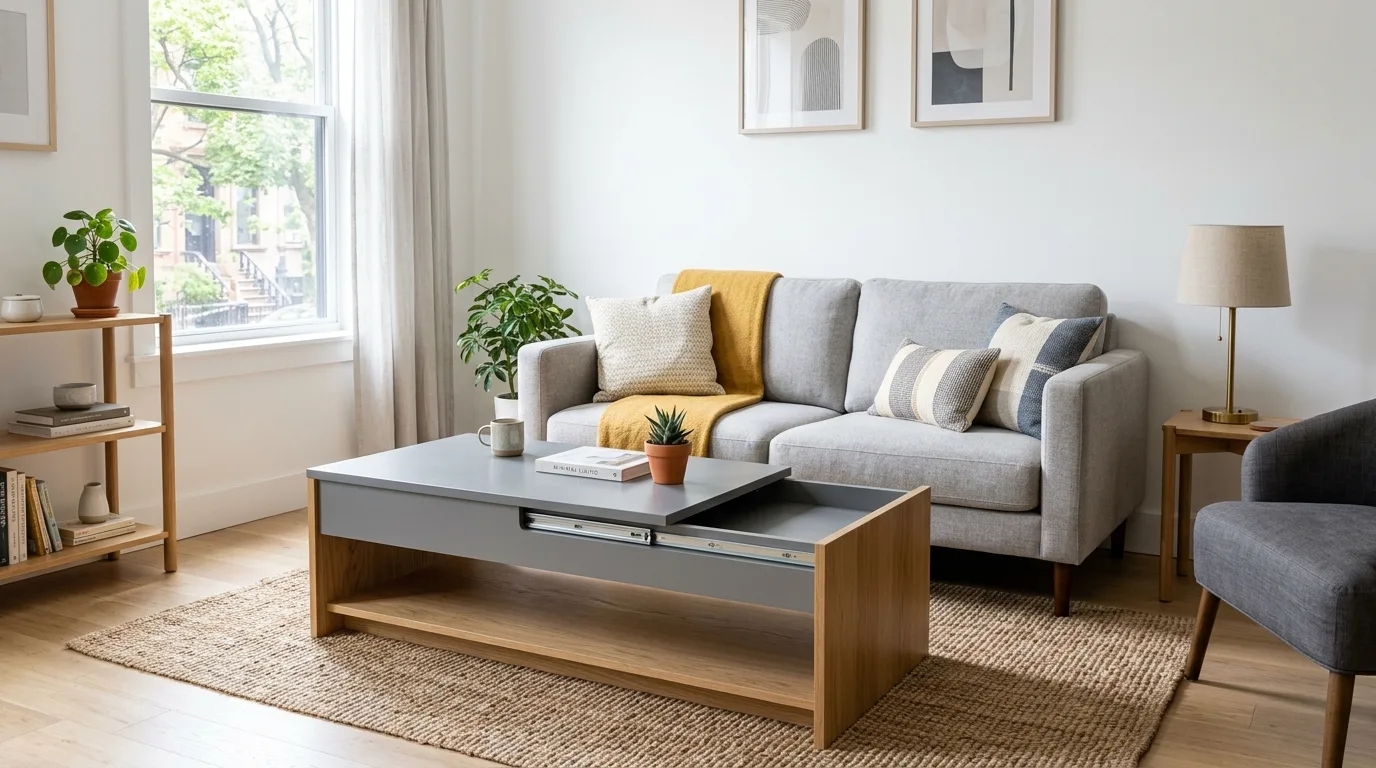
Rolling oak coffee table with lower shelf for books and baskets
Adding wheels makes a coffee table easier to live around, especially in rooms that need to open up quickly for play, hosting, or foot traffic. The lower shelf preserves practical storage, so the table stays as useful as it is movable.
Idea 4
Small round table on casters for compact apartment seating zones
A smaller round table works well in tighter rooms because the softer shape is easier to move past and easier to reposition when the layout shifts. Casters make that flexibility even stronger, helping the apartment feel less pinned down by furniture.
Idea 5
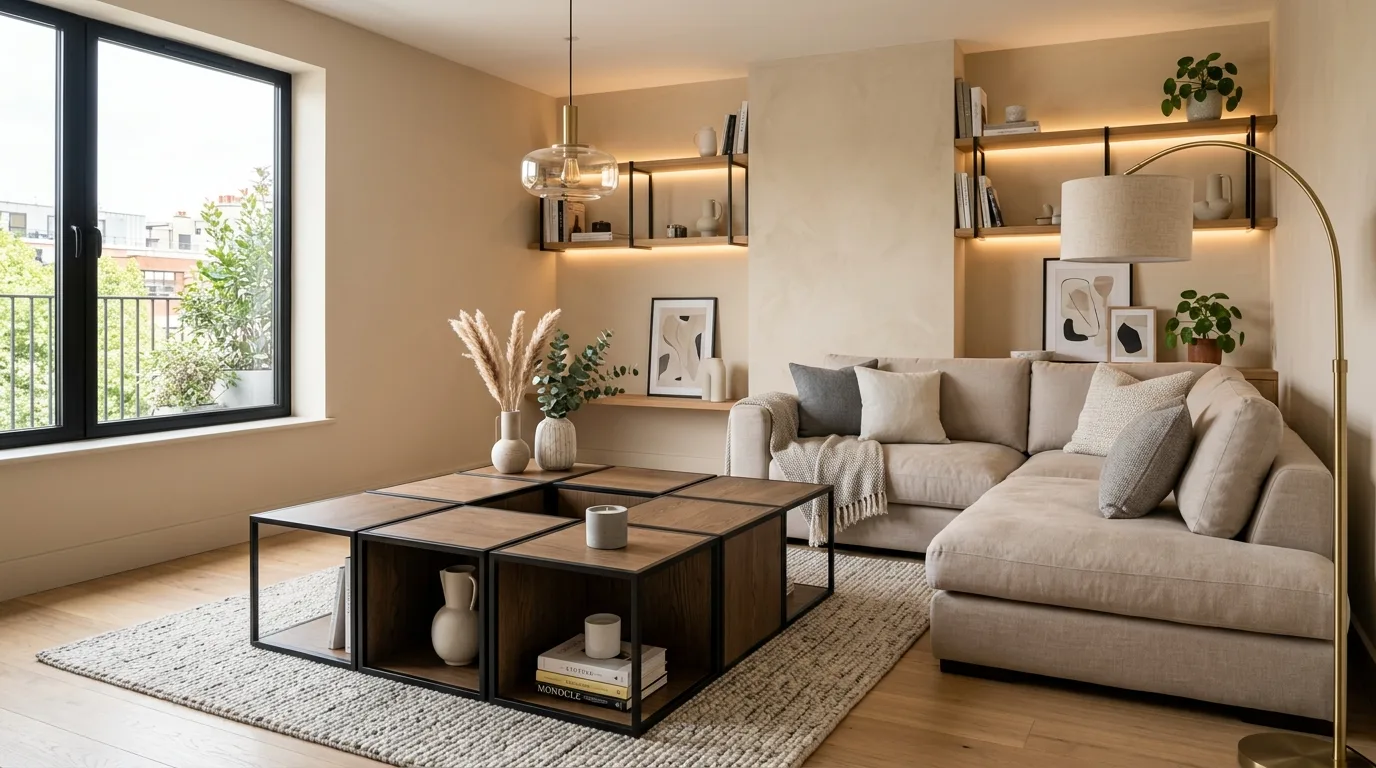
Modular coffee table pieces that rearrange into one long low surface
Modular tables feel especially useful in flexible living rooms because the pieces can cluster or stretch depending on whether the room is hosting, lounging, or working. The changing geometry makes the center of the room much more responsive.
Idea 6
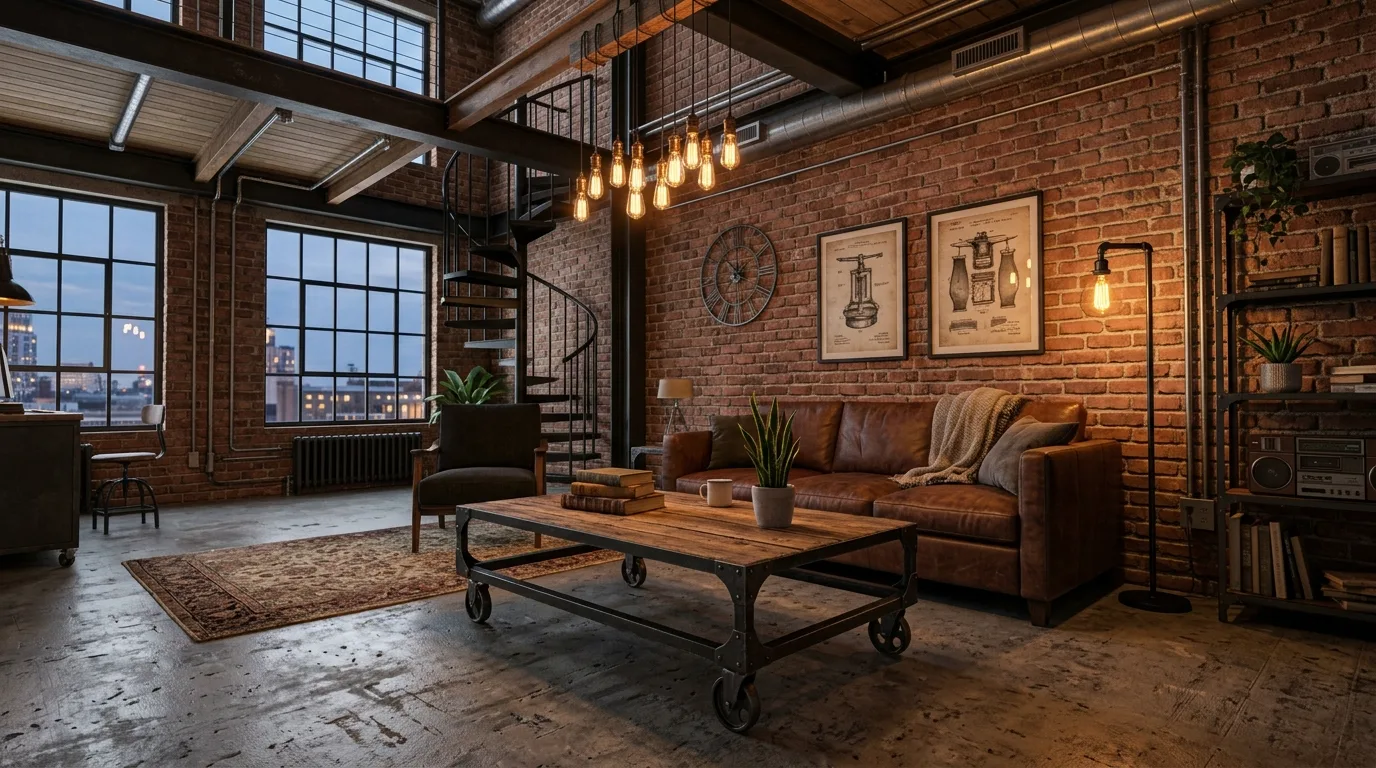
Storage trunk table that slides easily and doubles as blanket space
A trunk style table adds storage and substance, but it becomes far more practical when it can still move without too much effort. Blankets hidden inside make the living room cozier, while the movable base keeps the piece from feeling too permanent.
Idea 7
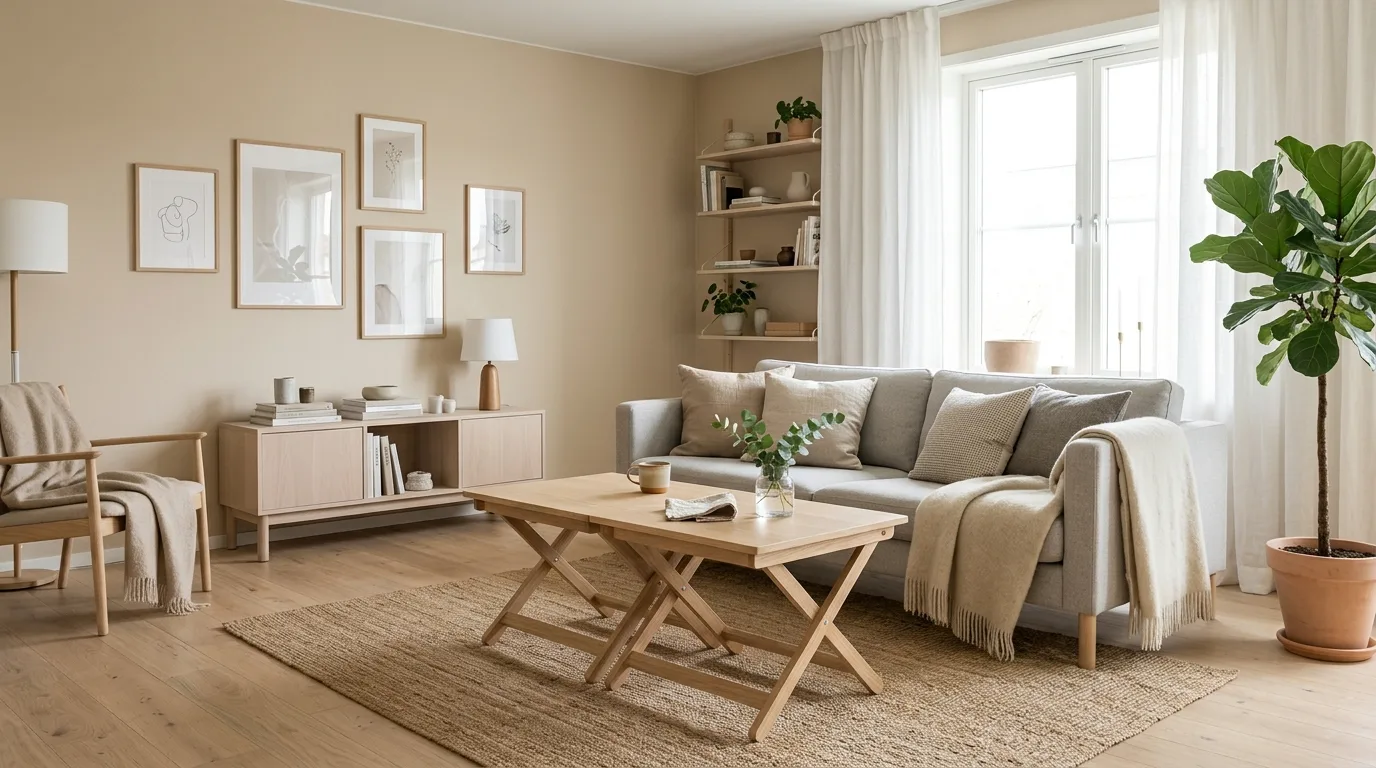
C shaped coffee table pairing that nests around a sectional corner
C-shaped pieces are smart because they can slide closer to seating when needed and then retreat to keep the floor area more open. In sectional rooms, that adaptability makes the layout feel more comfortable and less awkward.
Idea 8
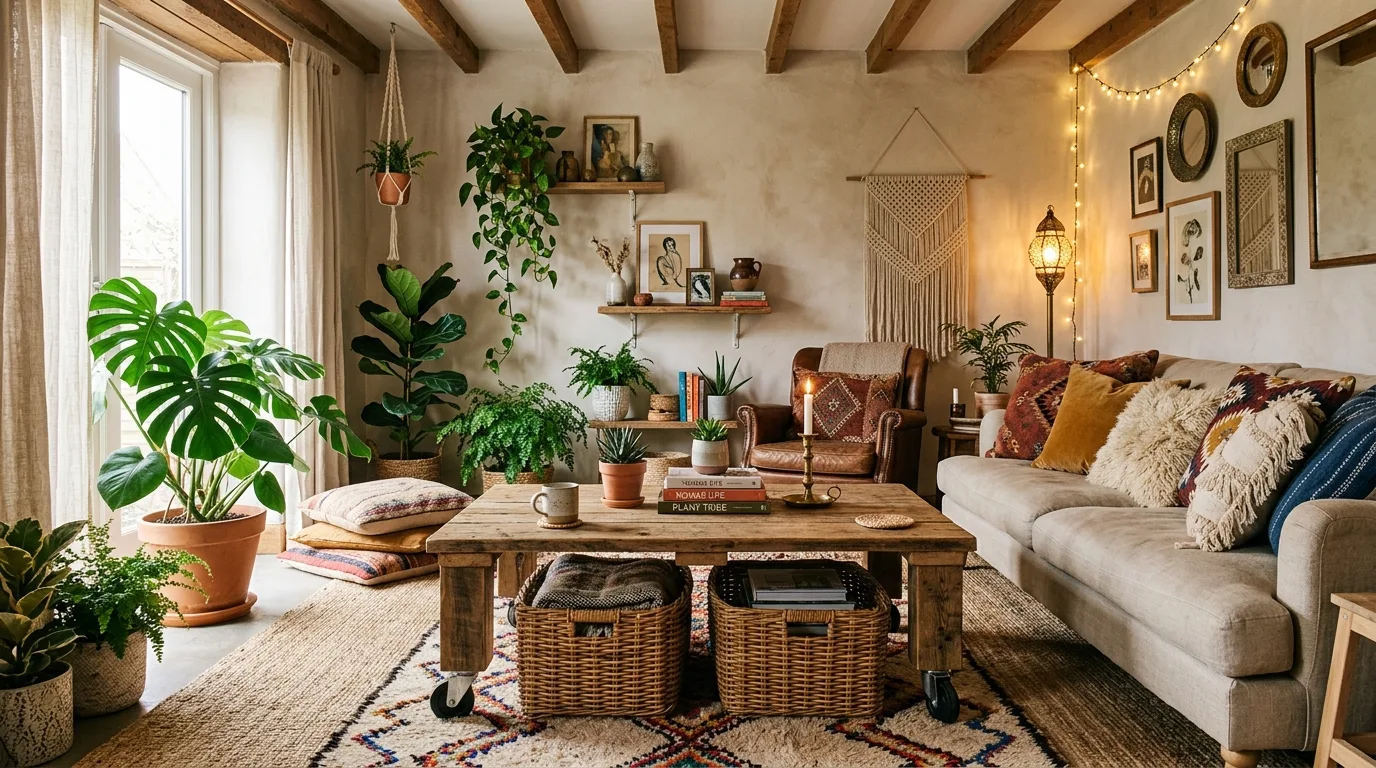
Glass top table on a light metal frame that can shift with gatherings
A lighter visual frame helps a movable coffee table feel easier and less obstructive in multi-use rooms. Glass keeps the center open, and the shifting base allows the room to respond quickly when the seating arrangement changes.
Idea 9
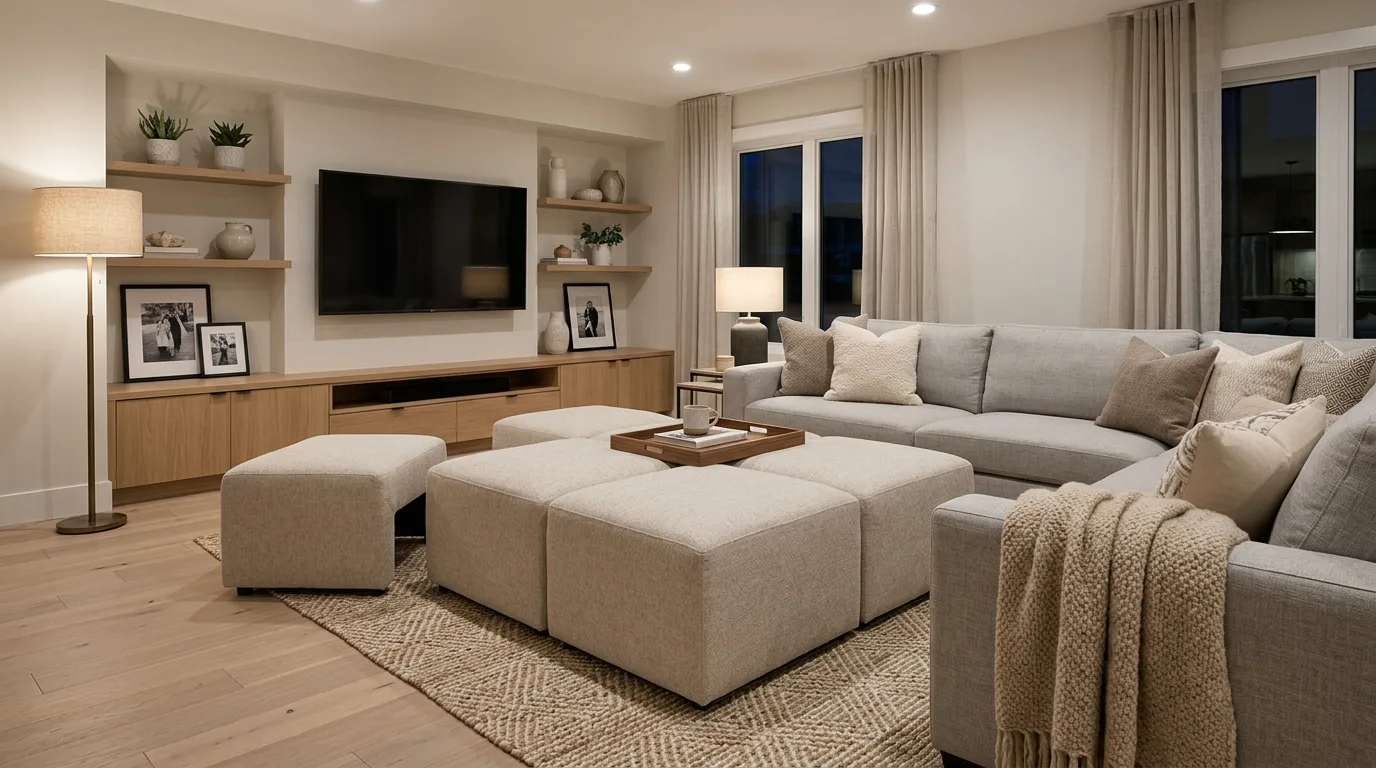
Pouf and tray coffee table setup that disappears when extra floor is needed
A tray over poufs works because the living room can switch instantly from table mode to open floor mode without storing a full extra piece. That kind of flexibility is especially valuable in homes where one room has to handle many different tasks.
Idea 10
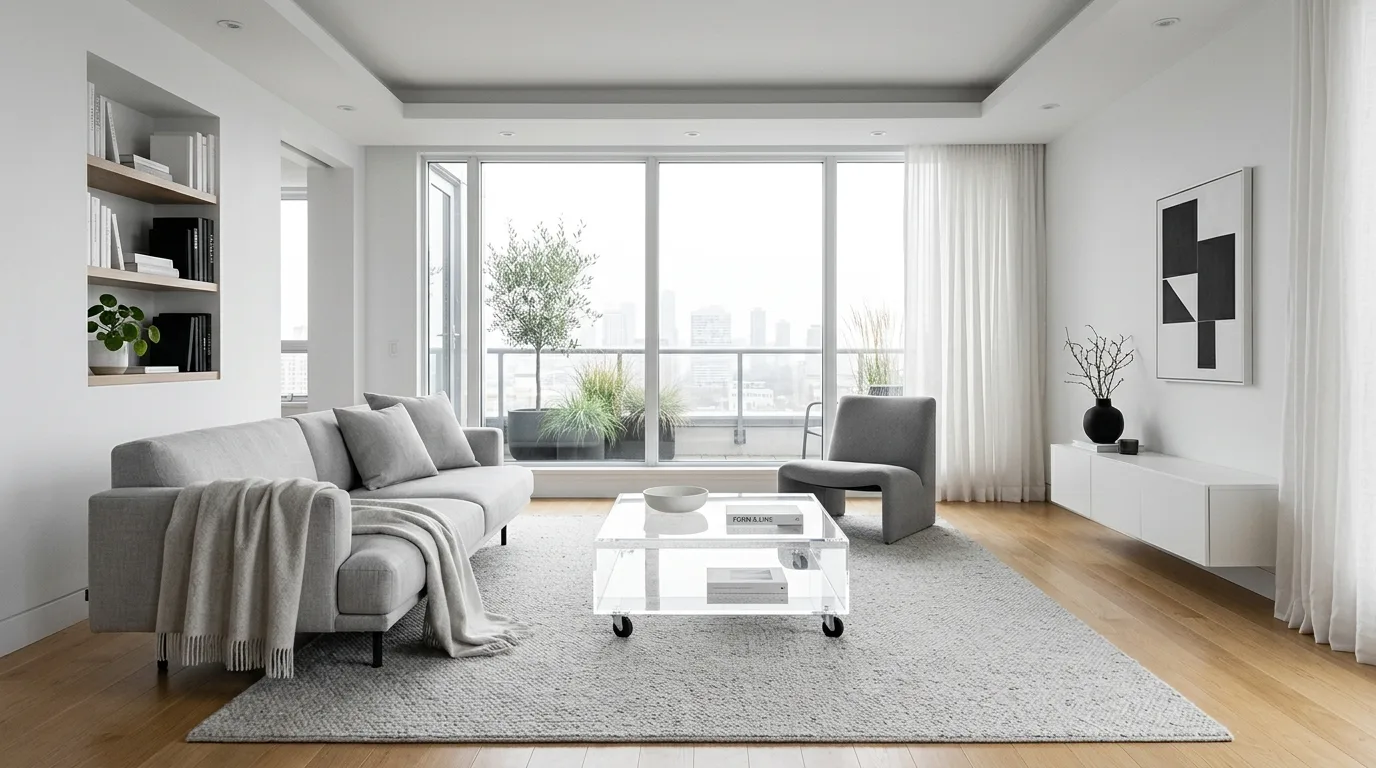
Slim wood slab table with hidden wheels for a cleaner flexible look
Hidden wheels keep a coffee table flexible without making it look overly utilitarian, which is useful in more design-conscious living rooms. The slim slab top helps the room stay airy, even as the table remains easy to reposition.
Idea 11
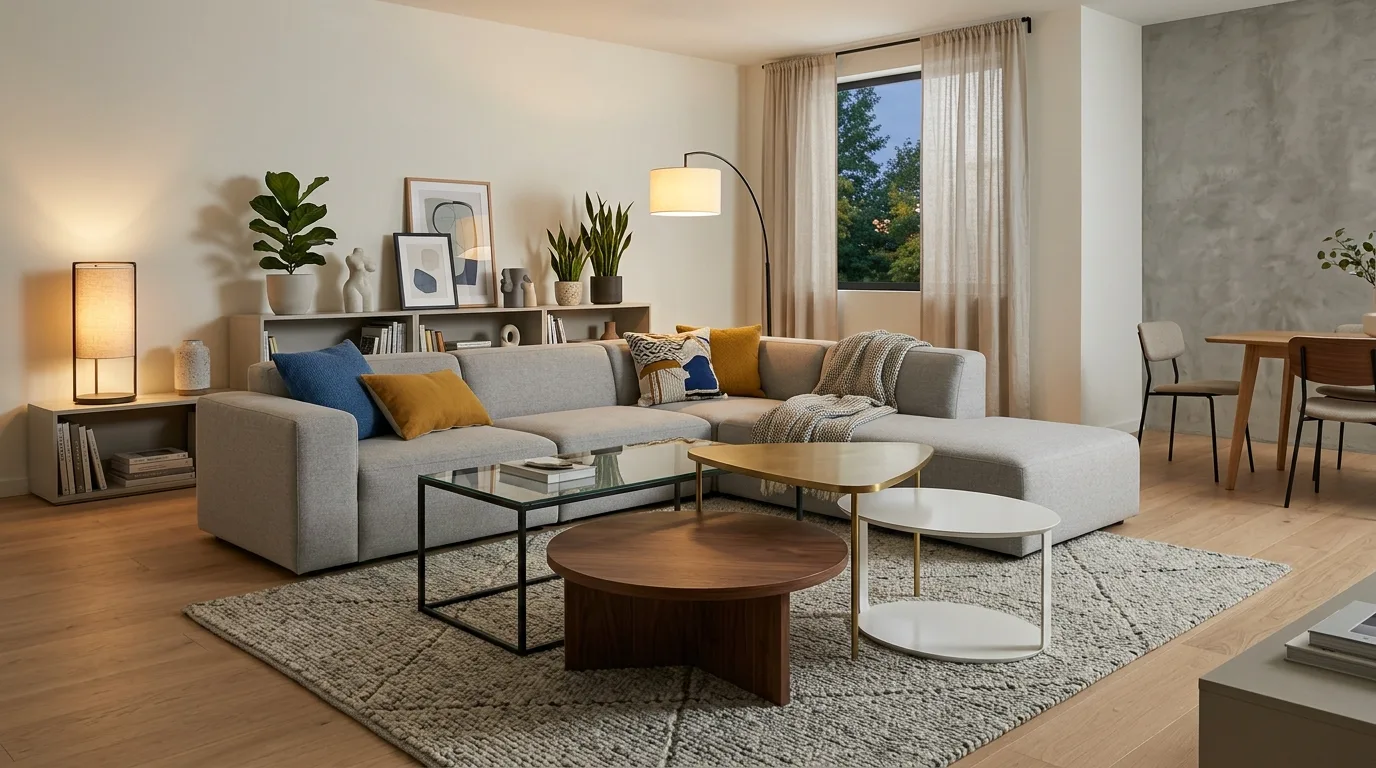
Dual height coffee table system for lounging, games, and laptop use
Different heights allow one living room table to support more than one posture or activity, which makes the center of the room more genuinely adaptable. The setup feels clever rather than complicated when the proportions remain simple and clean.
Idea 12
Soft edged upholstered table that slides easily and doubles as ottoman
An upholstered coffee table softens the room visually and physically, and it becomes even more useful when it can shift into a footrest or extra seating role. Mobility makes that softness more practical, not just decorative.
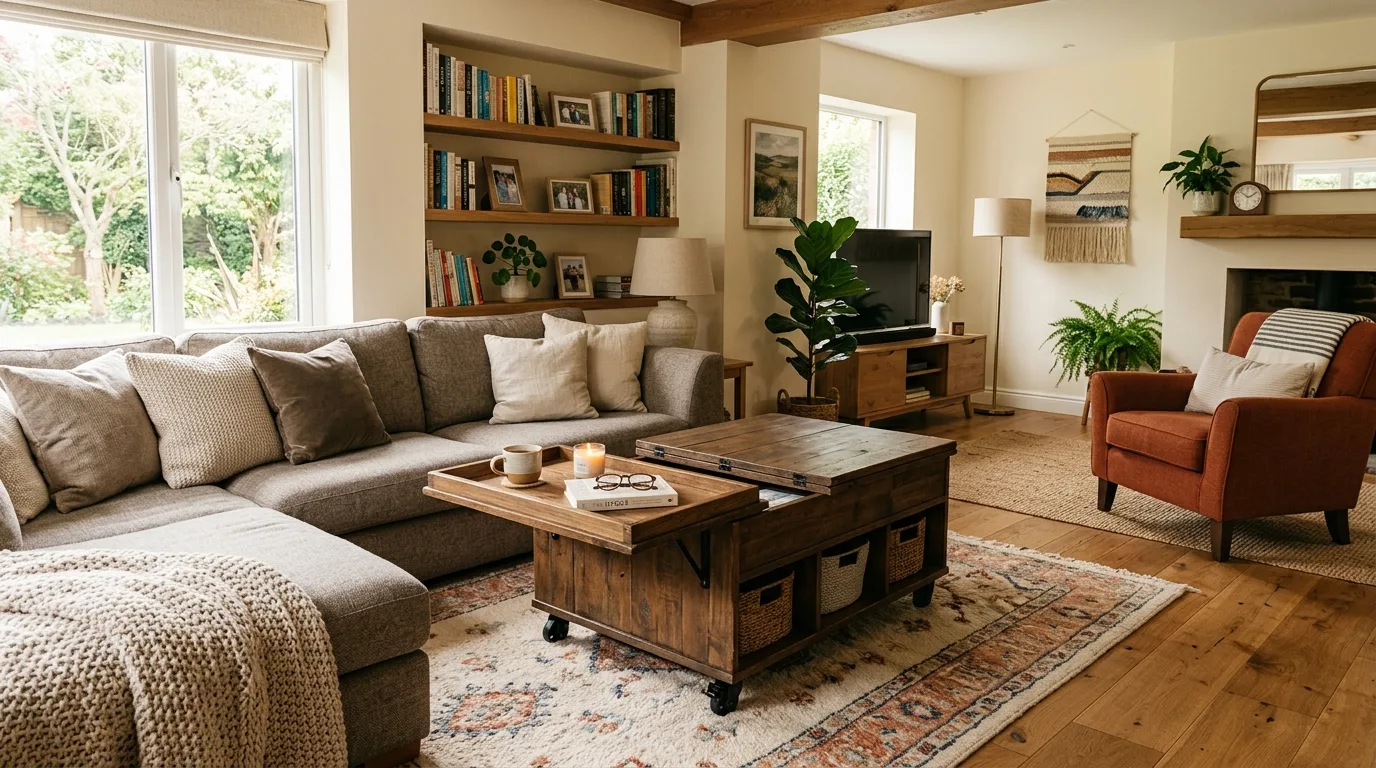
Idea 13
Mobile coffee table with pull out side ledges for entertaining overflow
Pull-out ledges can make a coffee table feel much more capable during gatherings because the surface expands only when needed. In everyday use the table stays compact, which helps the room feel more balanced and easier to navigate.
Read next on Saw & Sprout


Edible Gardens
13 Clever Tomato Trellis Gardens for a Bountiful Harvest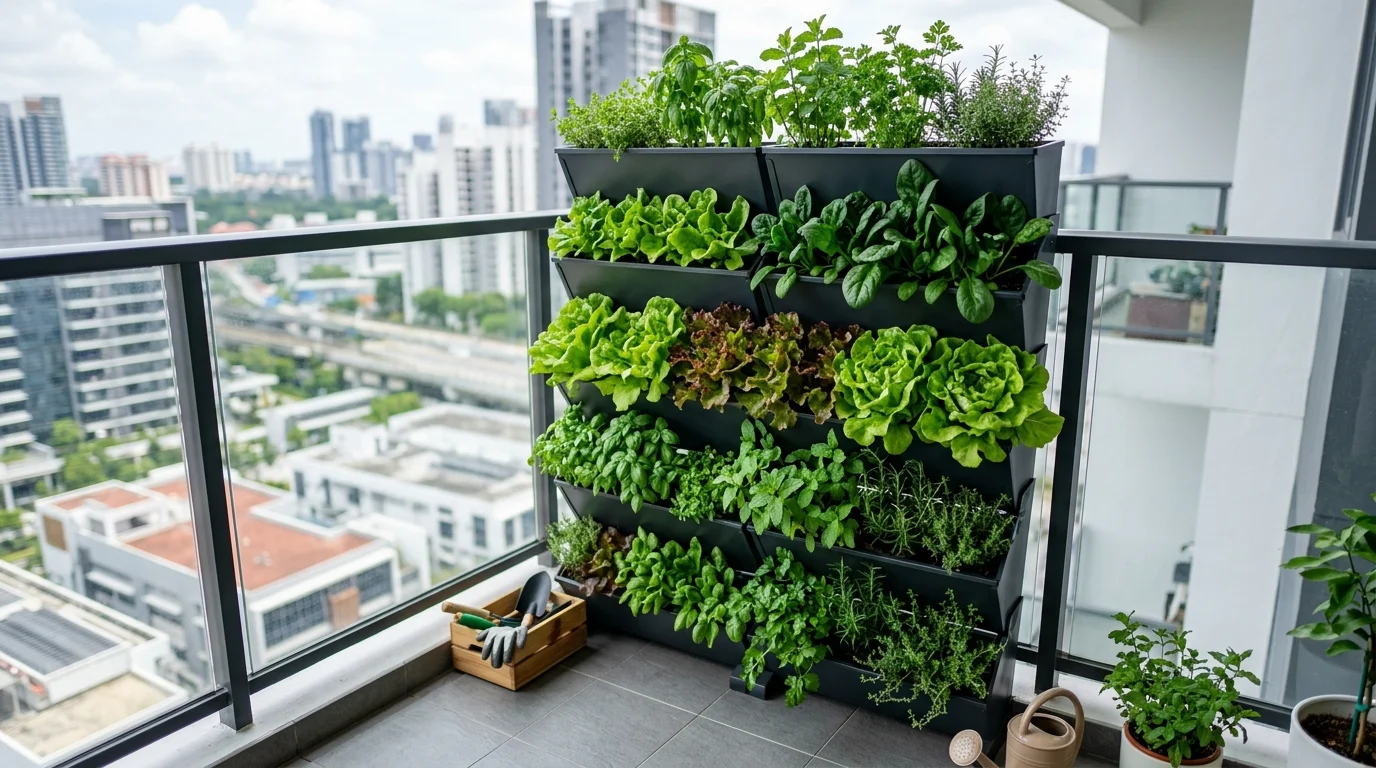
Small-Space Growing
14 Space-Saving Small Vegetable Gardens for Urban GrowersFrequently asked questions
Why choose a movable coffee table over a fixed one?
It makes the living room easier to adapt for work, hosting, children, games, or changing seating needs without adding extra furniture.
What kind of movable coffee table is most useful?
That depends on the room, but lift tops, nesting sets, wheeled tables, and modular or ottoman-tray combinations are often especially practical.
Can flexible coffee tables still look stylish?
Yes. Good materials, thoughtful proportions, and restrained mechanisms can make a flexible table feel just as polished as a fixed piece.