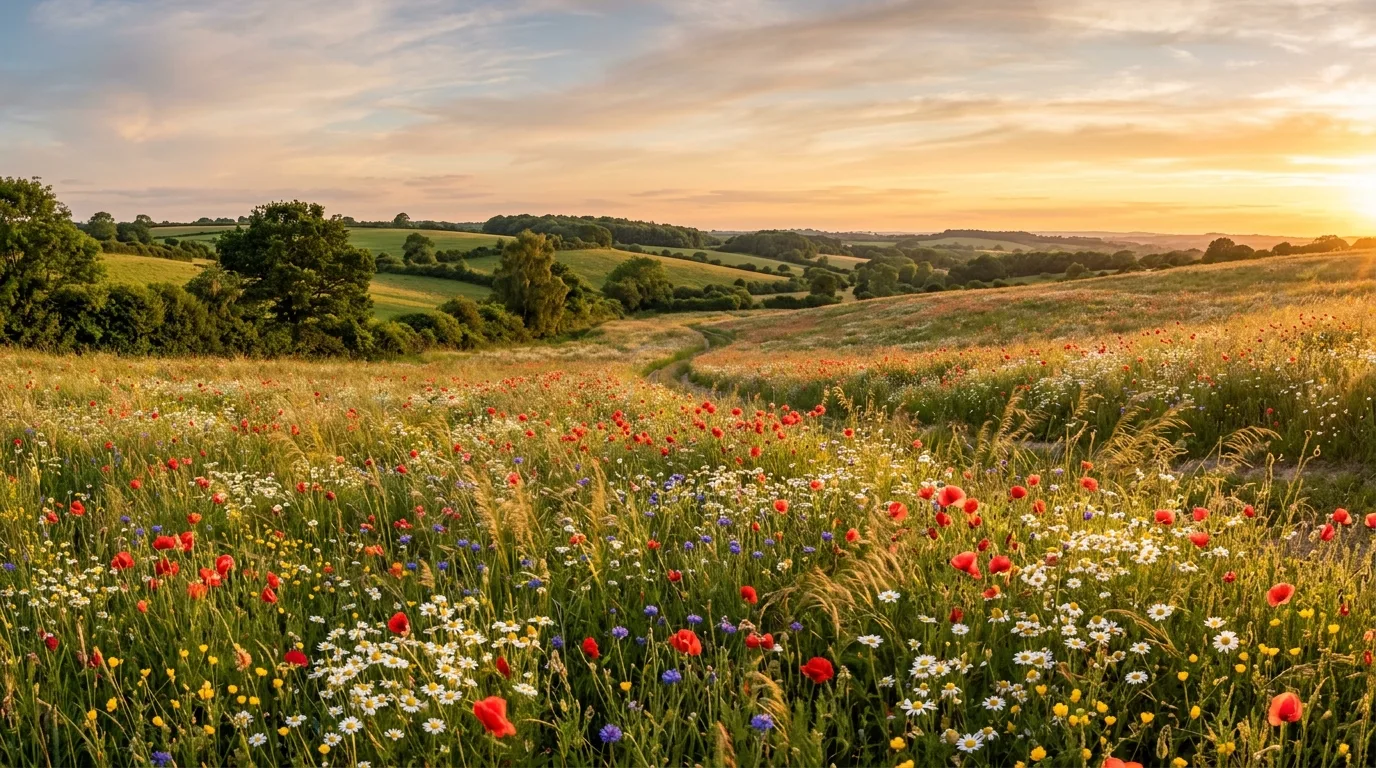
Wild flower garden landscapes appeal because they feel freer and more connected to nature than highly controlled borders. When they are done well, they create movement, support pollinators, and give the land a softer, more atmospheric personality.
A meadow look still needs intention, though. Paths, repeated drifts, seasonal sequence, and the right mix of flowers with grasses are what keep naturalistic planting feeling beautiful rather than neglected.
These wild flower landscapes explore many ways to bring that loose, meadow-like beauty into a home garden. Some are broad and rural, some smaller and more adapted to everyday properties, but all of them show how natural planting can feel deeply inviting.
Quick planning notes
Choose plants suited to the local conditions so the meadow look feels natural and sustainable rather than forced.
Use paths, clear edges, or one simple focal point to help the wild planting read as intentional from the beginning.
Mix flowers with grasses so the landscape has movement and stays visually interesting beyond peak bloom alone.
Think about succession across the seasons, because meadow gardens are strongest when they evolve gradually instead of disappearing after one flush.
Idea 1
A broad meadow drift full of native seasonal bloom
A wild flower landscape feels most convincing when it embraces broad drifts and natural movement instead of trying to mimic a tightly controlled border. Native bloomers give the scene authenticity and allow the meadow look to feel rooted in its place.
Idea 2
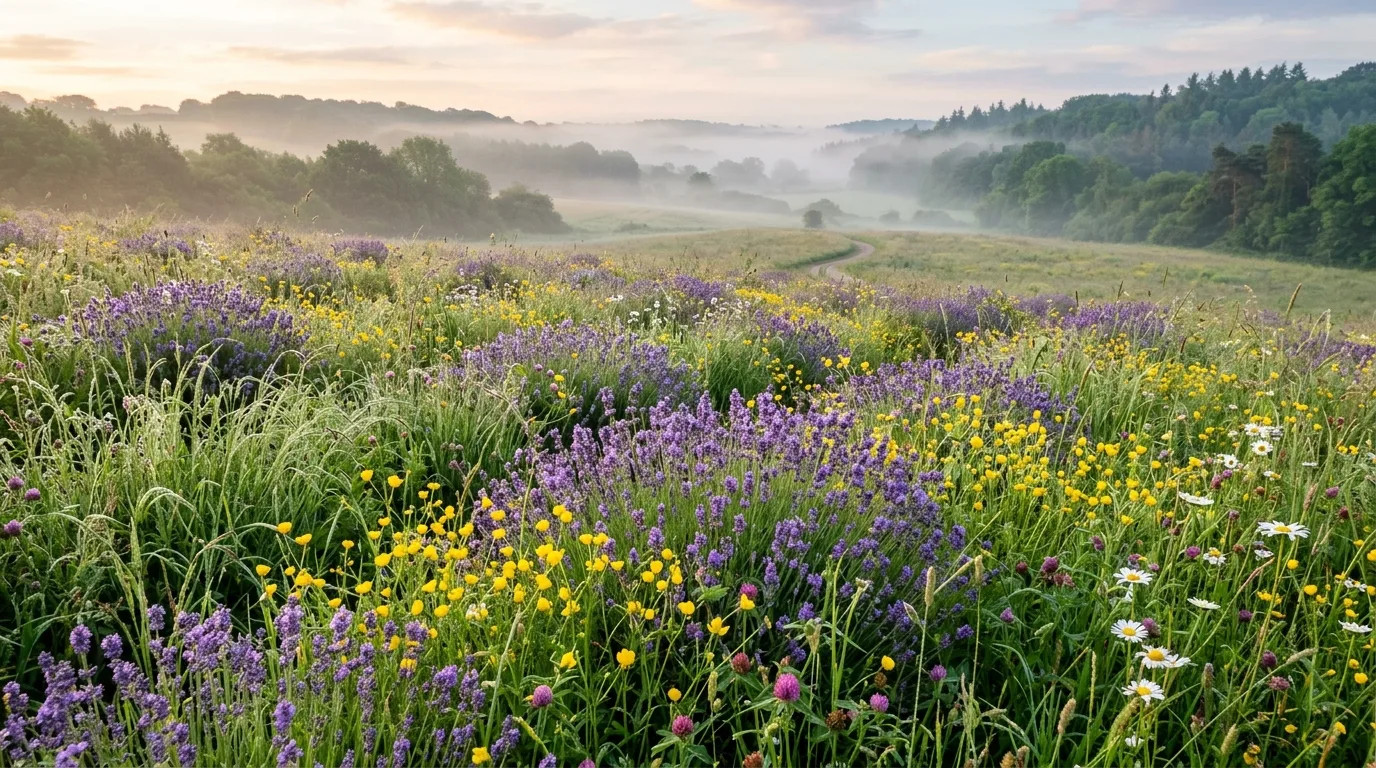
A mown path threading gently through tall flowers
One of the best ways to make a wild flower garden feel intentional is to cut a clear path through it. The route gives the eye structure, invites movement, and turns a loose planting into a landscape experience that feels immersive rather than messy.
Idea 3
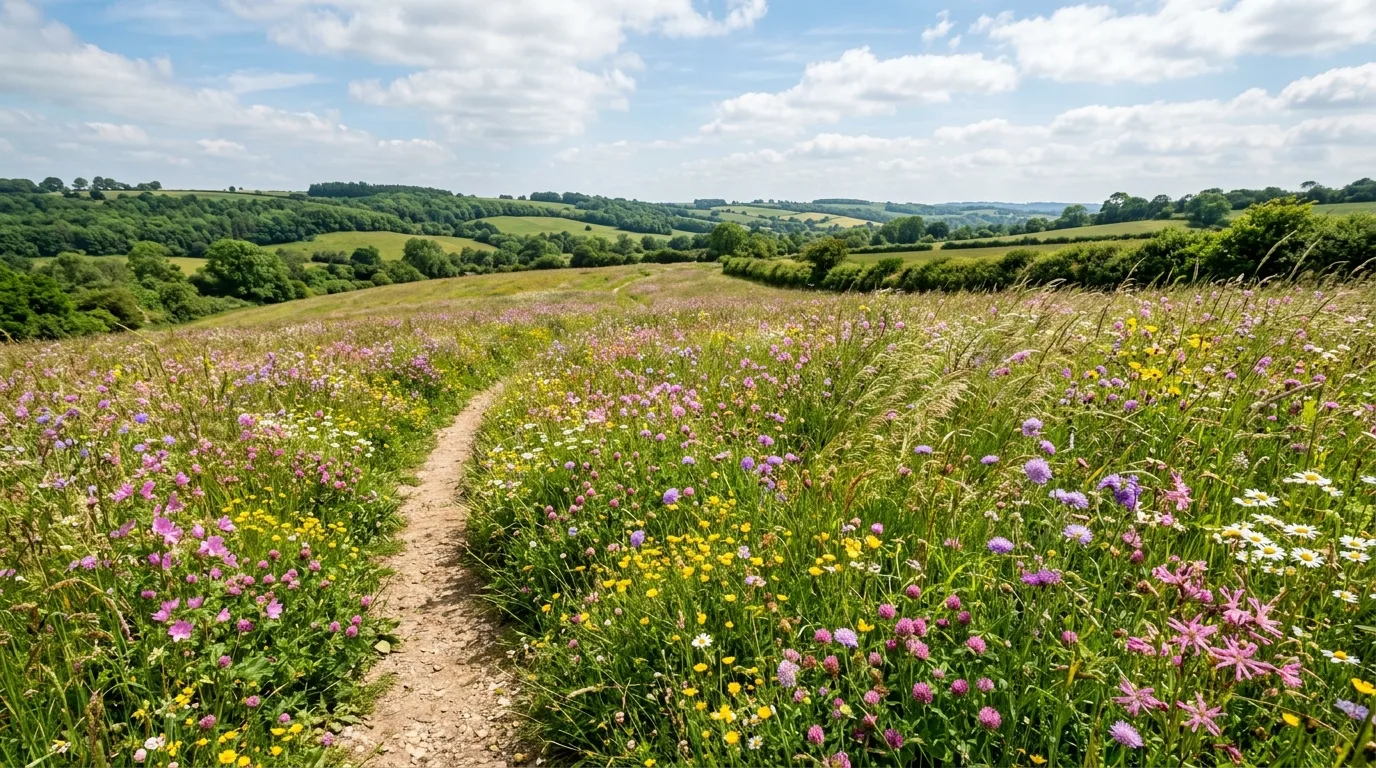
Fine grasses mixed with bloom for soft natural motion
Wild flower planting becomes more graceful when grasses are given equal importance alongside flowers. Their movement catches the light and wind, helping the landscape feel airy, layered, and beautifully alive across the entire growing season.
Idea 4
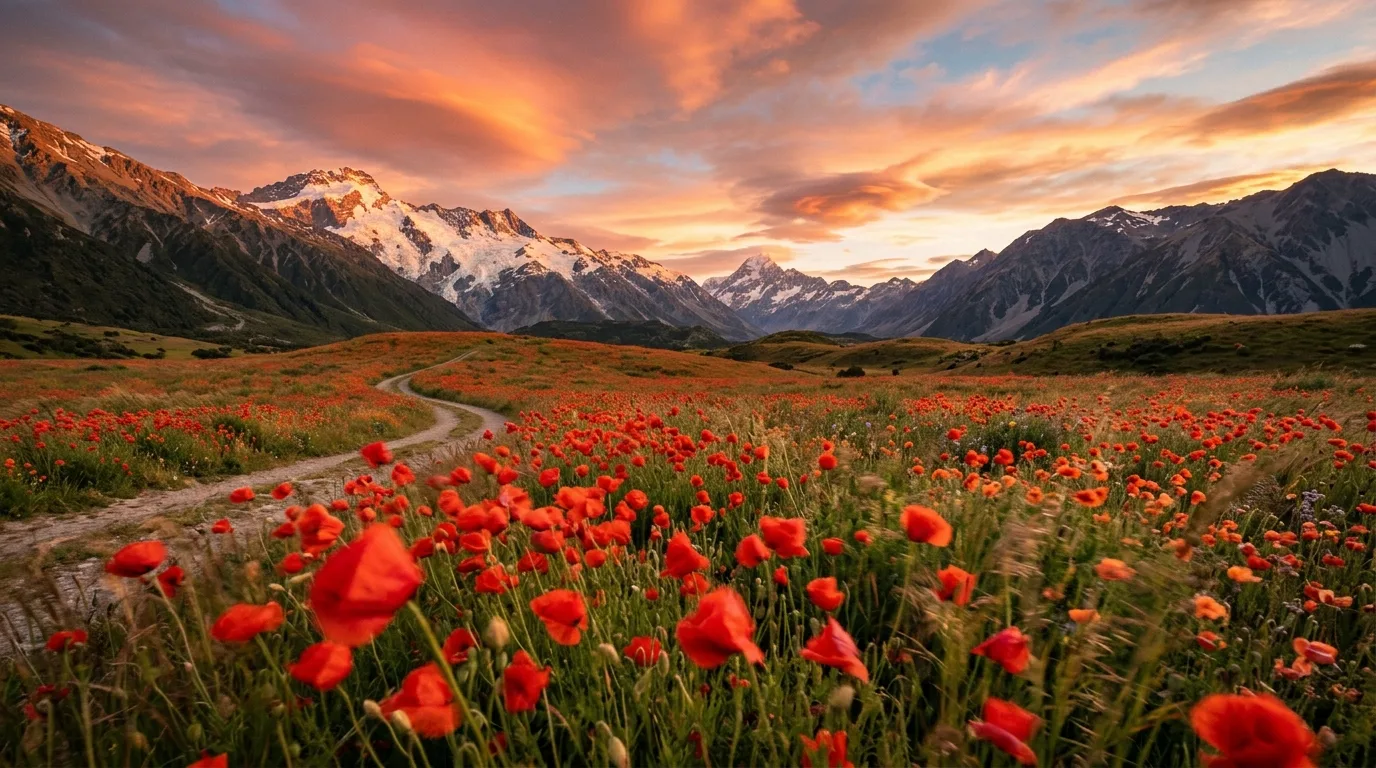
A sunny slope turned into a flowering meadow bank
Sloped ground often suits meadow planting because the flowers can spread in a way that feels loose and natural while the incline adds visual drama. A flowering bank softens the landscape and turns an awkward area into one of the most memorable parts of the yard.
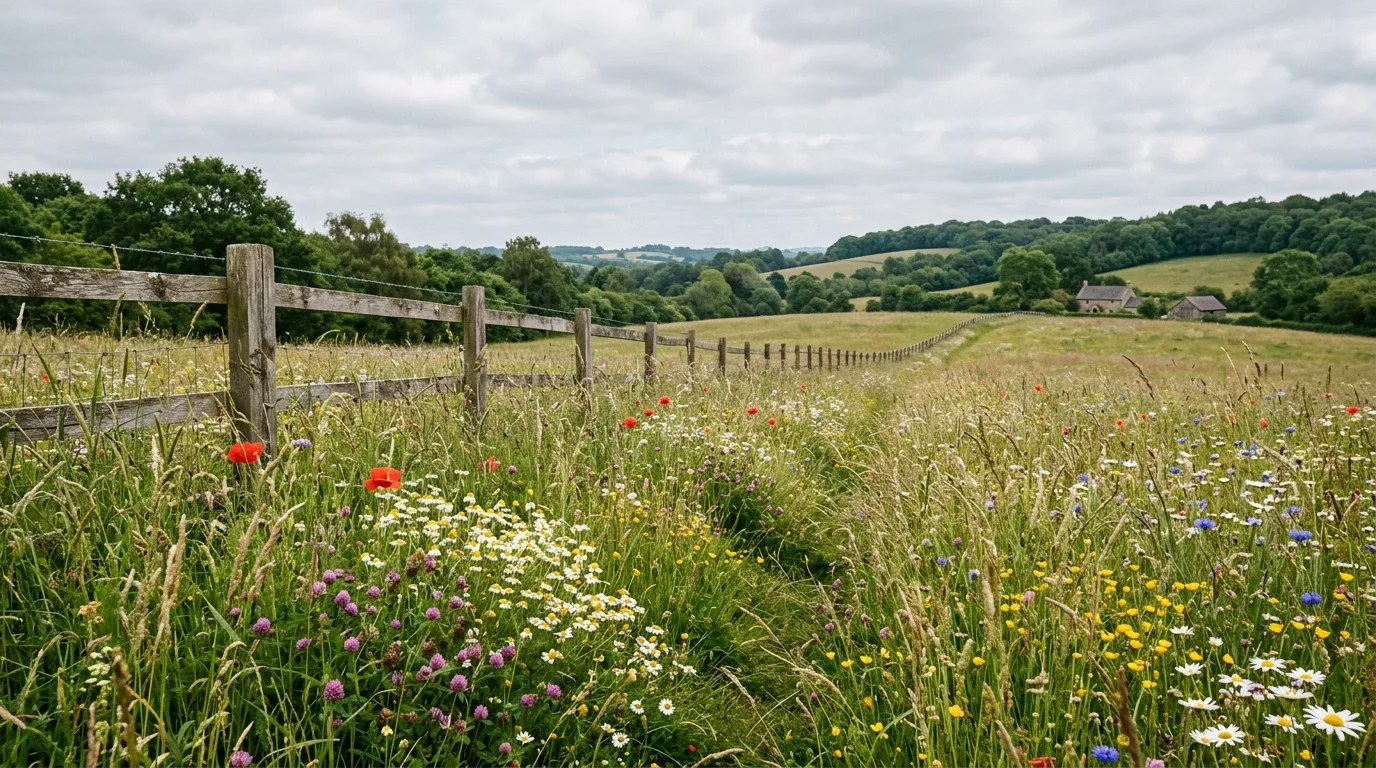
Idea 5
Wild flower planting framing a rustic split-rail fence
A rustic fence becomes far more charming when it is softened by flowers that look as though they belong to the land around it. The contrast between structure and looseness gives the scene that relaxed countryside beauty people love in meadow gardens.
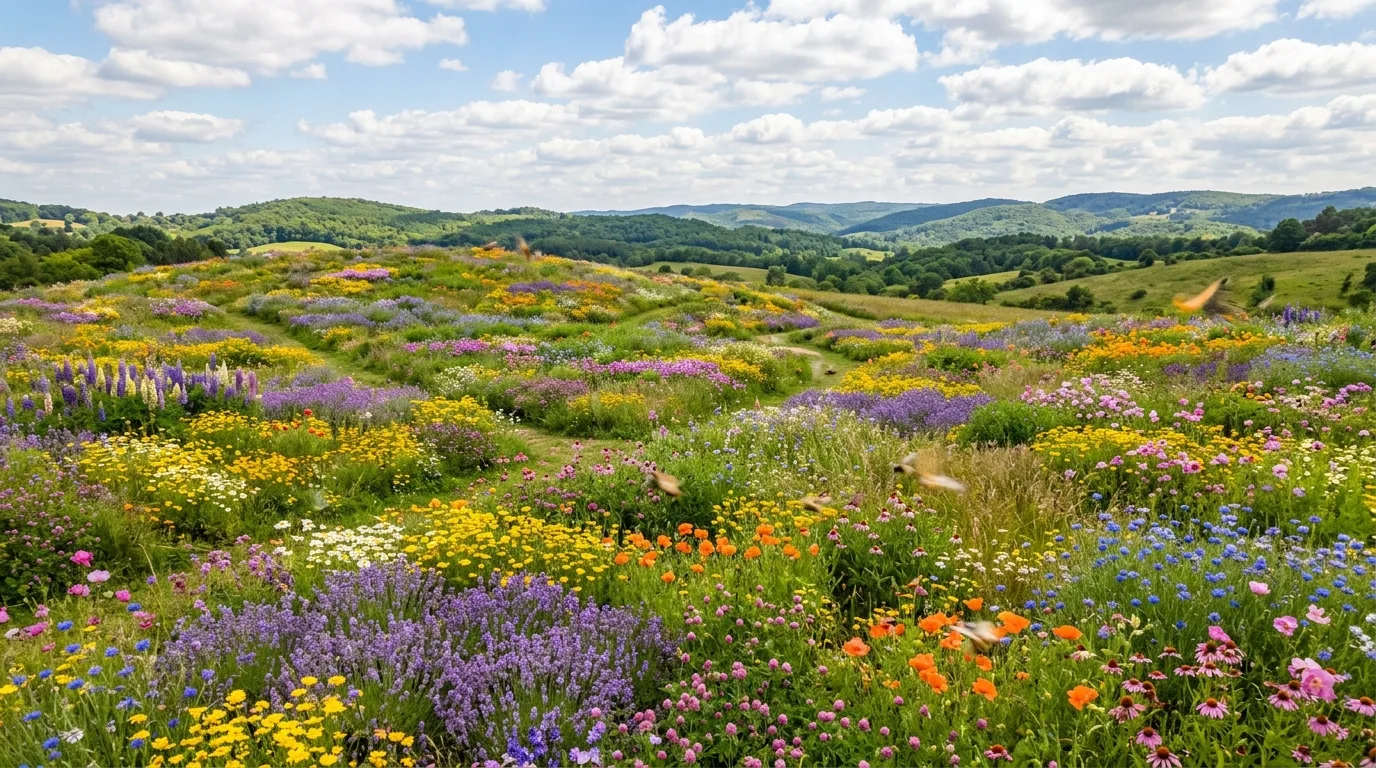
Idea 6
A pond edge brightened with naturalistic flowering drifts
Wild flower landscapes feel especially peaceful near water, where reflections and softer ground conditions allow the planting to feel even more unforced. Gentle drifts at the pond edge create a scene that feels restorative and ecologically rich at the same time.
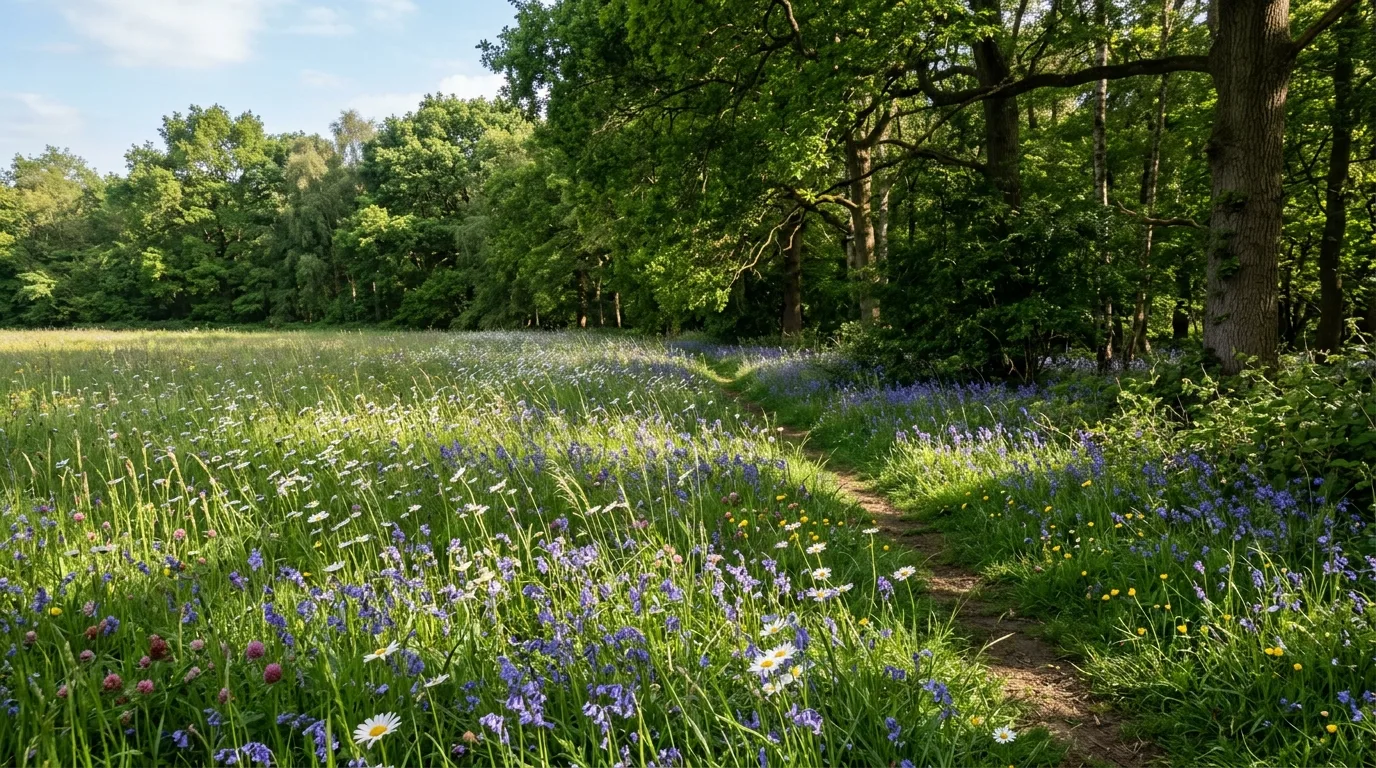
Idea 7
A front-yard meadow replacing conventional turf
Turning part of a front yard into a wild flower landscape can create beauty while reducing the need for a perfect lawn. The look feels more relaxed and more seasonal, and it gives the house a personality that is far more memorable from the street.
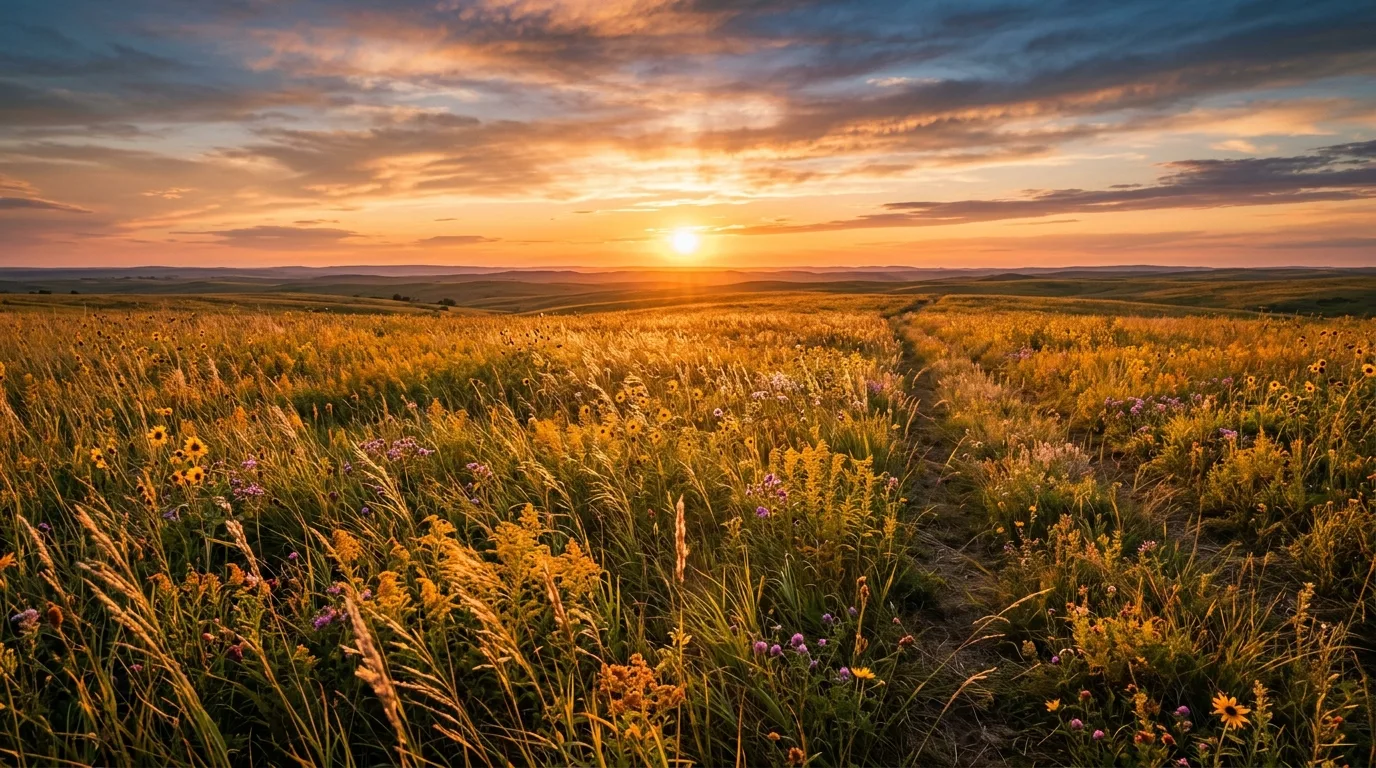
Idea 8
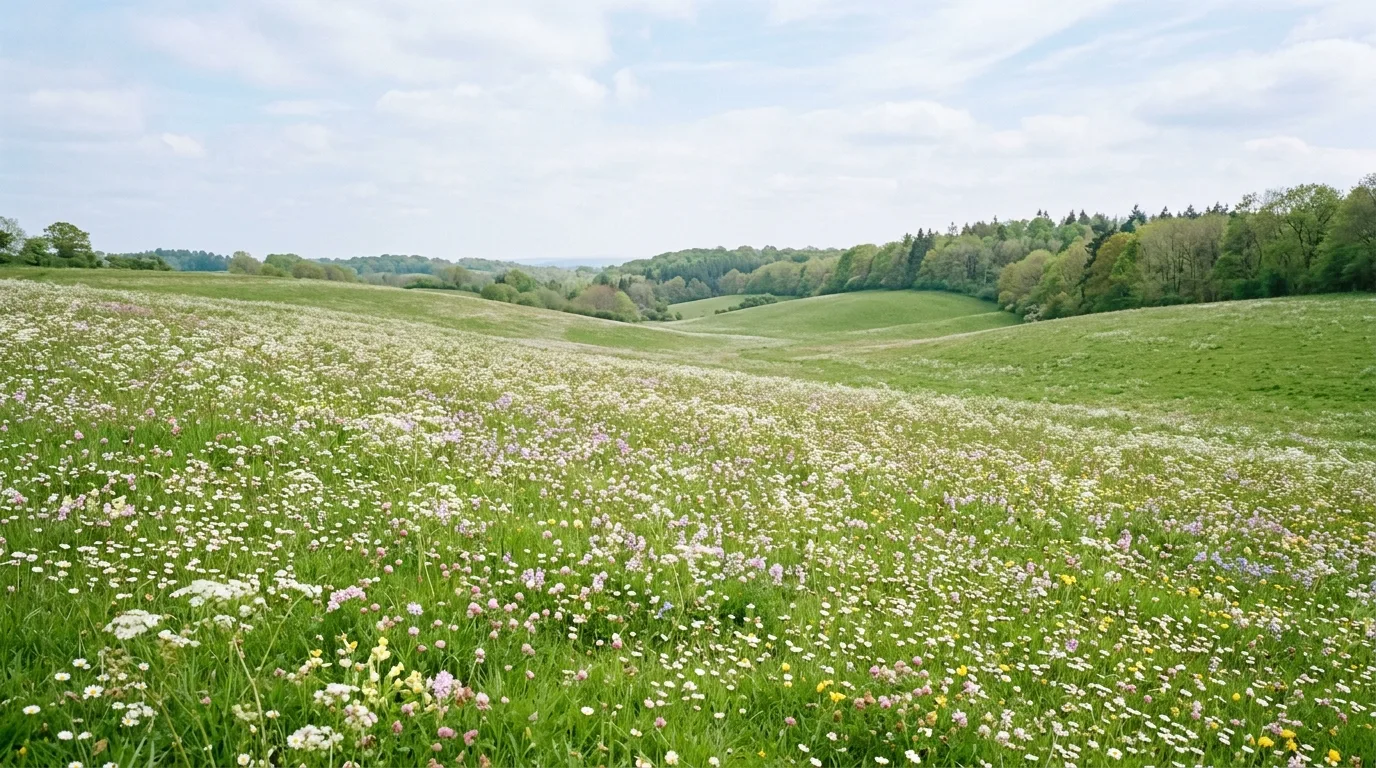
Soft pastel wild flowers for a lighter meadow mood
Not every meadow has to be loud with saturated color, and a pastel palette can create an especially dreamy effect. Pale pinks, whites, and cool blues feel airy in open light, giving the landscape a gentler and more romantic character.
Idea 9
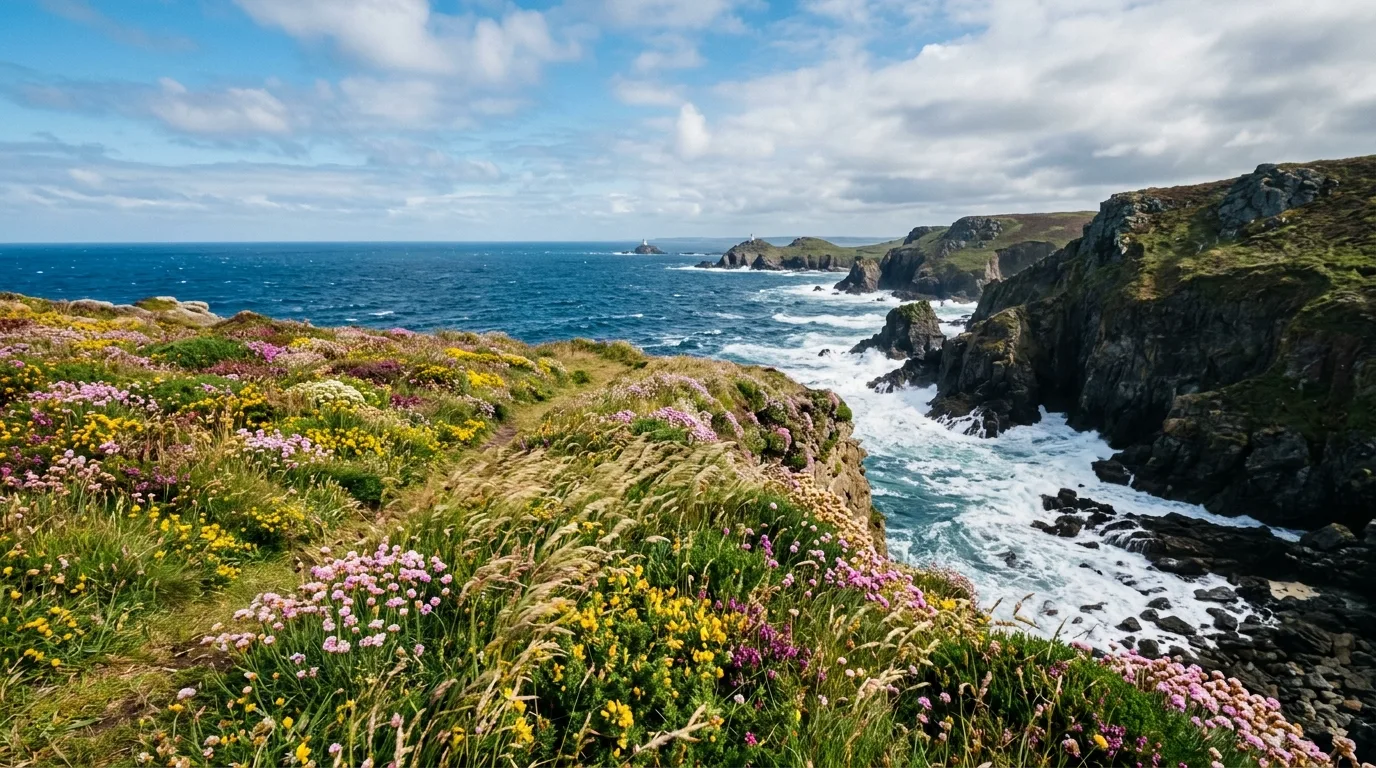
Bold summer color creating a painterly field effect
A stronger mix of poppies, cornflowers, cosmos, and other bright bloomers can create a wild flower garden with real visual drama. The effect is freer than a formal border but still striking enough to feel deliberately expressive and artistic.
Idea 10
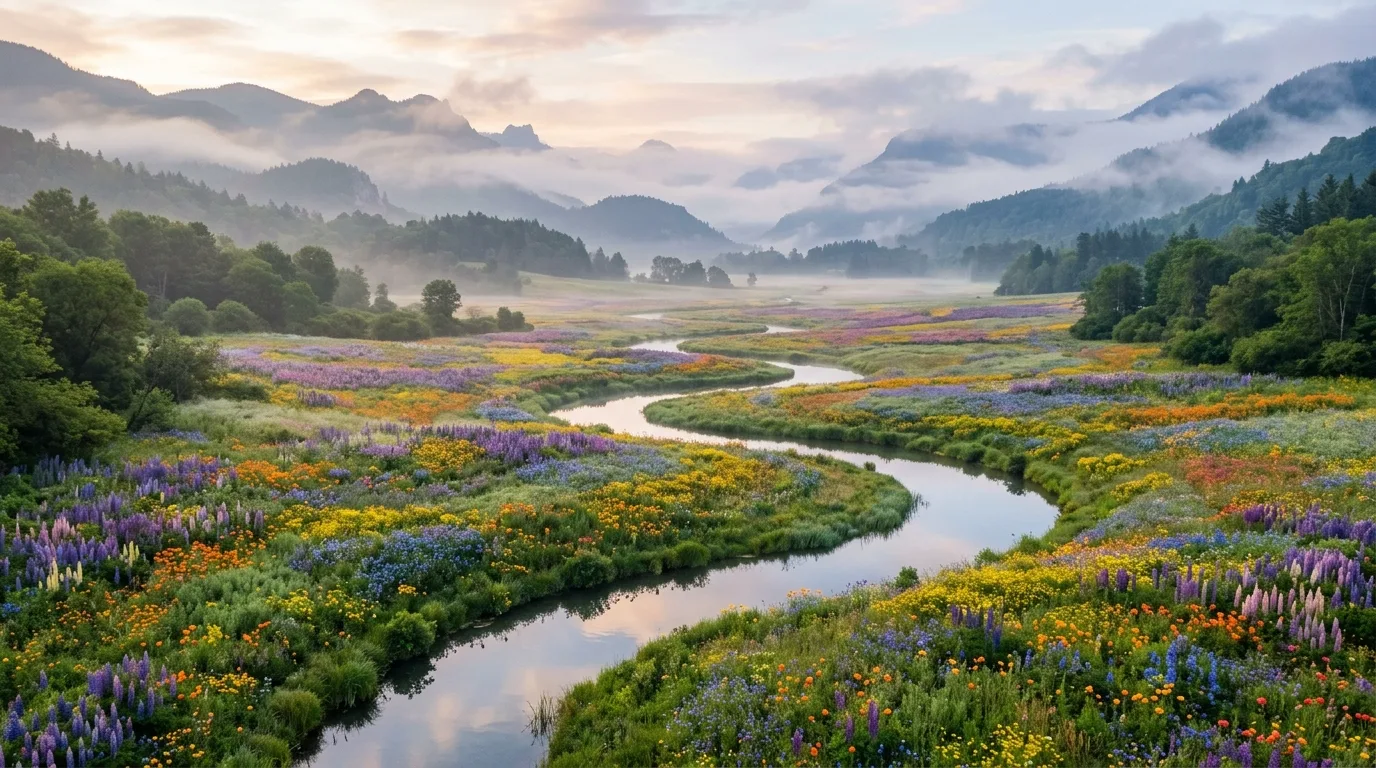
A woodland edge softened with loose flowering layers
The transition between wooded ground and open garden can be one of the most beautiful places for a naturalistic planting. Loose flowering layers soften the edge, making the landscape feel more gradual, more atmospheric, and more deeply connected to its setting.
Idea 11
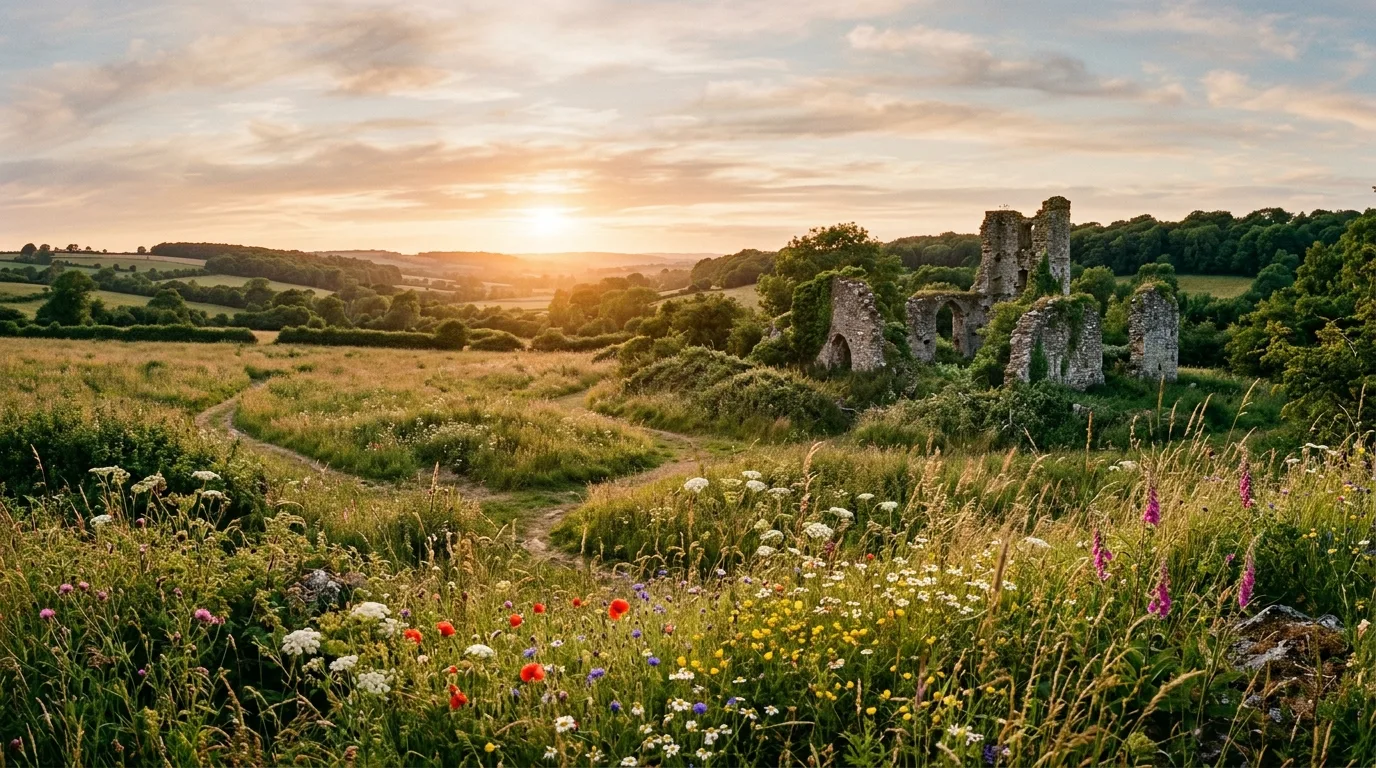
A simple bench placed within a meadow clearing
A meadow feels even more meaningful when it includes one place to pause and appreciate the atmosphere from inside the planting. A bench in a small clearing turns the wild flower landscape into a destination and encourages a slower experience of the garden.
Idea 12
Naturalistic planting designed for pollinators first
Wild flower landscapes often feel most successful when they visibly support bees, butterflies, and other insects through the season. That steady life gives the meadow motion and purpose, making the beauty feel active rather than static.
Idea 13
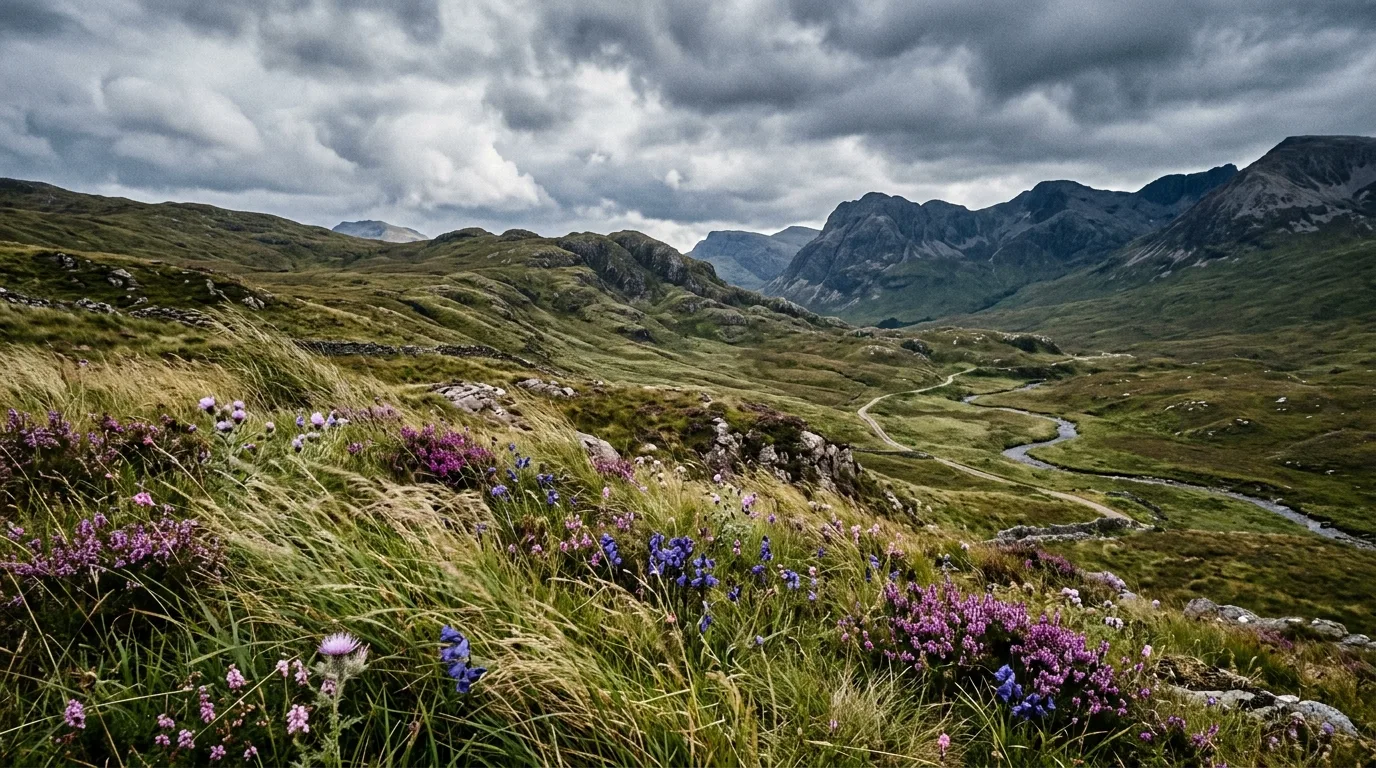
Dry-climate meadow tones with airy resilient flowers
In sunnier or drier spaces, a wild flower landscape can still feel lush if the planting relies on resilient species with enough height and movement. The resulting meadow looks light and natural while staying better suited to the conditions of the site.
Idea 14
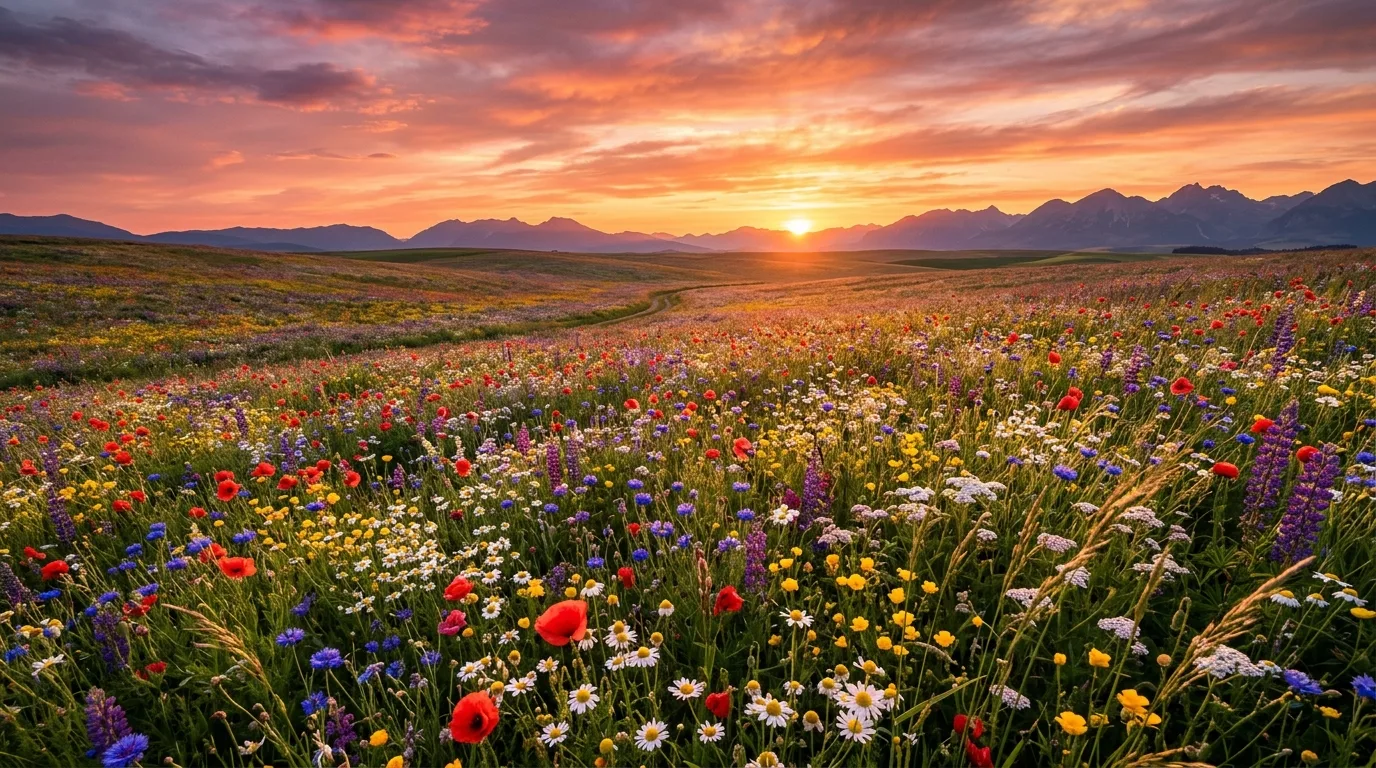
Seasonal succession keeping the meadow beautiful longer
The strongest meadow gardens are not built around one short burst of bloom but around sequence. When spring, summer, and late-season flowers are all woven into the planting, the landscape keeps its natural beauty for much longer and feels more richly alive.
Read next on Saw & Sprout
Edible Gardens
13 Clever Tomato Trellis Gardens for a Bountiful Harvest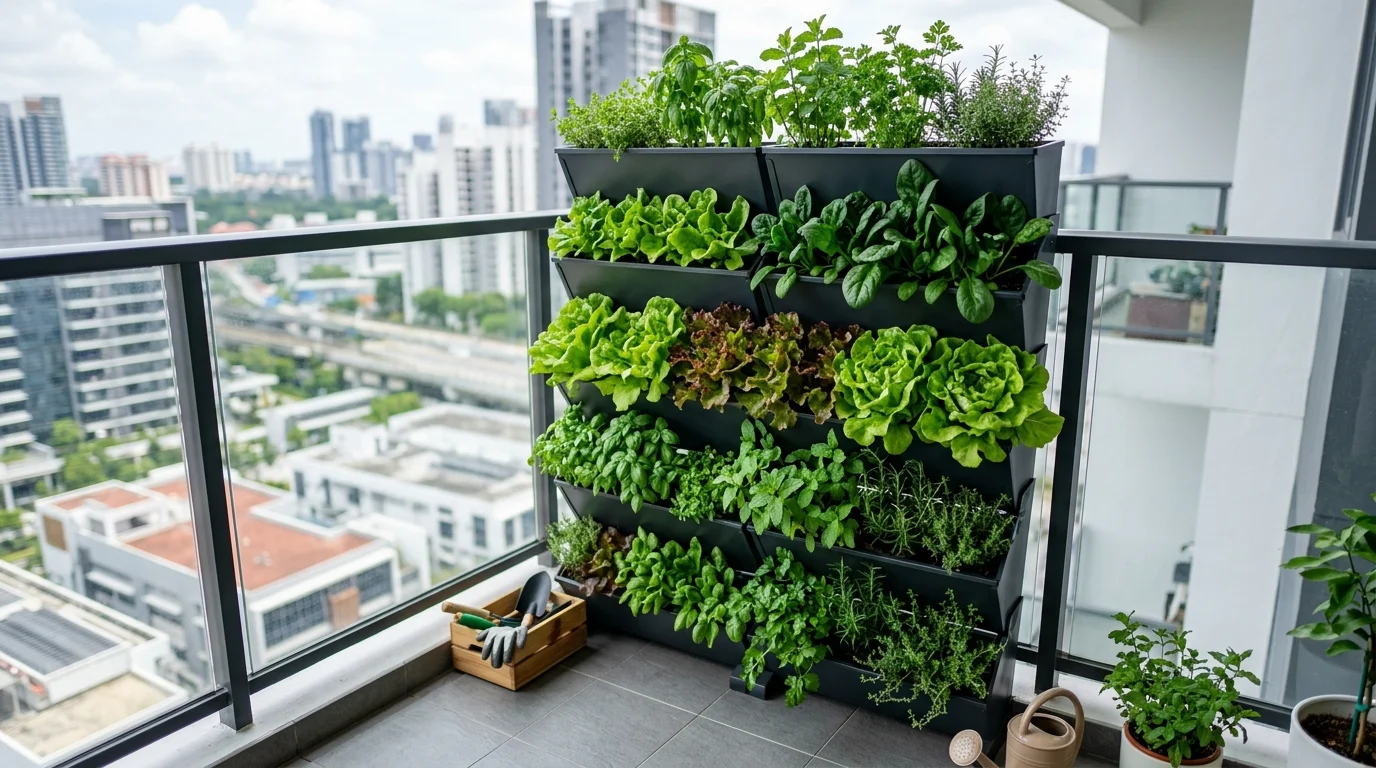
Small-Space Growing
14 Space-Saving Small Vegetable Gardens for Urban GrowersFrequently asked questions
How do you make a wild flower garden look intentional?
Paths, repeated drifts, mown edges, and a thoughtful mix of flowers and grasses usually give naturalistic planting enough structure.
Can a meadow-style garden work in a front yard?
Yes. Even a partial front-yard meadow can look beautiful when the planting is maintained clearly and framed with simple edges or paths.
Do wild flower landscapes require less maintenance?
They can reduce some maintenance, but they still need planning, seasonal management, and plant choices suited to the site to look their best.