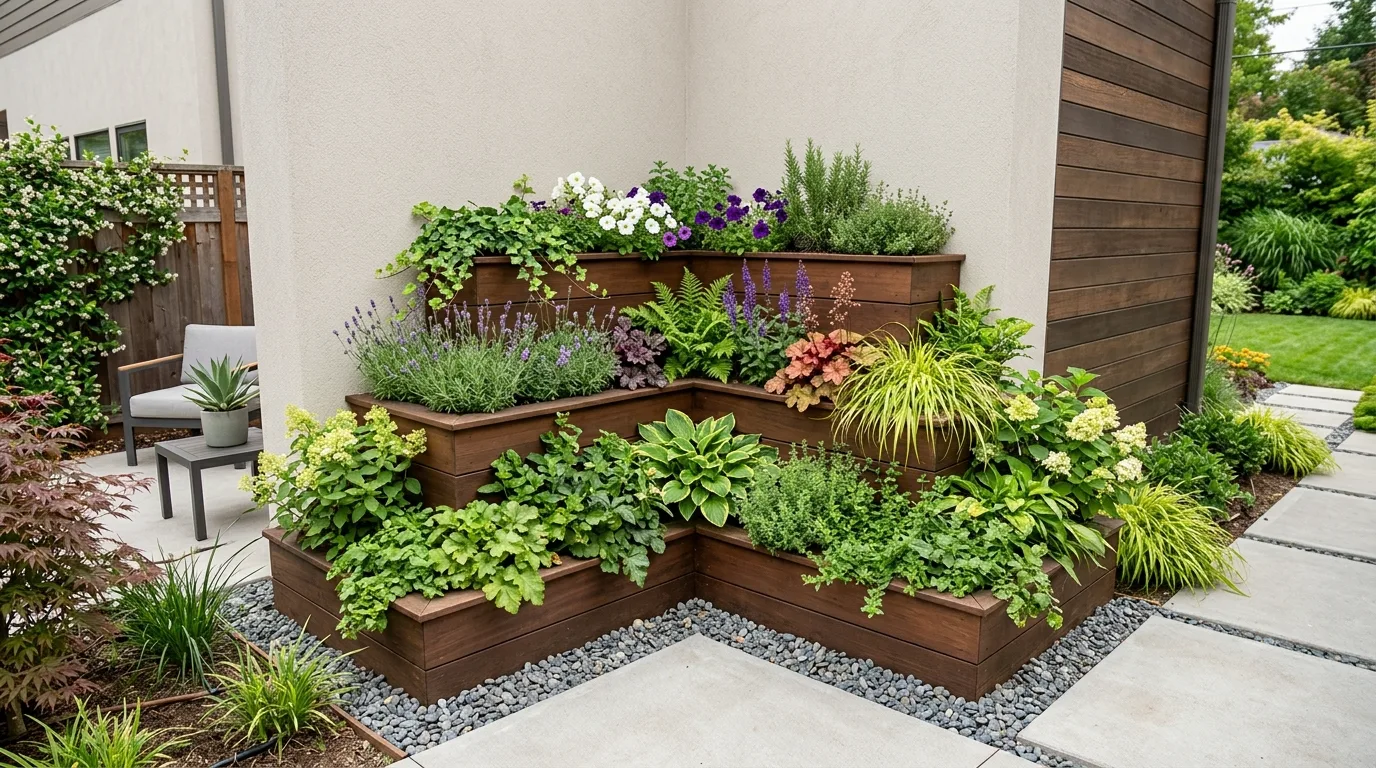
Corners are easy to waste because they often sit at the edge of the plan where leftover space collects, yet they can become some of the most useful and memorable parts of a landscape when they are treated with intention.
The best corner designs do not simply fill an angle with random planting. They give the space a job, a focal point, or a clearer structure so the edge of the yard starts feeling integrated with everything around it.
These corner landscape ideas show how benches, fountains, productive beds, pergolas, and thoughtful planting can turn awkward pockets into real assets without crowding the garden.
Quick planning notes
Start by deciding whether the corner should be a focal point, a practical zone, or a softer supporting space.
Use height carefully because one taller element often helps a corner feel anchored and intentional.
Keep circulation and maintenance in mind so the corner remains easy to access and care for.
Let materials or planting relate clearly to the rest of the yard so the corner feels connected rather than isolated.
Idea 1
A layered corner bed with a small tree and curved edging
Corners feel much more intentional when one graceful tree gives them height and the planting below follows a soft curve that eases the hard angle of the fence or wall. The whole area starts reading like a designed destination instead of leftover square footage.
Idea 2
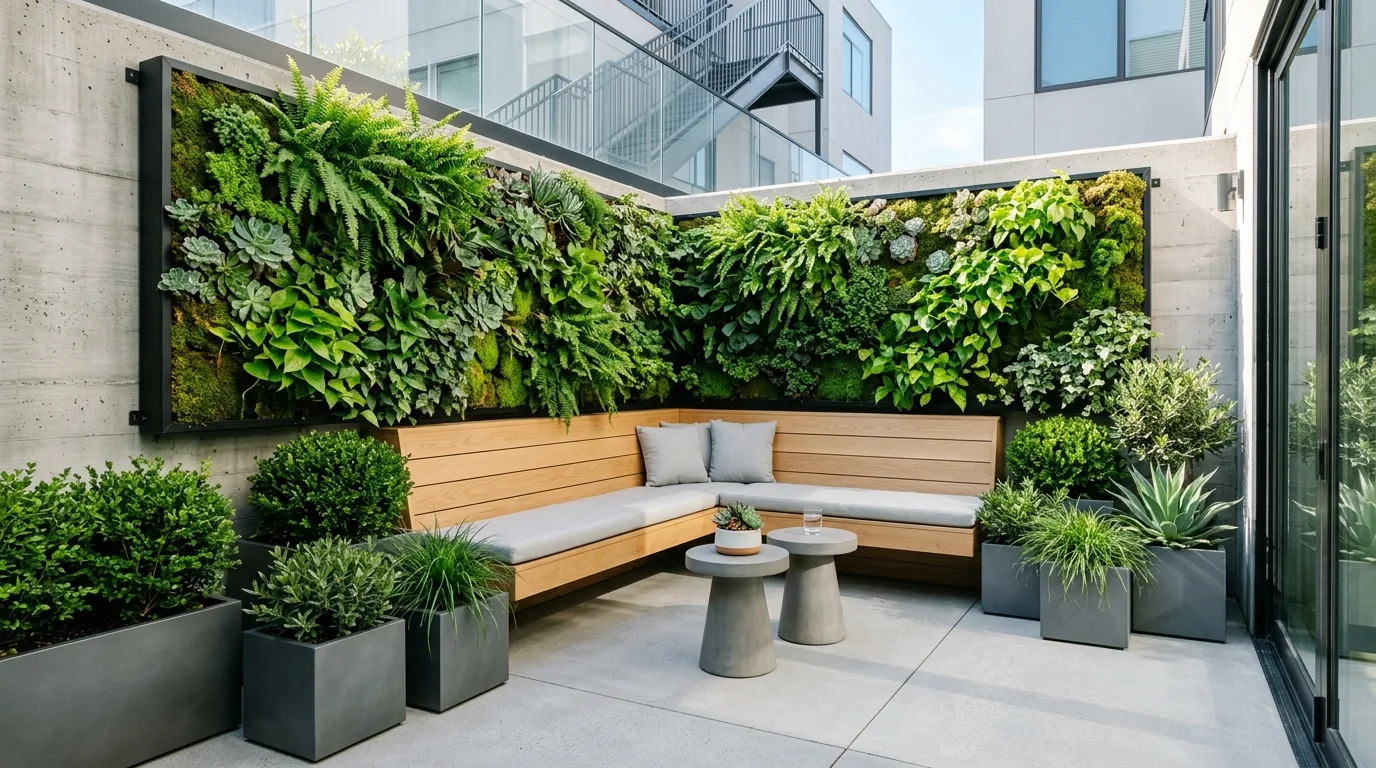
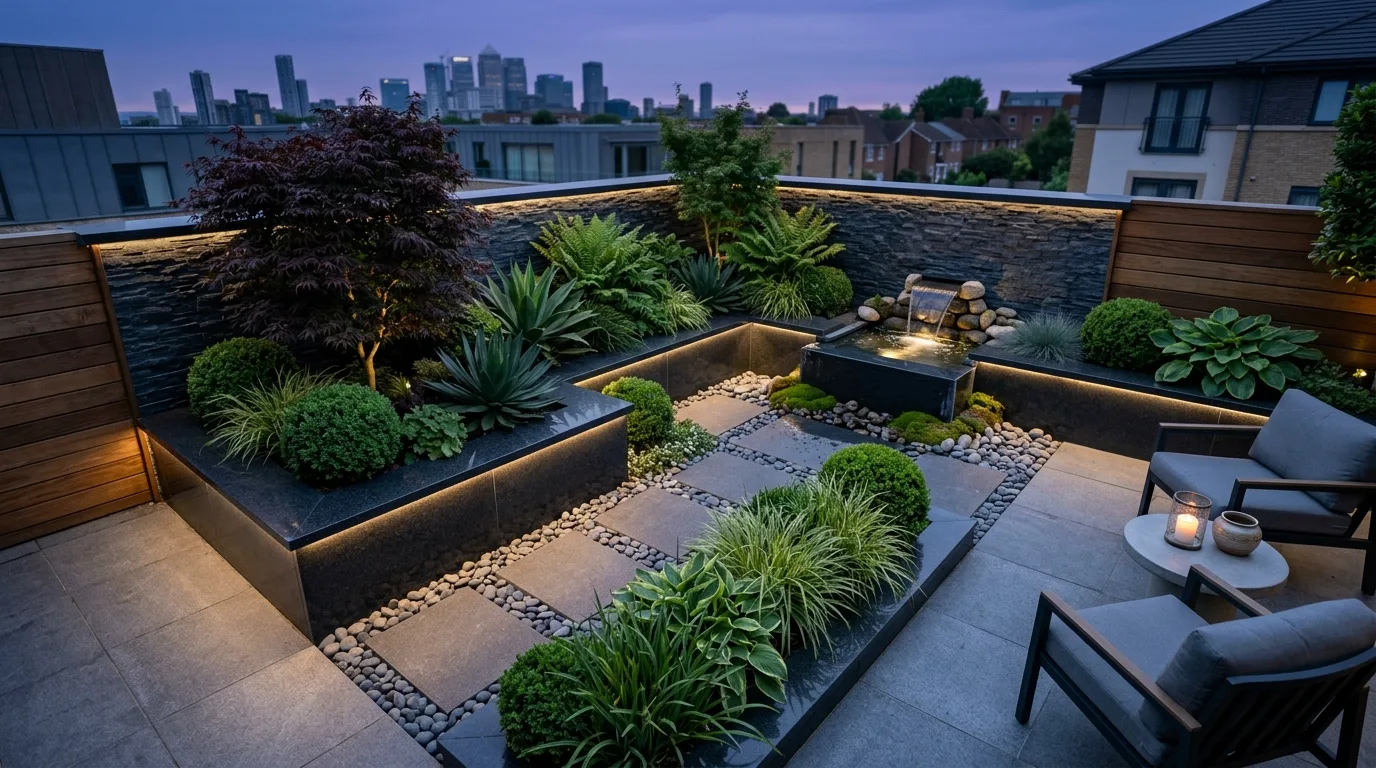
A corner fountain framed by clipped greenery and stone
When a quiet water feature is placed into a neglected corner, it can transform that edge into one of the most memorable moments in the yard because sound, movement, and structure all gather there. The setting feels calm and complete rather than visually empty.
Idea 3
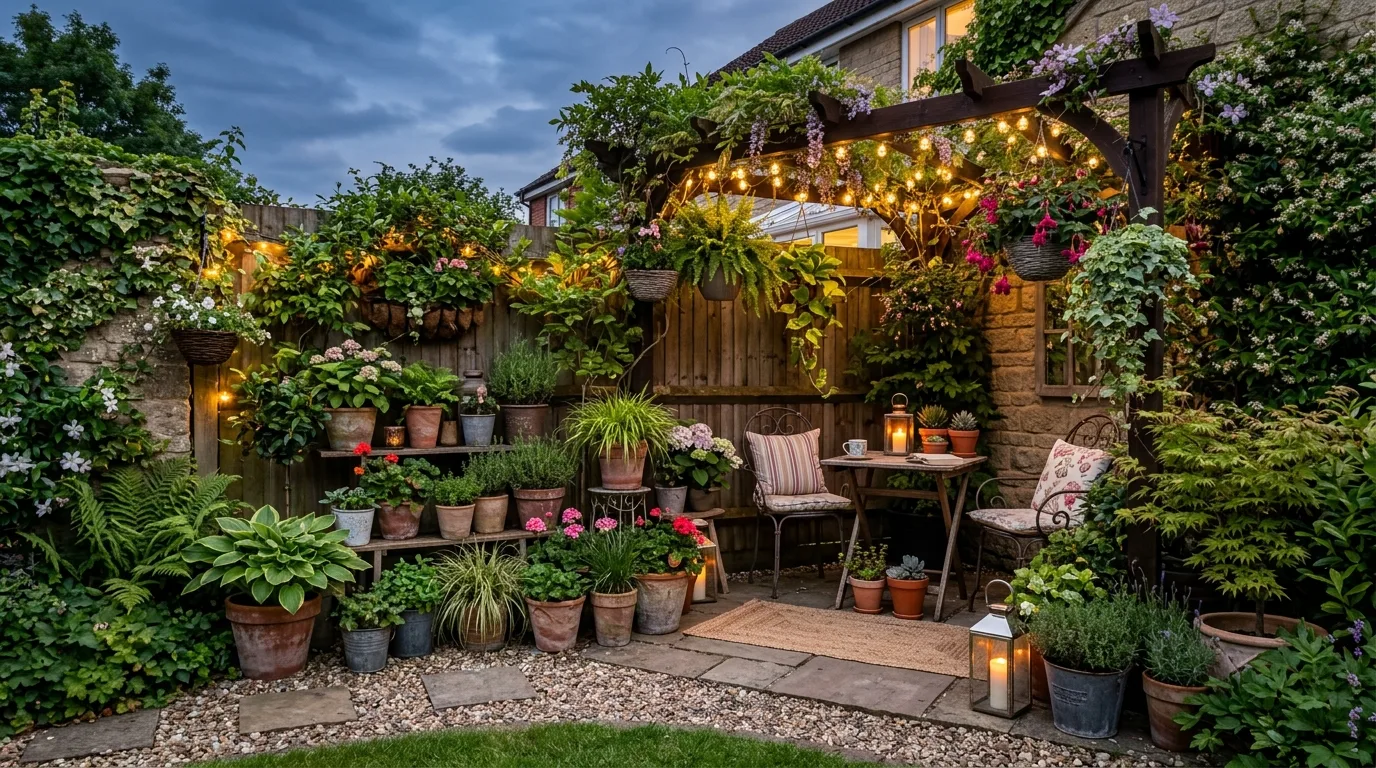
A built-in bench turning the far corner into a retreat
Seating is one of the smartest ways to validate a corner because it gives the space a real job while encouraging the planting around it to feel more embracing and atmospheric. Even a small bench can make the edge of the garden feel welcoming and fully used.
Idea 4
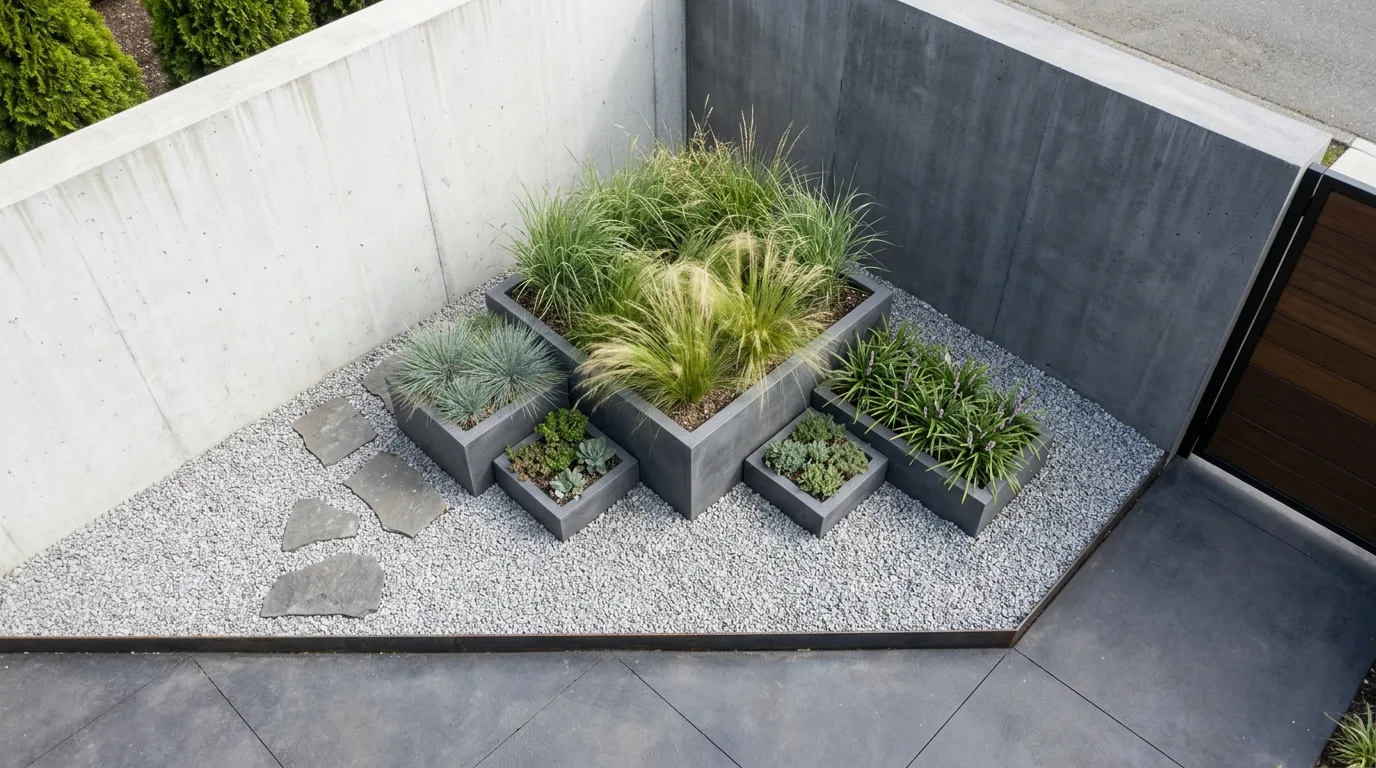
A gravel corner garden with sculptural pots and grasses
Gravel works well in awkward corners because it simplifies maintenance while giving ornamental pots and grasses a cleaner backdrop that lets their shapes stand out. The result feels modern, tidy, and much more deliberate than trying to overfill the space with too many plants.
Idea 5
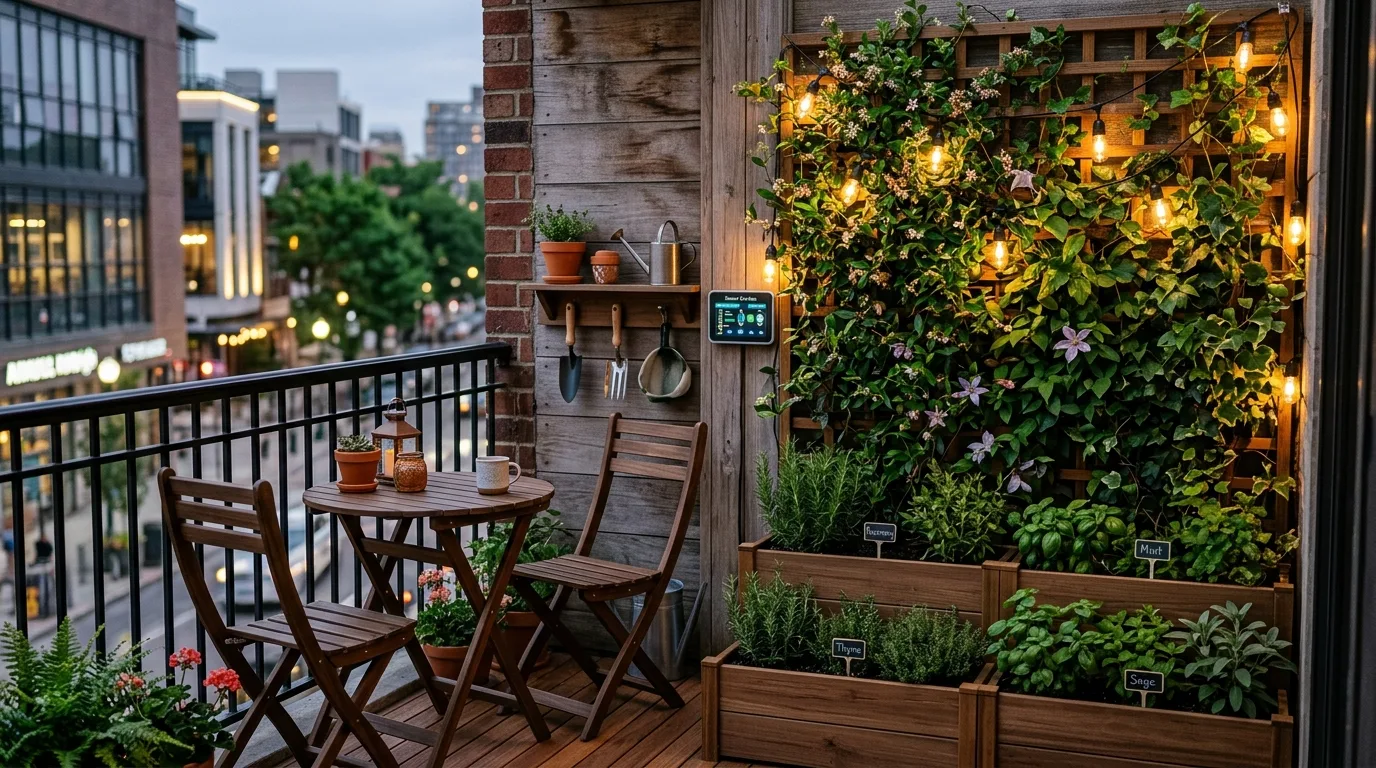
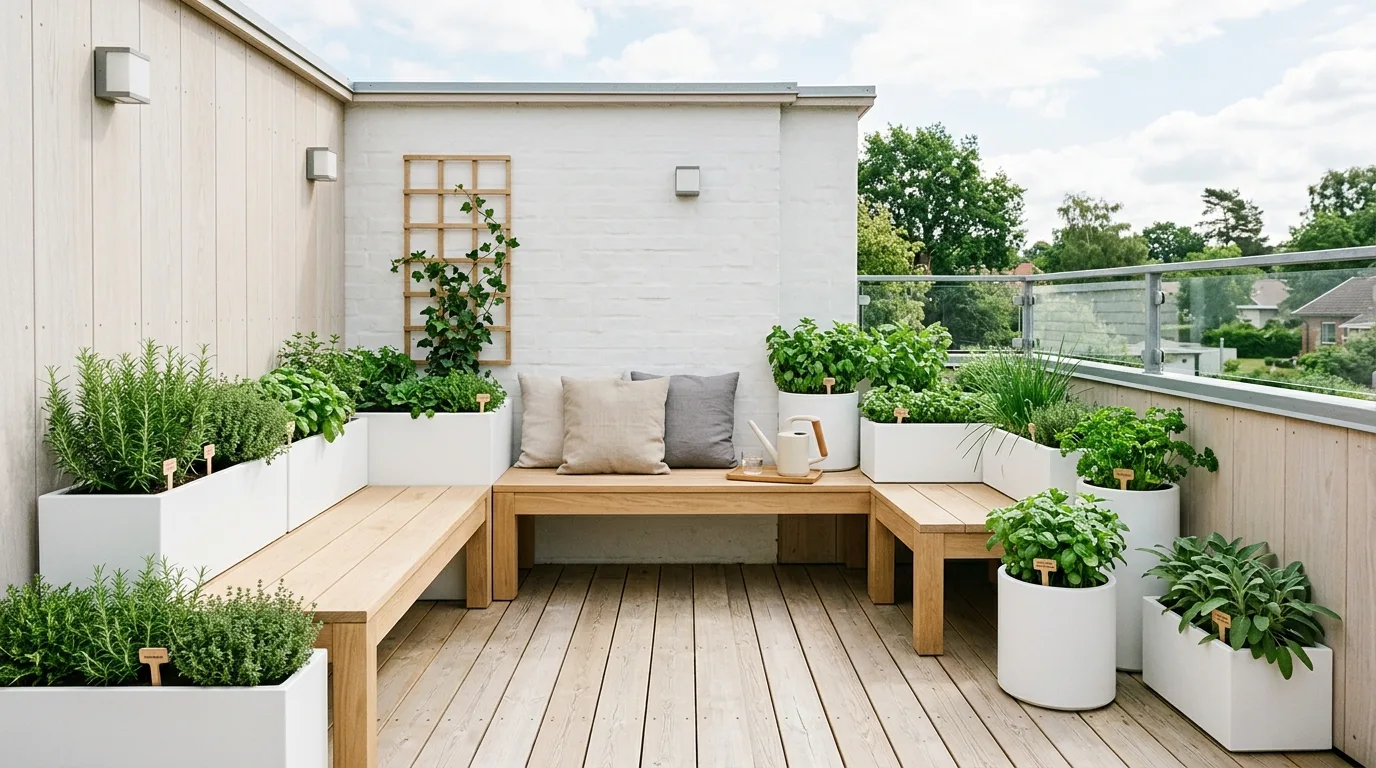
A productive kitchen-garden corner with raised planters
Turning a spare corner into a compact edible zone is especially satisfying because the area becomes useful every day while still looking attractive and neatly organized. Raised boxes, herbs, and leafy greens help the space feel active instead of forgotten.
Idea 6
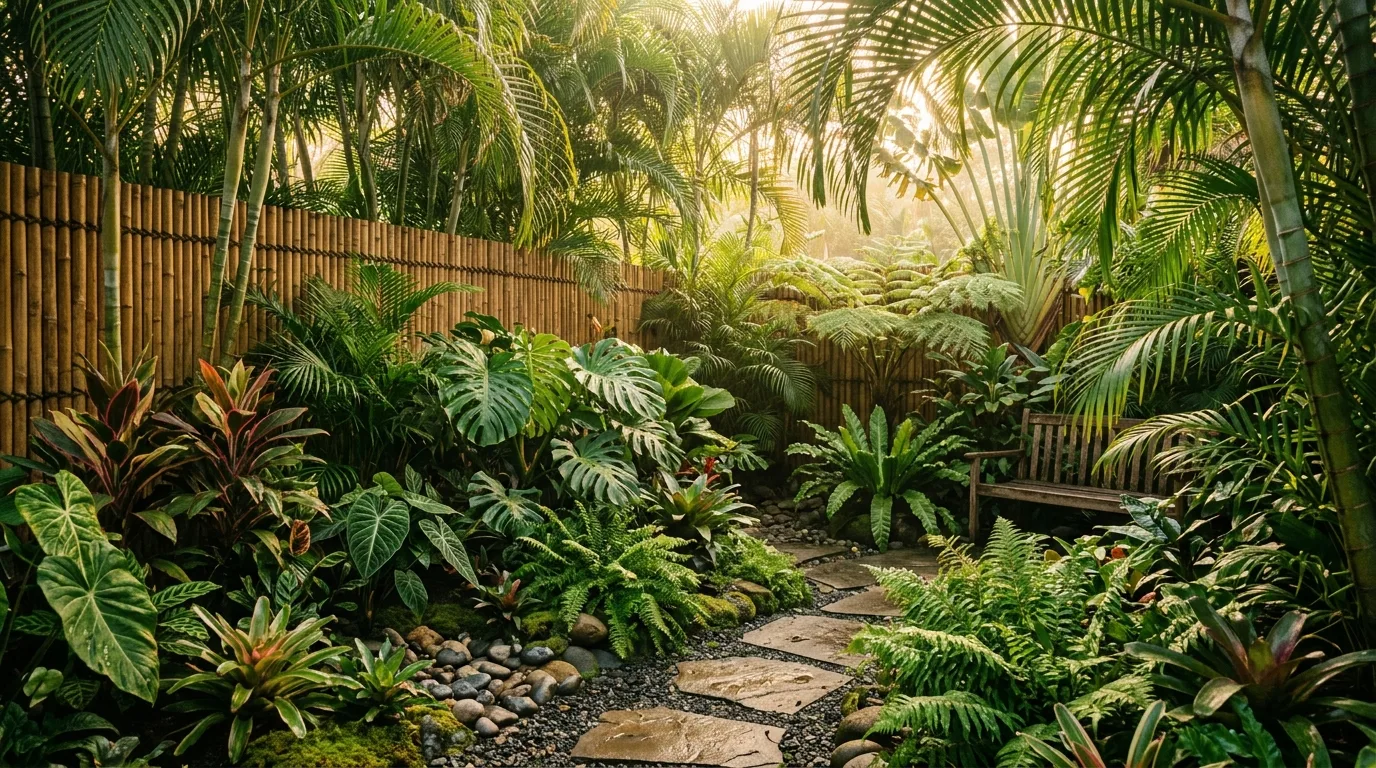
A shade-loving corner softened with ferns and dark mulch
Shady corners often become beautiful once they stop fighting the light and instead lean into texture, depth, and cooler green tones that suit the conditions naturally. Ferns and rich mulch give the area a woodland calm that feels purposeful rather than dim.
Idea 7
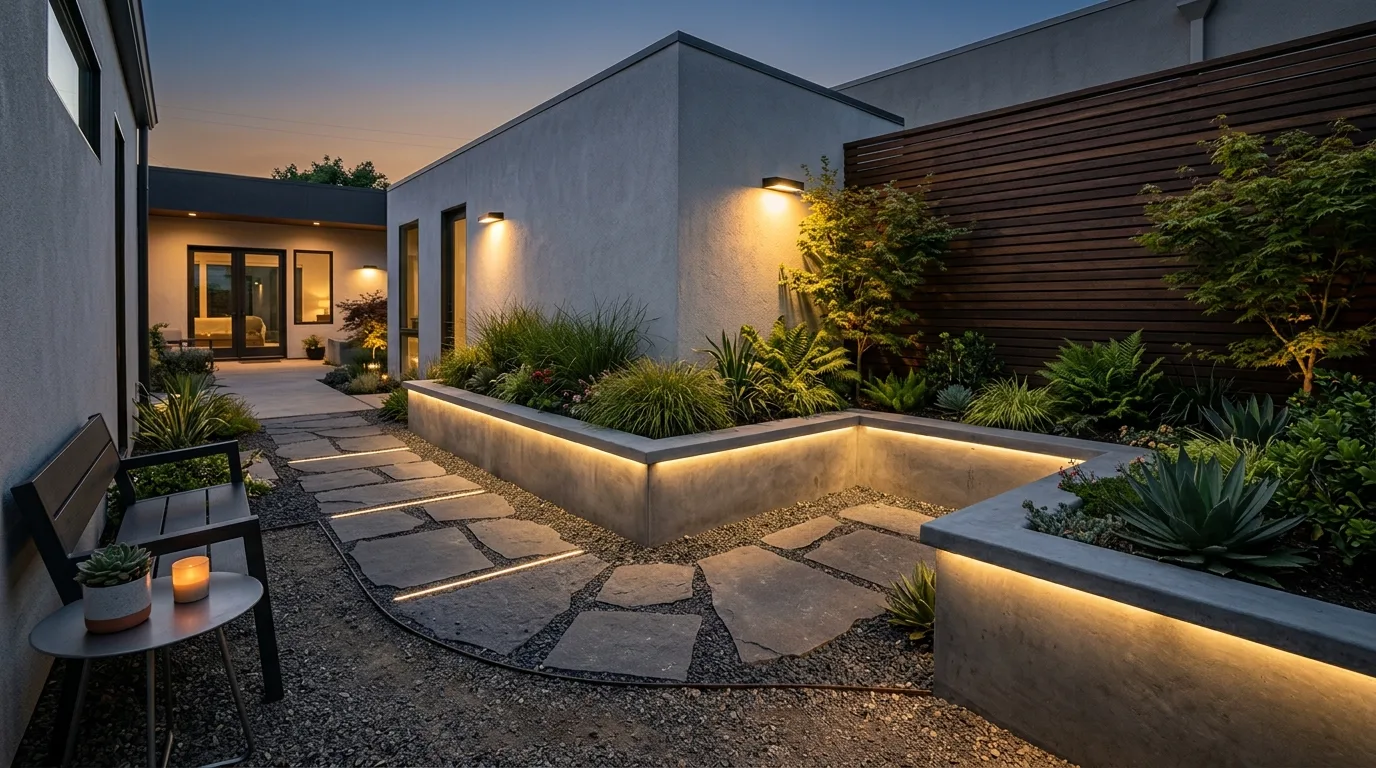
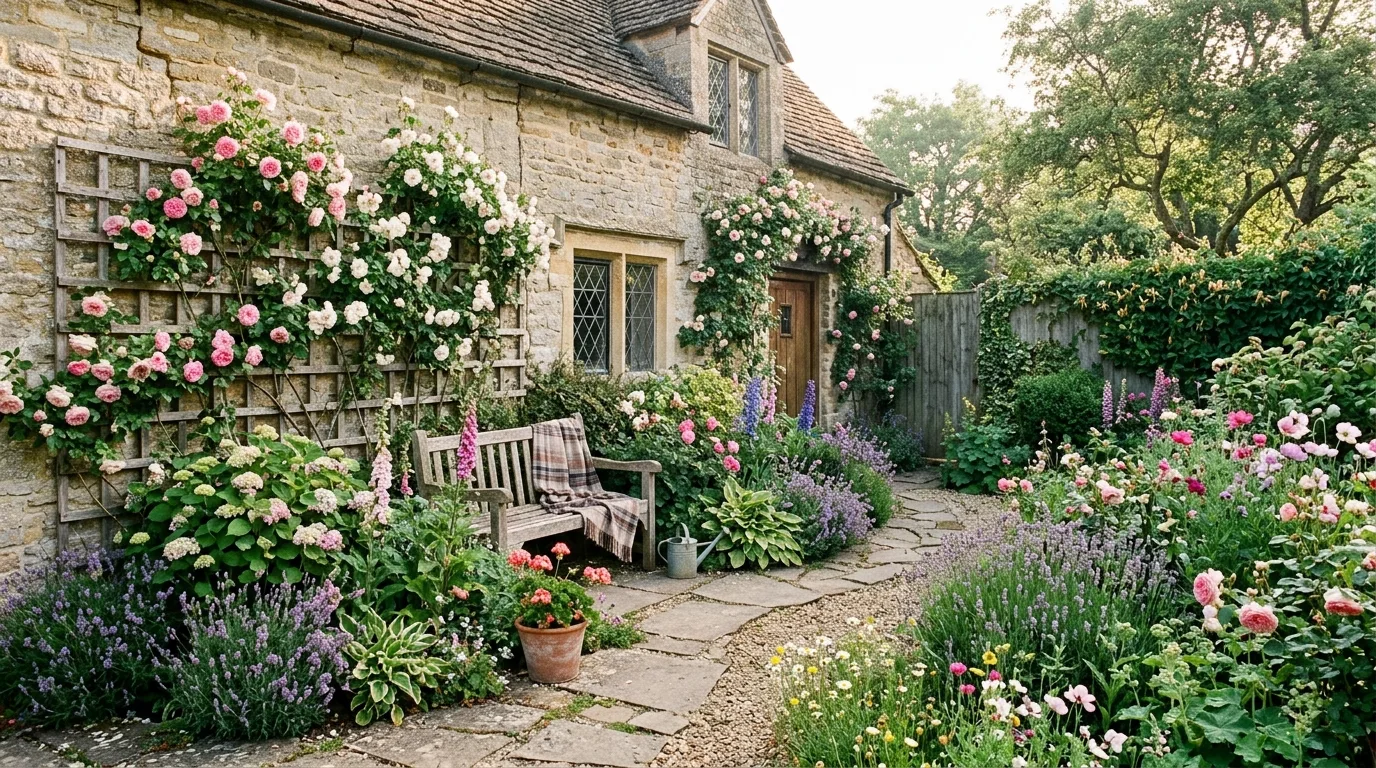
A corner pergola wrapped in climbers for vertical interest
Adding a light structure to a corner is a smart move because it uses the height that often goes unnoticed there, and once vines begin to climb it the whole edge feels more architectural and alive. The corner gains presence without becoming heavy or crowded.
Idea 8
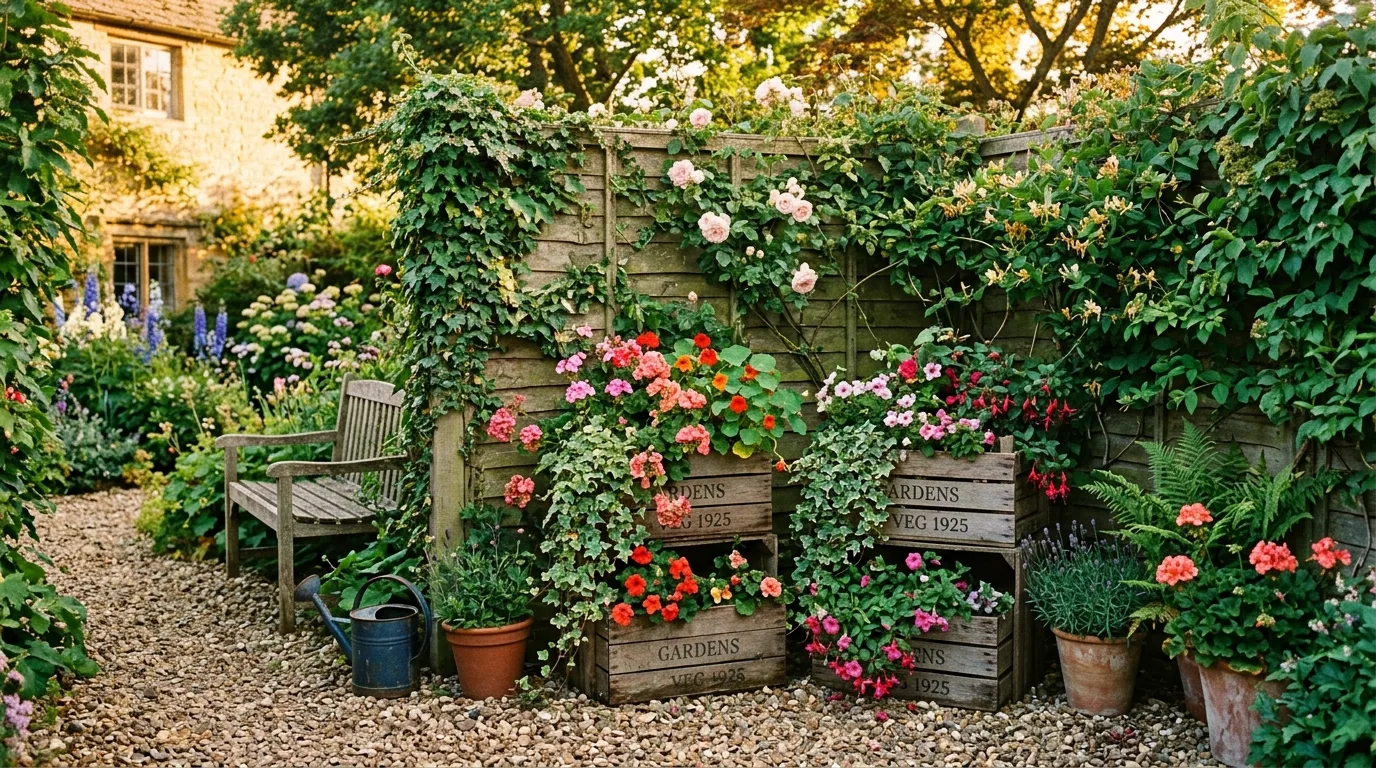
A stone-statue vignette giving the corner a focal pause
Corners can hold focal art especially well because the surrounding boundaries naturally frame the view, making one carefully chosen statue or ornament feel grounded and calm. With simple planting around it, the scene becomes elegant instead of cluttered.
Idea 9
A fire-pit nook using the corner for easy gathering
Placing a compact fire-pit setup into one corner of the yard uses the footprint efficiently while creating a cozy social zone that still leaves the center of the garden open. The geometry feels smart because the edges work harder without looking forced.
Idea 10
A tropical corner planting with bold leaves and warm screening
Large-leaf planting can make a corner feel lush quickly because the concentrated foliage creates a fuller sense of enclosure and gives the boundary real atmosphere. Paired with timber or warm fencing, the corner starts to feel like its own private escape.
Idea 11
A narrow side-corner path brightened with repeated pots
When a corner also acts as circulation space, repeated containers can guide movement while still making the turn feel dressed and visually consistent from one end to the other. The repetition helps the awkward angle feel neat, rhythmic, and better planned.
Idea 12
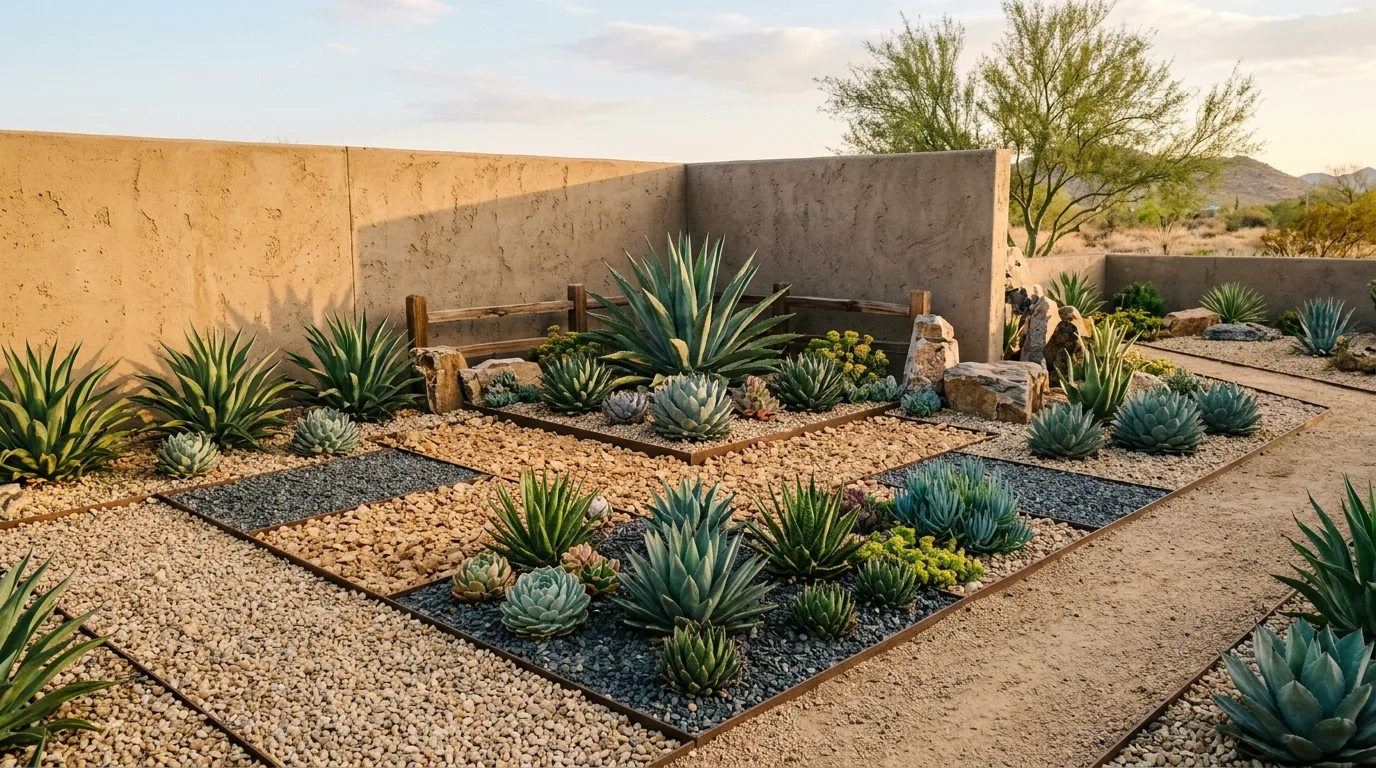
A corner rock garden built for low-care texture and form
Rock gardens are a strong solution for difficult corners because they rely on shape, drainage, and contrast more than on constant maintenance, which keeps the space looking intentional year-round. The mix of stone and compact planting feels grounded and efficient.
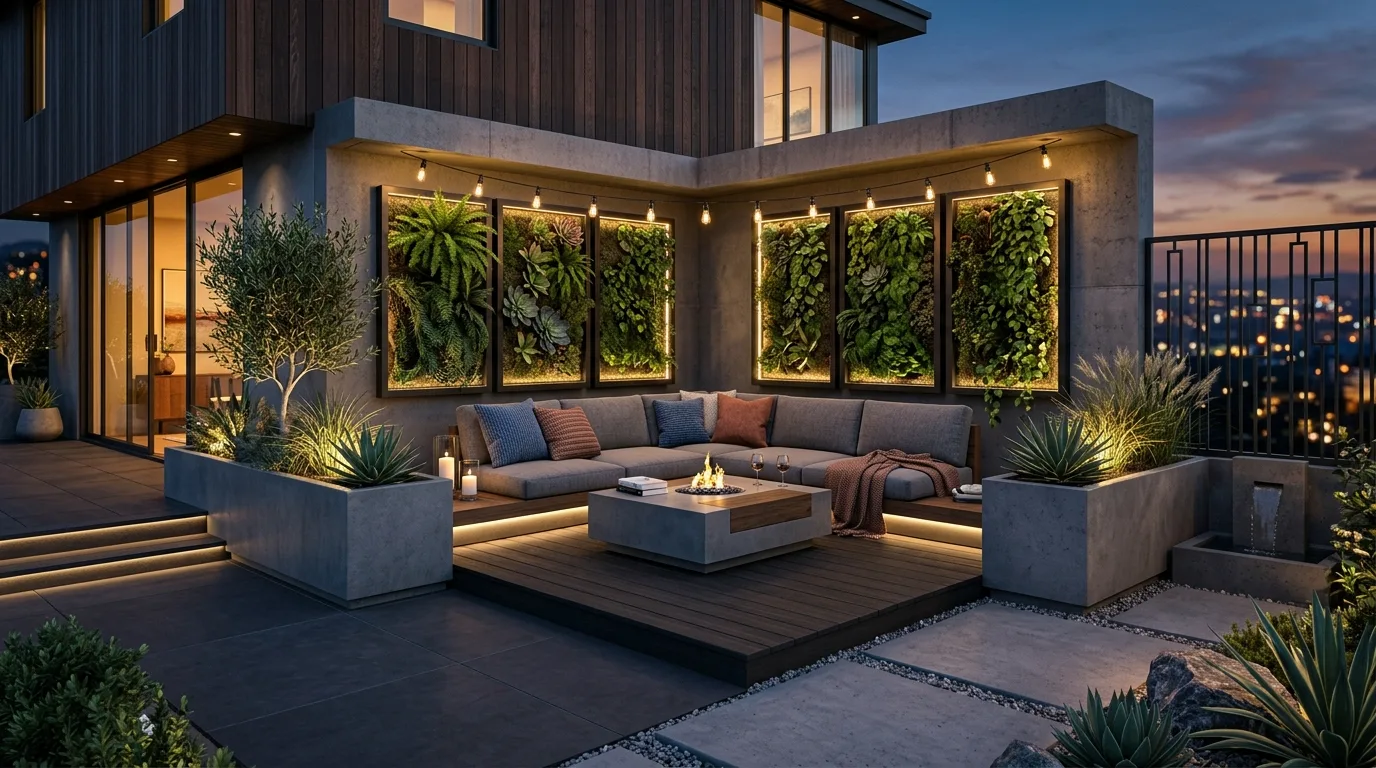
Idea 13
A corner composition that balances height, depth, and clear purpose
The best corner landscapes work because they combine one taller element, one grounded feature, and enough planting to make the space feel finished without losing clarity. That balance turns an often-ignored angle into one of the smartest parts of the garden.
Read next on Saw & Sprout
Edible Gardens
13 Clever Tomato Trellis Gardens for a Bountiful Harvest
Small-Space Growing
14 Space-Saving Small Vegetable Gardens for Urban GrowersFrequently asked questions
What is the best way to landscape an empty corner?
The strongest approach is usually to give the corner one clear purpose, such as seating, planting, structure, or a focal feature, instead of trying to hide it with filler alone.
Can small corners still become useful garden spaces?
Yes. Even very compact corners can hold vertical planting, containers, a bench, a fountain, or a small herb garden when the layout is chosen carefully.
How do you keep a corner landscape from feeling cluttered?
Limit the number of competing features, use one strong anchor, and make sure the planting and materials support a single clear mood.