Painted flower pots bring personality into a garden quickly because the container itself becomes part of the design rather than fading into the background. Color, pattern, and hand-finished detail can make even very simple planting feel more expressive and memorable.
They are especially useful when you want to refresh a porch, balcony, shelf, or herb garden without changing the whole planting scheme. The pots add identity, and the style can be adjusted from playful to refined depending on the palette you choose.
These painted flower pot ideas explore different ways to create personalized garden moments through color and design. Each one shows how decorative containers can make planting feel more cheerful, artistic, and closely tied to the character of the home.
Quick planning notes
Choose a color direction before painting so the finished grouping feels connected rather than random.
Let the pot designs support the surrounding space instead of competing with every other outdoor detail.
Use finish and pattern deliberately because quieter painted effects can be just as strong as bright ones.
Think about how the painted containers will look both with and without peak-season planting.
Idea 1
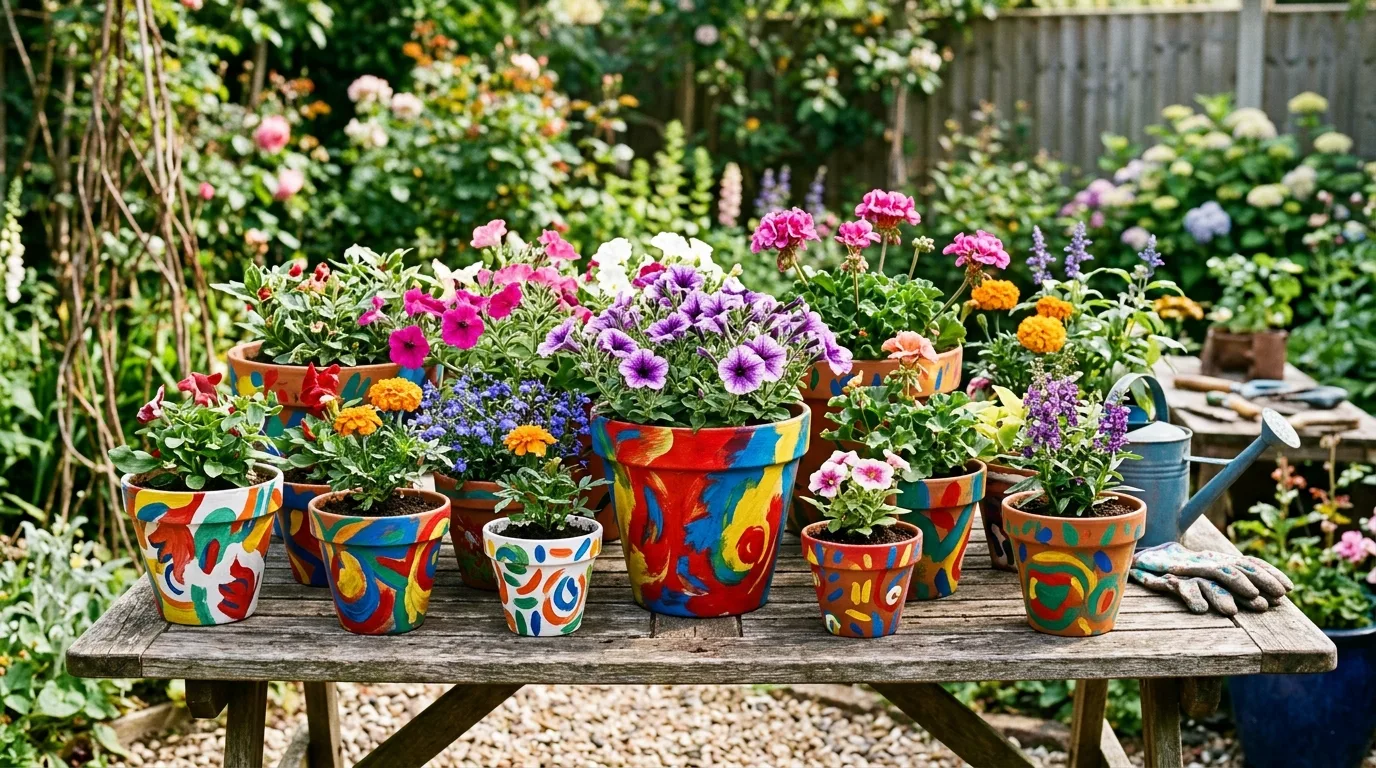
Hand-painted terracotta pots bringing cheerful porch color
Painted flower pots are an easy way to make a porch feel more personal because they introduce pattern and color even before the plants are considered. Terracotta underneath keeps the display grounded, while the painted finish gives the arrangement a handmade warmth that feels inviting rather than generic.
Idea 2
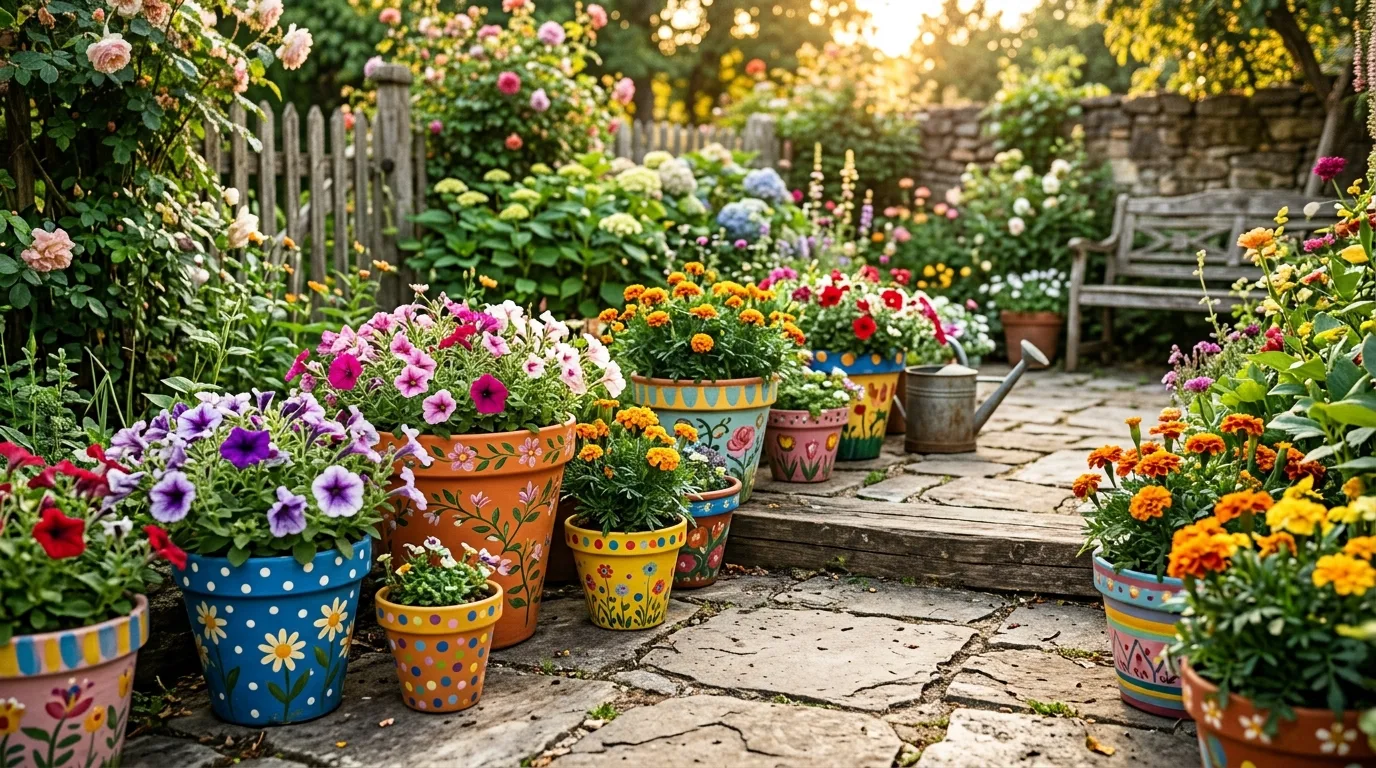
Soft pastel planters turning a balcony into a playful vignette
Pastel paint works especially well on smaller pots because it adds sweetness without making the arrangement feel heavy, and on a balcony that lightness helps preserve an airy atmosphere. The colors create personality while still allowing foliage and bloom to stay central.
Idea 3
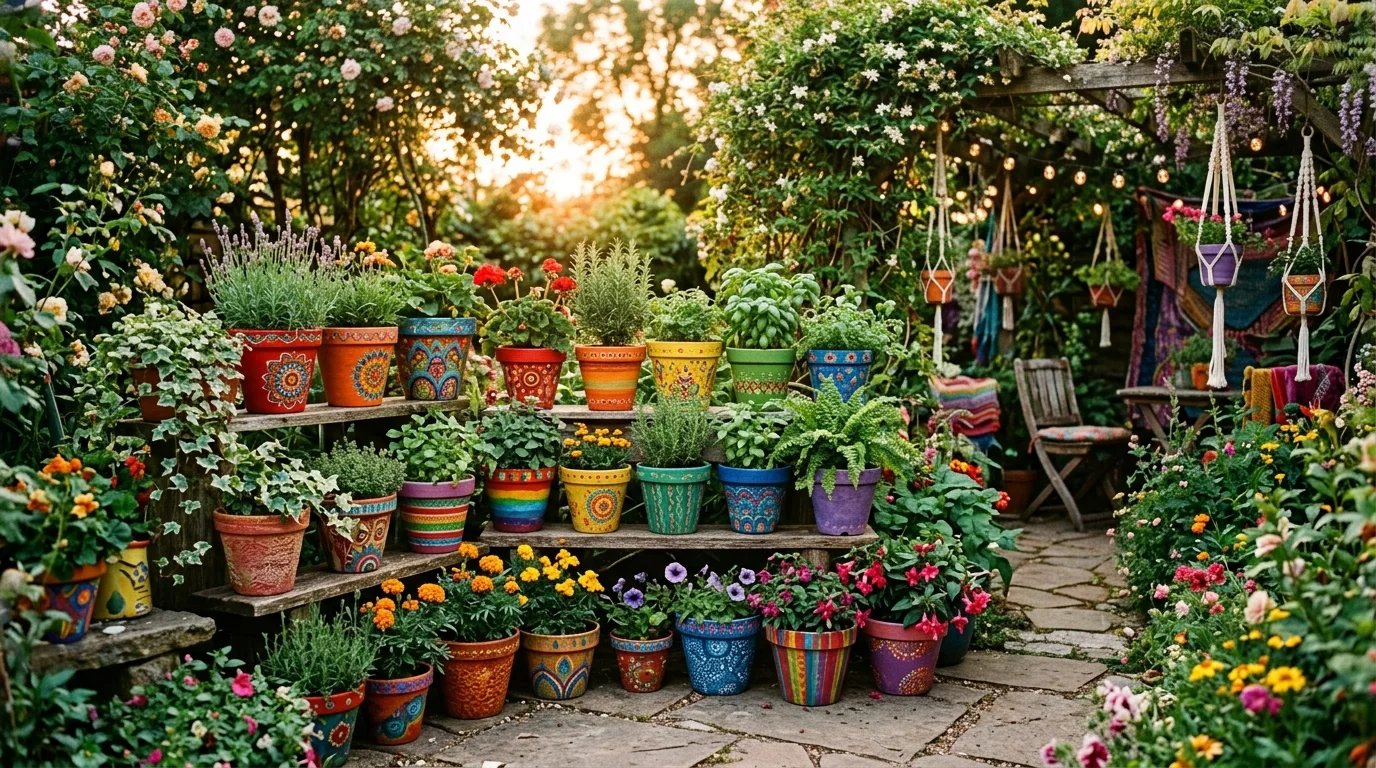
Bold striped containers sharpening a modern garden shelf
Graphic painted patterns can give simple pots a much more intentional presence, which is useful when the plants themselves are relatively restrained. Stripes add rhythm and make a plant shelf feel styled, helping the whole display read as a design choice instead of storage.
Idea 4
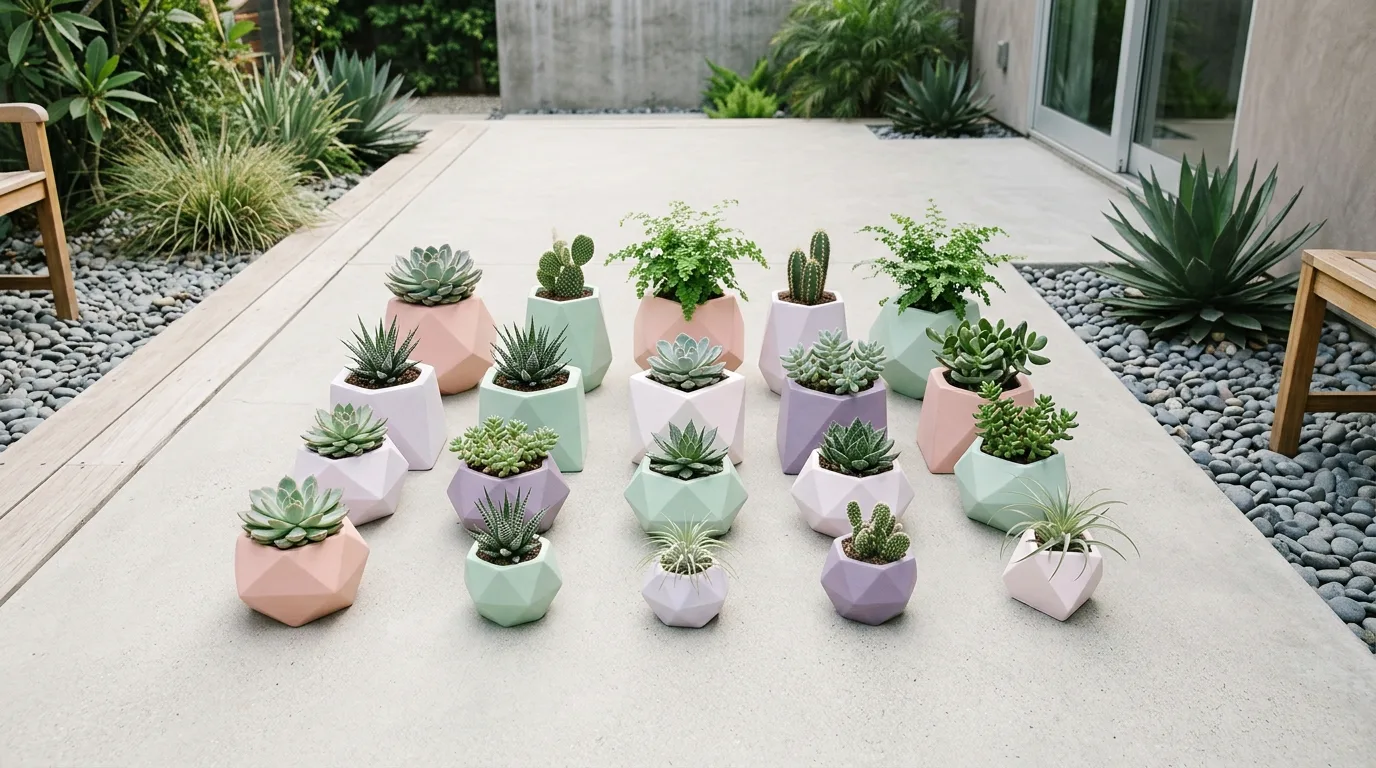
A children’s garden corner brightened with whimsical patterns
Painted pots are perfect for family gardens because they can add joy and individuality without requiring major changes to the landscape itself. Whimsical patterns make the planting area feel imaginative, and the pots become part of the experience rather than just containers.
Idea 5
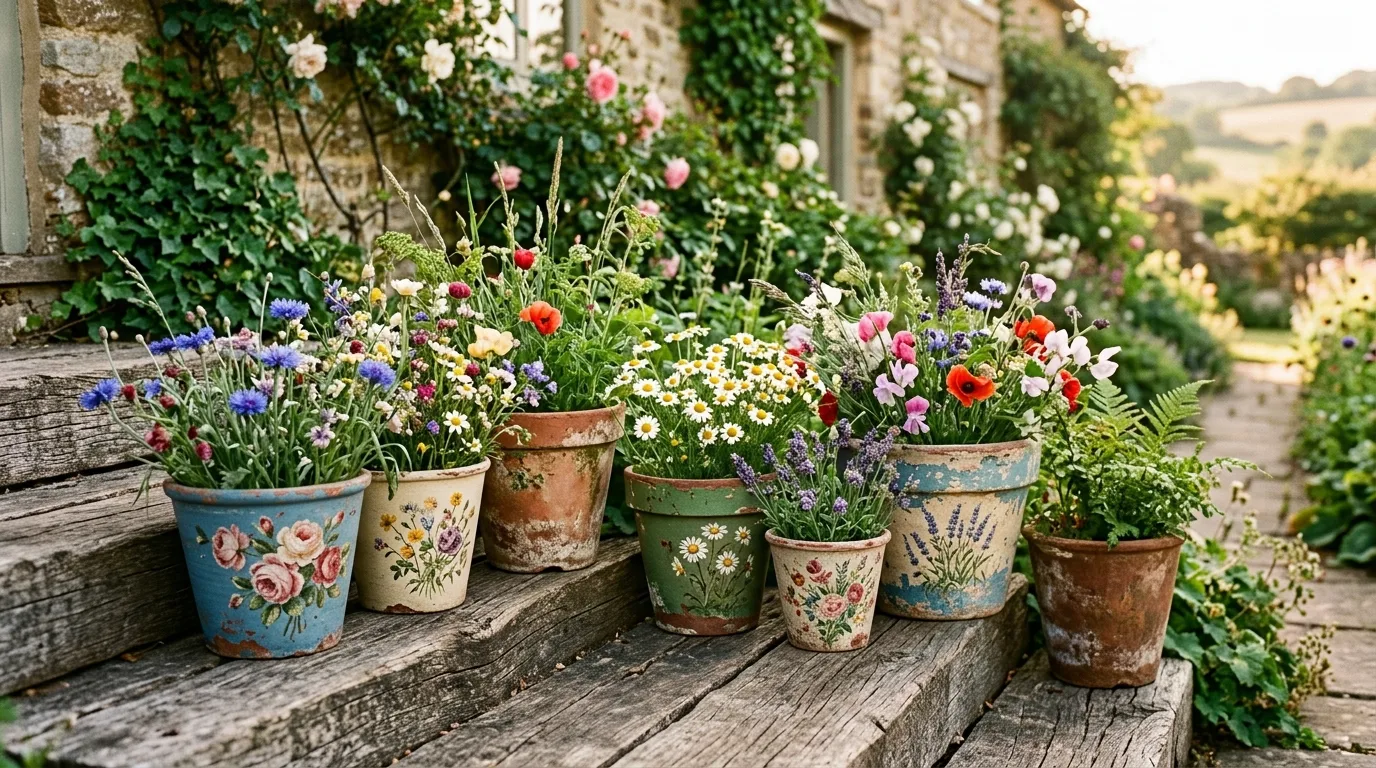
Earth-tone painted pots warming a relaxed patio arrangement
Not every painted pot has to be loud, and muted earth tones can be just as effective when the goal is a more natural and sophisticated look. The finish adds character while still blending comfortably with wood, stone, and outdoor textiles.
Idea 6
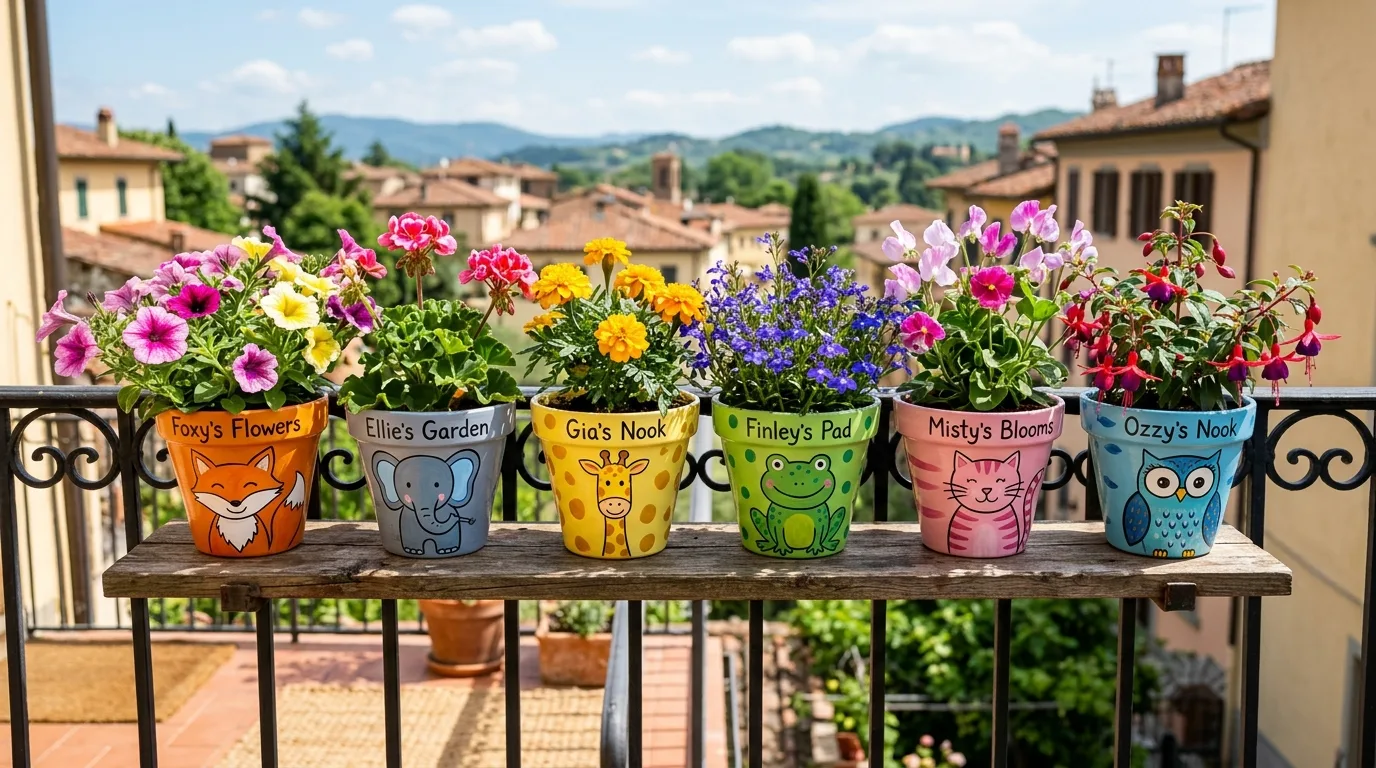
Floral motif planters echoing the blooms they hold
A subtle floral pattern on the pot itself can make the whole arrangement feel more connected because the container begins to support the planting theme rather than merely hold it. This approach feels decorative without losing practicality or readability.
Idea 7
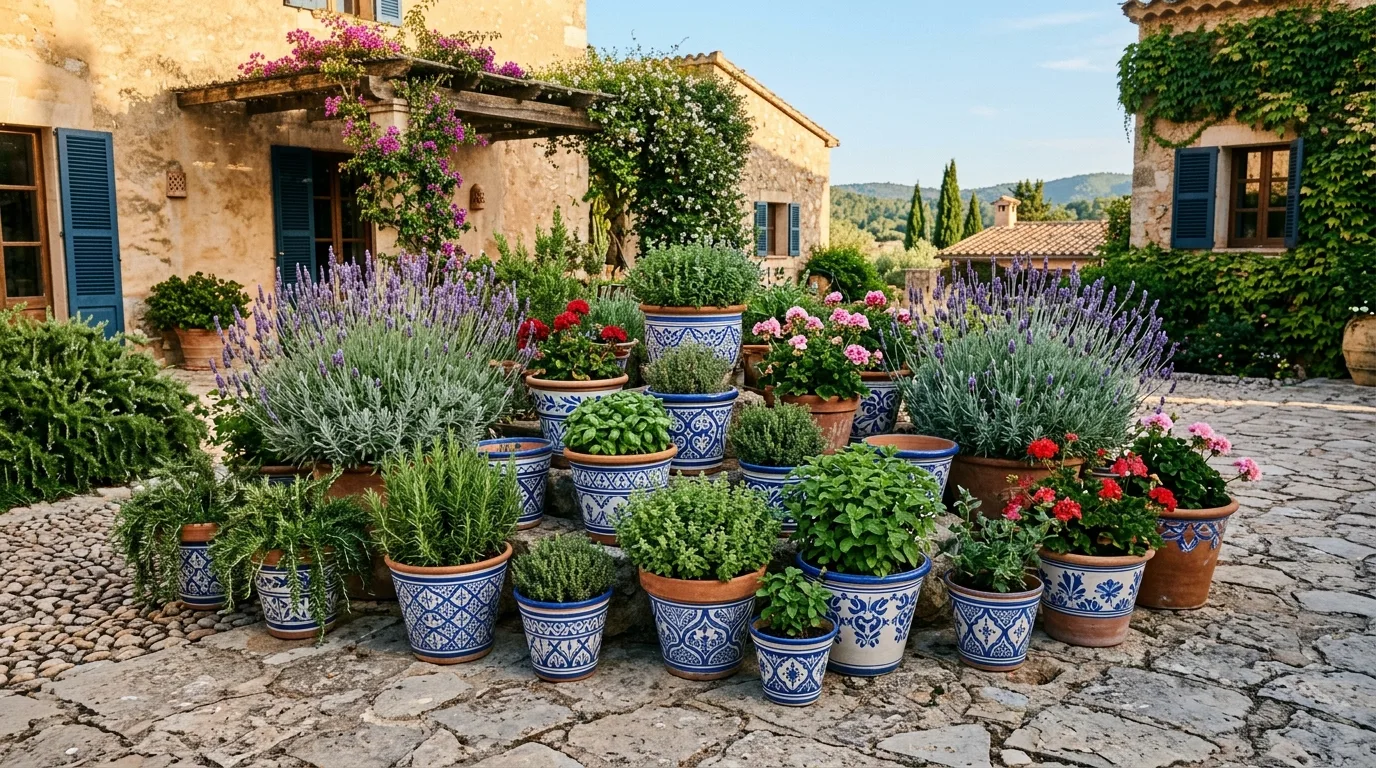
A rainbow herb collection making a kitchen garden feel lively
Herb gardens often benefit from a bit of visual playfulness, and painted pots in related bright tones can make a practical collection feel more memorable. The color helps distinguish the containers while also turning the whole setup into a lively decorative feature.
Idea 8
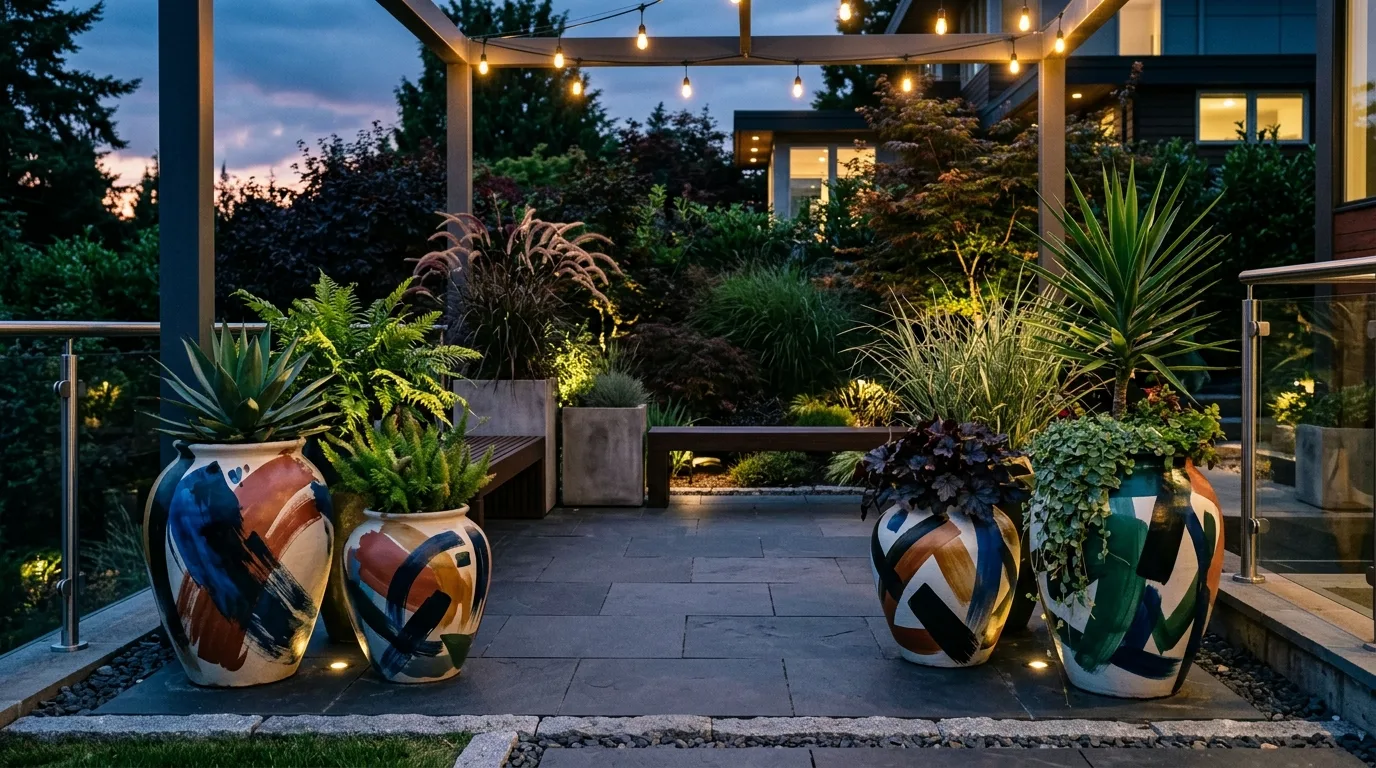
Mediterranean-inspired blue and white pots beside a sunny wall
Blue and white are especially strong for painted pots because the combination feels timeless, fresh, and crisp against sunlit masonry or stucco. That palette gives the planting a vacation-like ease while still looking polished and intentional.
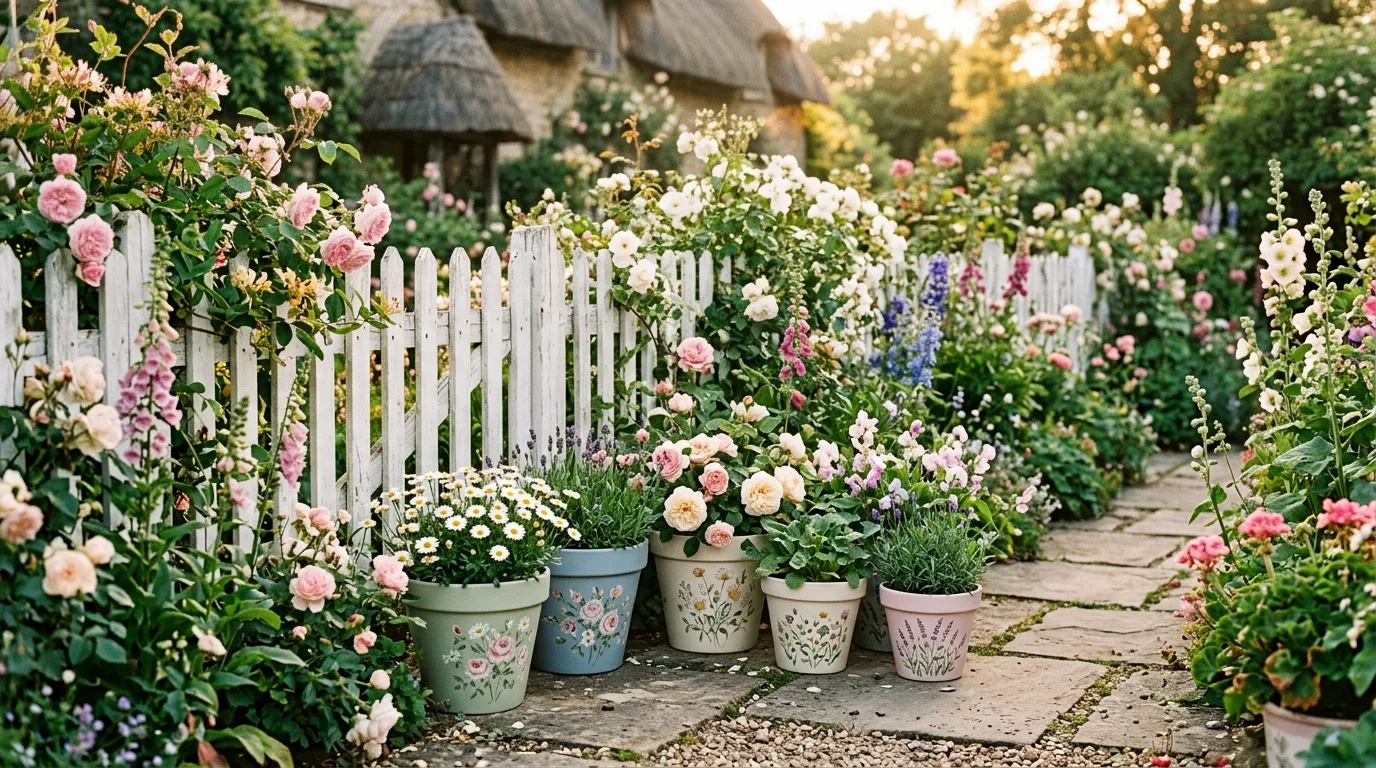
Idea 9
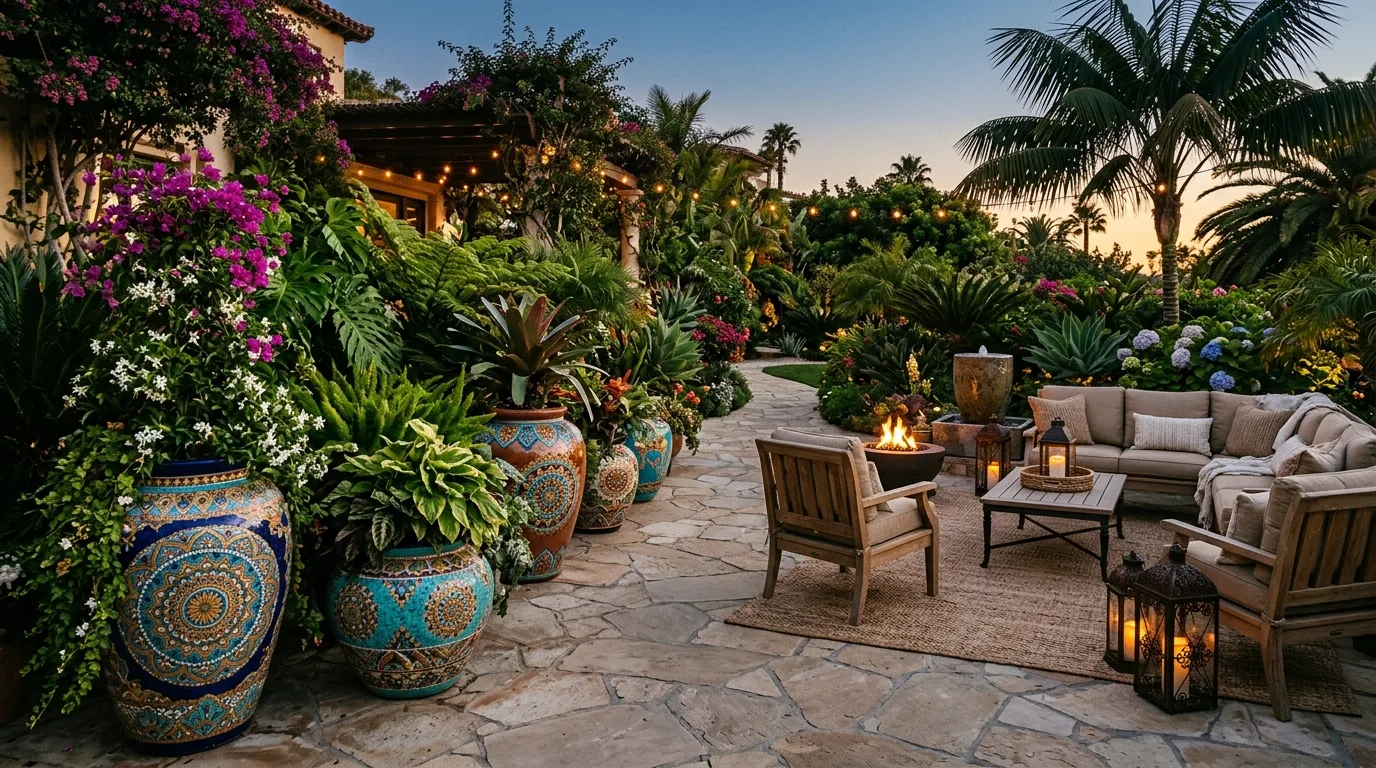
A mixed-height collection tied together through hand-painted detail
When pots vary in size, paint can be the unifying element that makes the whole group feel designed instead of pieced together over time. Repeated motifs or color families give continuity, which helps the varied heights feel like an asset rather than a distraction.
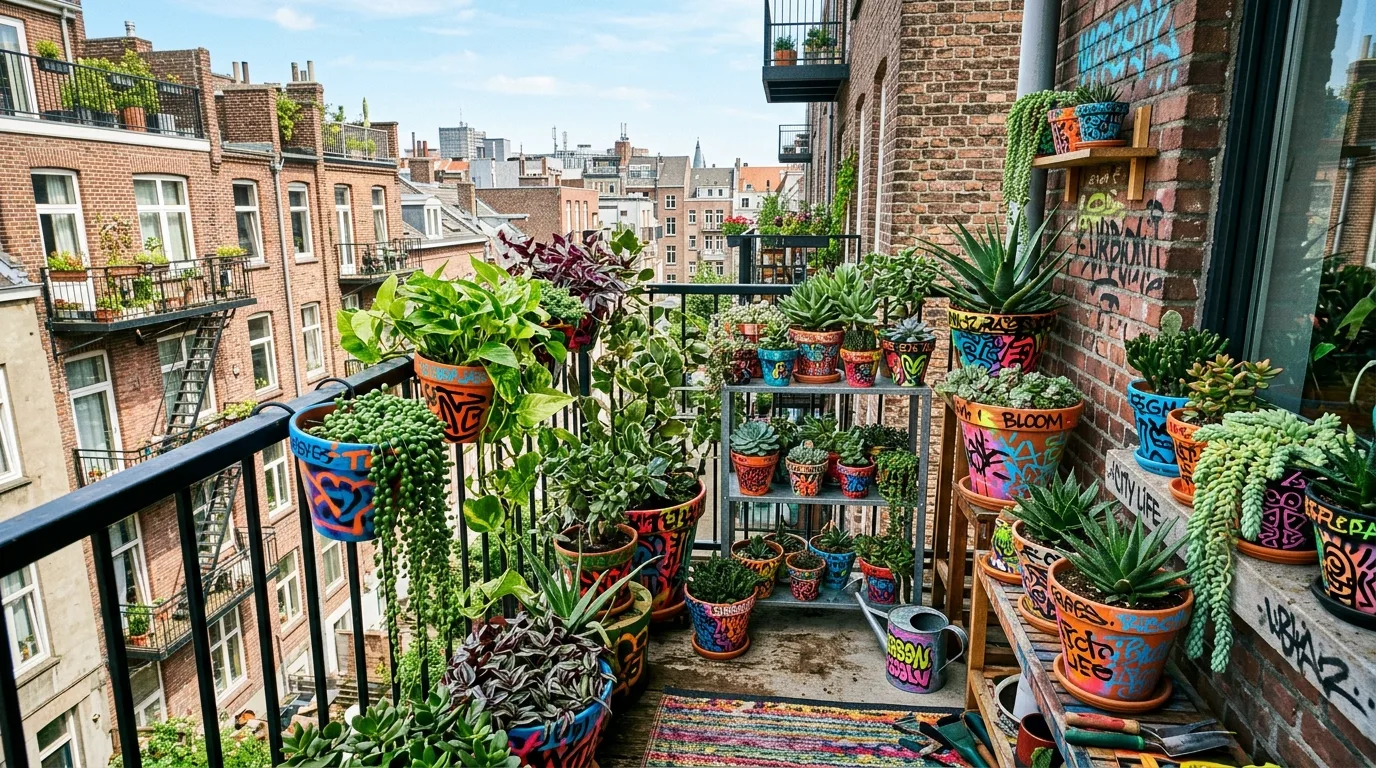
Idea 10
Ombre-painted planters adding softness to a succulent display
An ombre finish brings subtle movement and can make even simple succulent arrangements feel more curated because the color shift adds depth without overpowering the plants. It is a good choice when you want artistic character with a calmer overall effect.
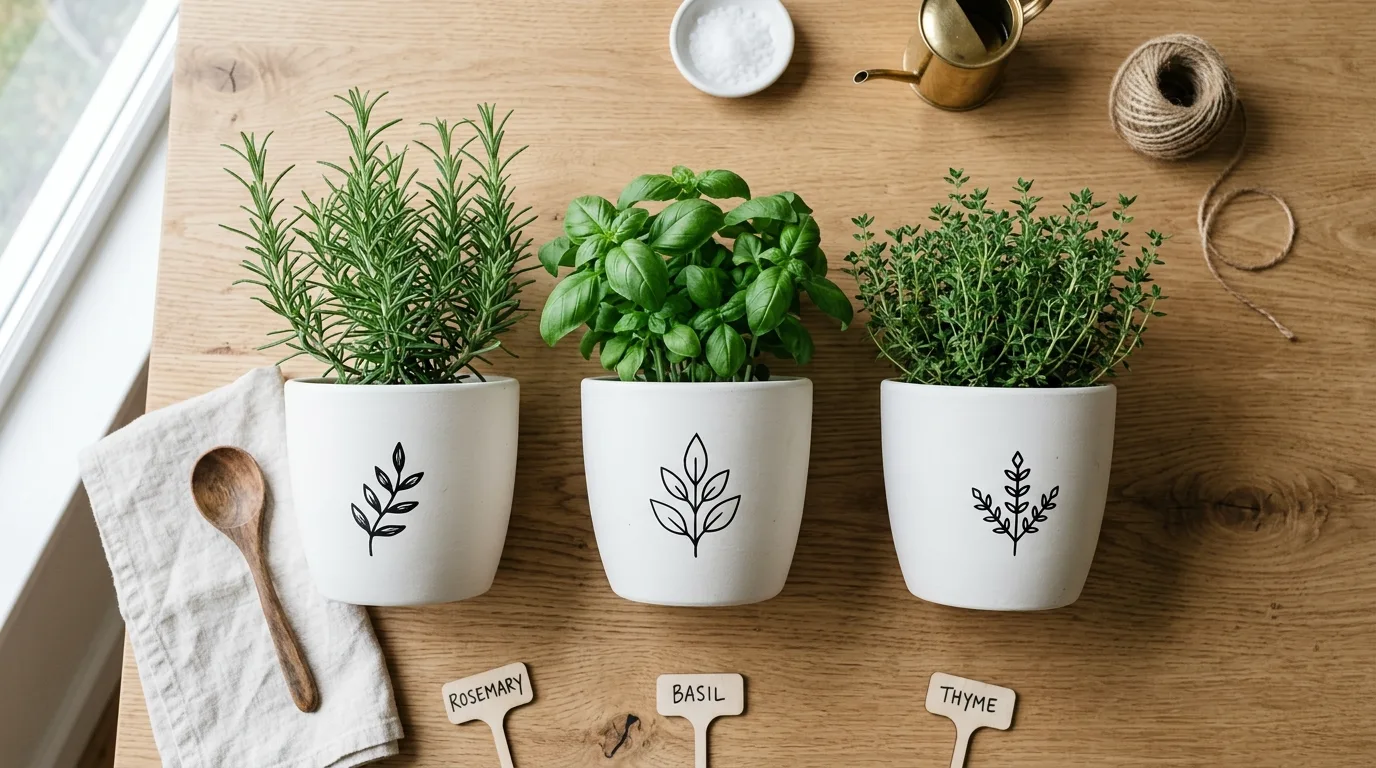
Idea 11
Patterned porch pots giving the entry a signature look
Front entries benefit from details that feel distinctive, and painted pots can become part of that signature if the patterns and palette are chosen with the house style in mind. They add color, personality, and a sense that the threshold has been deliberately styled.
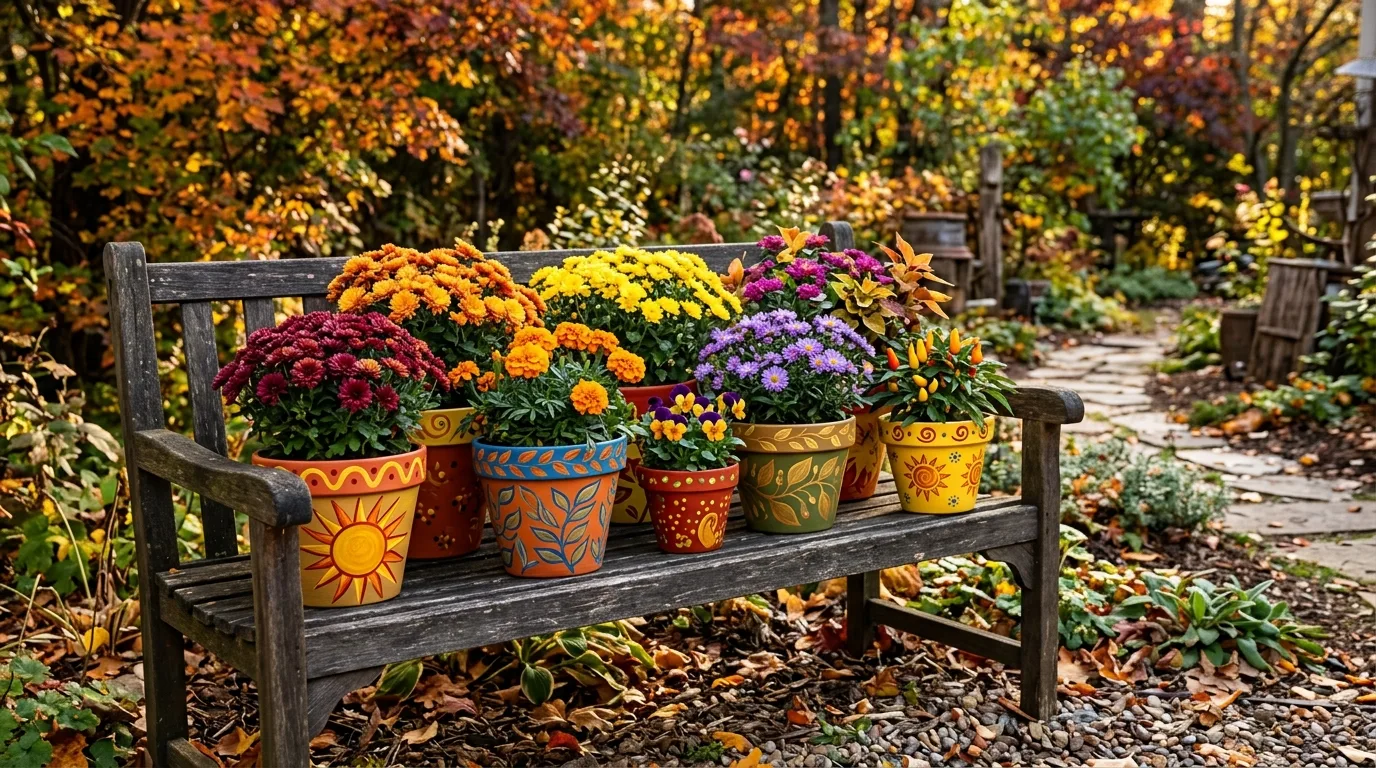
Idea 12
A boho container grouping full of color and artistic charm
Boho-style gardens suit painted containers especially well because the look welcomes variation, pattern, and handmade detail. When the planting is loose and the colors feel harmonious, the arrangement becomes expressive without tipping into clutter.
Idea 13
A simple shelf display transformed by personalized pot art
Sometimes the plants stay the same and the personality comes entirely from the containers, which is what makes painted pots so useful for refreshing a display on a budget. Personalized artwork gives even a simple shelf garden a clearer identity and far more warmth.
Read next on Saw & Sprout
Edible Gardens
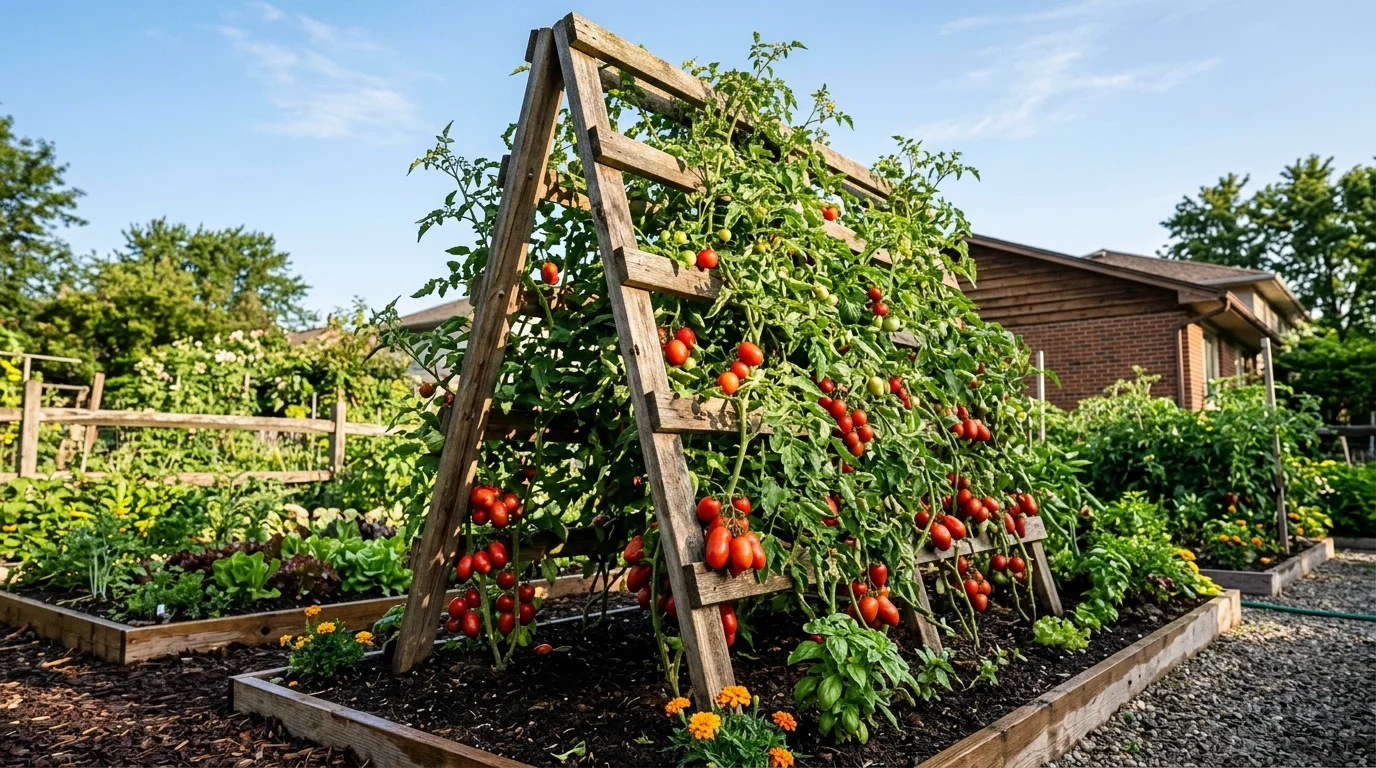
13 Clever Tomato Trellis Gardens for a Bountiful Harvest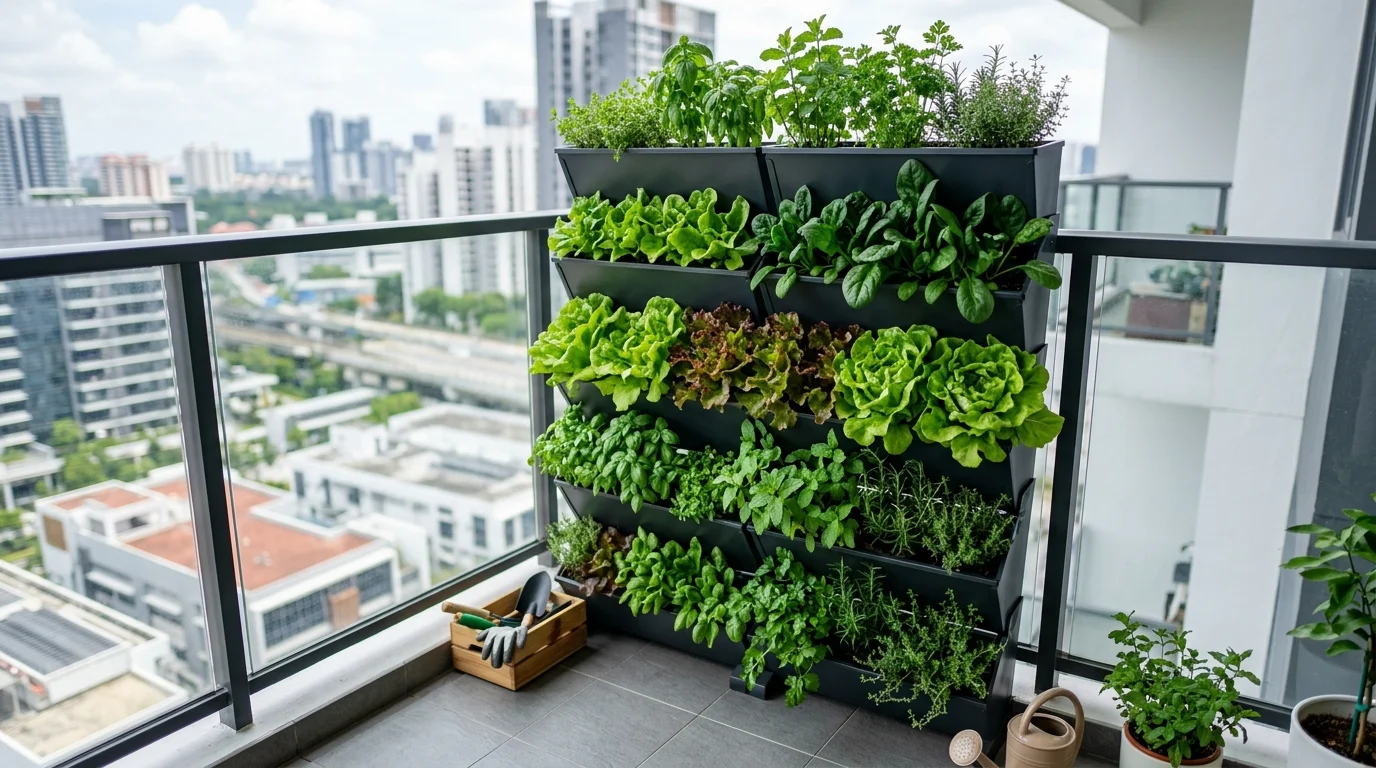
Small-Space Growing
14 Space-Saving Small Vegetable Gardens for Urban GrowersFrequently asked questions
Why use painted flower pots in a garden?
They add personality, color, and a more customized look even when the planting itself stays simple.
Do painted pots only suit playful styles?
No. Depending on the palette and pattern, painted containers can feel modern, rustic, boho, refined, or whimsical.
How do you keep painted pot displays looking cohesive?
Repeat colors, motifs, or finishes across the collection so the containers feel intentionally related.