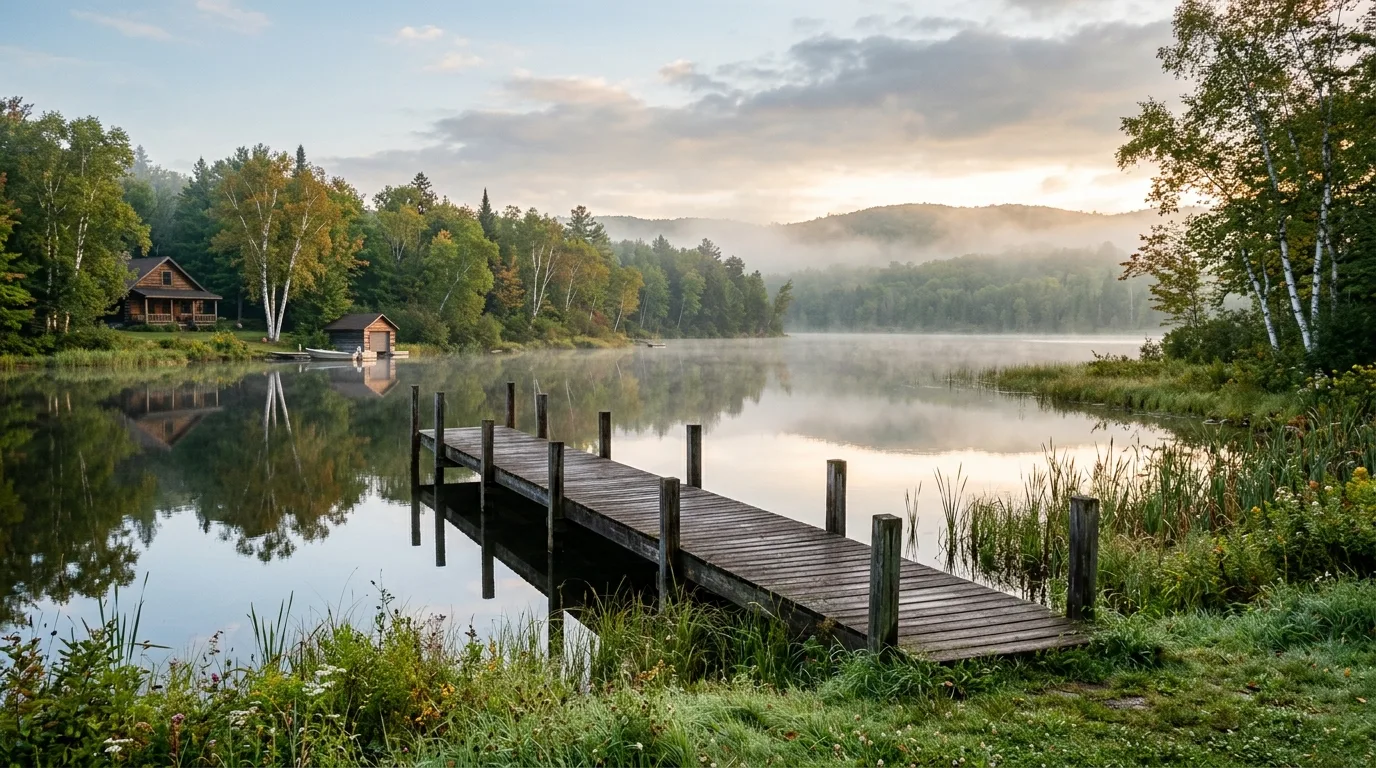
Lakeside landscapes are most effective when they protect and celebrate the shoreline at the same time, making the water easier to enjoy without overwhelming it with unnecessary design noise.
Open lawn, naturalistic planting, good access, gentle terraces, and a few carefully placed gathering areas often do more for a waterfront property than a highly crowded or overbuilt approach.
These lakeside landscape ideas explore terraces, dock paths, shoreline gardens, fire features, and quiet waterfront seating designed for serene living by the water.
Quick planning notes
Preserve key views first because the relationship to the water is the main asset of the property.
Use planting that supports shoreline health as well as visual softness around the lake edge.
Shape paths and terraces so access to the water feels graceful and easy.
Keep the palette calm enough that the lake and sky remain the emotional focus of the landscape.
Idea 1
A stepped terrace descending toward the water with open views
Lakeside landscapes feel most rewarding when the design makes the water easier to experience rather than blocking it with too much planting or structure, and terraced levels can do that gracefully while improving access. The property becomes more connected to the shoreline.
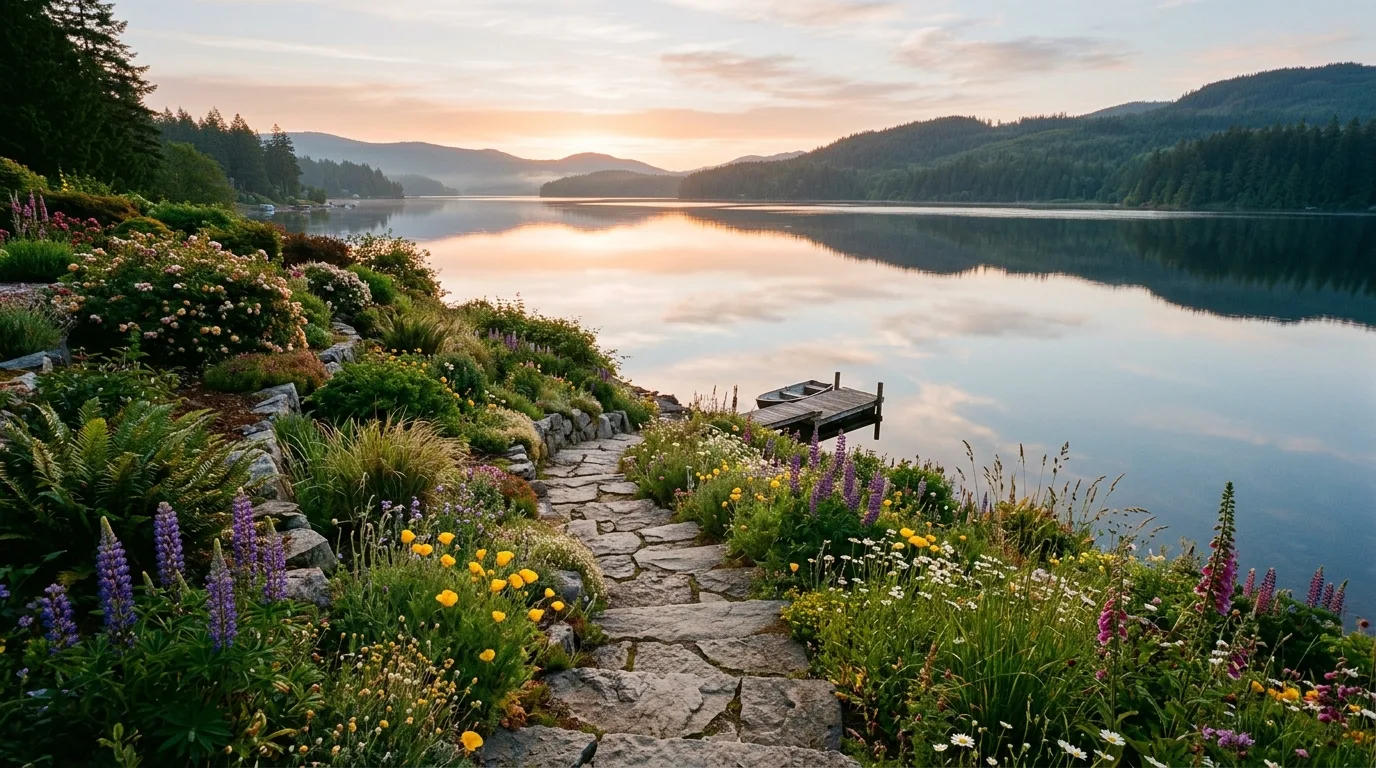
Idea 2
A fire-pit court placed to catch sunset across the lake
Waterfront properties gain enormous atmosphere when gathering spaces are positioned for light and reflection, because the view does much of the emotional work once the seating is set correctly. A simple fire feature then makes the whole edge more usable after dusk.
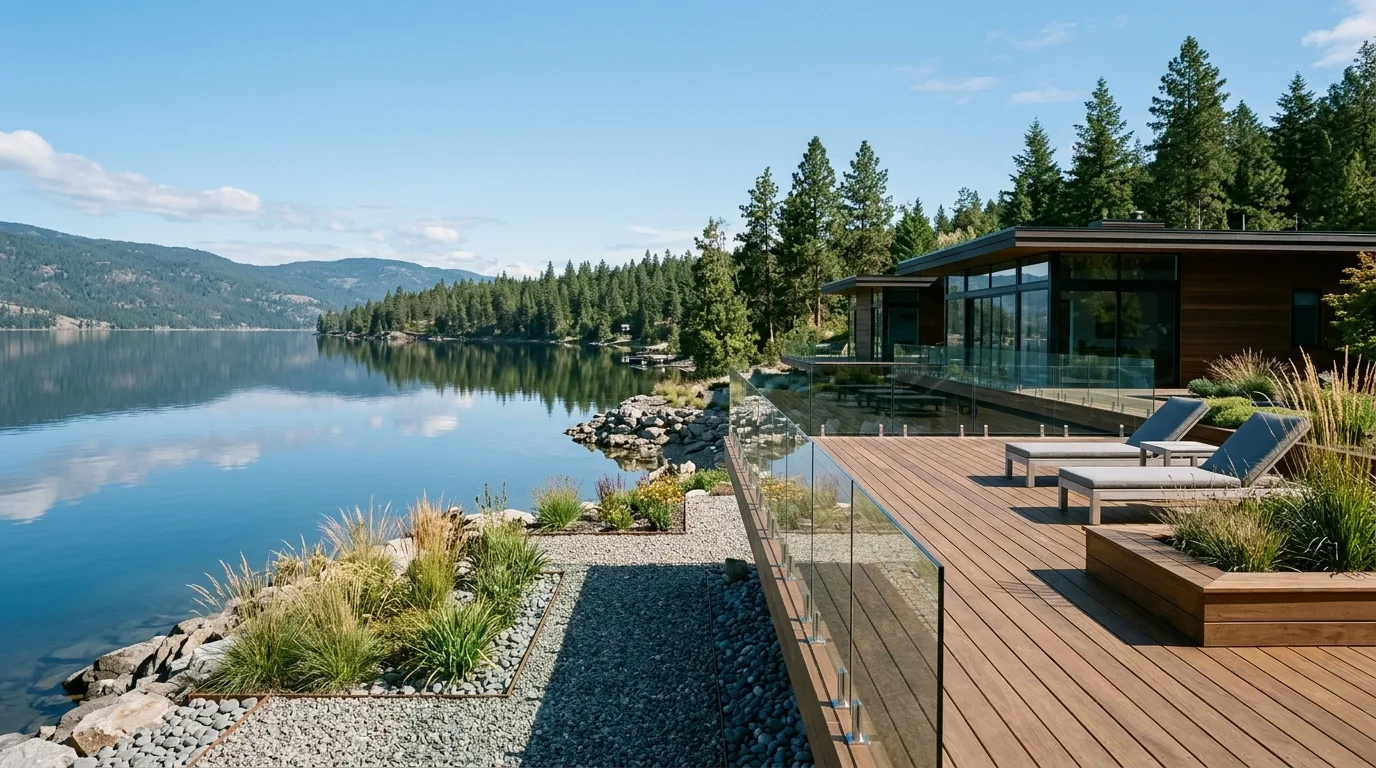
Idea 3
A natural shoreline garden with grasses and erosion-friendly planting
Shoreline landscapes are often strongest when they balance beauty with ecological wisdom, using plants that hold the bank gently while still looking soft and natural from both land and water. The result feels relaxed and responsibly rooted in the site.
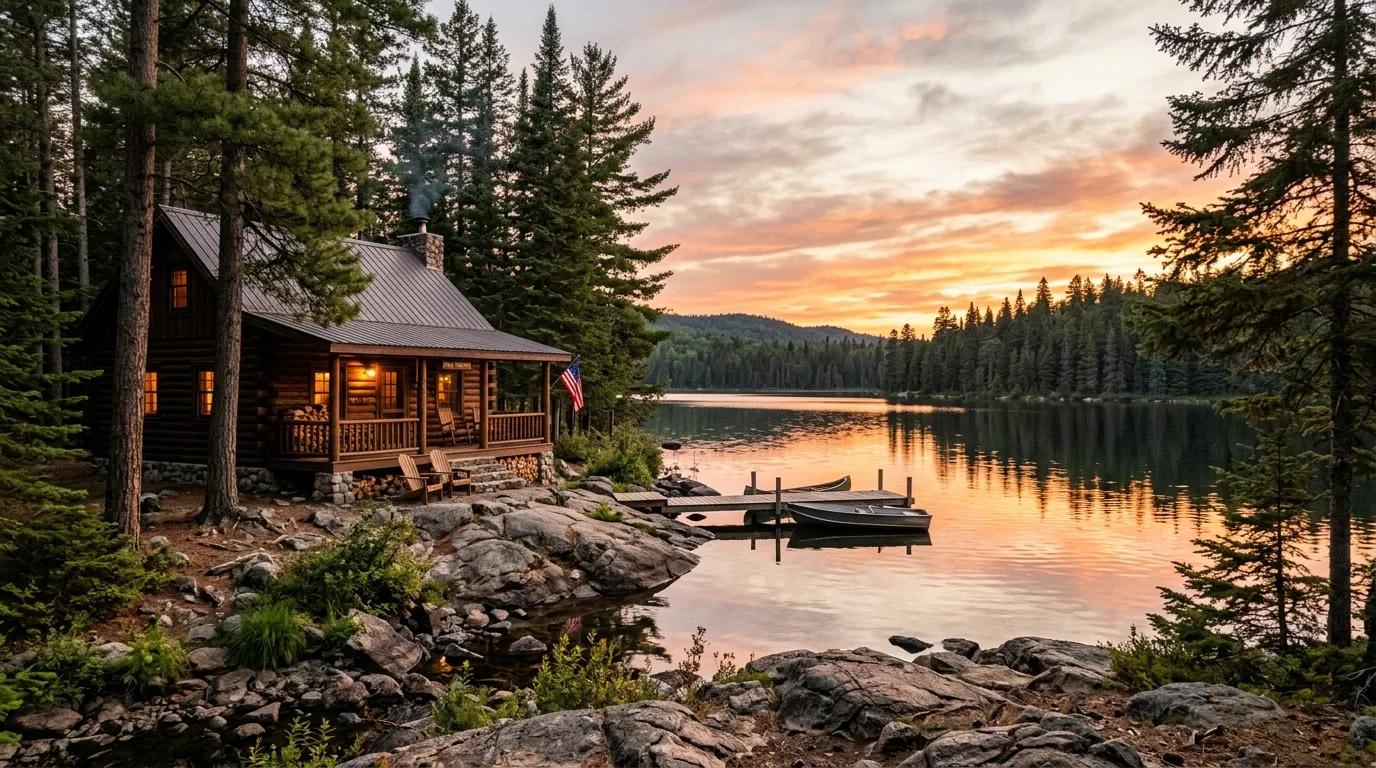
Idea 4
A dock approach framed by low bloom and clean paving
The walk to the water can become a memorable part of the experience when it is given enough design attention to feel ceremonial without becoming fussy. Low planting and simple paving keep the view open while still making the route feel complete.
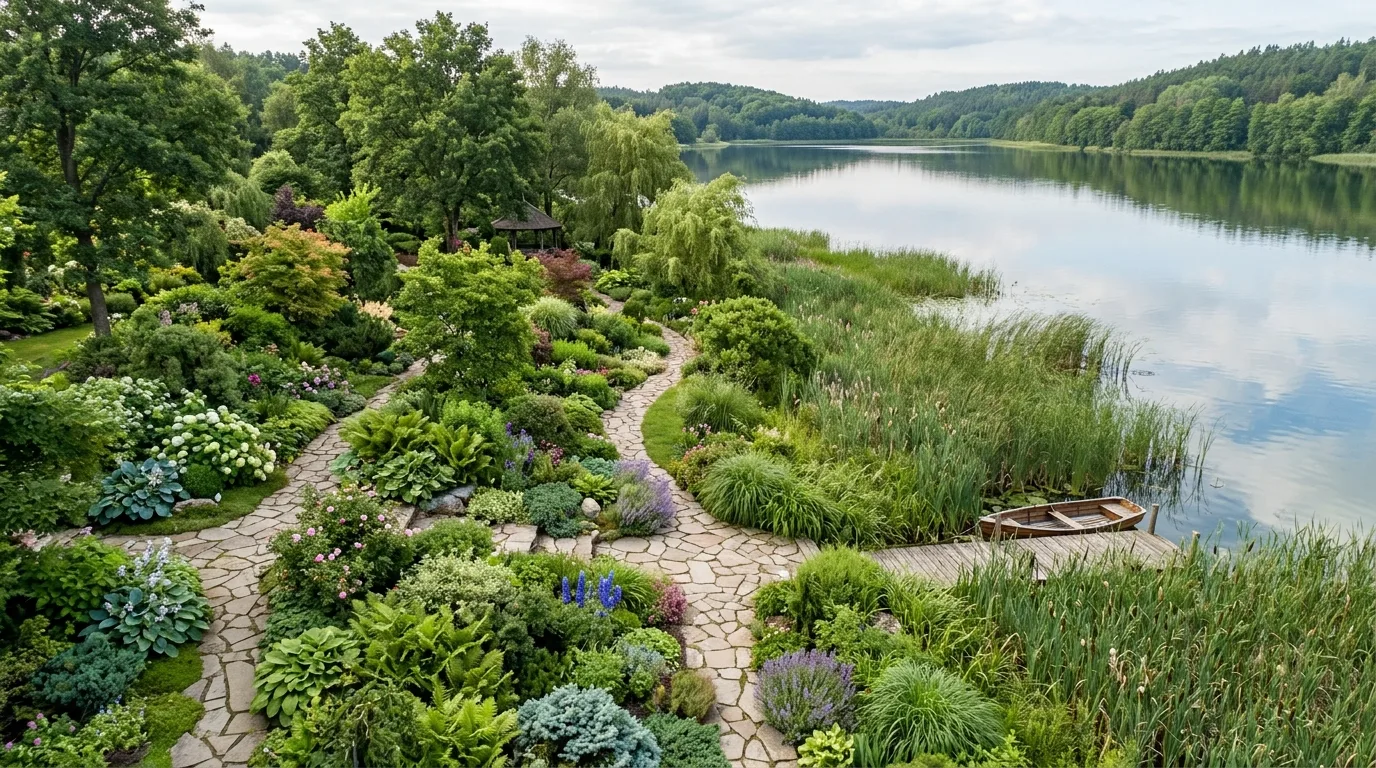
Idea 5
A lakeside lawn that preserves a broad uninterrupted horizon
Open grass is often a smart move on waterfront properties because it gives the water and sky the space they deserve, while still making the property feel usable and inviting for family life. The calm green plane supports the bigger natural drama beyond it.
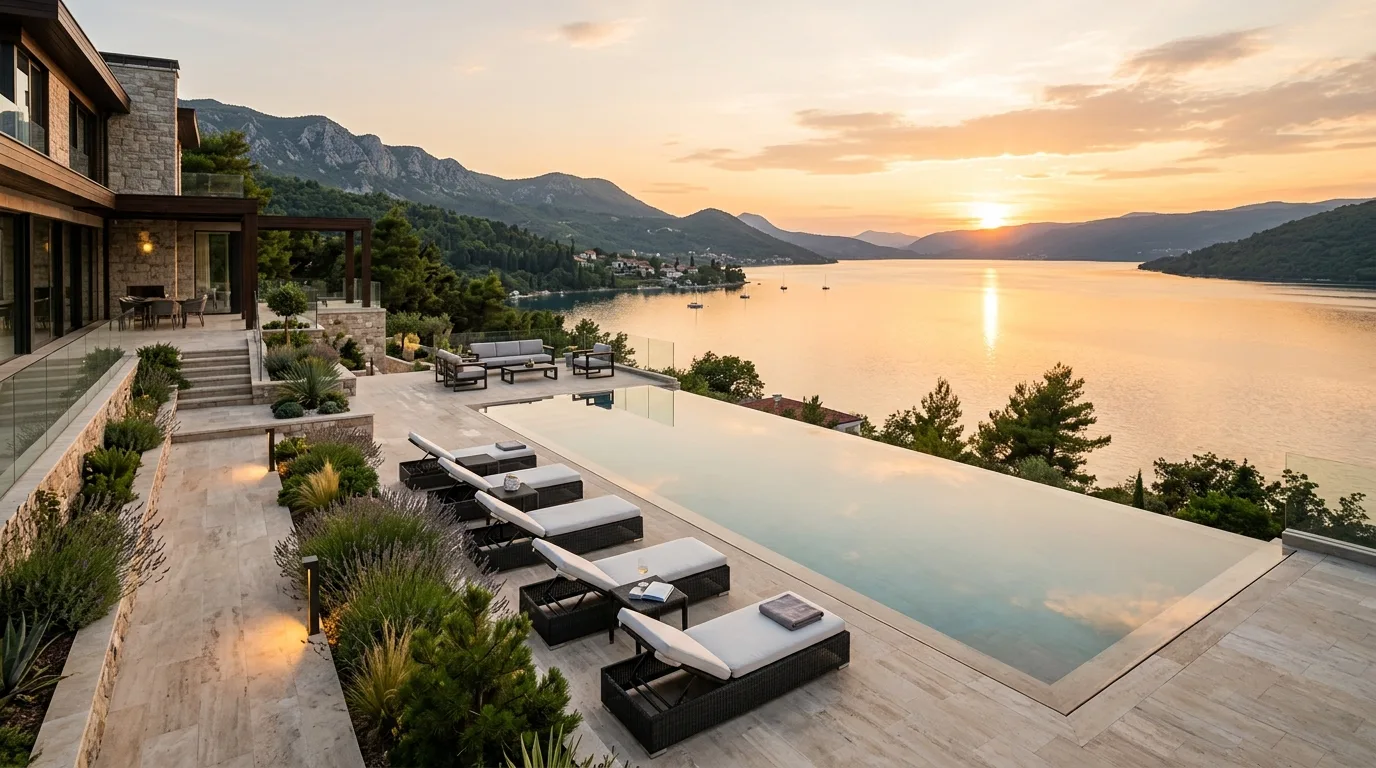
Idea 6
A woodland lake edge softened by birch and native understory
Not every waterfront has to feel formal, and in more natural settings the best landscape move is often to let the tree line and understory stay gentle and locally appropriate. The shoreline feels peaceful because it belongs so clearly to the place.
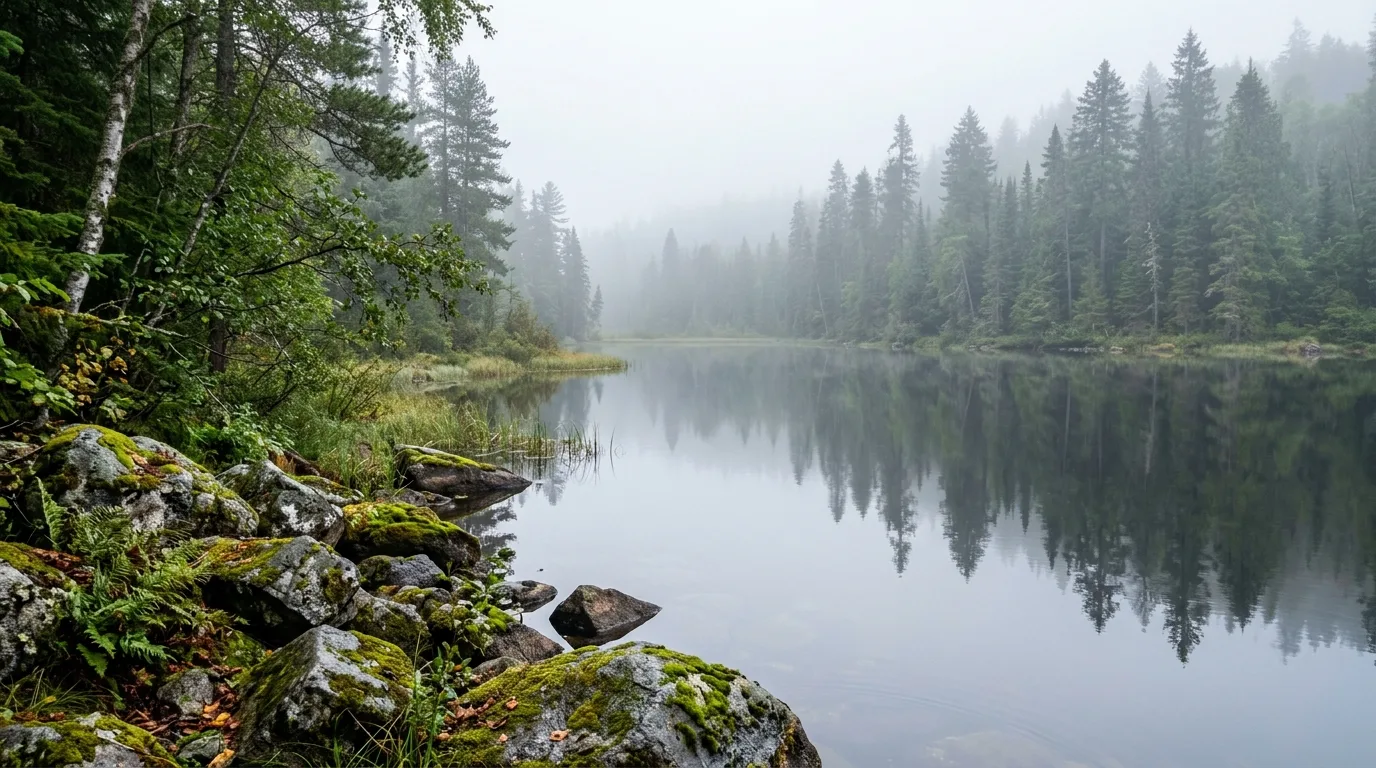
Idea 7
A dining patio where the planting stays low and the view stays central
Outdoor dining near water works best when the furniture feels anchored but the landscape remains disciplined enough not to compete with the sightline that makes the property special in the first place. The patio feels elegant through restraint.
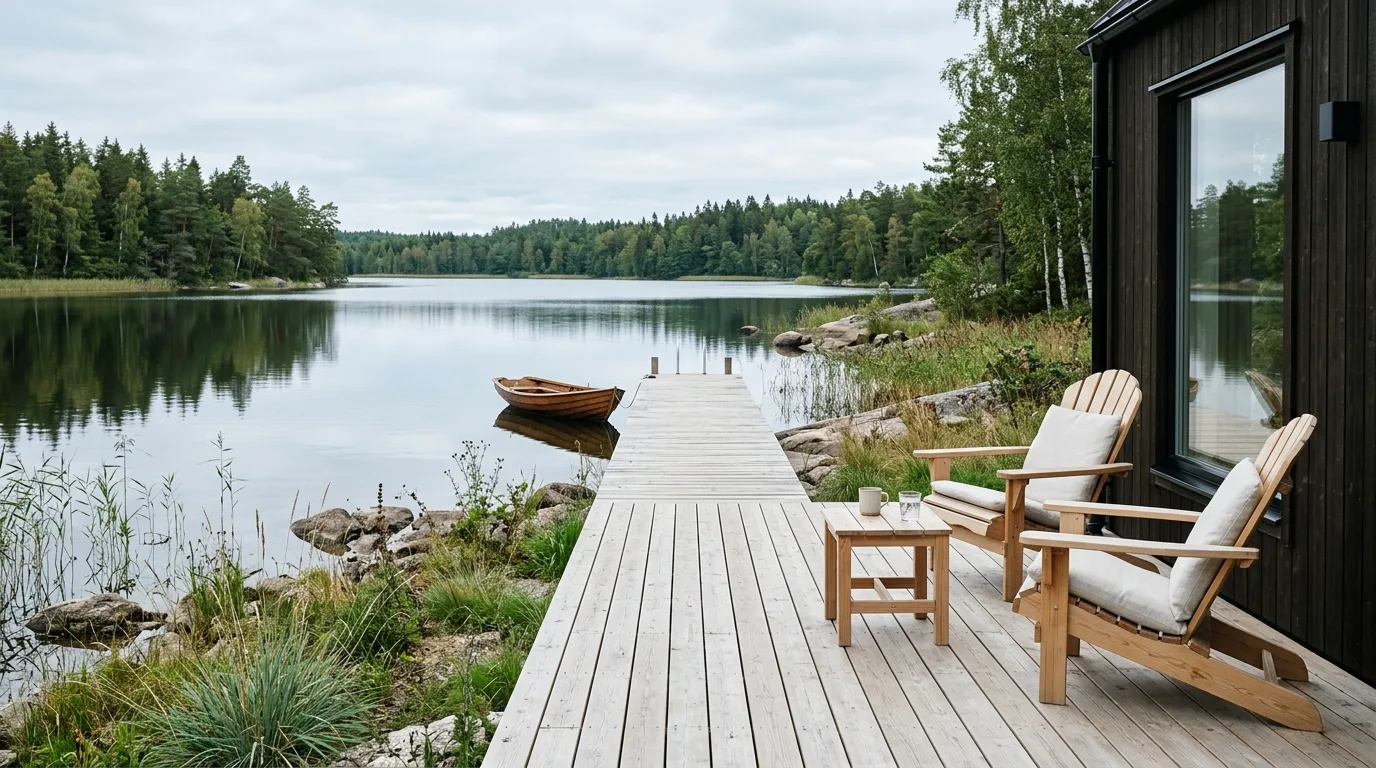
Idea 8
A stone stair path linking house and shore with quiet rhythm
Grade transitions are common on lake properties, and carefully handled stairs can make the movement to the shoreline feel much smoother and more integrated with the rest of the garden. The path becomes scenic instead of merely practical.
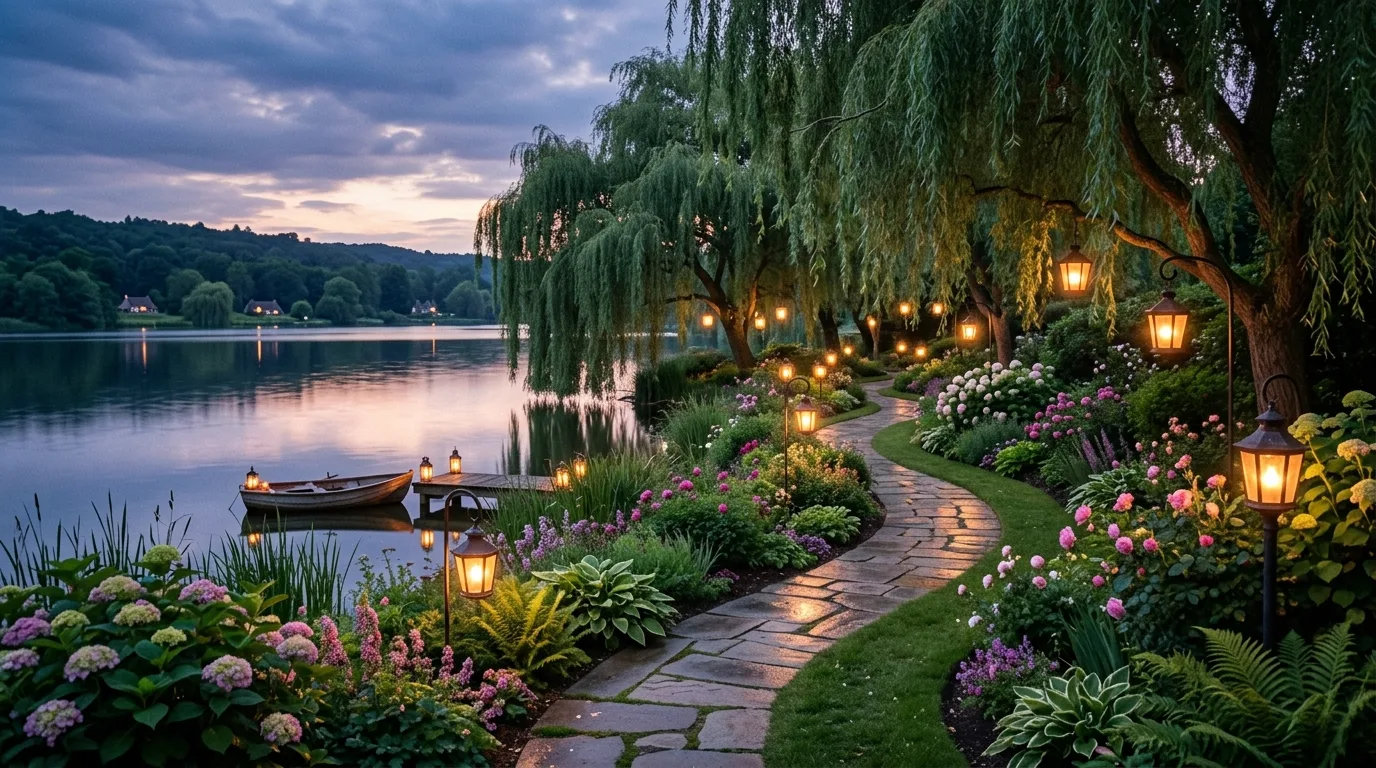
Idea 9
A boathouse edge planted with soft grasses and weathered textures
Structures by the water often feel more attractive when they are softened by planting that echoes the looseness of the shoreline, allowing timber, stone, and grass to work together in a way that feels timeless and relaxed. The composition stays simple but memorable.
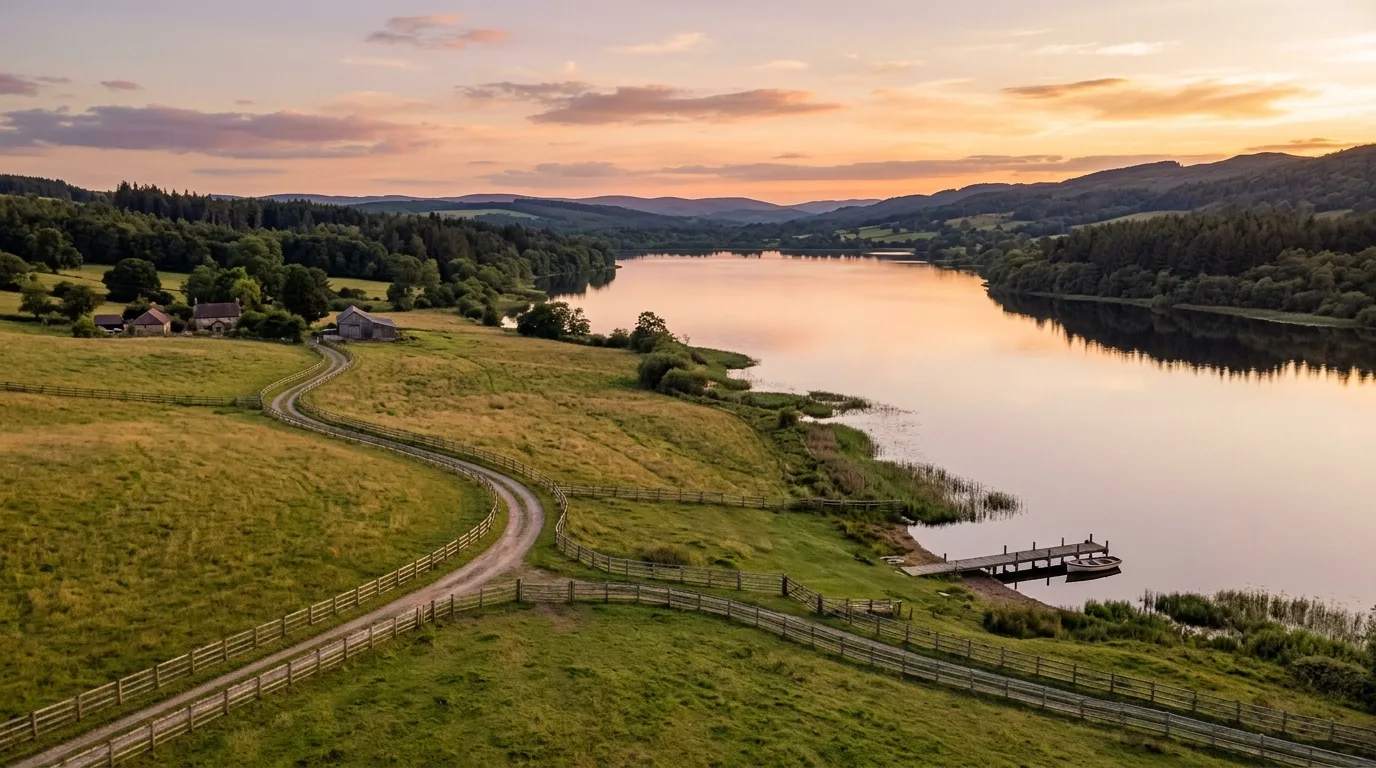
Idea 10
A moonlit waterfront garden with reflection and low path light
Lakeside gardens can become especially magical after dark because even modest lighting can reflect off the water and extend the atmosphere far beyond the planted edges. The yard feels quieter, deeper, and more luxurious at the same time.
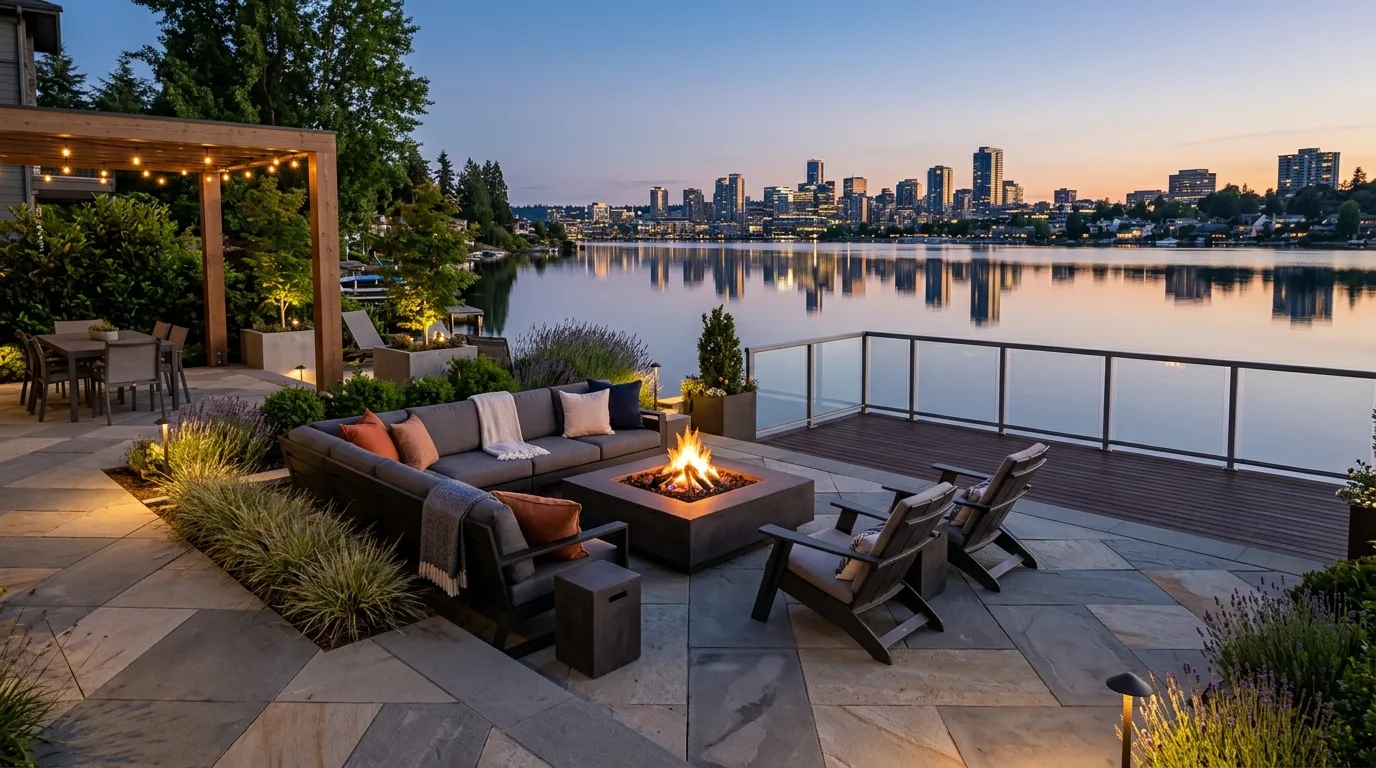
Idea 11
A pebble and planting composition that keeps the shore feeling natural
Hard shoreline edges are not always necessary, and pebbles with carefully placed planting can create a softer transition to the water that feels visually lighter and more ecologically comfortable. The edge remains beautiful without looking overbuilt.
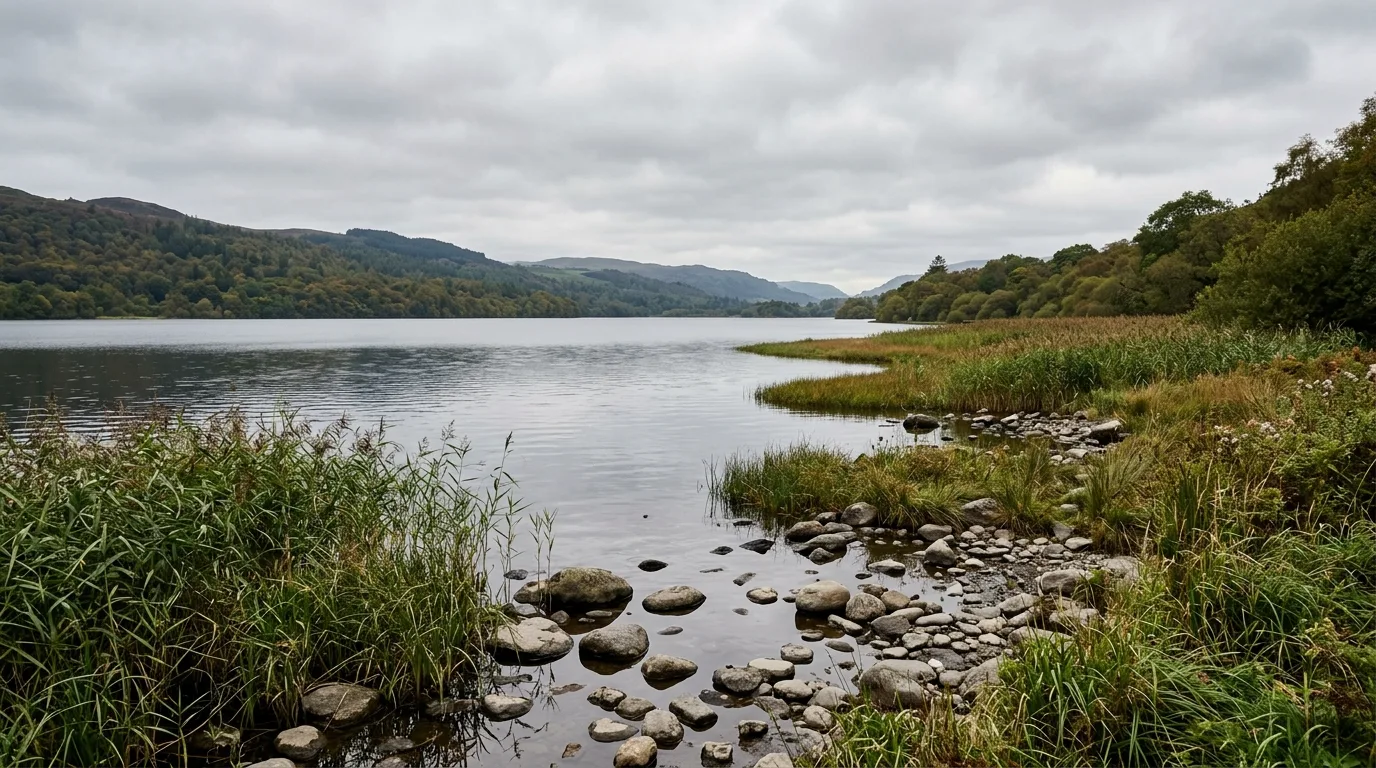
Idea 12
A reading nook tucked behind grasses but still facing the lake
Private lake moments can be just as important as larger entertaining spaces, and one quiet seat partially sheltered by planting can make the property feel emotionally richer while still preserving the key view. The setting becomes intimate without closing off the water.
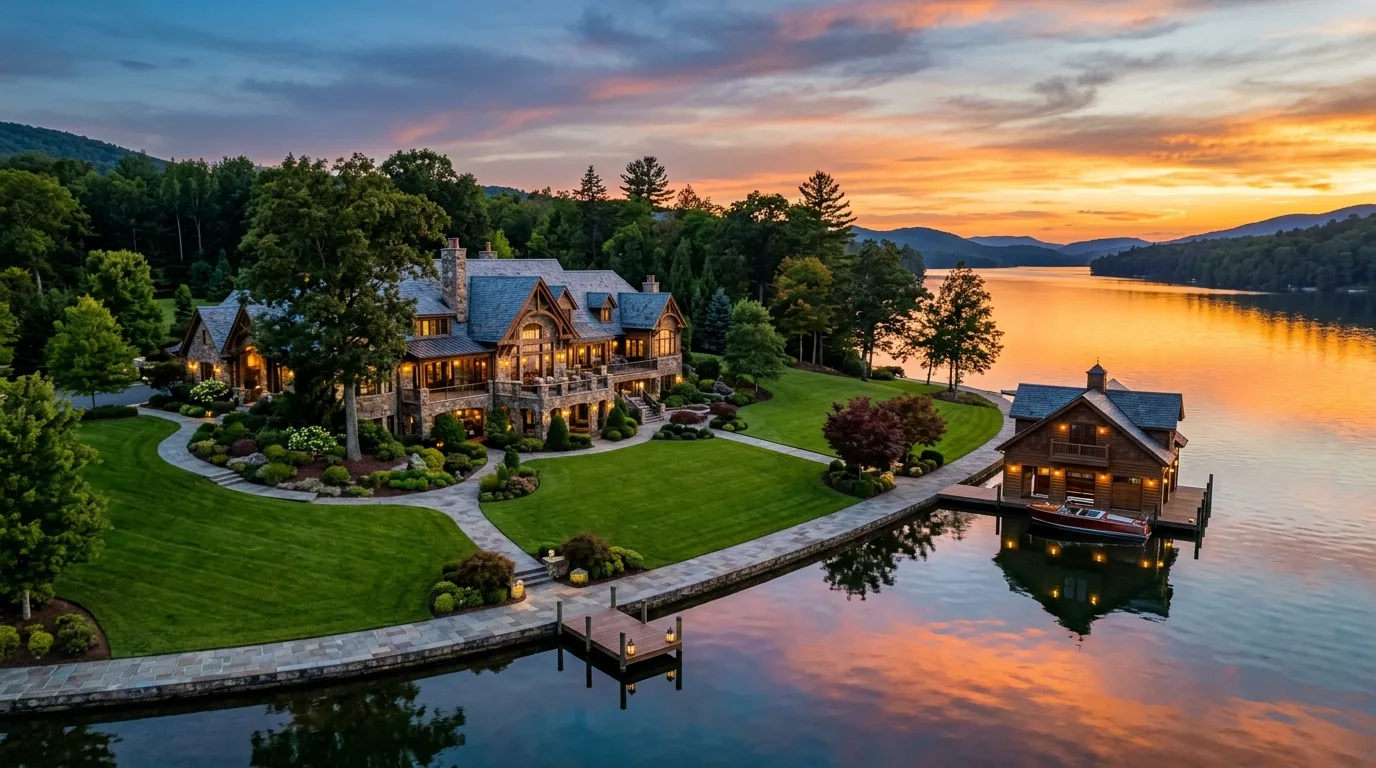
Idea 13
A waterfront property where the landscape supports calm, access, and beautiful views
The most successful lakeside landscapes understand that the water is both the focal point and the responsibility, shaping the design around enjoyment, protection, and visual calm rather than overcomplicating the shoreline. That balance is what makes waterfront living feel so serene.
Read next on Saw & Sprout
Edible Gardens
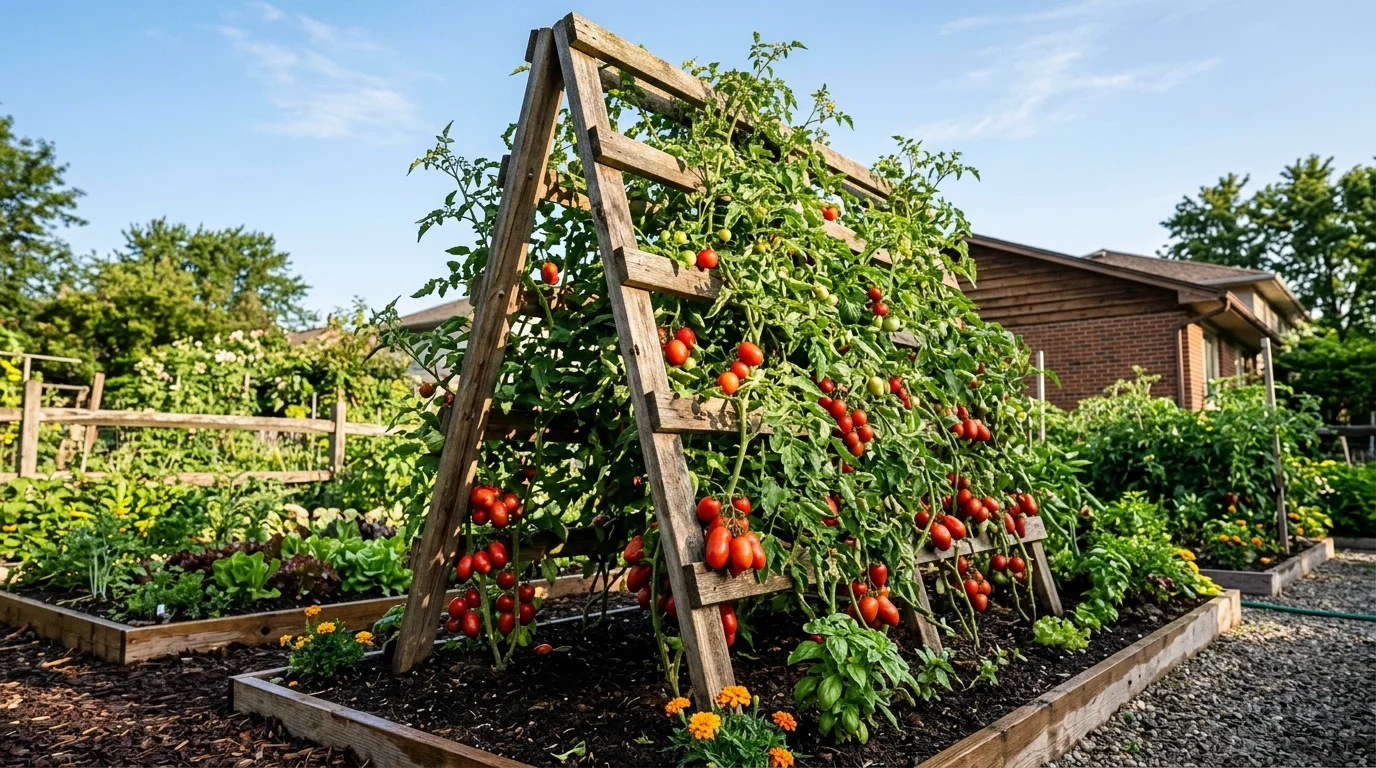
13 Clever Tomato Trellis Gardens for a Bountiful Harvest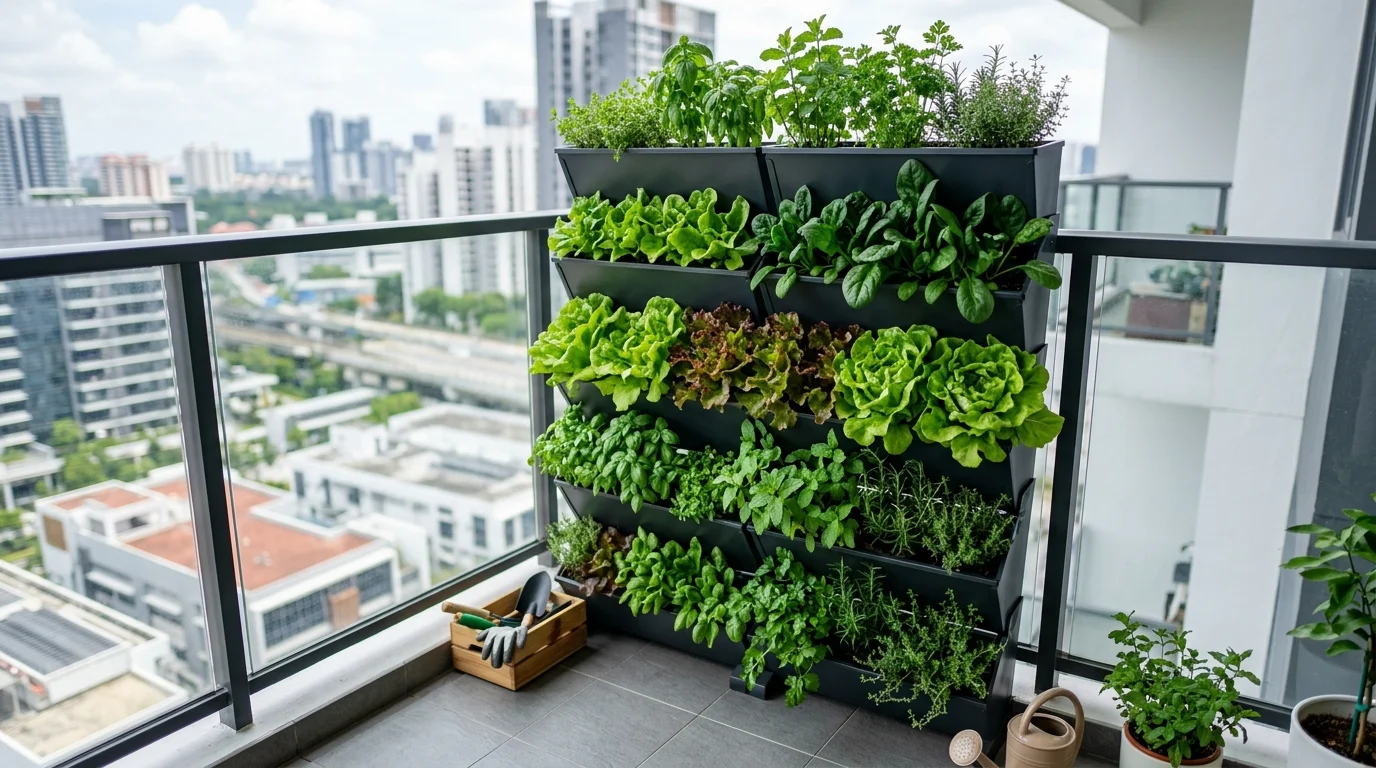
Small-Space Growing
14 Space-Saving Small Vegetable Gardens for Urban GrowersFrequently asked questions
What makes a lakeside landscape feel serene?
Open views, restrained planting, natural shoreline transitions, and a few well-placed seating or gathering areas usually create the calmest waterfront mood.
Should lakeside yards use a lot of lawn?
They can, especially when open grass helps preserve broad views and keeps the landscape from feeling crowded near the water.
How do you soften a shoreline without overbuilding it?
Use native grasses, moisture-tolerant planting, pebbles, and gentle transitions that respect the edge of the water.