A modular sofa is appealing because it lets comfort adjust to the room instead of forcing the room to adjust to one fixed piece of upholstery. The layout can evolve with gatherings, family routines, apartment moves, guest needs, and even simple changes in how people like to sit and relax.
The best modular setups still feel cohesive rather than temporary. Scale, material, proportion, and the way the pieces talk to the rest of the room all determine whether the sofa feels truly customizable or merely broken apart.
These ideas focus on modular seating that feels flexible, comfortable, and genuinely design-forward. Some are minimal and seamless, some larger and more social, but all of them show how adaptable furniture can make living rooms far more useful.
Quick planning notes
Start with the room's most important seating needs so the modular arrangement supports real routines and not only theoretical flexibility.
Choose a module size that suits the room's scale, because pieces that are too bulky or too tiny can undermine the whole system quickly.
Think about how tables, rugs, and circulation will change with the sofa, since flexibility works best when the surrounding room can respond too.
Let fabric and silhouette keep the arrangement cohesive so the reconfiguration feels elegant instead of visually fragmented.
Idea 1
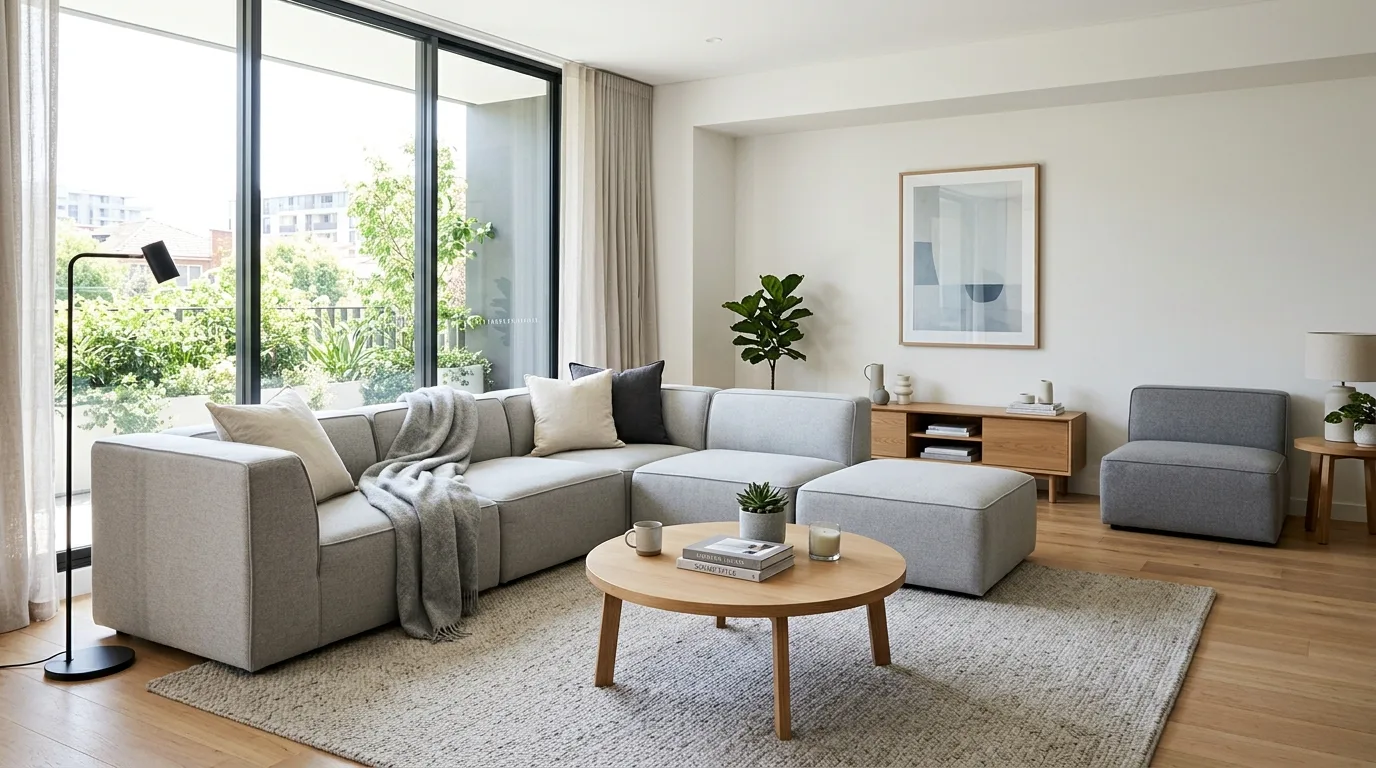
Low neutral sectional made of pieces that shift from sofa to chaise layout
A modular sofa feels empowering in a living room because it lets the seating adapt to how people actually gather instead of freezing the room into one permanent arrangement. A chaise can appear or disappear as needed, keeping the space more responsive and comfortable.
Idea 2
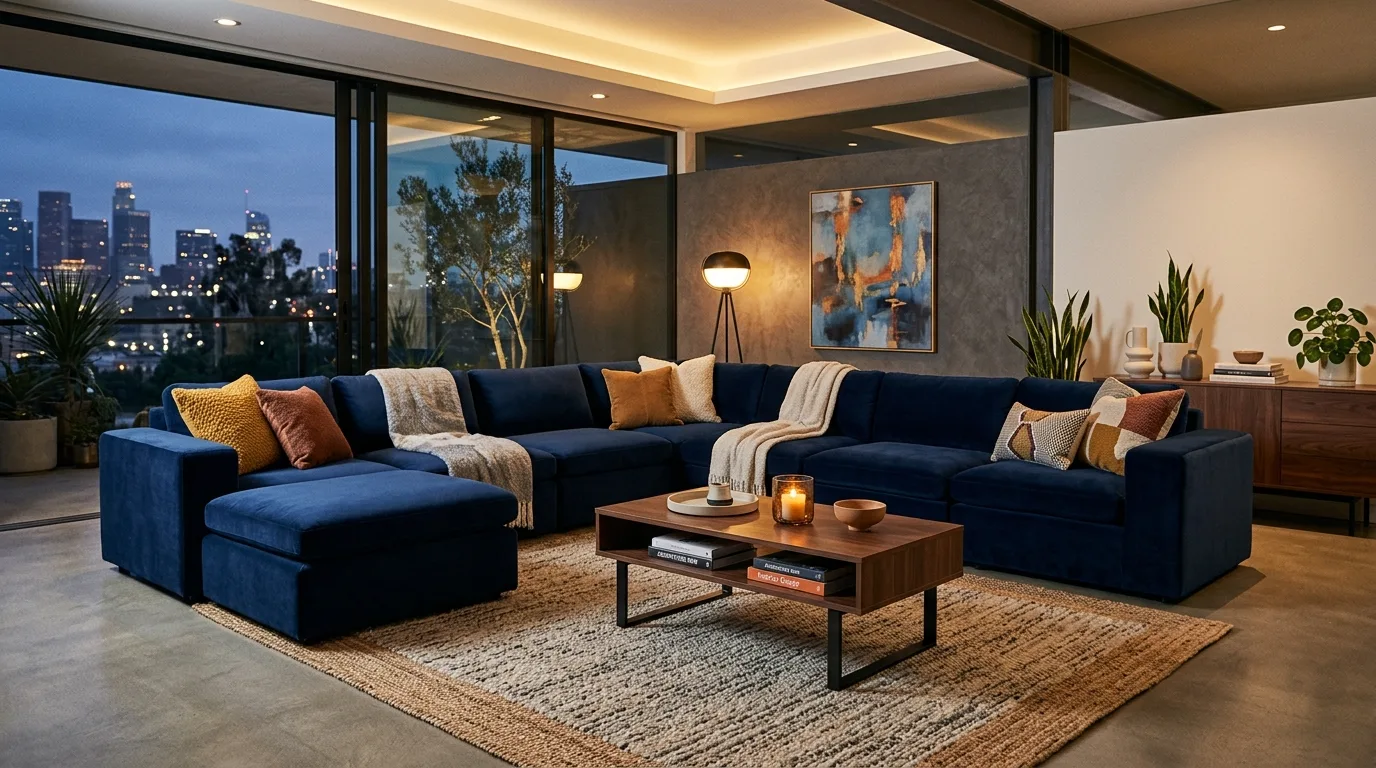
Deep family room modules arranged around a wide media wall
Large modular seating works especially well in family rooms because the pieces can create one broad gathering zone without forcing everyone into fixed positions. Around a media wall, the arrangement feels relaxed and customizable rather than rigid.
Idea 3
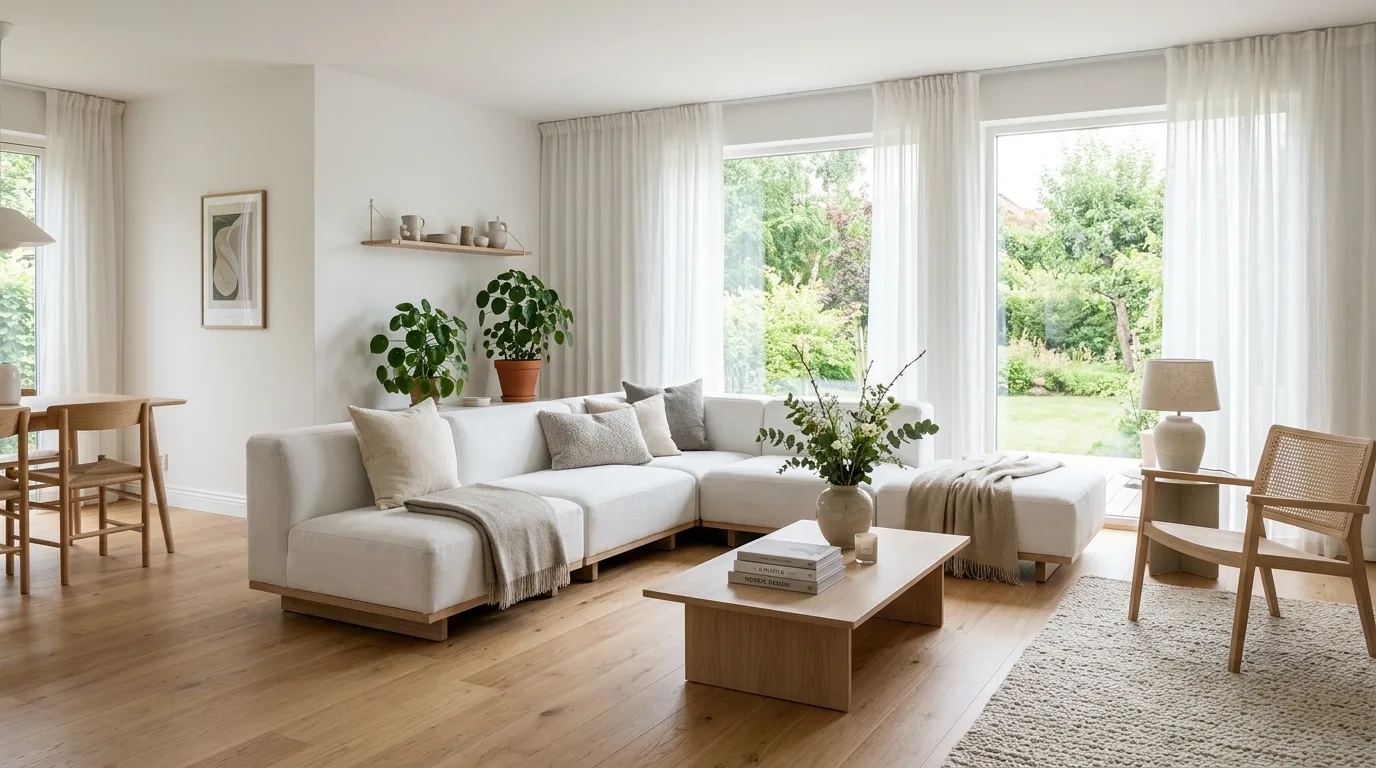
Apartment modular sofa that separates into compact lounge chairs when needed
In a smaller room, modular pieces can do the work of both a sofa and a pair of chairs depending on how the day unfolds. That flexibility keeps the apartment feeling more spacious, because the seating no longer has to serve only one idea of use.
Idea 4
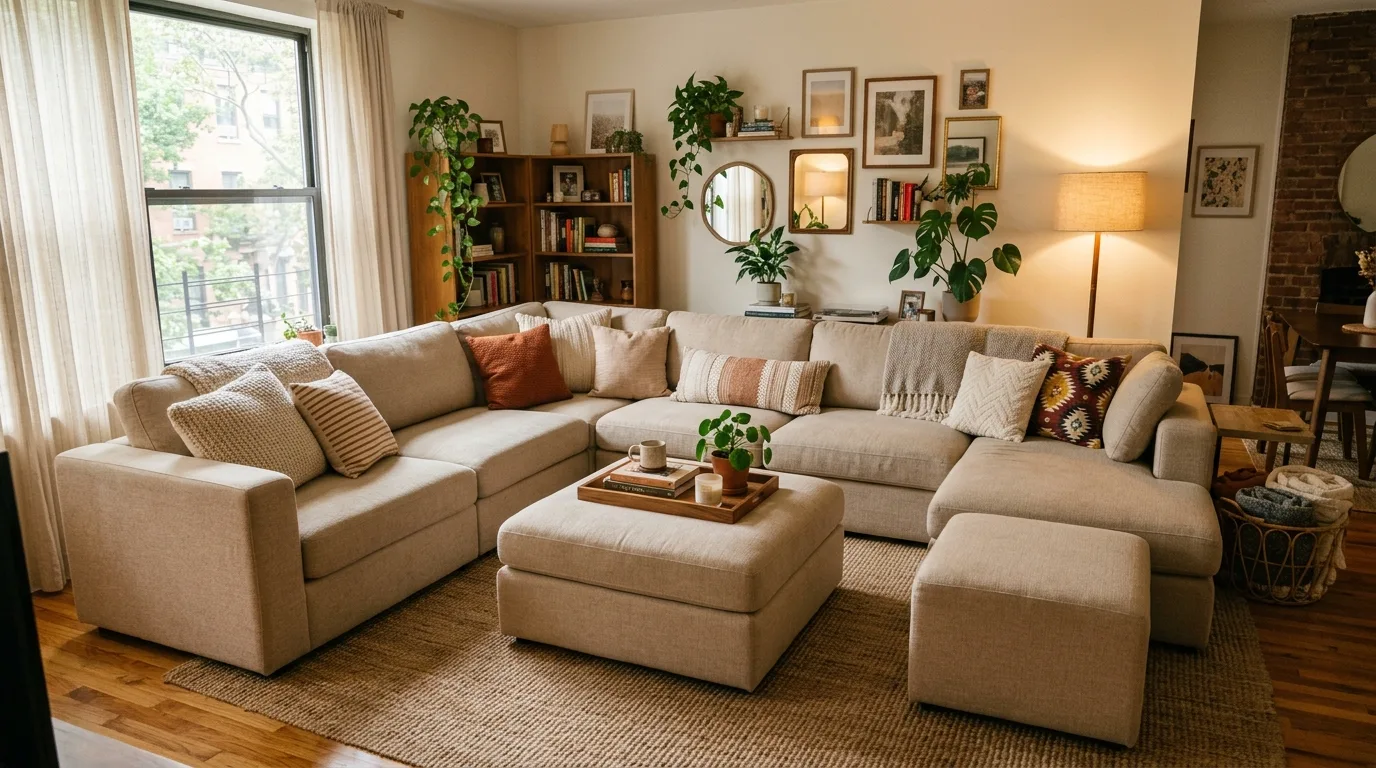
Curved modular arrangement softening a large open plan living area
Curved modules create a friendlier social shape inside big rooms because they guide conversation and movement more gently than straight sectional lines often do. The open plan still feels airy, but the seating becomes more intimate and clearly defined.
Idea 5
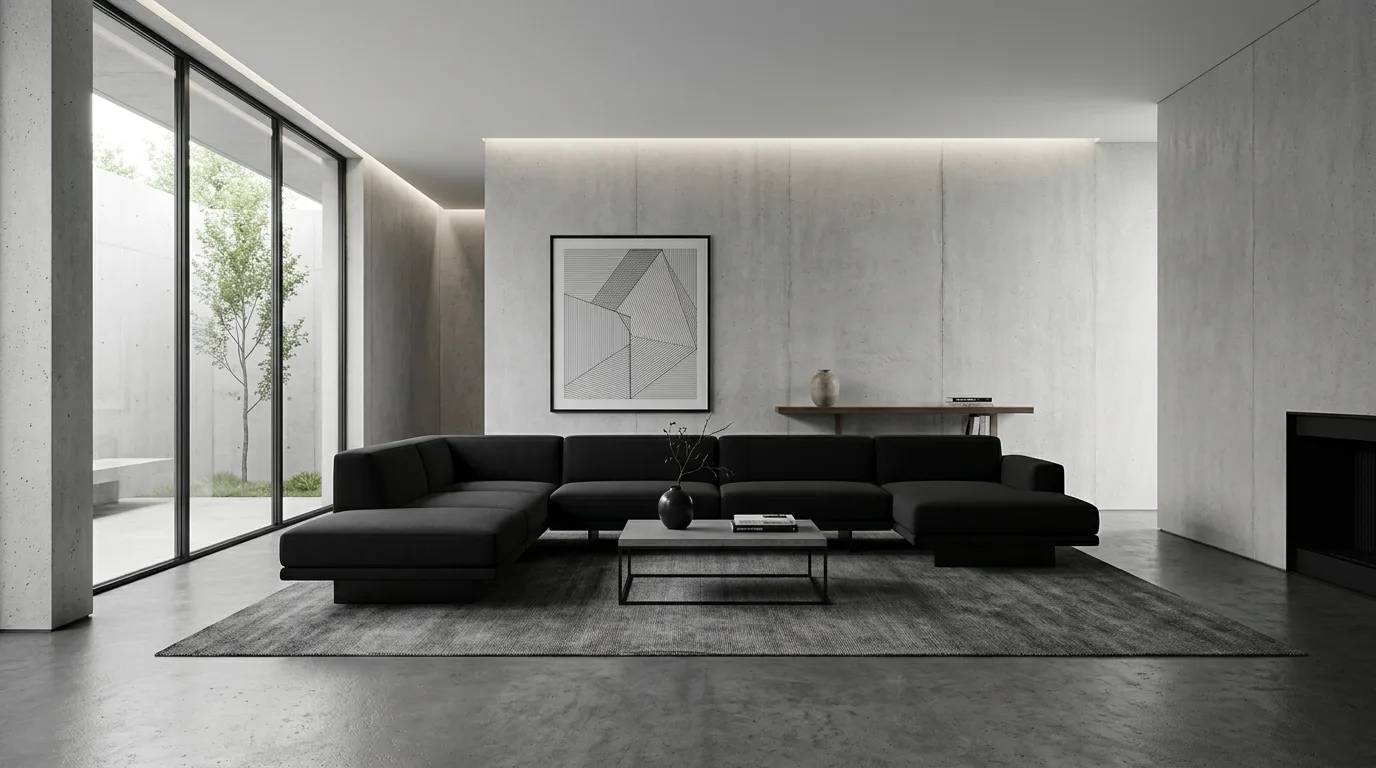
Modular sofa with movable ottoman sections for layered comfort
Movable ottoman sections give a sofa more range because they can become footrests, extension seats, or extra surfaces depending on the moment. That kind of adjustability makes the whole room feel less fixed and more comfortable for different people.
Idea 6
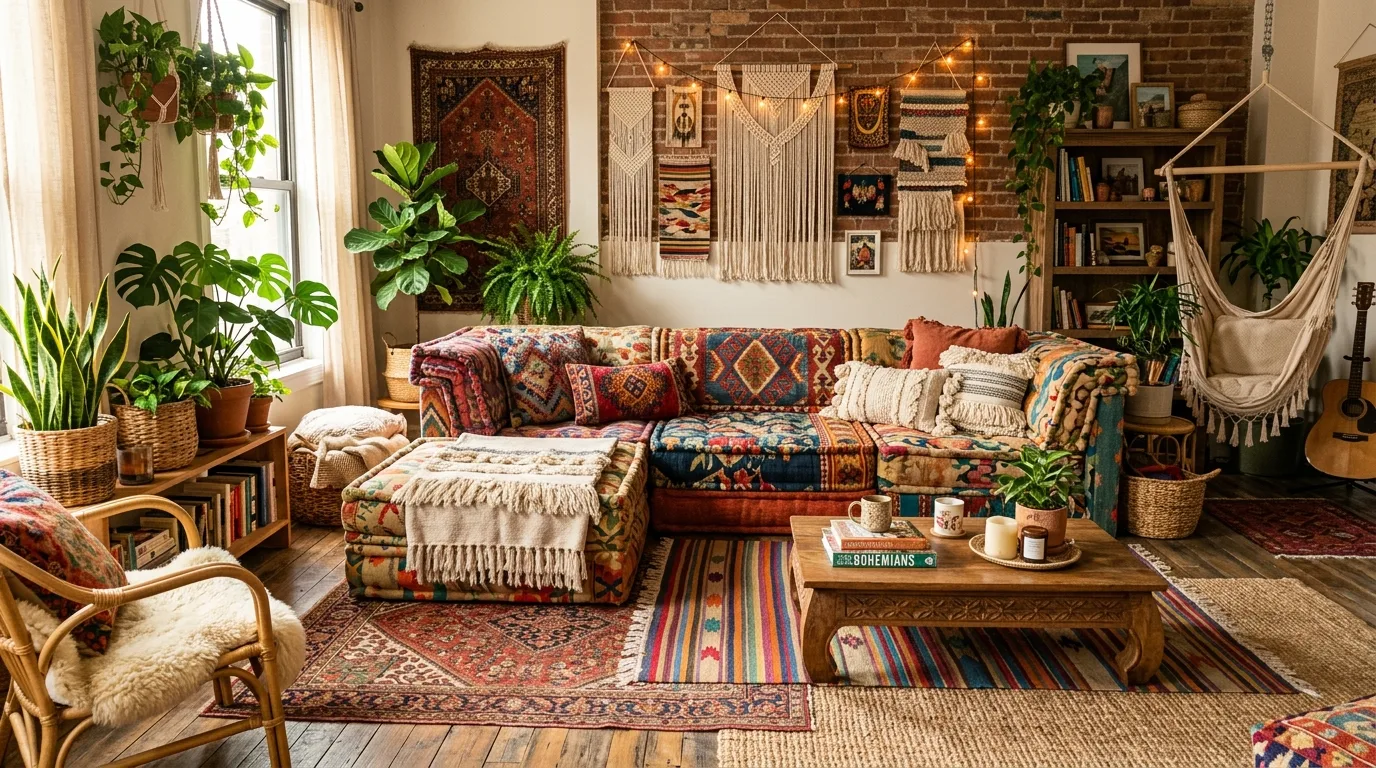
Minimal linen modules in a calm room that change with hosting needs
Linen modules feel especially versatile in quieter rooms because the soft material keeps the larger seating footprint from feeling too heavy. When guests arrive, the pieces can reconfigure easily, helping the room support social life without losing its calm everyday mood.
Idea 7
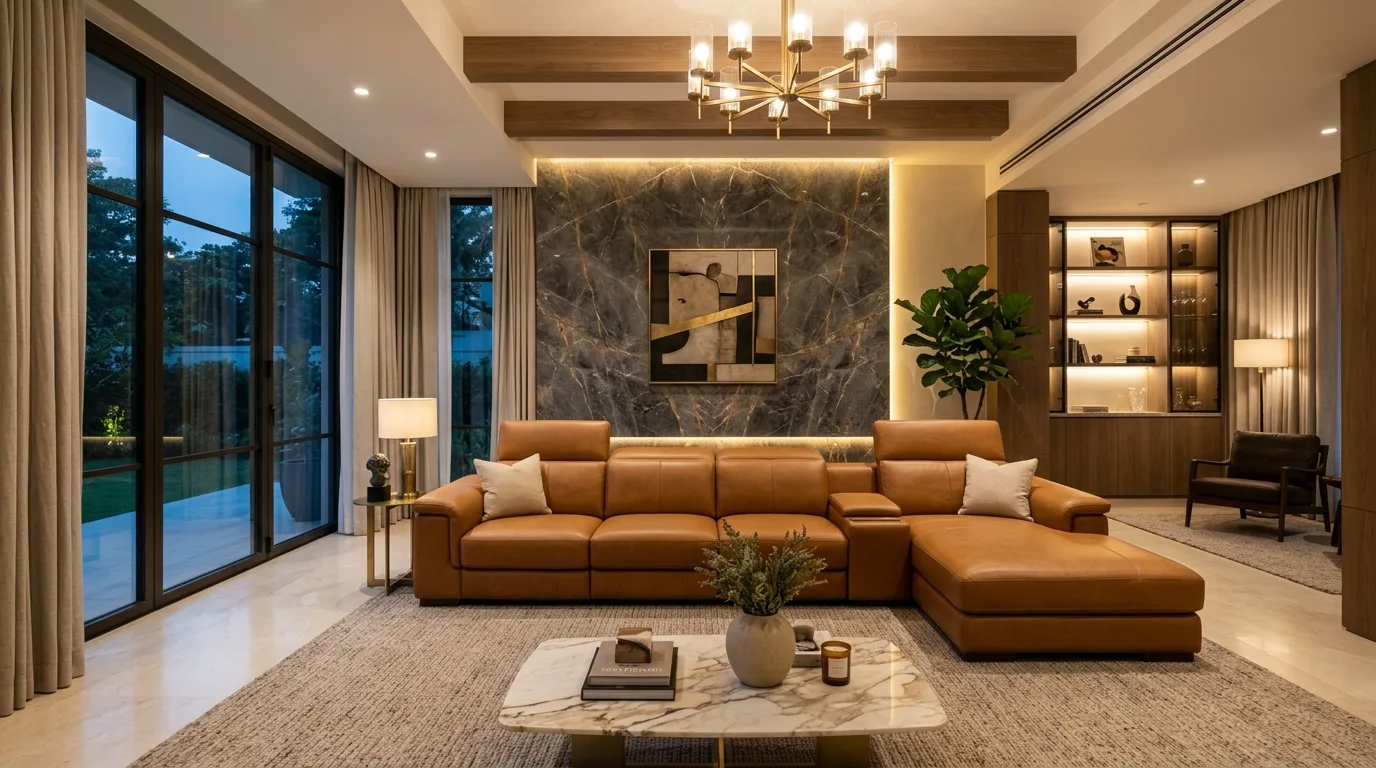
Corner sectional built from modules that can create a guest sleep surface
A modular sofa is especially useful when one room sometimes has to become guest space, because the layout can flatten or extend more easily than traditional upholstery often allows. The flexibility adds genuine function without sacrificing comfort in daily life.
Idea 8
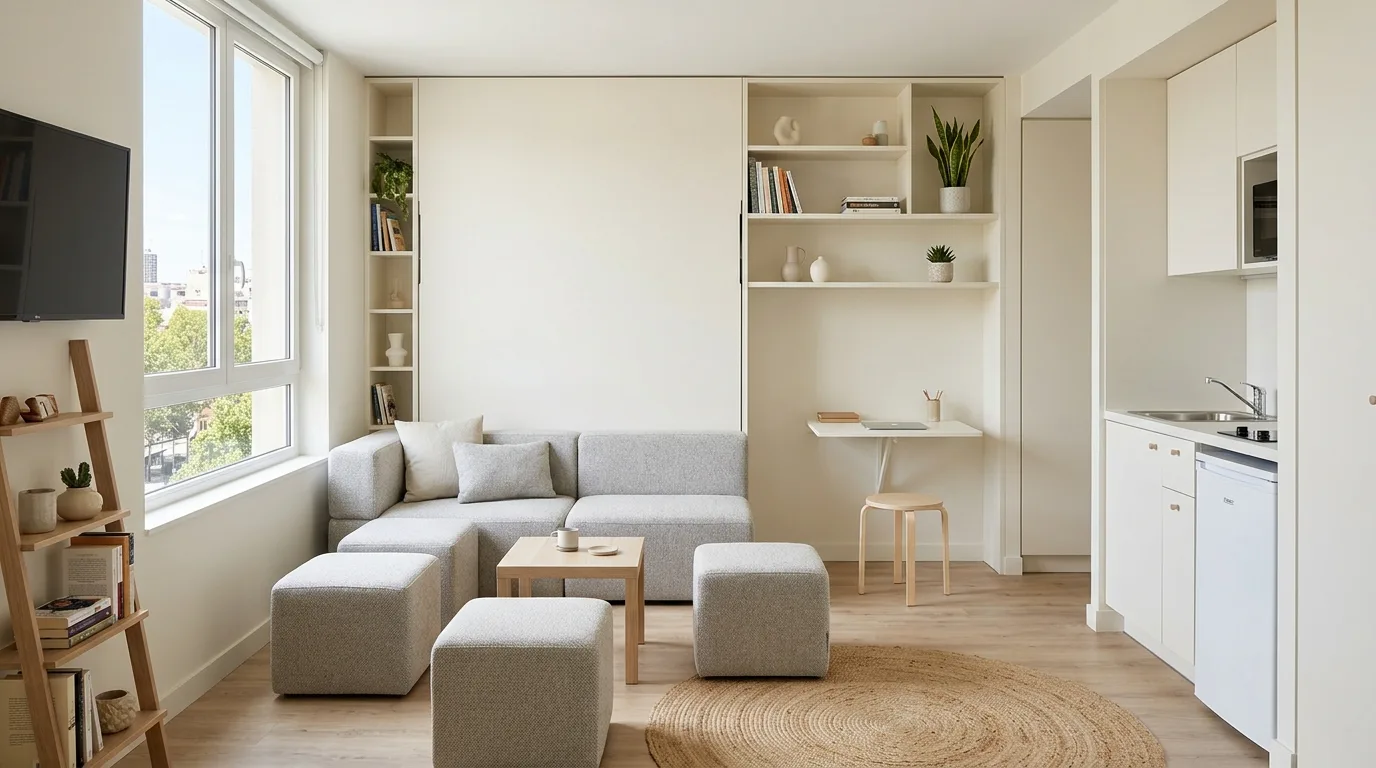
Color blocked modules bringing playful customization to a family lounge
Color-blocked sections highlight the modular nature of the sofa in a way that feels fun and expressive rather than purely practical. In a family lounge, that playful variation can make the room more dynamic while still supporting real everyday comfort.
Idea 9
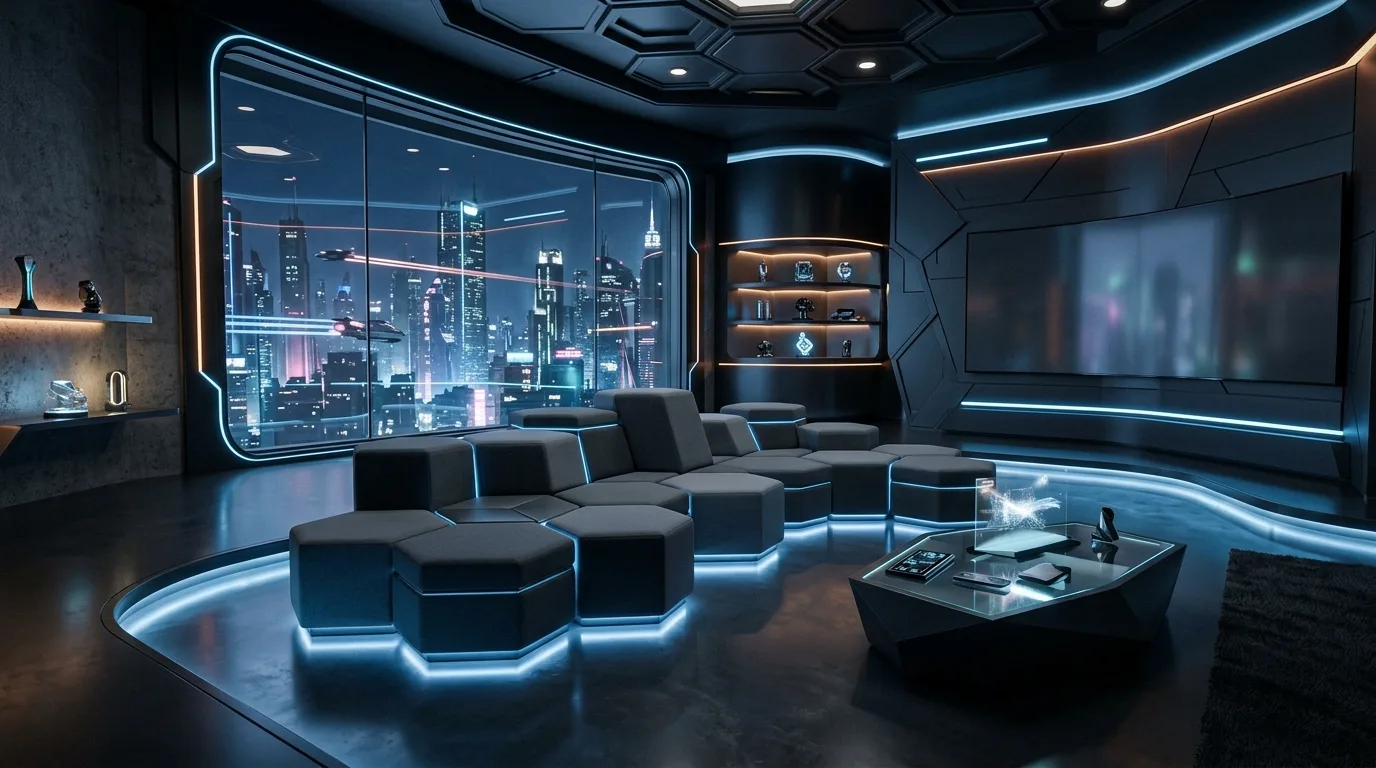
Boucle modular seating with low profile forms for a softer modern room
Boucle helps a modular sofa feel more inviting because the texture softens the strong geometry that customizable seating can sometimes carry. The low profile keeps the room modern, while the fabric makes the whole arrangement seem warmer and more tactile.
Idea 10
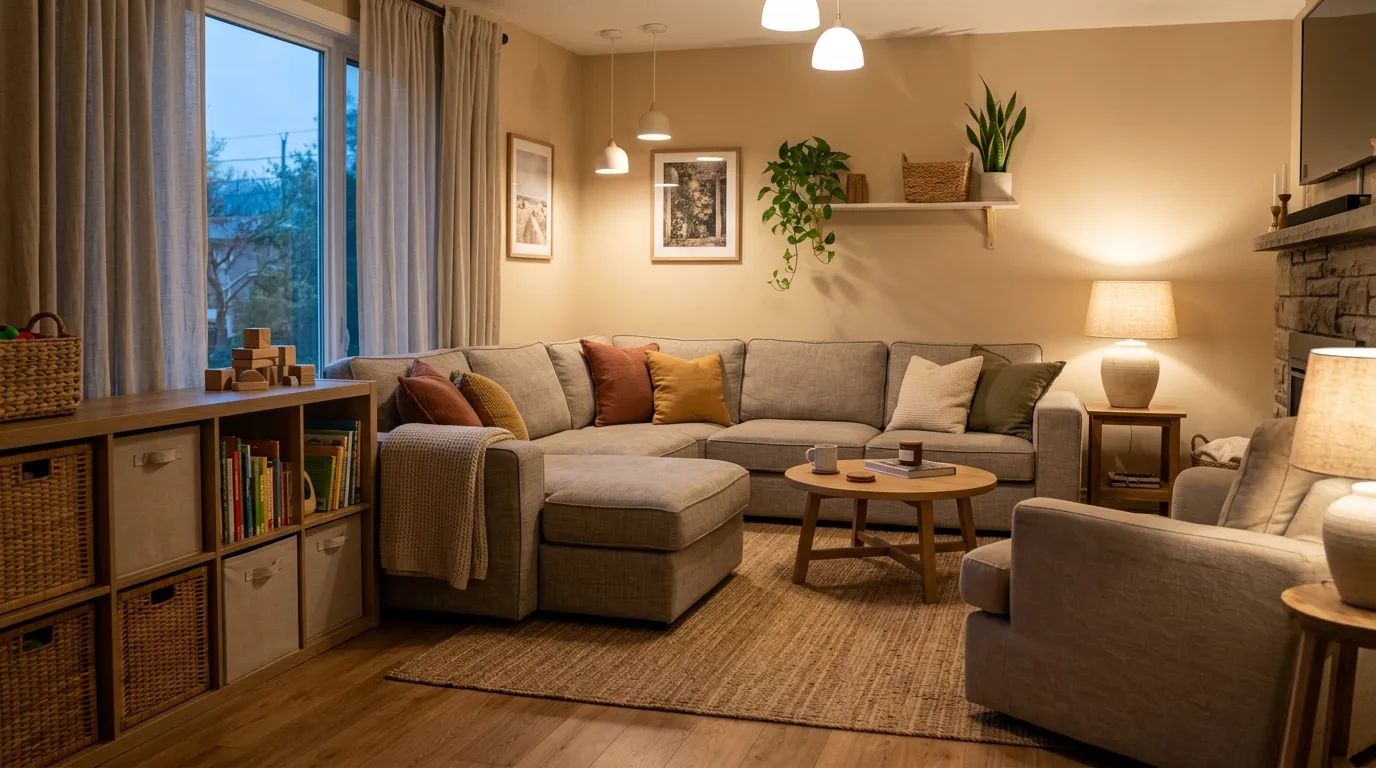
Outdoor adjacent sunroom using modules that shift between reading and entertaining
A sunroom benefits from modular seating because the same bright open area might need to support solitude one day and guests the next. The moveable pieces allow those different moods without asking the room to commit permanently to one format.
Idea 11
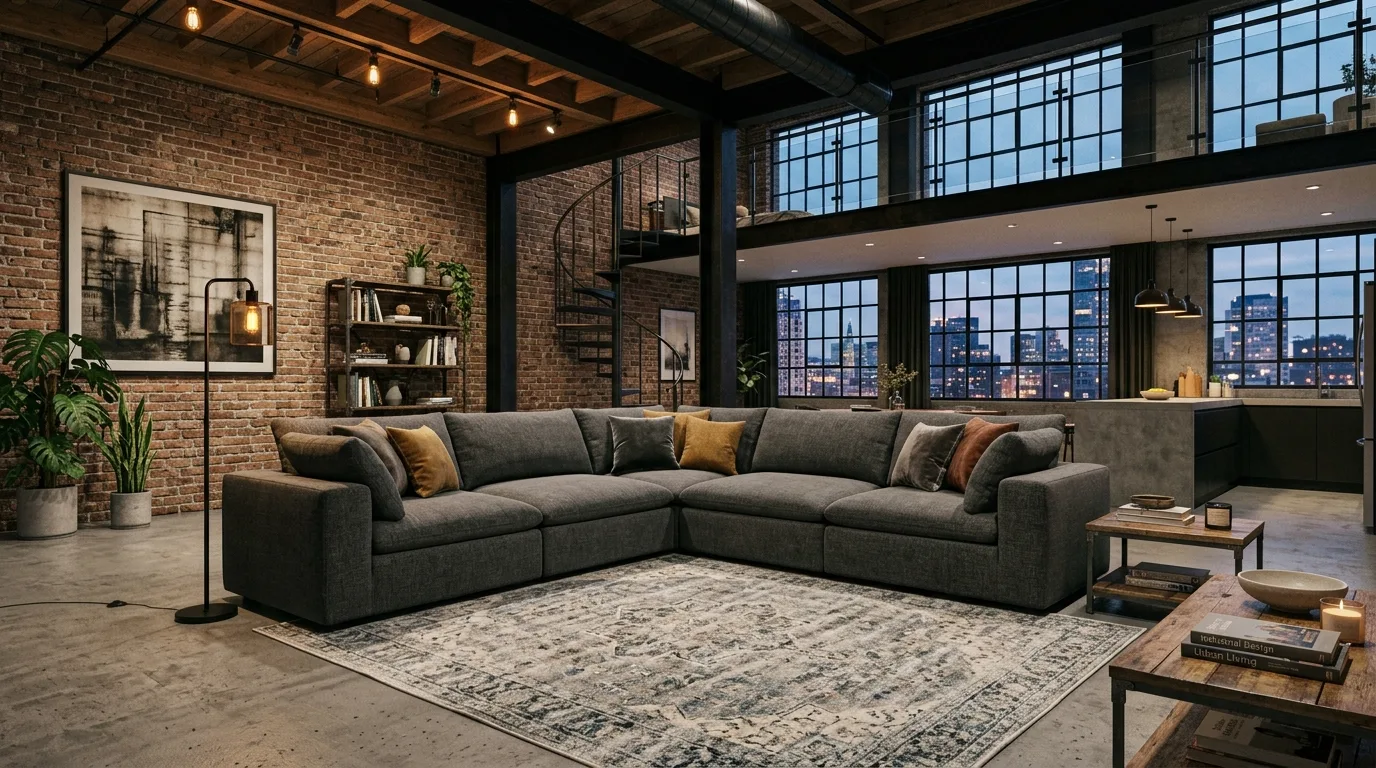
Slim modular units in a narrow room creating flexibility without bulk
Smaller-scale modules are useful in narrow living rooms because they bring adaptability without the visual heaviness of a huge sectional. The room keeps its circulation, but the seating can still change in meaningful ways when needed.
Idea 12
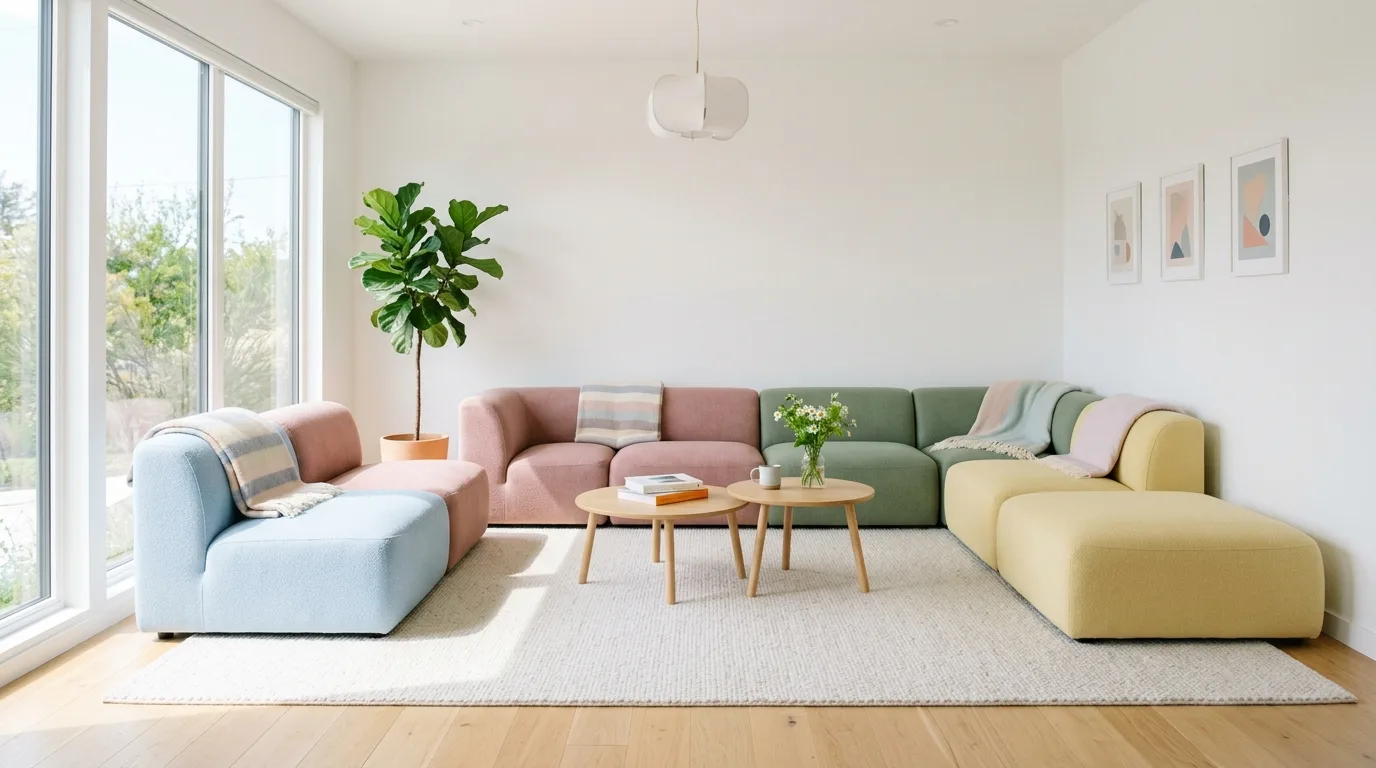
Sectional modules paired with side tables that move into new formations
A truly flexible seating zone works better when the side tables can participate in the rearrangement rather than staying trapped in one fixed position. The modules then feel like part of a larger system, making the room easier to customize for real life.
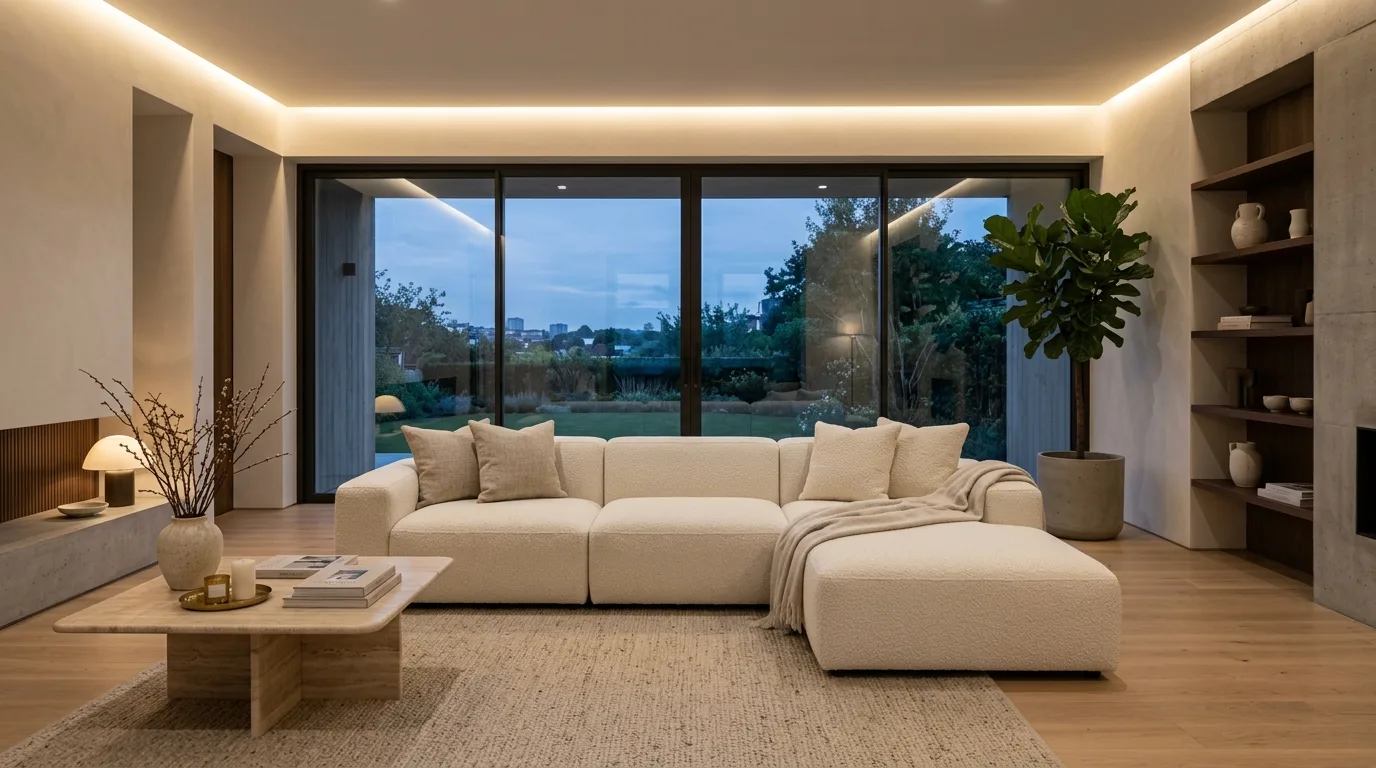
Idea 13
Monochrome modular seating with hidden connectors for a seamless look
When the connectors disappear, a modular sofa can look as elegant as a custom-built piece while still preserving all its flexibility. The monochrome palette strengthens that seamless effect, helping the room feel composed even as the layout changes.
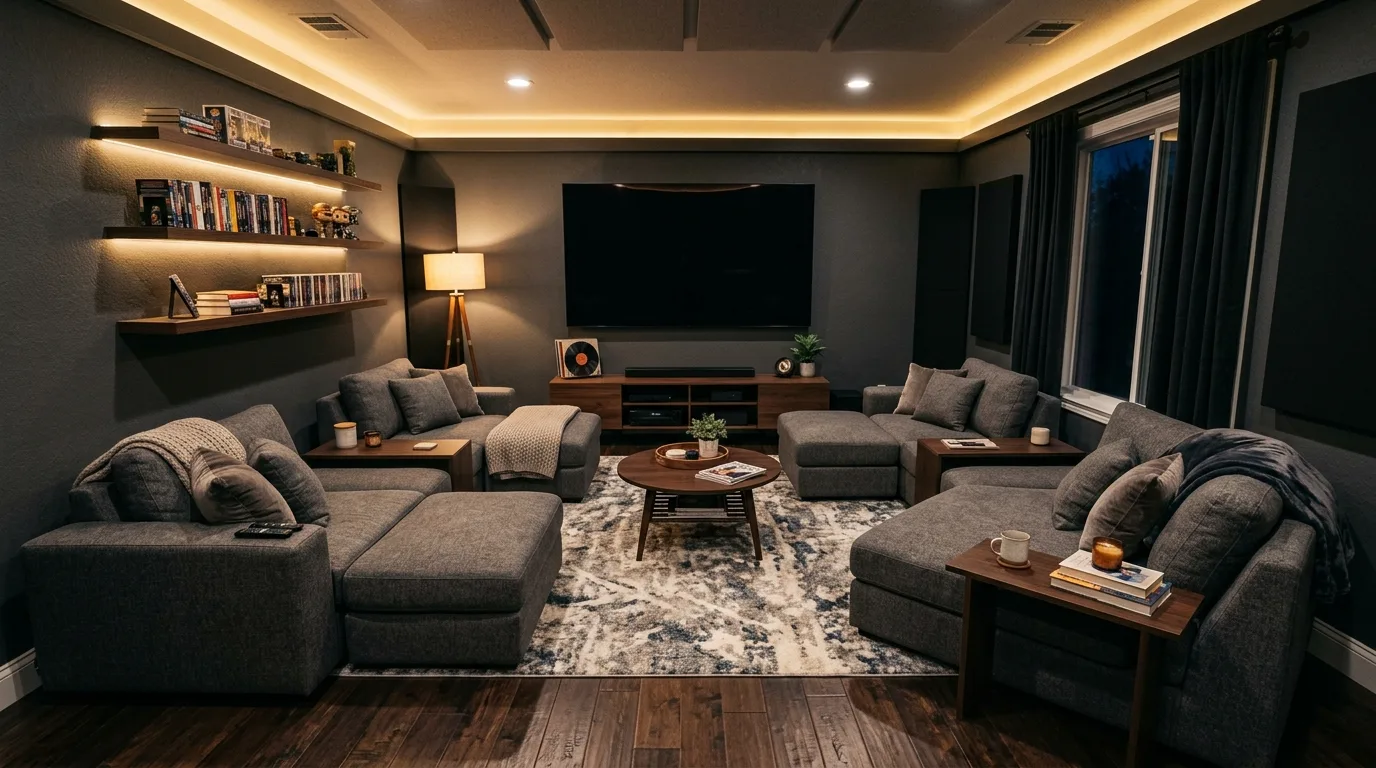
Idea 14
Large conversation pit feeling created by modular pieces facing inward
Facing modular pieces inward creates a more social and enveloping feeling, almost like a contemporary version of a conversation pit without the built-in construction. The room becomes more centered around gathering, which makes the customization feel especially meaningful.
Read next on Saw & Sprout


Edible Gardens
13 Clever Tomato Trellis Gardens for a Bountiful Harvest
Small-Space Growing
14 Space-Saving Small Vegetable Gardens for Urban GrowersFrequently asked questions
What makes modular sofas so useful?
They allow the seating layout to change for different activities, room sizes, guests, and comfort preferences without replacing the whole sofa.
Do modular sofas work in small spaces?
Yes. Smaller modules can be especially helpful in apartments because they offer flexibility without committing the room to one rigid sectional shape.
How do you keep a modular sofa from looking pieced together?
Consistent fabric, good proportion, and a surrounding room that supports the arrangement usually make the modules feel cohesive and intentional.