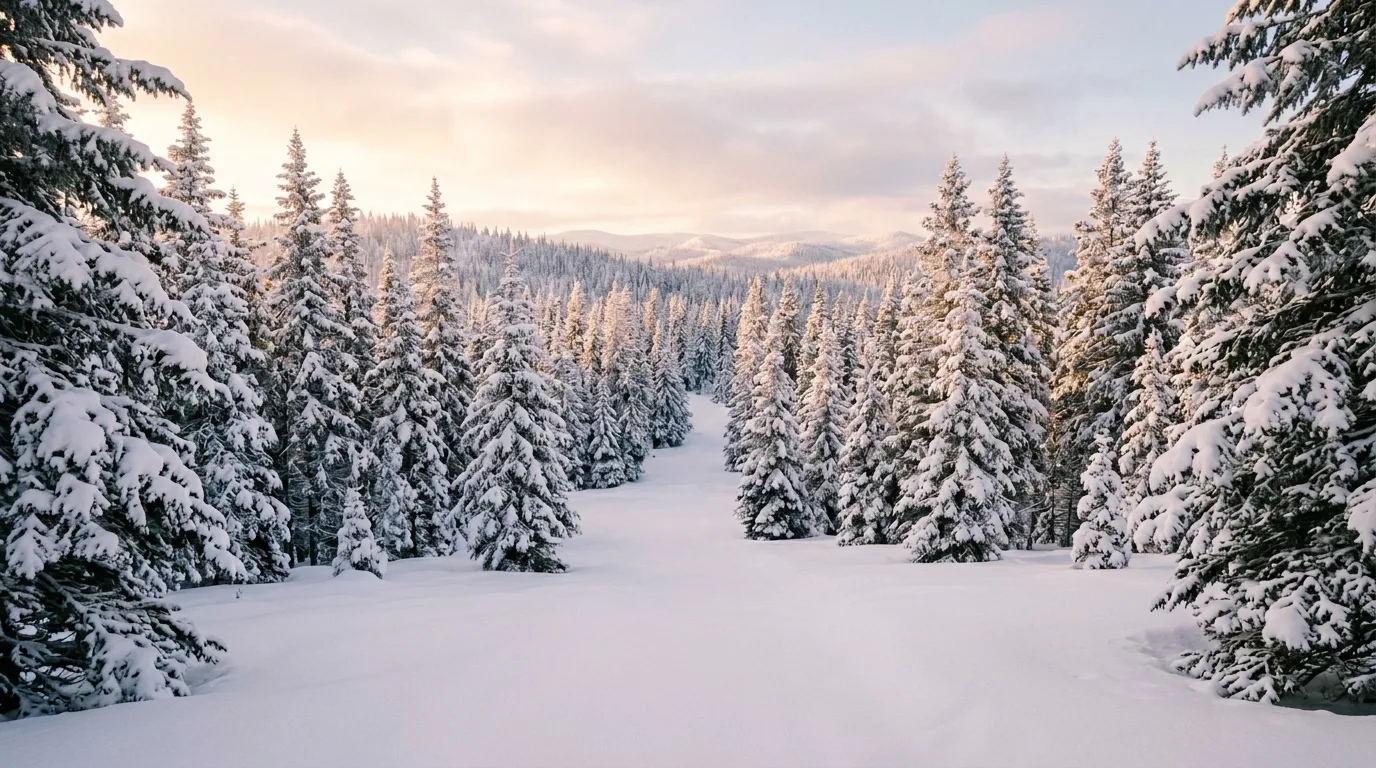
Winter landscapes reveal whether a yard truly has year-round beauty because color recedes and structure, texture, and light become much more important. What remains can be incredibly serene when the design is thoughtful and the season is embraced rather than resisted.
The best winter gardens are not empty versions of summer ones. They have their own mood, shaped by evergreen structure, bark, stone, snow, shadows, and the quieter movement of grasses or seed heads.
These winter landscape ideas explore ways to make outdoor spaces feel calm and beautiful through the cold season. Each one shows how restraint, texture, and composition can keep a yard compelling long after bloom is gone.
Quick planning notes
Rely on structure and texture as much as seasonal color if you want true year-round landscape beauty.
Use evergreen anchors and strong hardscape so the garden remains readable under snow or dormancy.
Value branch form, bark, and light because winter often makes those details more important than flowers.
Design a few focal moments that still matter from indoors during colder months.
Idea 1
A snow-covered garden defined by strong evergreen structure
Winter landscapes feel most beautiful when they do not disappear under snow but instead reveal a clear underlying structure, and evergreens are often the elements that hold that shape best. Their color and mass keep the garden legible and calm through the coldest months.
Idea 2
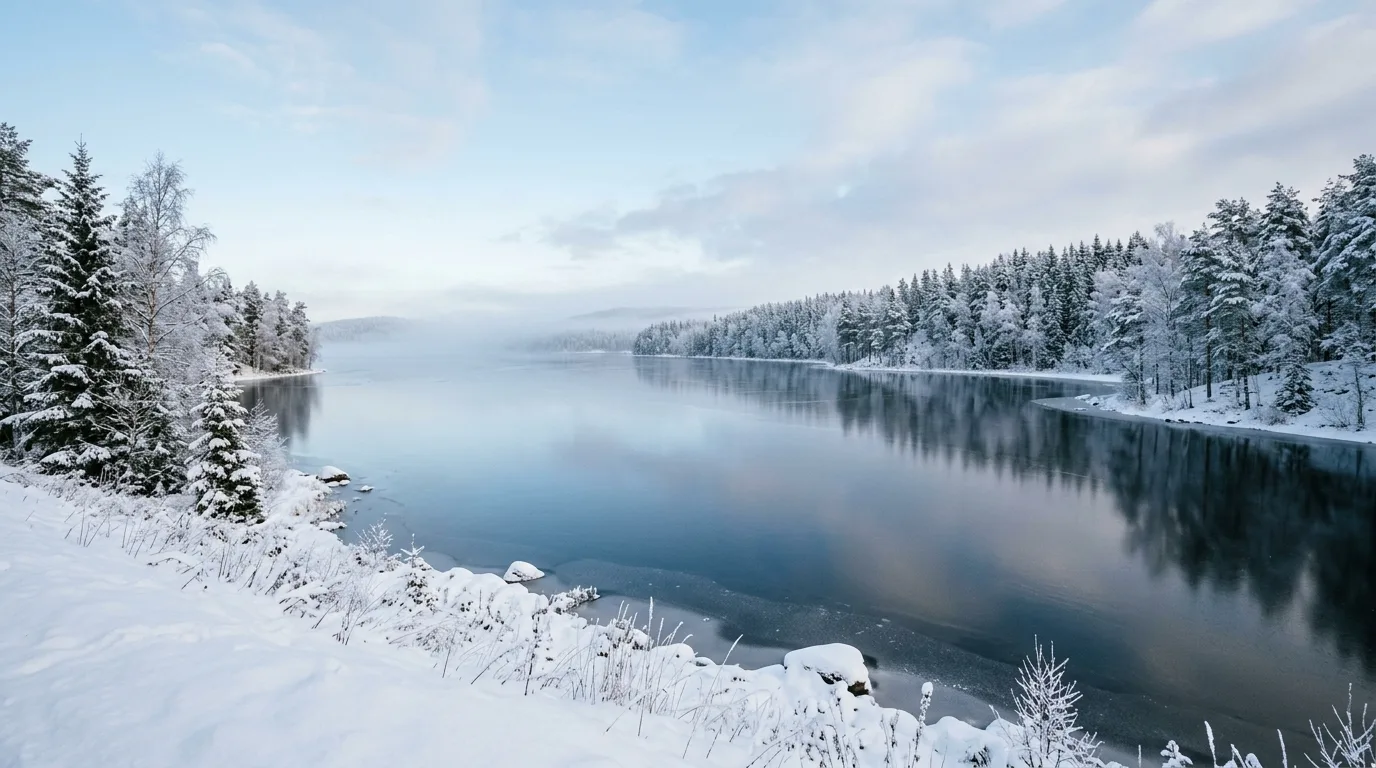
A frozen pond edge softened by pale grasses and bare branches
Stillness is one of the gifts of winter design, and a pond ringed with grasses and delicate branch structure captures that quiet mood beautifully. The scene feels spare, but not empty, because texture continues to do the emotional work even without bloom.

Idea 3
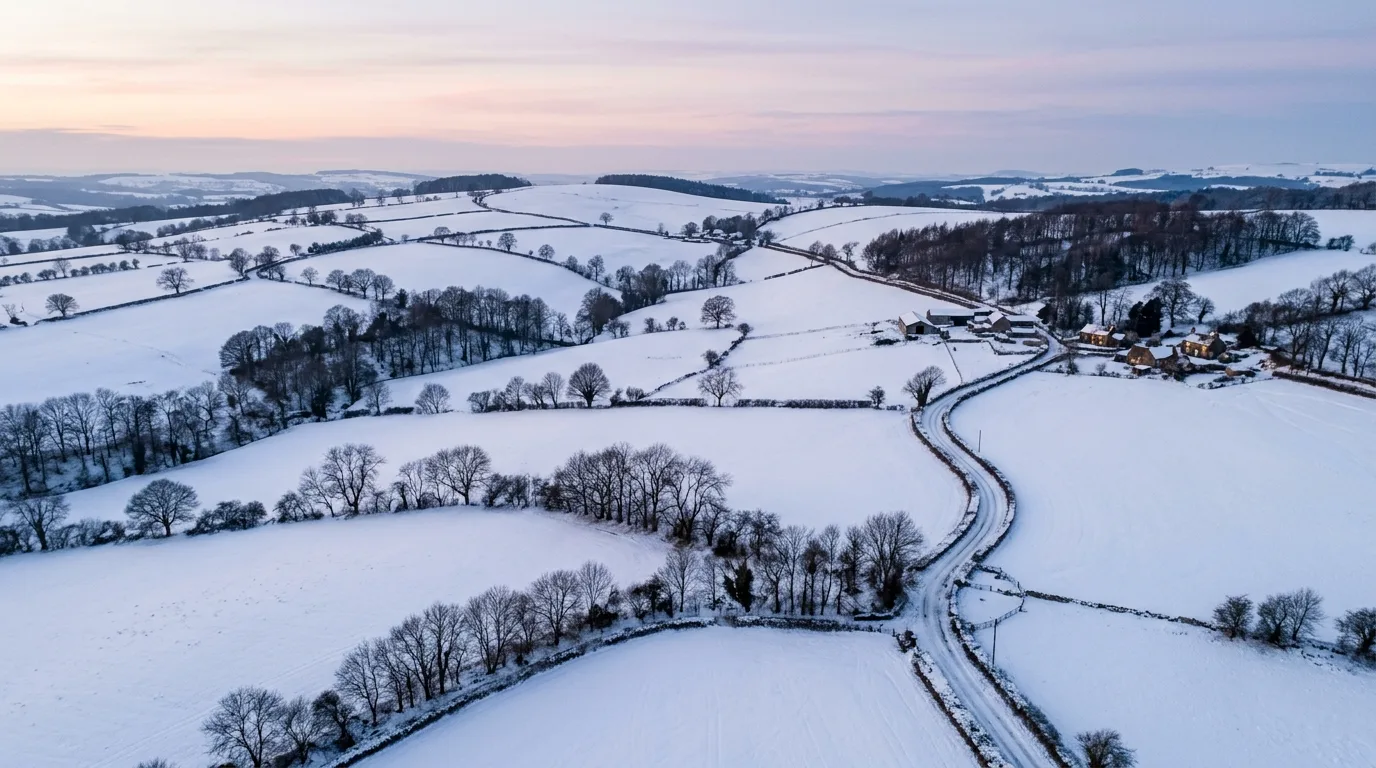
A long driveway scene made elegant by snow-limned trees
Tree lines become more graphic in winter because the leaves are gone and the branch structure begins to define the whole view, which can make even a simple drive feel more dramatic. Snow along the edges sharpens that effect and gives the property a stronger sense of order.
Idea 4
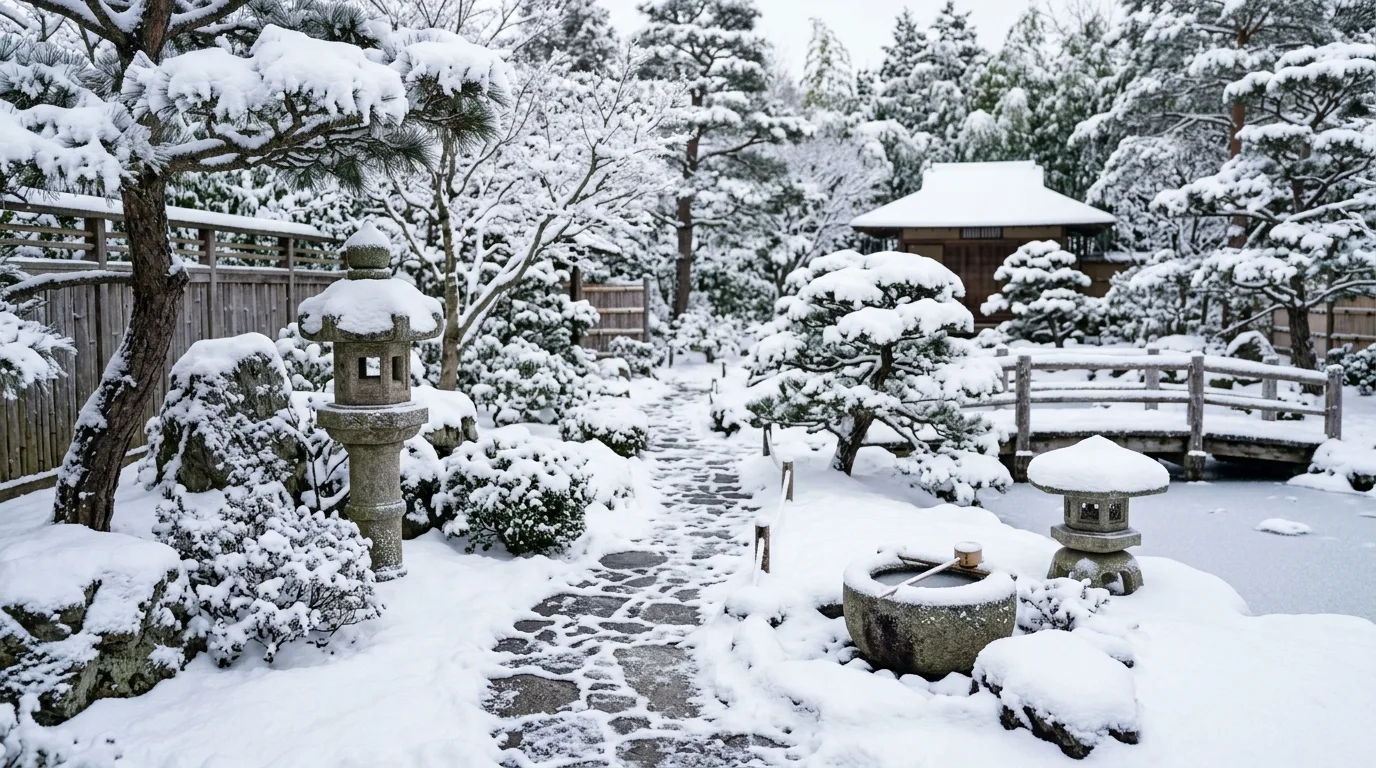
A courtyard garden using stone and shape to stay beautiful in cold weather
Winter is when hardscape and plant form really prove their value, and a courtyard with good stonework and clearly shaped planting can feel serene even without color. The beauty comes from proportion, texture, and the way the space holds light.
Idea 5
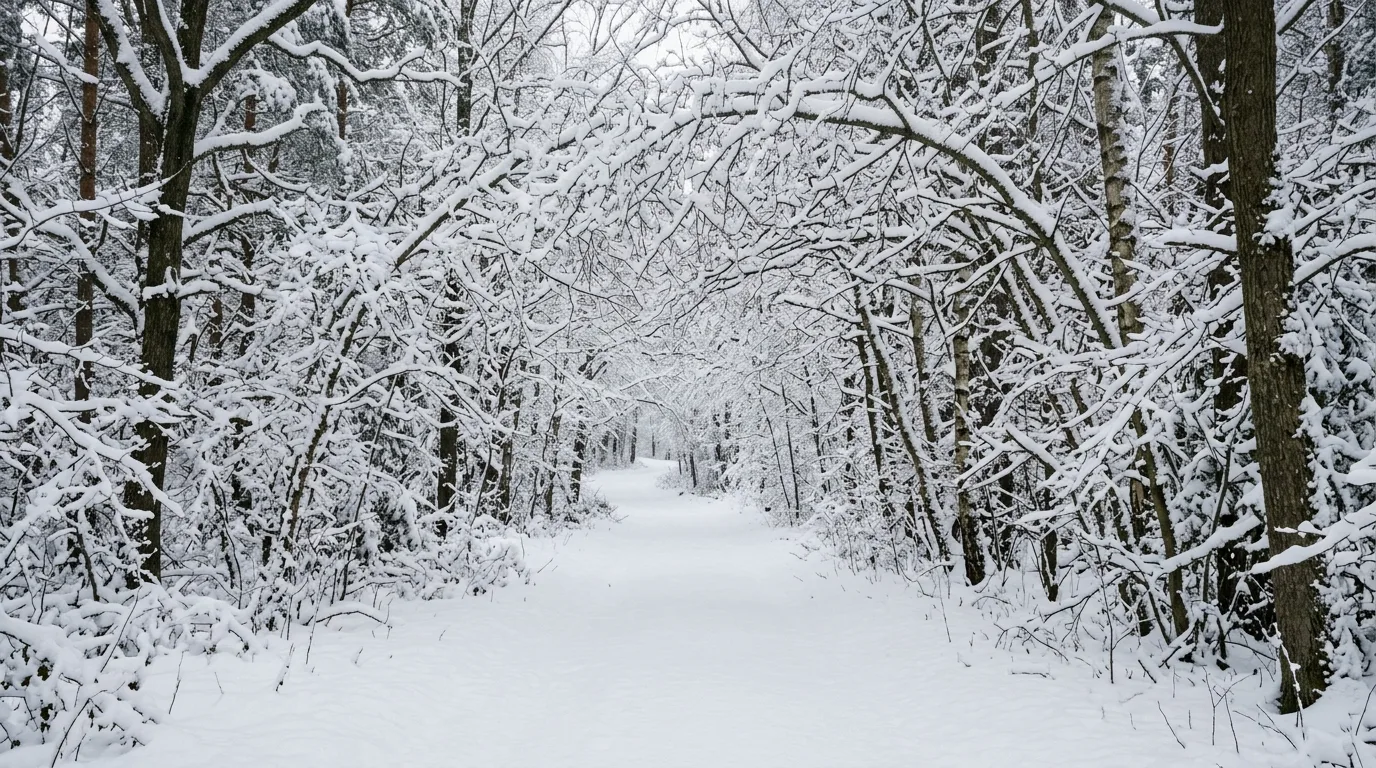
A woodland path that feels magical under frost and quiet light
Wooded landscapes often become more atmospheric in winter because the filtered light and pale ground cover make the path feel more mysterious and intimate. Frost on branches adds enough sparkle to keep the scene from feeling bleak or heavy.
Idea 6
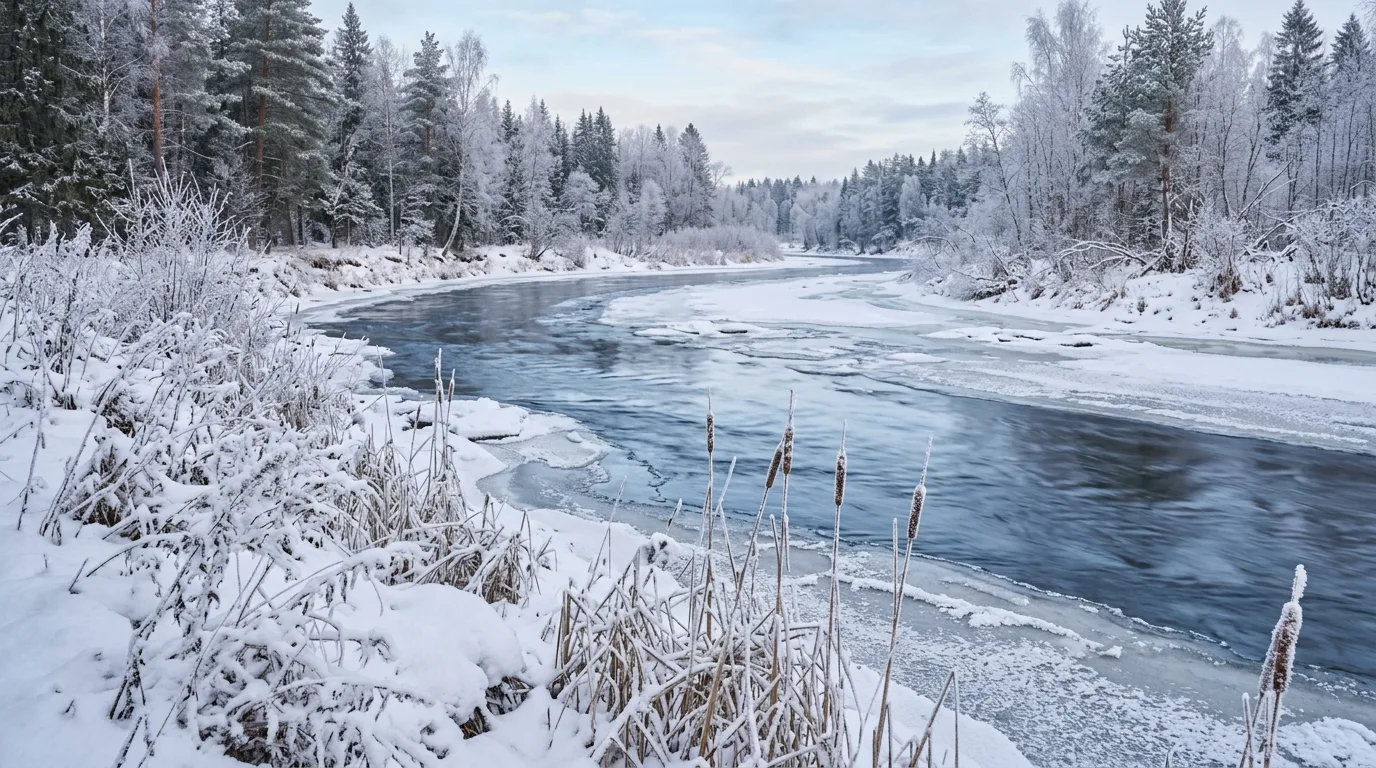
A front yard composition that still has depth after the leaves fall
Good year-round landscapes do not depend entirely on summer fullness, and winter is when layered shrubs, evergreen anchors, and thoughtful spacing reveal how well the yard is actually designed. The garden feels calmer, but still complete and readable.
Idea 7
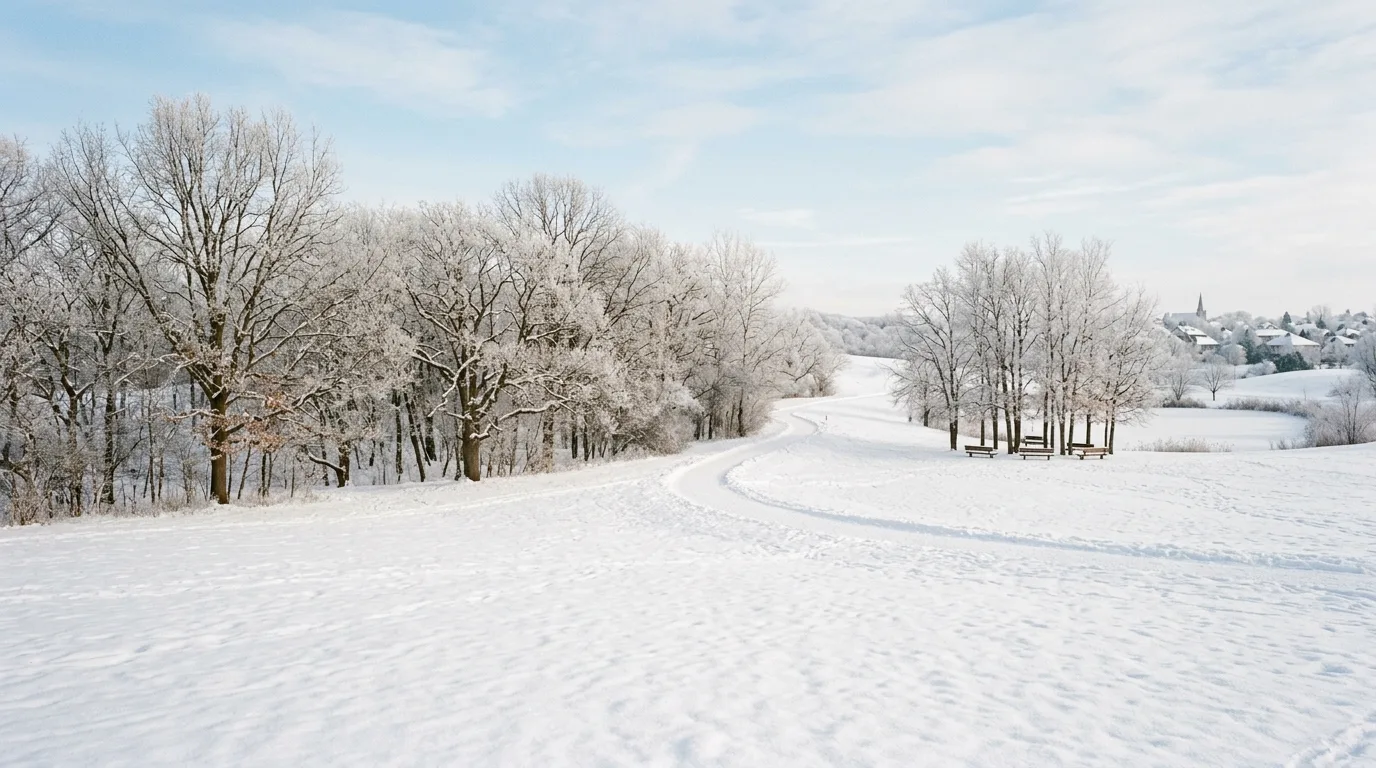
A mountain-view property framed by snow and dark tree silhouettes
Winter scenery can feel especially powerful on open properties because the snow clears away distractions and lets the broad landform relationships stand out more clearly. Dark tree silhouettes then become the visual bridge between ground and sky.
Idea 8
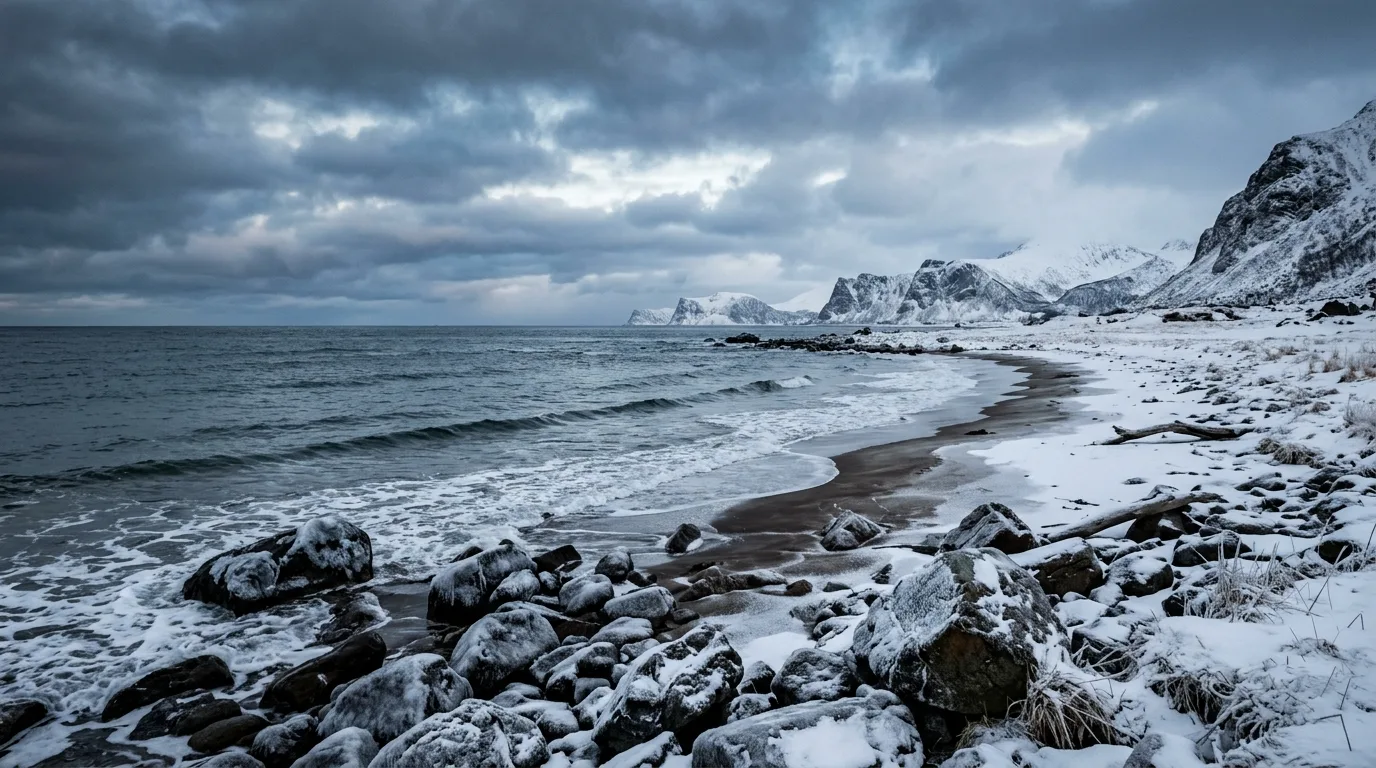
A garden room warmed visually by bark, stone, and seed heads
In winter, beauty often shifts from flower to material, and gardens that include interesting bark, textured stone, and ornamental seed heads remain compelling long after bloom has gone. That quieter richness gives the landscape dignity and long-season value.
Idea 9
A small urban yard made peaceful through minimal winter planting
Compact landscapes can feel surprisingly serene in winter when the design accepts the season instead of trying to force constant lushness, using a few strong plants and clear surfaces to create calm. The result feels spacious, deliberate, and restful.
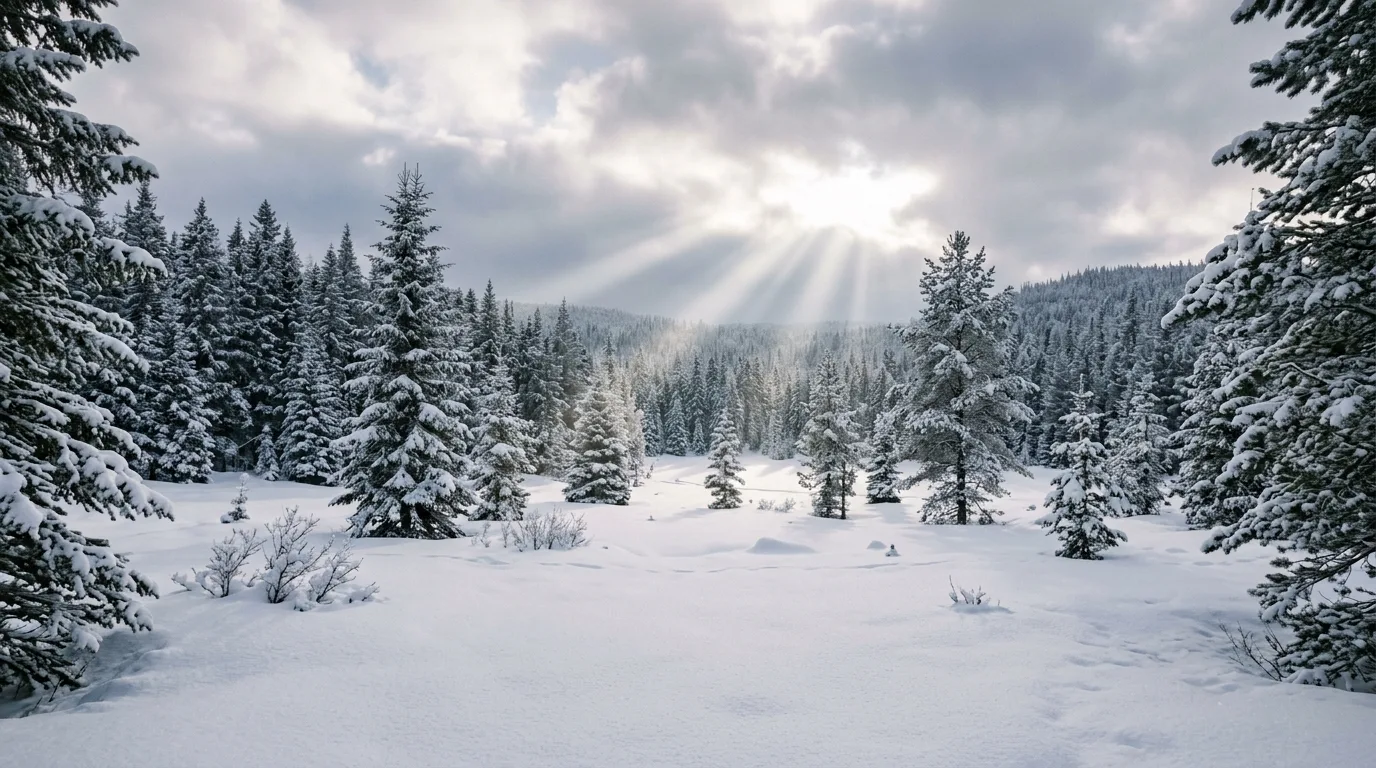
Idea 10
A fence line garden where snow highlights repeated planting rhythm
Repetition becomes more visible in winter because the softer seasonal distractions are gone, which means a well-planned fence border can actually look more elegant under snow. The rhythm of shrubs, grasses, or trunks gives the scene a quiet order.
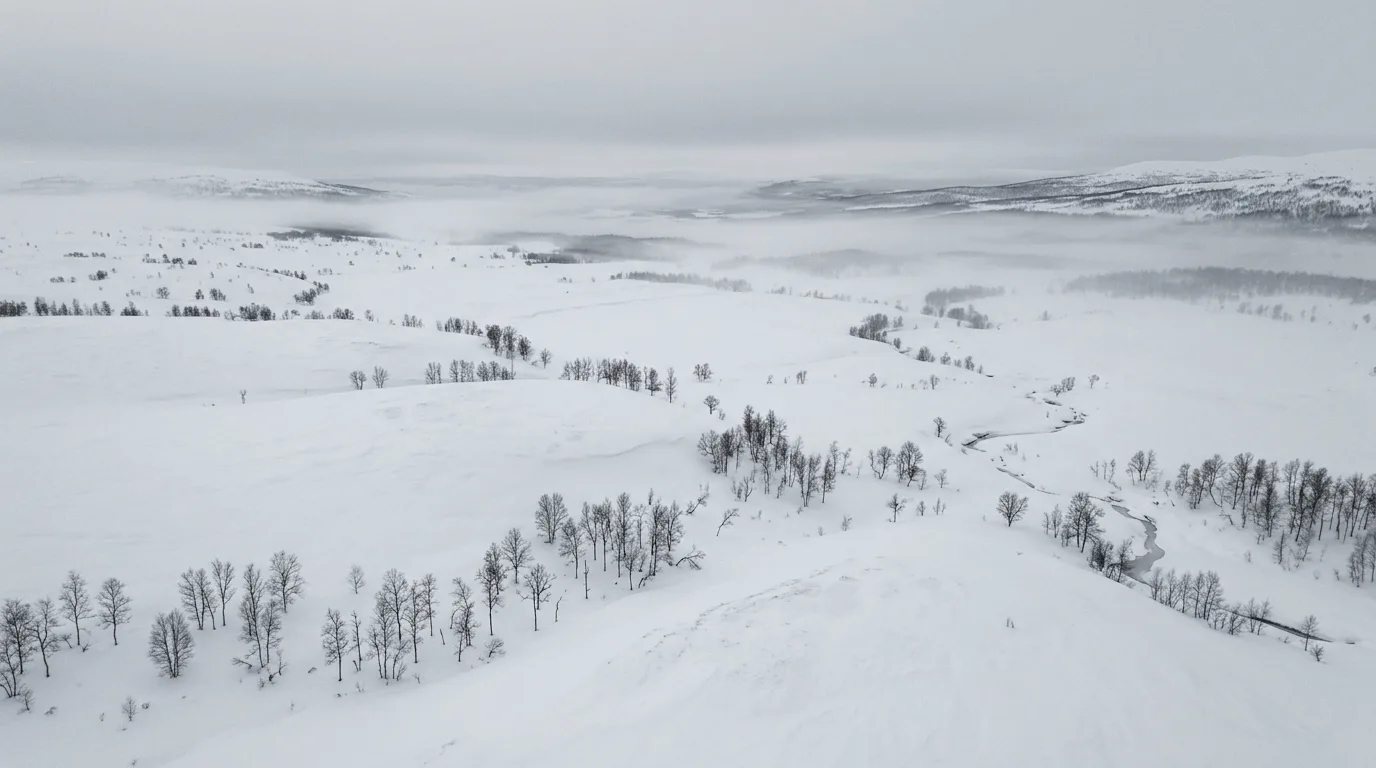
Idea 11
A broad lawn view made richer by winter shadows and low sun
Winter landscapes often depend on light as much as planting, and low seasonal sun can turn even a simple open lawn into something atmospheric through shadow and contrast. The yard feels tranquil because the effects are subtle and constantly changing through the day.
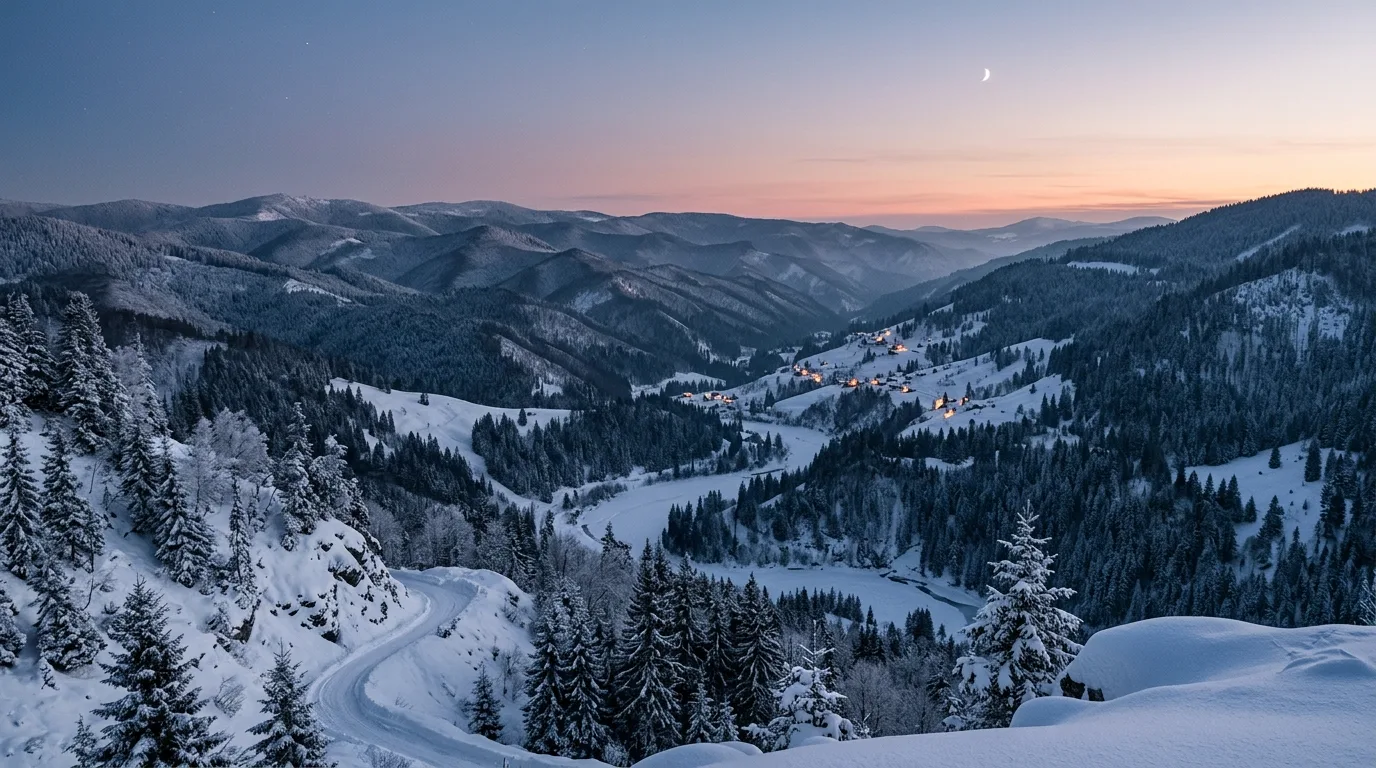
Idea 12
A patio garden that stays inviting with evergreen and firelight
Outdoor living does not have to vanish completely in winter, and patios with evergreen structure and a little warmth from lighting or fire can remain visually active through the season. The landscape still feels inhabited, which adds emotional comfort in colder months.
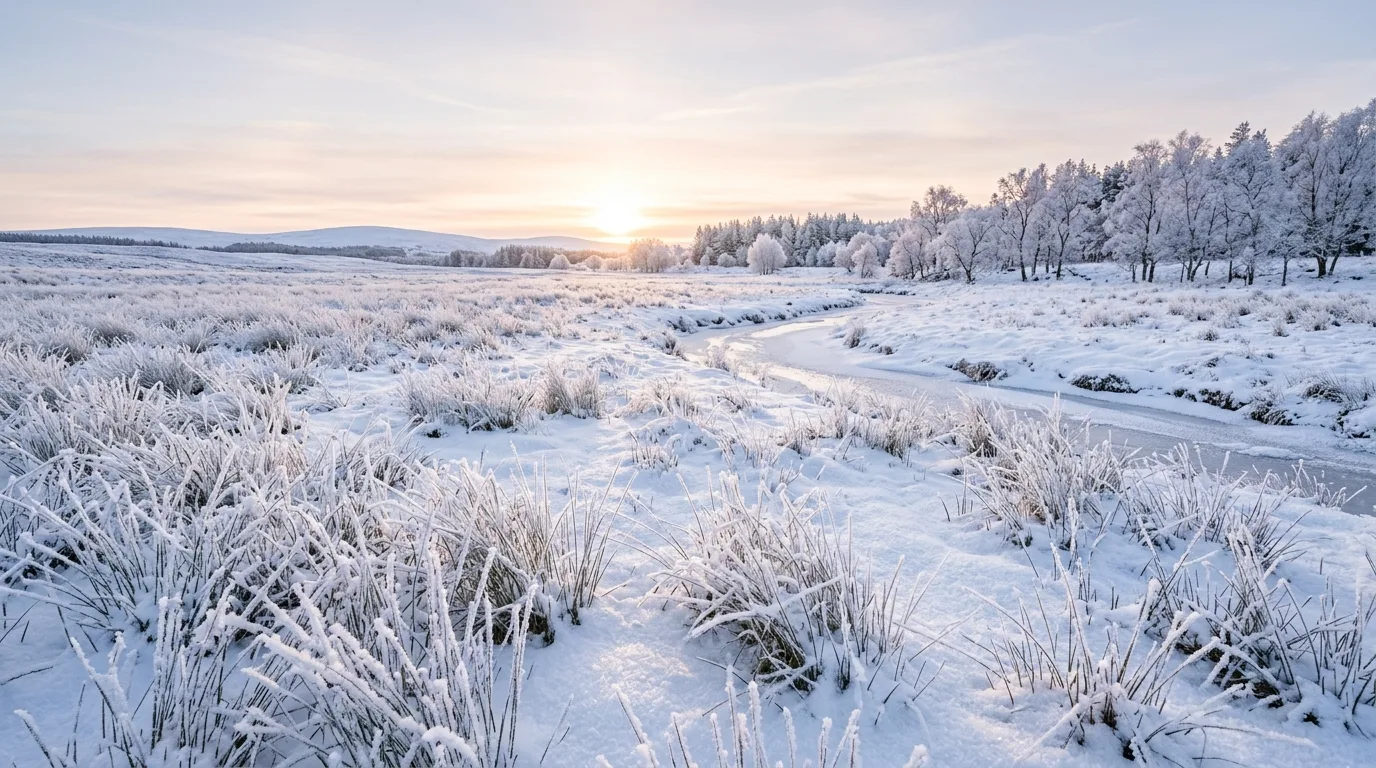
Idea 13
A year-round landscape whose winter beauty comes from restraint and structure
The most serene winter gardens usually resist the urge to compensate for dormancy and instead let structure, proportion, and a few carefully chosen plants carry the season. That restraint creates a calm beauty that feels enduring rather than temporary.
Read next on Saw & Sprout
Edible Gardens
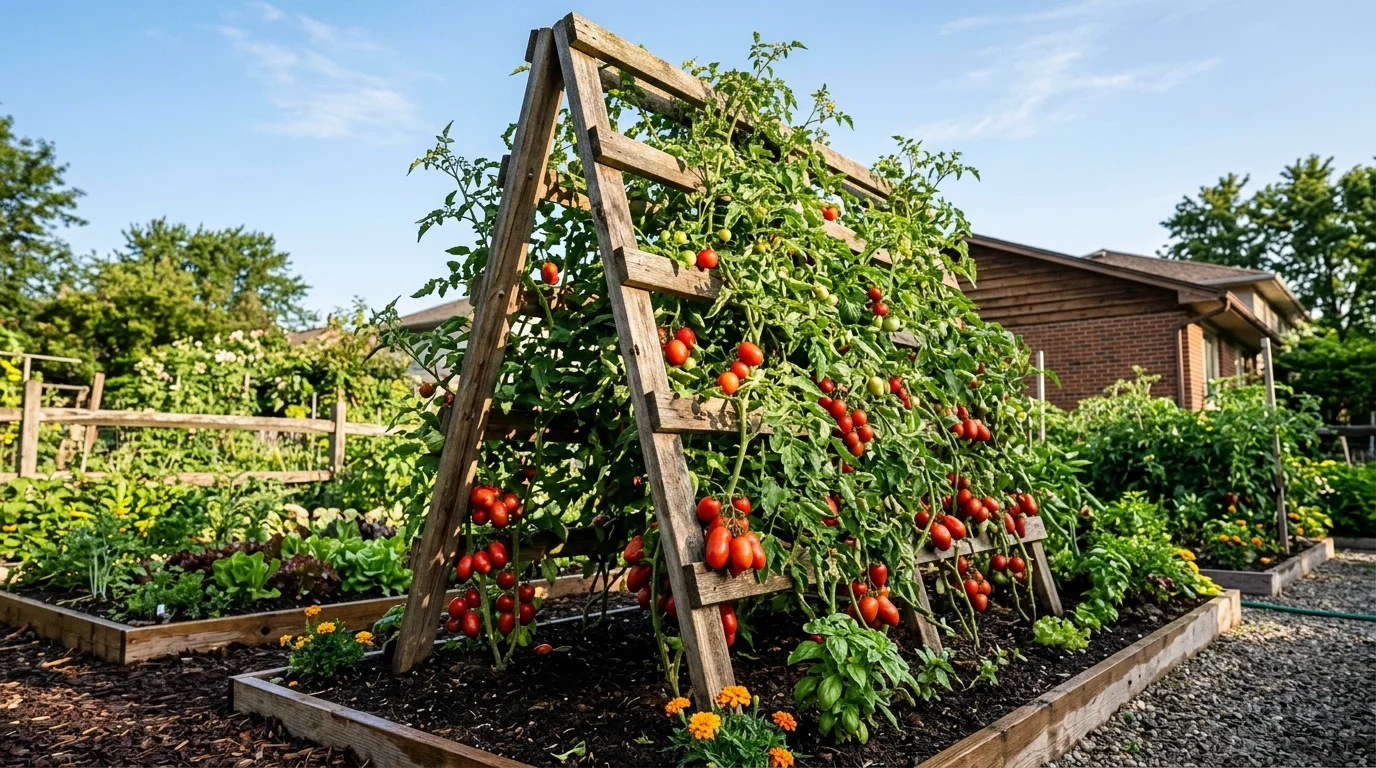
13 Clever Tomato Trellis Gardens for a Bountiful Harvest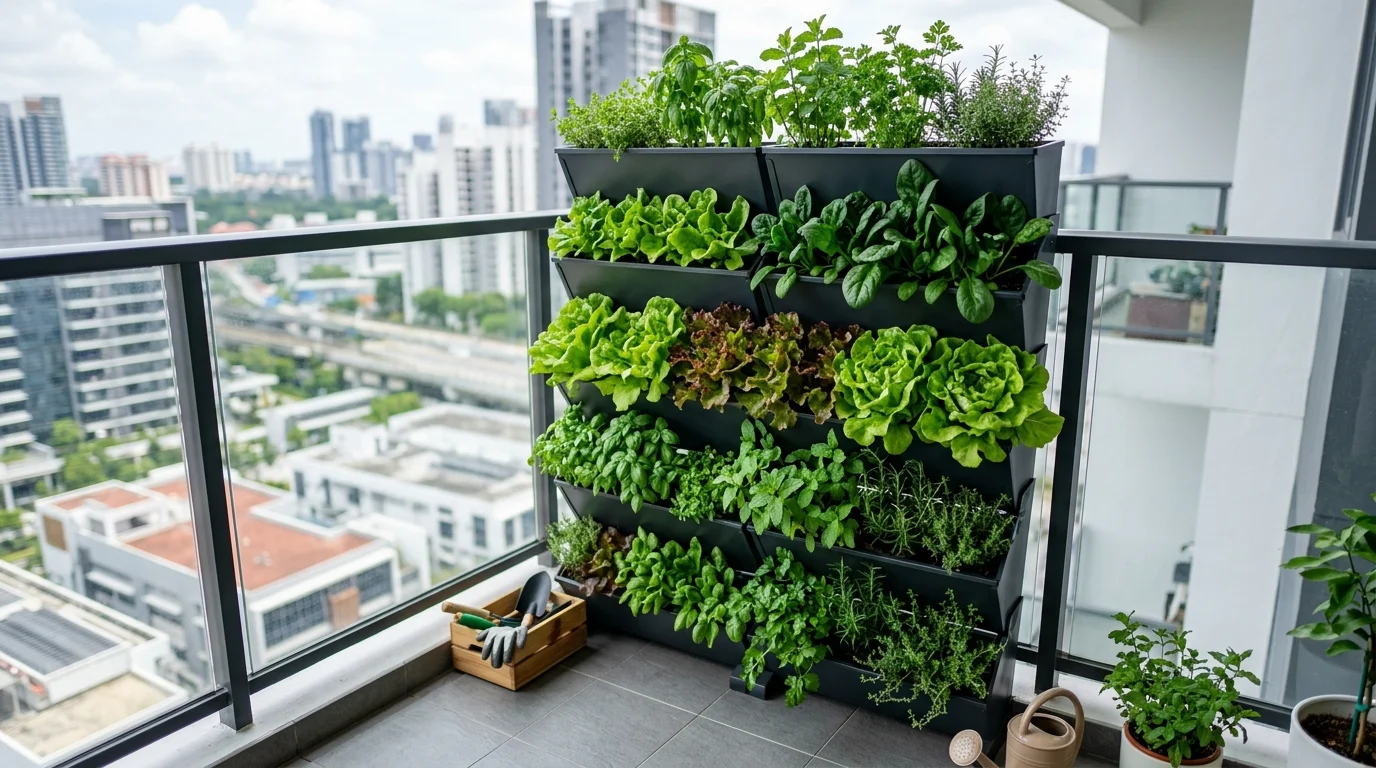
Small-Space Growing
14 Space-Saving Small Vegetable Gardens for Urban GrowersFrequently asked questions
What keeps a landscape beautiful in winter?
Evergreens, strong structure, bark texture, hardscape, seed heads, and good composition all help a yard stay attractive through winter.
Do winter landscapes need lots of evergreen plants?
Not necessarily lots, but a few well-placed evergreen anchors usually help the garden remain legible and calm in the cold season.
Why do some landscapes look better in winter than others?
They were designed with year-round form, texture, and structure in mind instead of relying only on peak blooming seasons.