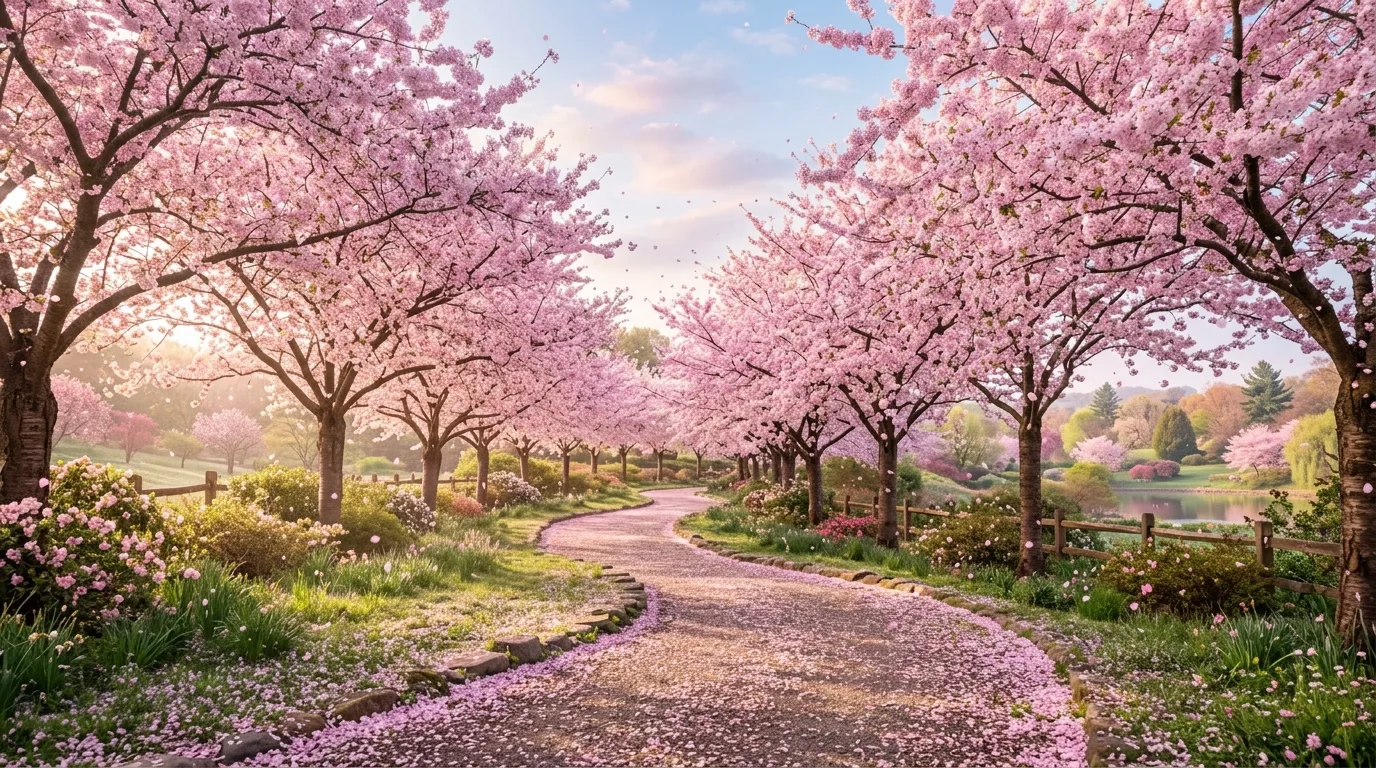
Pink flowering trees bring one of the most romantic seasonal effects a landscape can have, turning ordinary paths, lawns, patios, and entries into spaces that feel briefly magical. Their bloom is soft, dramatic, and emotionally memorable in a way few other plants can match.
The key to using them well is allowing the blossom to lead the composition. Simpler ground planes, thoughtful seating, reflections, and restrained supporting planting usually help the spring display feel more poetic and intentional.
These pink tree landscape ideas explore ways to create romantic spring scenes that still feel designed rather than overly sweet. Each one shows how blossom trees can shape the mood of a yard with remarkable grace.
Quick planning notes
Place pink flowering trees where their canopy can be appreciated from paths, entries, windows, or seating areas.
Keep supporting planting calm enough to let the blossom color stay visually prominent.
Use water, lawn, or paving as a cleaner backdrop when you want the spring display to feel brighter.
Think about branch form and structure too so the tree still contributes after peak bloom has passed.
Idea 1
A front yard centered on one flowering pink canopy tree
Pink flowering trees create their strongest impression when the landscape gives them clear visual importance, and a front yard built around one generous canopy tree feels both romantic and disciplined. The bloom becomes the event, while the rest of the yard quietly supports the show.
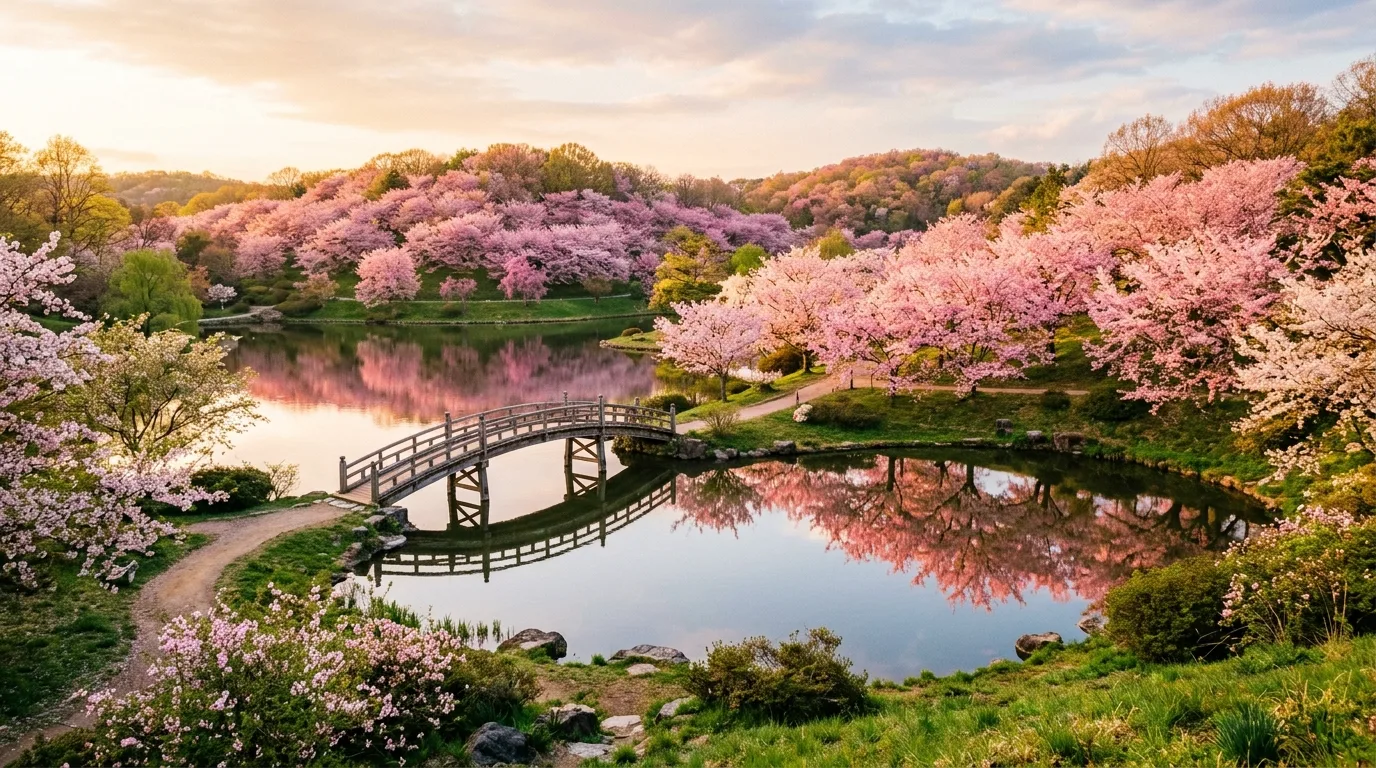
Idea 2
A garden path drifting beneath blossom-filled spring branches
Paths under pink bloom feel especially enchanting because they turn a simple walk into an immersive spring moment, with petals, filtered light, and changing shadows all shaping the mood. The landscape becomes more memorable through atmosphere rather than complexity alone.
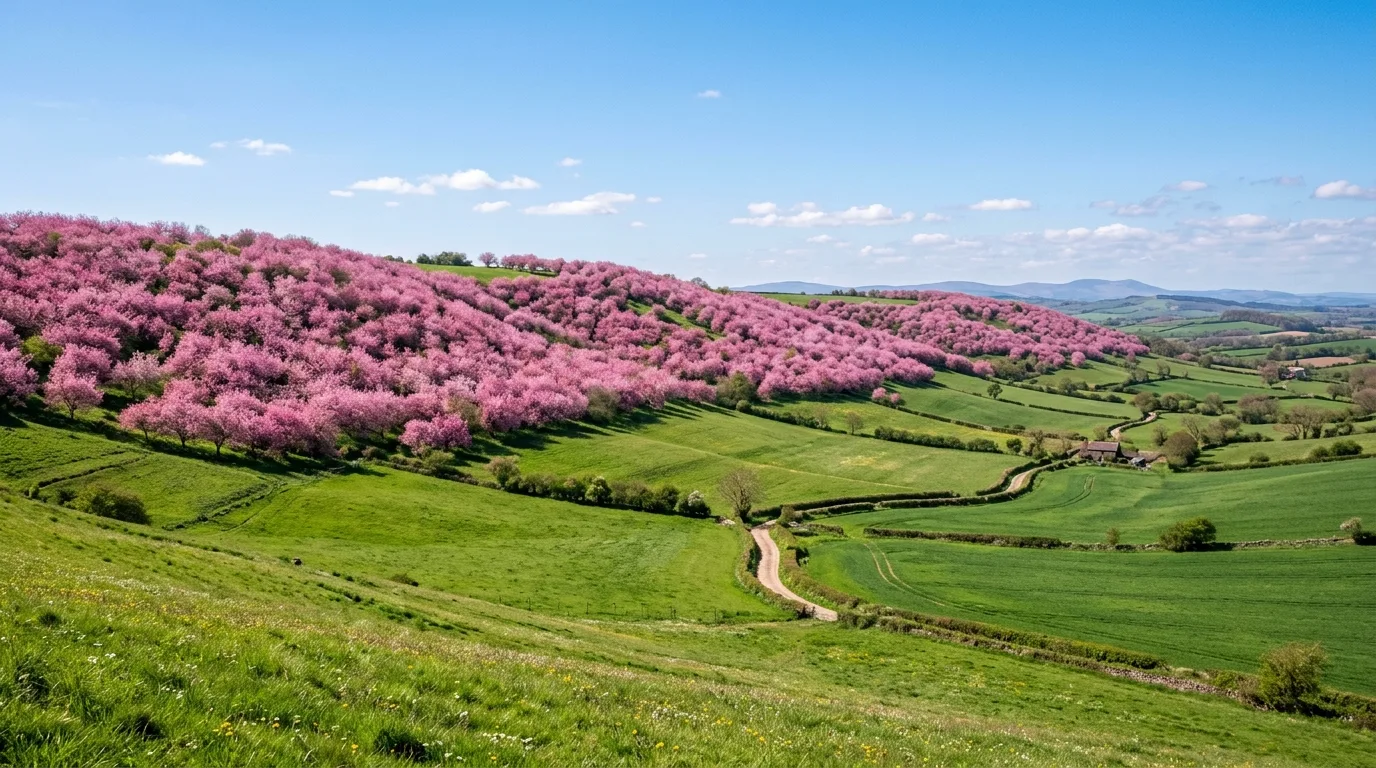
Idea 3
A courtyard scene softened by delicate pink flowering silhouettes
Courtyards often benefit from one softer vertical element that lightens the surrounding walls or paving, and pink trees are perfect for that because they add grace without blocking too much light. The effect feels romantic, refined, and very seasonally specific.
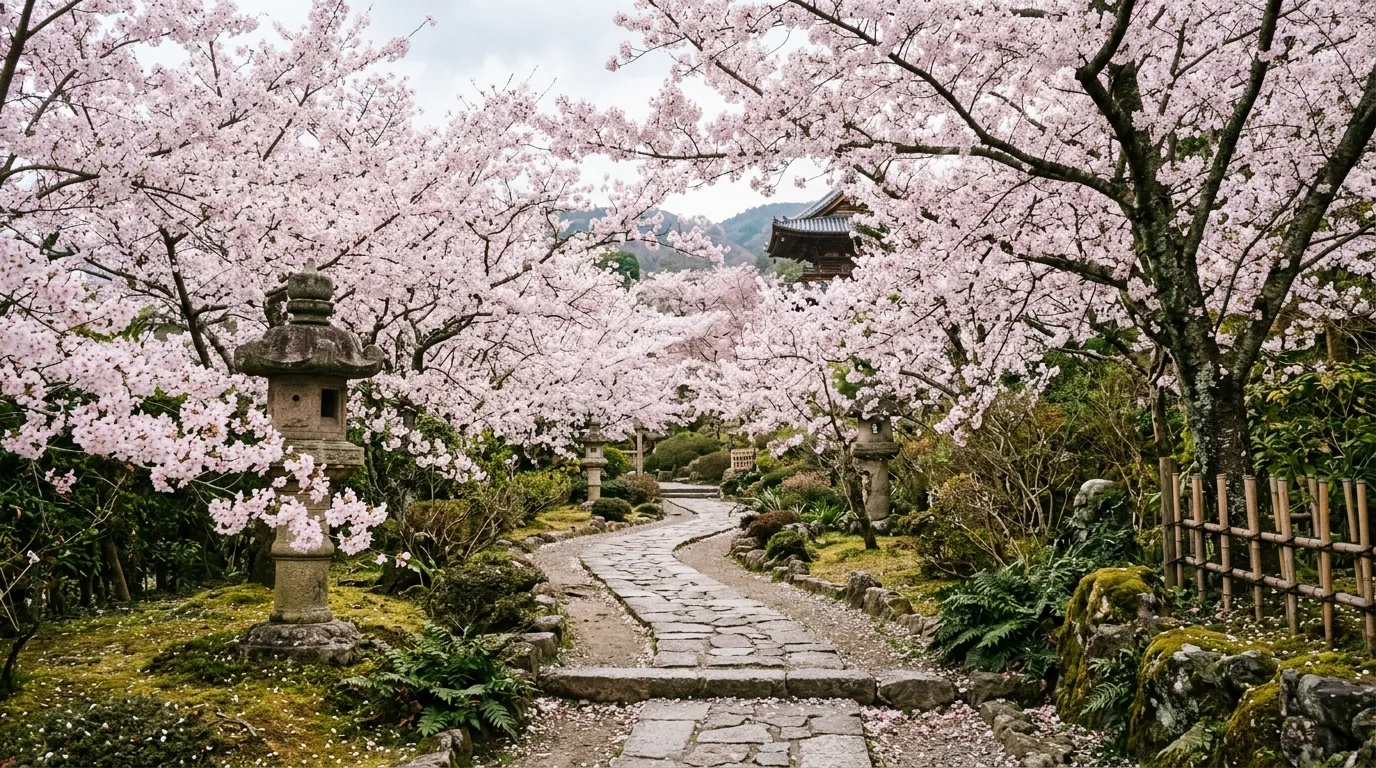
Idea 4
A lawn-edge planting plan that makes blossom color feel even brighter
Flowering trees often look best when the ground beneath and around them stays relatively simple, allowing the bloom to stand forward more clearly against grass or restrained planting. That contrast makes the spring display feel cleaner and more luminous.
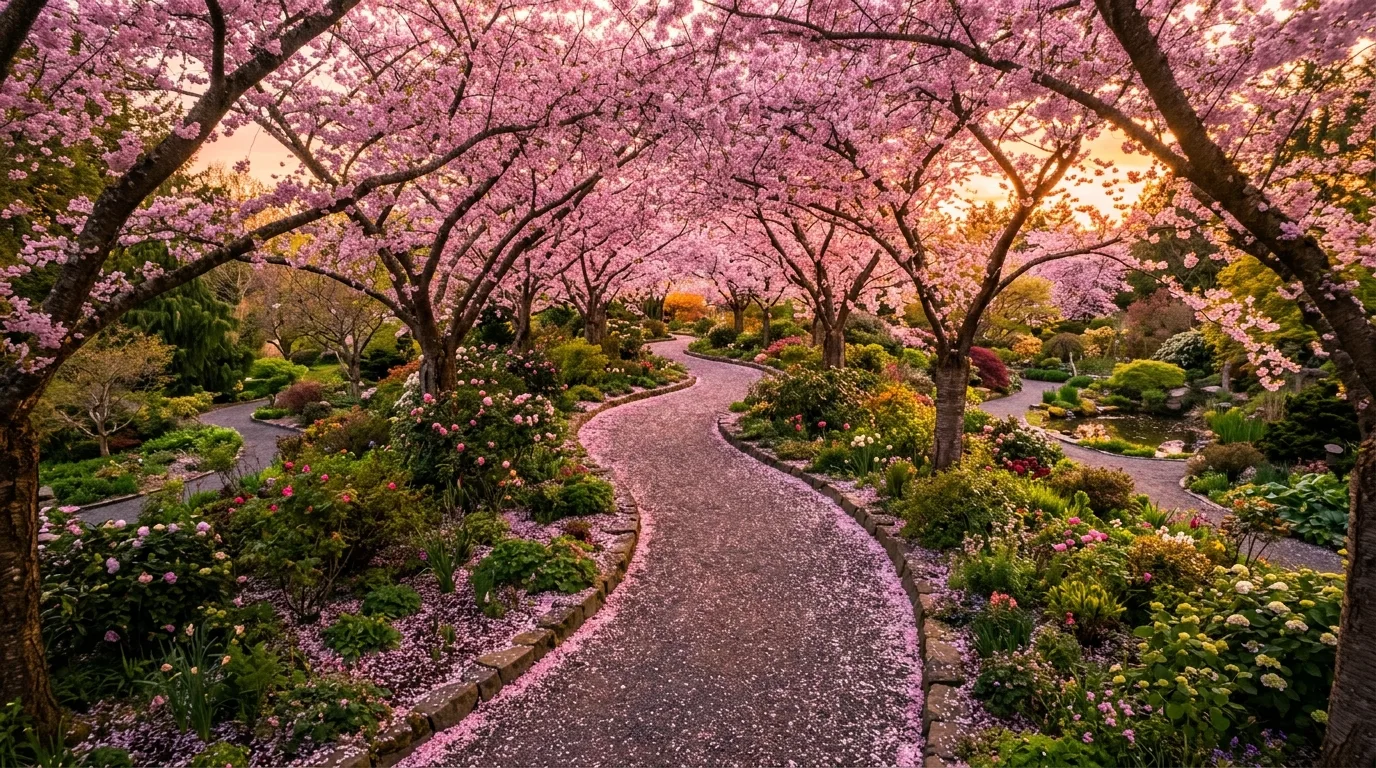
Idea 5
A pond-side pink tree composition doubled in reflection
Water has a special ability to make flowering trees feel even more dramatic because the reflection adds softness and visual depth at the same time. Around a pond, the landscape becomes deeply romantic without needing a great deal of extra decoration.
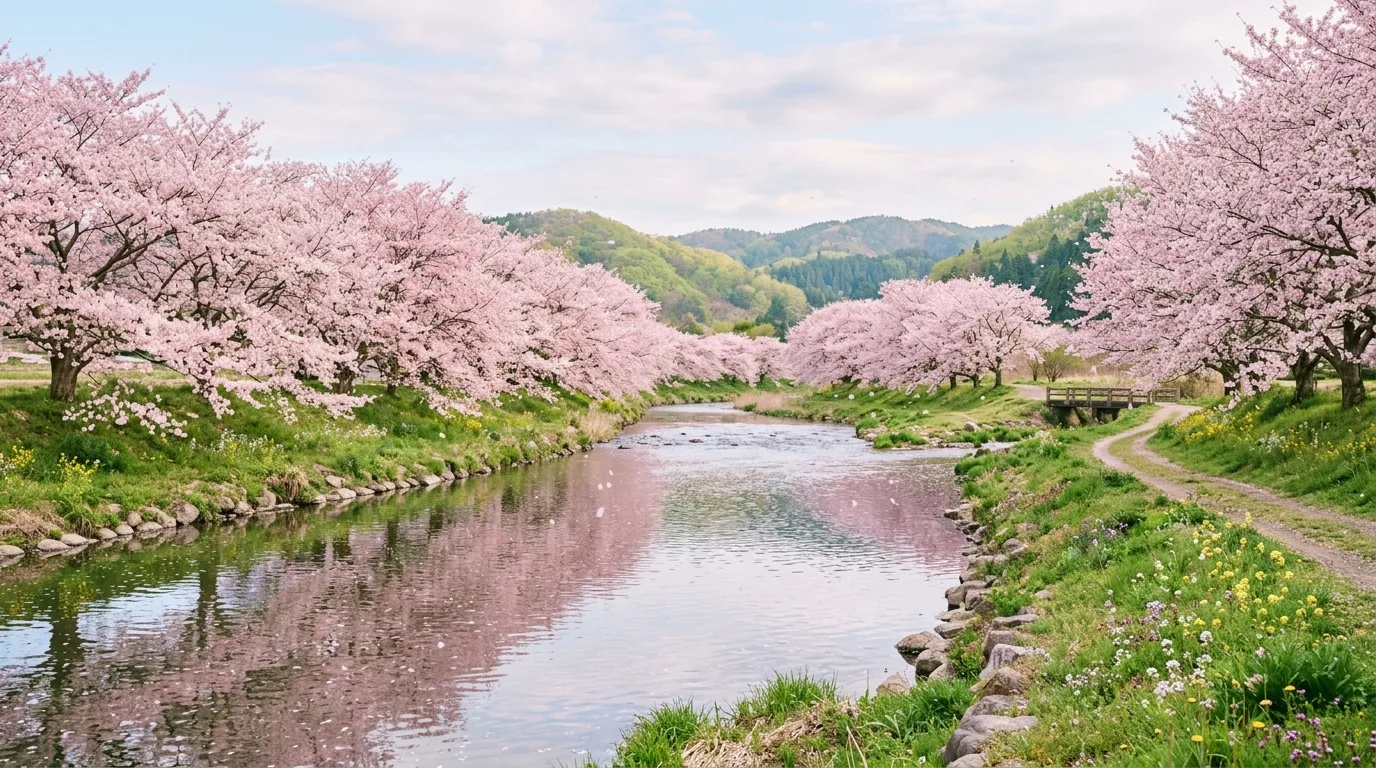
Idea 6
A narrow side garden made magical with one airy blossom tree
Smaller spaces often cannot support many dramatic elements, which is why one airy pink tree can be such a powerful choice because it gives the whole garden a clear identity without crowding it. The canopy creates enchantment while keeping the footprint usable.
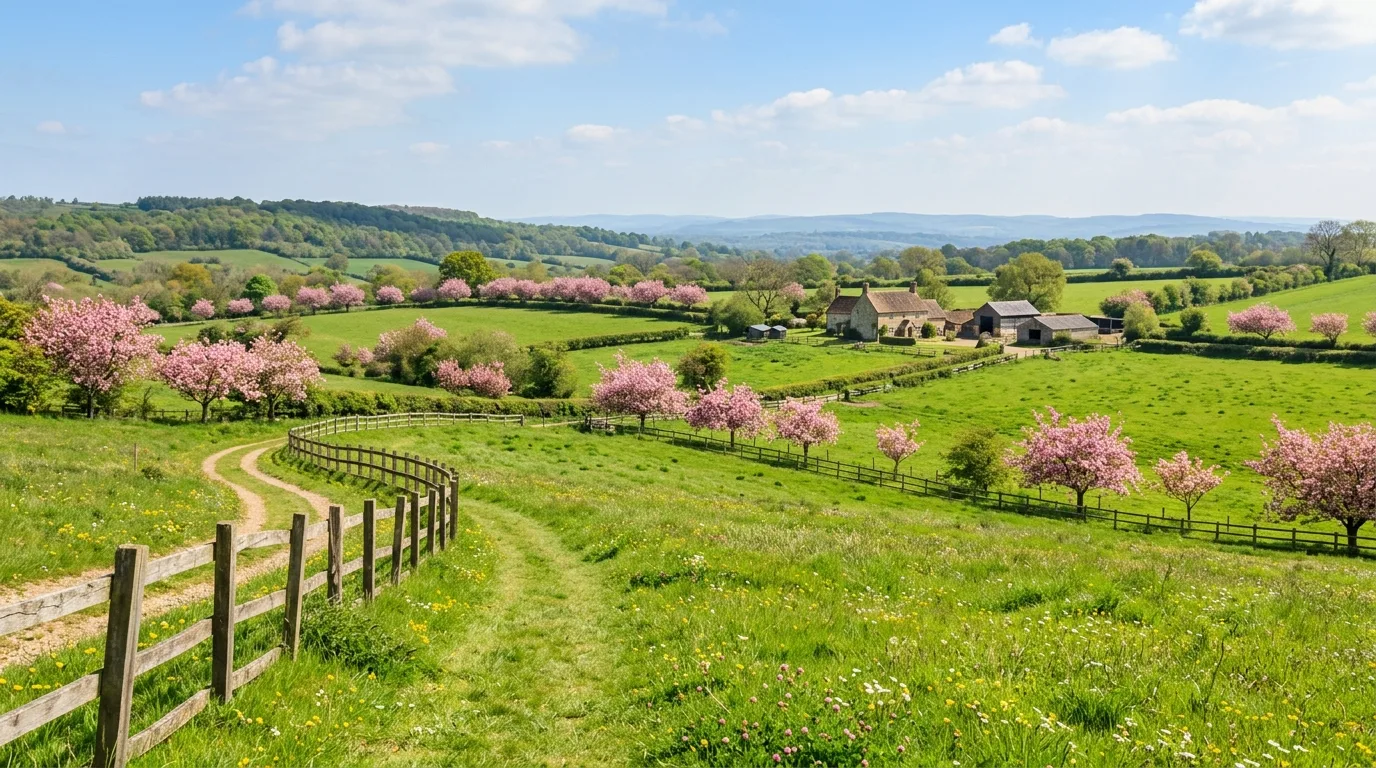
Idea 7
A layered spring border pairing pink bloom with pale understory color
Pink trees become even more beautiful when the planting below them echoes or gently contrasts the blossom tones, helping the whole scene feel composed rather than accidental. Pale understory color extends the romantic mood downward through the landscape.
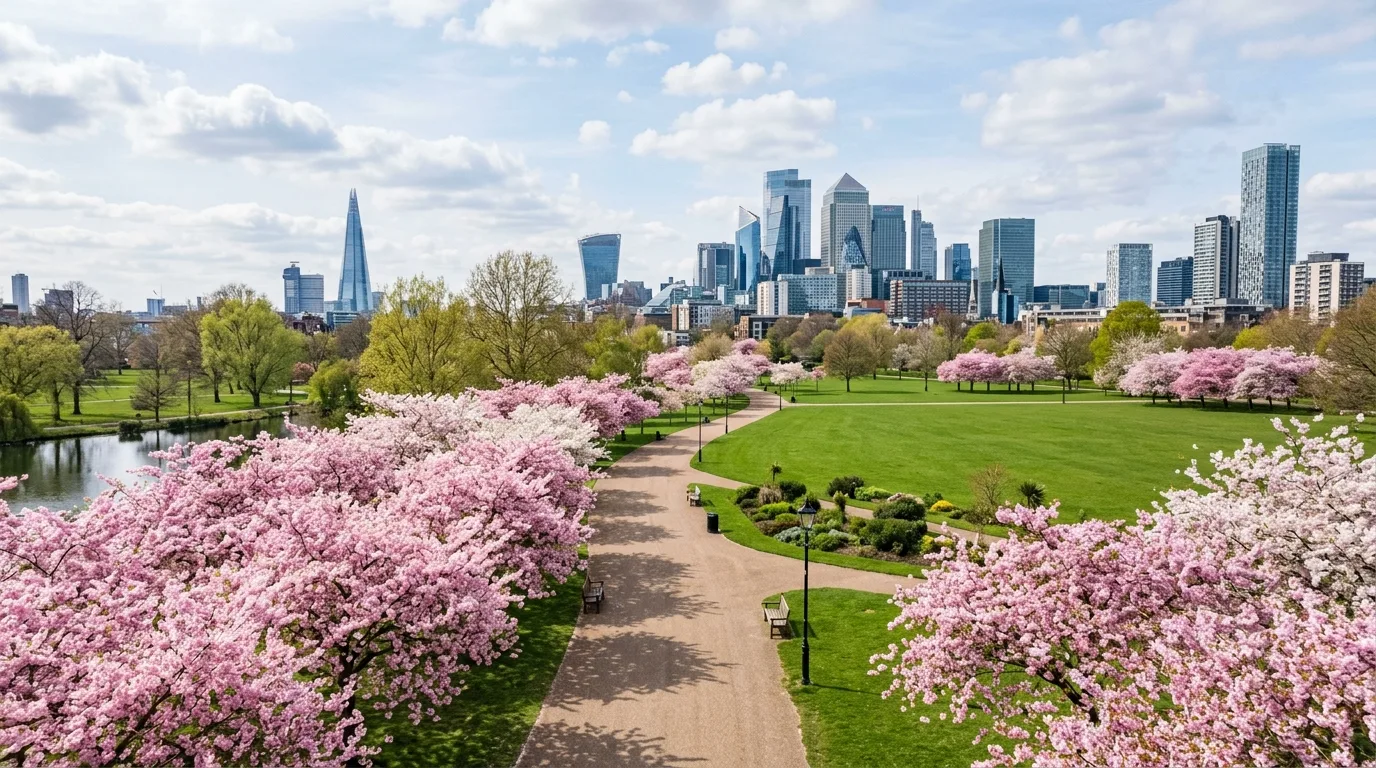
Idea 8
A formal entry softened by symmetrical pink flowering trees
Formal house fronts can sometimes feel too rigid in spring unless the planting introduces a little softness, and paired pink trees do that beautifully while still preserving balance and order. The entrance feels elegant but also unmistakably seasonal and welcoming.
Idea 9
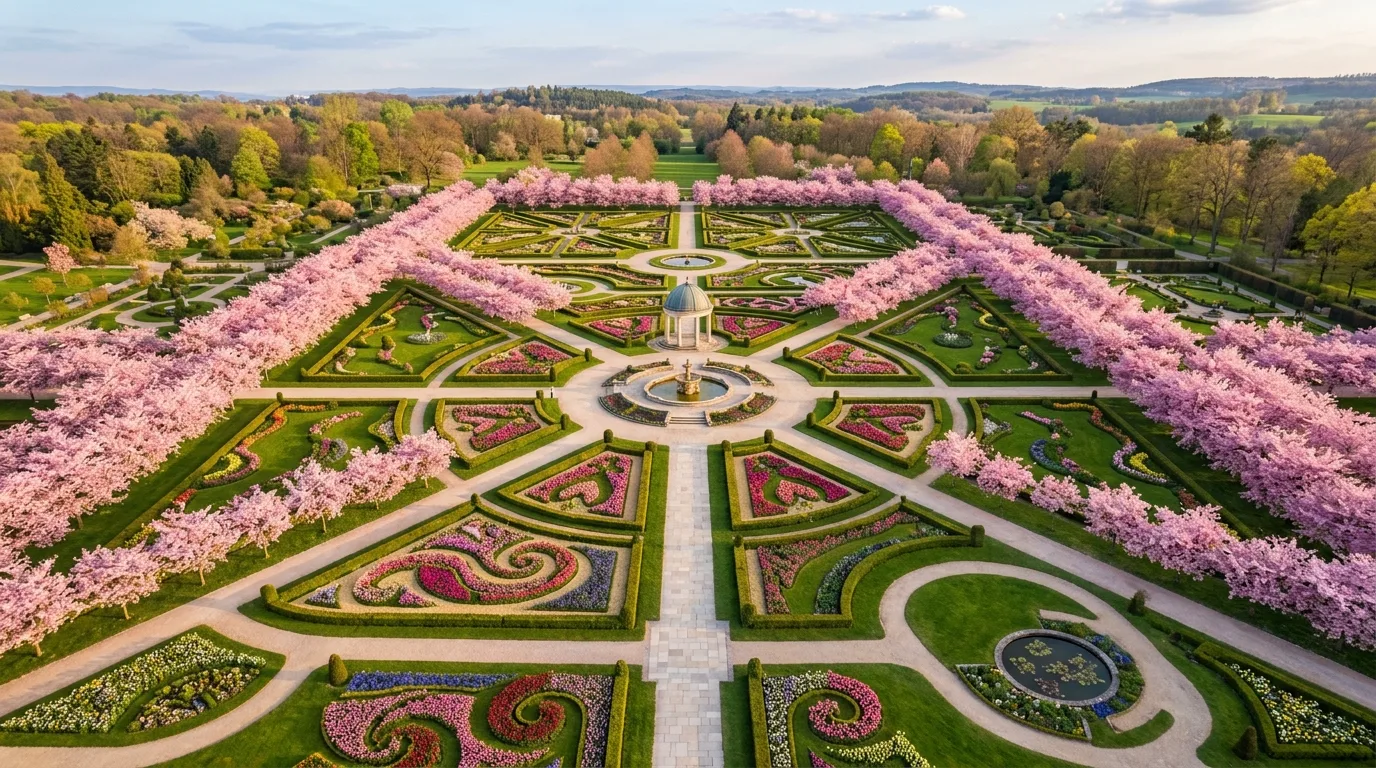
A stone terrace framed by blossoms for an outdoor tea-garden mood
Pink flowering trees bring a naturally gentle atmosphere to patios and terraces, especially when the hardscape beneath them is simple enough to let the blossom texture dominate. The space feels like a place to pause, linger, and enjoy the brief beauty of the season.
Idea 10
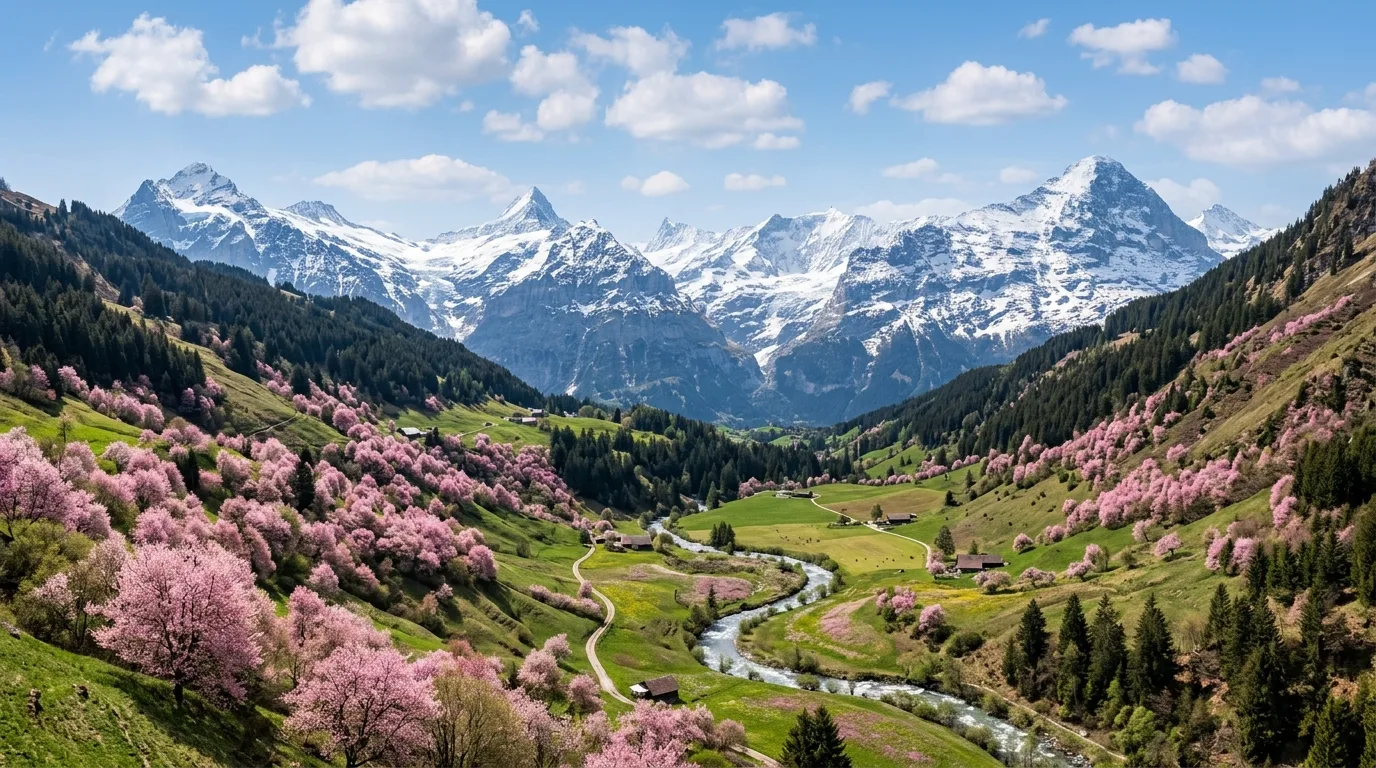
A sloped yard transformed by a run of spring pink canopy color
Slopes often need strong visual anchors to feel intentional, and repeated flowering trees can do that while making the grade much more beautiful from every angle. In spring, the whole hillside gains movement and romance through the color alone.
Idea 11
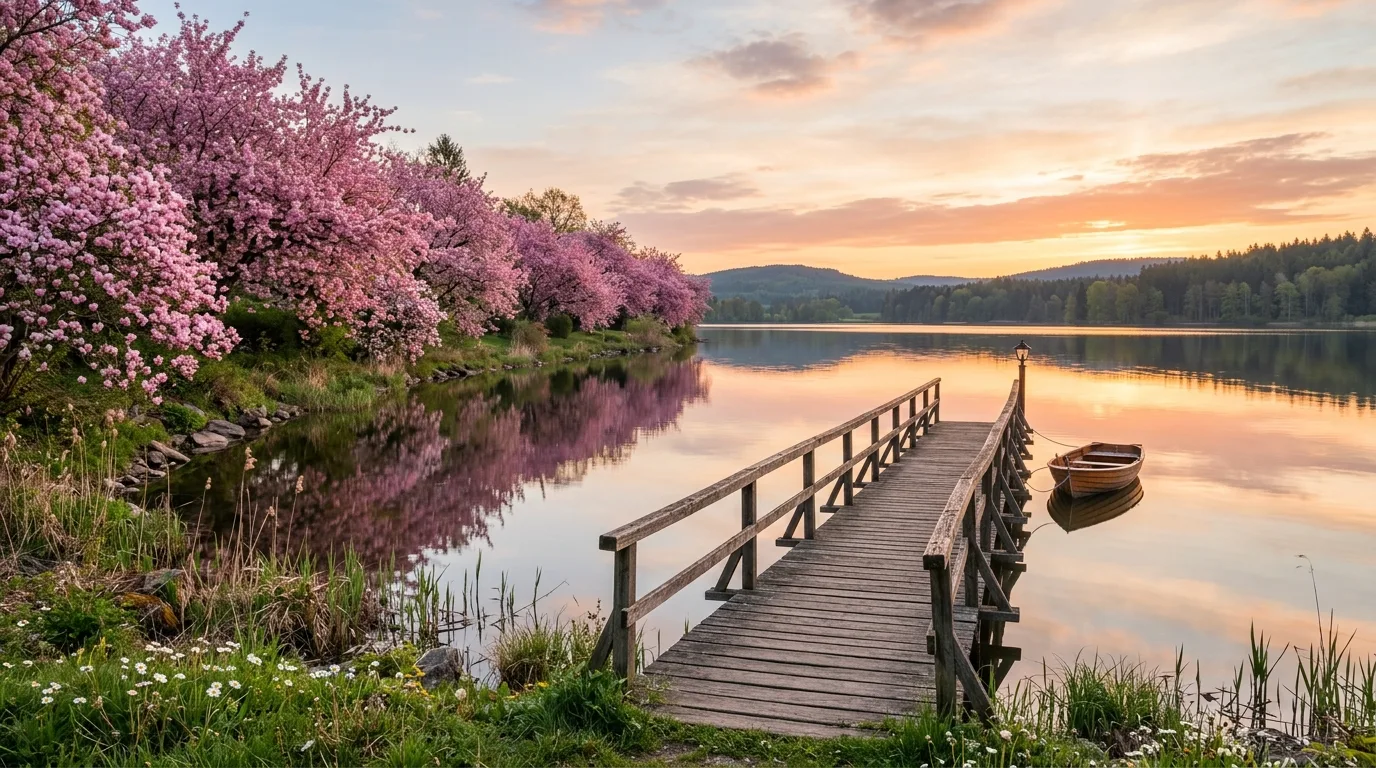
A cottage-style garden where blossom petals soften every path edge
Cottage gardens pair wonderfully with pink trees because both lean into softness, fullness, and an affectionate kind of visual abundance. When petals scatter across paths and border plants spill gently below, the whole landscape feels storybook-like in the best way.
Idea 12
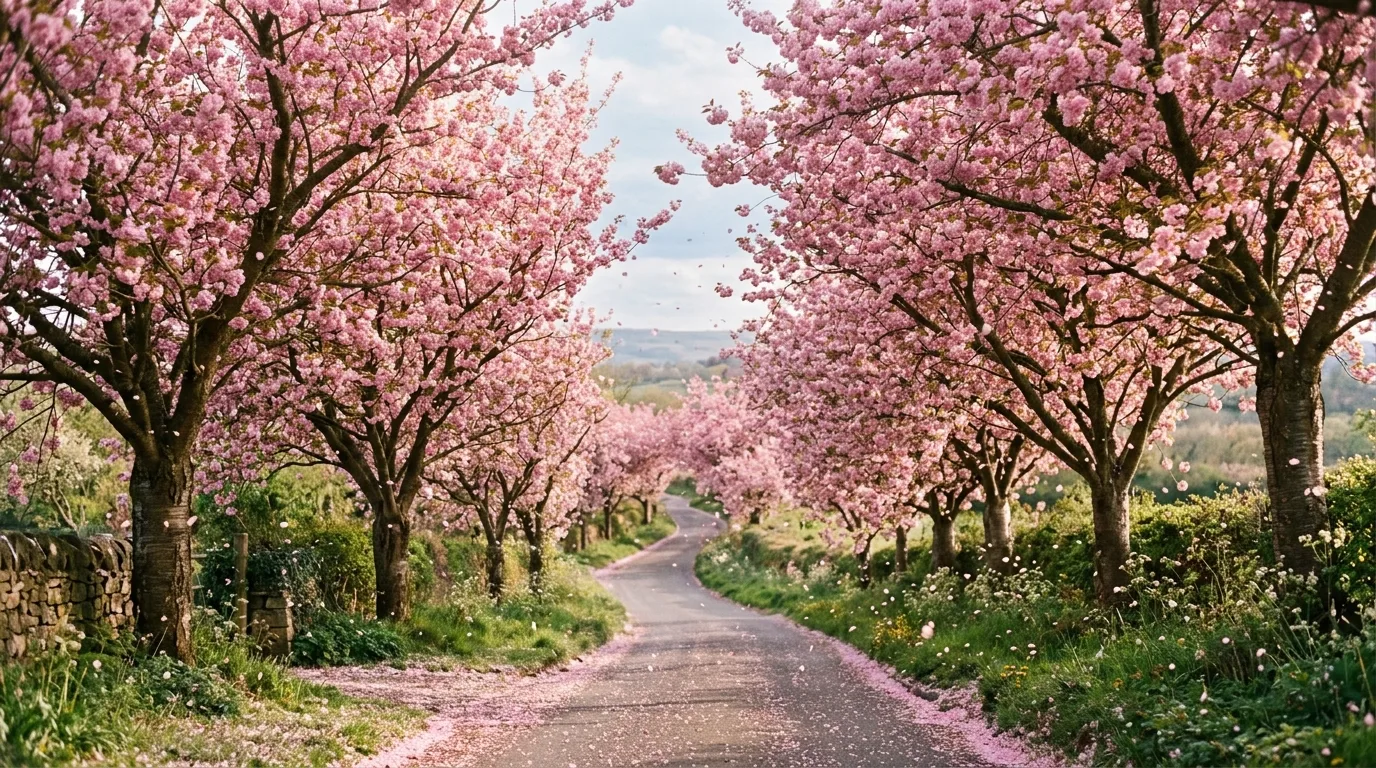
A minimalist yard using one pink tree as the only dramatic statement
Romantic spring display does not require a crowded garden, and in fact one flowering tree can feel even more powerful in a restrained landscape where its bloom is allowed to stand almost alone. The simplicity makes the pink canopy feel sculptural and precious.
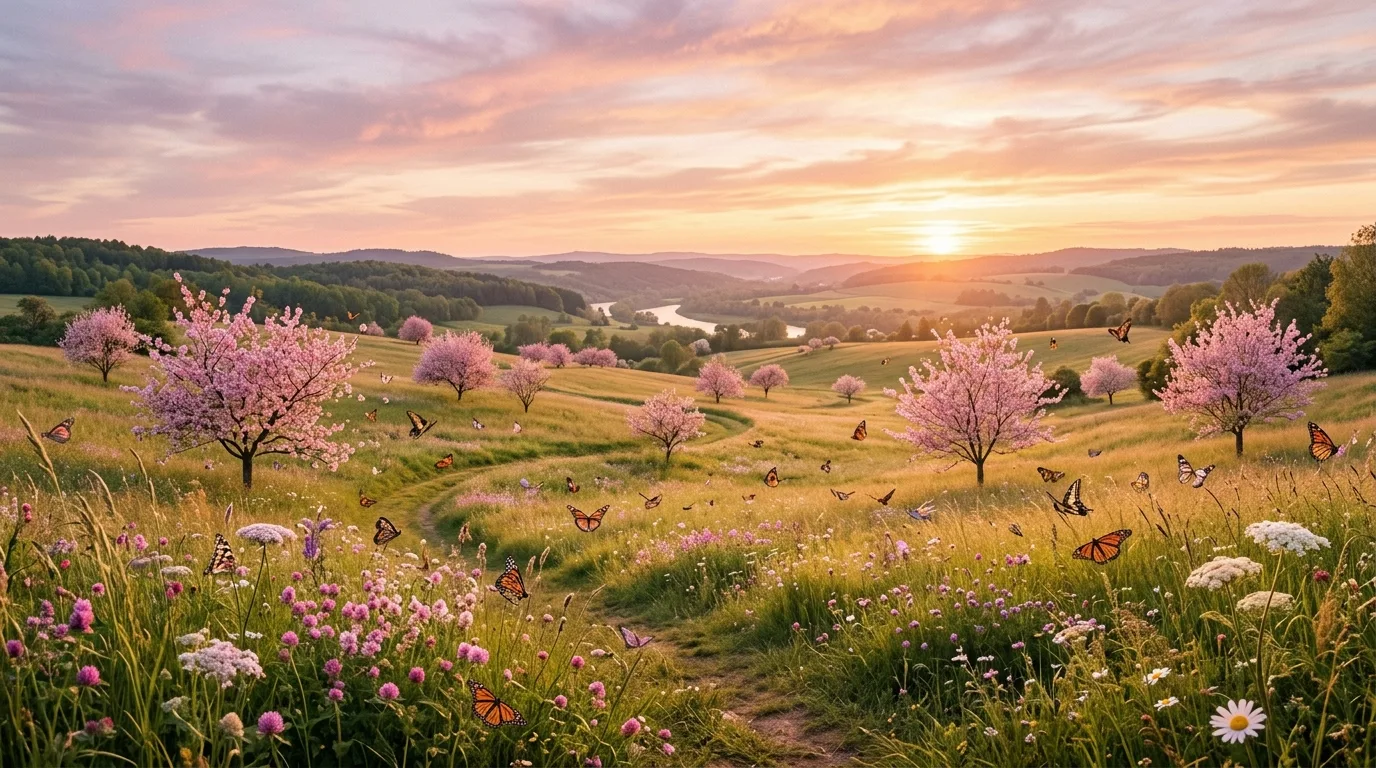
Idea 13
A backyard seating area tucked beside a cloud of pink bloom
Sitting close to a flowering tree changes the experience from admiring color at a distance to inhabiting it, which is why blossom-adjacent seating feels so memorable in spring. The landscape becomes gentler and more emotionally resonant because the bloom surrounds daily life.

Idea 14
A romantic spring yard that uses pink trees as its main seasonal signature
The most beautiful pink-tree landscapes understand that the blossom itself is enough to define the season when the rest of the yard is composed with restraint and care. With good sightlines and supporting planting, the spring display feels poetic, polished, and completely tied to the title of the garden.
Read next on Saw & Sprout
Edible Gardens
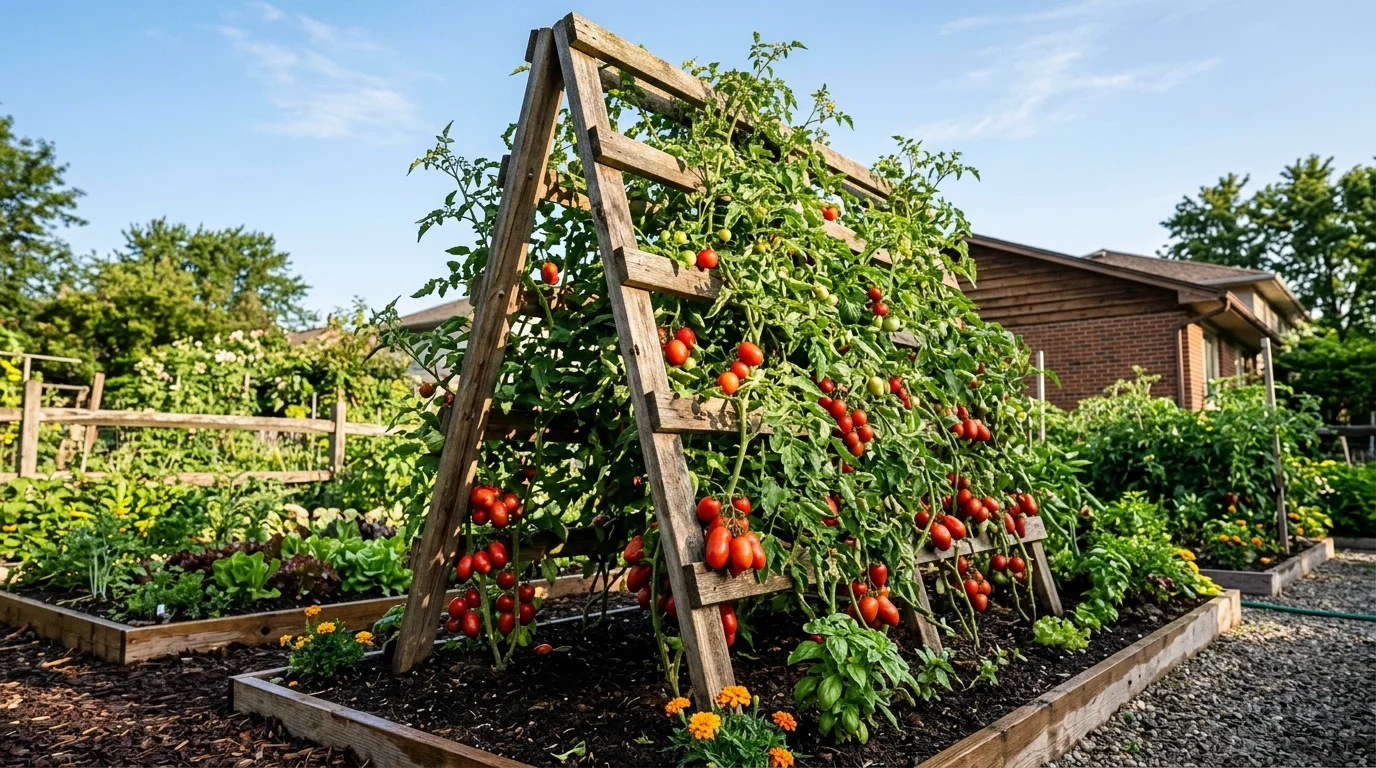
13 Clever Tomato Trellis Gardens for a Bountiful Harvest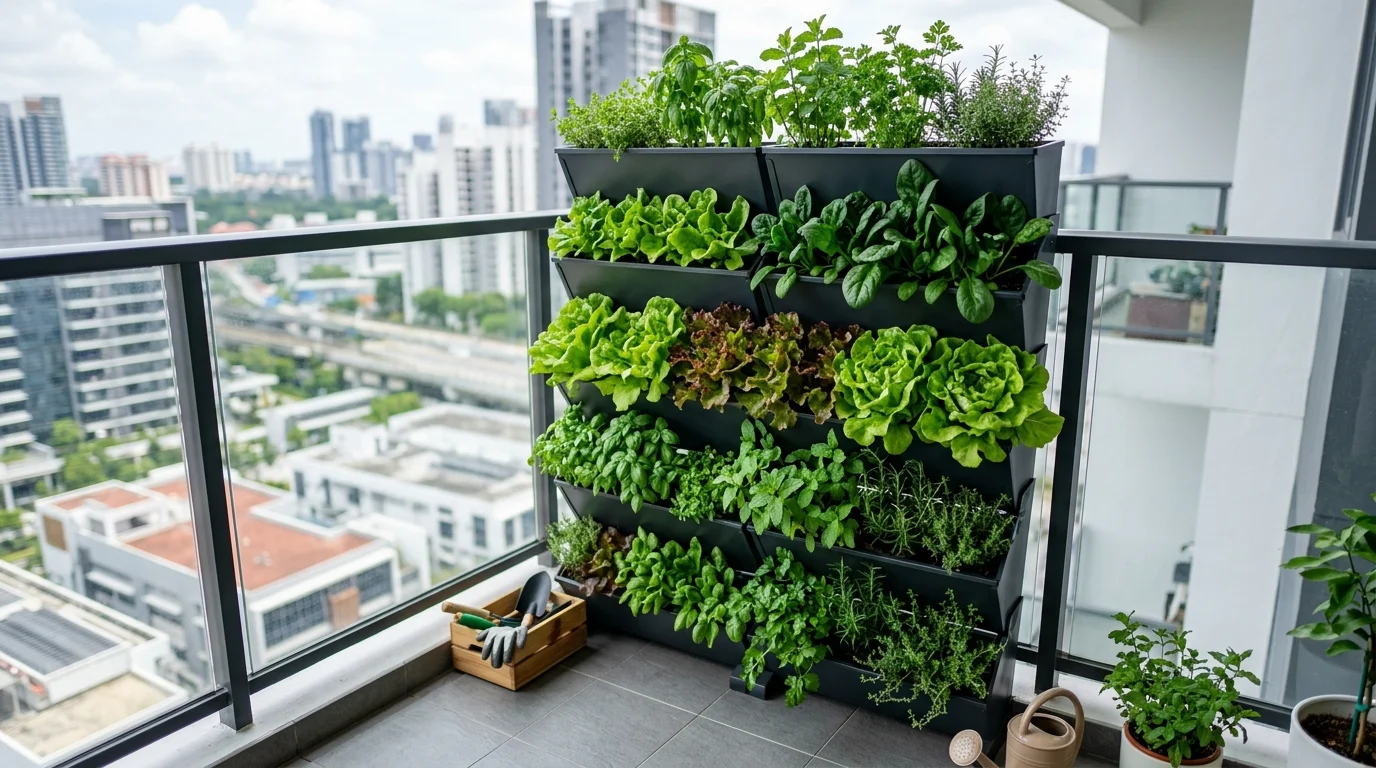
Small-Space Growing
14 Space-Saving Small Vegetable Gardens for Urban GrowersFrequently asked questions
Why are pink flowering trees so popular in spring landscapes?
They create a romantic, highly visible seasonal display that can transform the mood of a whole yard very quickly.
Where do pink trees make the biggest impact?
They are especially effective at entries, along paths, beside patios, near ponds, and in open lawns where the bloom can be seen clearly.
How do you keep a pink tree landscape from feeling too busy?
Use simpler supporting planting, clearer ground surfaces, and good spacing so the blossom remains the main focus.