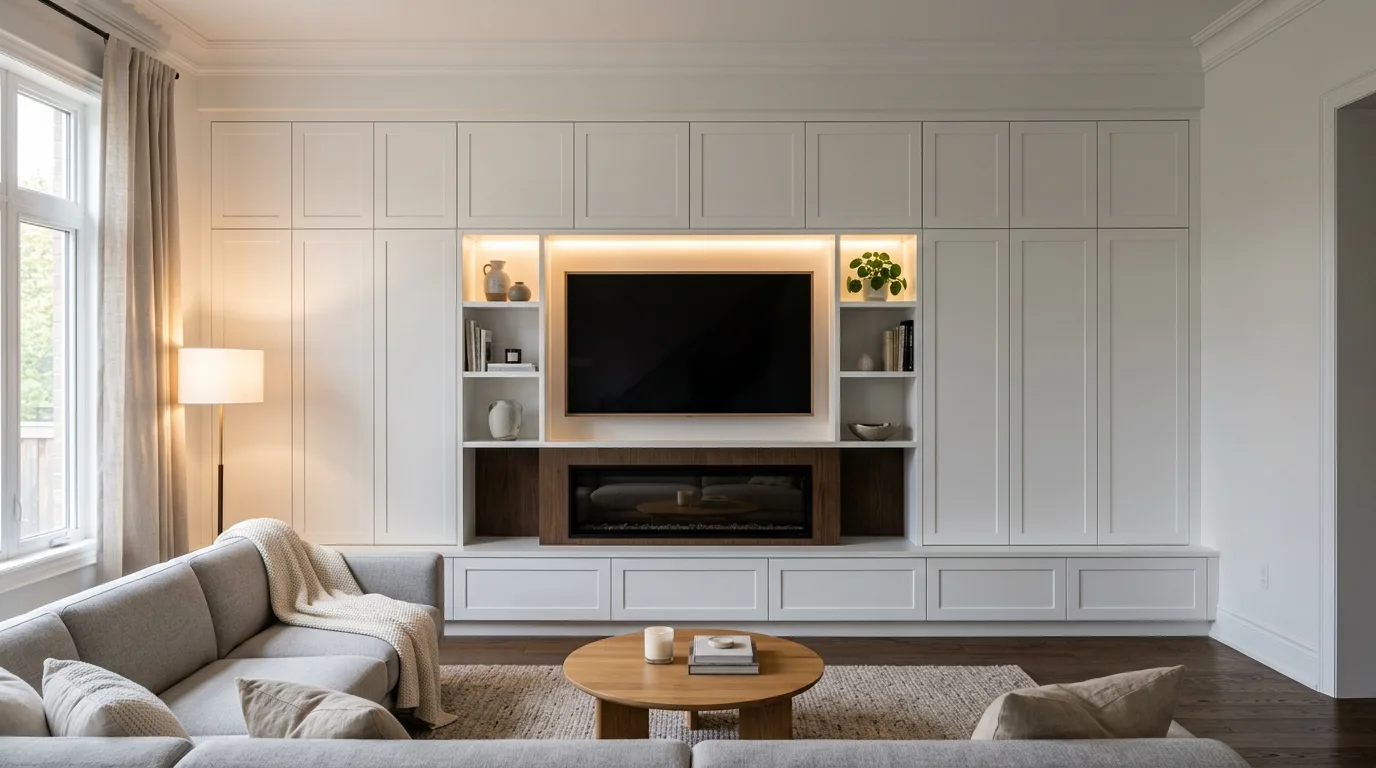
Built in cabinets are powerful because they make storage feel like part of the architecture instead of an extra layer added afterward. That seamless quality can help a room feel calmer, more finished, and much more efficient without relying on oversized freestanding furniture.
The best built ins respond directly to the wall, alcove, window, or room shape they occupy. They use exact dimensions to solve awkward gaps, anchor focal points, and create storage that looks as if it was always meant to be there.
These ideas focus on built in cabinets that feel integrated, practical, and visually quiet in the best way. Some create major statement walls, some solve subtle storage needs, and all of them aim to make the room feel more complete.
Quick planning notes
Measure around baseboards, windows, ceilings, and uneven walls carefully, because built ins look most convincing when they fit the architecture tightly.
Decide whether the cabinet should highlight a focal point or disappear into the room, since that choice influences color, trim, hardware, and how much open display space to include.
Use the interior storage plan to shape the exterior design, because the best built ins are not only beautiful on the outside but genuinely useful behind the doors and drawers.
Match the proportions to nearby architectural lines so the finished cabinet feels intentional and not simply oversized.
Idea 1
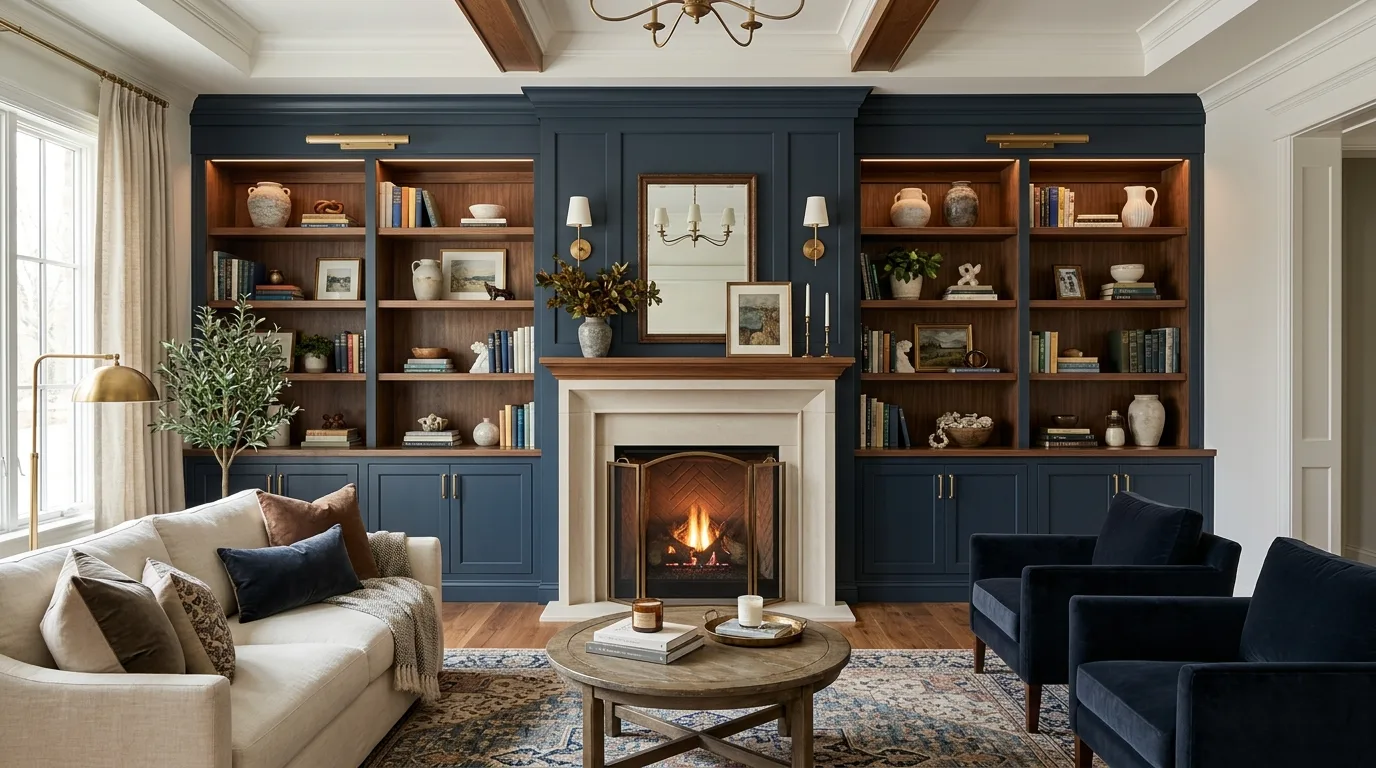
Living room built in cabinets flanking a fireplace
Cabinets on both sides of a fireplace make the whole wall feel settled and architectural because storage and display are handled in a balanced way. This classic arrangement works so well because it gives a focal point more substance without overwhelming it.
Idea 2
Window seat built ins with drawers below and shelves above
A window seat framed by cabinetry can transform an ordinary wall into one of the most useful and inviting places in the home. Drawers below keep practical storage close while the shelves above create a softer layered finish around the nook.
Idea 3
Dining room built in buffet with glass display uppers
A built in buffet gives dining rooms stronger everyday function because serving pieces, linens, and glassware all stay close to the table. Glass uppers lighten the composition so the wall feels elegant rather than blocky.
Idea 4
Office built ins wrapping a central desk niche
Built ins around a desk niche make a home office feel deeply intentional because the furniture follows the room rather than sitting as separate pieces within it. That integration often creates better storage and a calmer visual field for focused work.
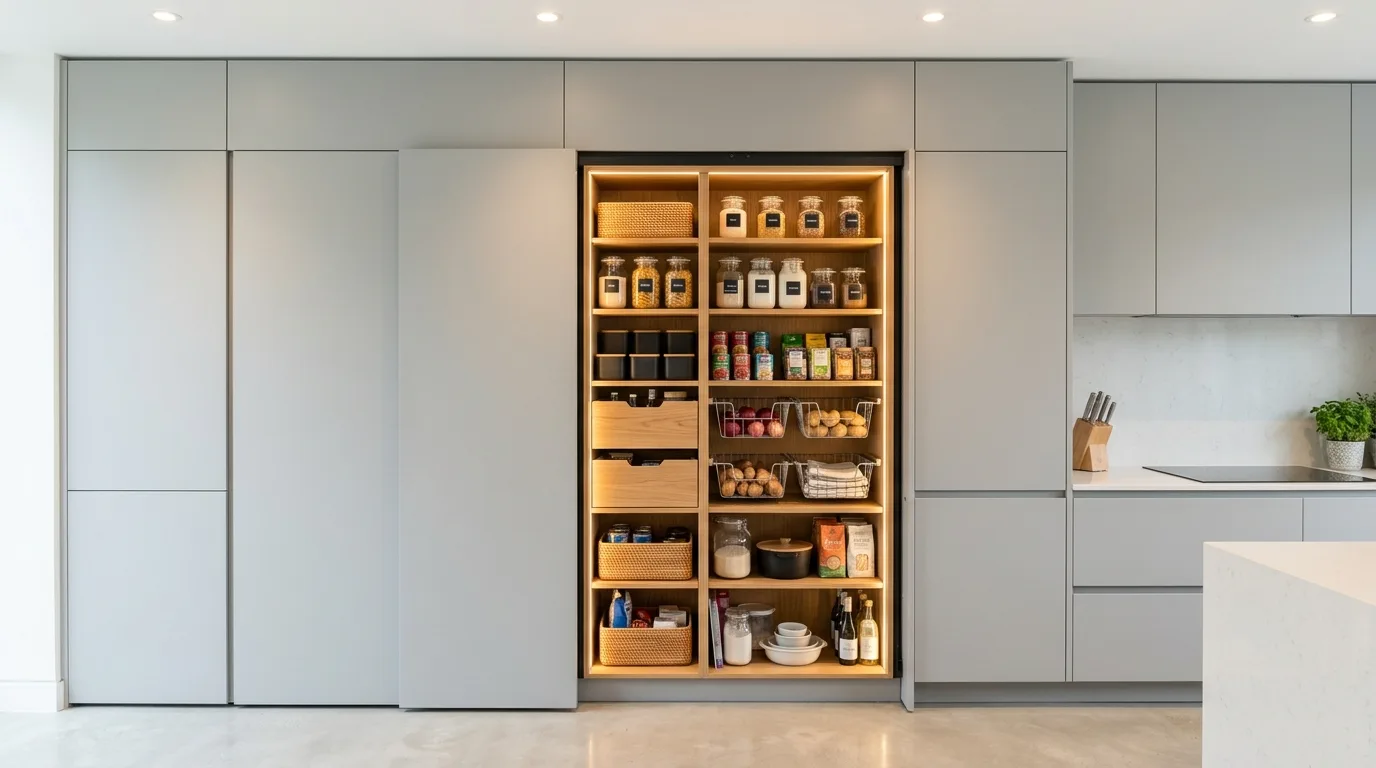
Idea 5
Bedroom built in wardrobe around the bed wall
Surrounding the bed with cabinetry can make a smaller bedroom feel smarter because storage is absorbed into the architecture instead of added through extra furniture. The effect is especially strong when the side cabinets double as nightstands and the uppers bridge the wall neatly.
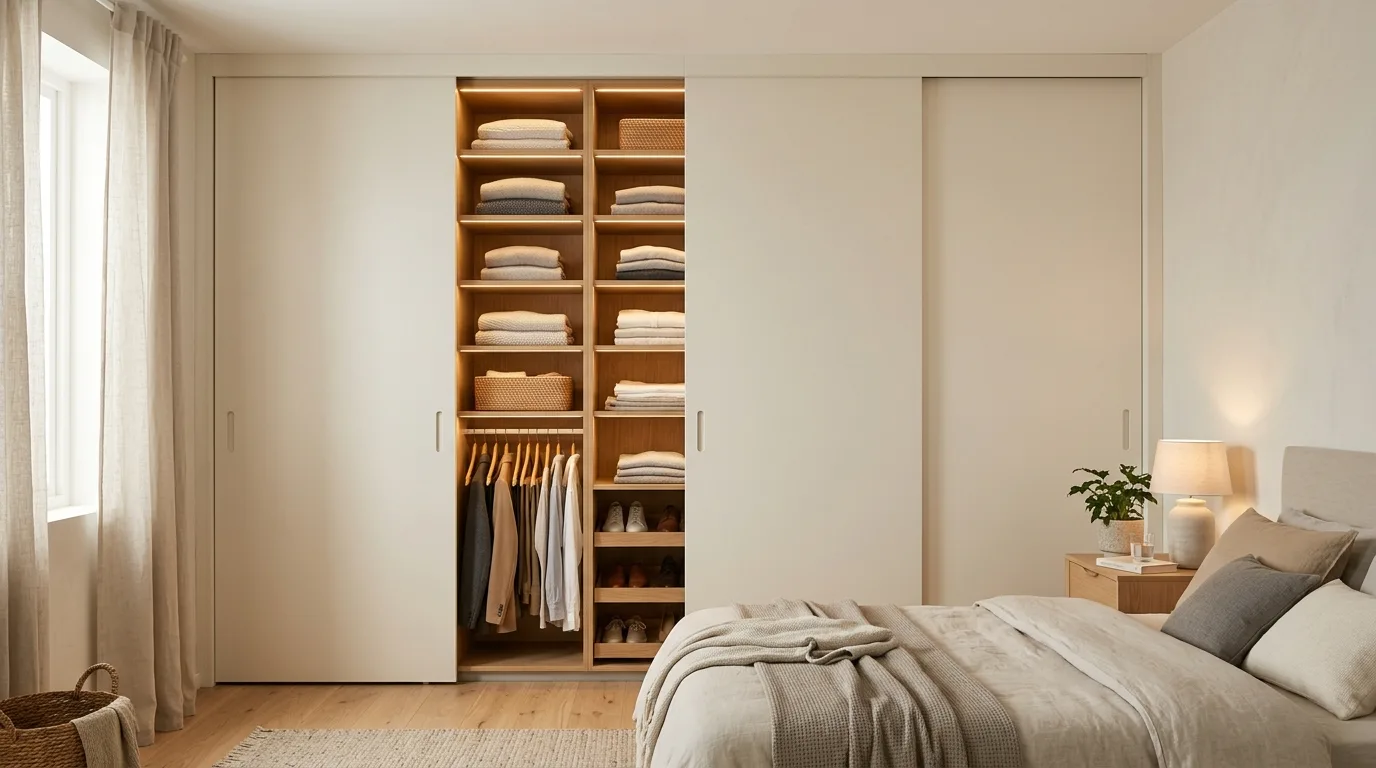
Idea 6
Hallway alcove built in cabinets for linens and overflow storage
An alcove becomes much more valuable when cabinetry turns it into linen and household storage that disappears behind simple doors. Built ins are perfect here because they let the depth of the niche work fully rather than leaving it underused.
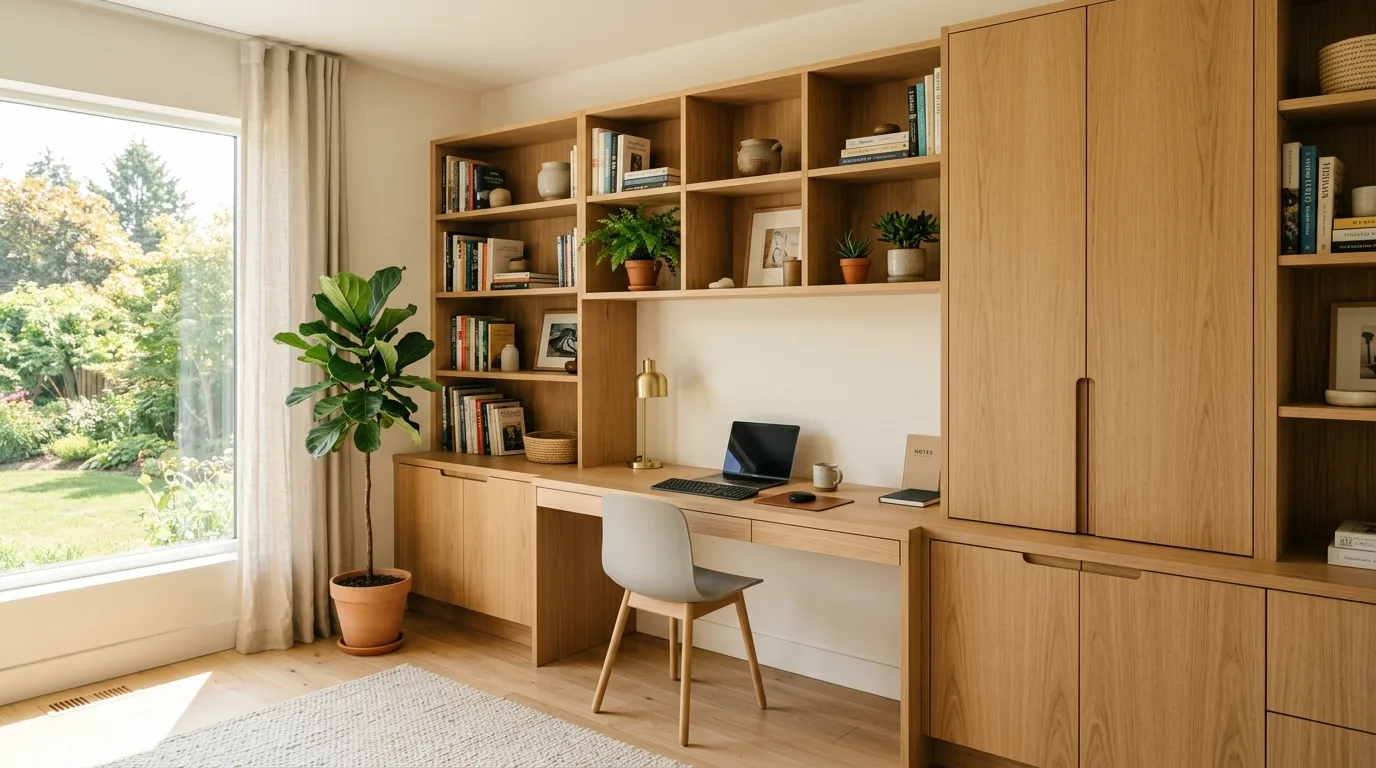
Idea 7
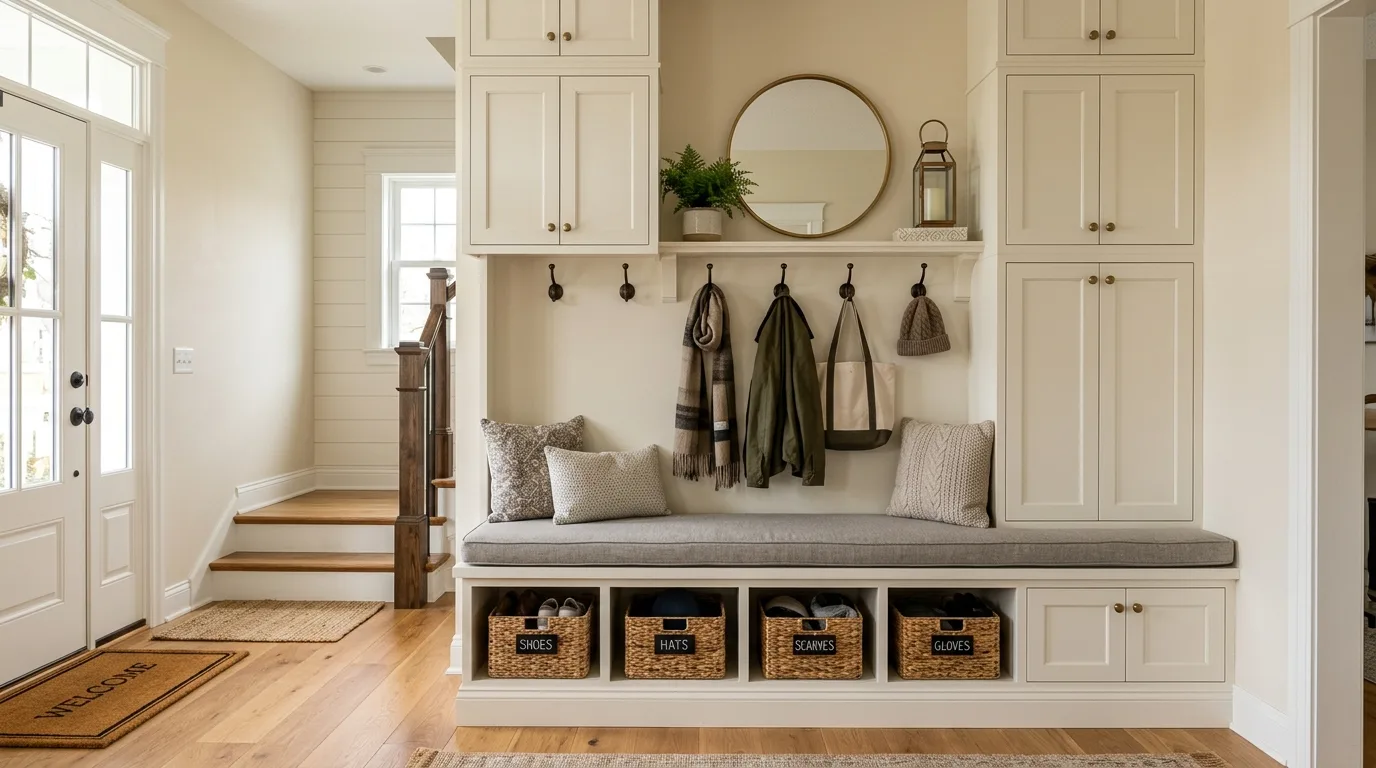
Mudroom built ins with bench seating and tall locker cabinets
Mudroom built ins perform best when they combine seating, hooks, shoe space, and enclosed storage into one continuous wall. The room feels more orderly because the family routine has a clear physical structure to land in each day.
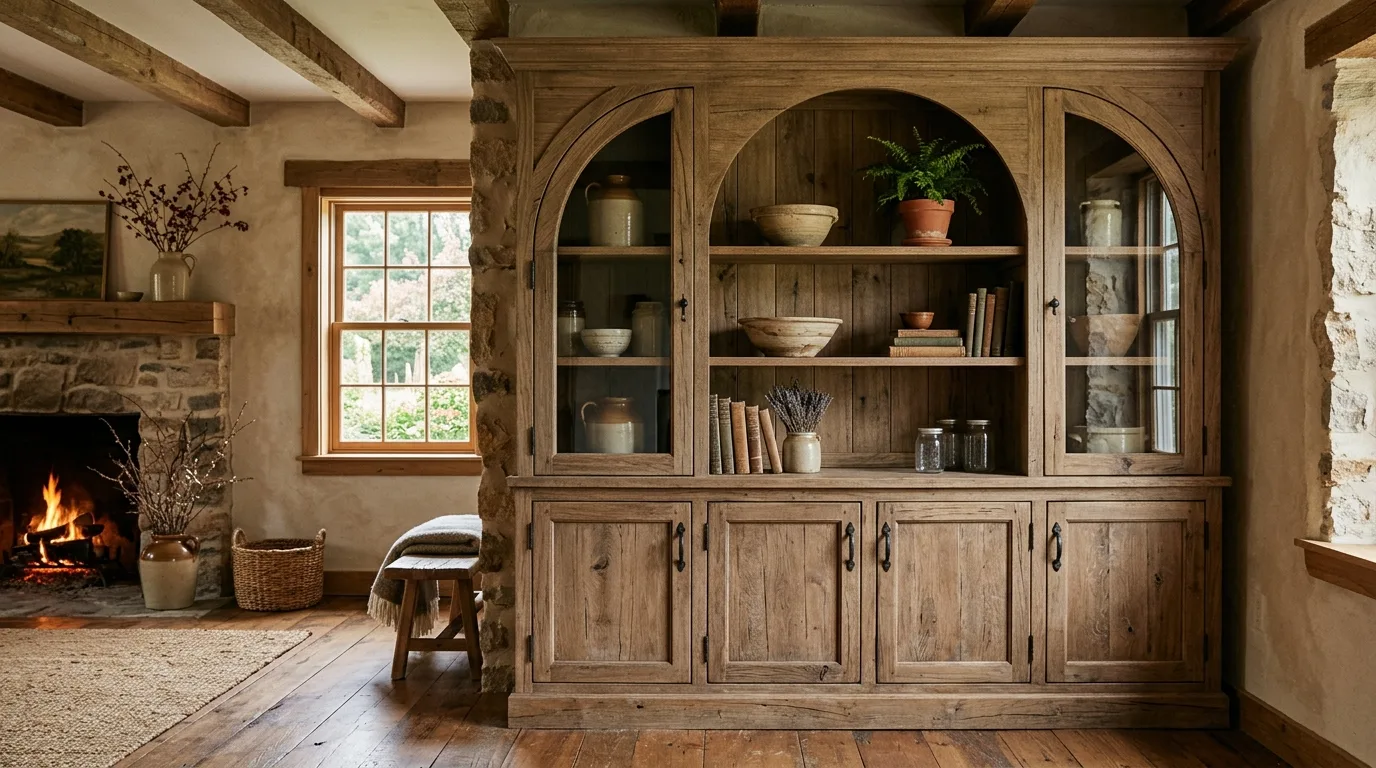
Idea 8
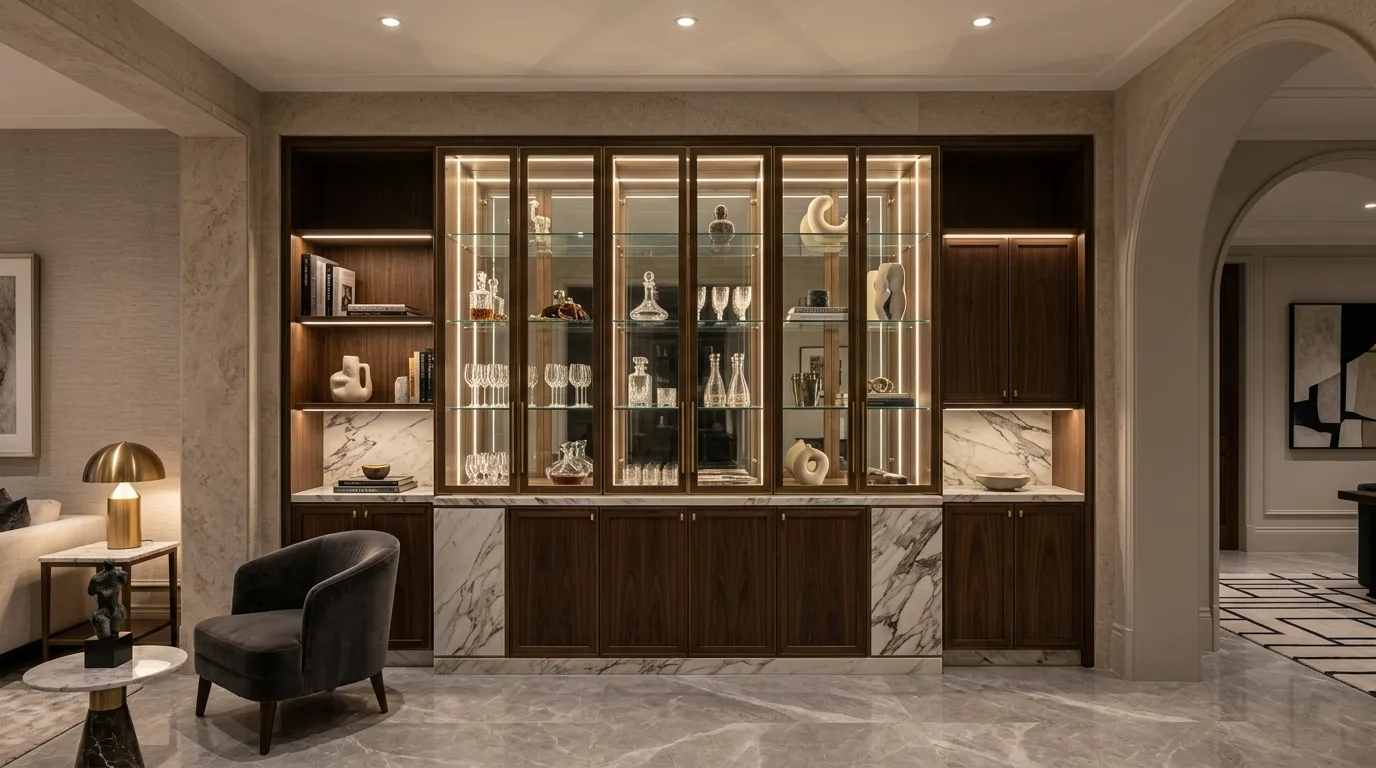
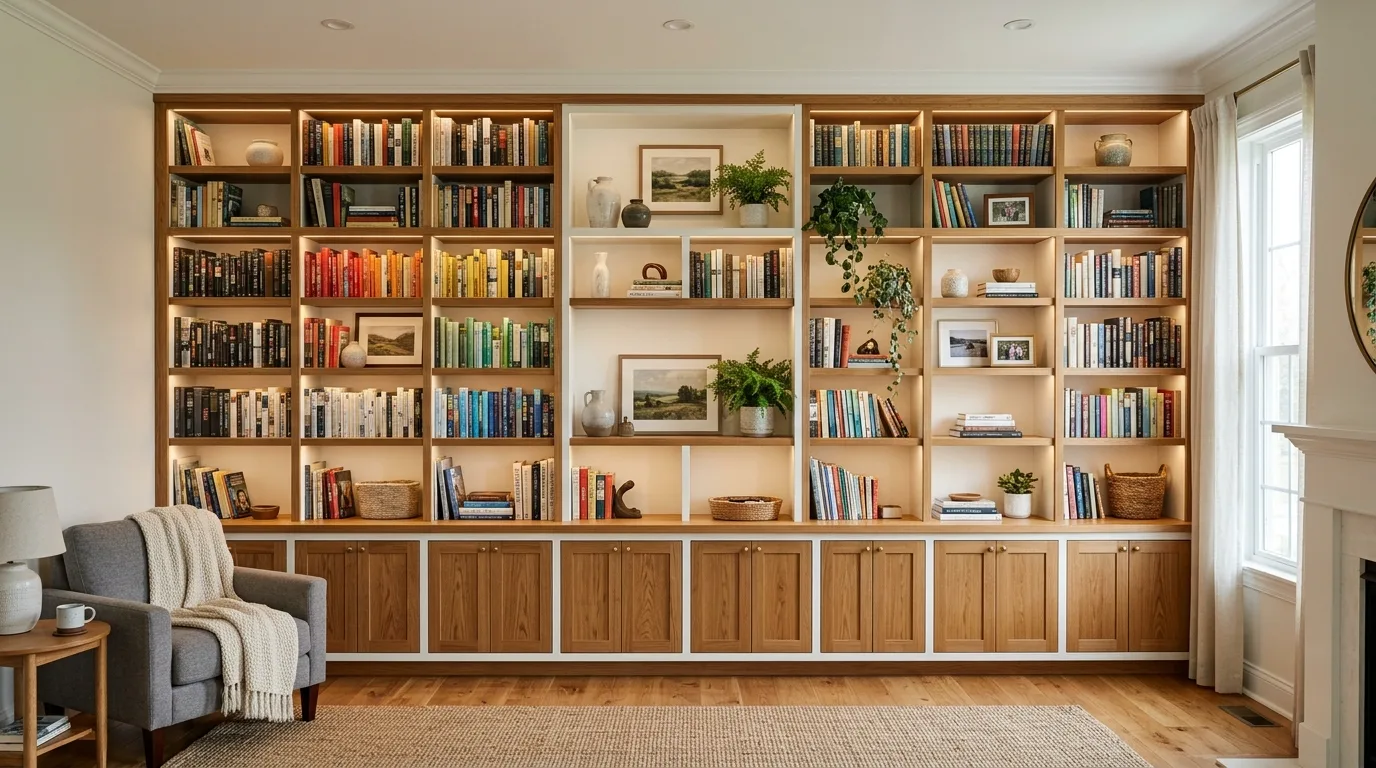
Library wall built ins with ladder ready shelving
A full built in library wall brings a room enormous presence because books, decor, and storage become part of the architecture from floor to ceiling. Even when the ladder is mostly aesthetic, it reinforces the sense that the wall was designed with intention and permanence.
Idea 9
Bathroom built in cabinet tower between vanity and tub
A narrow built in tower can use the in-between spaces of a bathroom far better than freestanding furniture ever could. It holds towels and daily essentials close at hand while keeping the room visually cleaner and easier to move through.
Idea 10
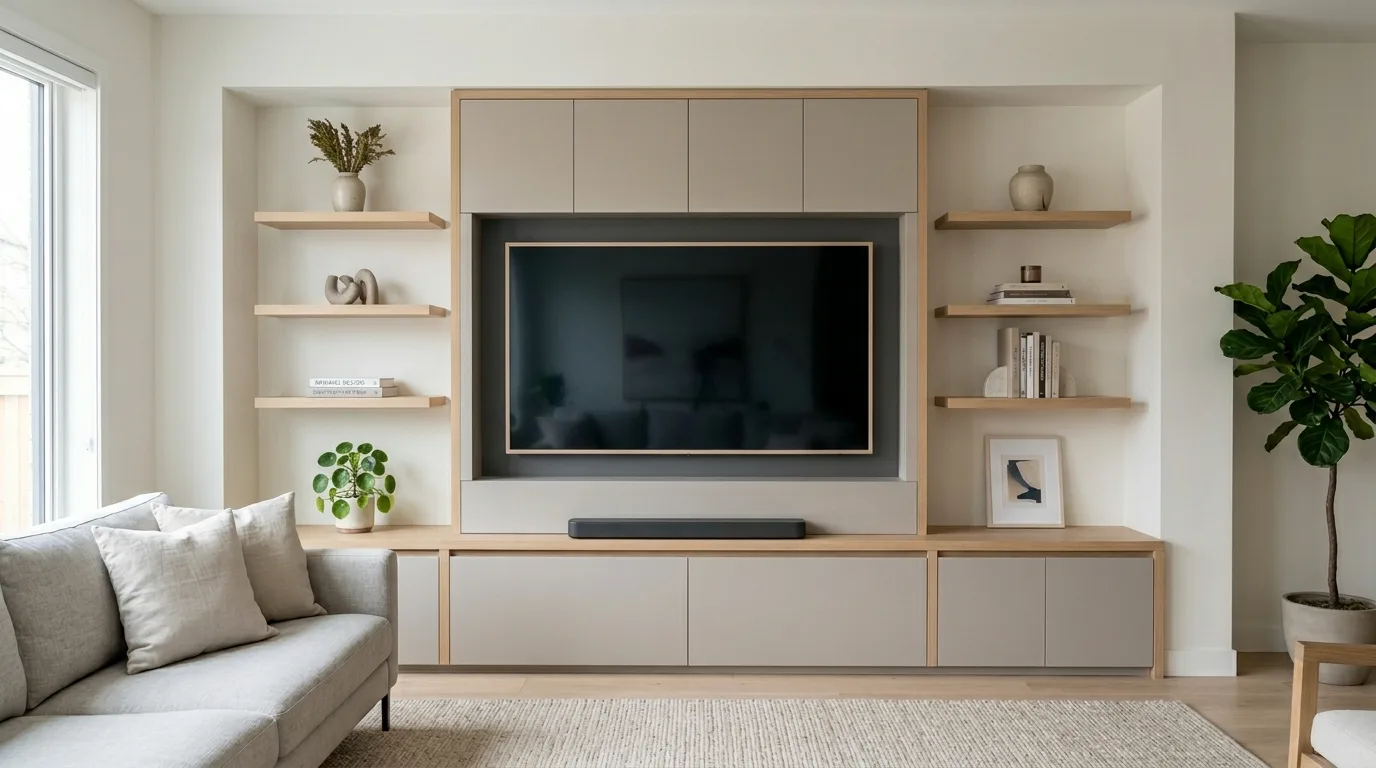
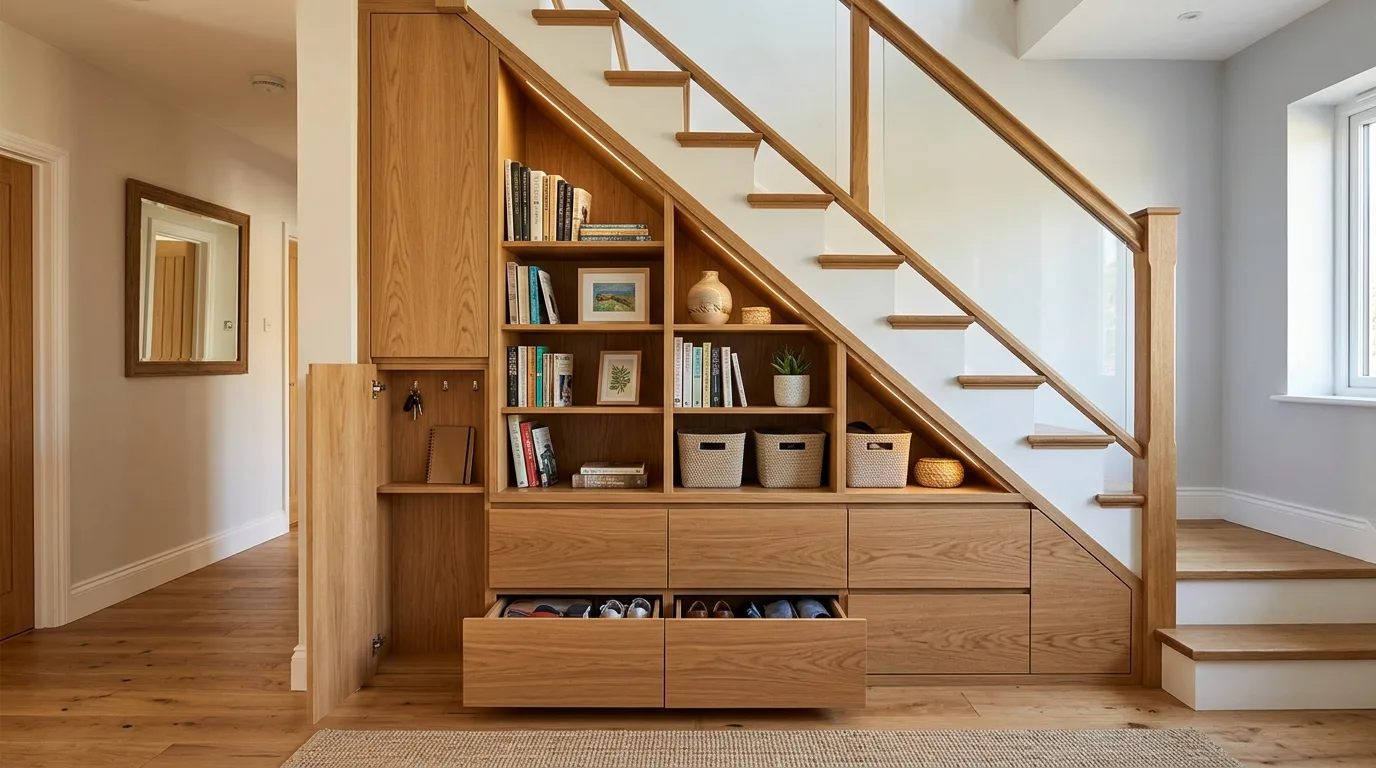
Media wall built ins with hidden cord storage and deep drawers
Built in media cabinetry helps technology feel calmer because wires, remotes, and game accessories stop claiming every visible surface. Deep drawers below the screen are especially effective for keeping the wall useful without turning it into an electronics mess.
Idea 11
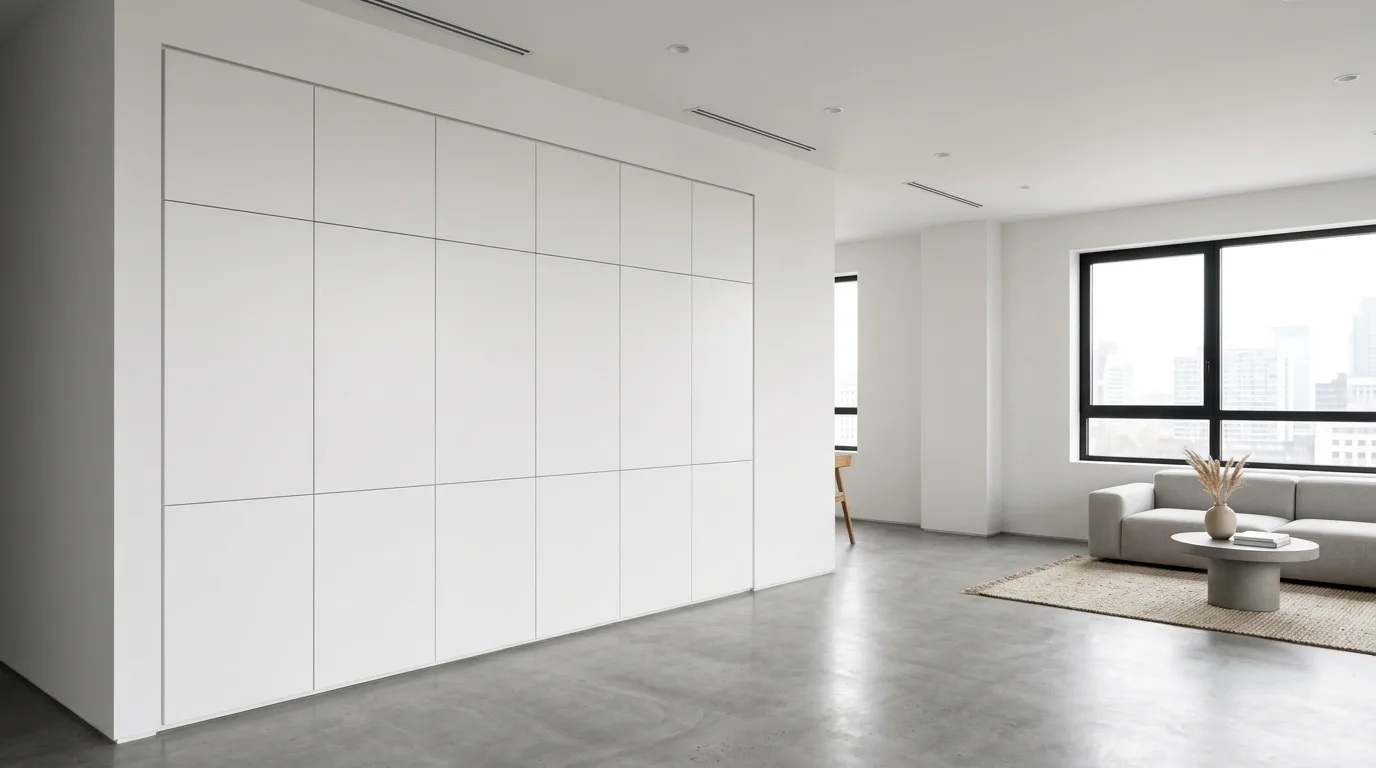
Kitchen breakfast nook built in cabinets with top display shelves
Breakfast nooks can become more useful when one wall adds shallow cabinetry for table linens, small appliances, or serving pieces that support daily meals. The upper display shelves keep the nook charming instead of making it feel like a secondary pantry.
Idea 12
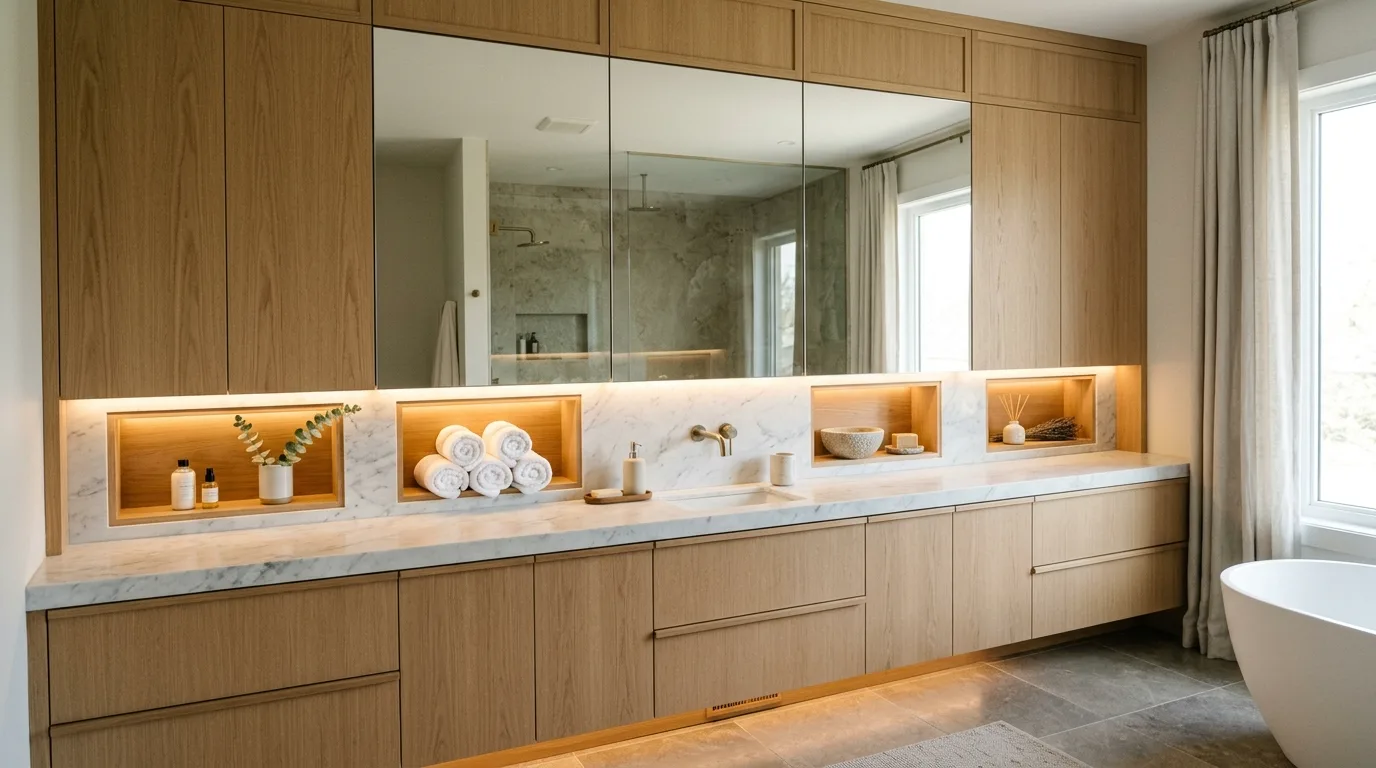
Under stair built ins with flush doors and hidden compartments
The under stair zone often has awkward geometry, but built ins can make that complexity useful by fitting storage exactly where freestanding pieces never could. Flush doors help the wall stay clean while still unlocking a lot of hidden capacity.
Idea 13
Children's room built ins with toy drawers and reading shelves
Built in cabinetry can make a child's room easier to manage because toys, books, and keepsakes all have a structure that stays consistent as the room evolves. The storage feels playful and practical at once when the scale is thoughtful and accessible.
Idea 14
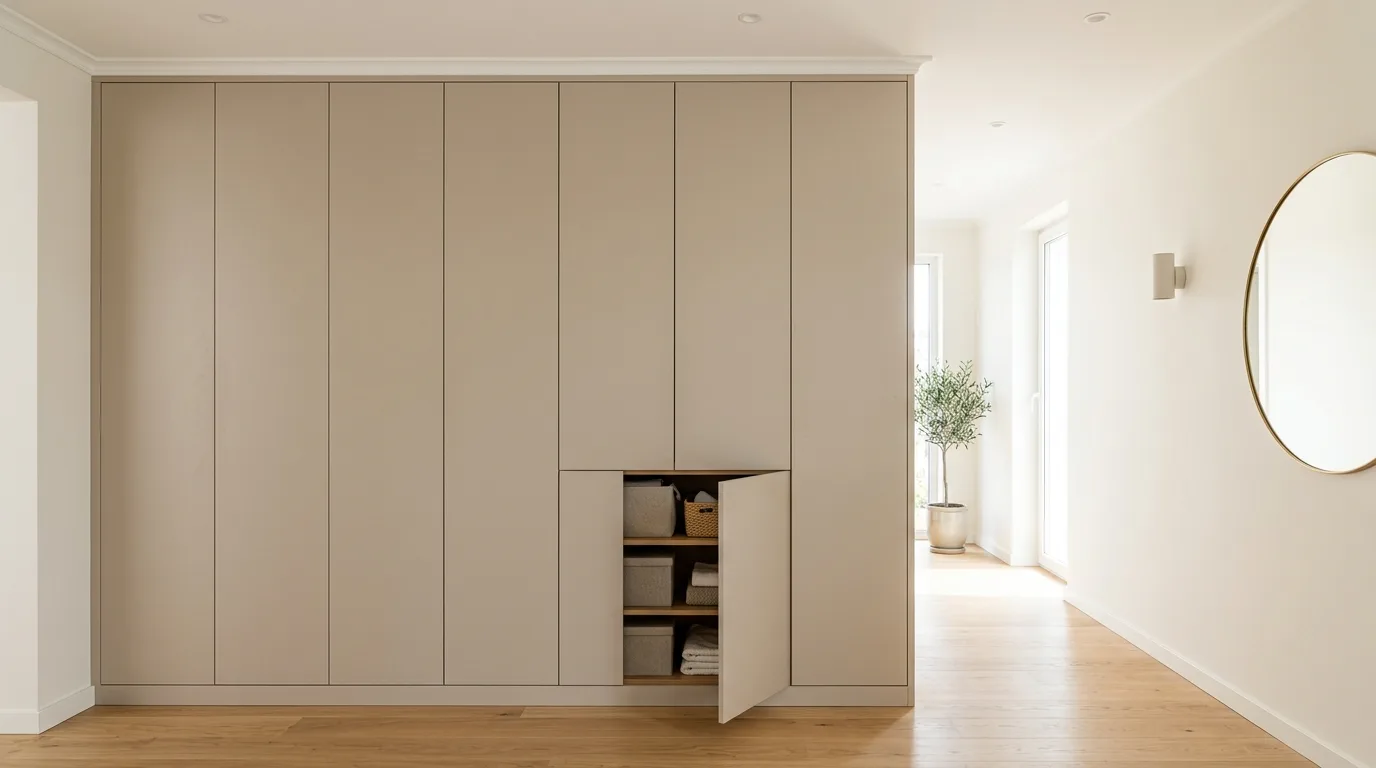
Minimal built in cabinets painted to disappear into the wall
When built ins are painted the same color as the surrounding walls, they can almost disappear while still delivering major storage power. This approach is ideal if you want the room to feel quiet, seamless, and uncluttered rather than obviously furnished.
Read next on Saw & Sprout

Edible Gardens
13 Clever Tomato Trellis Gardens for a Bountiful Harvest
Small-Space Growing
14 Space-Saving Small Vegetable Gardens for Urban GrowersFrequently asked questions
What makes a built in cabinet feel custom?
A close fit to the architecture, thoughtful proportions, and storage tailored to the room usually make the biggest difference.
Where do built in cabinets have the most impact?
Living rooms, dining rooms, home offices, window walls, alcoves, and media areas often benefit most because built ins can replace bulky furniture with cleaner storage.
Should built ins always be painted to match the wall?
Not always. Matching paint creates a quieter look, while contrasting color can turn the cabinetry into a stronger design feature if that suits the room.