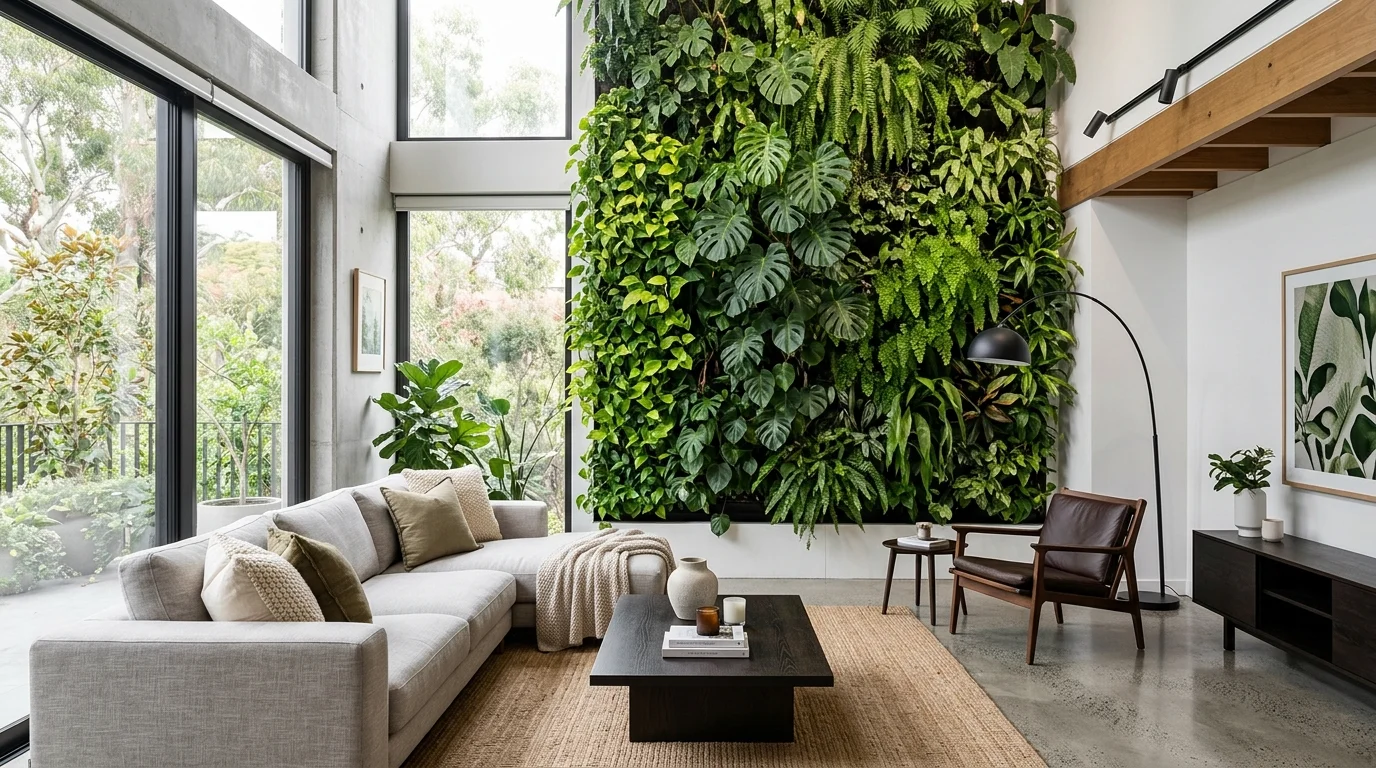
A plant wall changes the way greenery functions indoors. Instead of a few scattered pots, the room gets a full visual plane of leaves, texture, and repetition that can behave almost like art or architecture.
The best plant walls succeed because the structure underneath is thoughtful. Shelf spacing, planter consistency, maintenance access, and the relationship between foliage and wall material all matter just as much as the plants themselves.
These 14 approaches show how an indoor plant wall can feel clean, boho, spa-like, dramatic, practical, or gallery-inspired depending on how the system is built.
Quick planning notes
Choose the support structure first, because grids, shelves, rails, and framed sections all produce very different visual rhythms.
Keep watering and maintenance realistic, especially for high walls or dense layered arrangements.
Use planter consistency or a controlled material palette if you want the wall to feel designed rather than improvised.
Match the plant types to the room conditions, particularly in bathrooms, kitchens, and lower-light workspaces.
Idea 1
Modular grid wall with clean repeated planters
A grid layout gives a plant wall structure and keeps the arrangement from feeling random as it grows in. This is ideal when you want greenery to read as design, not just collection.
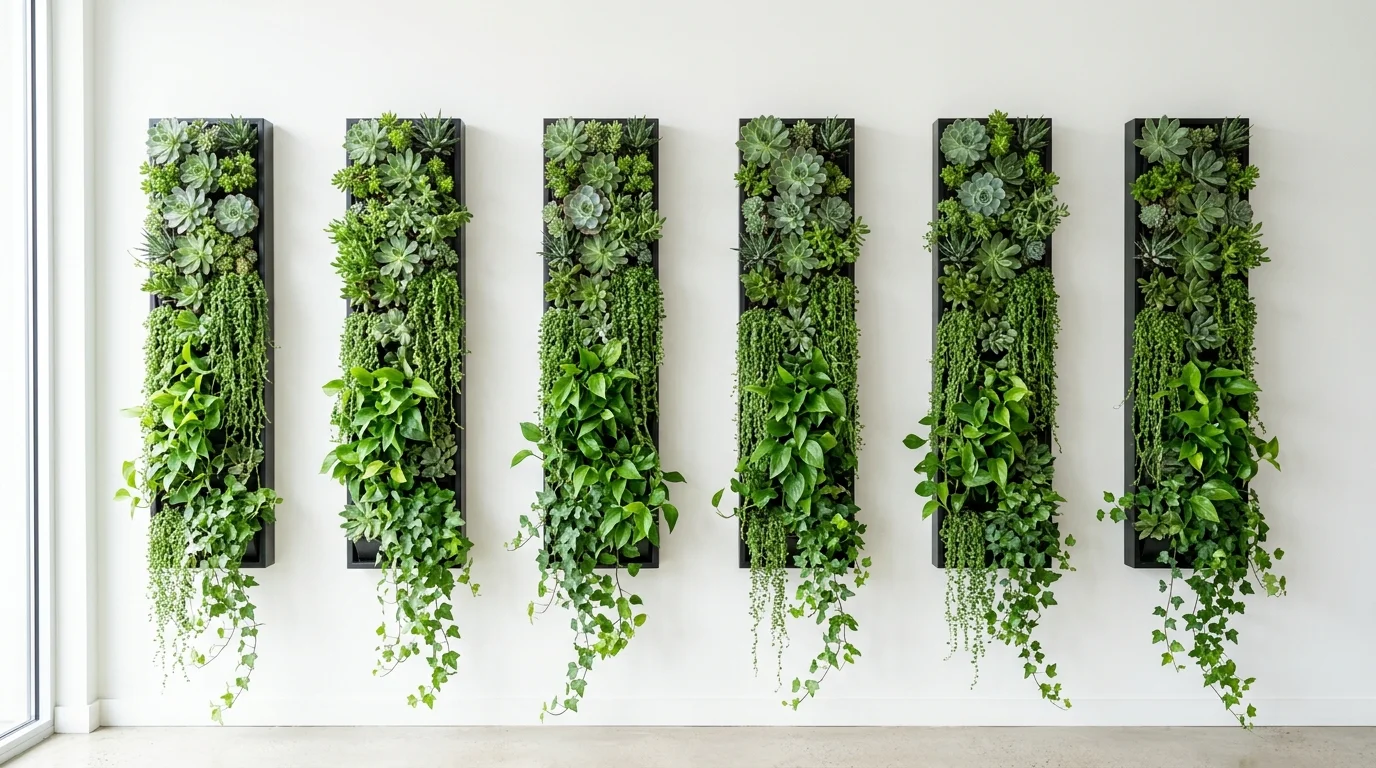
Idea 2
Floor-to-ceiling shelf wall for layered greenery
Open shelving lets different leaf shapes and trailing habits build a fuller composition over time. It also makes maintenance easier because each plant still has a visible, reachable place.
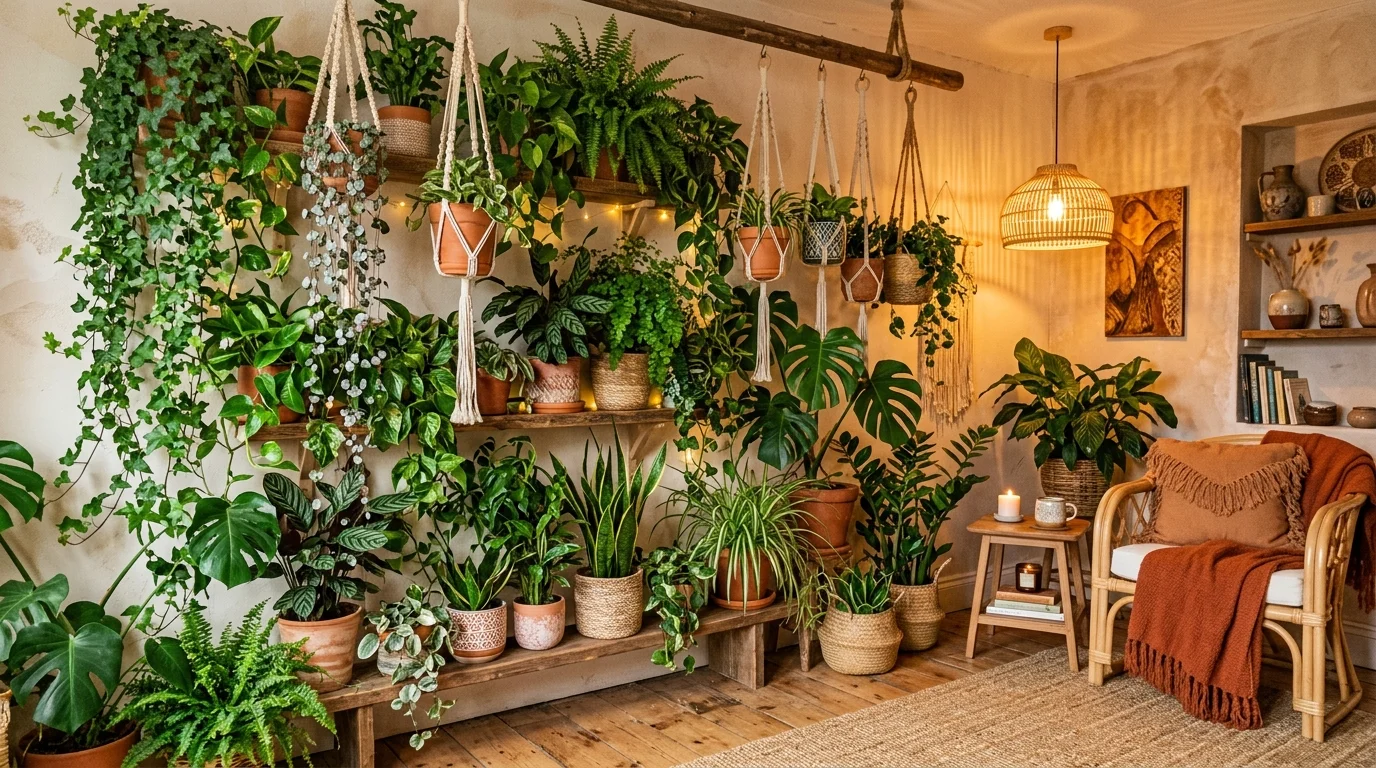
Idea 3
Moss-and-foliage mix for a textured living statement
Blending live plants with preserved texture gives the wall more depth than pots alone. It works especially well in interiors that want a more immersive, artistic green focal point.
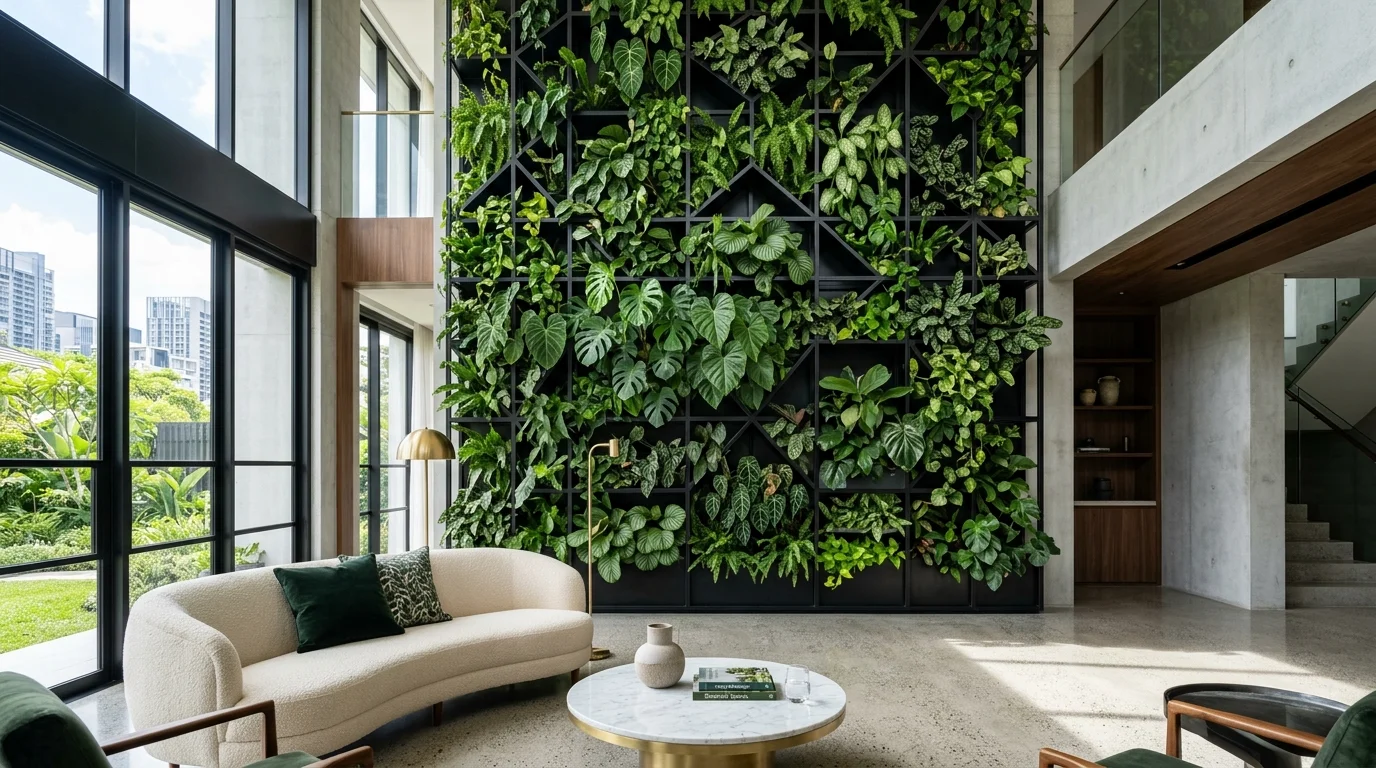
Idea 4
Kitchen herb wall that stays beautiful and useful
A plant wall can be practical as well as decorative when herbs and edible greens are part of the arrangement. This is a smart approach for kitchens where freshness and styling can share the same surface.
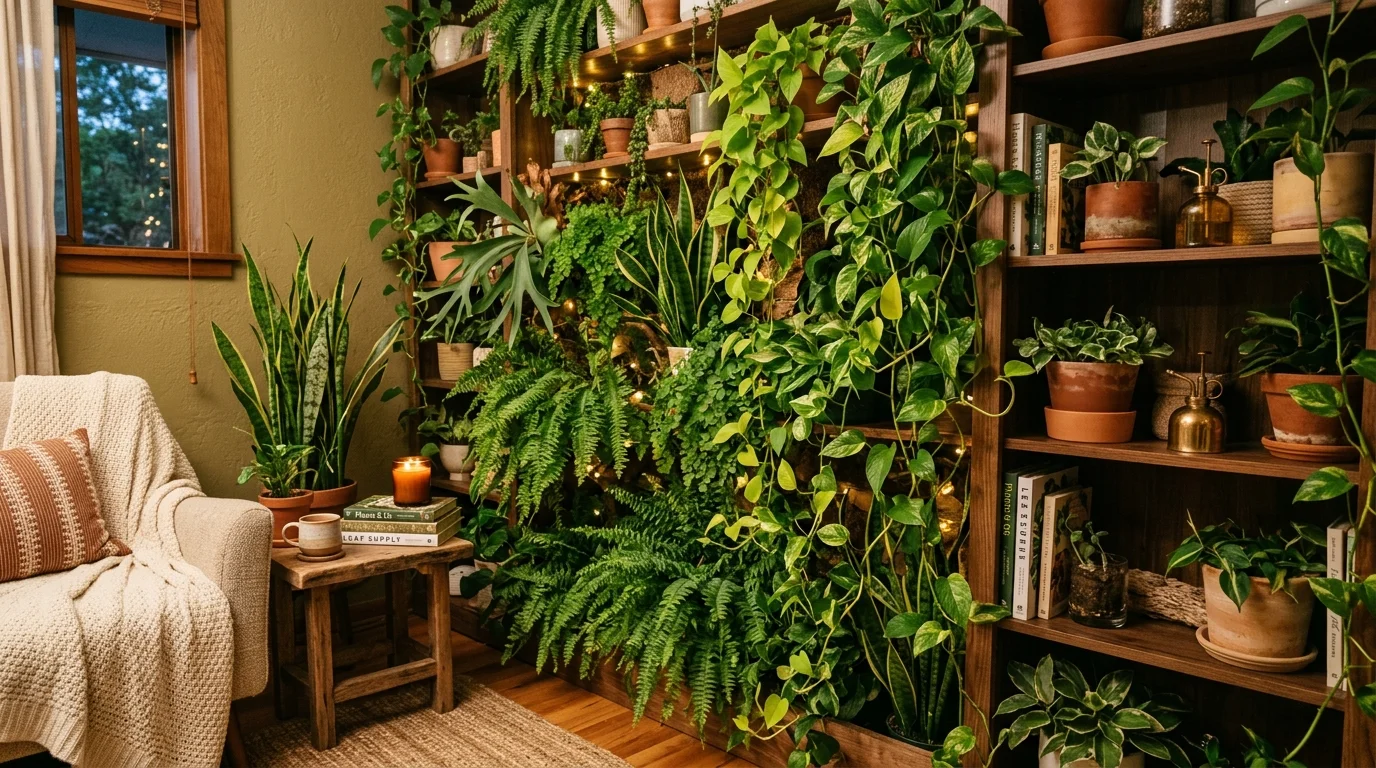
Idea 5
Stair wall planting that softens vertical architecture
Greenery along the stair plane helps a transitional area feel more designed and less overlooked. It is especially effective in homes where the staircase is visible from the main living zone.
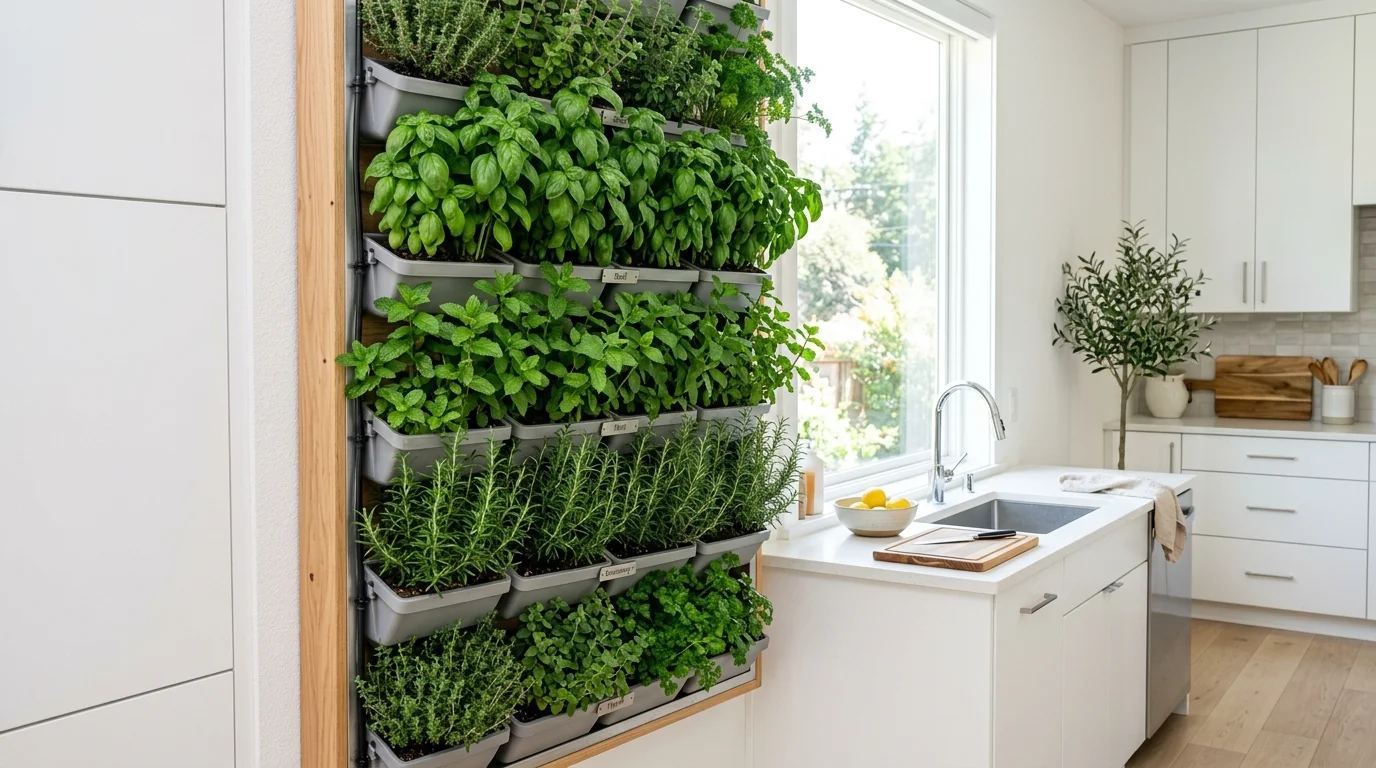
Idea 6
Home office wall that adds calm without clutter
A controlled plant wall can make a workspace feel more restorative while still staying visually organized. Choosing repeated containers and a tighter palette keeps the effect professional.
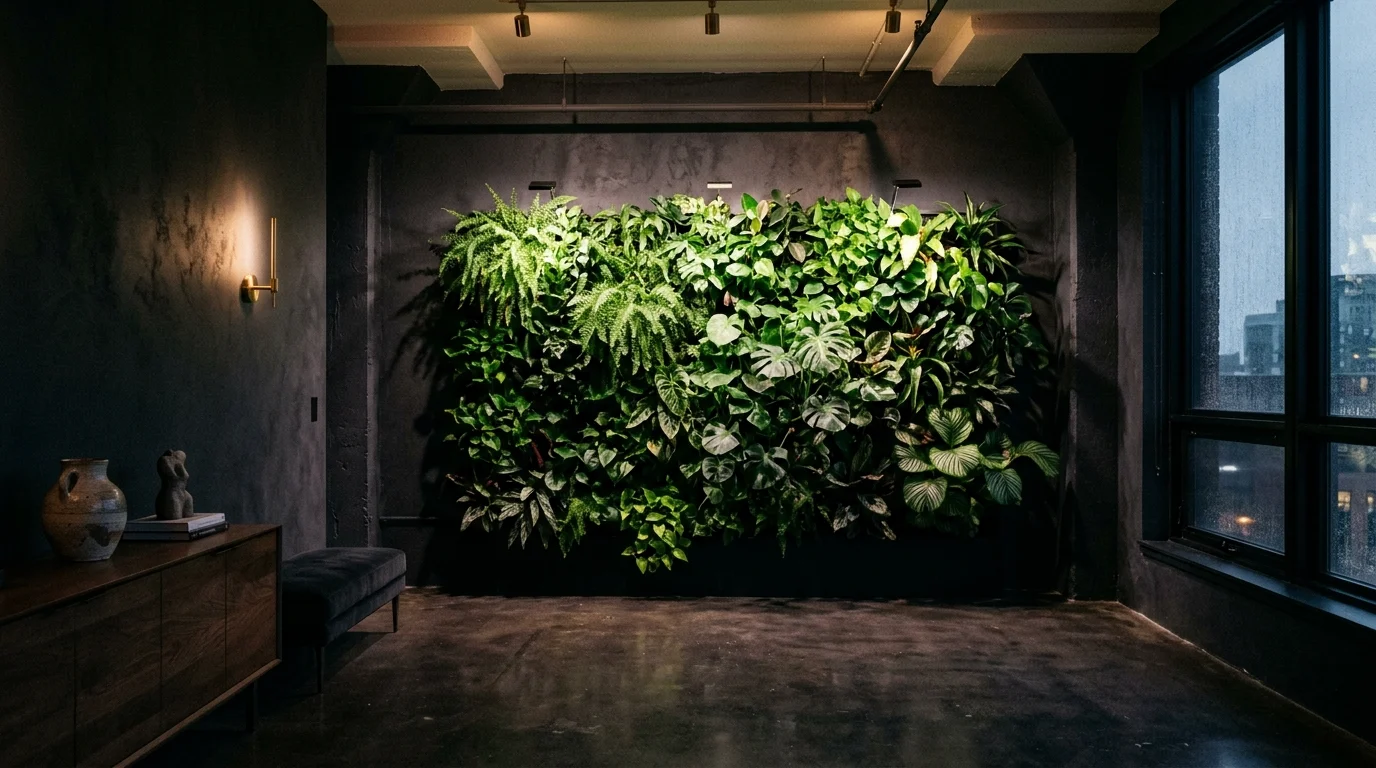
Idea 7
Bathroom plant wall built for humidity-loving leaves
Bathrooms often suit ferns and tropical foliage naturally, making them strong candidates for vertical planting. The result can feel spa-like without requiring much extra decorative styling.
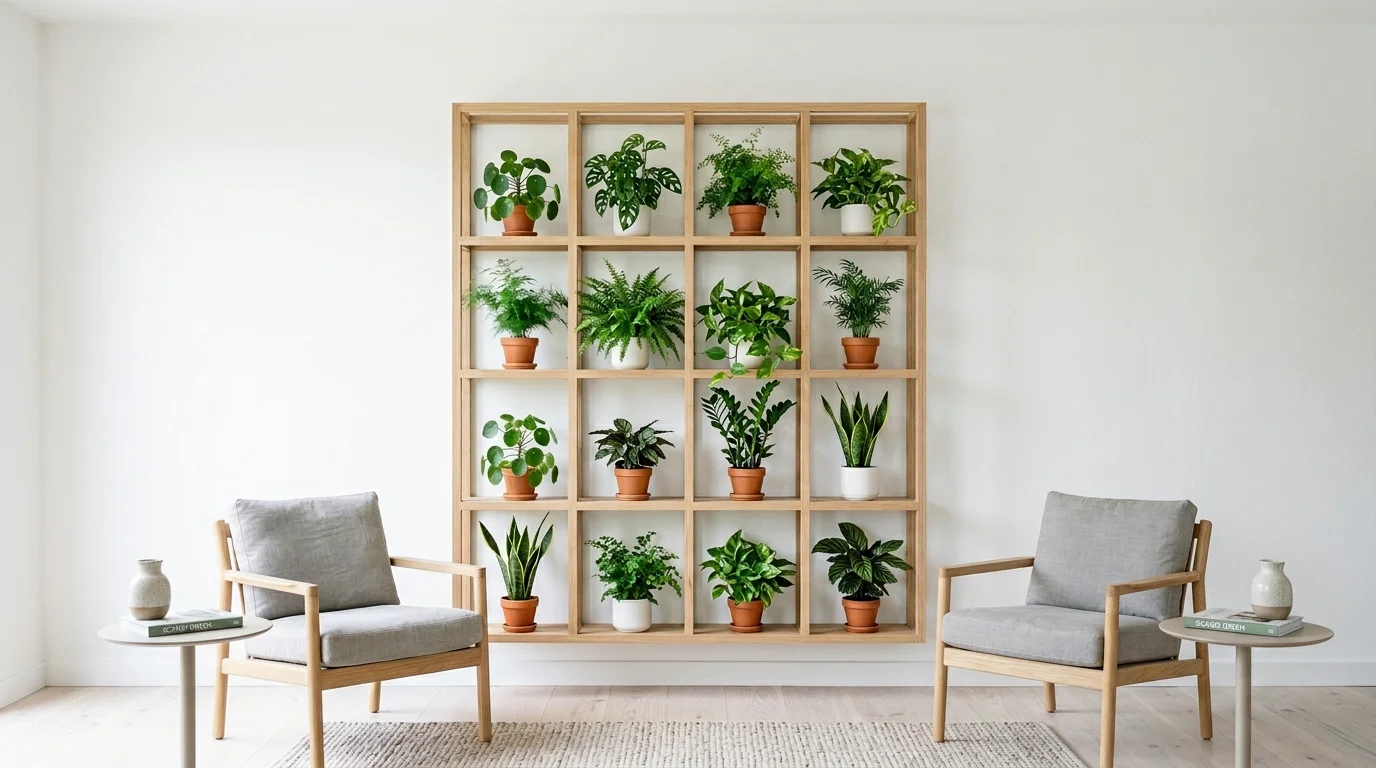
Idea 8
Corner-wrap plant wall for a more immersive effect
Extending the planting around a corner makes the greenery feel architectural rather than flat. This is a great move when you want one area of the room to feel especially lush and enveloping.
Idea 9
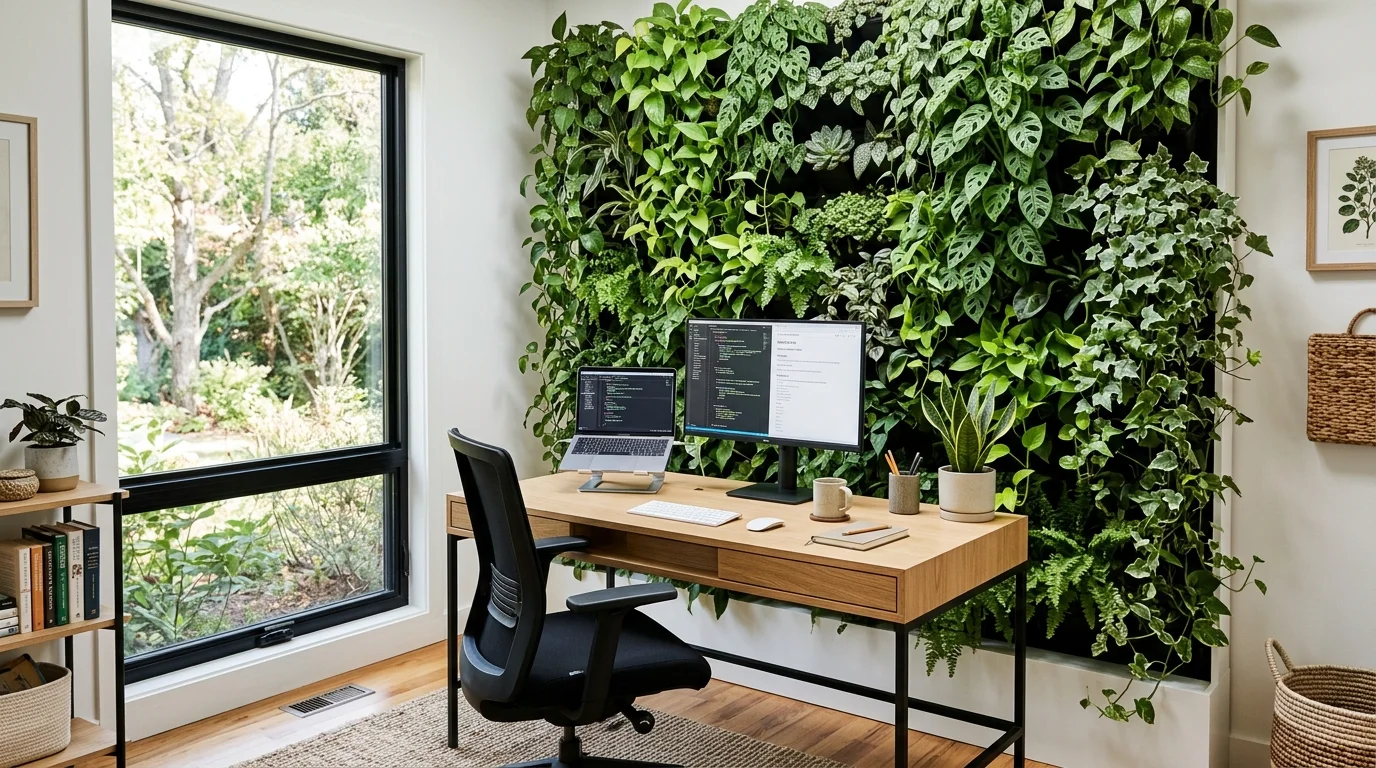
Slatted wood backdrop that warms up the greenery
Wood slats add rhythm and help plant leaves stand out more clearly than they would on a plain wall. The combination feels contemporary, tactile, and easier to integrate with furniture.
Idea 10
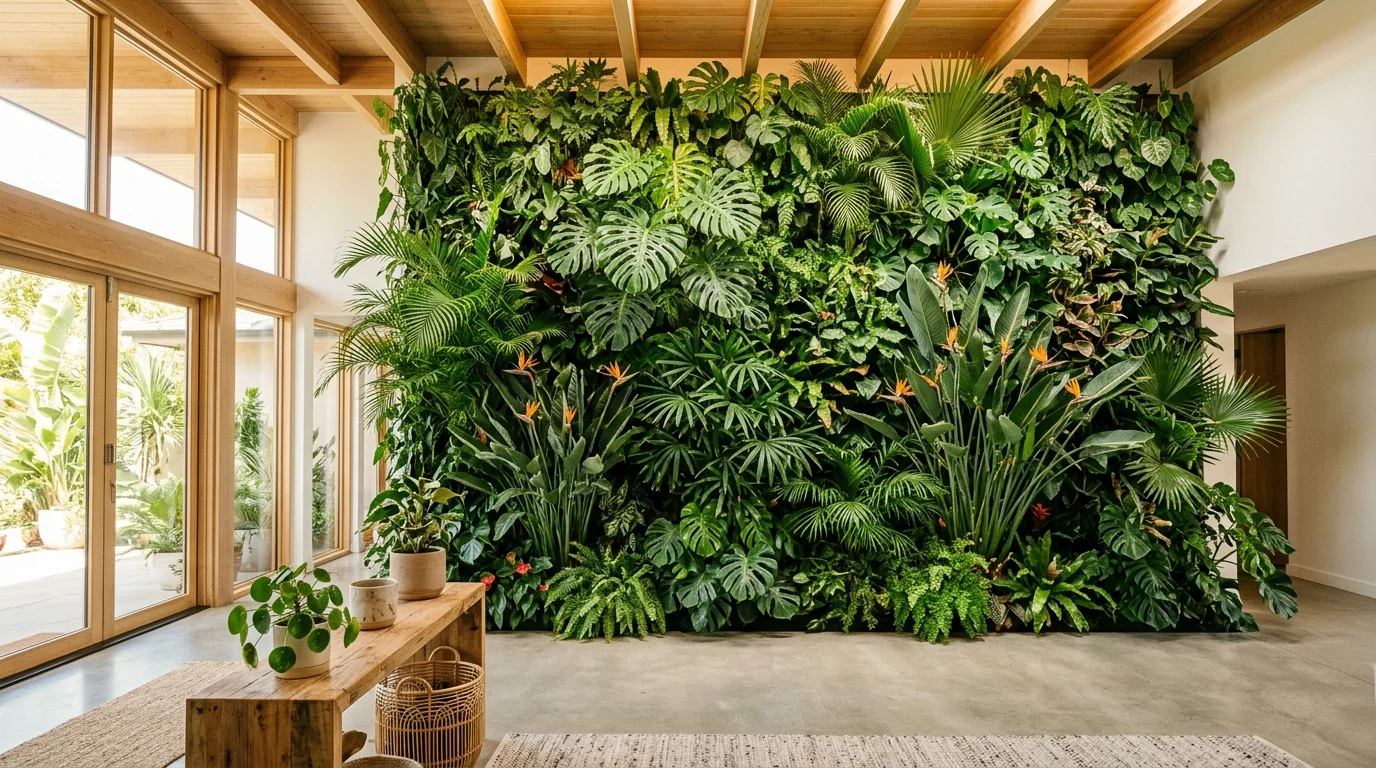
Hanging rail system with movable botanical layers
A rail-based arrangement is flexible, which makes it easier to adjust heights and spacing as plants grow. It is ideal if you want the wall to evolve without rebuilding the whole setup.
Idea 11
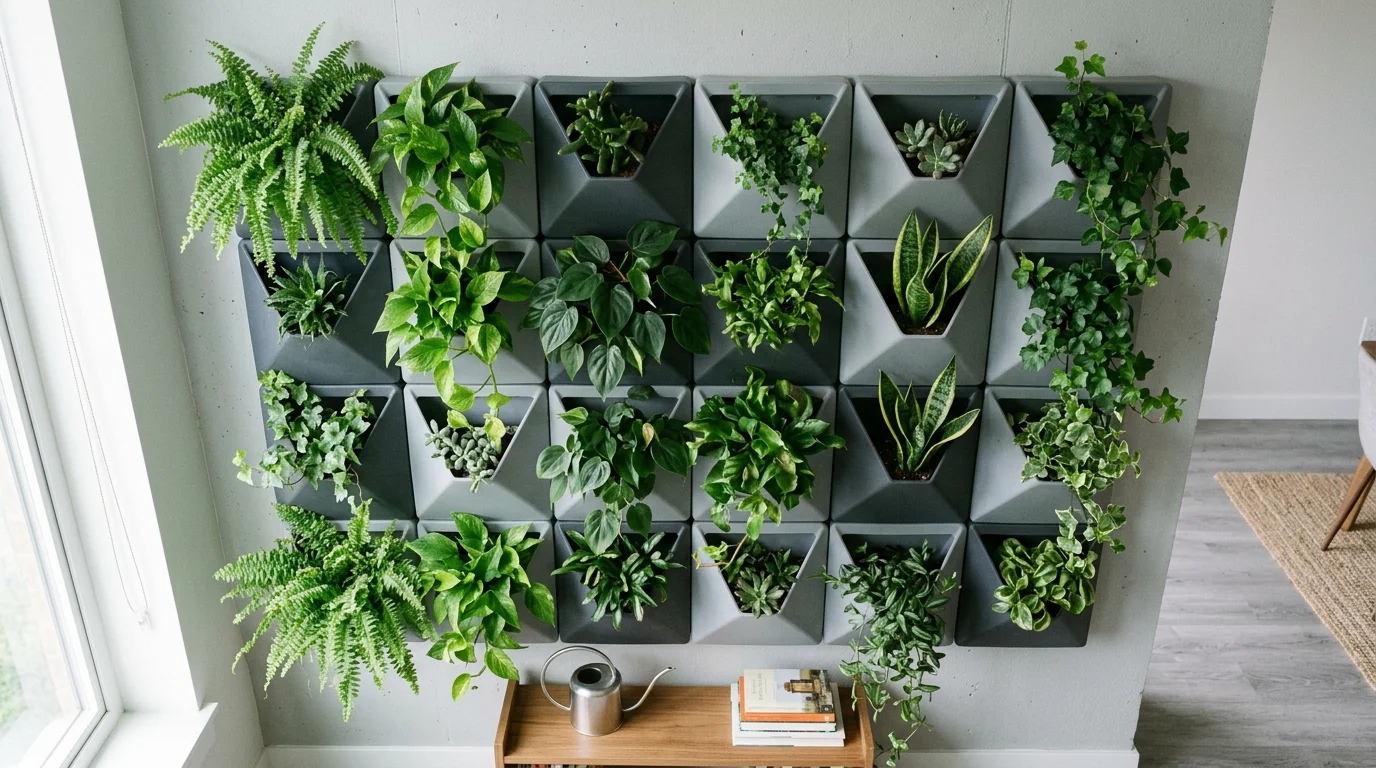
Framed botanical grid for a gallery-like look
Framing the arrangement gives the wall a composed, almost curated feel. This works especially well in living rooms where the plant display needs to behave like art as much as decor.
Idea 12
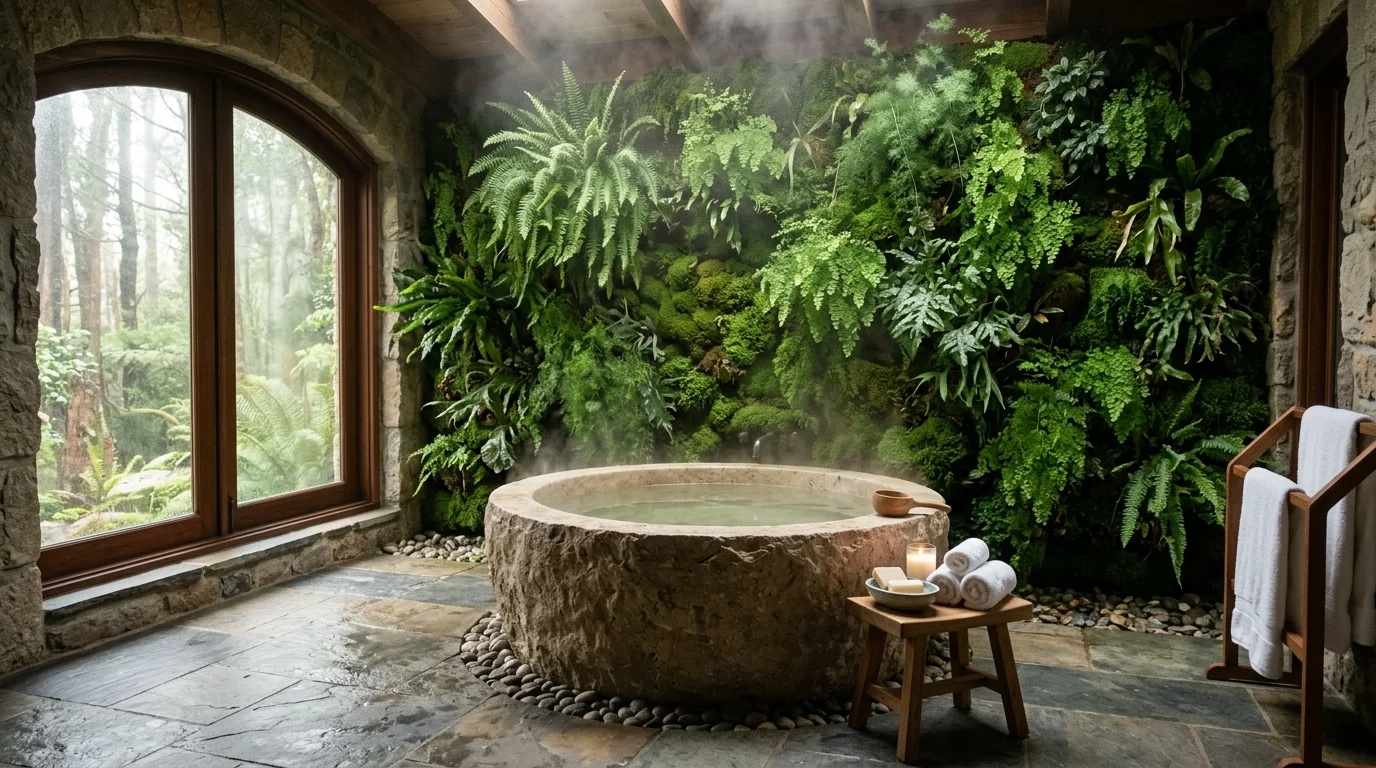
Green divider wall that softly zones a room
Using plants as a visual divider can separate spaces without shutting them down. It is a strong option for open layouts that need definition while still feeling light and breathable.
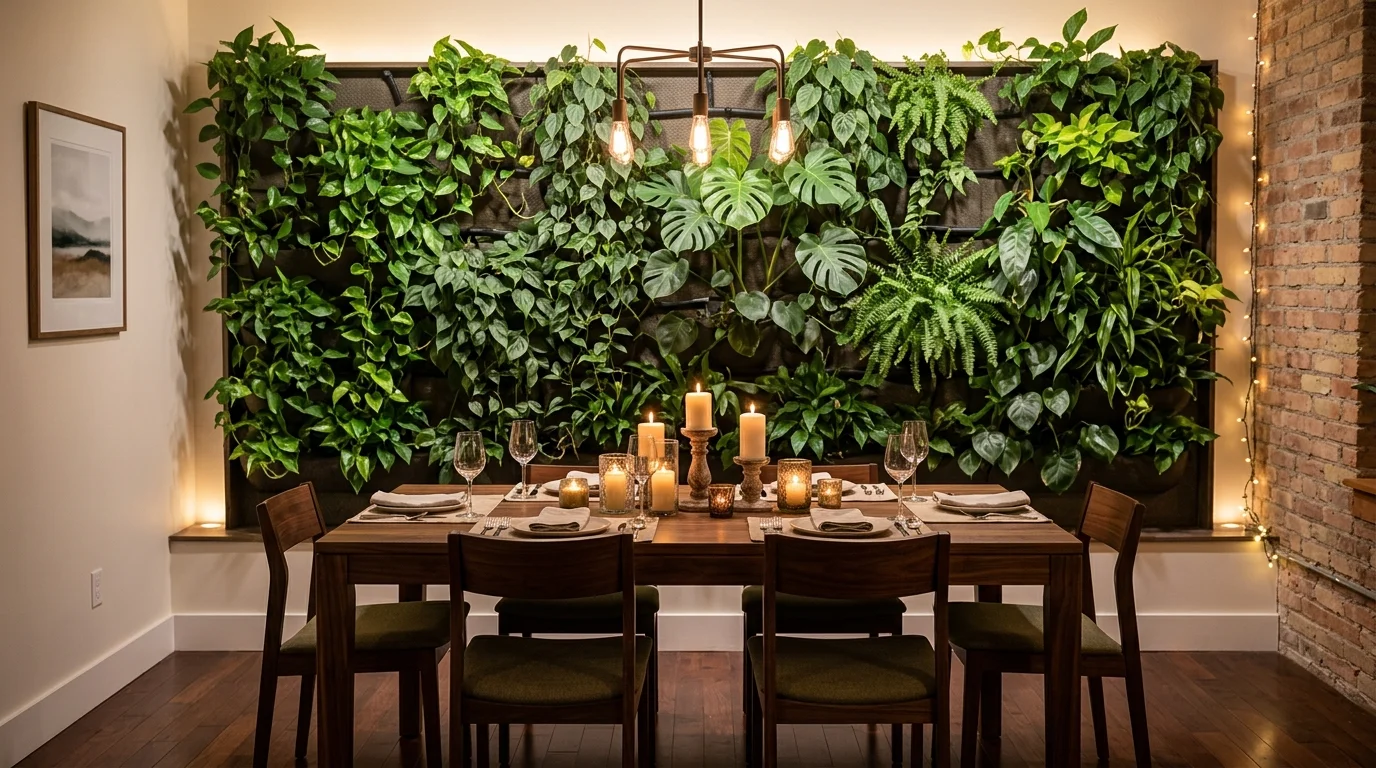
Idea 13
Monochrome pot wall for a more refined palette
Matching containers let the foliage do the visual work and prevent the wall from feeling noisy. It is especially useful if the room already has plenty of pattern or color elsewhere.
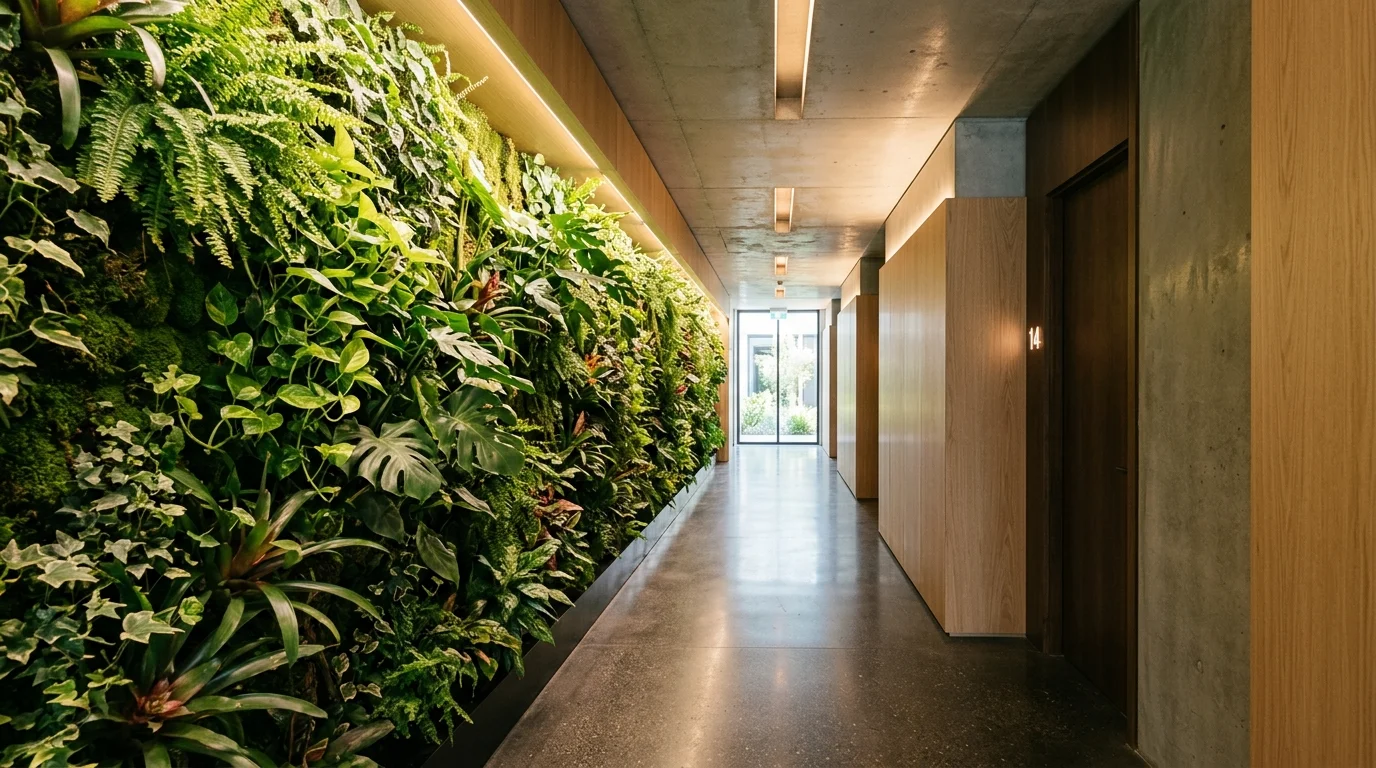
Idea 14
Boho layered wall with mixed trailing textures
Macrame, mixed heights, and trailing vines create a more relaxed and collected kind of plant display. This is the right direction when you want the wall to feel expressive and lived-in rather than precise.
Read next on Saw & Sprout
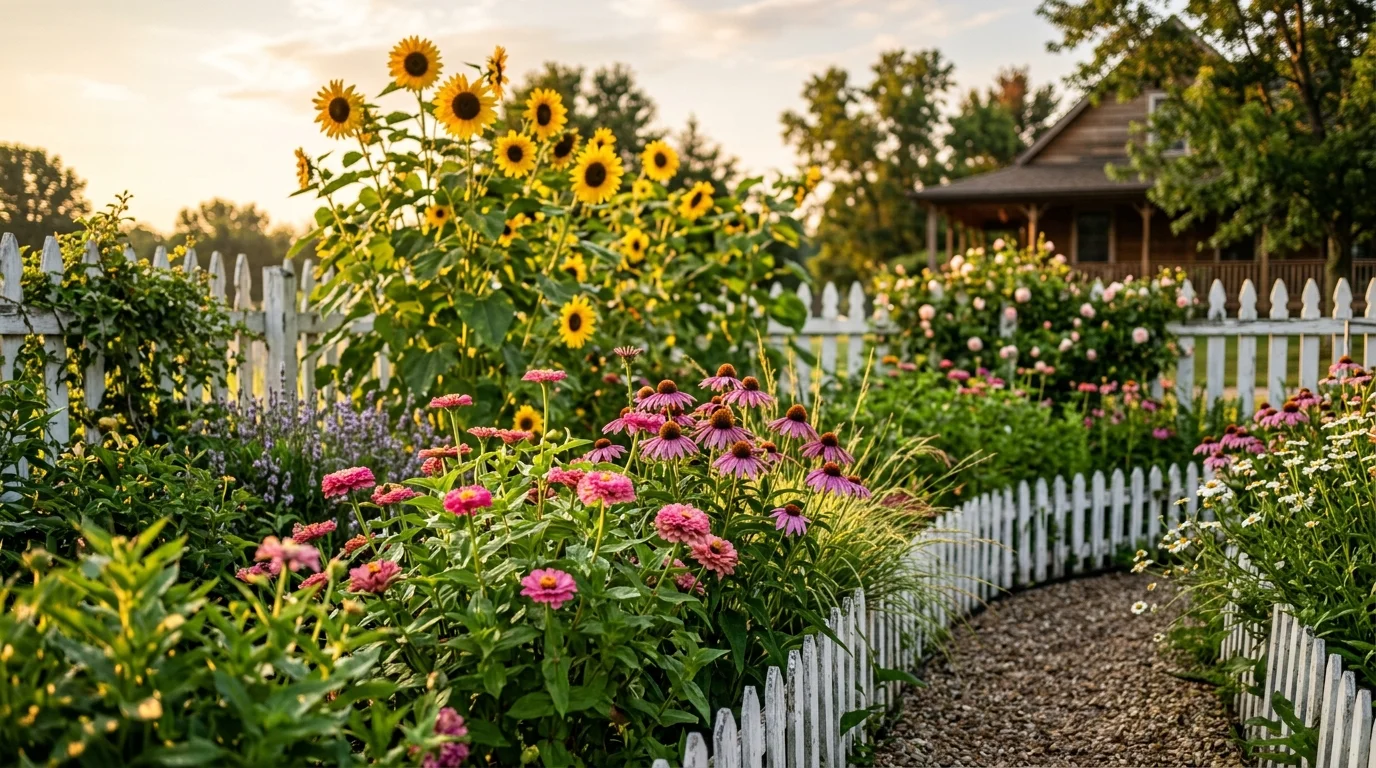
Edible Gardens
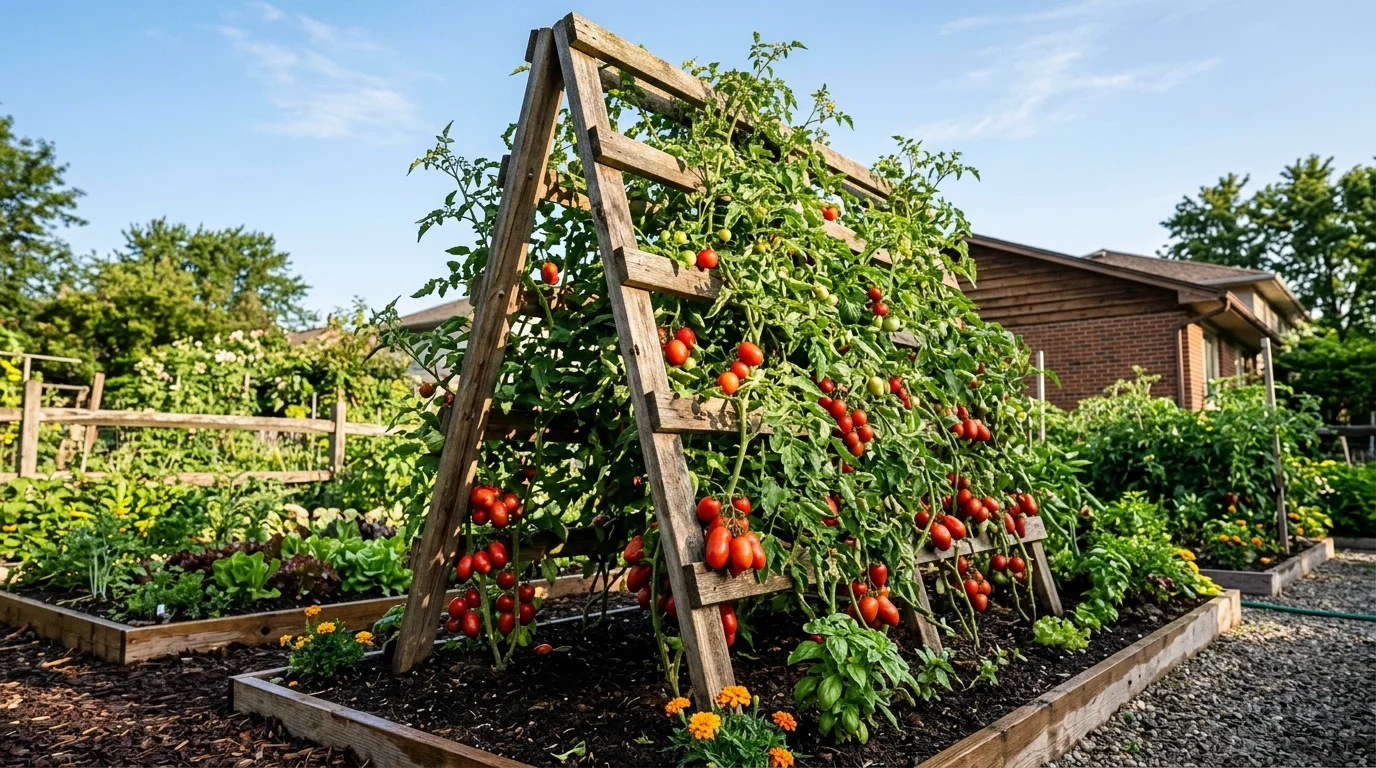
13 Clever Tomato Trellis Gardens for a Bountiful Harvest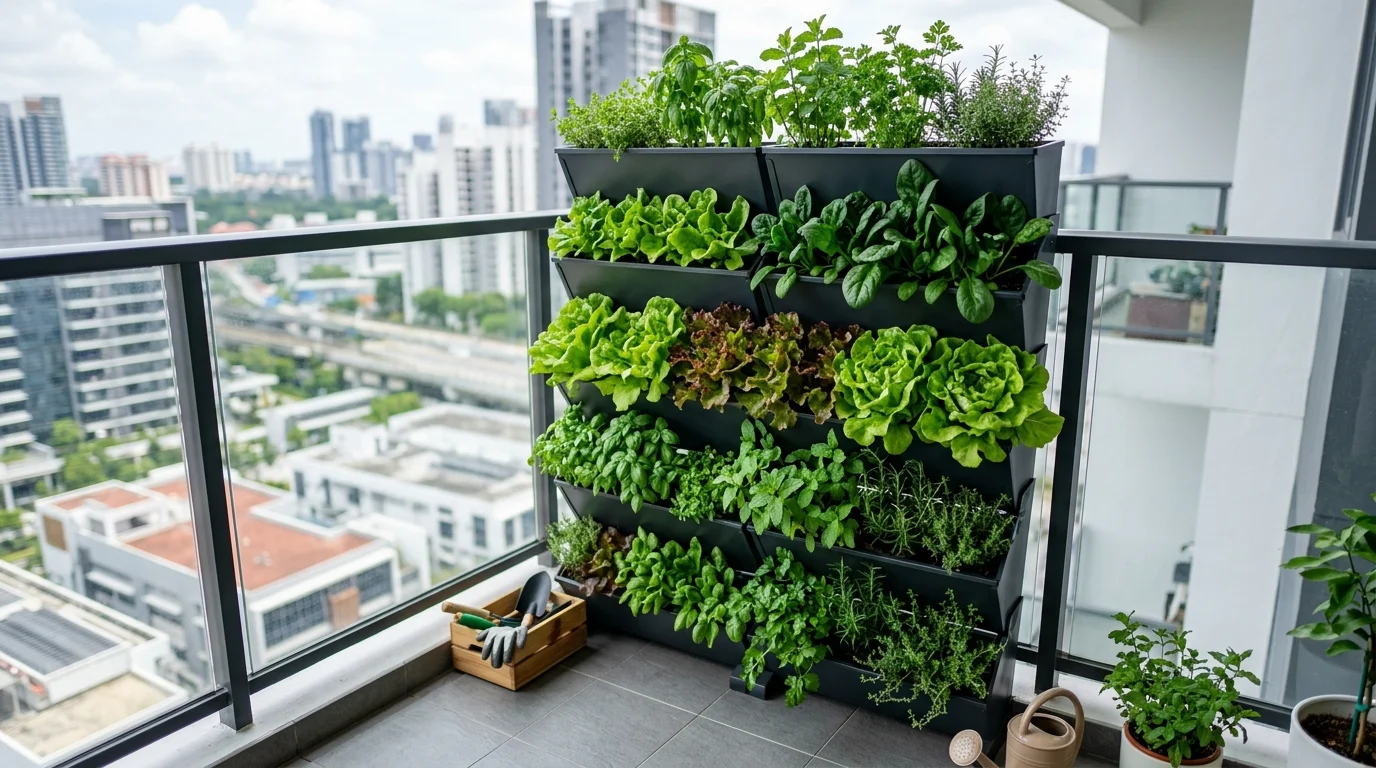
Small-Space Growing
14 Space-Saving Small Vegetable Gardens for Urban GrowersFrequently asked questions
What makes an indoor plant wall feel polished?
A clear support structure, repeated containers or materials, and intentional spacing usually make the biggest difference. The greenery should feel curated rather than accidental.
Which rooms work best for plant walls?
Living rooms, staircases, offices, bathrooms, and kitchens can all work, as long as the light level and maintenance routine match the plants chosen.
Can a plant wall be practical as well as decorative?
Yes. Herb walls, rail systems, shelf-based layouts, and room-dividing plant walls can all add strong function along with visual impact.