Not every small kitchen has room for a traditional nook, but that does not mean it has to lose a comfortable place to eat, pause, or gather. In many layouts, a more flexible alternative actually works better because it uses less floor area while responding more intelligently to the room.
The smartest substitutes still create a sense of occasion around meals. A wall table, window bar, island extension, banquette hybrid, or fold-down surface can all feel charming and intentional when the seating, lighting, and proportions are handled well.
These ideas focus on compact dining setups that feel practical, stylish, and genuinely helpful in smaller kitchens or multipurpose homes. Some are minimal and efficient, some a little cozier, but all of them prove a small dining space can still feel inviting.
Quick planning notes
Measure the circulation before choosing furniture because the best nook alternative is the one that keeps the kitchen easy to move through every day.
Decide whether the area needs to support only meals or also work, homework, coffee, and conversation so the setup matches real routines.
Use light, flexible furniture when possible so the dining spot can adapt as the room changes or needs extra clearance.
Define the zone with lighting, textile, or wall styling so even a very compact arrangement still feels like a place and not an afterthought.
Idea 1
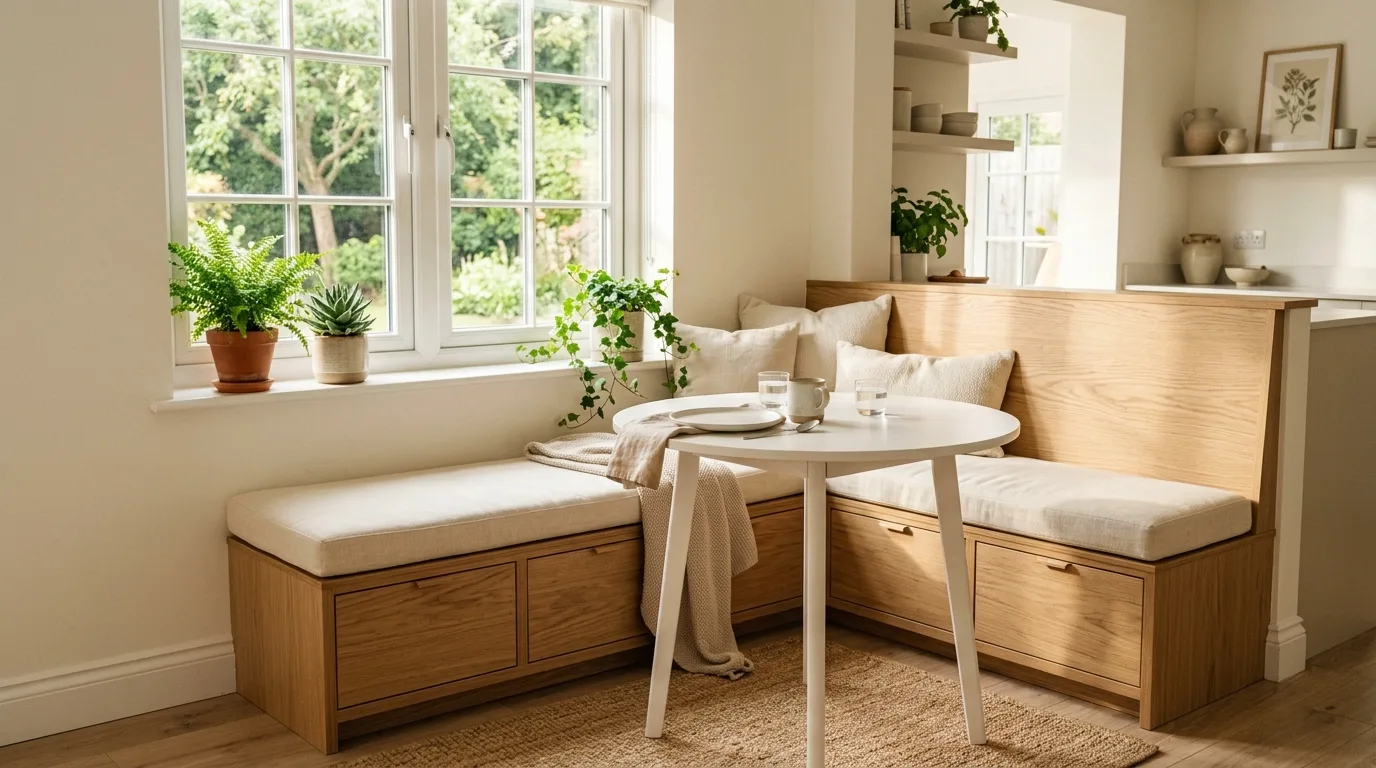
Round pedestal table with movable chairs tucked into a corner window
A small round table can replace a built-in nook beautifully because it keeps the room flexible while still creating a clear dining moment. The movable chairs make the corner easier to adapt, which is especially useful in tighter kitchens.
Idea 2
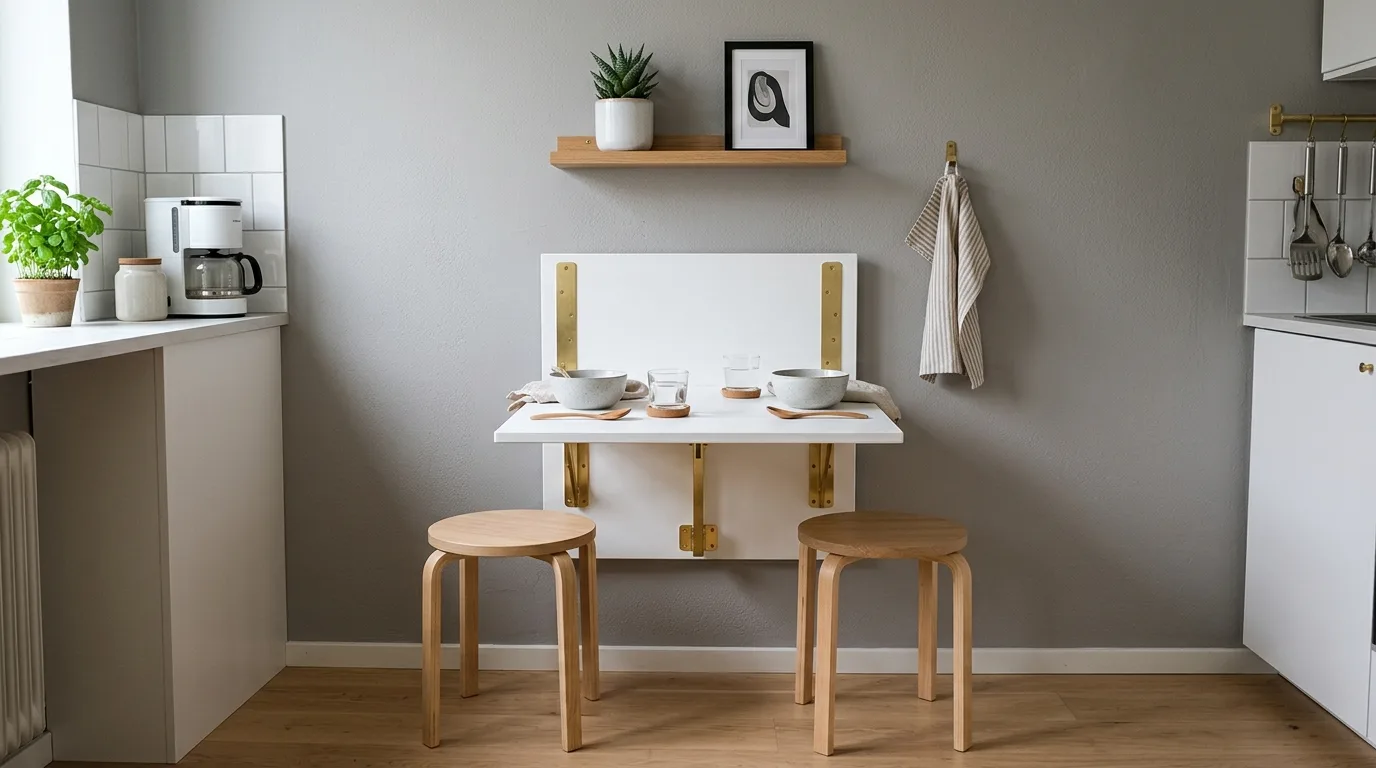
Slim console table dining wall with stools that disappear underneath
A narrow wall-mounted dining setup works well when floor space is limited and a standard nook would feel too heavy. Tucked stools make the room feel cleaner between meals, helping the small area function without visual crowding.
Idea 3
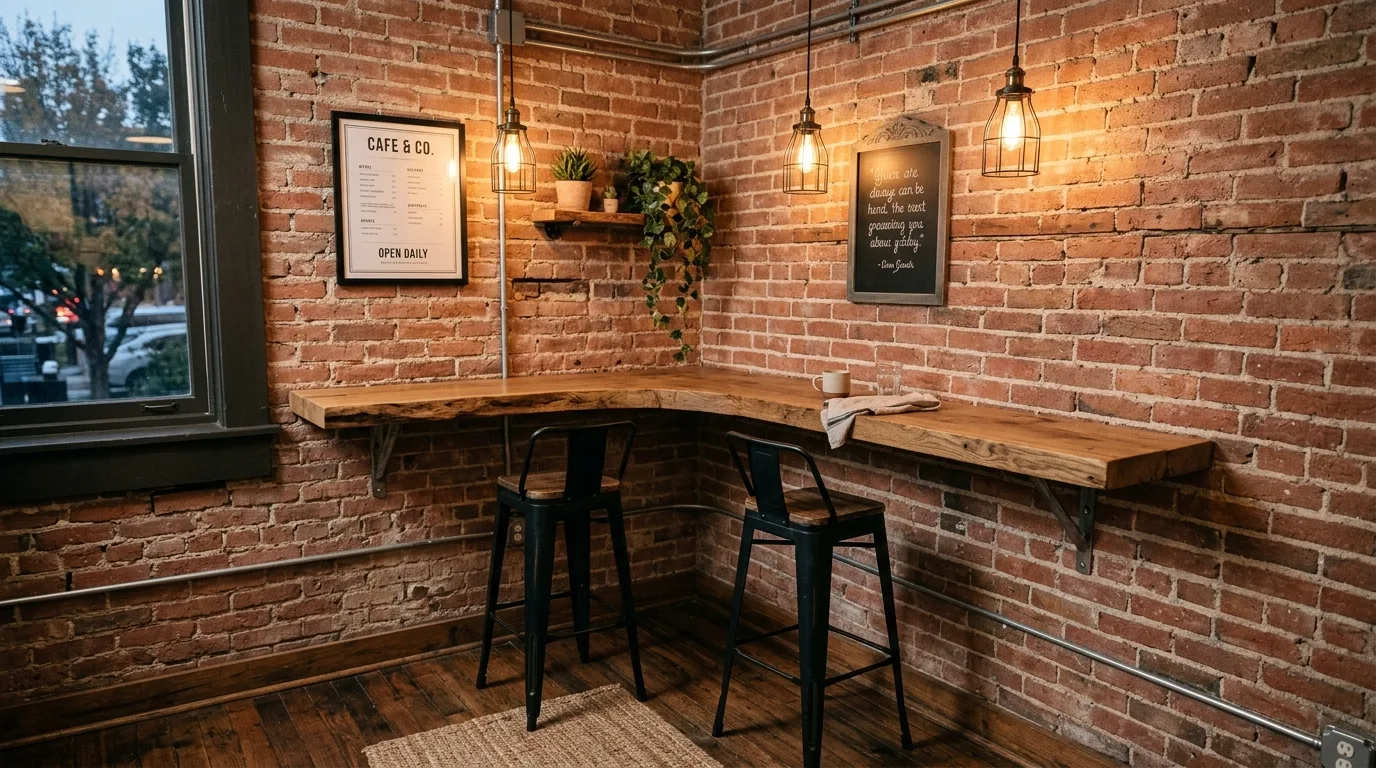
Window ledge dining bar with two chairs and layered pendant light
Turning a window into a bar-height dining spot gives a small kitchen a bright place to eat without requiring the footprint of a booth or larger table. The pendant helps define the zone, making the arrangement feel intentional instead of improvised.
Idea 4
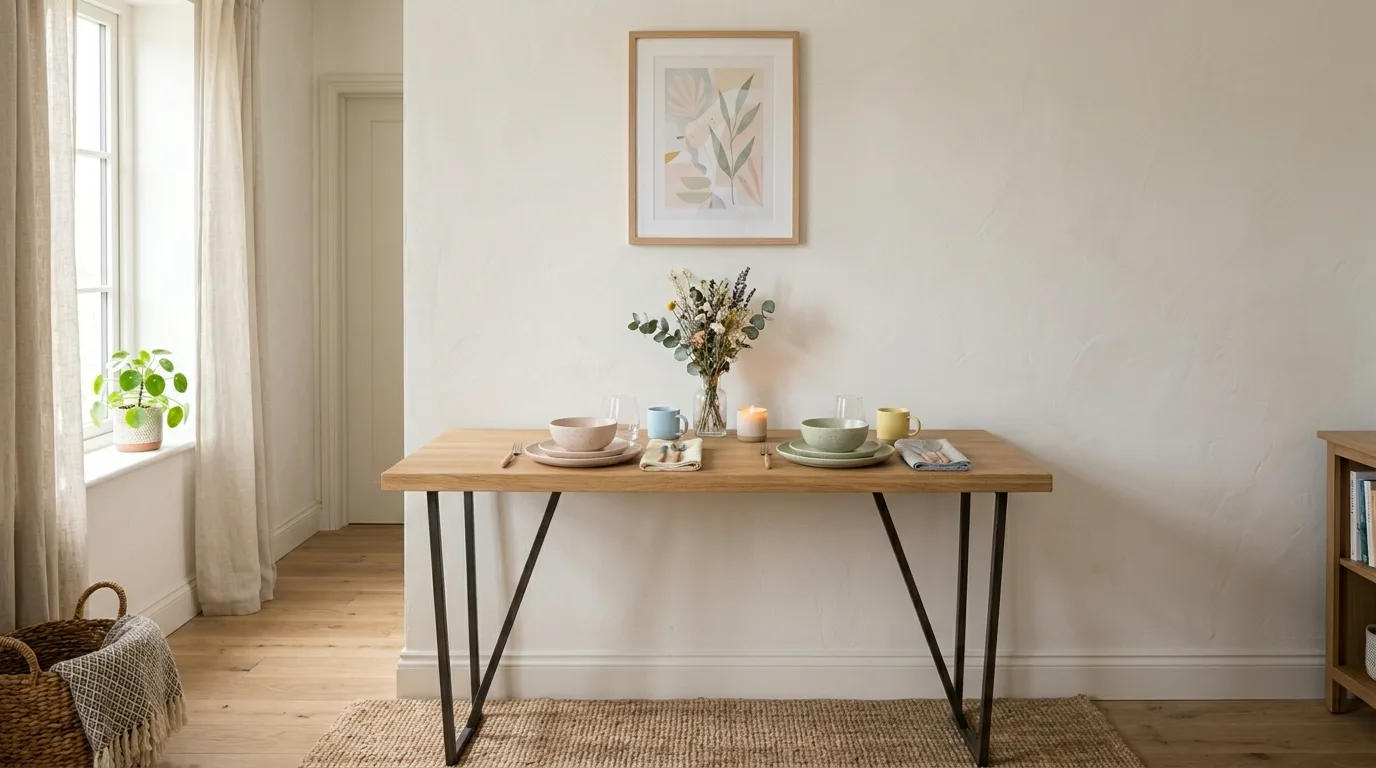
Freestanding bench and cafe table combo that can shift with the room
A freestanding bench keeps some of the coziness of a nook while preserving more flexibility than built-in seating. Paired with a compact cafe table, it creates a softer dining corner that can still move as the room changes.
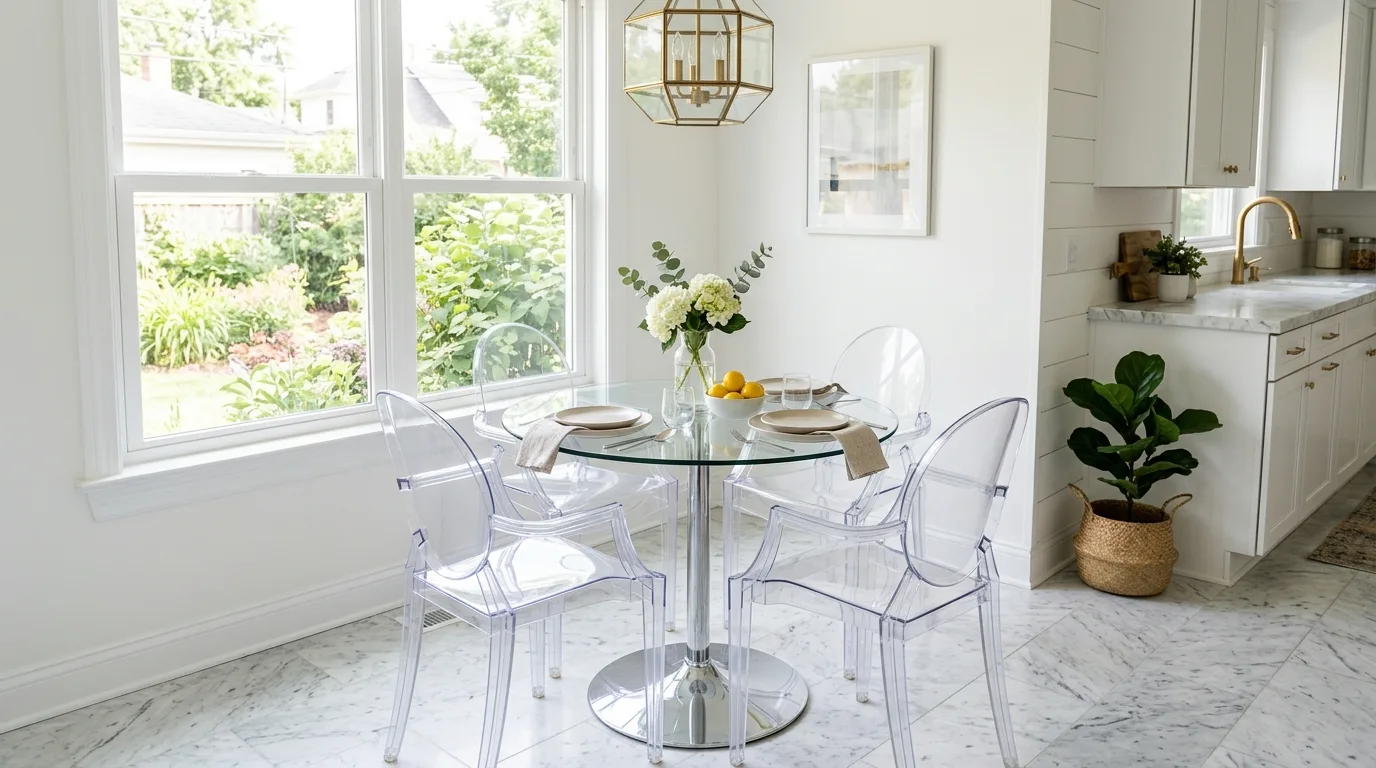
Idea 5
Kitchen island end fitted with a drop leaf dining extension
Adding a drop leaf to an island is a clever alternative when every square foot has to multitask. The surface expands only when needed, letting the kitchen move between prep zone and dining spot much more easily.
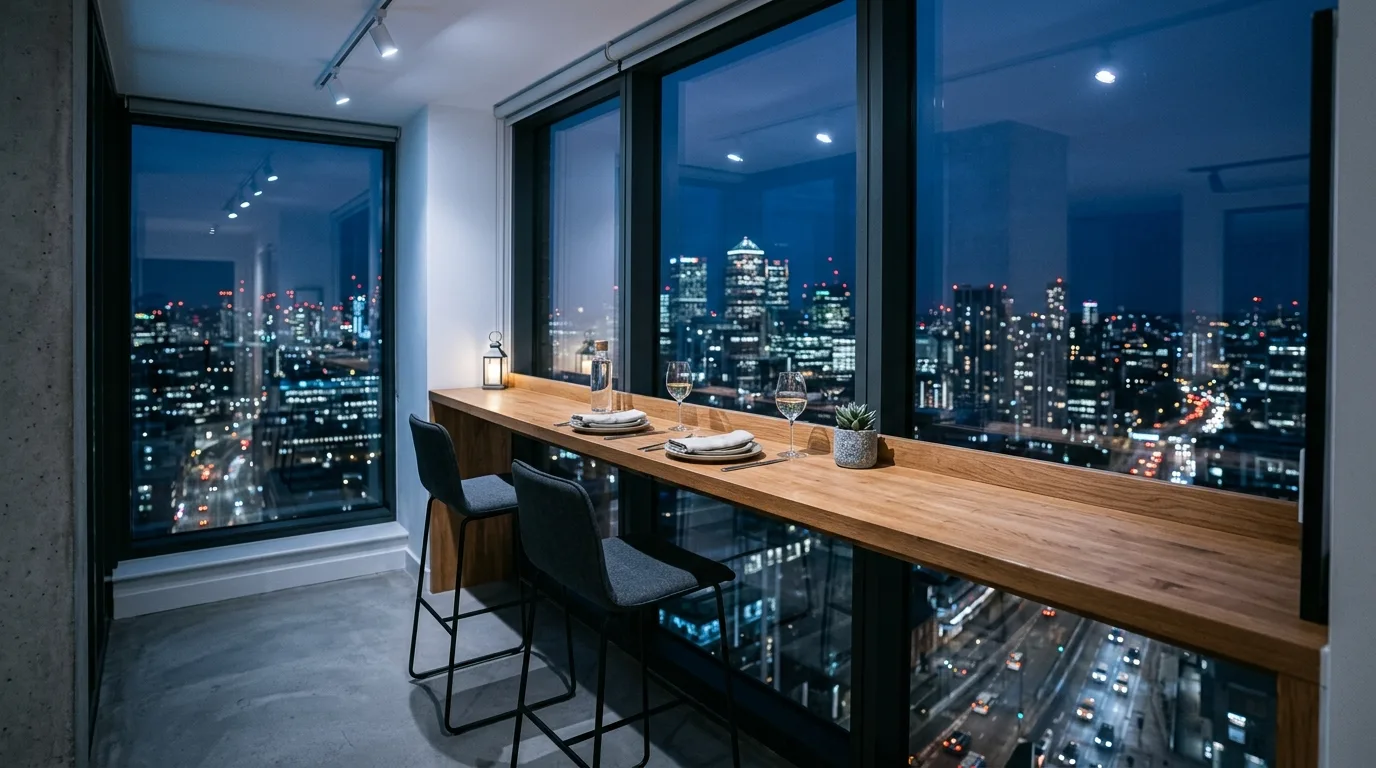
Idea 6
Wall banquette paired with lightweight dining chairs on the opposite side
A one-sided banquette offers comfort without committing fully to a boxed-in nook, which can make a small kitchen feel more open. Lightweight chairs on the other side preserve circulation and keep the eating area easier to rearrange.
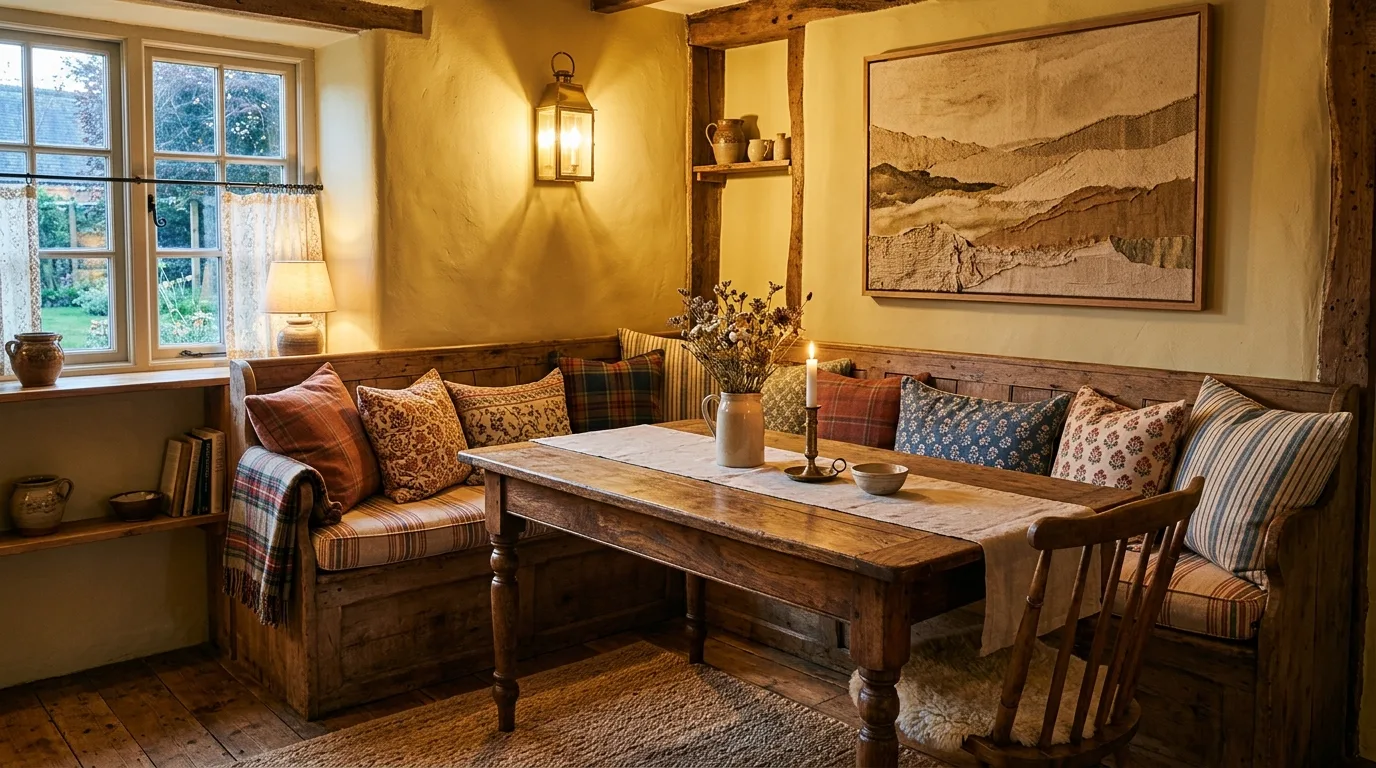
Idea 7
Breakfast counter with upholstered stools and art wall behind
A breakfast counter can feel like a true destination when the seating is comfortable enough and the wall behind it has enough personality to define the zone. That approach gives the room a social perch without sacrificing open floor area.
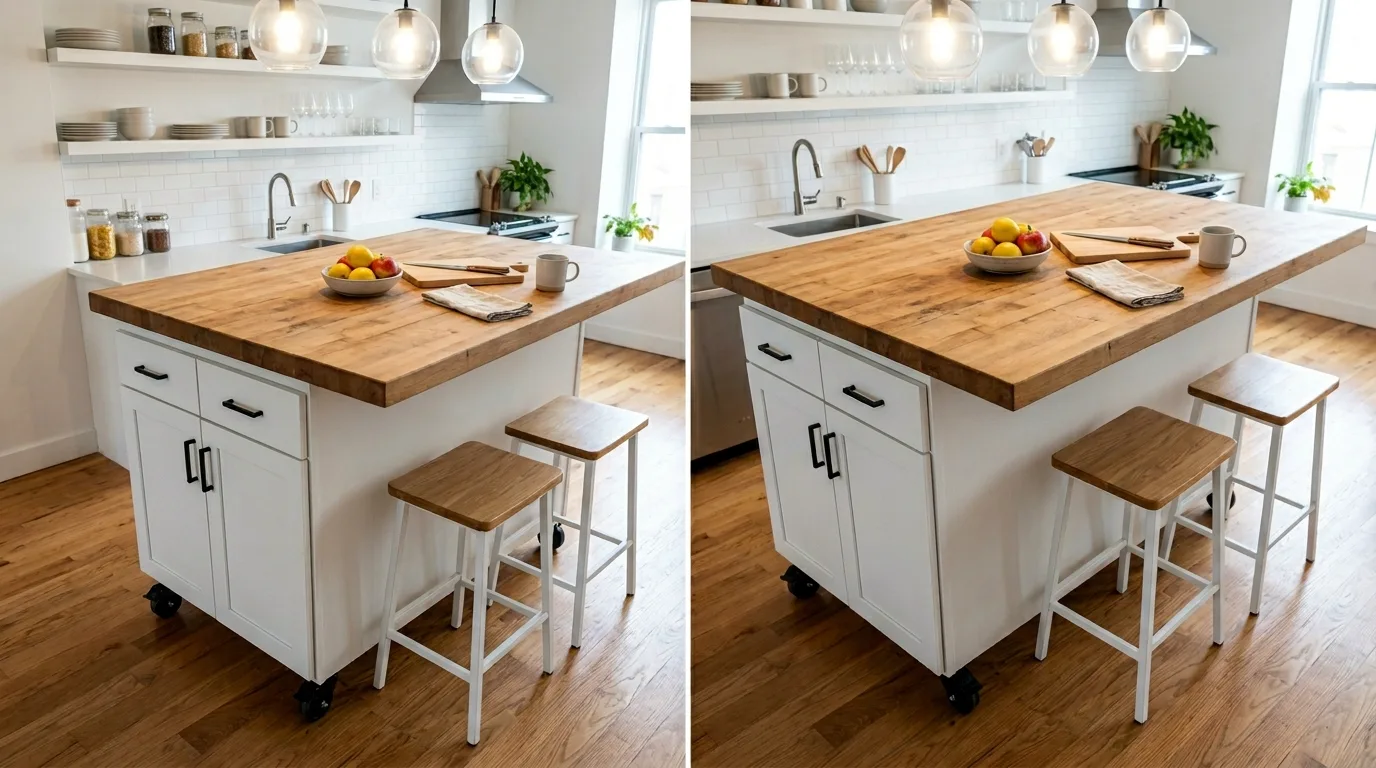
Idea 8
Corner desk dining hybrid for meals, homework, and laptop use
A dining corner that doubles as a small desk can be a smarter choice than a traditional nook when the room has to support more than one routine. The setup remains intimate for meals but earns its place all day long.
Idea 9
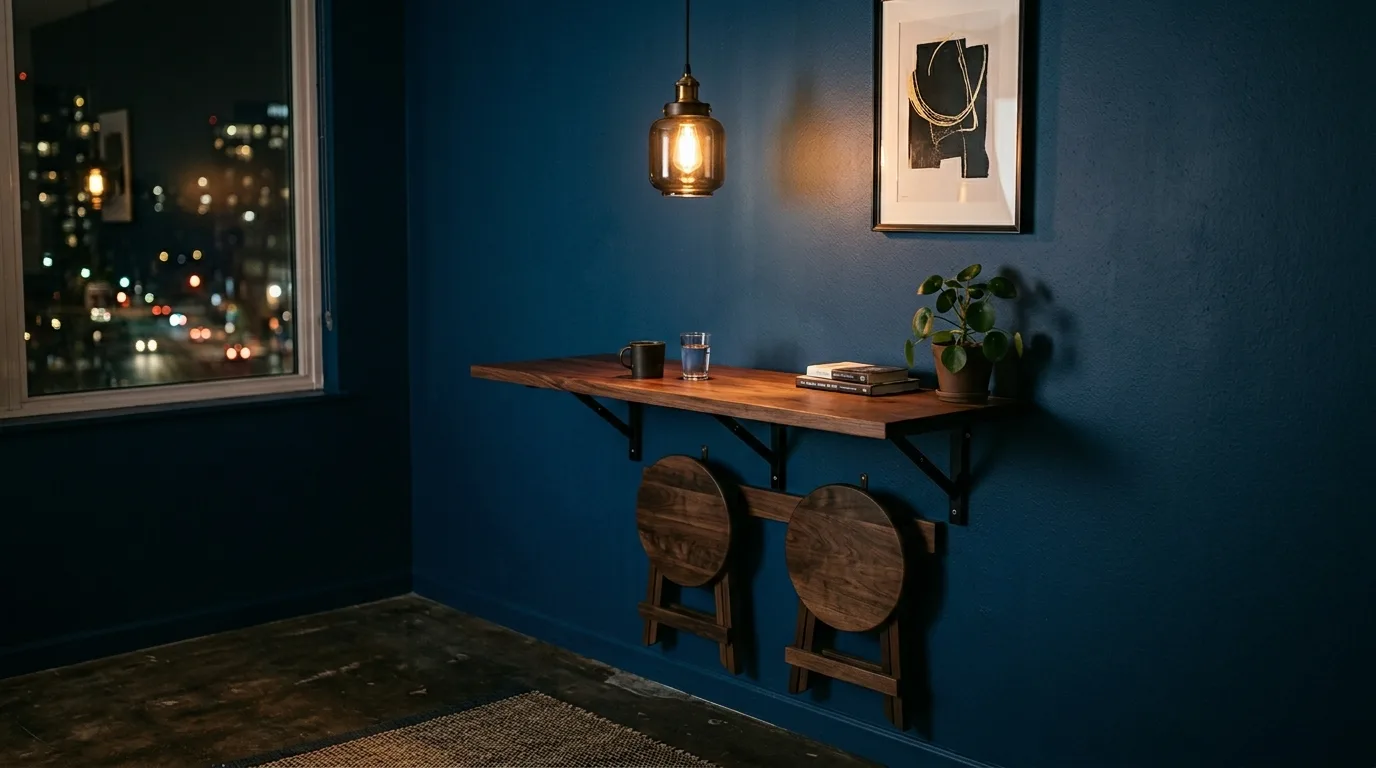
Tall bistro table solution for narrow galley kitchens
In narrow kitchens, a taller bistro setup can make the footprint feel lighter than lower, wider furniture would. The vertical emphasis creates a dining moment without interrupting circulation too heavily, which keeps the galley more workable.
Idea 10
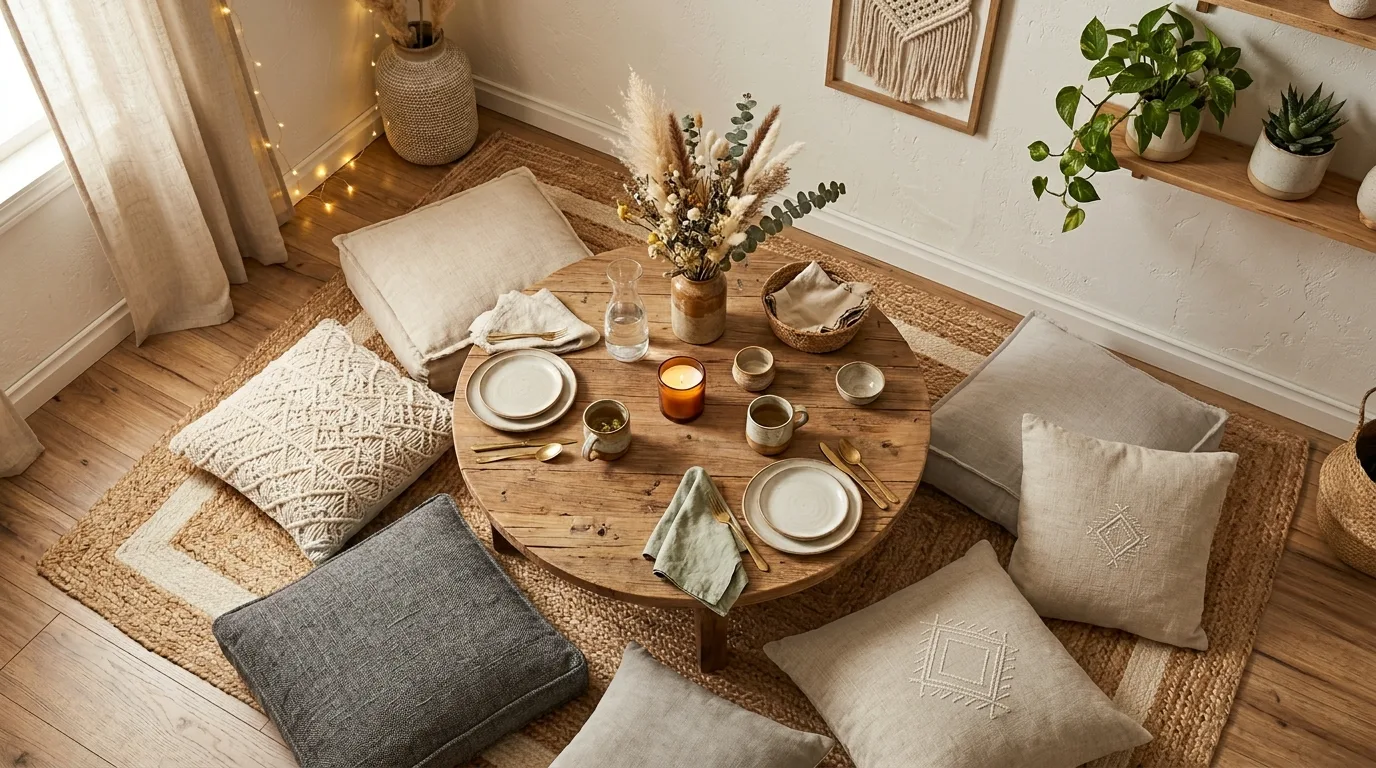
Built in shelf wall with fold down table for occasional dining
A fold-down surface makes sense when a daily permanent dining setup would simply consume too much room. With shelving around it, the wall still looks finished and useful, and the table appears only when it truly needs to work.
Idea 11
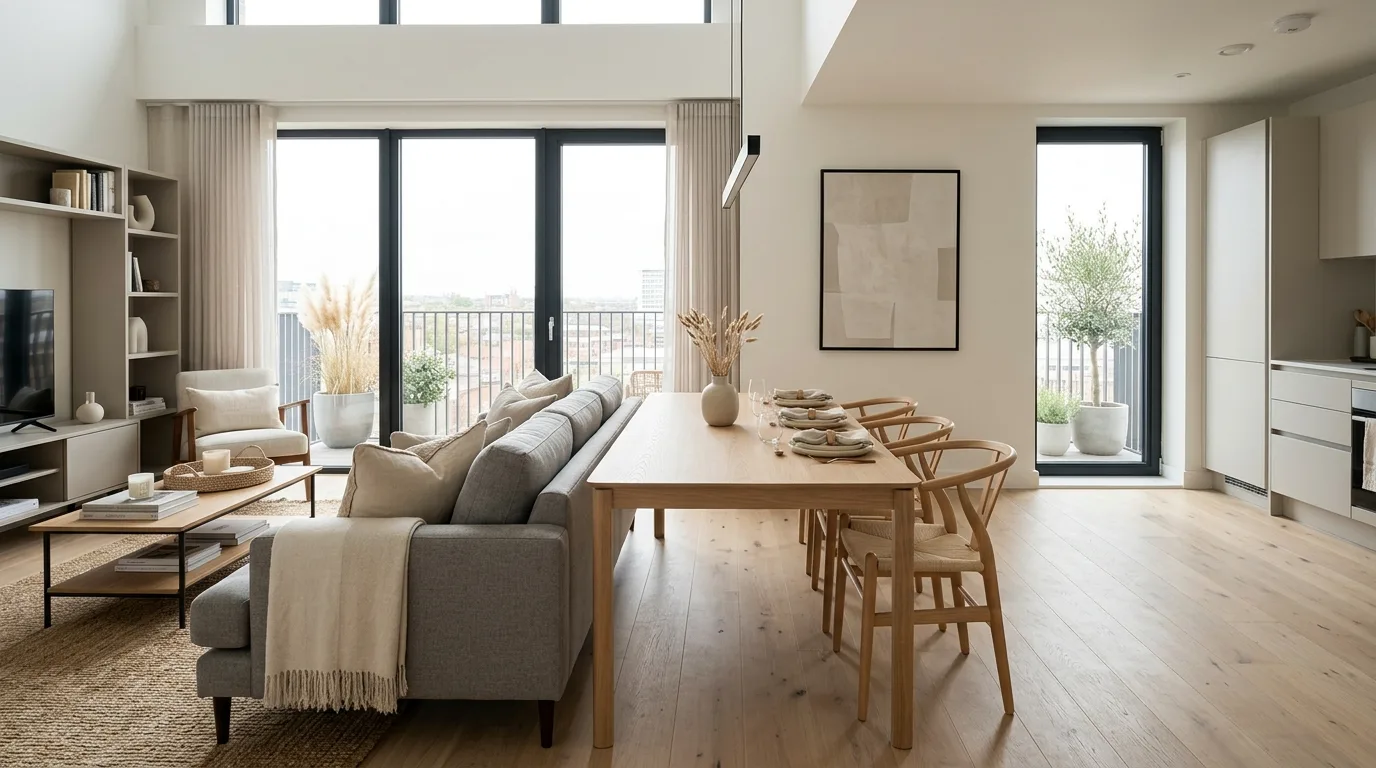
Soft lounge style dining corner with two armchairs and small pedestal
Using armchairs instead of classic dining seating can make a small eating zone feel more like part of the living space, which is useful in open or apartment layouts. The pedestal keeps the footprint compact while the chairs make the corner more comfortable to linger in.
Read next on Saw & Sprout
Edible Gardens
13 Clever Tomato Trellis Gardens for a Bountiful Harvest
Small-Space Growing
14 Space-Saving Small Vegetable Gardens for Urban GrowersFrequently asked questions
What works better than a built in nook in a tiny kitchen?
Slim tables, wall bars, drop-leaf extensions, fold-down surfaces, and freestanding bench setups often give more flexibility with less bulk.
Can a small dining corner still feel cozy without a booth?
Yes. Comfortable seating, good light, and one defining decorative gesture can make even a very compact setup feel warm and inviting.
Which nook alternative is best for multi-use homes?
Hybrid solutions like island extensions, desk-dining corners, and fold-down tables often work especially well because they adapt across the day.