Rose gardens endure because they combine romance, fragrance, and structure in a way that very few flowers can match. Whether the setting is formal or relaxed, roses have a natural ability to make the landscape feel more graceful and emotionally resonant.
Classic elegance does not mean a rose garden has to feel old-fashioned in a stale way. The strongest examples pair traditional beauty with thoughtful layout, careful companion planting, and enough restraint to let the roses remain the unmistakable stars.
These rose flower gardens explore many expressions of timeless style. Some are grand and symmetrical, some softer and more intimate, but all of them show why roses remain such an enduring garden favorite.
Quick planning notes
Choose roses that suit the garden's scale and maintenance level so the design remains graceful instead of becoming crowded or hard to manage.
Support the roses with structure and companion planting that enhance their beauty without competing for attention.
Use paths, arches, or focal points to turn the rose garden into an experience rather than simply a collection of shrubs.
Consider fragrance and proximity carefully, because roses are often most rewarding when some of them can be enjoyed up close as well as from afar.
Idea 1
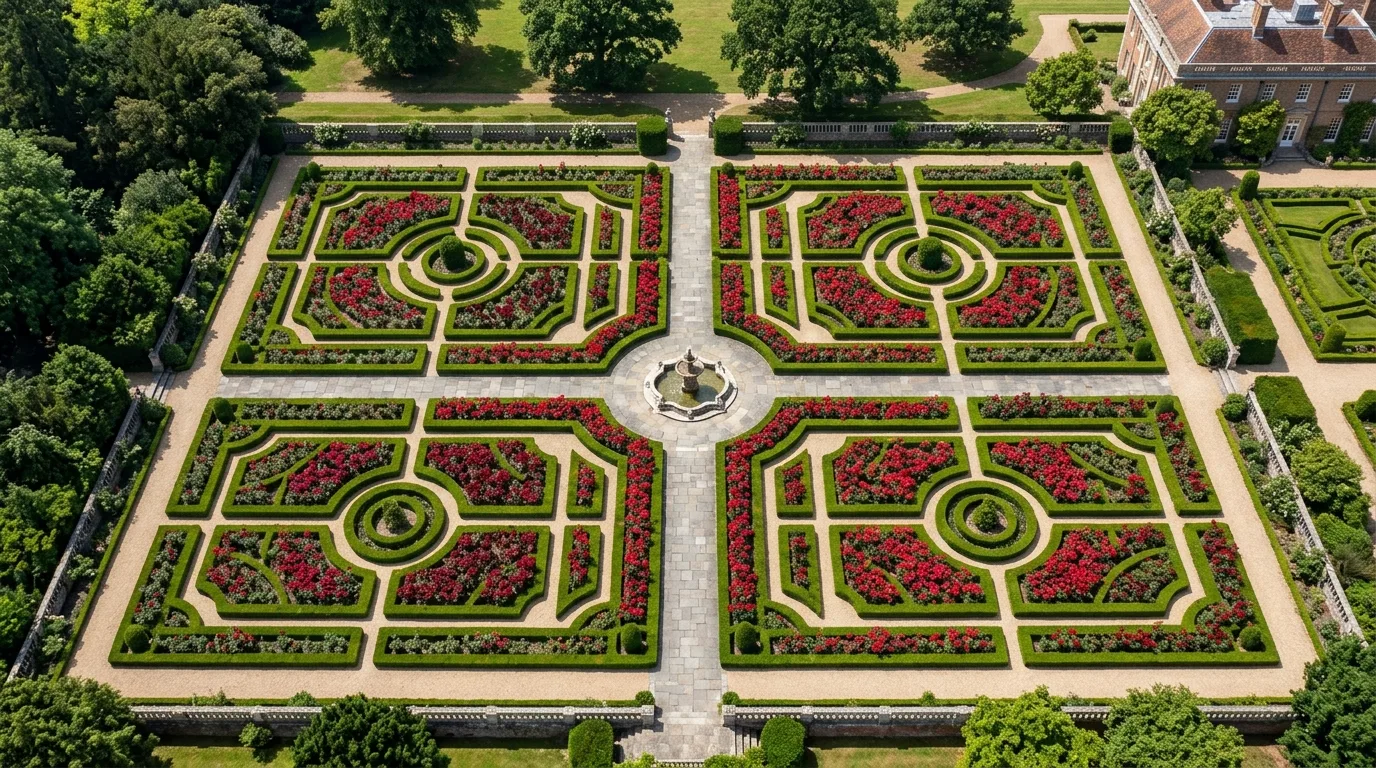
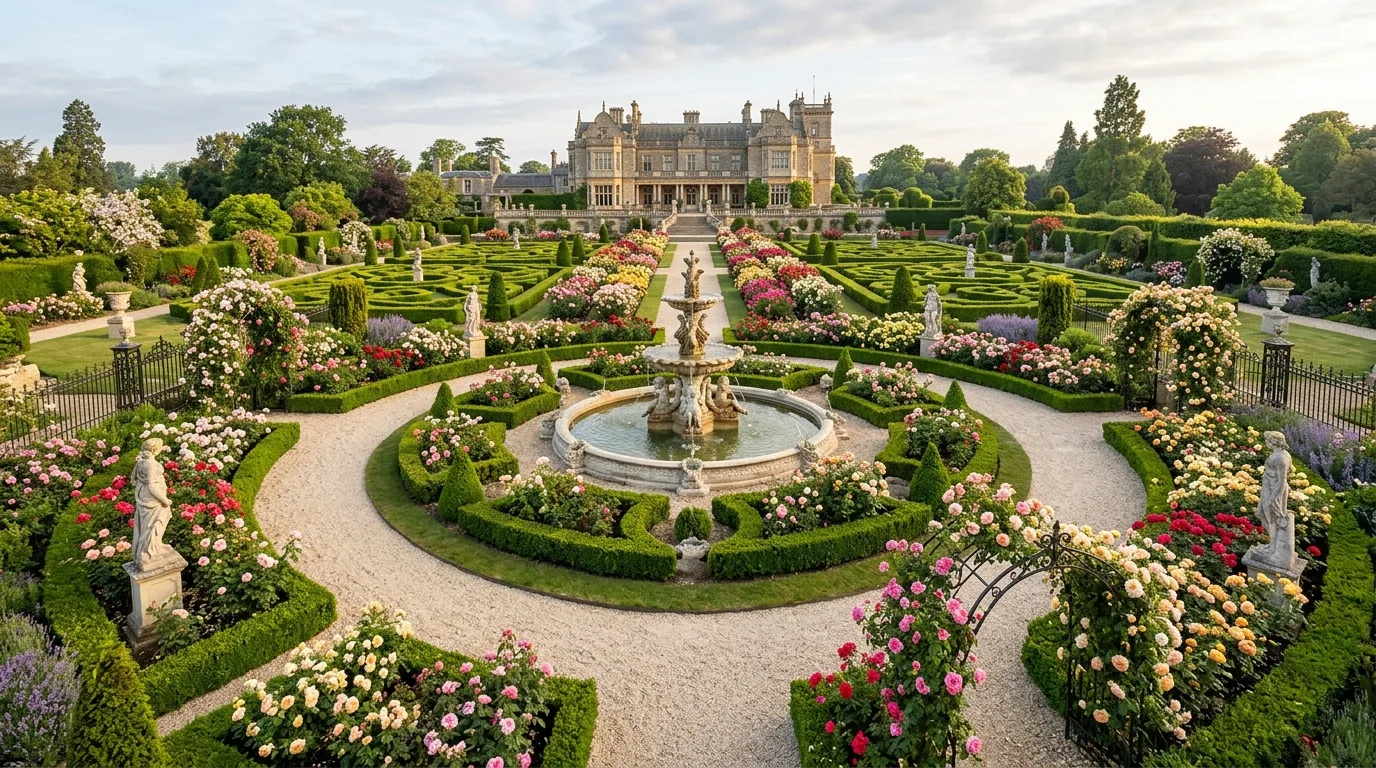
A formal rose border with timeless symmetry
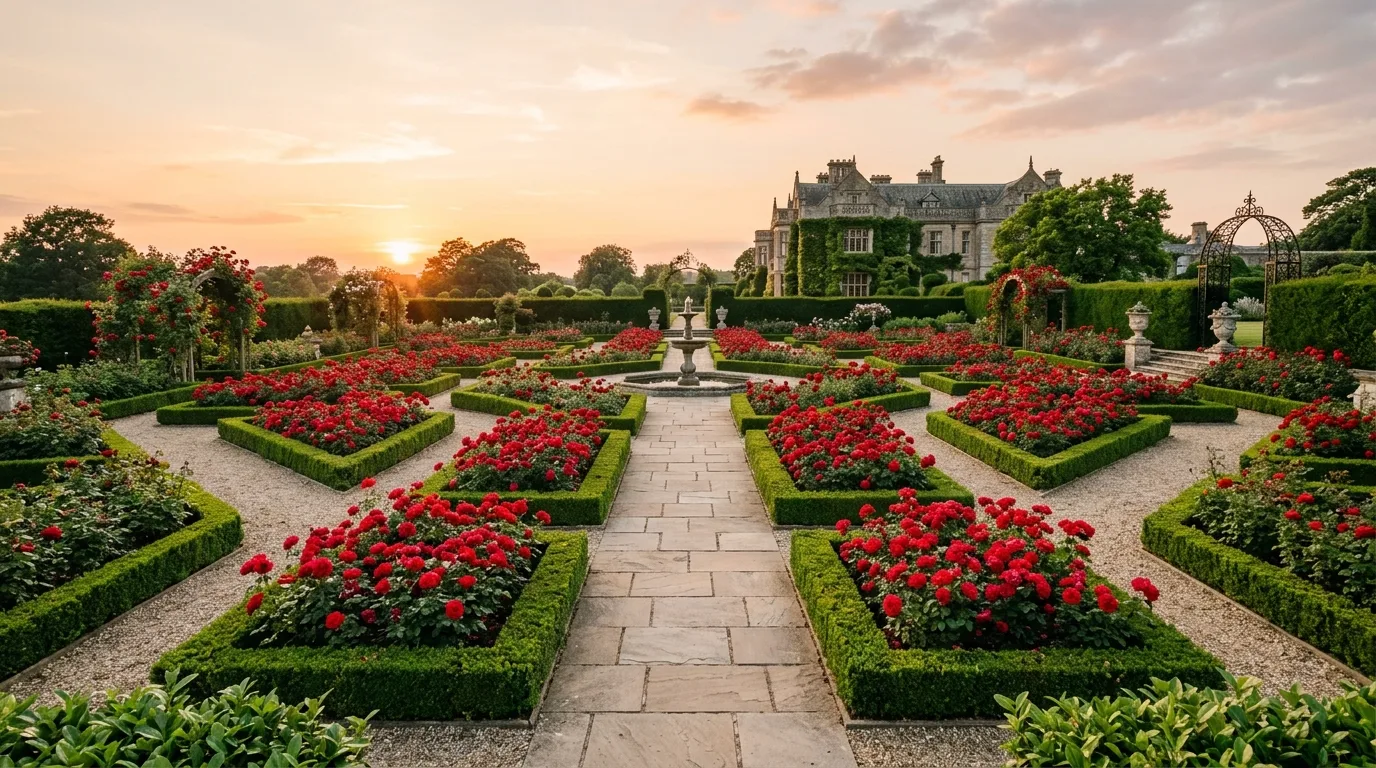
Symmetry gives a rose garden an immediate sense of dignity, especially when repeated bushes line a central walk or frame a lawn. The order of the layout allows the romance of the blooms to feel even more refined, creating a space that looks classic, elegant, and deeply intentional.
Idea 2
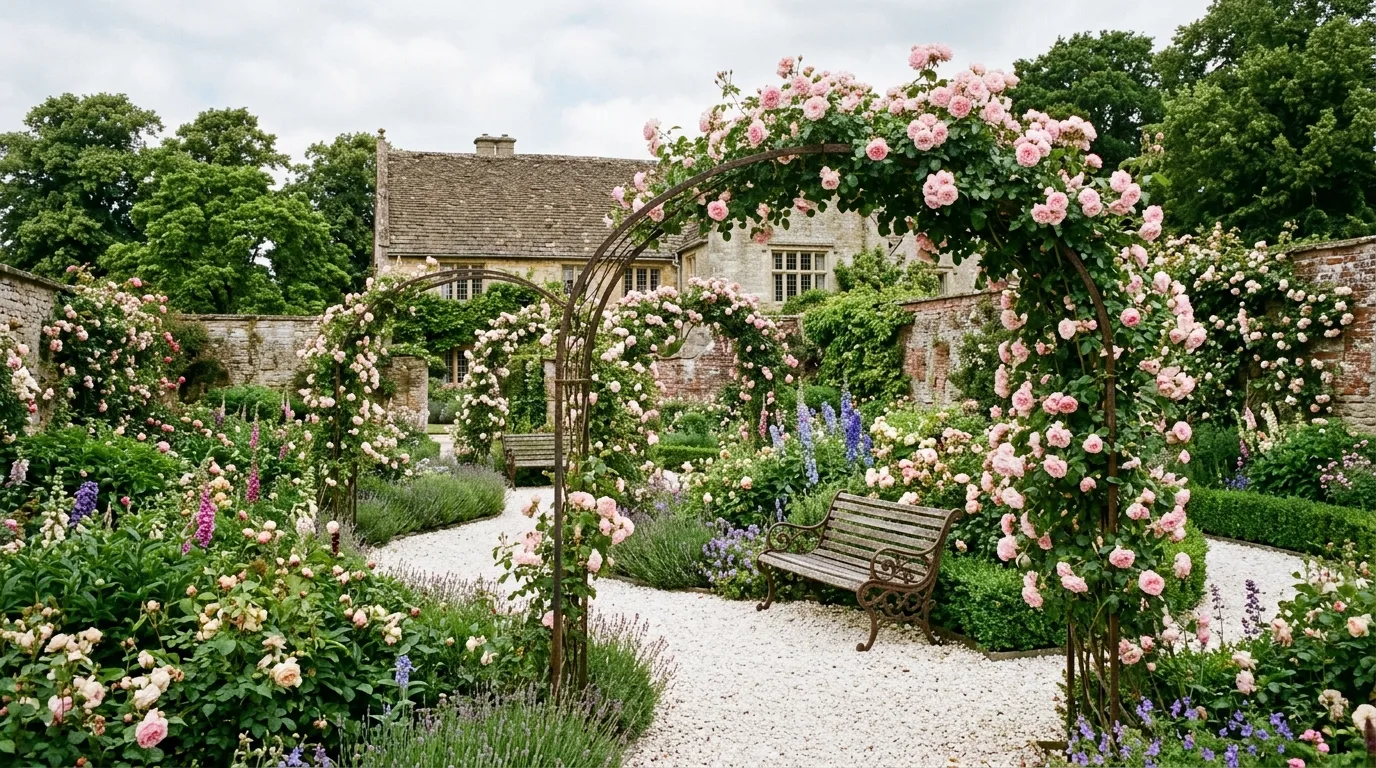
Climbing roses over an arbor for a grand entrance
An arbor clothed in roses creates one of the most iconic garden experiences because it combines fragrance, structure, and softness in a single moment. Used at an entry or transition point, it makes the garden feel welcoming and ceremonial at the same time.
Idea 3
Mixed rose colors arranged in a harmonious palette
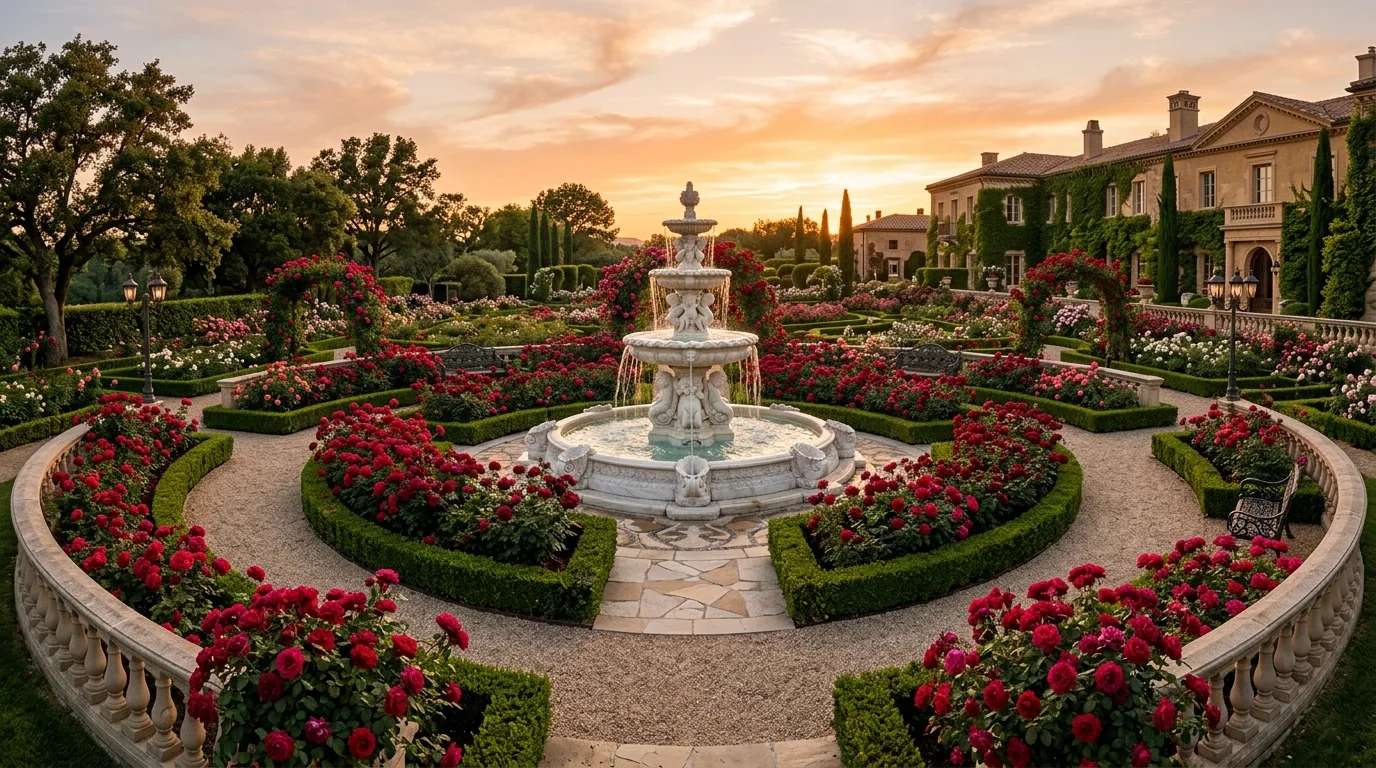
A rose garden becomes more sophisticated when multiple colors are chosen to work together instead of compete for attention. Soft blush, creamy white, peach, and deeper pink can create tonal richness that feels layered and romantic without becoming visually noisy.
Idea 4
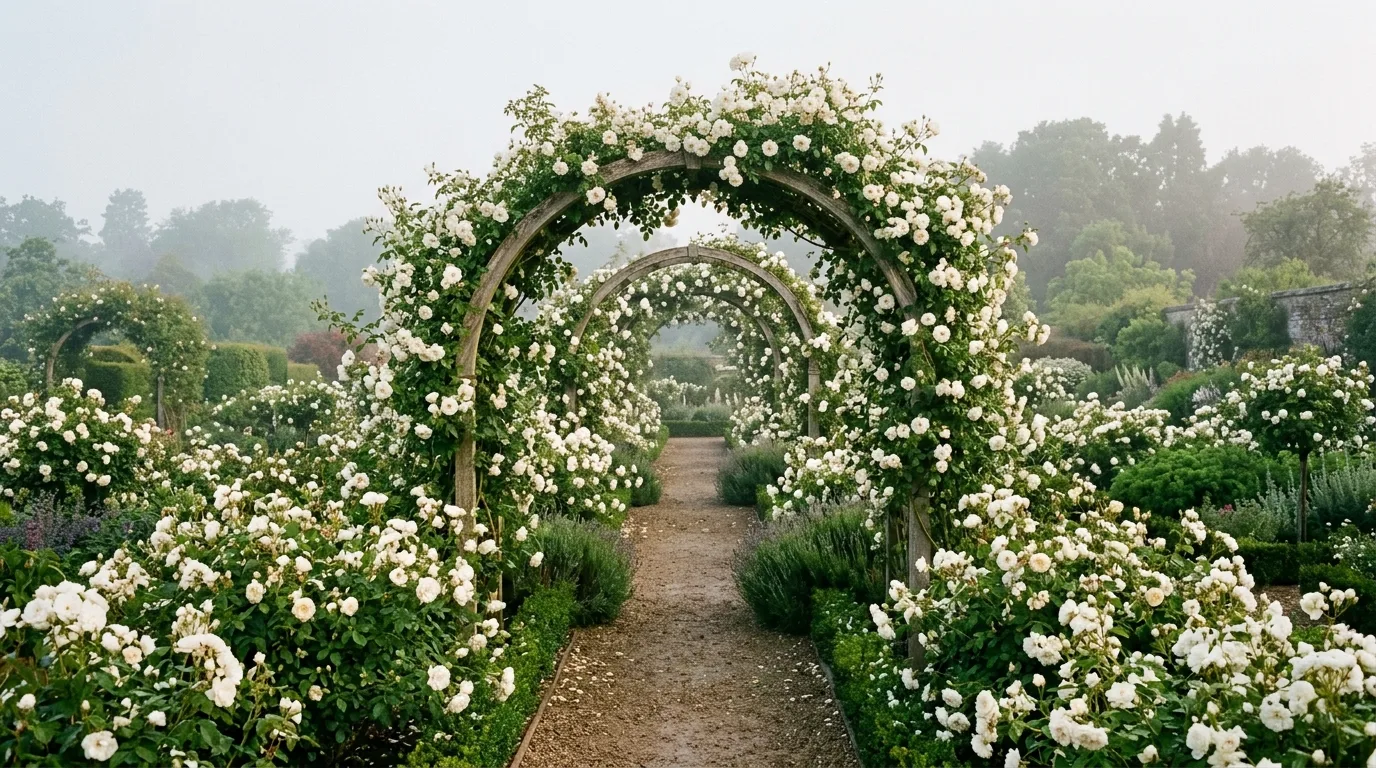
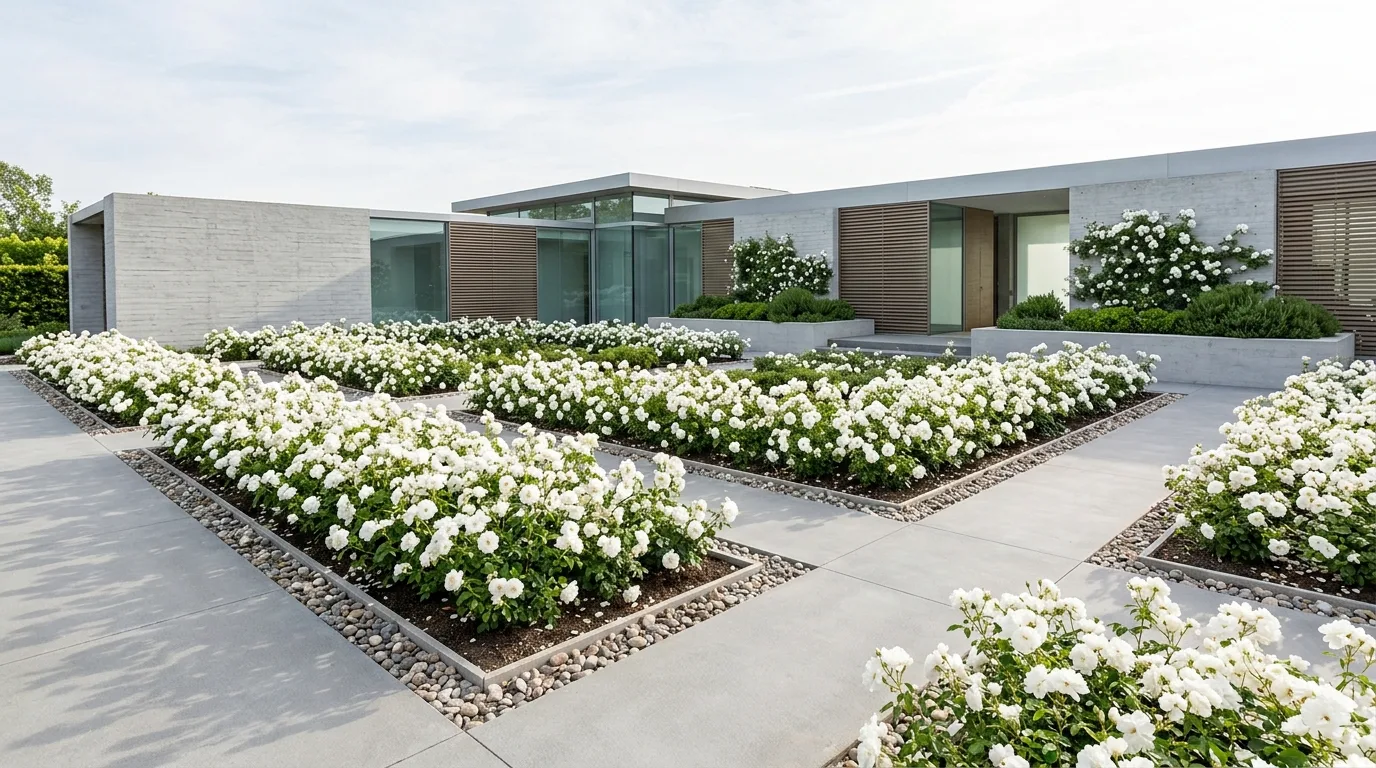
White roses paired with clipped evergreen structure
White roses look especially graceful against dark evergreen shapes because the contrast makes every bloom feel luminous and crisp. This classic pairing brings together softness and discipline, creating a garden that feels polished enough for formal settings but still emotionally warm.
Idea 5
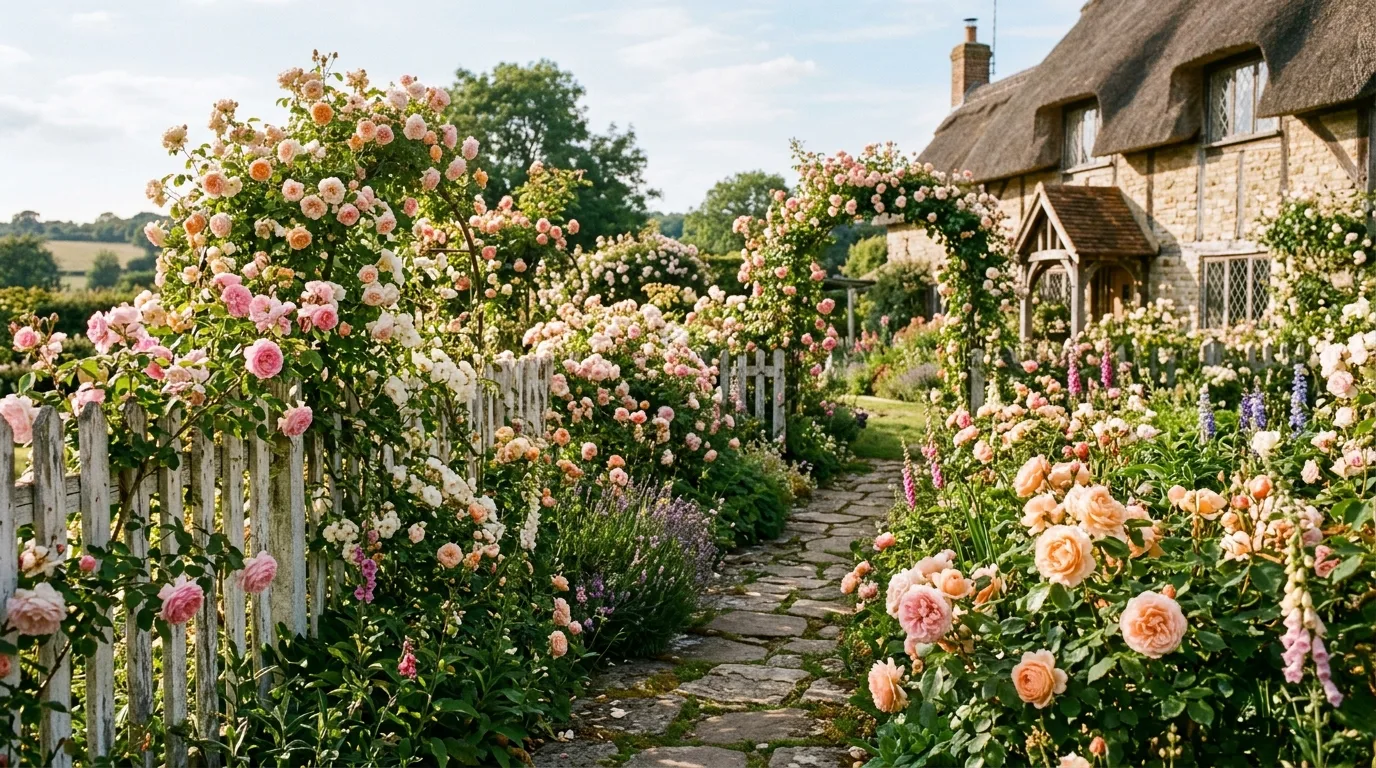
A cottage rose border spilling with companion plants
Roses can feel more relaxed and charming when they mingle with salvias, nepeta, foxgloves, and other cottage favorites. The supporting plants soften the roses' lower growth, extend the season of interest, and create the impression of abundance that makes cottage gardens so beloved.
Idea 6
Tree roses used as sculptural focal points
Tree roses bring a more formal and sculptural note to the garden, making them perfect for entrances, parterres, or terrace edges where height and definition are helpful. Their elevated blooms add elegance while still delivering all the charm and fragrance expected from roses.
Idea 7
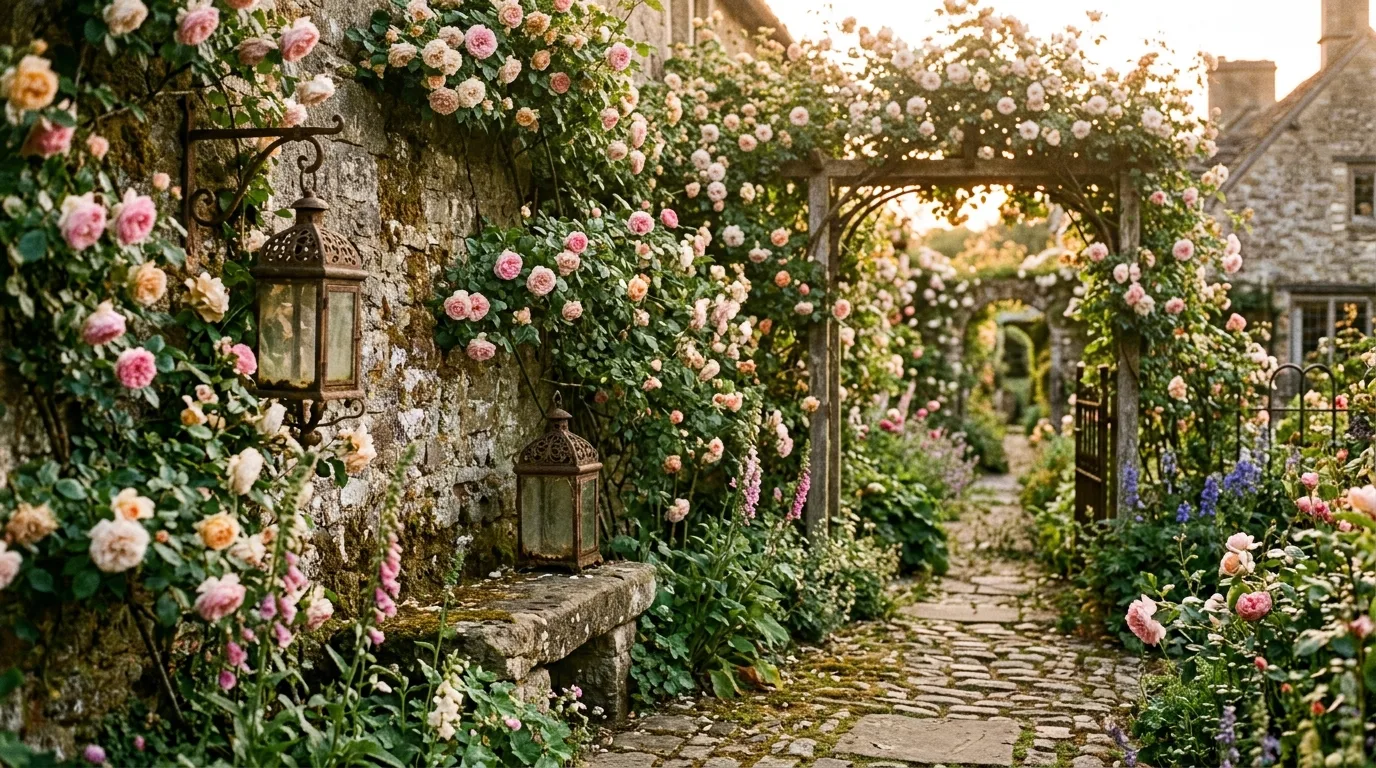
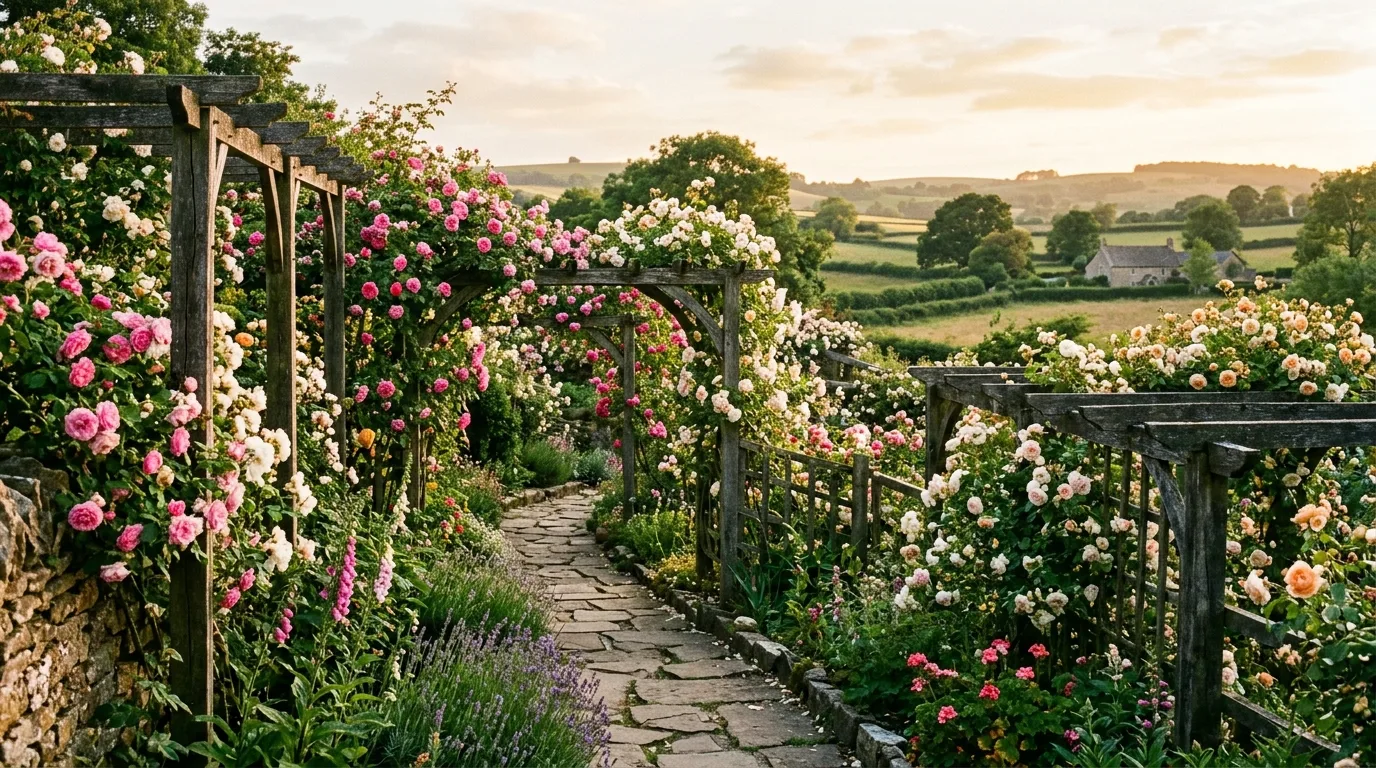
A rose path designed for fragrance up close
Roses are most enjoyable when they are planted where people naturally pass near them instead of viewing them only from a distance. A rose-lined path invites touch, scent, and slow appreciation, making the beauty of the garden feel more personal and immersive.
Idea 8
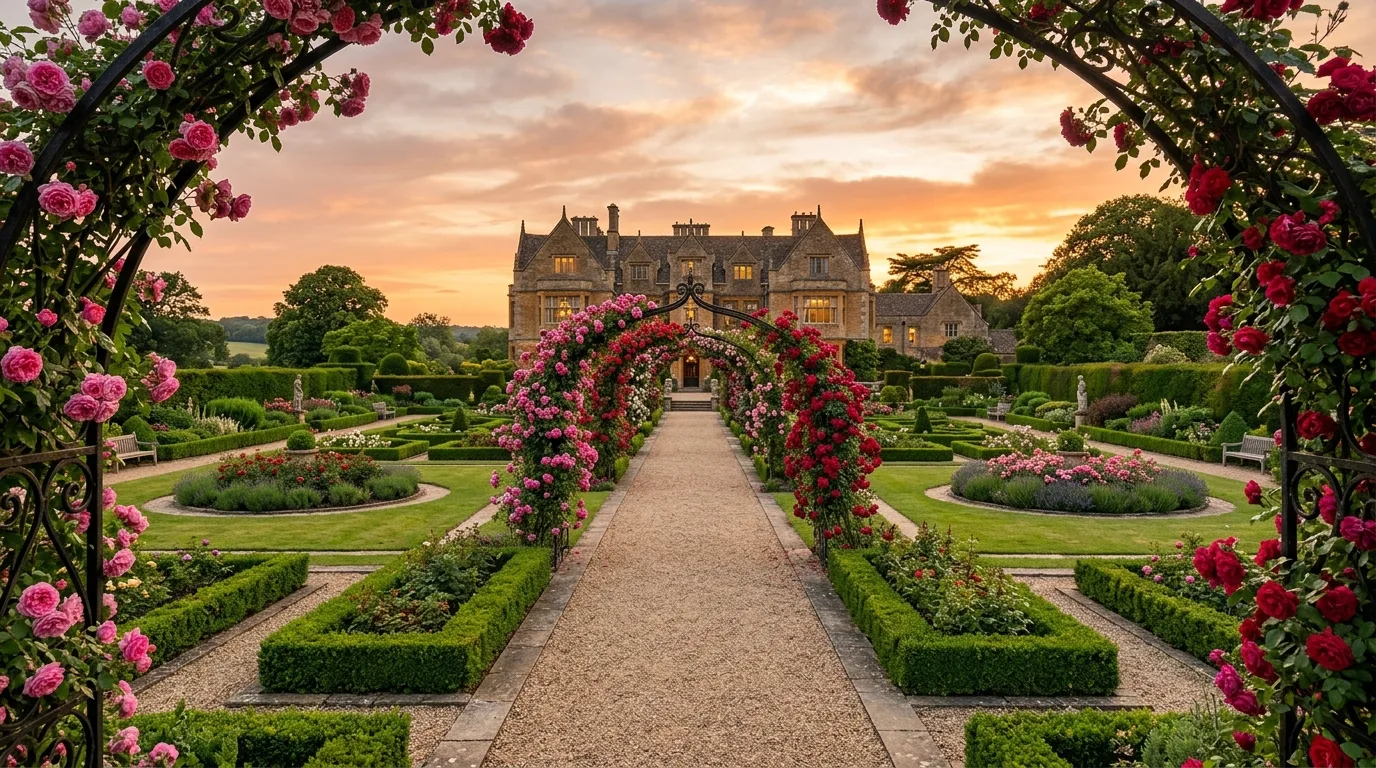
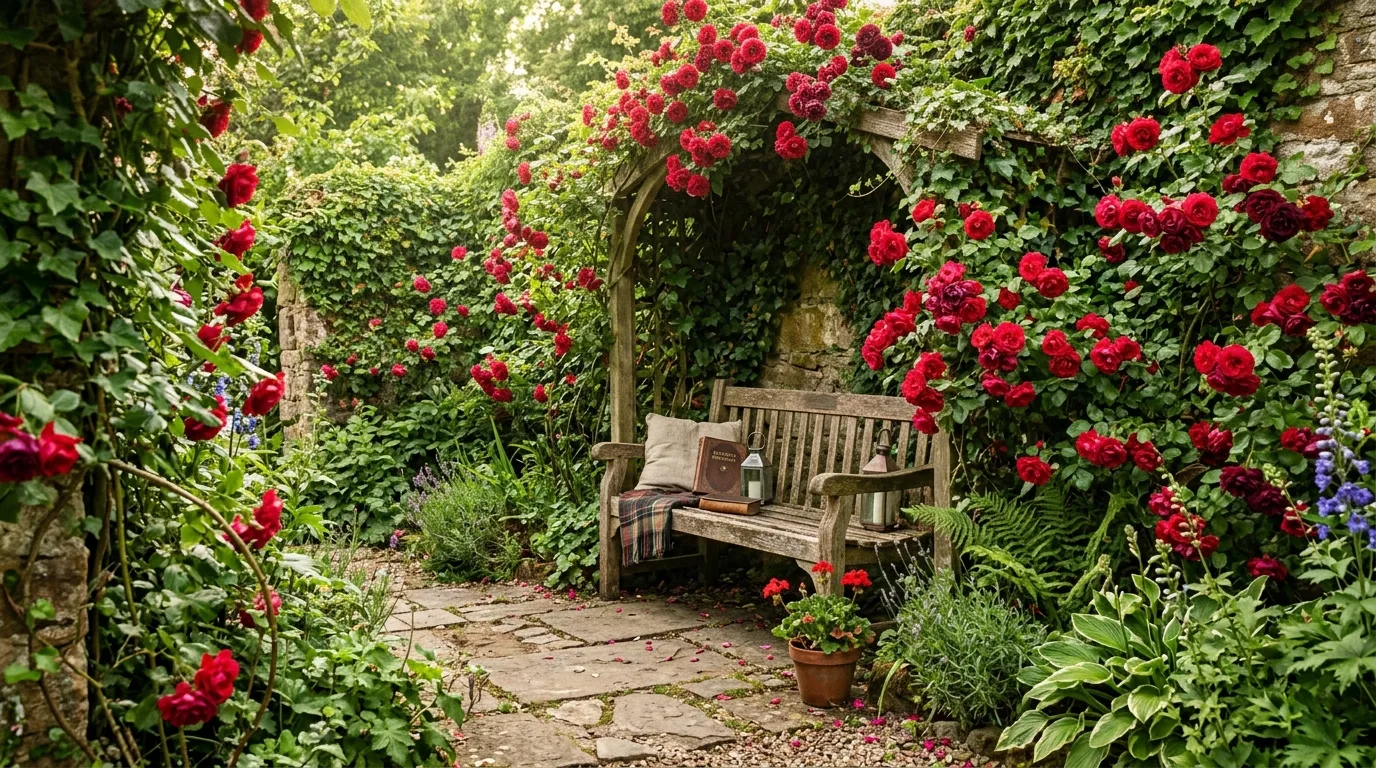
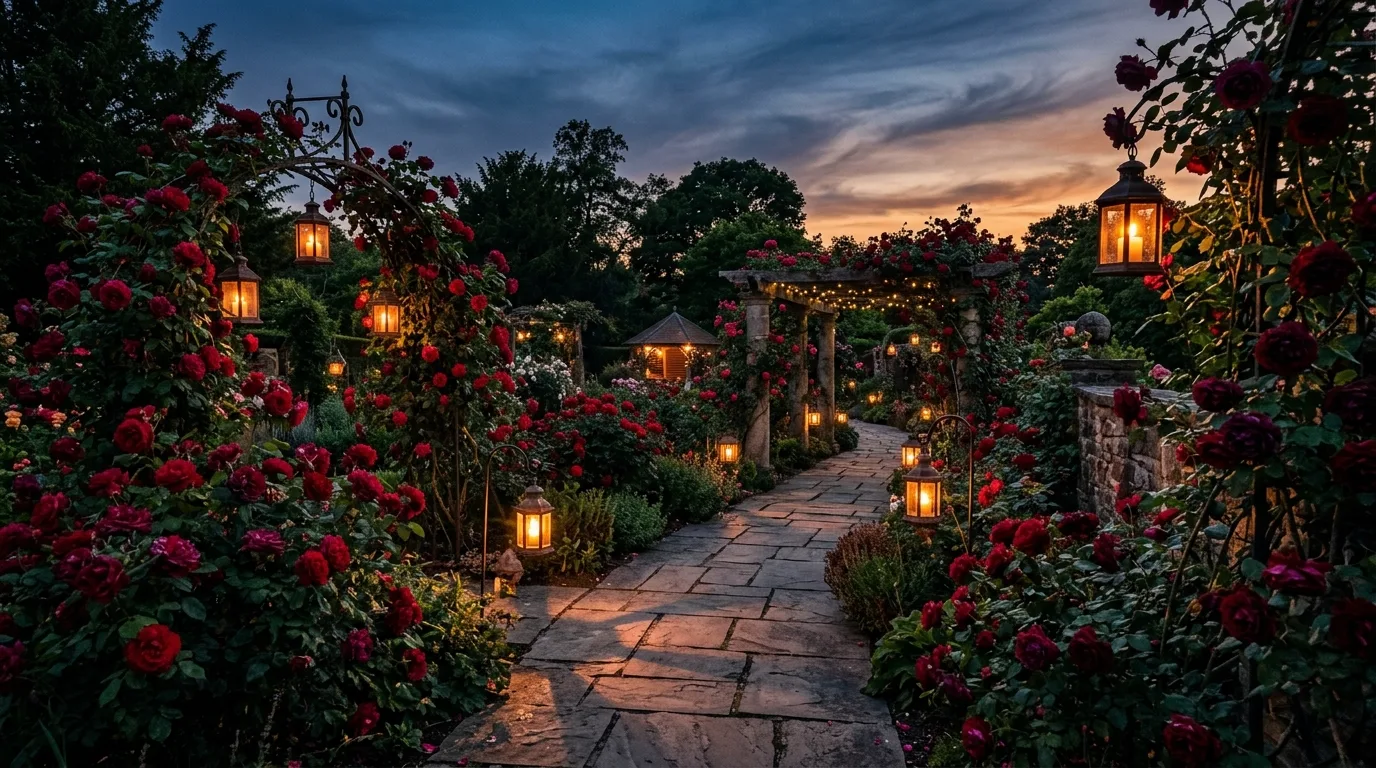
Deep red roses for a richer classic mood
Not every classic rose garden needs to stay pale, and deep red varieties can bring an old-world richness that feels especially dramatic. Used thoughtfully with green structure and lighter nearby companions, they create a luxurious mood without overwhelming the whole space.
Idea 9
Terrace roses in generous decorative containers
Container roses can create a beautifully tailored garden feel on terraces, courtyards, and smaller spaces where in-ground beds are limited. Matching pots, repeated varieties, and supportive underplanting give the arrangement a collected elegance that feels intentional and lush.
Idea 10
A rose garden centered on one heirloom variety
Focusing on a beloved heirloom rose can give a garden stronger identity than trying to include every type at once. The repetition creates cohesion, and the distinctive bloom form and fragrance make the whole space feel curated around one beautiful and memorable signature.
Idea 11
Low edging flowers that polish the rose beds
Rose gardens often look more complete when the lower edges of the beds are softened and finished with tidy companion planting. Low flowers or silver foliage help conceal bare stems, add texture, and make the overall display feel more layered and professionally composed.
Idea 12
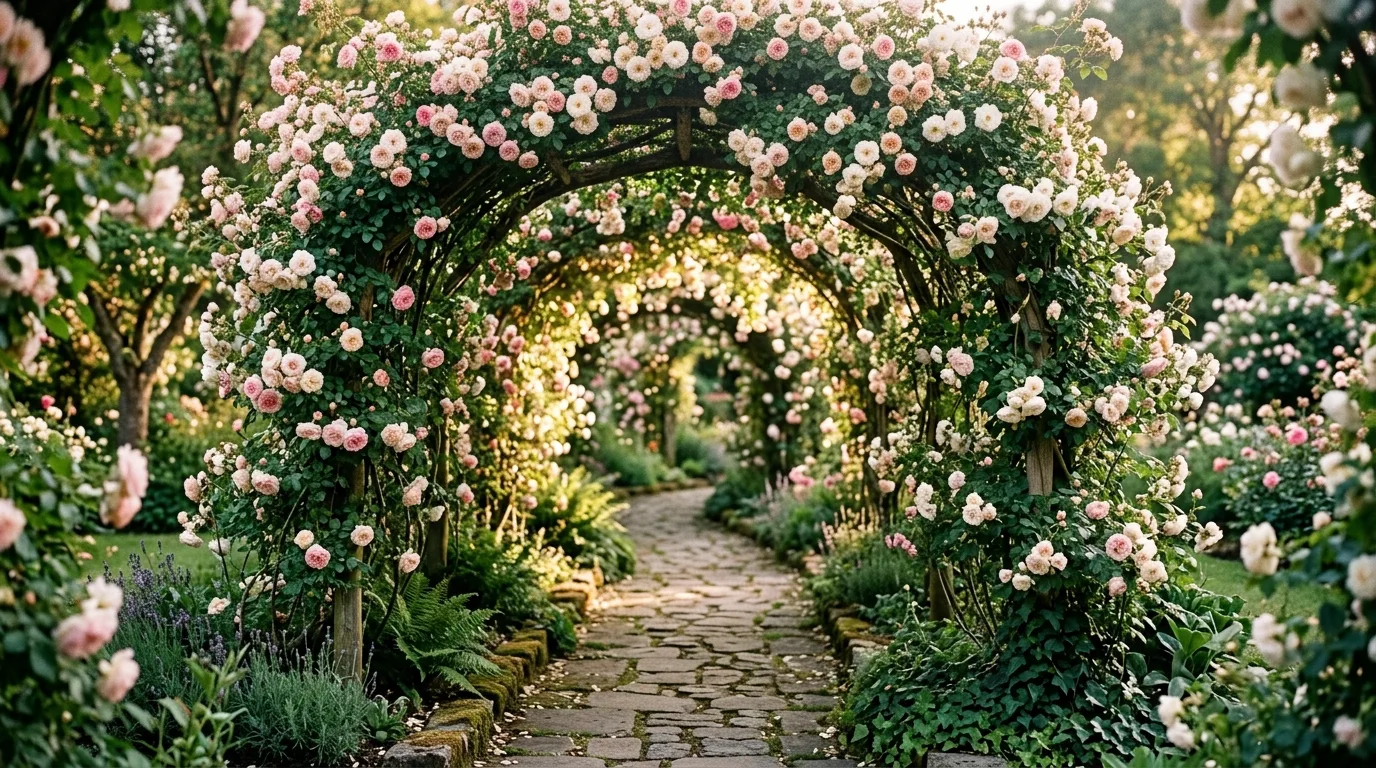
An archway sequence that leads through roses
Several arches planted with climbing roses can turn an ordinary garden route into something grand and cinematic. The repeated frames create depth and procession, while the flowers soften the structure and fill the air with the kind of romance that defines a classic rose garden.
Idea 13
A cool-toned rose palette for restrained elegance
Roses in whites, blushes, and soft lilac-pinks create a garden that feels calm and refined rather than exuberant. This cooler palette is especially beautiful near stone paths, pale walls, or formal architecture where the goal is timeless elegance with quiet emotional warmth.
Idea 14
Roses layered for beauty beyond peak bloom
A classic rose garden becomes stronger when it is designed to stay attractive after the main flush has passed. By weaving in foliage contrasts, long-blooming perennials, and structural shapes, the space keeps its grace through the season while allowing roses to remain the emotional centerpiece.
Read next on Saw & Sprout
Edible Gardens
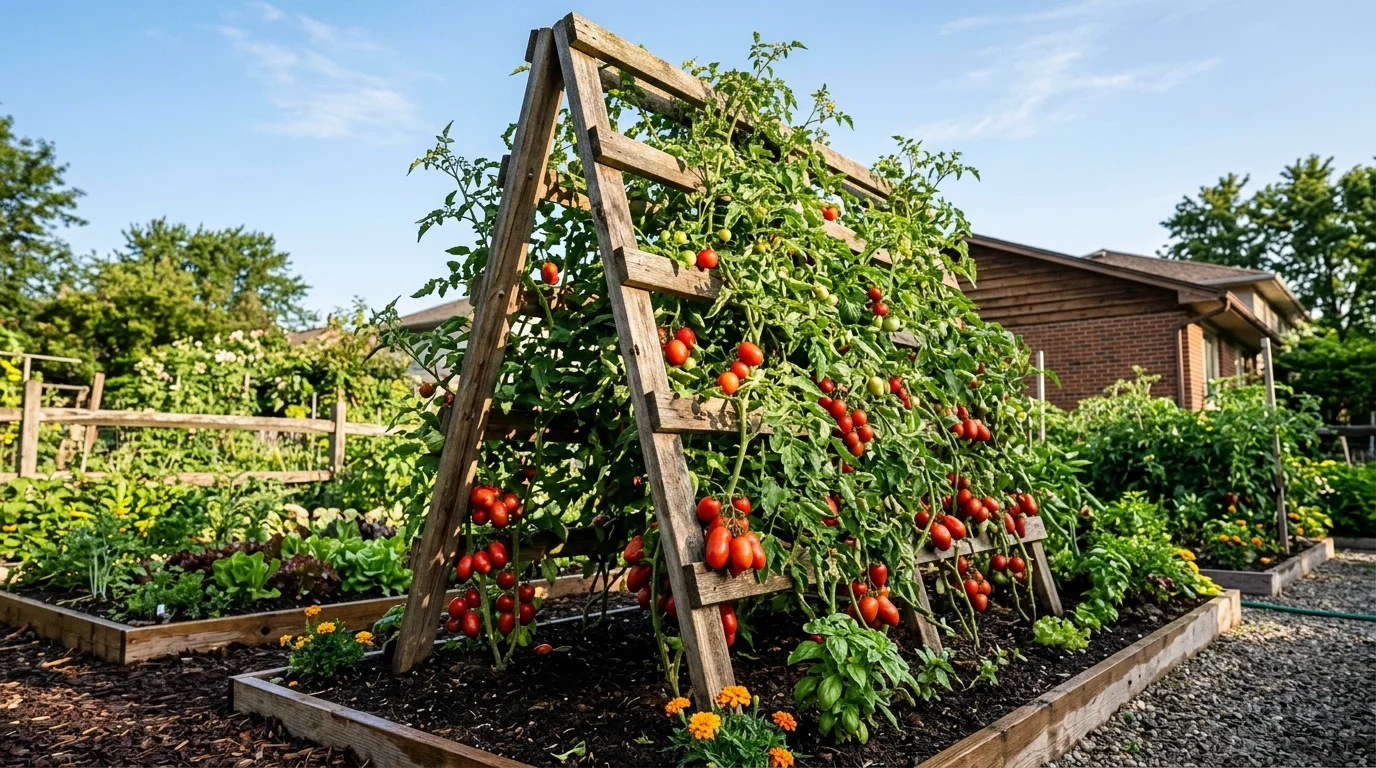
13 Clever Tomato Trellis Gardens for a Bountiful Harvest
Small-Space Growing
14 Space-Saving Small Vegetable Gardens for Urban GrowersFrequently asked questions
What gives a rose garden a classic feel?
Symmetry, elegant paths, arches, restrained palettes, and thoughtful companion planting all help a rose garden feel timeless and refined.
Can roses work in both formal and cottage gardens?
Yes. Roses are incredibly versatile and can look equally beautiful in structured layouts or in softer, more relaxed cottage-style borders.
How do you make a rose garden look good after the first flush?
Use repeat-blooming roses where possible and rely on companion plants, foliage contrast, and strong layout to carry the garden between peaks.