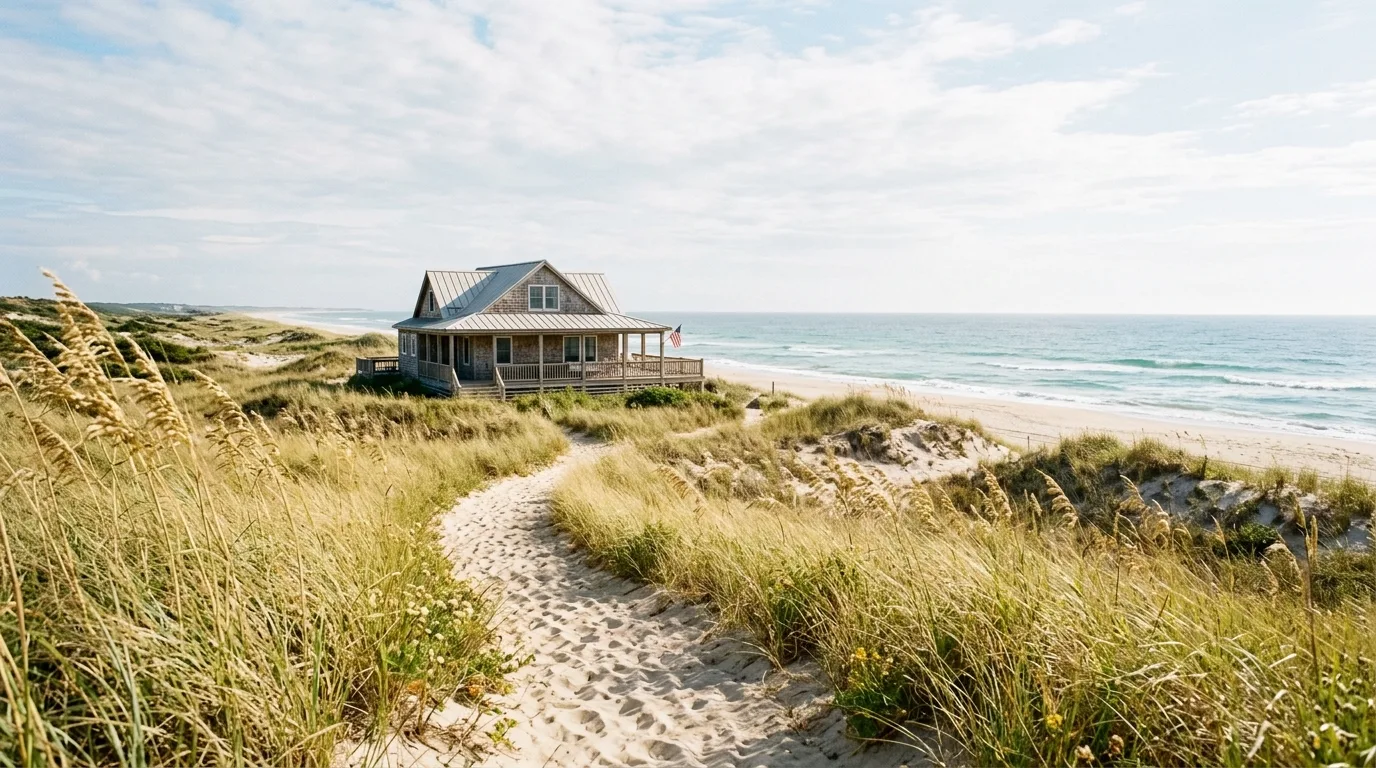
Coastal landscapes feel best when they stay light, open, and a little wind-shaped, using planting and materials that support the relaxed beauty of beach-house life rather than fighting against it.
The most convincing versions usually rely on muted color, hardy plants, pale surfaces, and enough texture to make the garden feel soft without ever becoming heavy or overworked.
These coastal landscape ideas explore dune-style fronts, airy side yards, shell-toned courtyards, poolside gardens, and breezy borders that all support a calm seaside mood.
Quick planning notes
Work with exposure and salt air by choosing plants and materials that naturally suit coastal conditions.
Keep the palette sun-washed and restrained so the landscape feels breezy and not overdecorated.
Preserve openness where possible because views, sky, and movement are part of the appeal.
Use texture through grasses, woven elements, and weathered materials to give the design warmth.
Idea 1
A dune-style front yard with grasses and pale gravel
Coastal landscapes feel breezy when they borrow cues from the shoreline itself, and a simple mix of grasses, pale stone, and open spacing immediately creates that wind-shaped relaxed character. The garden feels light, natural, and easy on the eye from the street.
Idea 2
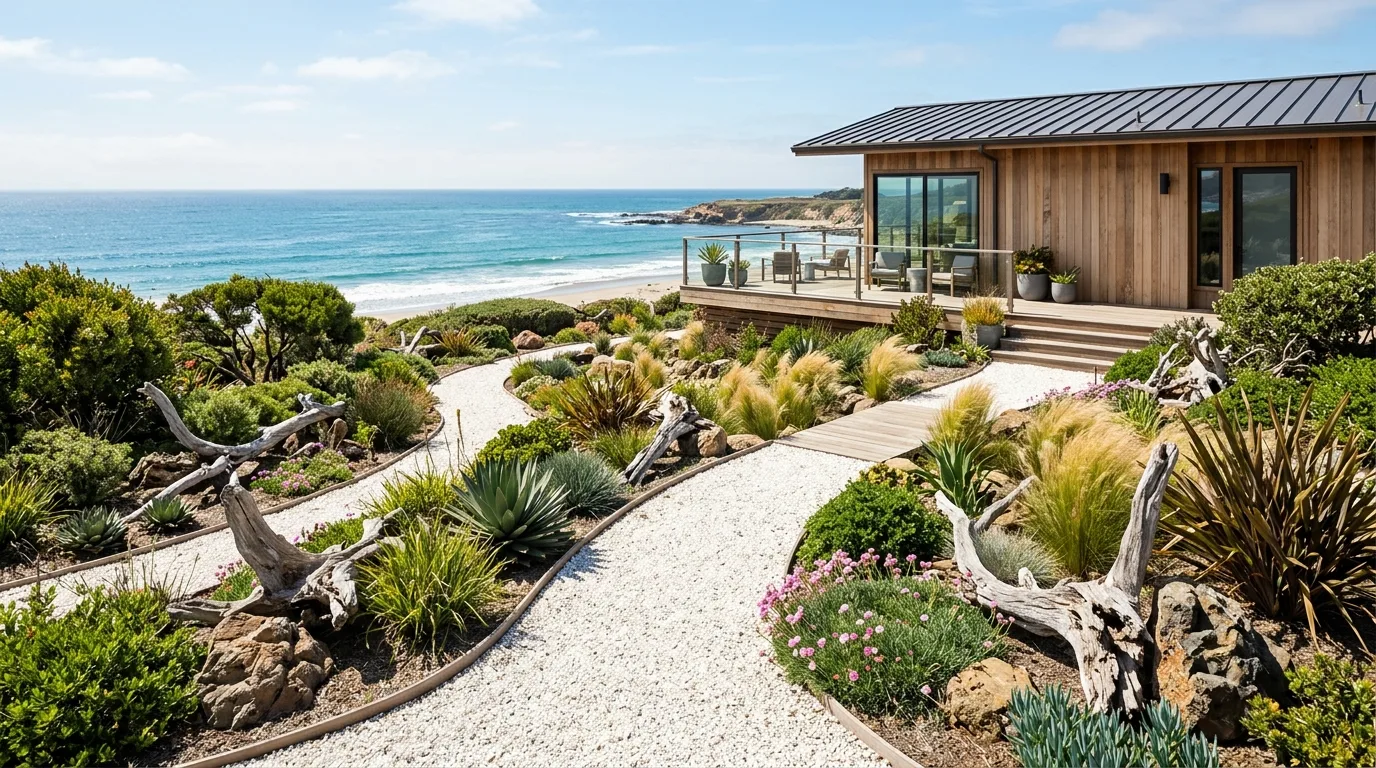
A beach-house walk lined with driftwood tones and soft planting
Entry paths near the coast usually look best when their materials echo sand, salt, and weathered wood instead of fighting for attention with heavy color or complicated pattern. That restraint lets the planting and light create the atmosphere naturally.
Idea 3
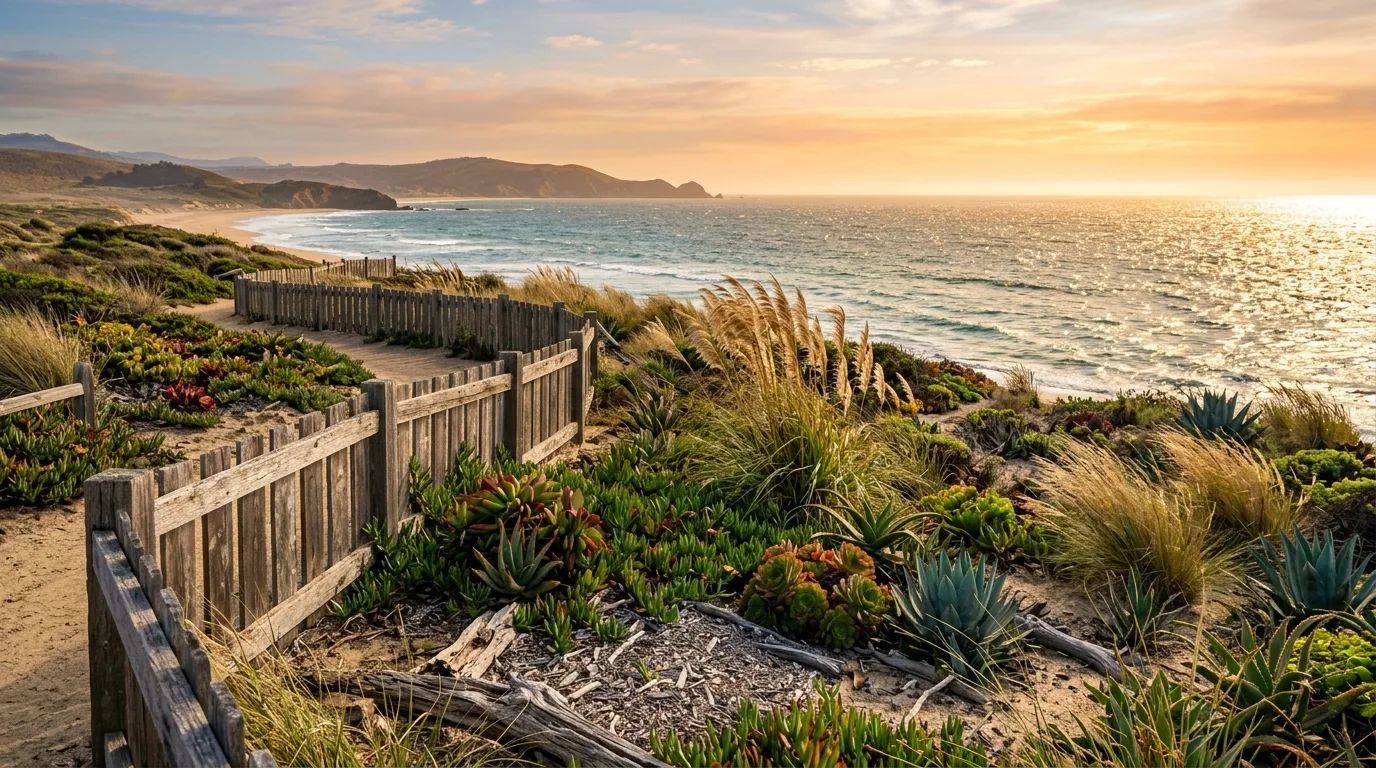
A poolside coastal garden with palms and billowing texture
Soft movement is one of the signatures of a good coastal landscape, and by combining palms with airy grasses or loose perennials the whole outdoor room starts to feel more relaxed and vacation-like. The result is lush without becoming tropical overload.
Idea 4
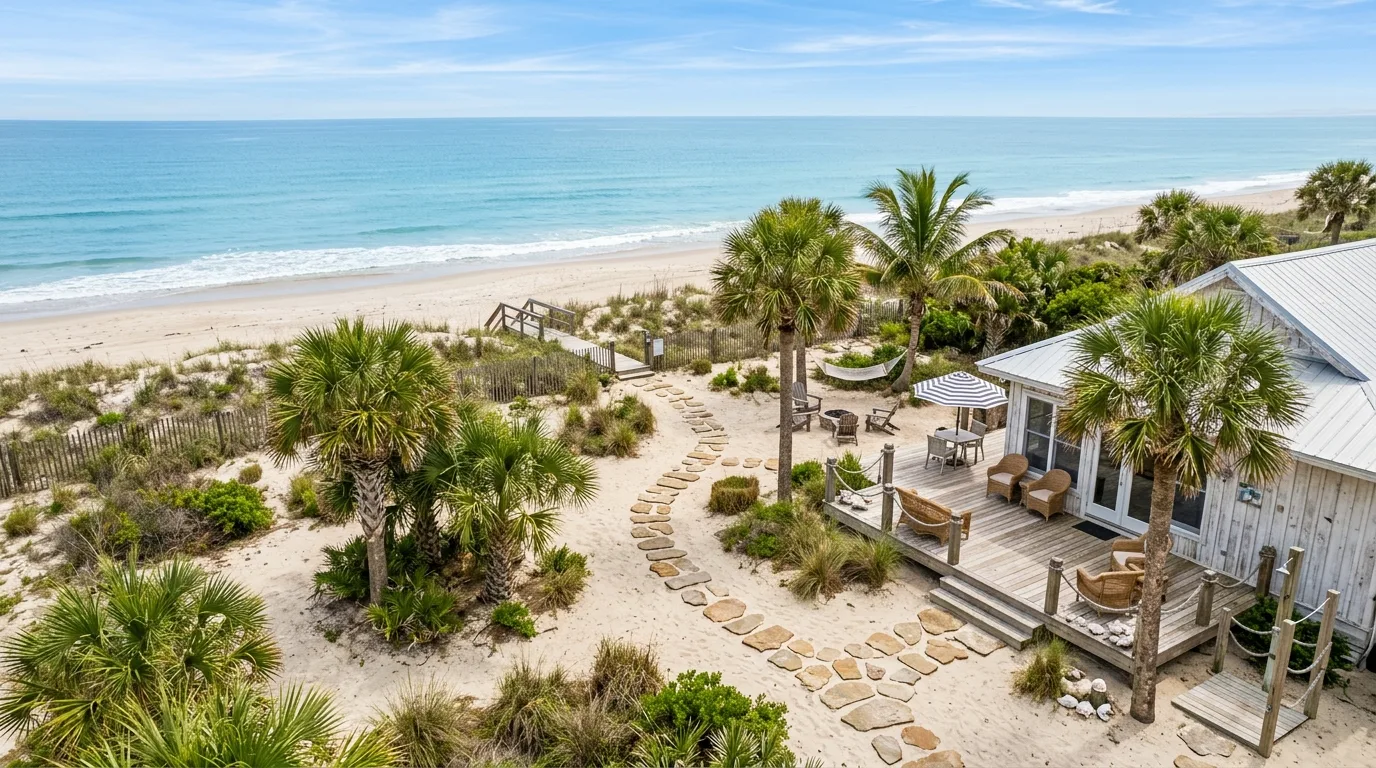
A narrow side yard brightened by white fencing and blue-green foliage
Blue-green leaves are especially effective in coastal design because they feel sun-washed and calm, helping even tight passages read as intentional and fresh. White fencing adds brightness and keeps the side yard from feeling boxed in.
Idea 5
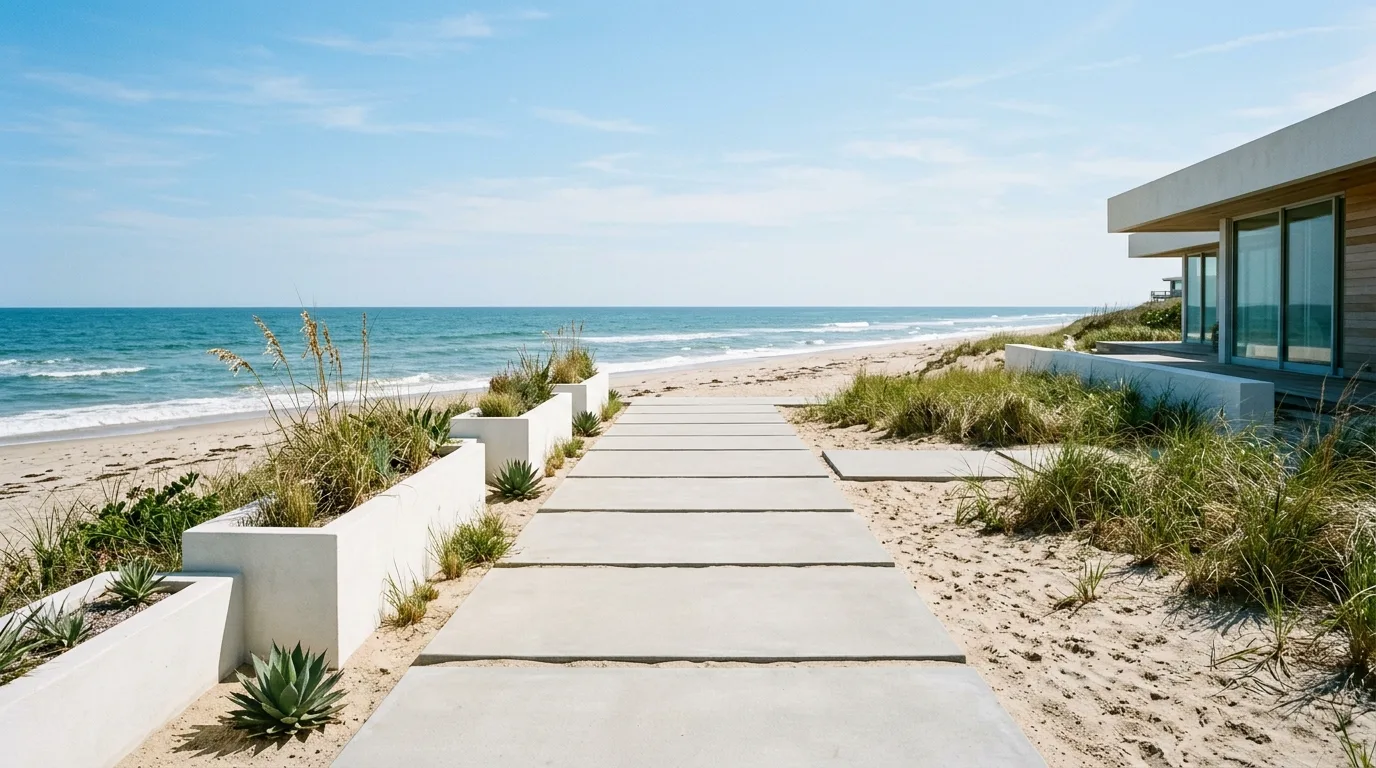
A courtyard lounge softened by shell tones and woven shade
Coastal style can feel sophisticated when it relies on texture and pale color instead of obvious nautical decoration, and a sheltered lounge with woven elements does that beautifully. The space becomes restful, airy, and unmistakably tied to beach-house living.
Idea 6
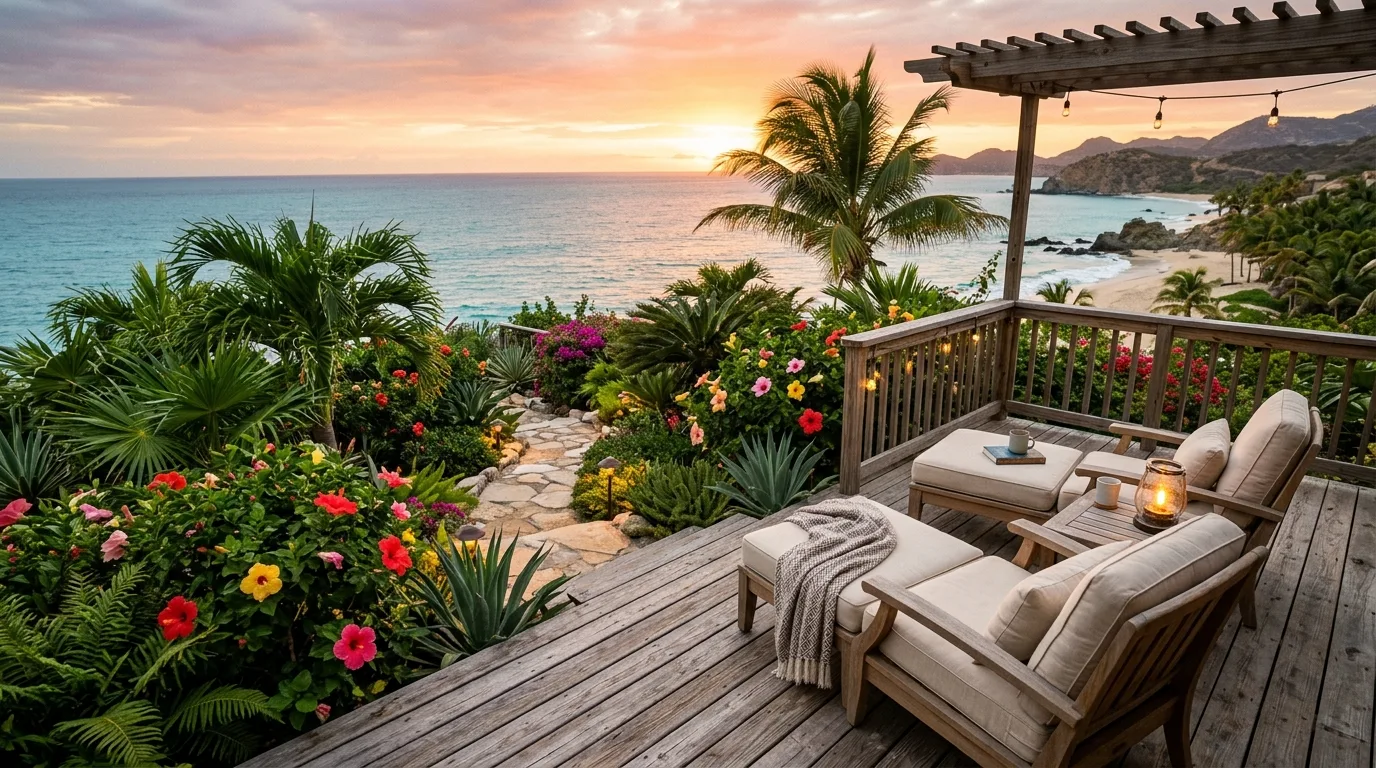
A seaside slope held gently with natural rock and beach grass
Sloped sites near the coast often benefit from a lighter touch, using rock and hardy grasses to stabilize the ground while still preserving a natural seaside appearance. The hillside feels durable and appropriate without looking over-engineered.
Idea 7
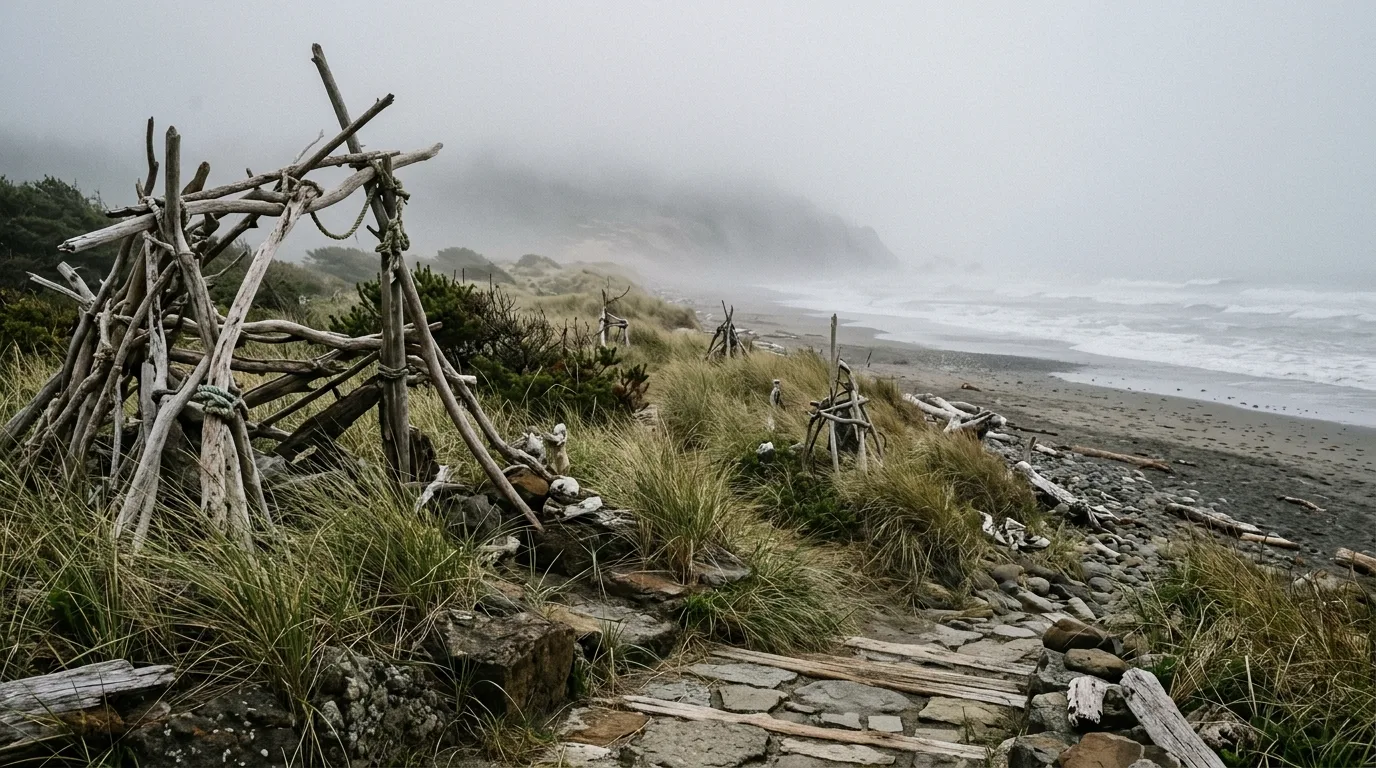
A deck edge planted with silver foliage and loose bloom
Decks feel more integrated into a coastal garden when the planting around them stays low, airy, and sun-tolerant, letting the view and breeze remain part of the experience. Silver leaves add brightness and keep the palette feeling salt-kissed and calm.
Idea 8
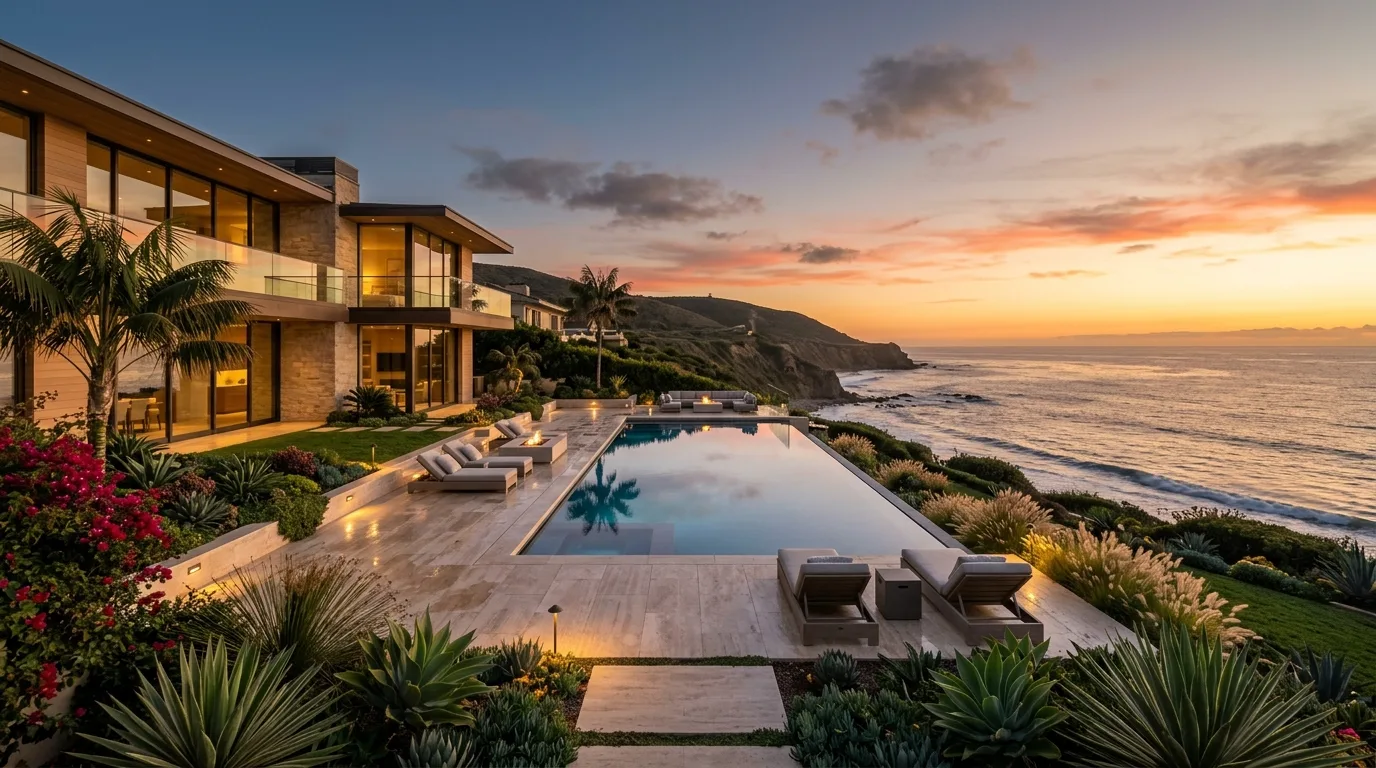
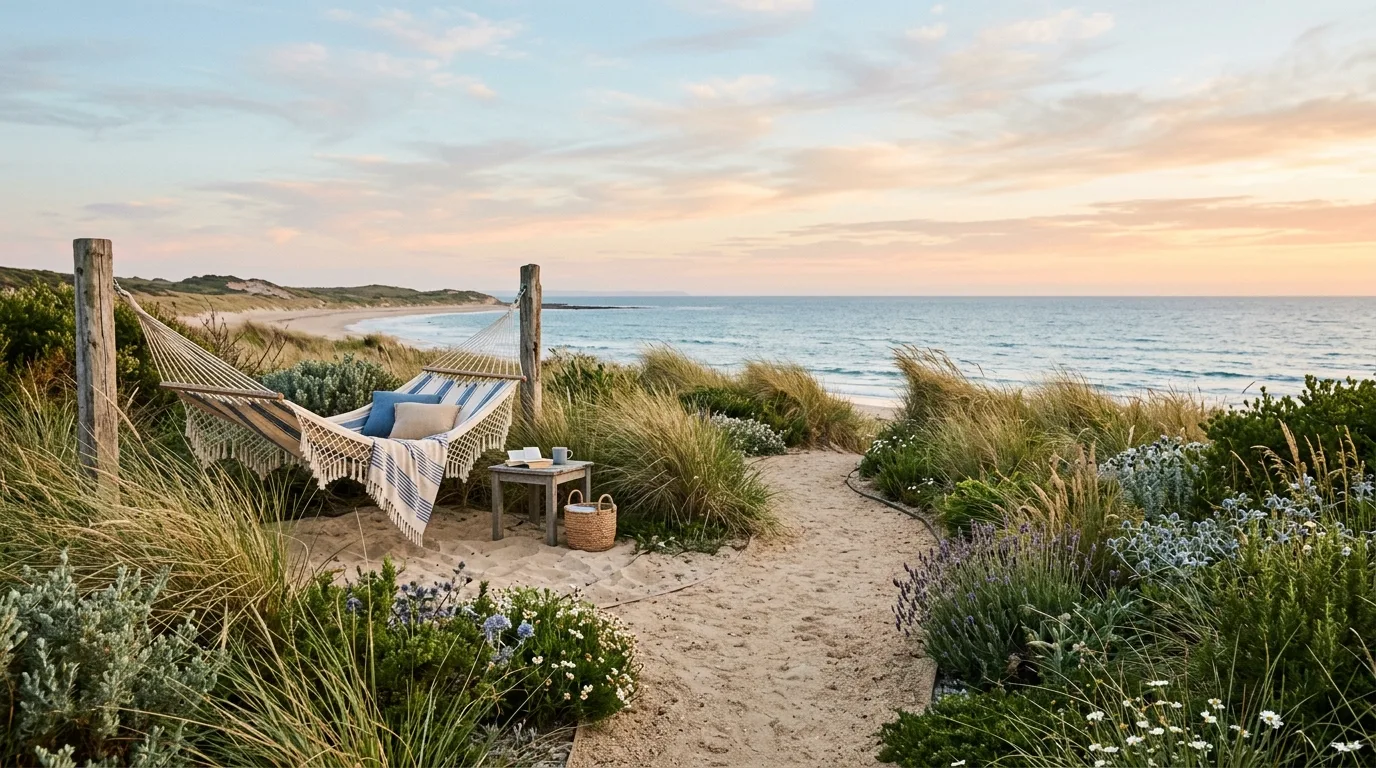
A front lawn alternative using gravel and sculptural succulents
Many coastal yards work better with lower-water surfaces and tougher plants than with large traditional lawns, and gravel paired with well-spaced succulents can still feel soft and inviting when the colors stay muted. The look is clean, modern, and climate-aware.
Idea 9
A cottage-coastal border filled with hydrangeas and salty light
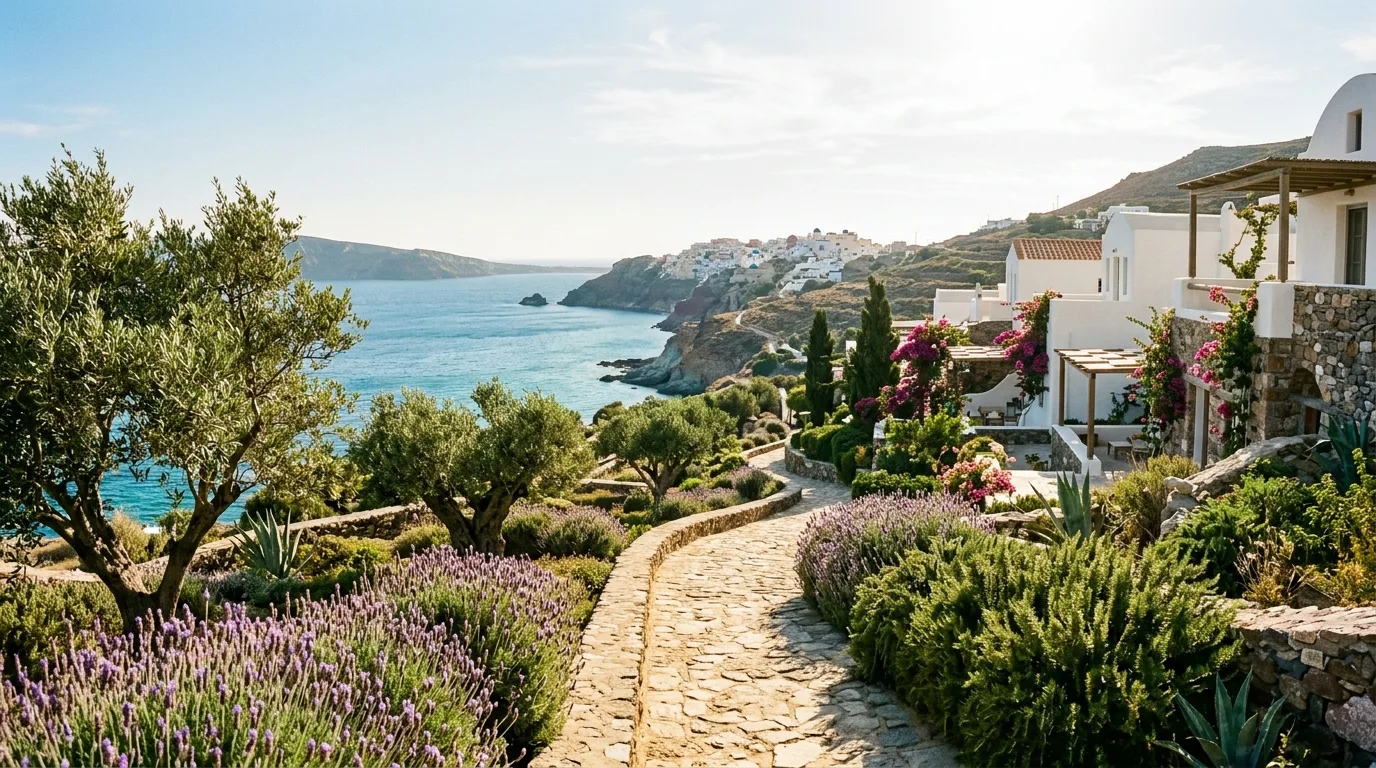
Hydrangeas have a natural affinity for many beach-house settings because their full heads and cool color range feel generous without losing the softness people often want near the sea. In coastal light, the whole border feels bright, romantic, and familiar.
Idea 10
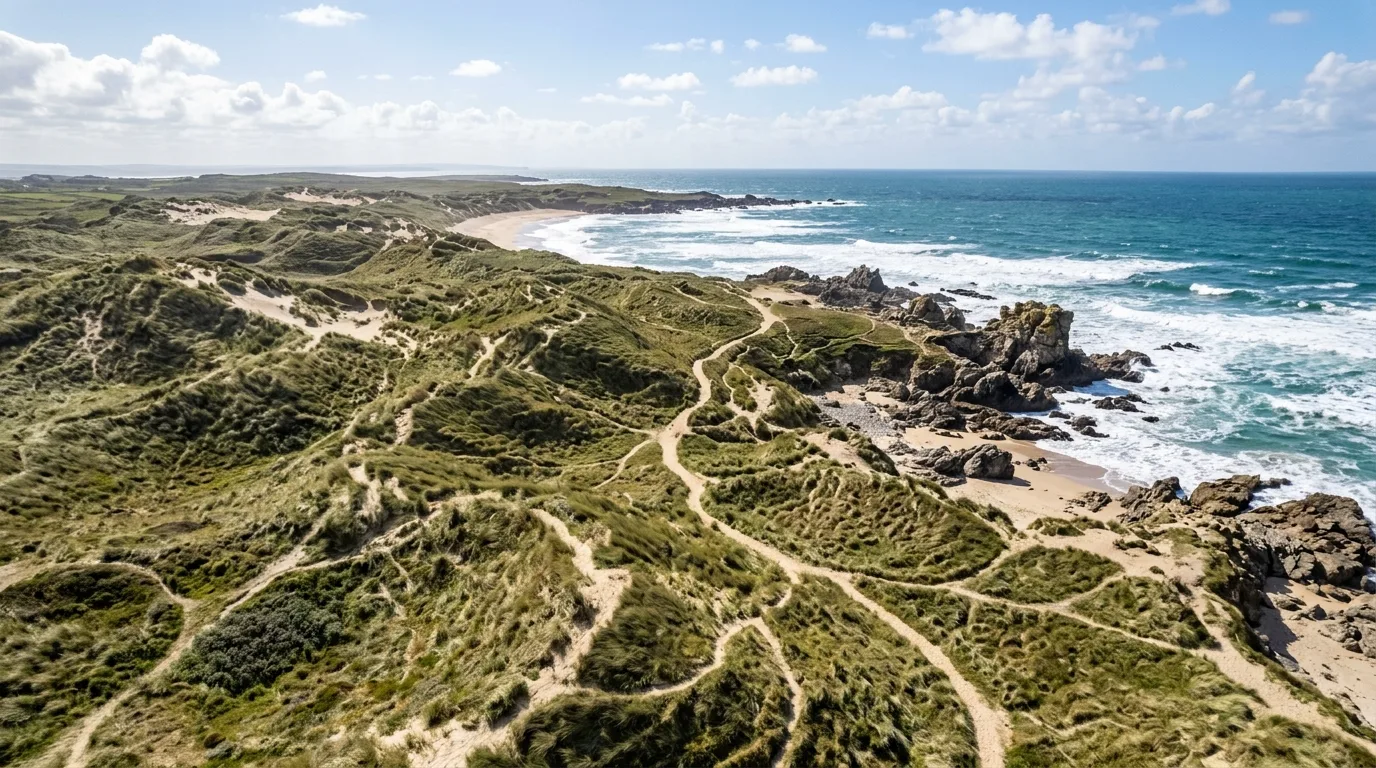
A sandy path leading through low planting to the water view
One of the pleasures of coastal design is the way it can keep views open while still shaping a meaningful garden experience, and a sandy-toned path through low planting does exactly that. The route feels effortless, but carefully considered.
Idea 11
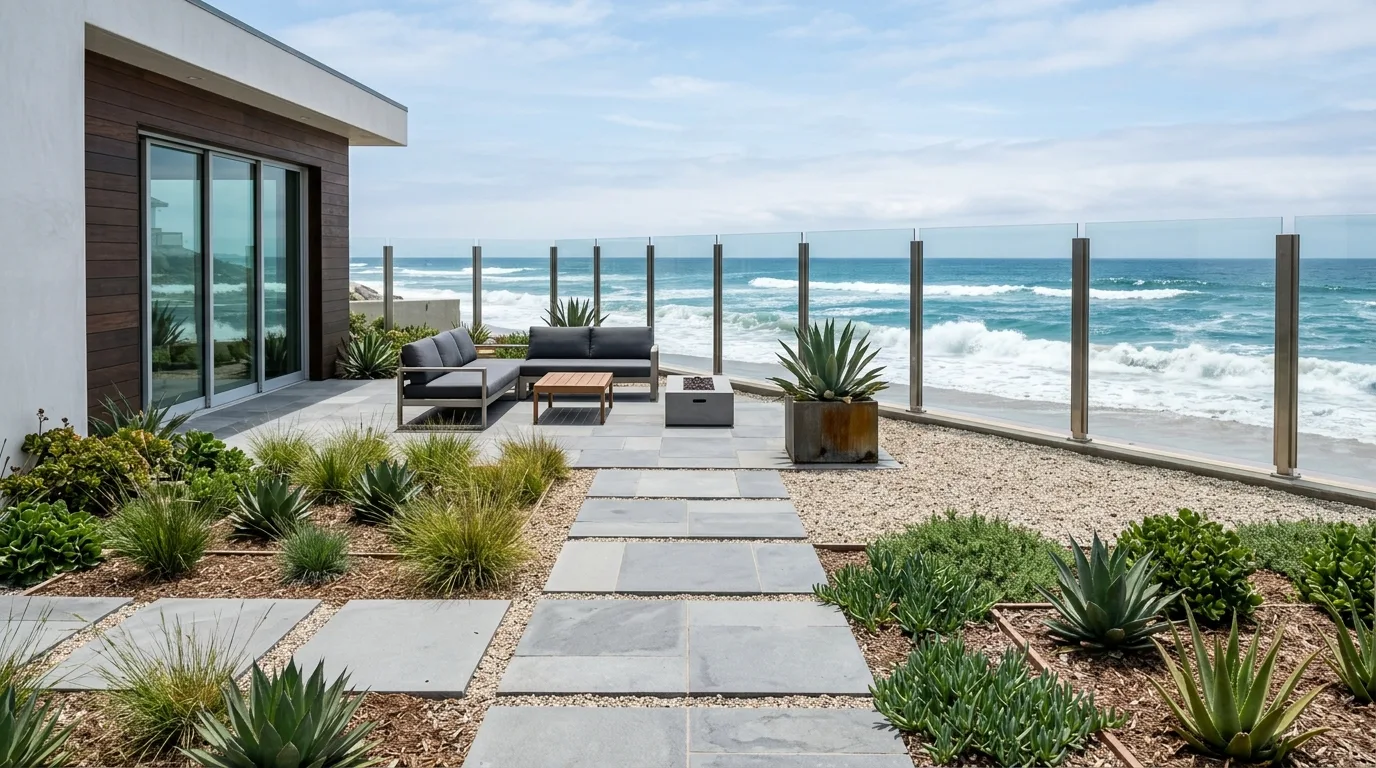
A porch surround where containers echo sea glass colors
Small container choices can carry a coastal theme very gracefully when they rely on pale greens, washed blues, and natural textures instead of literal seaside motifs. The porch gains personality while the overall house exterior stays relaxed and refined.
Idea 12
A wind-tolerant backyard with layered planting and open sky
Good coastal gardens accept exposure as part of their identity, choosing plants that move well, hold up in salt air, and still create enough fullness to make the yard feel welcoming. The openness becomes part of the beauty rather than a limitation.
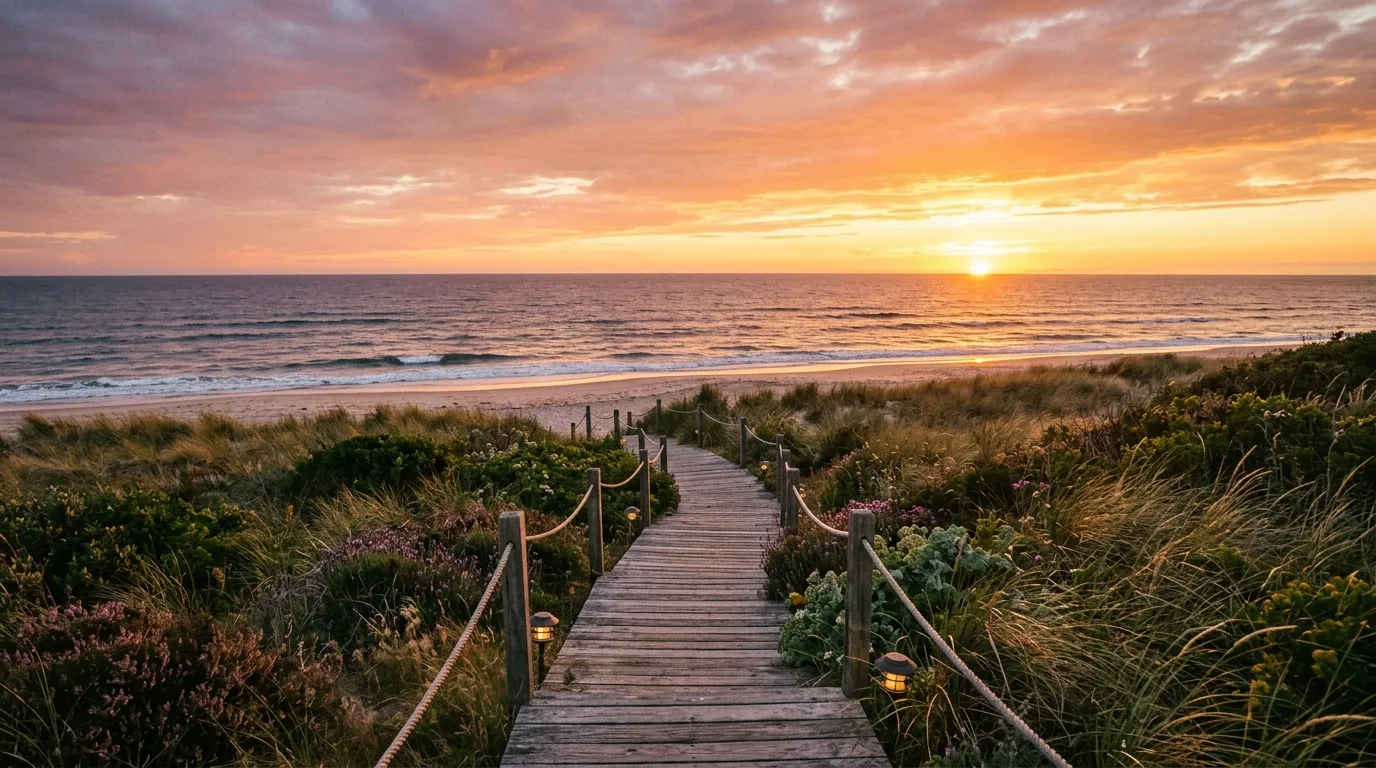
Idea 13
A beach-house landscape whose beauty comes from lightness and ease
The best coastal landscapes feel memorable not because they are crowded with features but because every material, plant, and line contributes to a looser sense of air, light, and comfort. That easy clarity is what makes the style feel so naturally livable.
Read next on Saw & Sprout
Edible Gardens
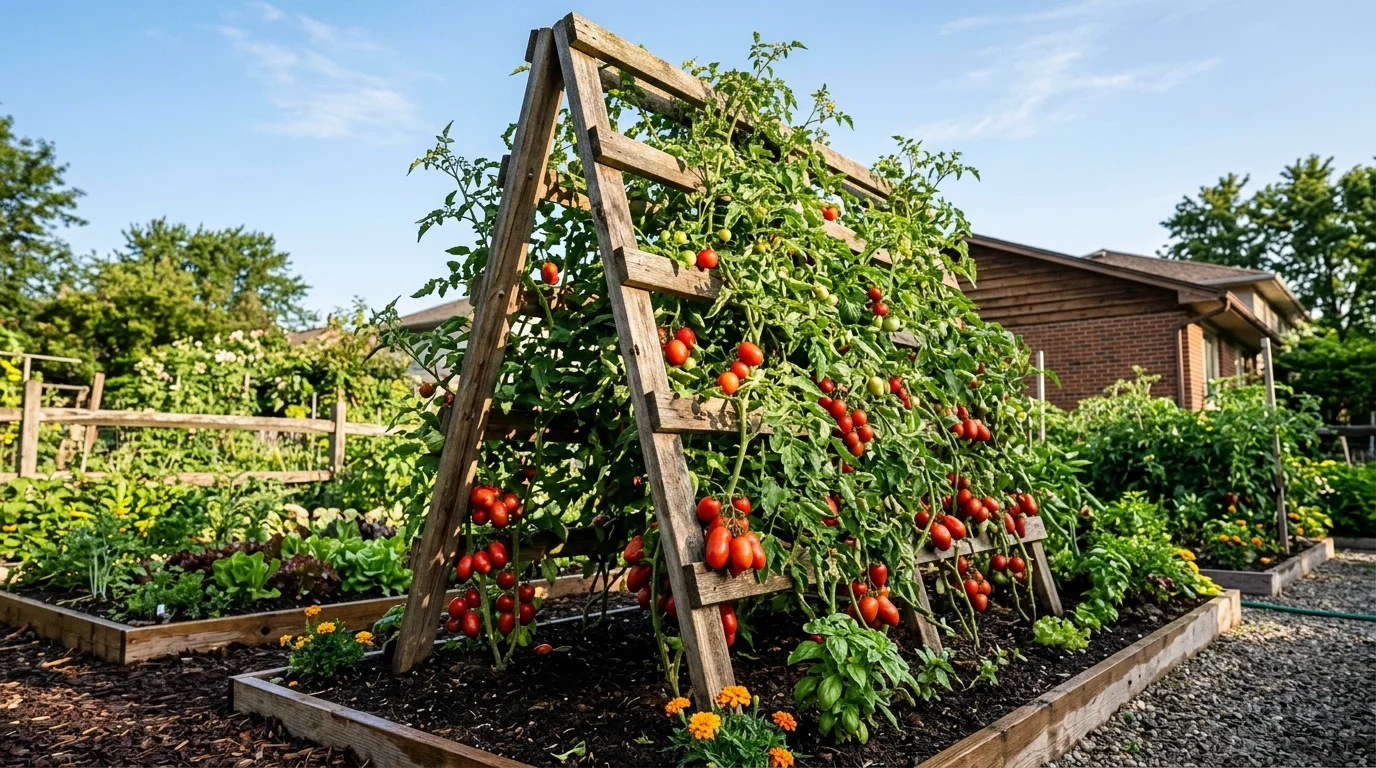
13 Clever Tomato Trellis Gardens for a Bountiful Harvest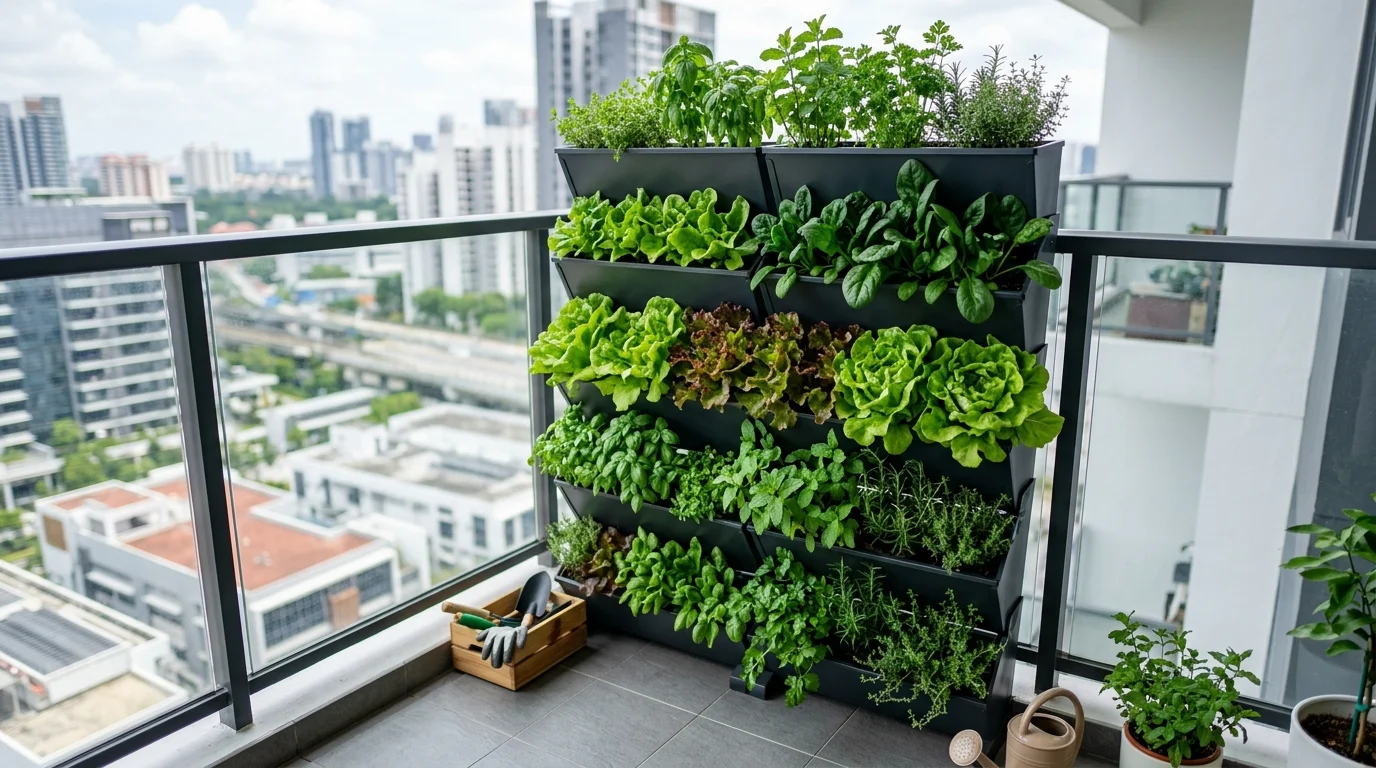
Small-Space Growing
14 Space-Saving Small Vegetable Gardens for Urban GrowersFrequently asked questions
What plants work best in a coastal landscape?
Grasses, hardy shrubs, palms in suitable climates, silver foliage, hydrangeas, and other wind-tolerant, salt-tolerant plants often work very well.
How do you make a yard feel coastal without obvious beach decor?
Use pale materials, muted planting, driftwood or woven textures, and open spacing so the mood comes from the environment rather than themed accessories.
Can coastal landscapes still feel lush?
Yes. They often feel lush through movement and layered texture rather than through dense heavy planting.