Corner cabinets can be some of the hardest storage features to get right because they sit in places where standard boxes and standard shelving rarely feel natural. When the layout is thoughtful though, those awkward angles can turn into some of the most useful storage zones in the room.
A good DIY corner cabinet does more than occupy the empty space. It helps reclaim depth, improve access, and make the room feel more complete by giving a forgotten area a shape and purpose that fits the architecture around it.
These corner cabinet ideas focus on designs that make difficult spaces feel intentional instead of compromised. Some are compact and subtle, some are larger statement pieces, and all of them aim to turn an inconvenient corner into something genuinely useful.
Quick planning notes
Measure the full swing, depth, and walking clearance around the corner before building, because awkward storage only becomes helpful when the doors, drawers, and shelves can be reached comfortably.
Decide whether the cabinet should hide clutter, display decor, or improve access to hard to reach items, since that purpose should shape the interior layout from the beginning.
Use angled fronts or rotating storage when necessary, because forcing a rectangular cabinet into a difficult corner often wastes more space than it saves.
Let the finish connect to nearby cabinetry or trim so the corner feels integrated into the room rather than added as a separate afterthought.
Idea 1
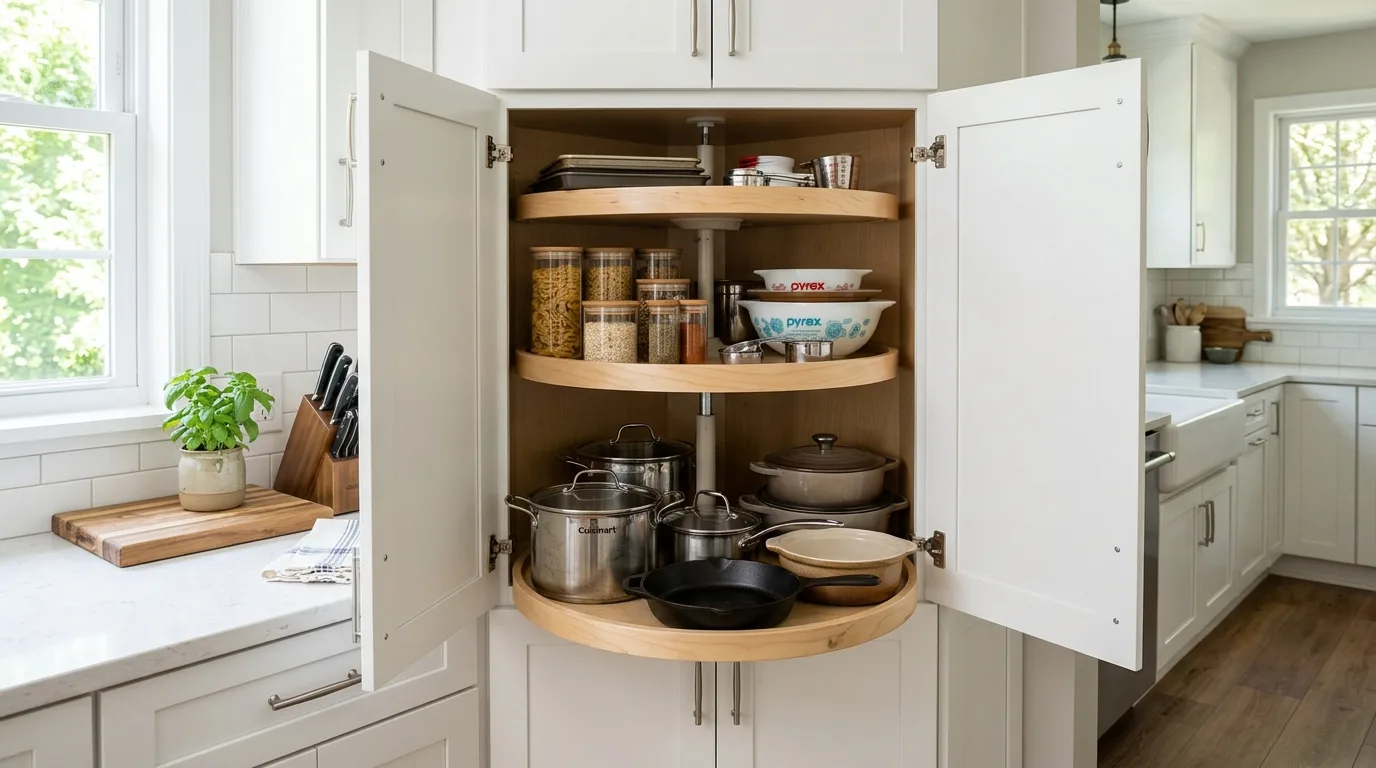
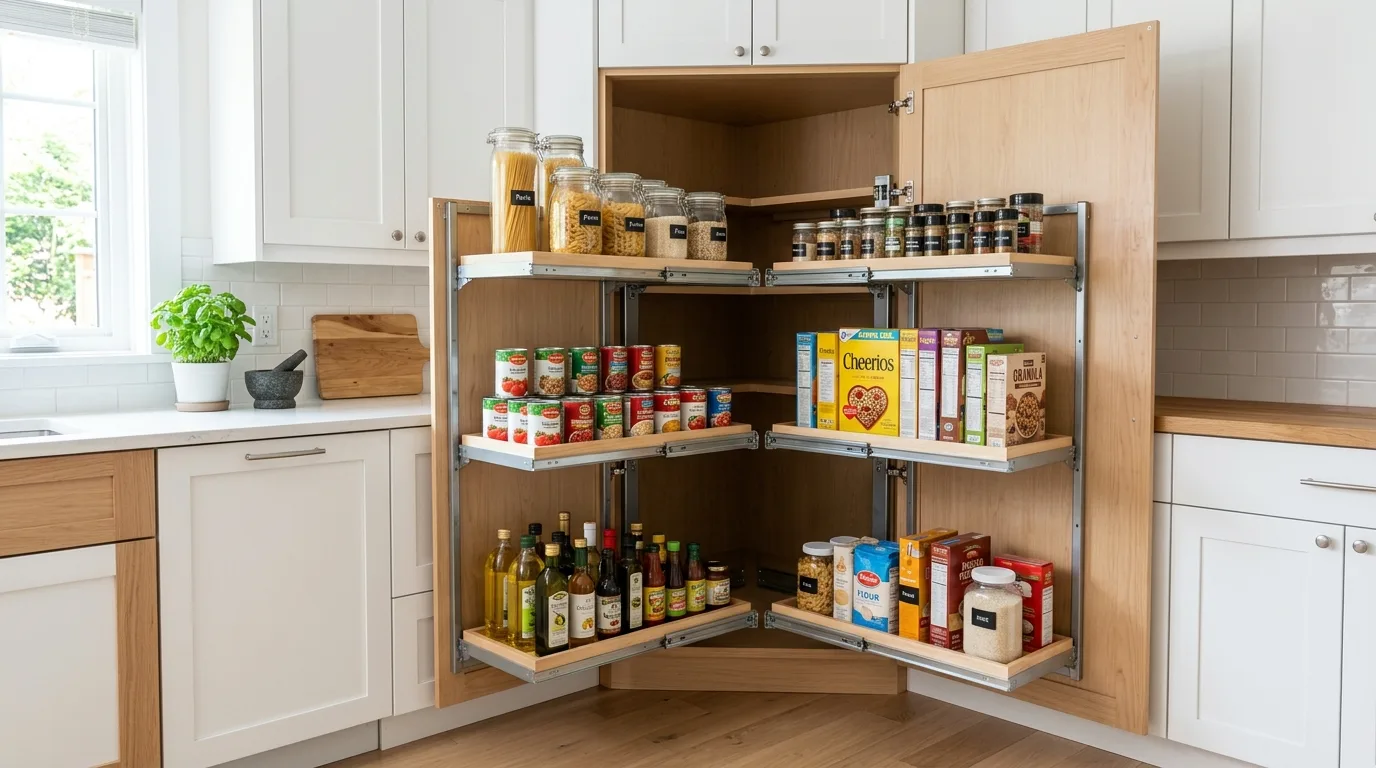
L shaped corner cabinet with deep swing shelves
A true corner cabinet can become one of the hardest working spots in a room when the interior shelves swing outward and bring everything into reach. This kind of layout turns an awkward angle into purposeful storage instead of a dead zone that only collects forgotten items.
Idea 2
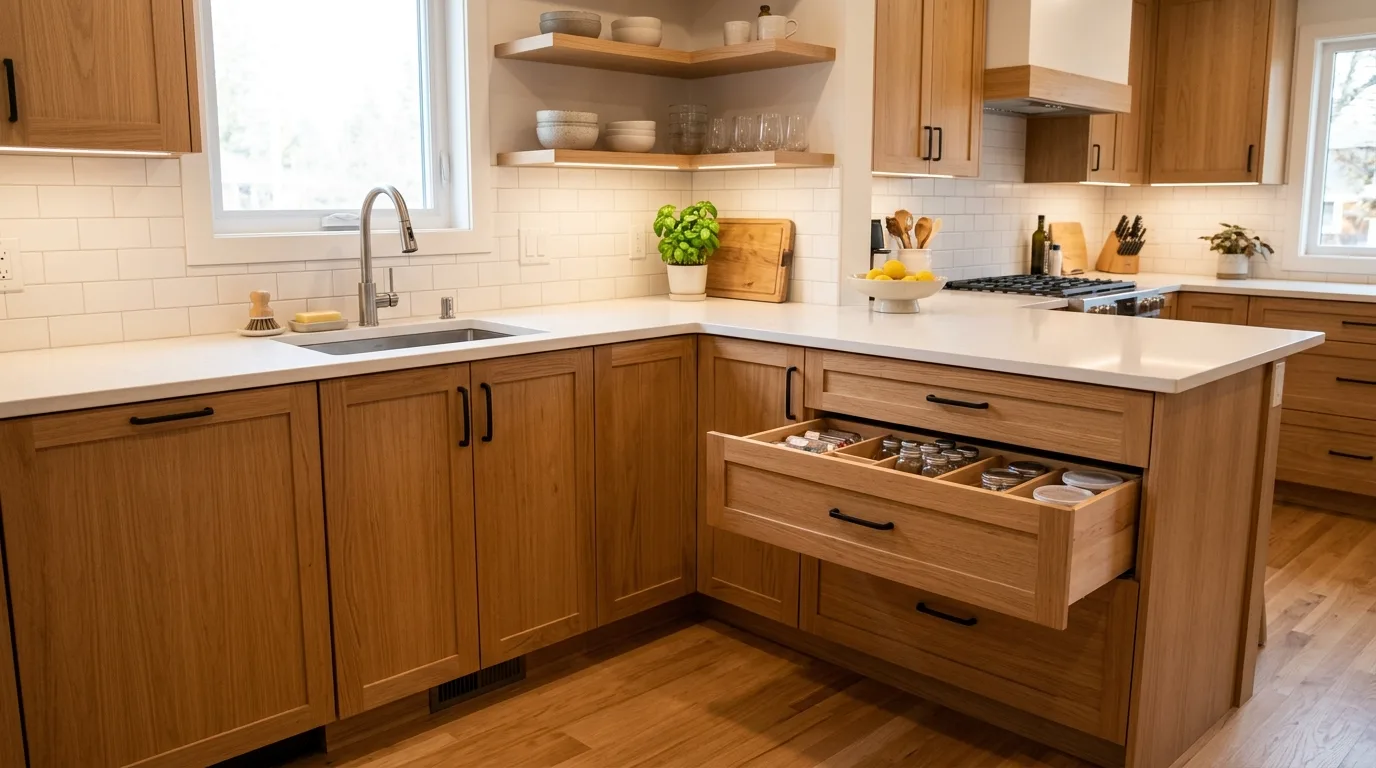
Farmhouse corner hutch with glass uppers and closed base
Glass doors on top keep the cabinet lighter visually while the closed lower section hides bulkier items that would otherwise make the room feel messy. It is a strong choice when you want a corner unit that offers both display value and real everyday storage.
Idea 3
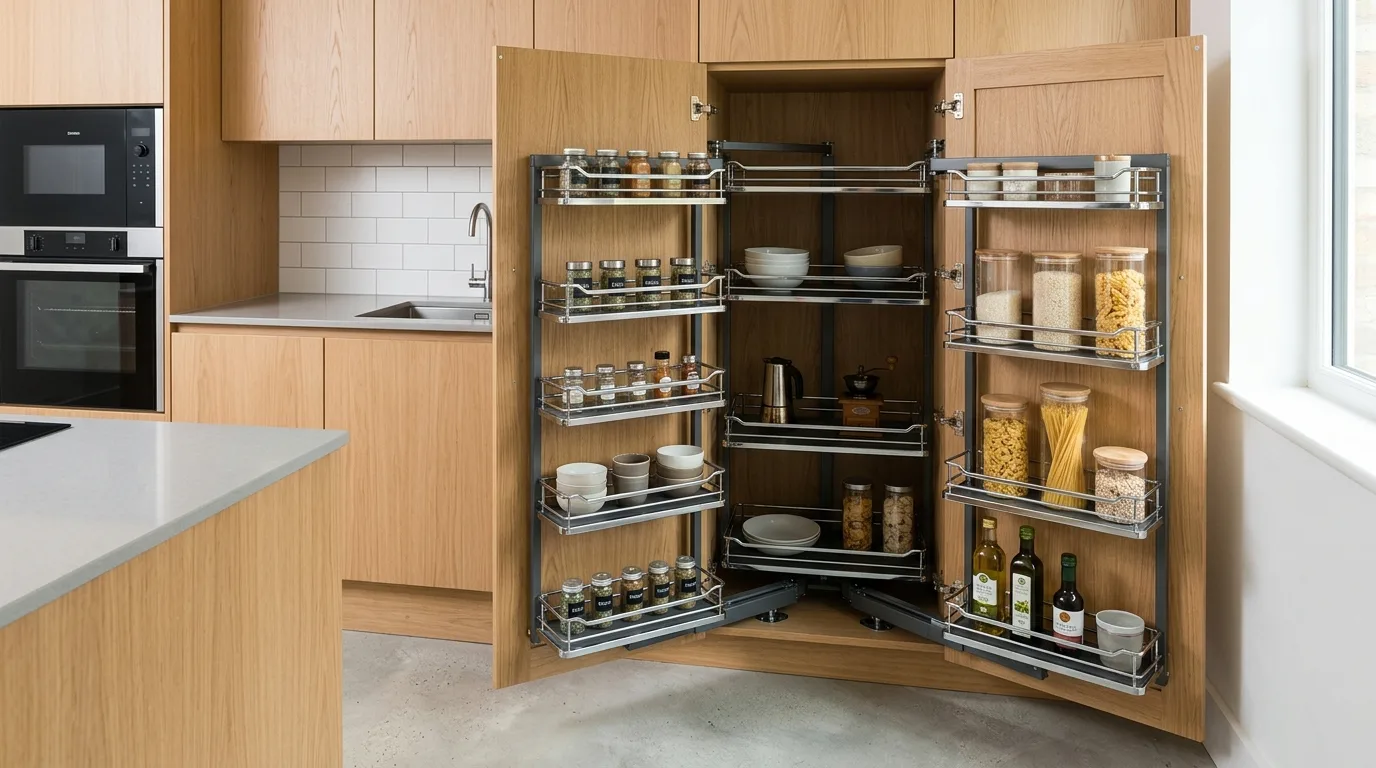
Slim entry corner cabinet for bags, keys, and daily clutter
A narrow cabinet near the entry can catch the little things that usually drift across counters and tables, which makes the home feel calmer as soon as you walk in. Because the footprint stays tight, it solves a storage problem without crowding circulation.
Idea 4
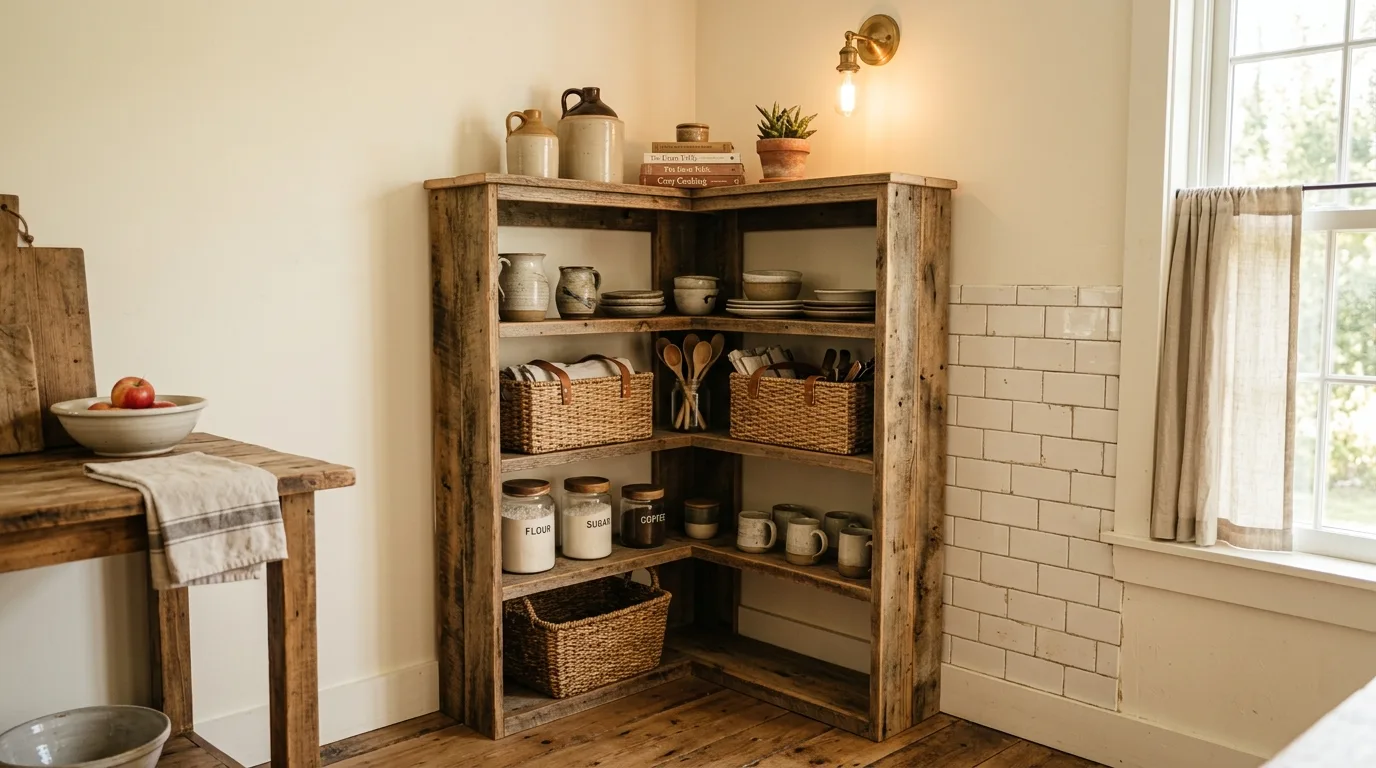
Built in reading corner cabinet with open book cubbies
Using a corner cabinet as part of a reading nook makes the whole area feel more intentional because books, blankets, and decor all have a settled place to live. The open cubbies also keep the piece from feeling too heavy in a smaller room.
Idea 5
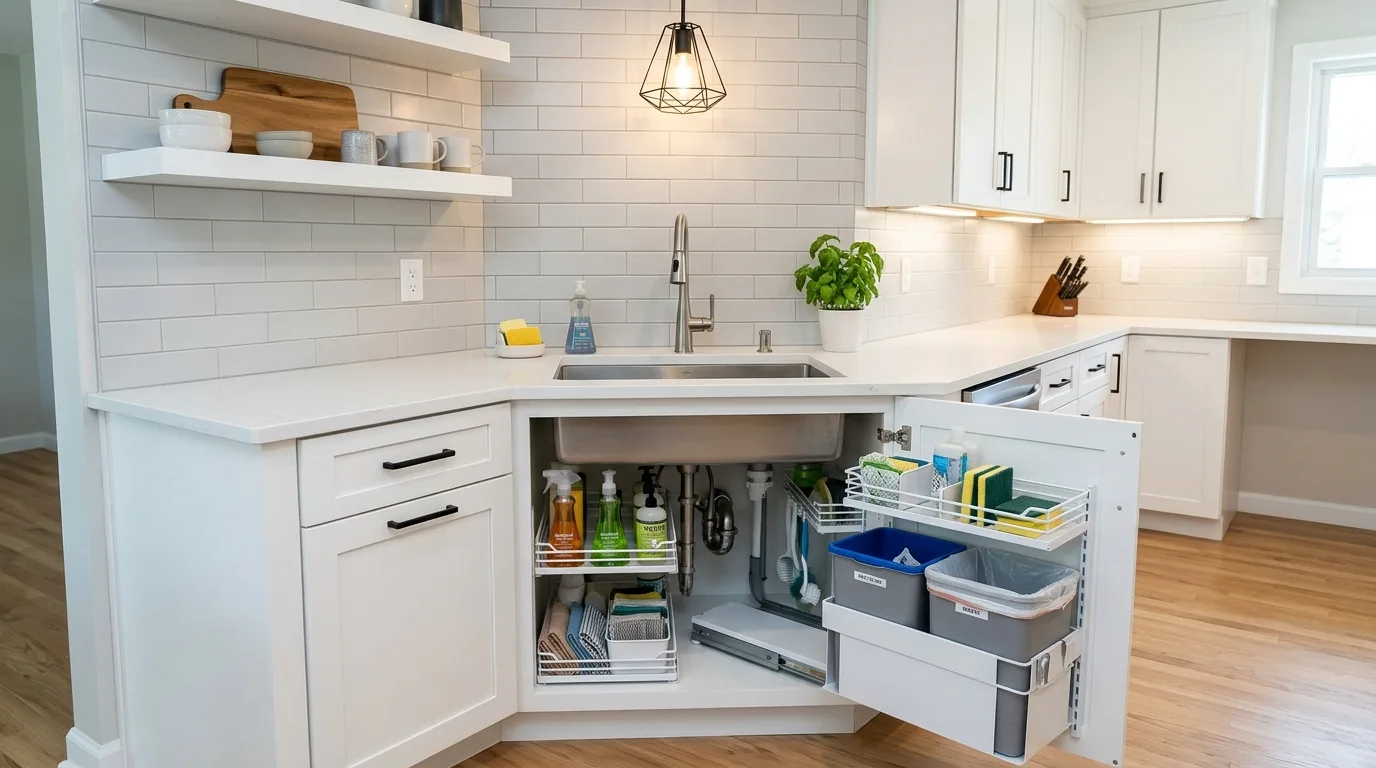
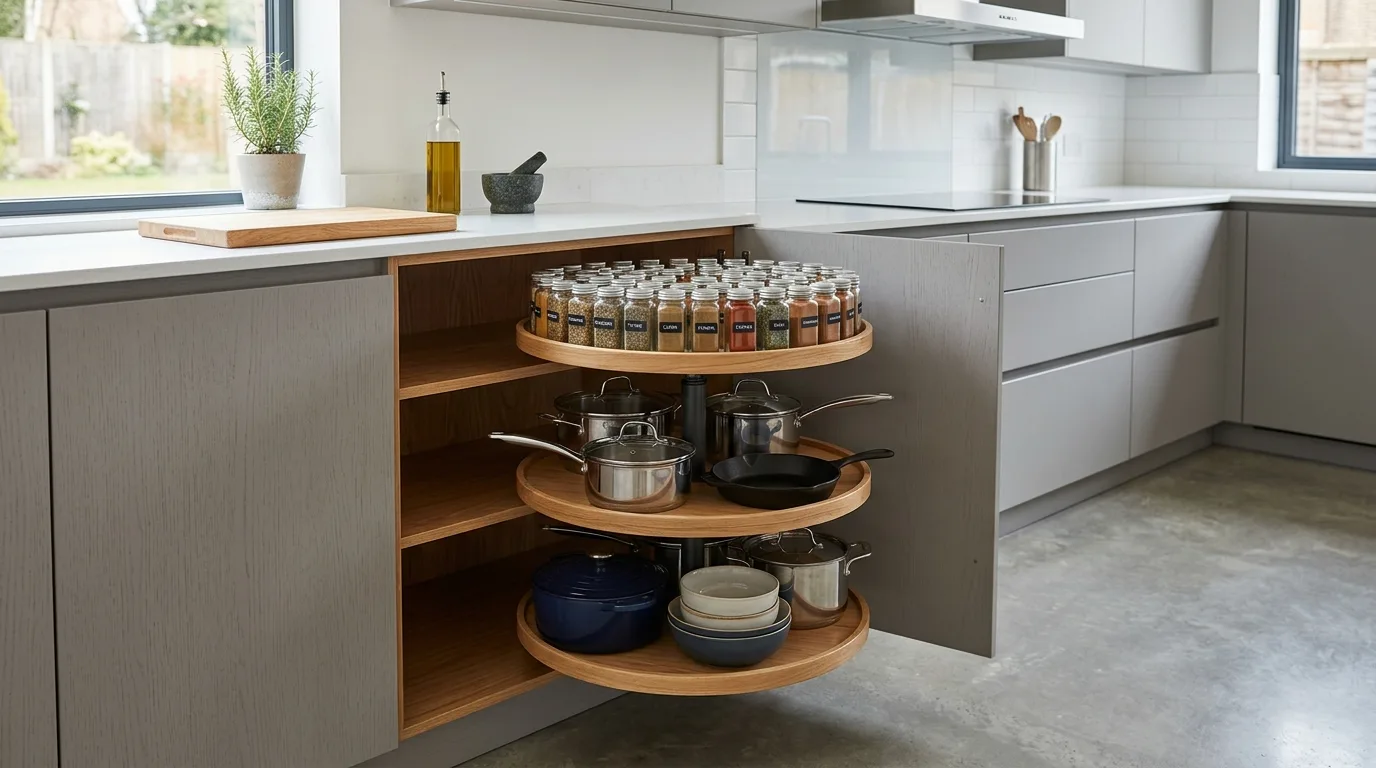
Kitchen corner cabinet with pull out trays for cookware
Pull out trays make a kitchen corner dramatically more useful because pans and appliances stop getting buried behind one another in a dark cabinet void. It is one of the smartest ways to make a tricky lower corner feel efficient in daily cooking.
Idea 6
Floating corner cabinet with a modern wall mounted look
A floating design keeps the floor visible and helps the cabinet read lighter, which is useful in contemporary rooms where bulky storage can interrupt the whole mood. The extra air beneath the unit also makes cleaning easier and the corner feel less cramped.
Idea 7
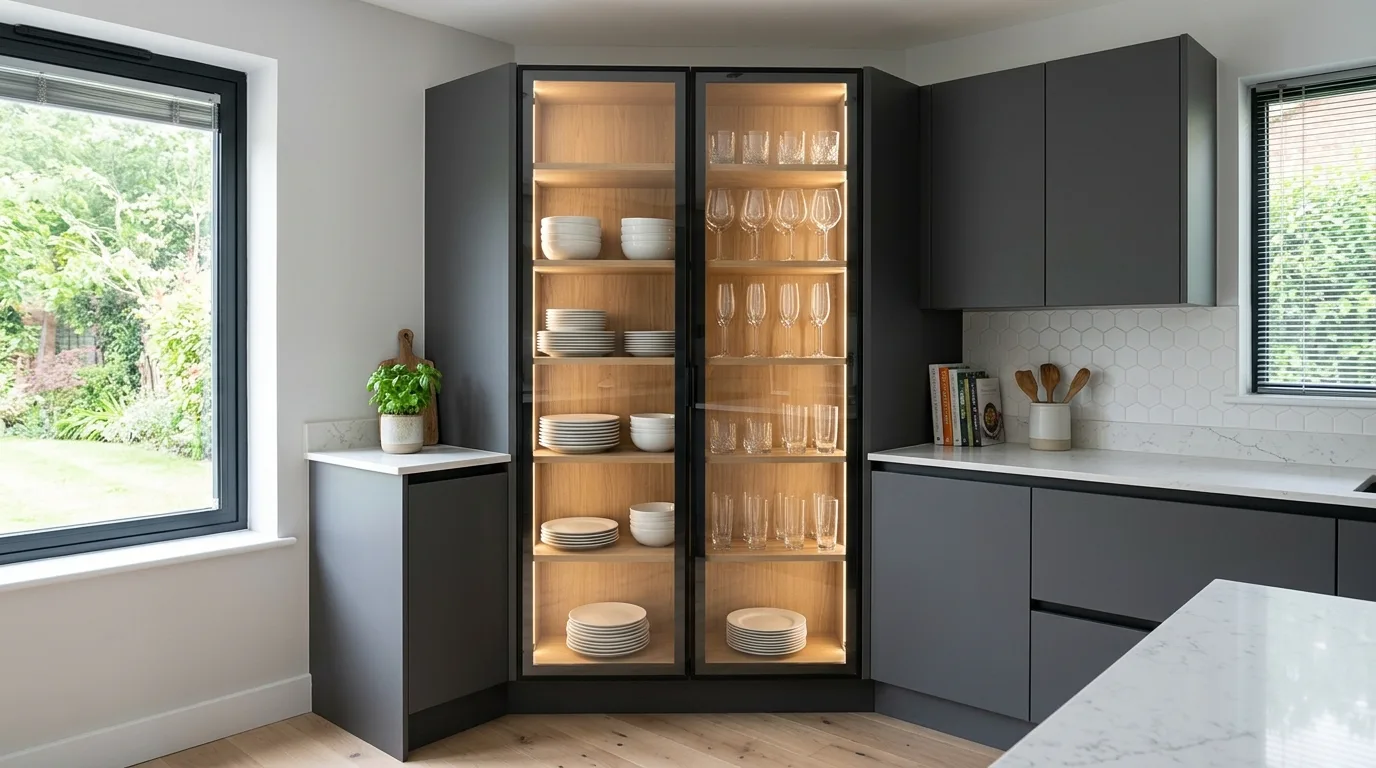
Dining room corner cabinet for dishes and seasonal serving pieces
Corners near a dining table are often underused, yet they can hold platters, glassware, and table linens beautifully when shaped into a tall cabinet. That kind of storage keeps entertaining pieces close by without taking over the main walls of the room.
Idea 8
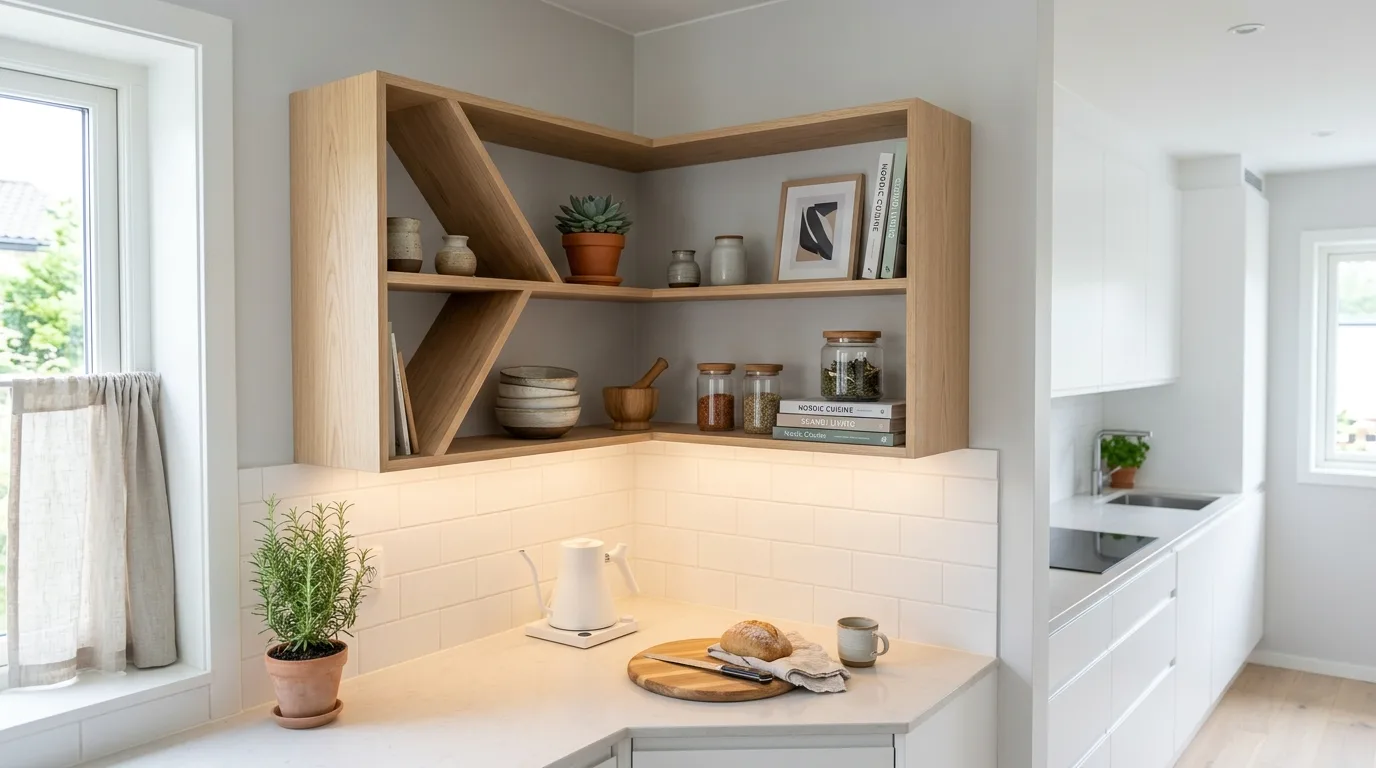
Corner media cabinet that softens a boxy living room
A diagonal media cabinet can ease the hard lines of a living room while still providing room for equipment, baskets, and decor. It works especially well when a standard rectangular console would leave the layout feeling too rigid or crowded.
Idea 9
Bathroom corner cabinet with tall linen storage above drawers
Bathrooms benefit from vertical corner storage because towels and toiletries need more room than most vanities provide on their own. A narrow tall cabinet with drawers below keeps the space organized without forcing another bulky piece into the room.
Idea 10
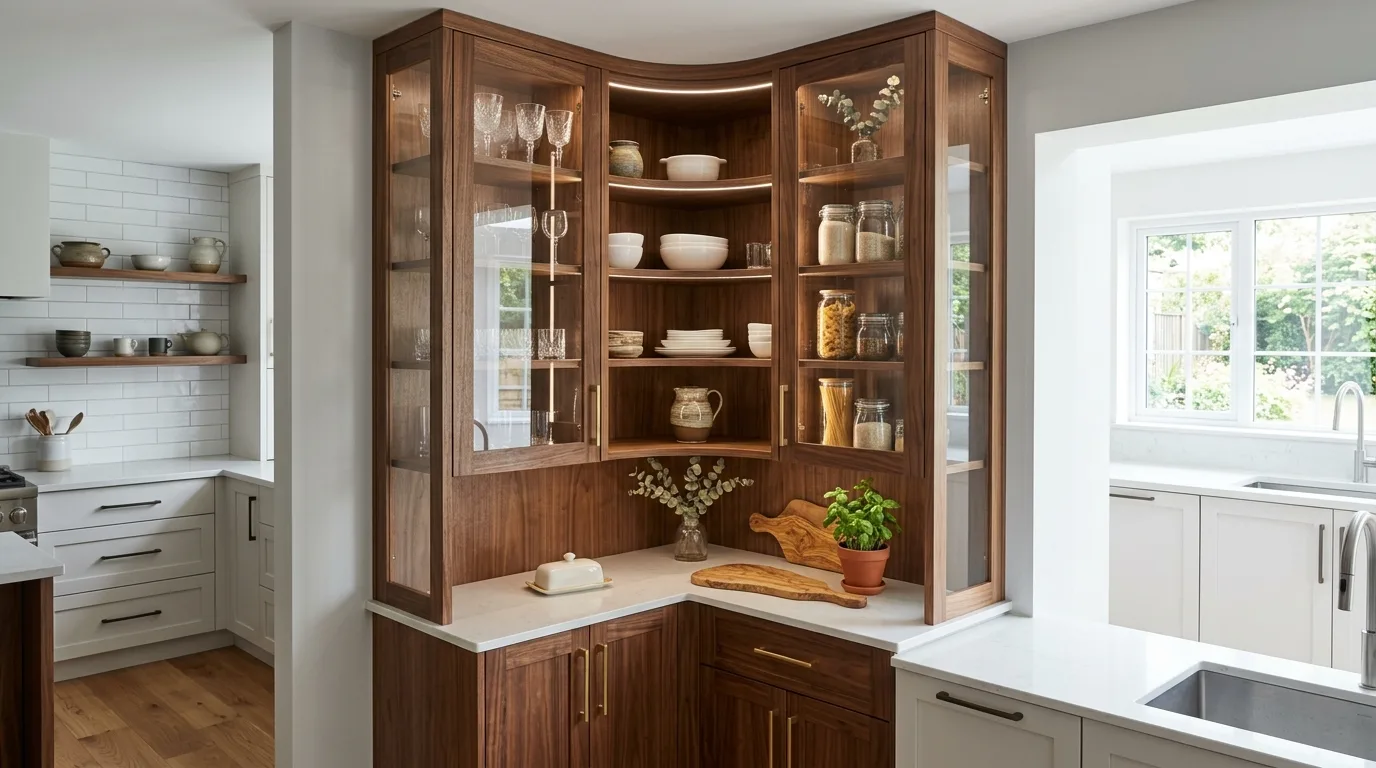
Office corner cabinet with printer shelf and file drawers
A corner office cabinet can make the work zone feel much more tailored when it hides paper clutter and supports equipment at the same time. Giving the printer and files their own dedicated home helps the desk surface stay clearer for real work.
Idea 11
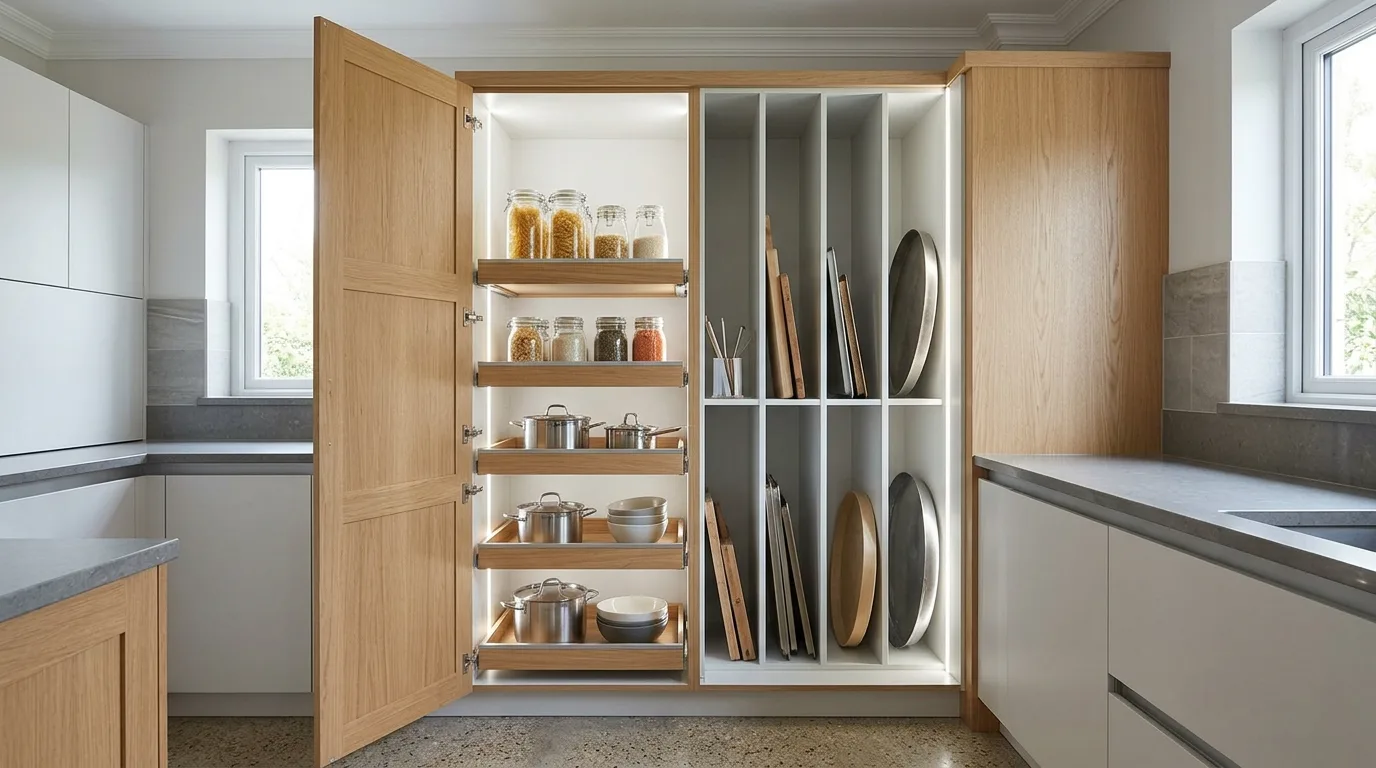
Rustic wood corner cabinet with plank doors and black pulls
Simple plank doors and dark hardware give a corner cabinet enough character to feel like part of the decor instead of only a practical fix. This style is especially effective in farmhouse, lodge, or casual spaces that benefit from warmth and texture.
Idea 12
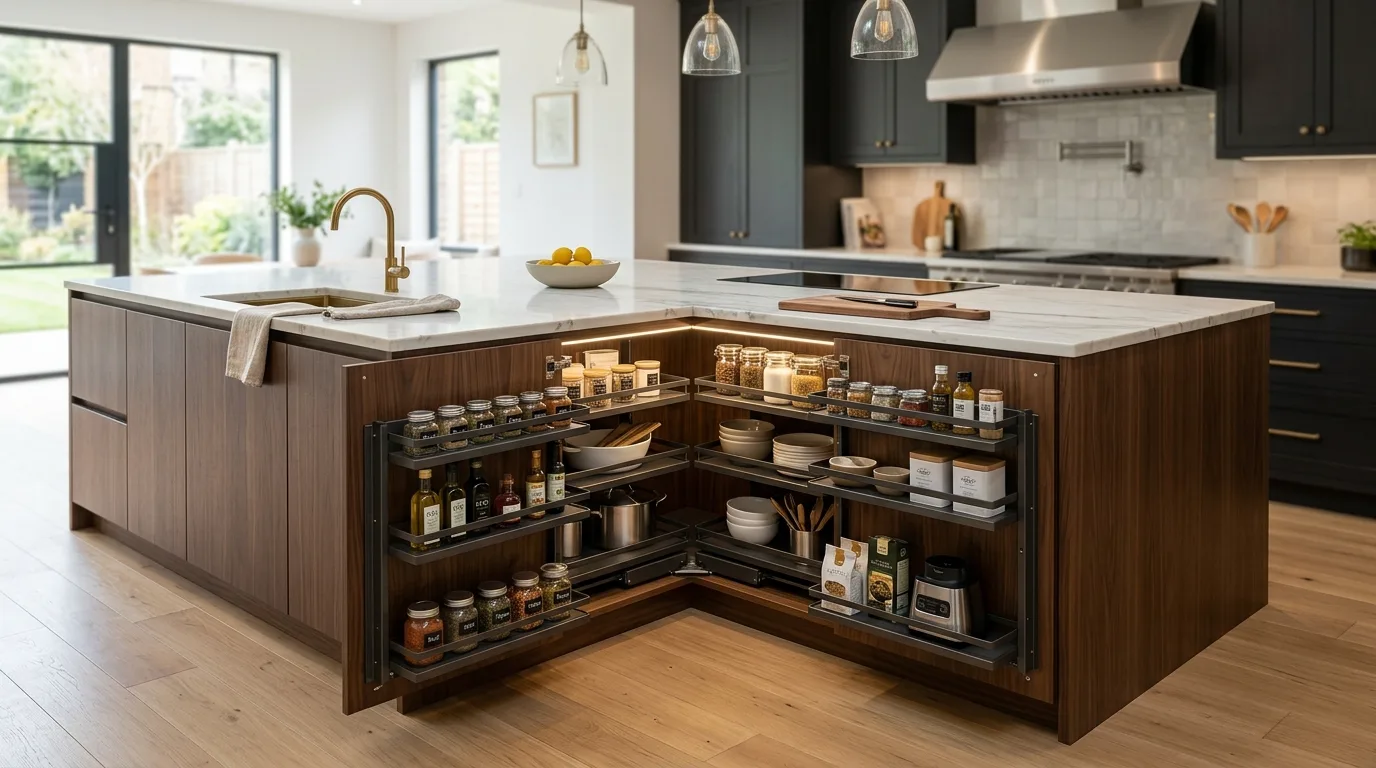
Bedroom corner cabinet that doubles as a compact wardrobe
A corner wardrobe can rescue a bedroom that lacks closet space by offering shelves, hanging room, and drawers in a footprint that would otherwise go unused. It feels custom because it solves storage in a way that follows the architecture rather than fighting it.
Read next on Saw & Sprout
Edible Gardens
13 Clever Tomato Trellis Gardens for a Bountiful Harvest
Small-Space Growing
14 Space-Saving Small Vegetable Gardens for Urban GrowersFrequently asked questions
What is the biggest benefit of a DIY corner cabinet?
It helps reclaim storage from spaces that usually go underused, especially in kitchens, dining rooms, bathrooms, and living areas where corners often become dead zones.
How do you make a corner cabinet easier to use?
Lazy Susans, pull out trays, angled shelving, and wider opening doors usually improve access and keep the cabinet from becoming a place where things disappear.
Should a corner cabinet match the rest of the room exactly?
Usually it should feel connected to nearby finishes and proportions, even if the shape is custom, so the cabinet looks intentional and not visually isolated.