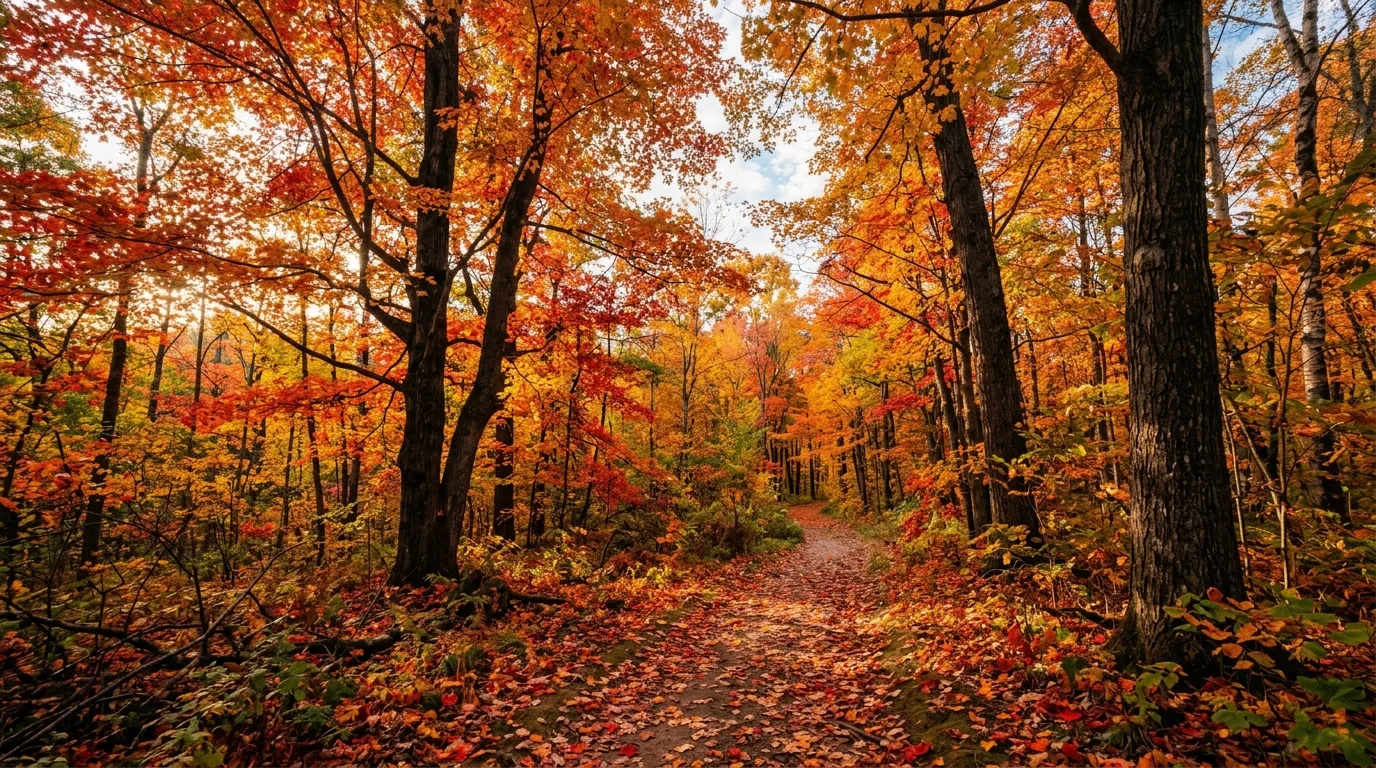
Maple trees are among the most rewarding landscape features for fall because they can transform an ordinary yard into something dramatic with a single season of color. Their branching form, changing canopy, and fallen leaves all contribute to a richer autumn atmosphere.
The strongest maple landscapes give those trees space to lead the visual story. Paths, water, patios, lawns, and quieter supporting planting all help the foliage stand forward without competition.
These maple tree landscape ideas explore different ways to make fall color feel more intentional and memorable. Each one shows how strong siting and supporting design can turn seasonal beauty into a defining part of the yard.
Quick planning notes
Place maples where their color can be appreciated from key windows, paths, patios, or arrival points.
Keep supporting planting calm enough that the autumn canopy remains the main event.
Use water, gravel, or open lawn strategically when you want the foliage color to read even more strongly.
Think about year-round structure too so the landscape remains attractive after the leaves are gone.
Idea 1
A curved lawn path leading toward one fiery maple focal tree
Maple trees are at their best when the landscape gives them room to become the main seasonal event, and a curved path can heighten that effect by drawing the eye gradually toward the color. The yard feels more dramatic because the autumn display is given a clear stage.
Idea 2
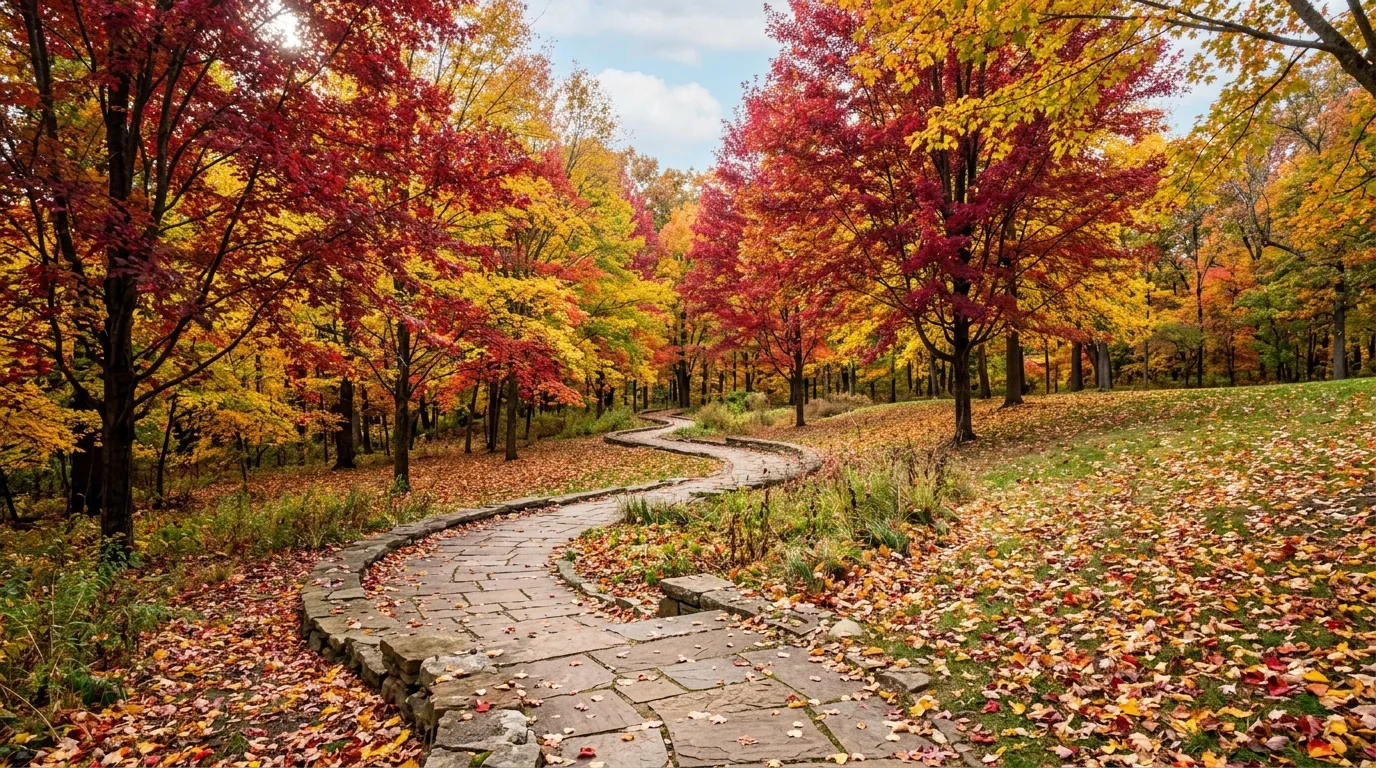
A stone patio tucked beneath a canopy of red-orange leaves
Seating under a mature maple turns fall color into an immersive experience rather than something viewed only from a distance, and the stone beneath helps the warm foliage feel even richer. It is one of the most inviting ways to make autumn part of daily outdoor life.
Idea 3
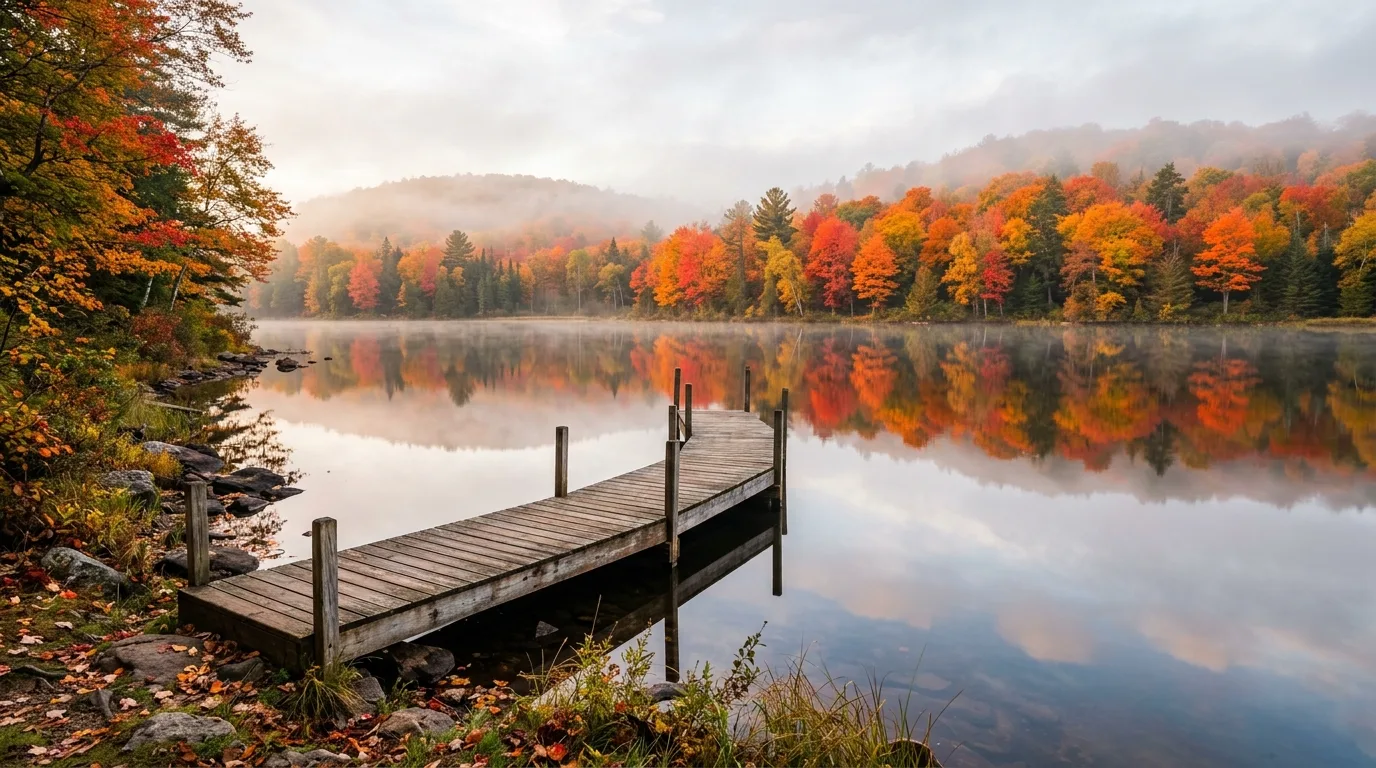
A front yard composition using layered maples for depth
More than one maple can work beautifully when the sizes and spacing create depth instead of competition, allowing the fall display to feel layered across the yard. This approach gives the frontage stronger seasonal presence while still looking structured and calm.
Idea 4
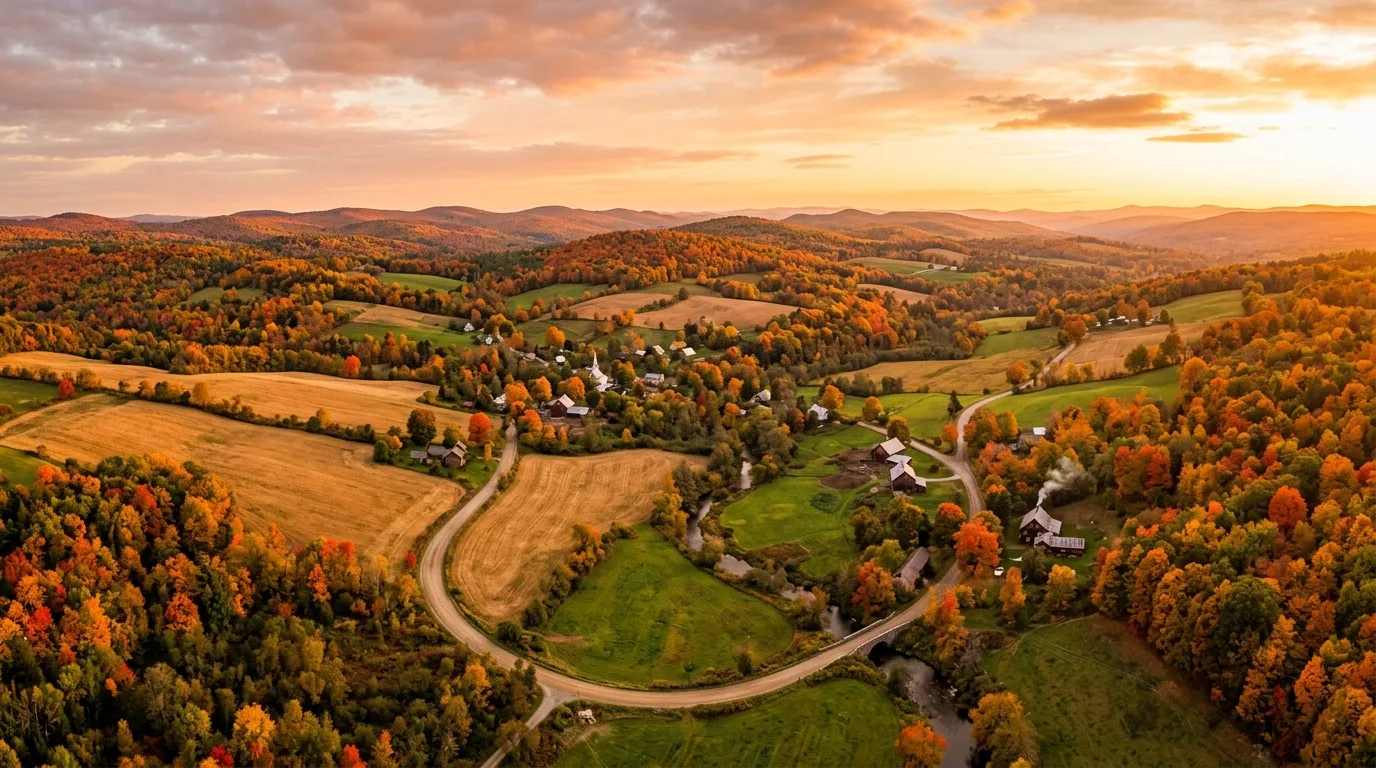
A gravel drive framed by maple trunks and drifting leaves
Driveways feel especially atmospheric in autumn when the trees along them create a corridor of changing color, and maples are ideal for that because their foliage reads strongly even from a distance. The whole arrival becomes more memorable and cinematic.
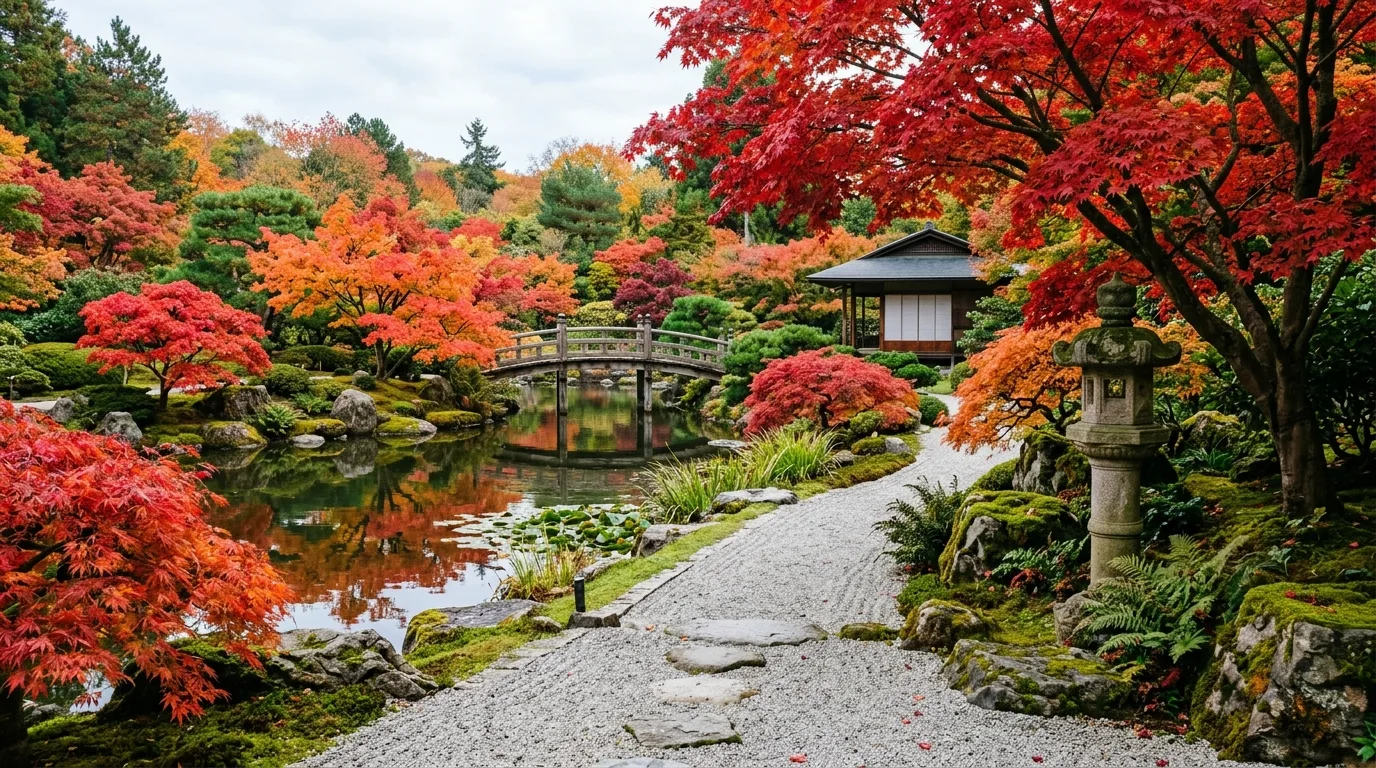
Idea 5
A woodland edge made brighter with glowing maple contrast
Maples can transform darker wooded properties by introducing clear bursts of color and a more readable seasonal structure along the edge. The contrast between evergreen shadow and bright leaves gives the landscape a richer sense of depth and time.
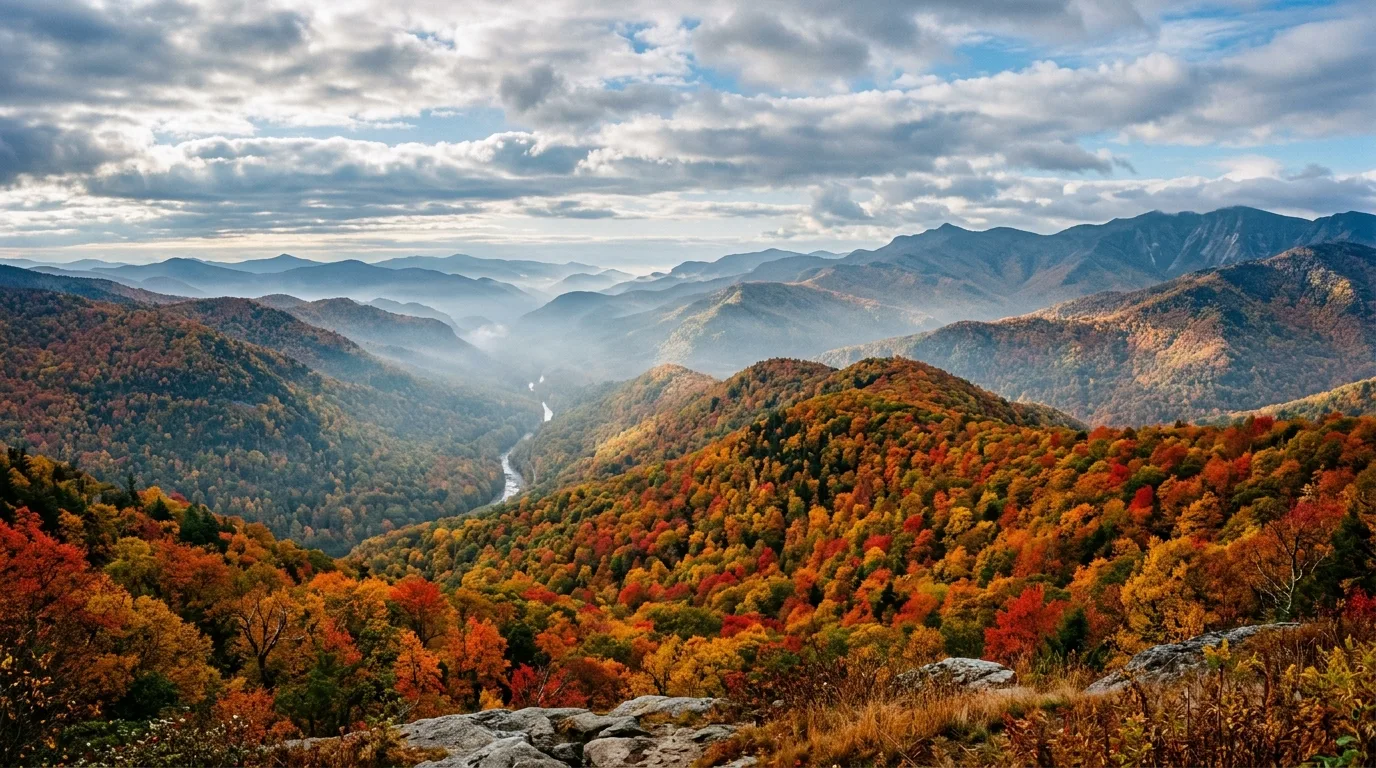
Idea 6
A pond reflection scene doubling the beauty of fall foliage
Few landscape moments feel more complete than maple color mirrored in still water because the reflections amplify the seasonal drama without requiring any extra planting complexity. The water gives the whole scene a calm richness that autumn handles especially well.
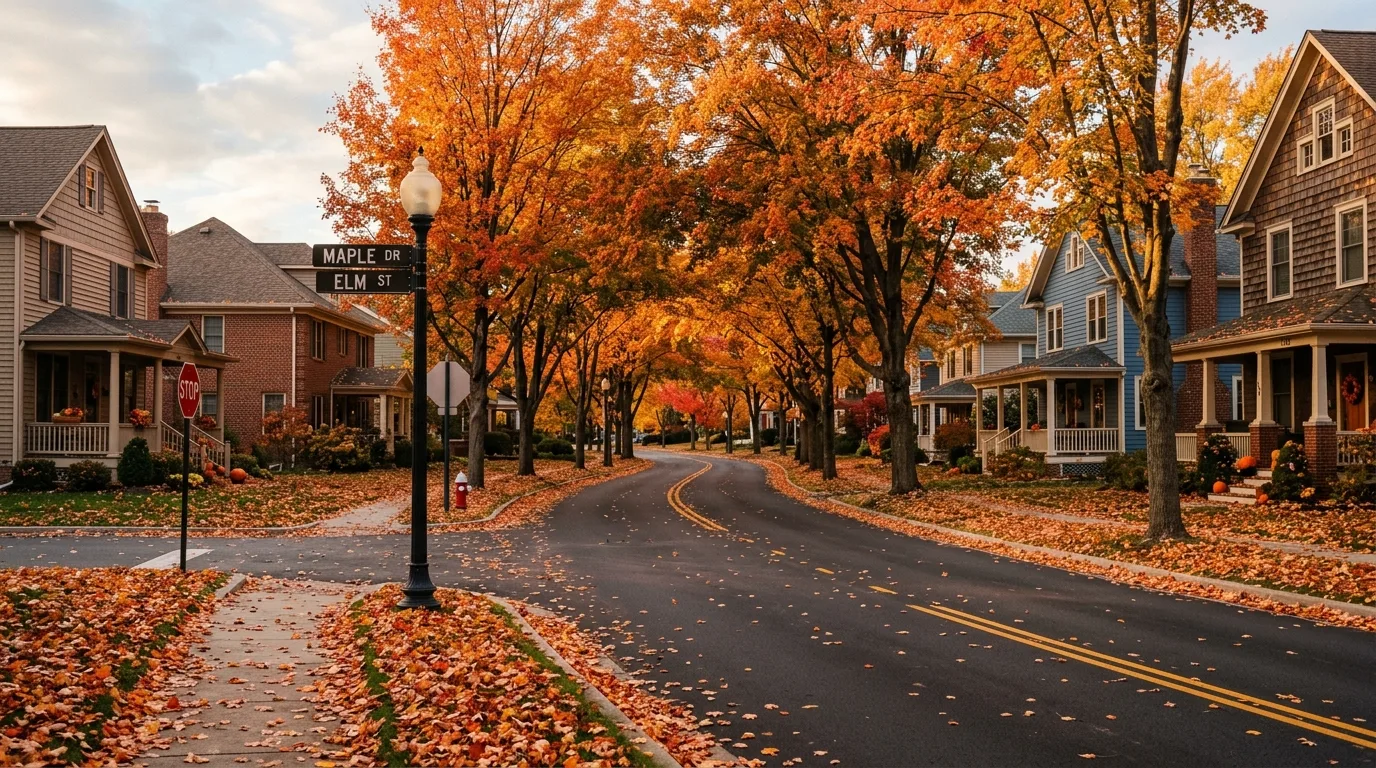
Idea 7
A courtyard garden built around one sculptural Japanese maple
Smaller maple forms can have just as much impact in compact spaces when the design treats them as sculptural anchors rather than filler planting. In a courtyard, the branching shape and seasonal color create real presence without overwhelming the footprint.
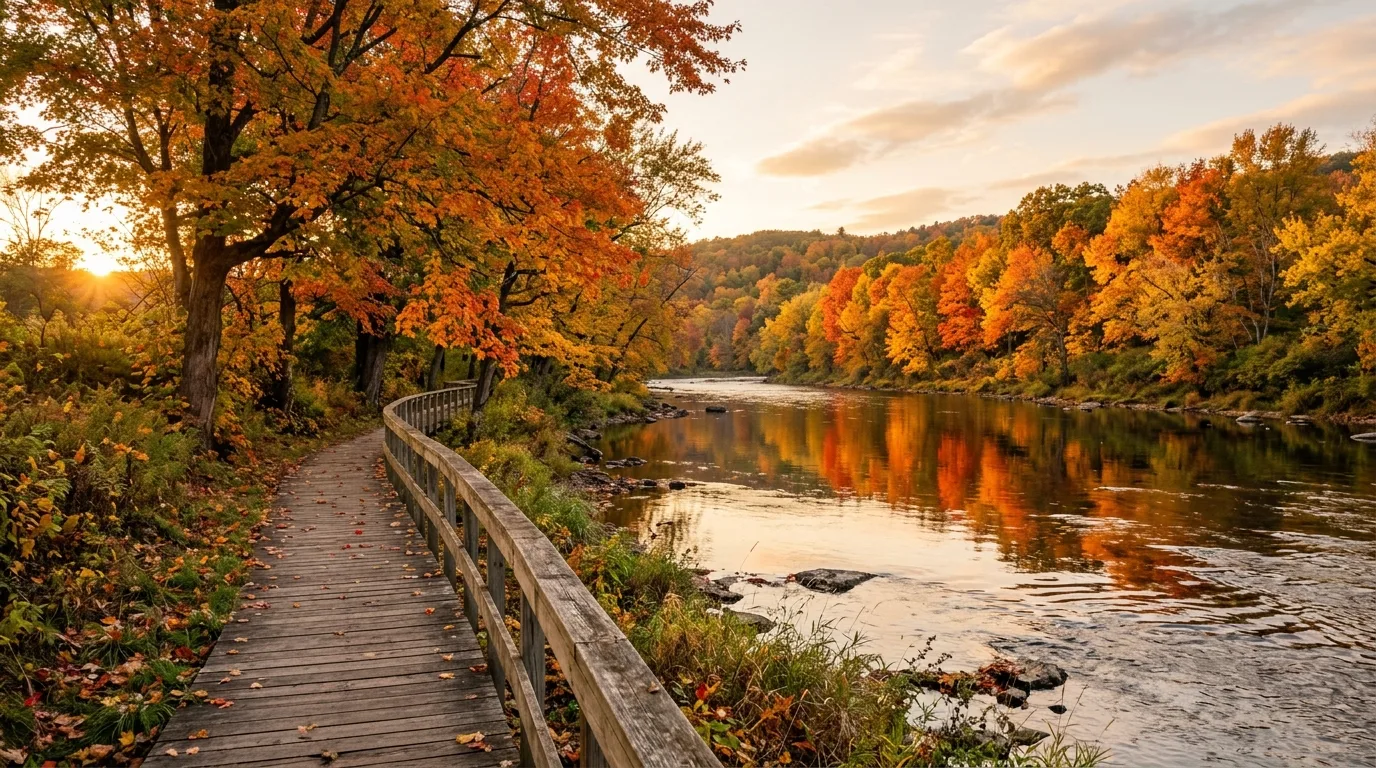
Idea 8
A hillside planting plan using maples to mark the slope
Sloped gardens often need stronger vertical structure to feel legible from below or above, and maples can provide that while also delivering standout autumn beauty. Their canopy shapes help organize the hill and make the planting composition easier to read.
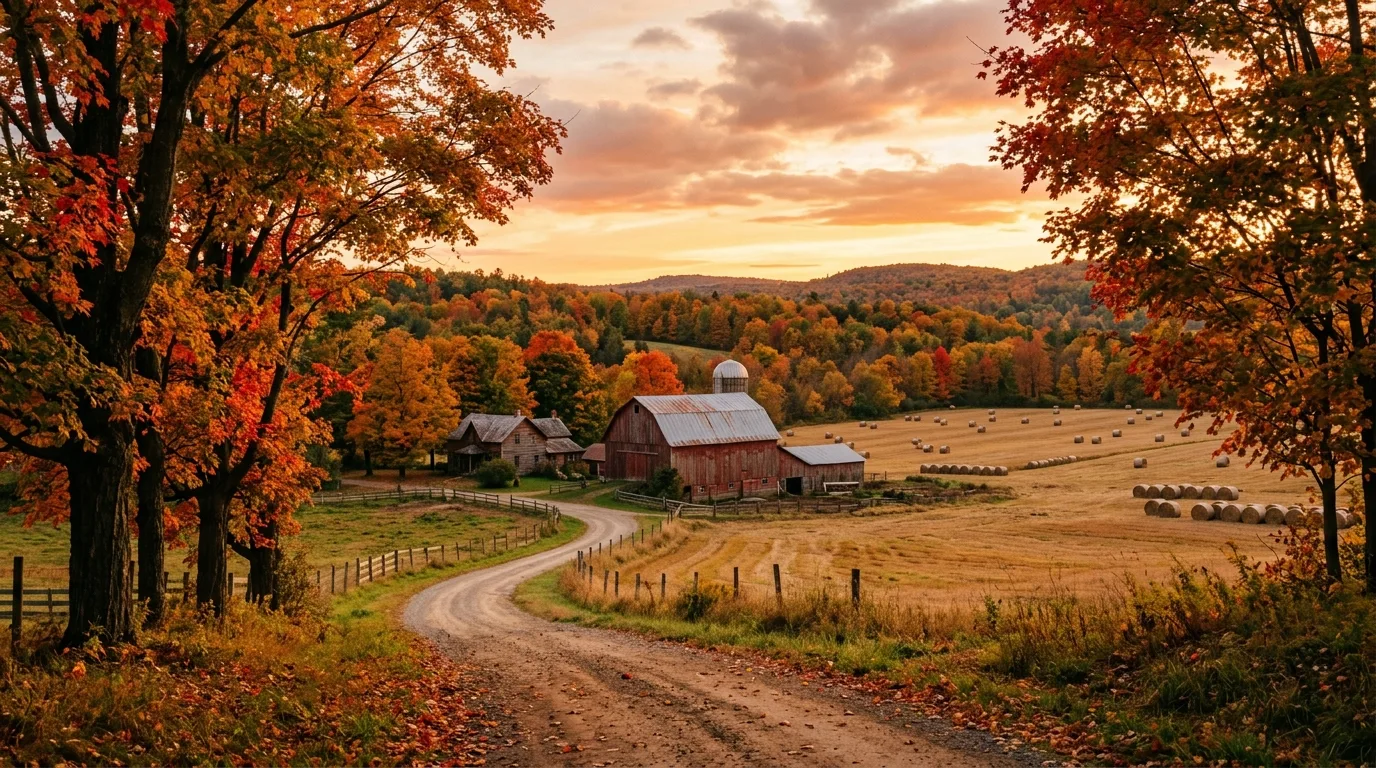
Idea 9
A broad backyard lawn edged with maples for seasonal framing
Open lawns feel more intentional when the surrounding trees define the space clearly, and maples are especially good for that because they create both structure and a dramatic annual shift in color. The green center stays simple while the edges do the visual work.
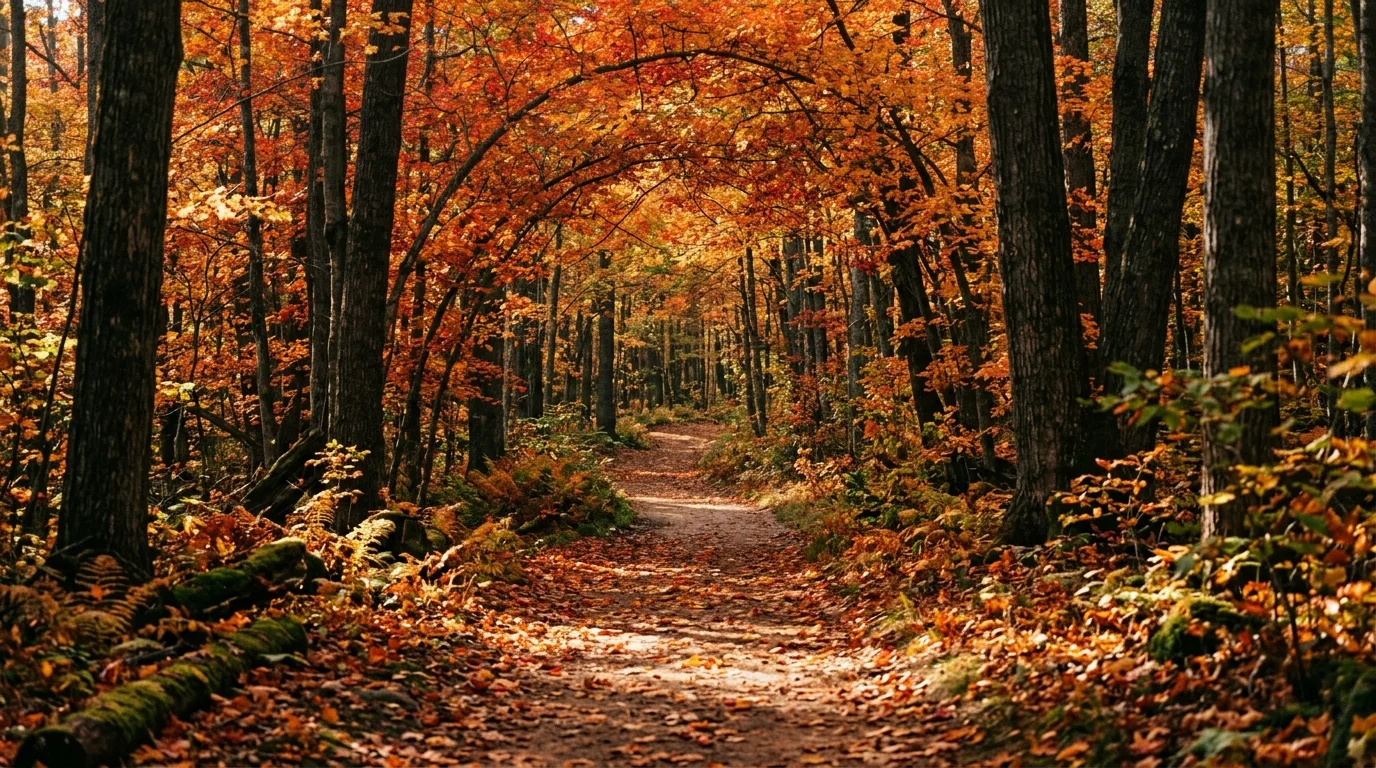
Idea 10
A maple-lined entry that makes the house feel more established
Rows or pairs of maples can give a property the kind of maturity and seasonal grandeur that instantly improves its sense of place. In fall, the entrance becomes especially powerful because the color makes the approach feel celebratory and deeply rooted.
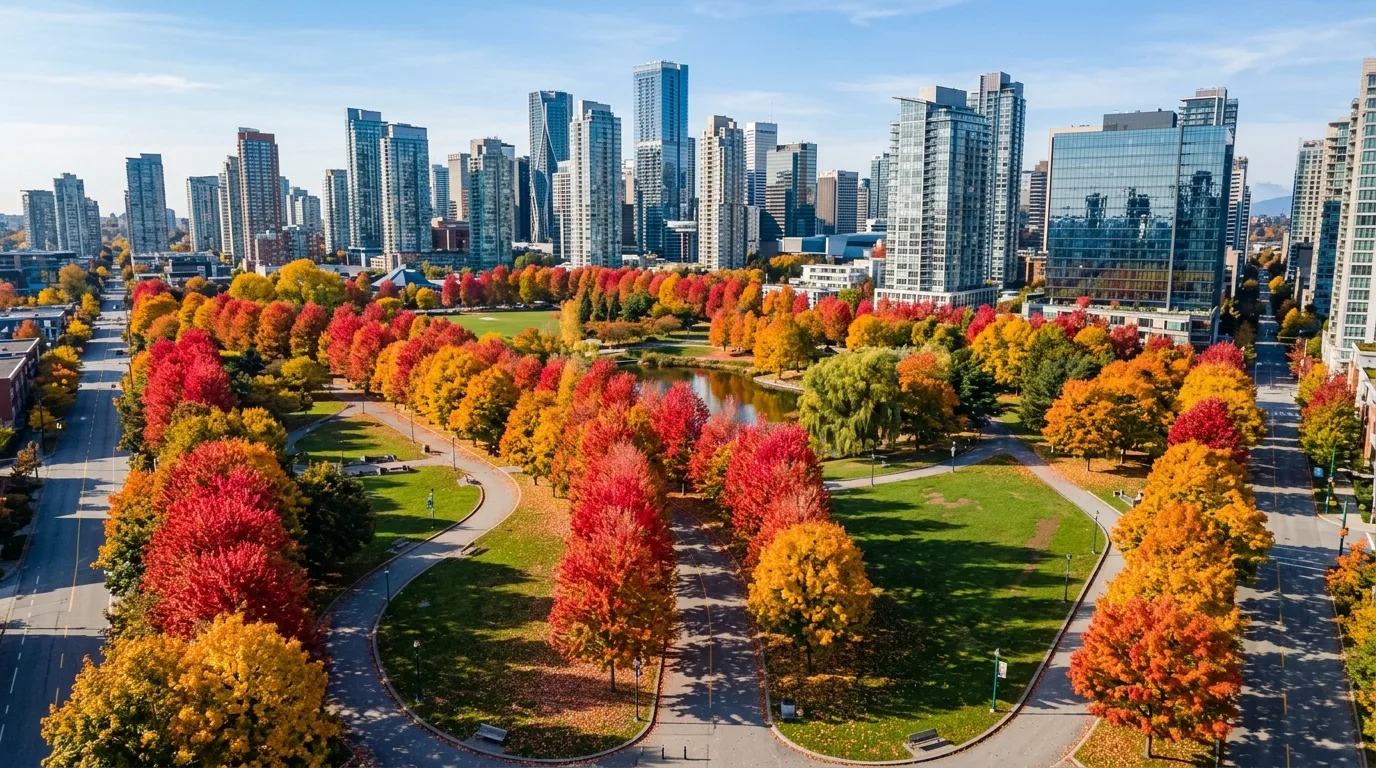
Idea 11
A rustic garden path covered with warm fallen maple leaves
Fallen leaves can be part of the charm rather than something that immediately needs erasing, especially on a rustic path where the seasonal texture makes the landscape feel more alive. The moment feels temporary and beautiful, which is part of what makes fall gardening so special.
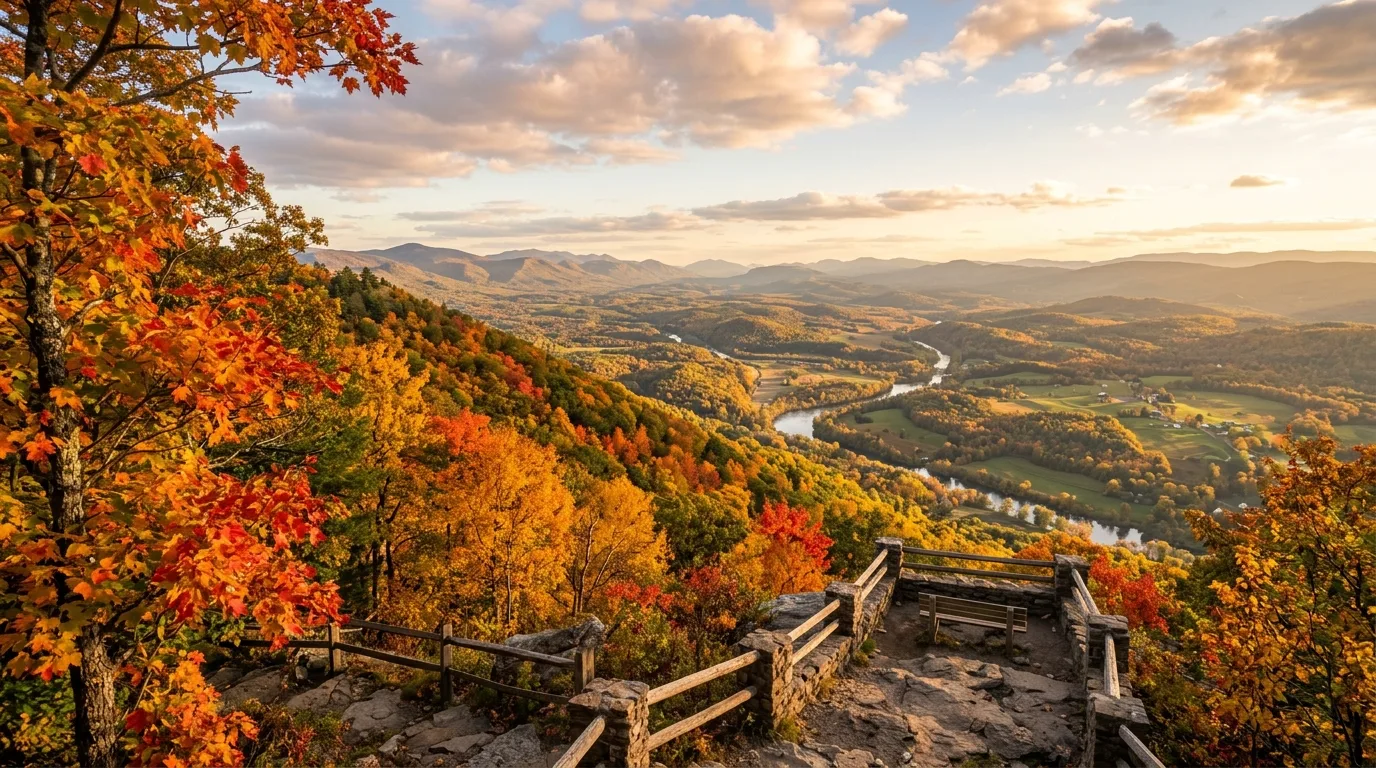
Idea 12
A mixed-shrub border that gives maple color a calmer backdrop
Brilliant foliage often looks even better when the supporting planting stays quieter, and mixed shrubs can provide that steady base while the maples carry the headline color. The composition feels more refined because the contrast is controlled rather than chaotic.
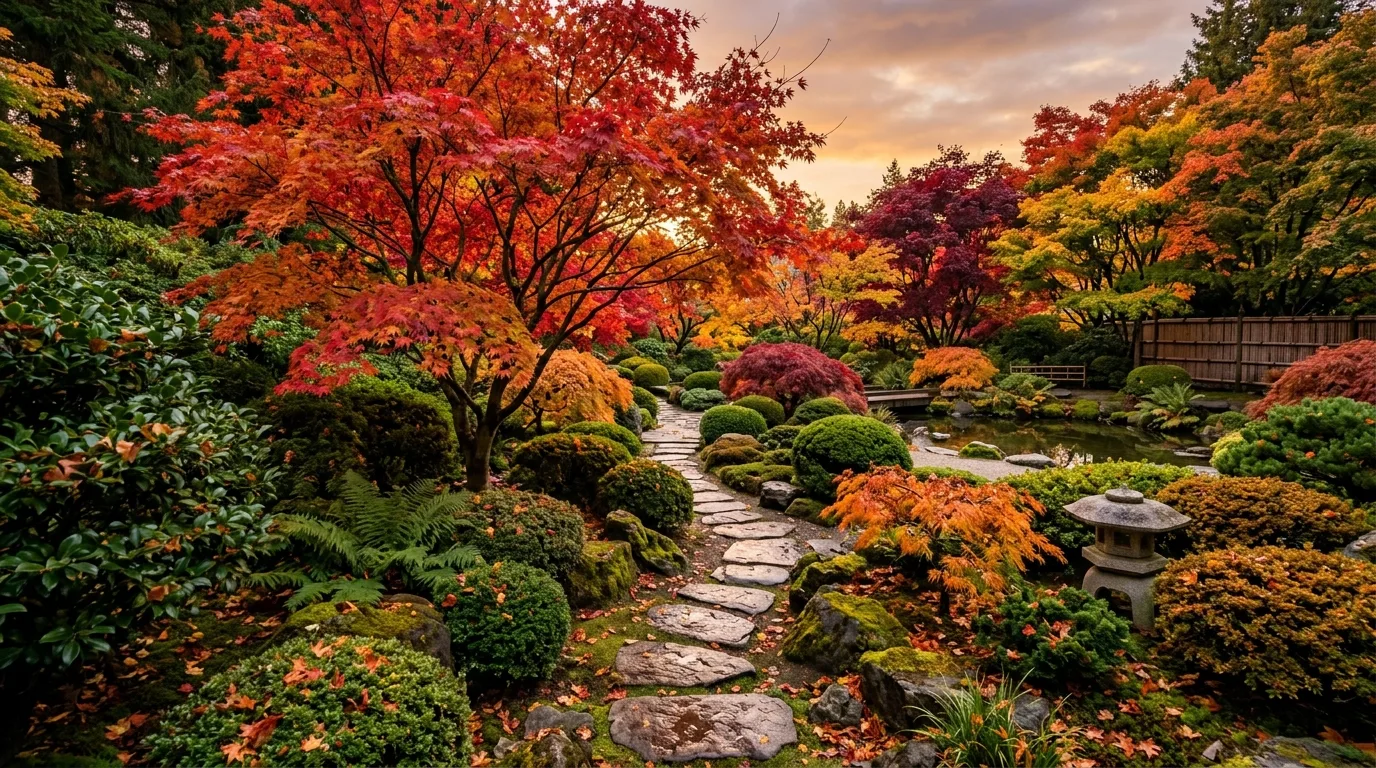
Idea 13
A layered autumn yard where maples create the main seasonal story
Beautiful maple landscapes succeed when the rest of the yard helps reinforce the mood instead of distracting from it, allowing the trees to shape the season visually from top to bottom. With the right support planting and clear sightlines, the fall display becomes unforgettable.
Read next on Saw & Sprout
Edible Gardens
13 Clever Tomato Trellis Gardens for a Bountiful Harvest
Small-Space Growing
14 Space-Saving Small Vegetable Gardens for Urban GrowersFrequently asked questions
Why are maple trees so popular in landscapes?
They offer strong seasonal color, beautiful form, and enough presence to shape the feel of a yard across multiple seasons.
Where do maple trees make the biggest impact?
They are especially effective near entries, patios, pond edges, lawn borders, and anywhere the canopy can be seen clearly in autumn.
How do you support maple color in a landscape design?
Use simpler surrounding planting, good sightlines, and materials like water, stone, or open lawn that help the foliage stand out.