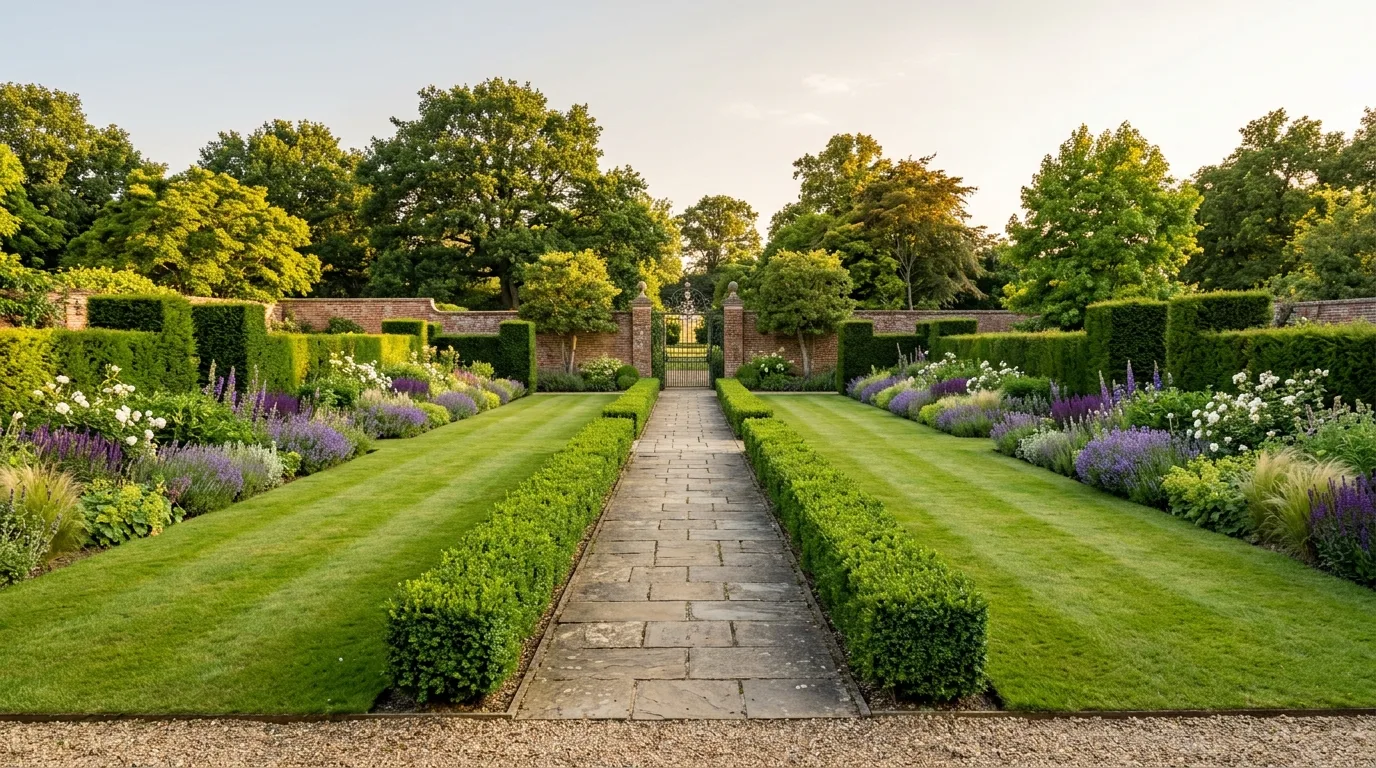
Rectangle-based landscape design can feel especially satisfying because the geometry brings immediate clarity, order, and balance to the yard.
When repeated well through lawns, paving, beds, and circulation, that clean shape helps the whole property feel more composed without removing warmth or usability.
These rectangle landscape ideas explore front yards, courtyards, patios, terraces, rooftops, and pool surrounds shaped around symmetrical beauty and strong proportion.
Quick planning notes
Use the geometry consistently across hardscape and planting so the design feels coordinated instead of fragmented.
Balance strong lines with enough greenery that the yard stays welcoming and not overly rigid.
Pay attention to alignment because rectangle-driven landscapes depend on precise relationships between elements.
Let the shape support the architecture of the house rather than introducing unrelated geometry.
Idea 1
A formal front yard built around one central rectangular lawn
Rectangle-based layouts feel satisfying because they introduce immediate order, and a central green panel can make the whole frontage read as more architectural and deliberate. The symmetry helps the house feel more grounded and composed.
Idea 2
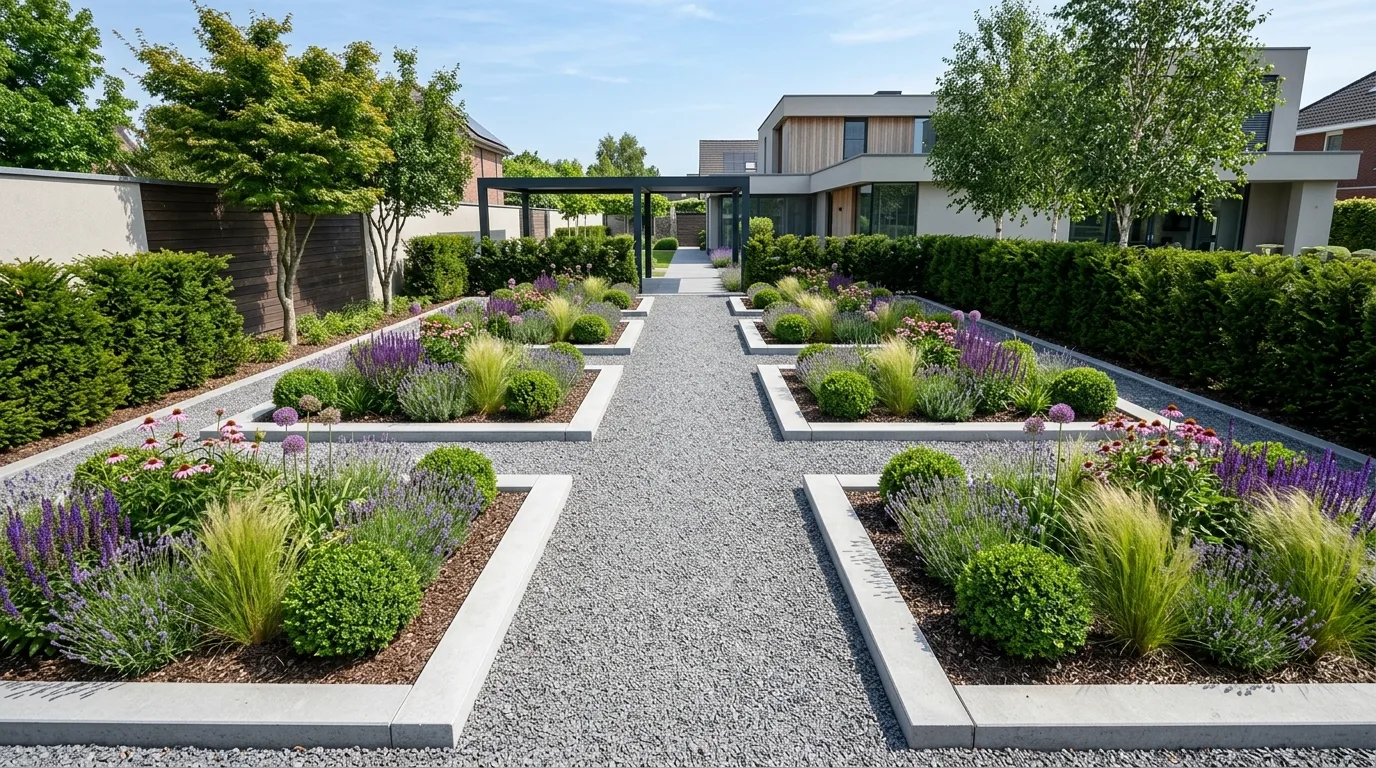
A patio court defined by crisp paving and matching border beds
When both hardscape and planting follow the same rectangular logic, the outdoor room feels clearer and more elegant because every edge reinforces the same geometric idea. The result is balanced, calm, and easy to read at a glance.
Idea 3
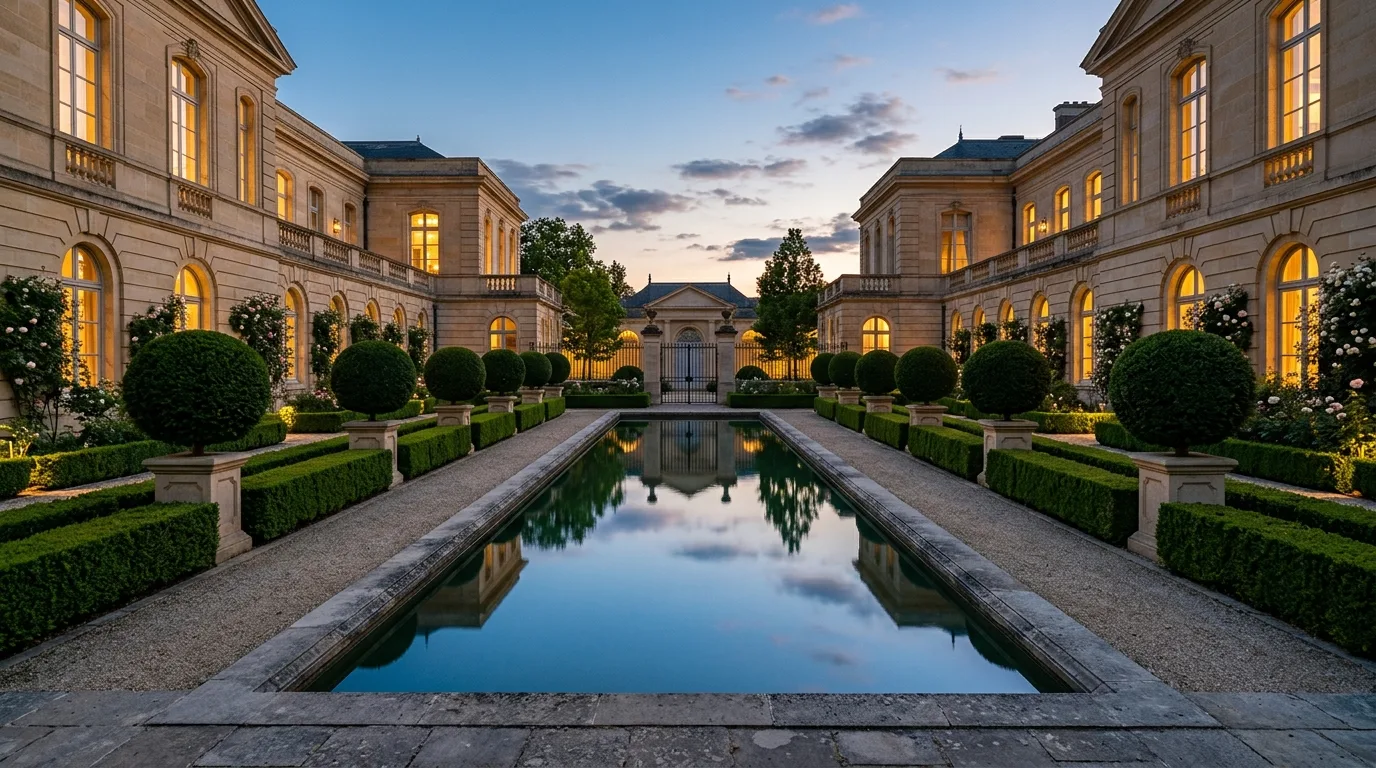
A pool terrace where rectangular planting echoes the waterline
Repeating the shape of the pool through the surrounding landscape can make the entire backyard feel more integrated, because the geometry reads as one coordinated composition rather than separate pieces. The space becomes more polished and more restful.
Idea 4
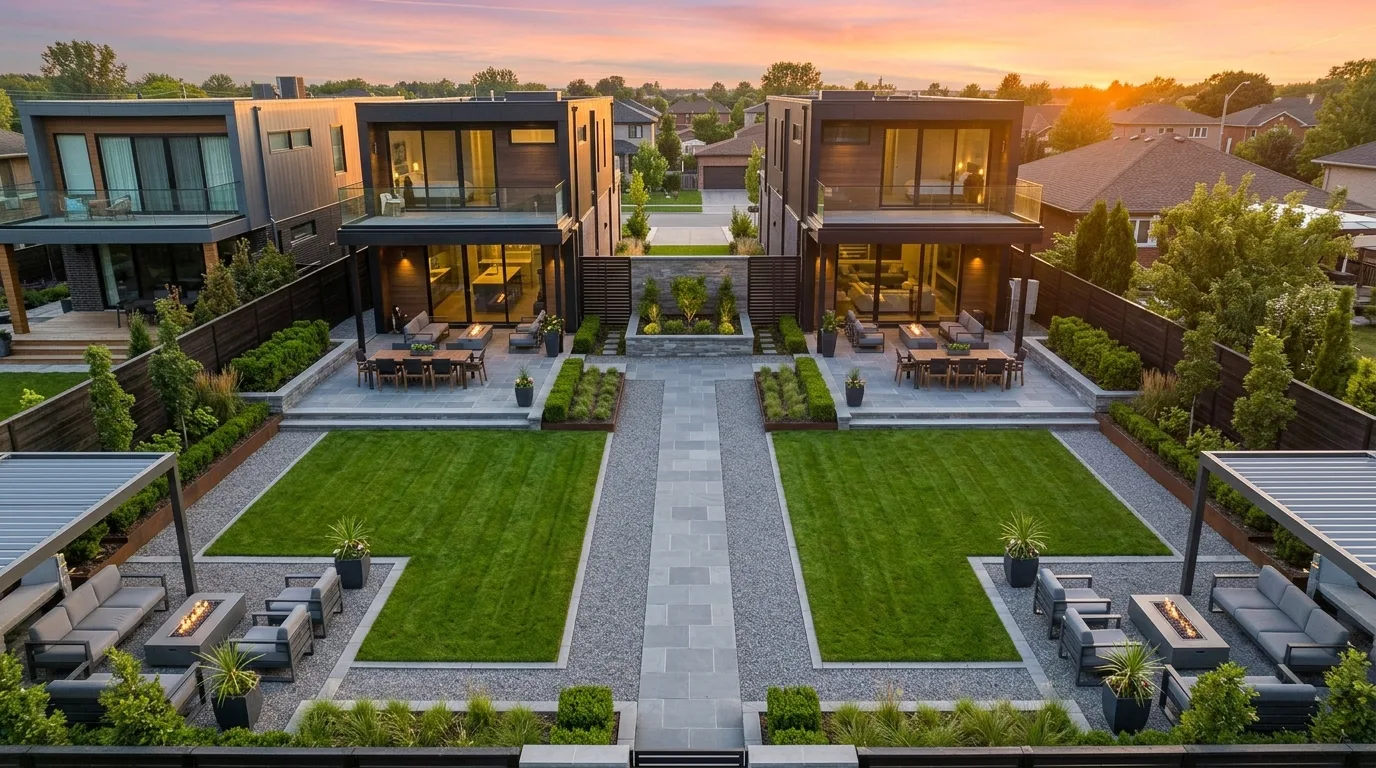
A long narrow yard organized into stacked rectangular zones
Rectangles are especially useful in skinny spaces because they divide the yard into clear usable sections without introducing fussy shapes that can make the layout feel even tighter. The sequence feels practical, modern, and visually steady.
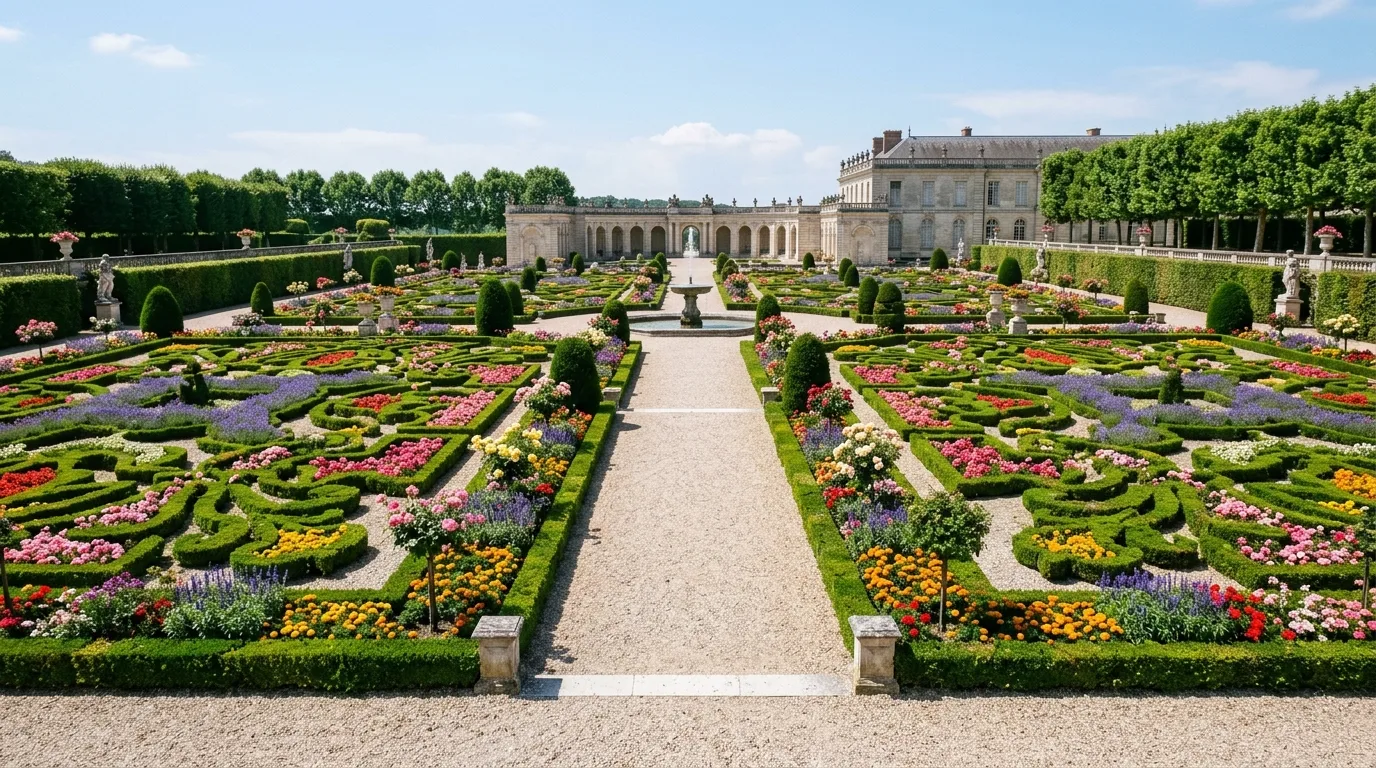
Idea 5
A courtyard of gravel and stone framed by clipped hedge walls
Rectangular courtyards often feel timeless because the geometry gives the enclosure enough clarity to feel room-like, while gravel and hedges soften the severity just enough to keep the space livable. The mood stays structured and serene.
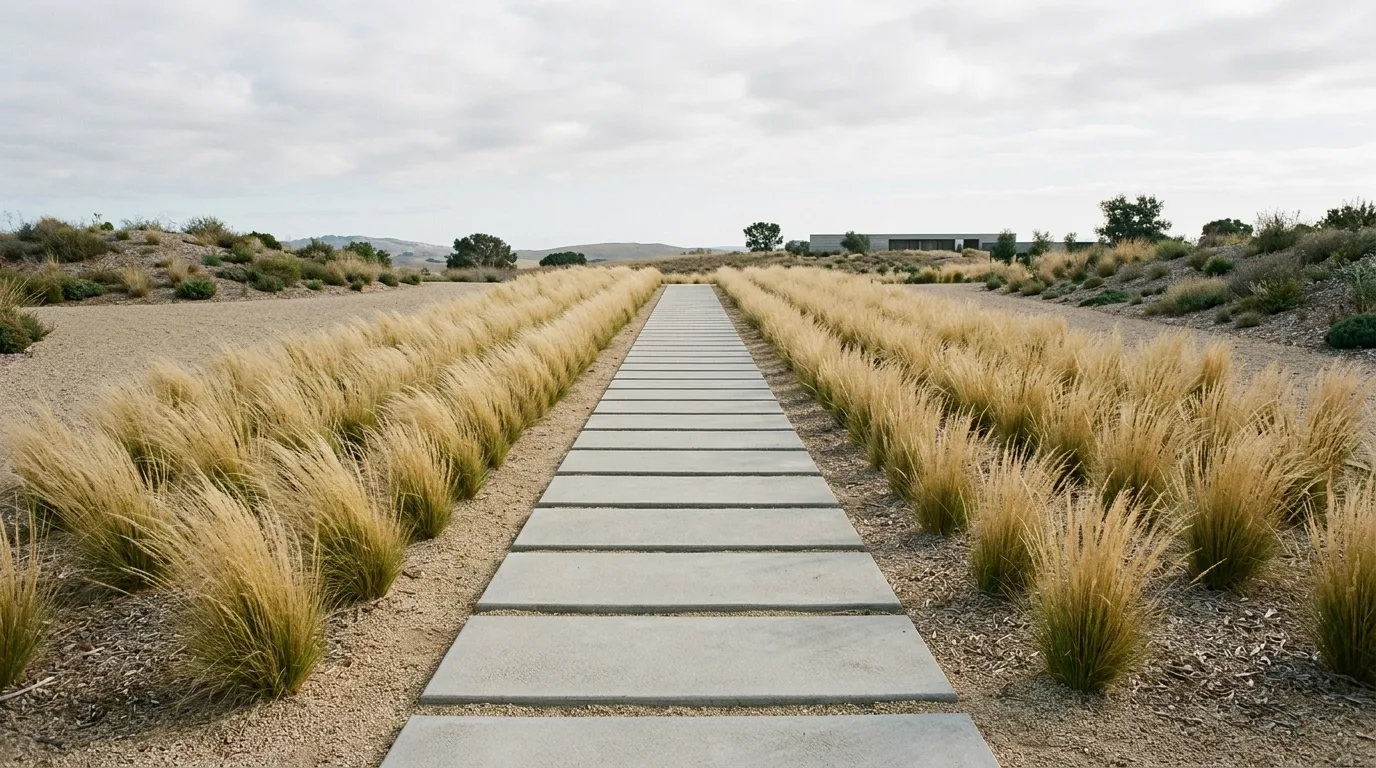
Idea 6
A front walk of offset rectangular slabs across open lawn
Repeating rectangular stepping slabs can add movement without breaking the discipline of the overall design, especially when the surrounding lawn stays simple and uninterrupted. The approach feels modern but still welcoming and easy to maintain.
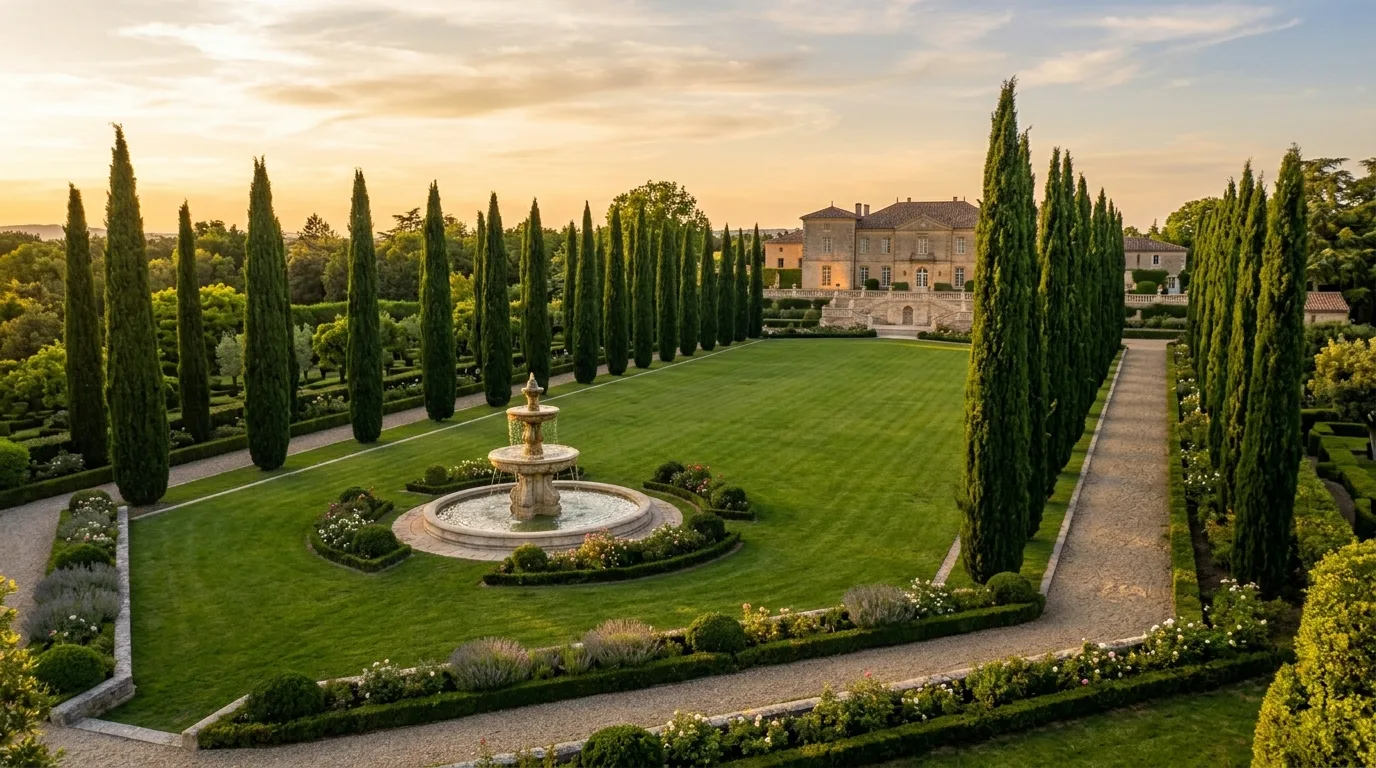
Idea 7
A terrace garden using low walls to hold perfect geometry
Low retaining walls are especially effective in rectangle-led landscapes because they preserve the strength of the lines while also solving changes in level cleanly and elegantly. The yard looks more expensive because the shape feels so resolved.
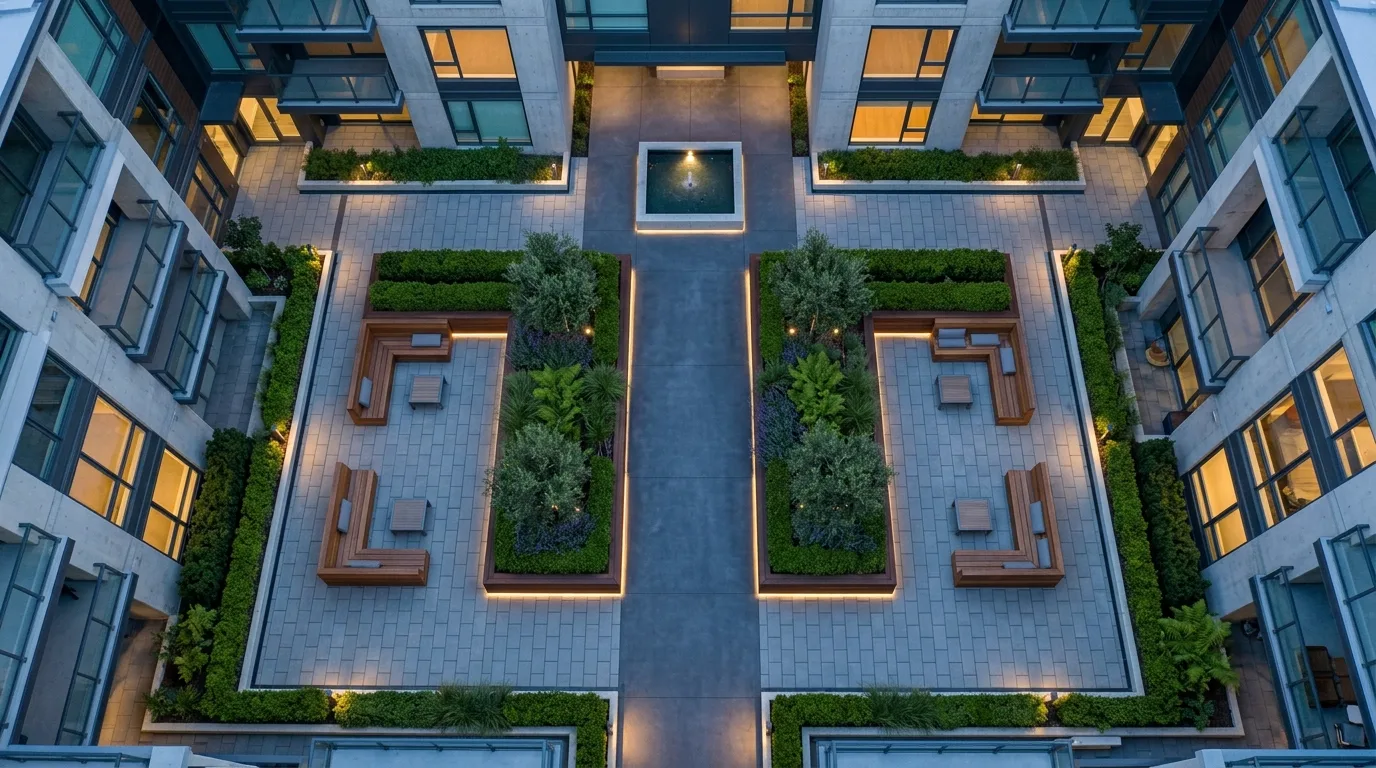
Idea 8
A dining garden where every bed and path feels aligned
Alignment is one of the quiet pleasures of a rectangular landscape because it makes even a simple outdoor dining area feel highly considered and comfortable to use. The visual order gives the space a natural sense of calm and control.
Idea 9
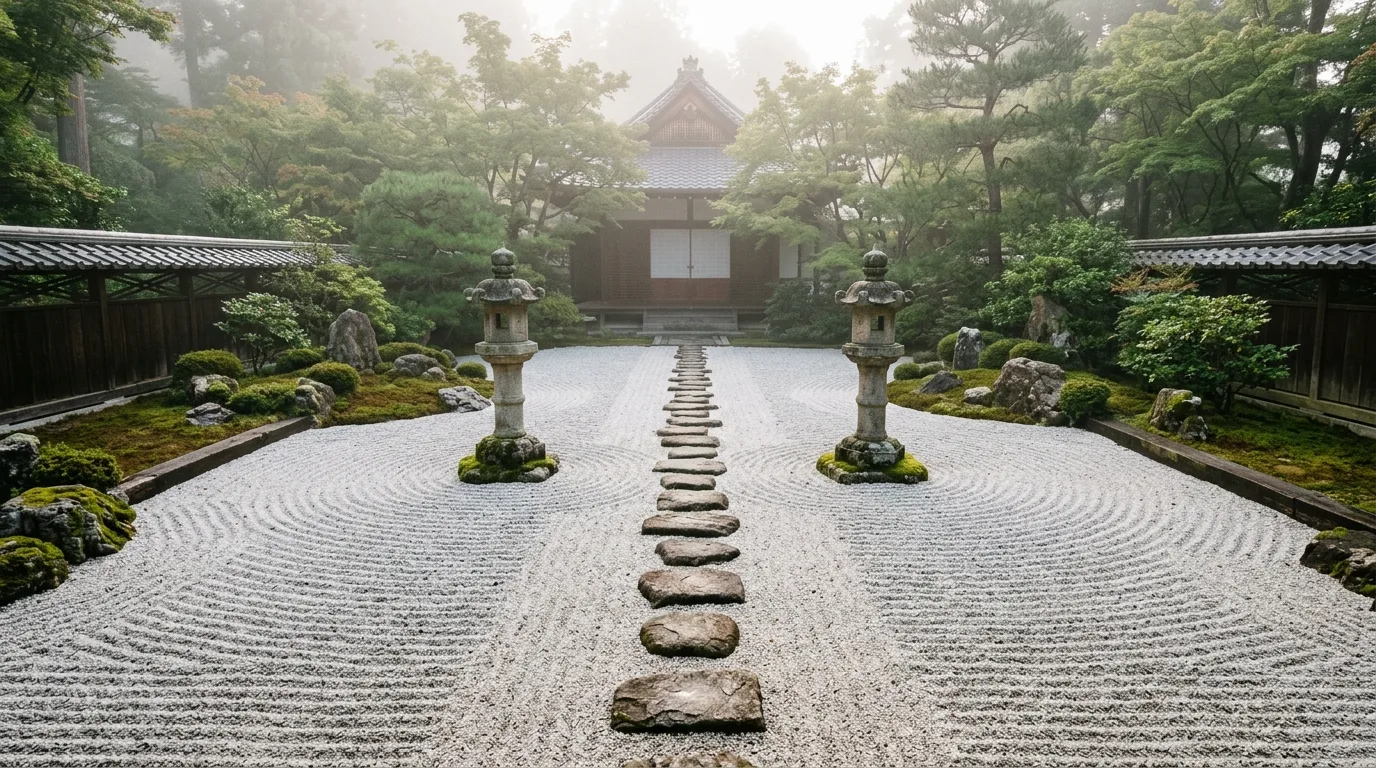
A minimalist backyard with repeated rectangle planters and benches
Using the same geometry for furniture and planting helps a landscape feel more unified because every piece looks like it belongs to the same visual system. The yard becomes spare, but still rich enough to feel designed and complete.
Idea 10
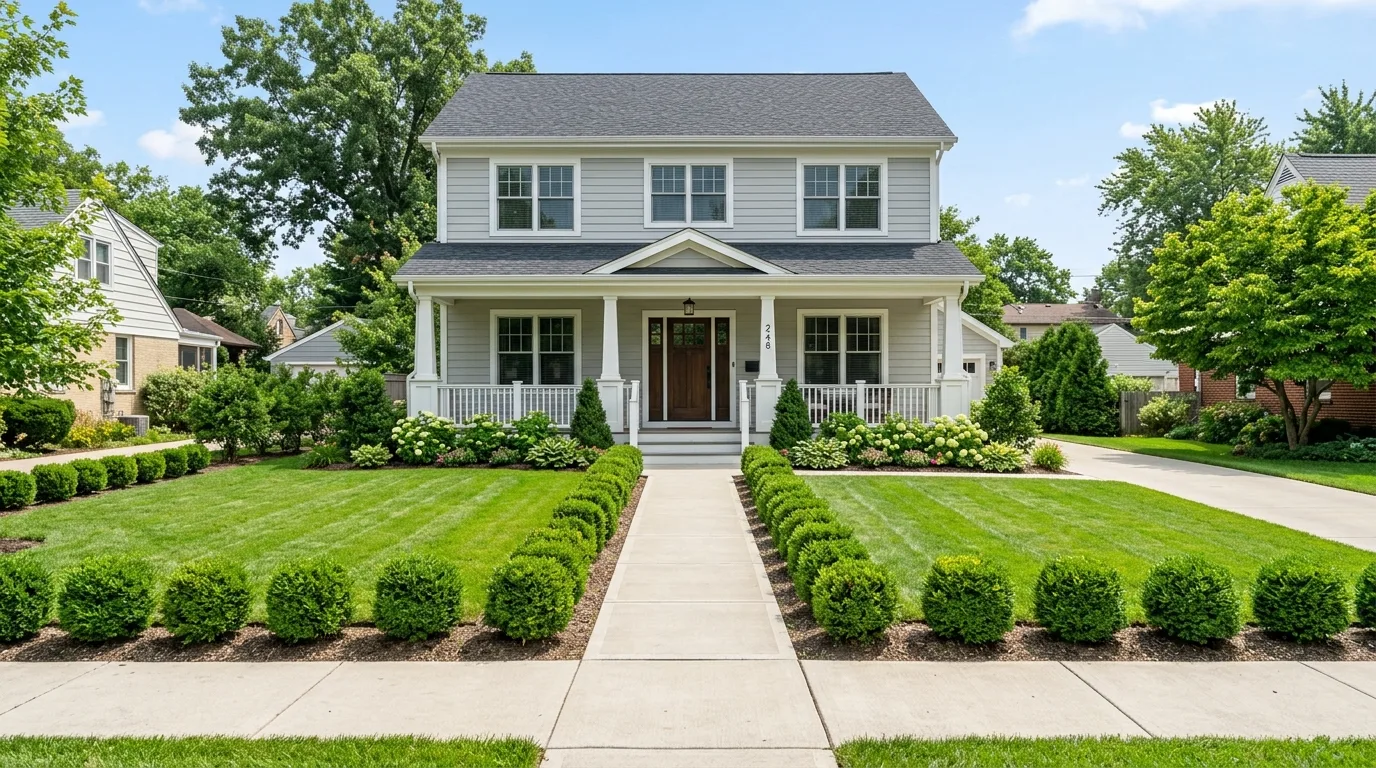
A broad entry court where rectangular paving adds quiet grandeur
Large rectangular paving fields can feel luxurious because they create a strong uninterrupted plane that makes the surrounding planting and architecture appear even more deliberate. The simplicity gives the arrival more confidence and scale.
Idea 11
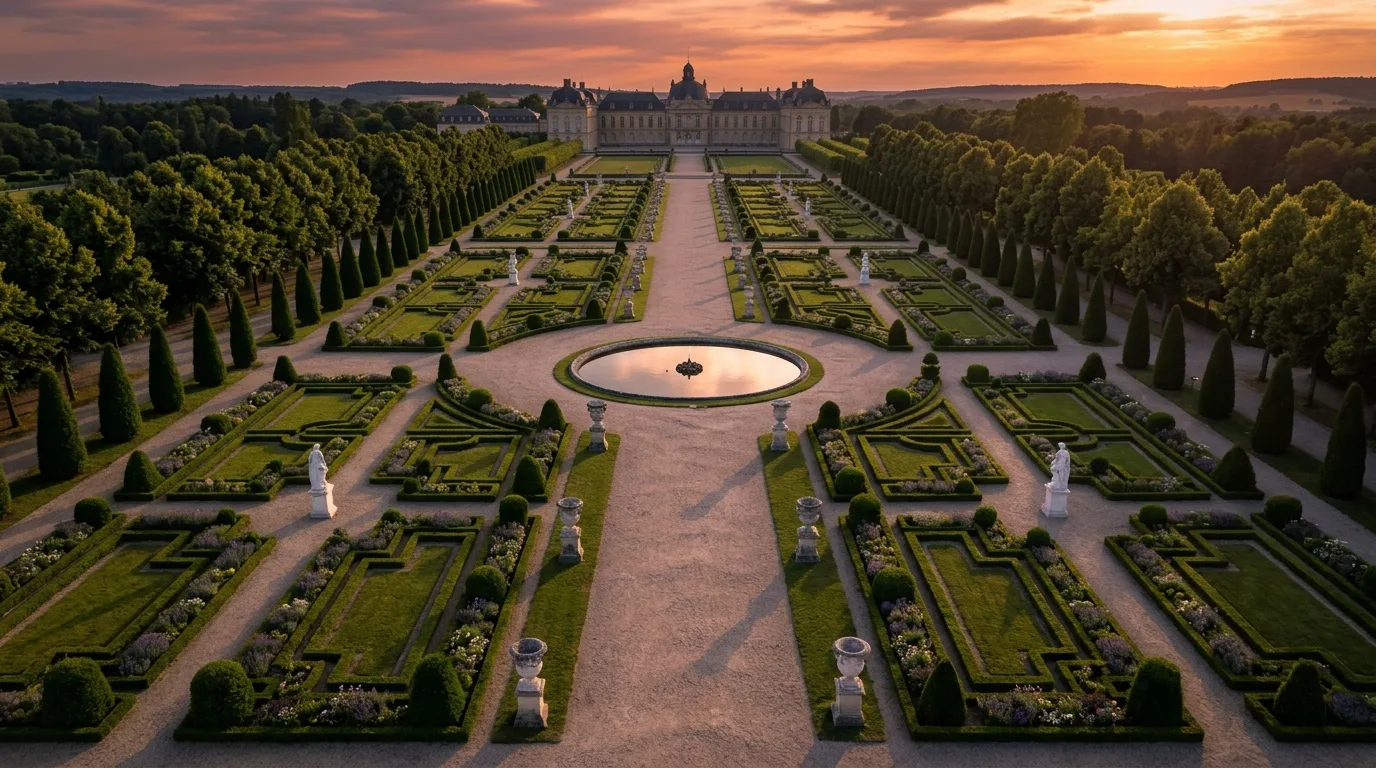
A side garden where boxy beds tame awkward property lines
Rectangular beds can be a practical solution in difficult spaces because they bring visual control to boundaries that might otherwise feel mismatched or unresolved. The strong shape makes the garden look calmer and easier to manage.
Idea 12
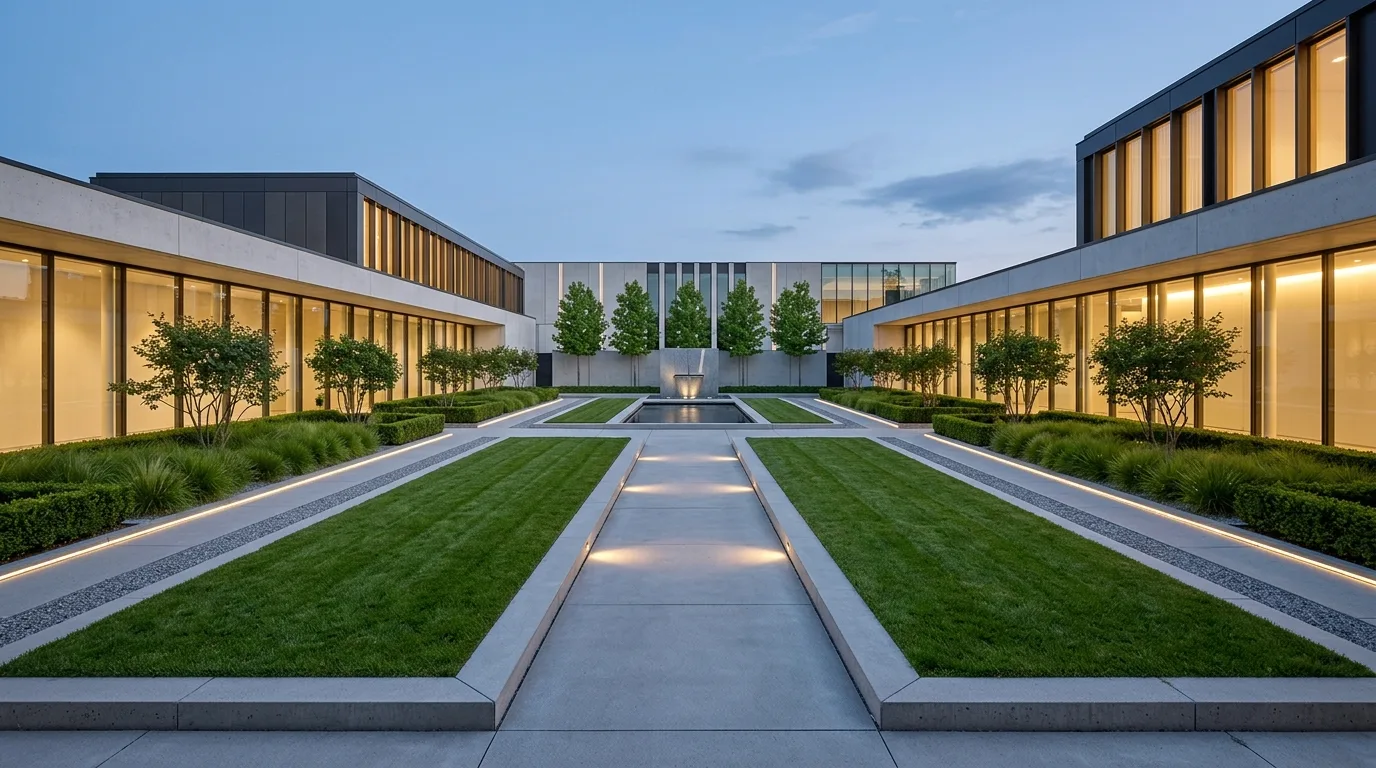
A roof terrace laid out like an open-air living grid
Rectangular planning works especially well on rooftops because it keeps furniture, circulation, and planting from feeling scattered in an exposed setting. The whole terrace feels more usable and more intentionally organized against the skyline.

Idea 13
A symmetrical front property where rectangle geometry supports curb appeal
Strong rectangular structure can make a home look more established by giving the landscape a clear framework that aligns naturally with many facades, paths, and porches. That order is what gives symmetrical yards their lasting beauty.
Idea 14
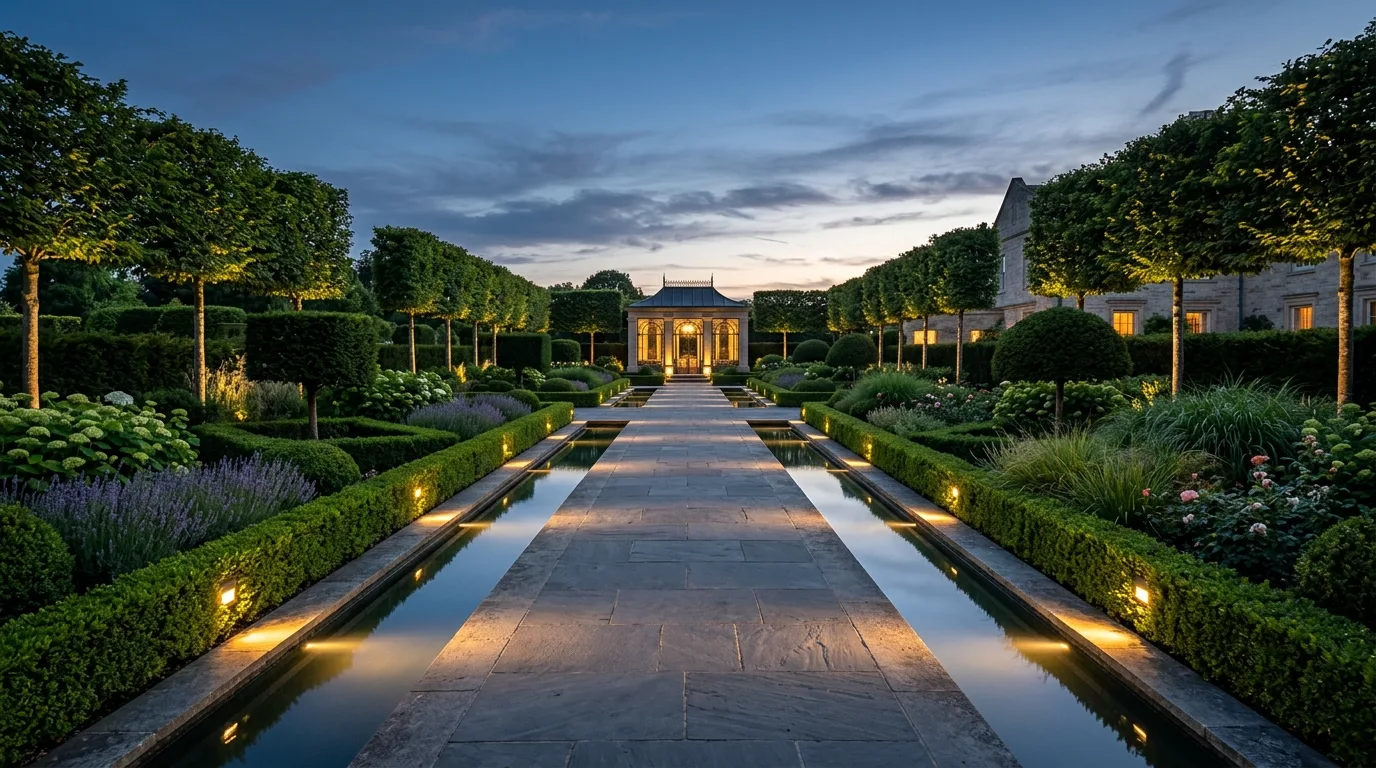
A composed yard where rectangular planning creates harmony from edge to edge
The best rectangle-based landscapes succeed because the geometry is repeated with enough consistency that the entire site feels calm, resolved, and visually balanced. The beauty comes from disciplined proportion rather than decorative excess.
Read next on Saw & Sprout
Edible Gardens
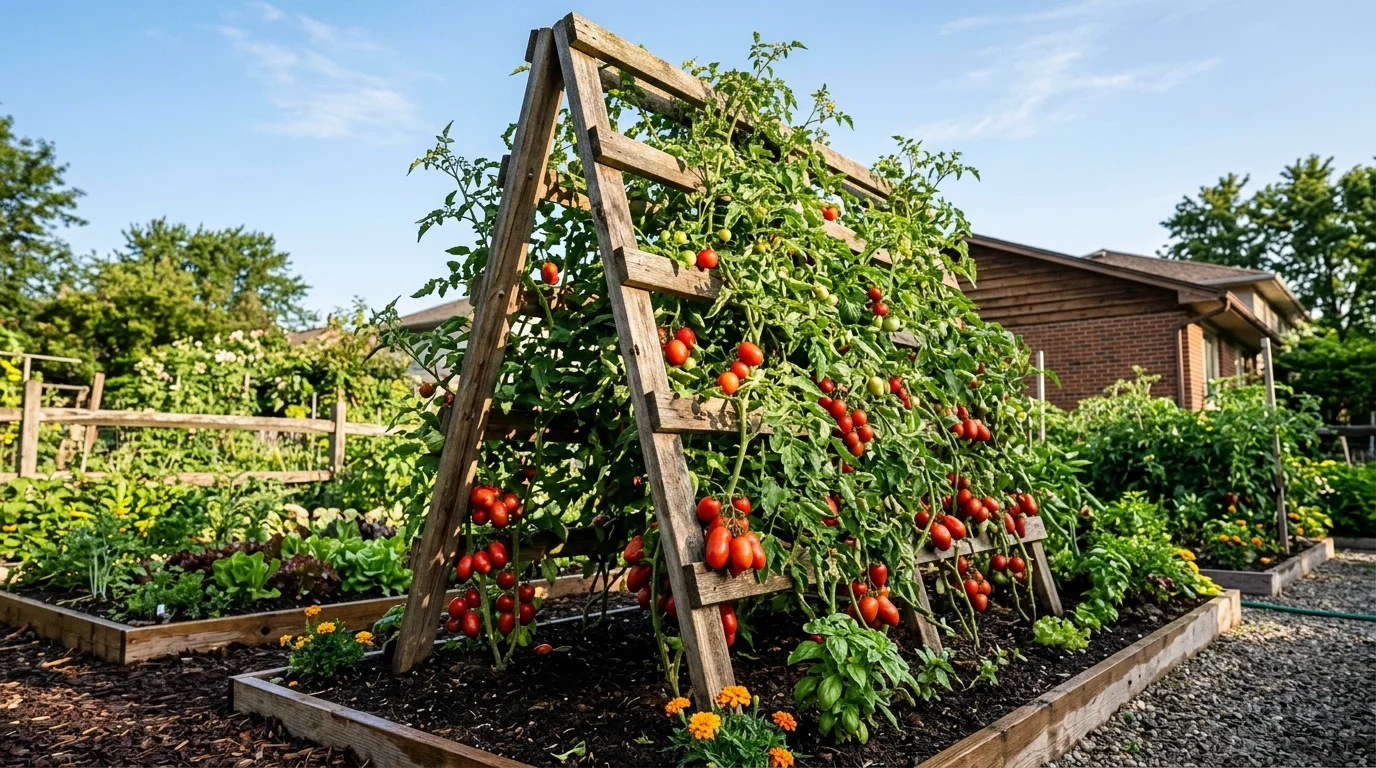
13 Clever Tomato Trellis Gardens for a Bountiful Harvest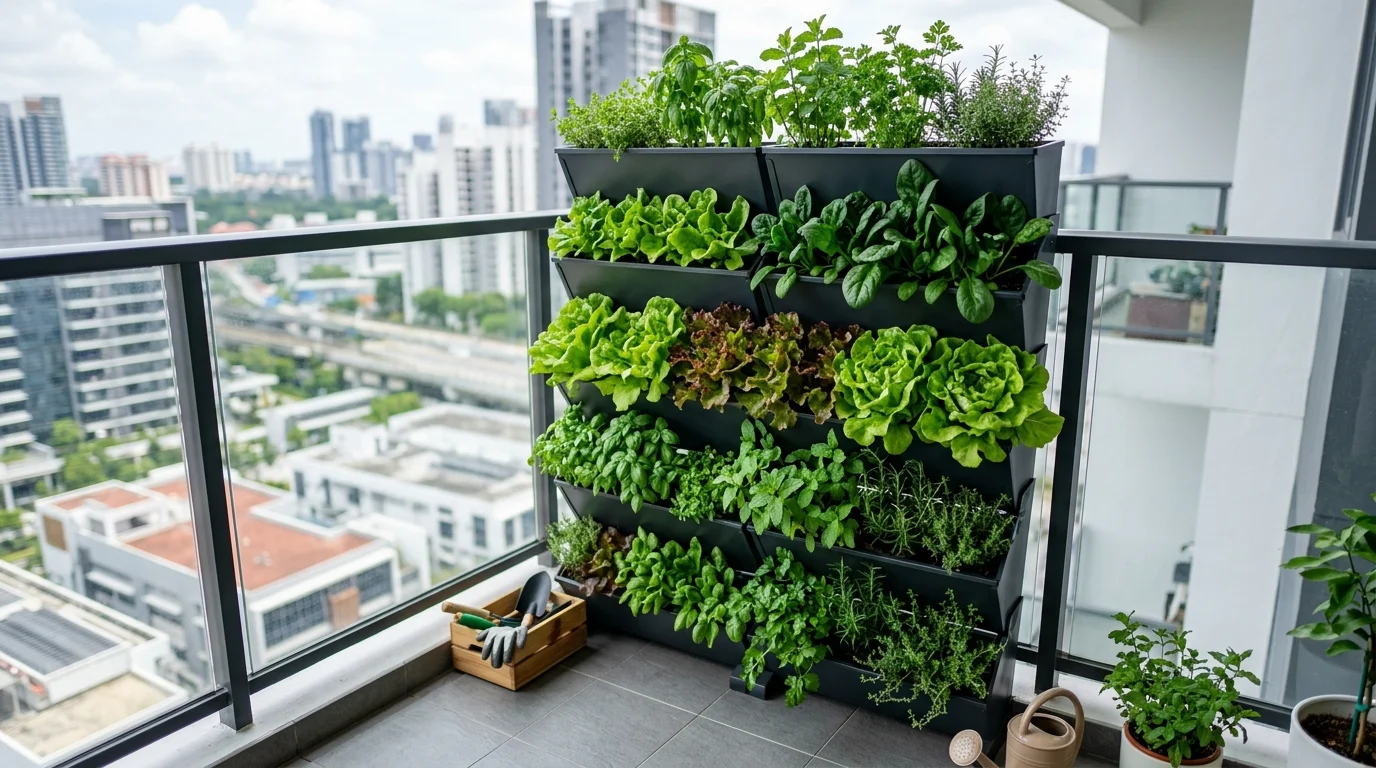
Small-Space Growing
14 Space-Saving Small Vegetable Gardens for Urban GrowersFrequently asked questions
Why do rectangle landscapes feel so balanced?
Their repeated geometry makes paths, beds, lawns, and outdoor rooms easier for the eye to understand, which creates a strong sense of order.
Can rectangle-based gardens still feel soft?
Yes. Planting, lawn, and material warmth can soften the geometry while still preserving the clean structure of the design.
Do rectangle layouts only suit modern homes?
No. They can work beautifully with traditional, contemporary, and even rustic architecture when scaled and detailed thoughtfully.