Traditional landscape design stays appealing because it knows how to make a home feel settled, gracious, and cared for without relying on novelty. Repeated planting, familiar materials, and clear structure all help the property feel more welcoming from the street.
The best traditional landscapes are not stiff copies of older gardens. They refine timeless ingredients like brick, hedging, foundation planting, lawn shape, and symmetrical emphasis so the house looks stronger and the yard feels more complete.
These 13 ideas show different ways to build that sense of classic curb appeal, whether the home needs a more formal entry, softer porch planting, or better structure across a wider front lawn.
If you want a landscape that feels dependable and elegant year after year, this is one of the safest and most rewarding directions to explore.
Quick planning notes
Start by deciding where the strongest line of arrival should be, because traditional landscapes usually work best when the front approach feels clear and composed.
Use evergreen structure generously so the yard still feels intentional outside the flowering season.
Let bed shapes and edging support the architecture rather than competing with it through overly casual forms.
Choose one or two classic materials, such as brick, stone, or painted fencing, and repeat them so the whole front garden feels cohesive.
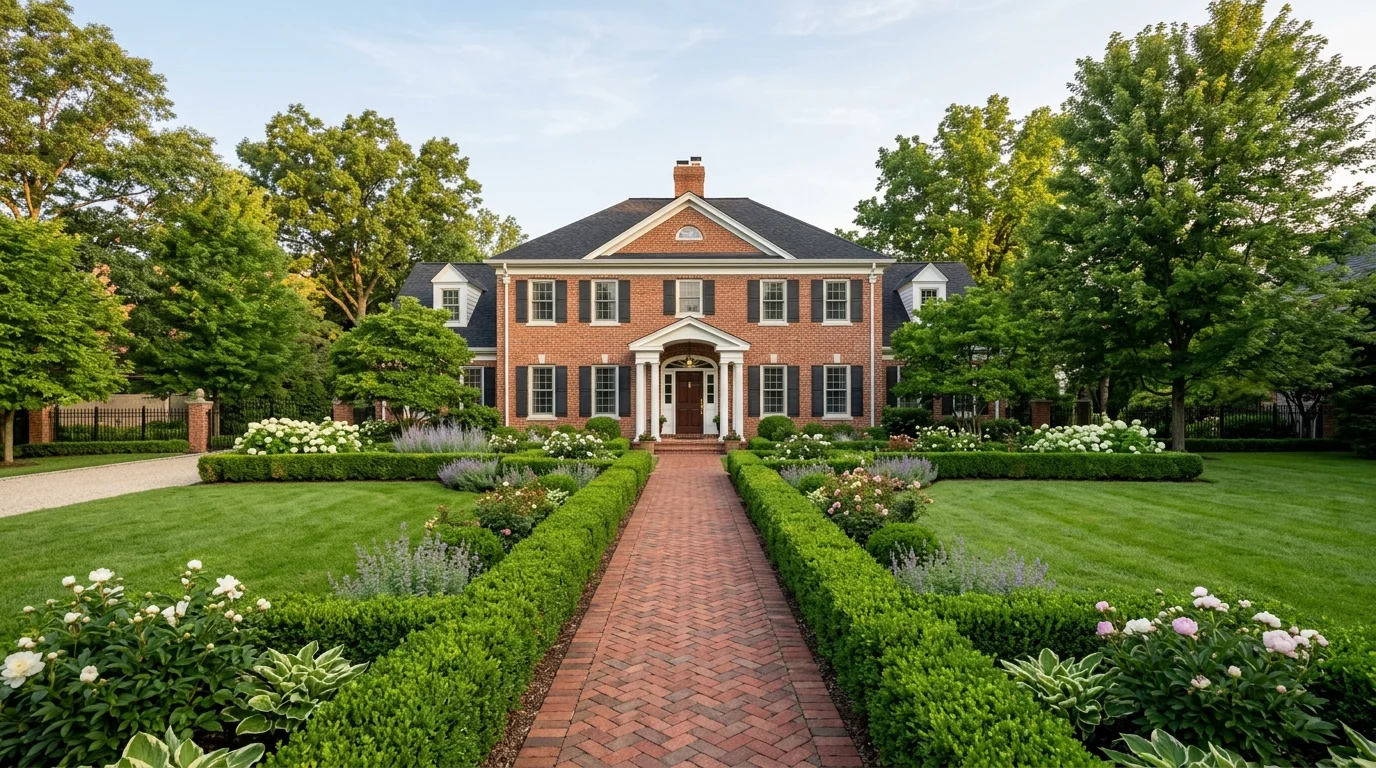
Idea 1
Boxwood-framed brick walk with a balanced front entry
Symmetry, clipped greenery, and a warm brick walk make the whole property feel settled before guests even reach the front door. This kind of layout works especially well when you want curb appeal that reads polished, welcoming, and deeply established without chasing trends.
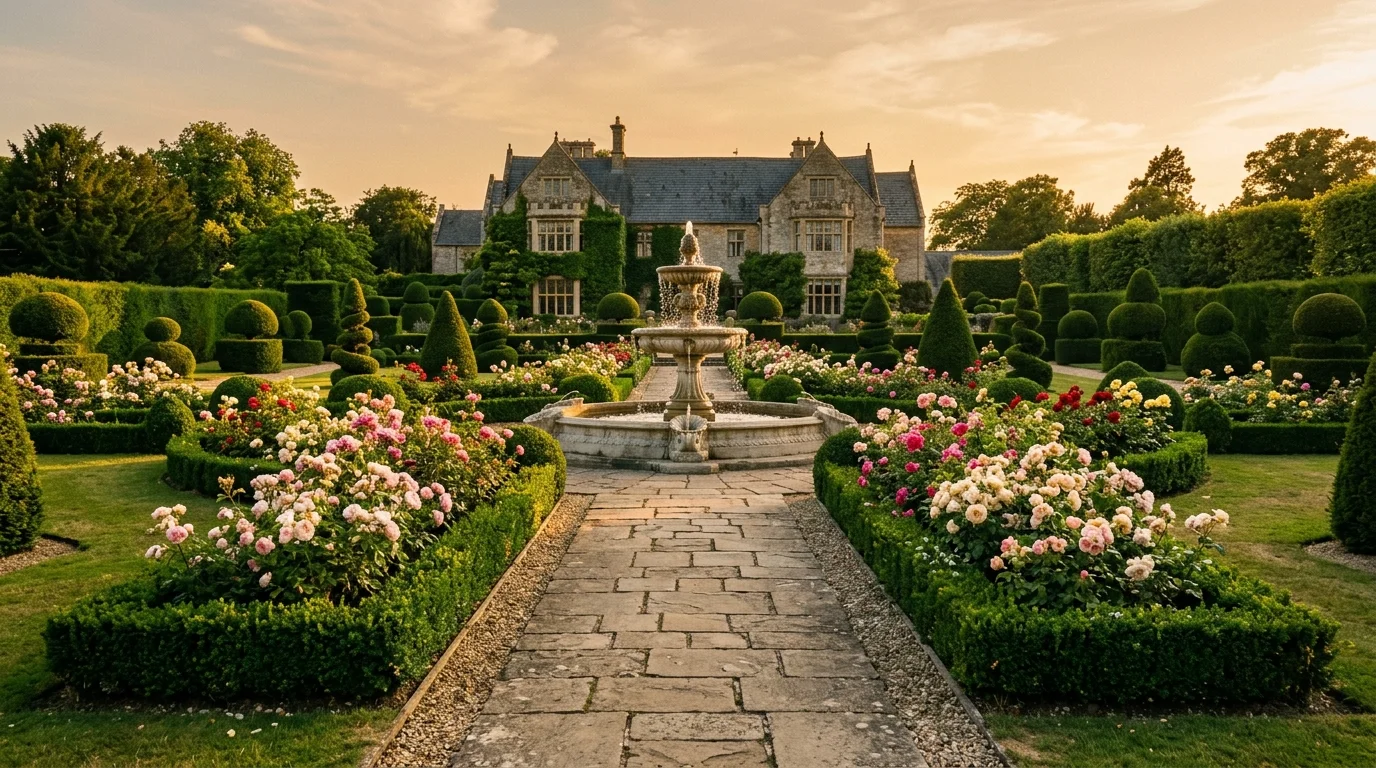
Idea 2
Layered foundation beds with hydrangeas and evergreen structure
Hydrangeas soften the house while evergreen anchors keep the landscape looking dependable in every season. The combination creates a classic facade treatment that feels lush in bloom but still organized and attractive when flowers fade back.
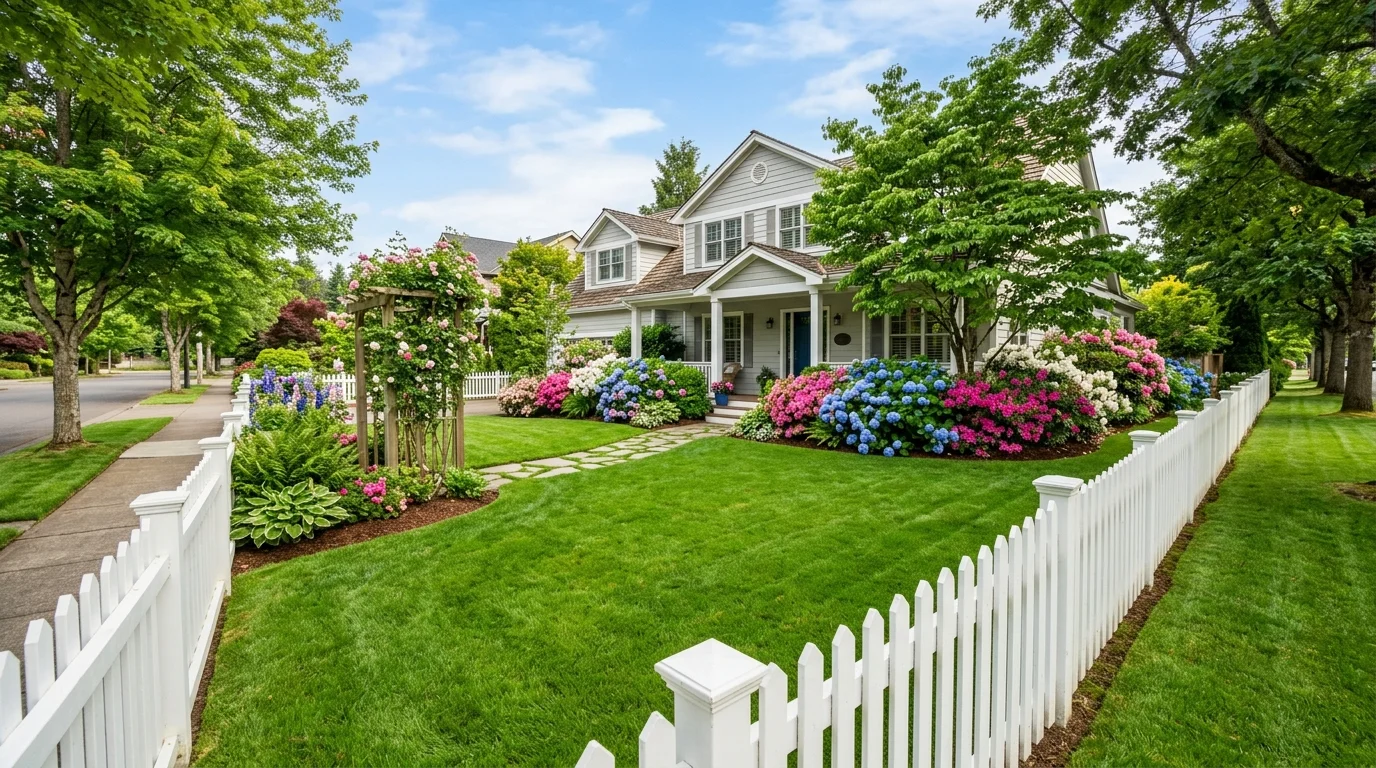
Idea 3
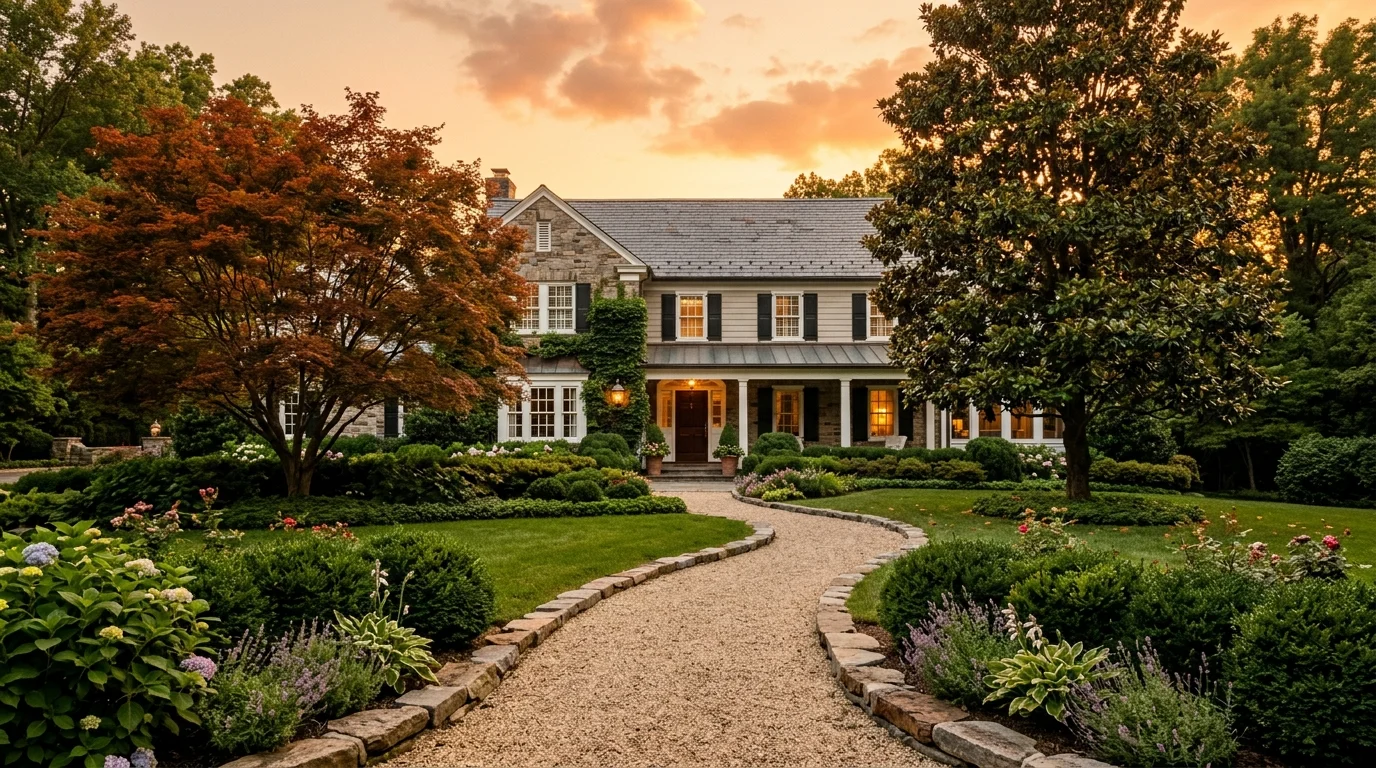
Curved driveway border lined with low hedges and perennials
A gentle curve instantly makes the front approach feel more graceful, while repeated edging plants guide the eye cleanly toward the house. It is an especially strong move for larger front lawns that need definition without losing their formal calm.
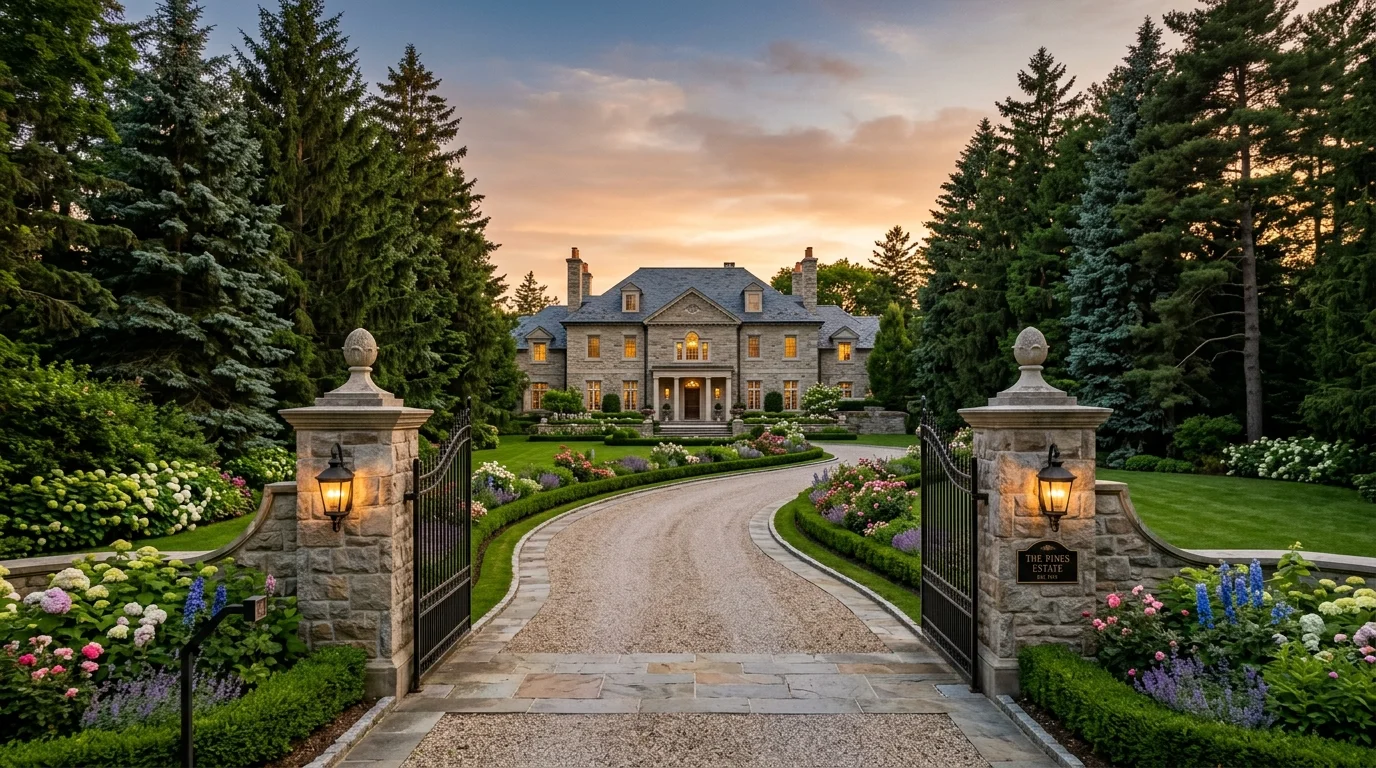
Idea 4
Stone-edged lawn panels with timeless front garden rhythm
Stone edging gives each planting area a clear boundary, which helps the landscape feel intentional rather than loosely planted. This structure is useful when you want a dependable, classic look that still leaves space for seasonal flowers and evolving color.
Idea 5
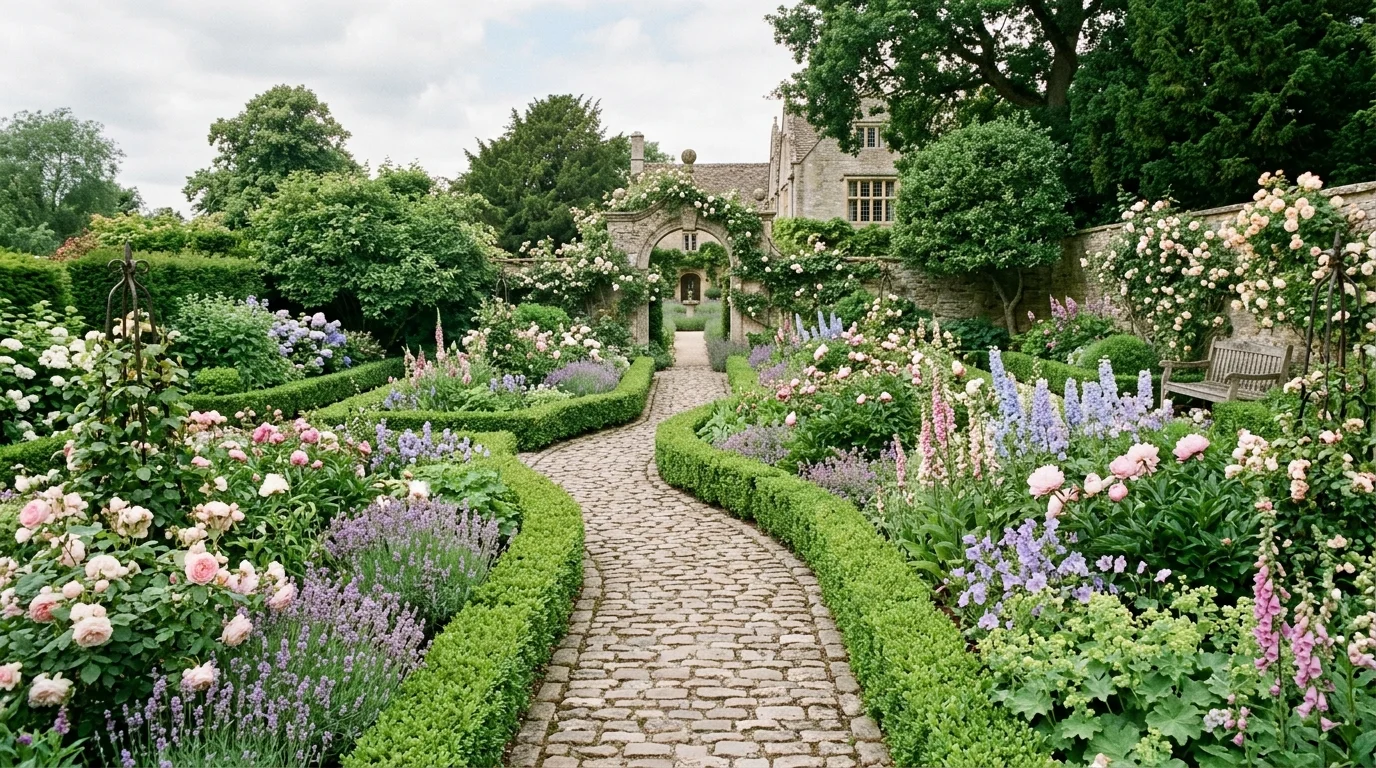
White picket fence planting with roses and clipped shrubs
A picket fence brings instant old-house charm, and roses layered with evergreen shrubs keep the border from feeling too thin or decorative only. The result feels nostalgic, friendly, and cleanly maintained in a way that never goes out of style.
Idea 6
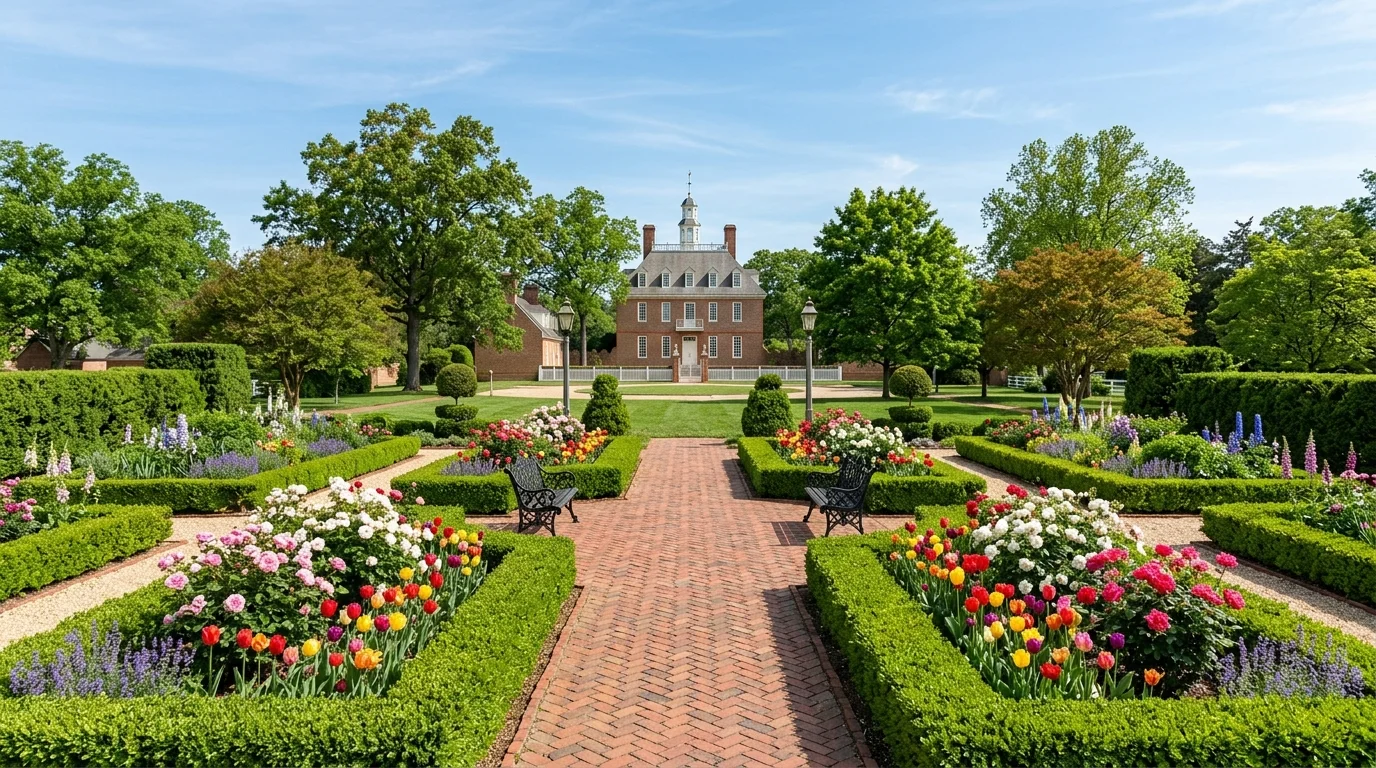
Formal front court with paired urns and evergreen anchors
Matching urns create an immediate sense of ceremony, while substantial evergreen planting holds the design together year-round. This approach suits homes that benefit from a stronger arrival sequence and a little extra front-door presence.
Idea 7
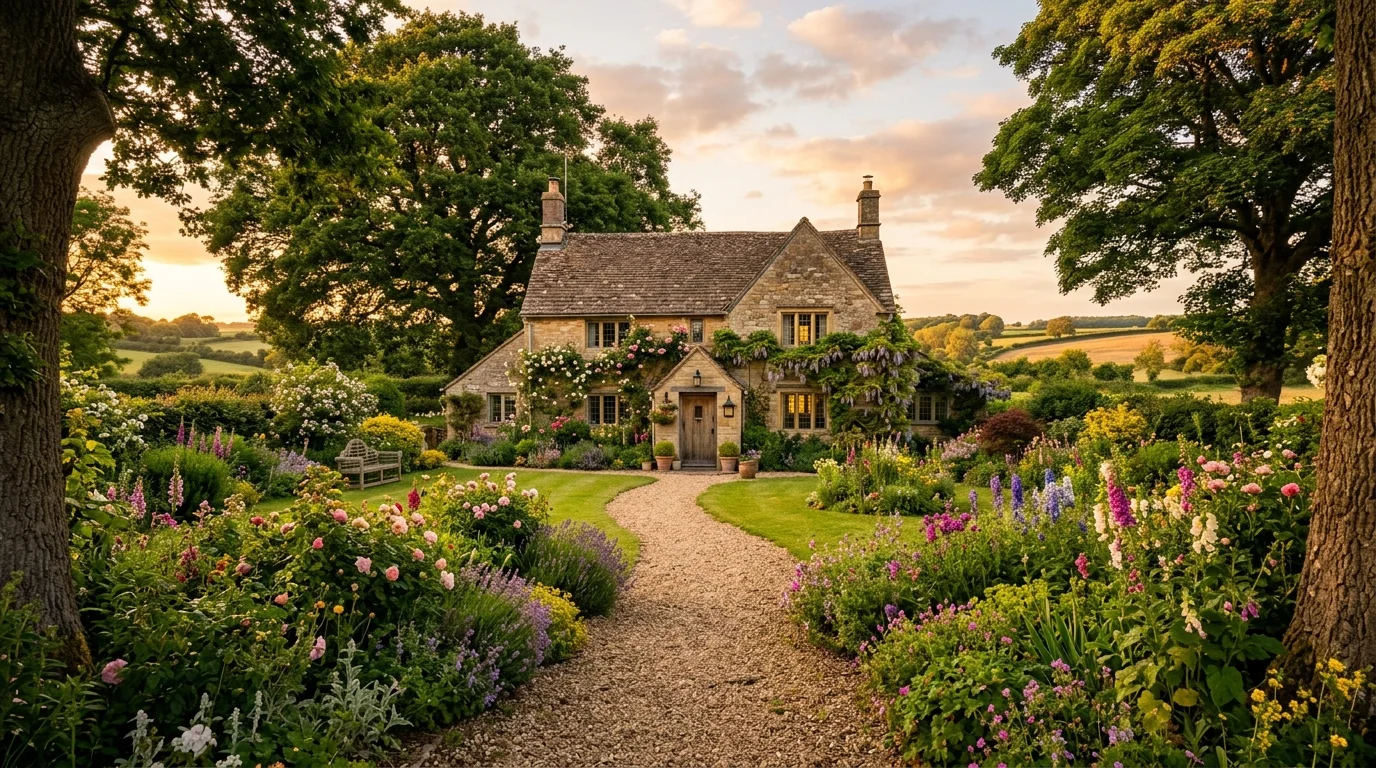
Flagstone path through a lawn with classic cottage restraint
Flagstone adds age and texture without making the yard feel rustic or loose, especially when the surrounding planting stays neatly composed. It is a good middle ground for homeowners who want a softer traditional landscape that still feels tidy and intentional.
Idea 8
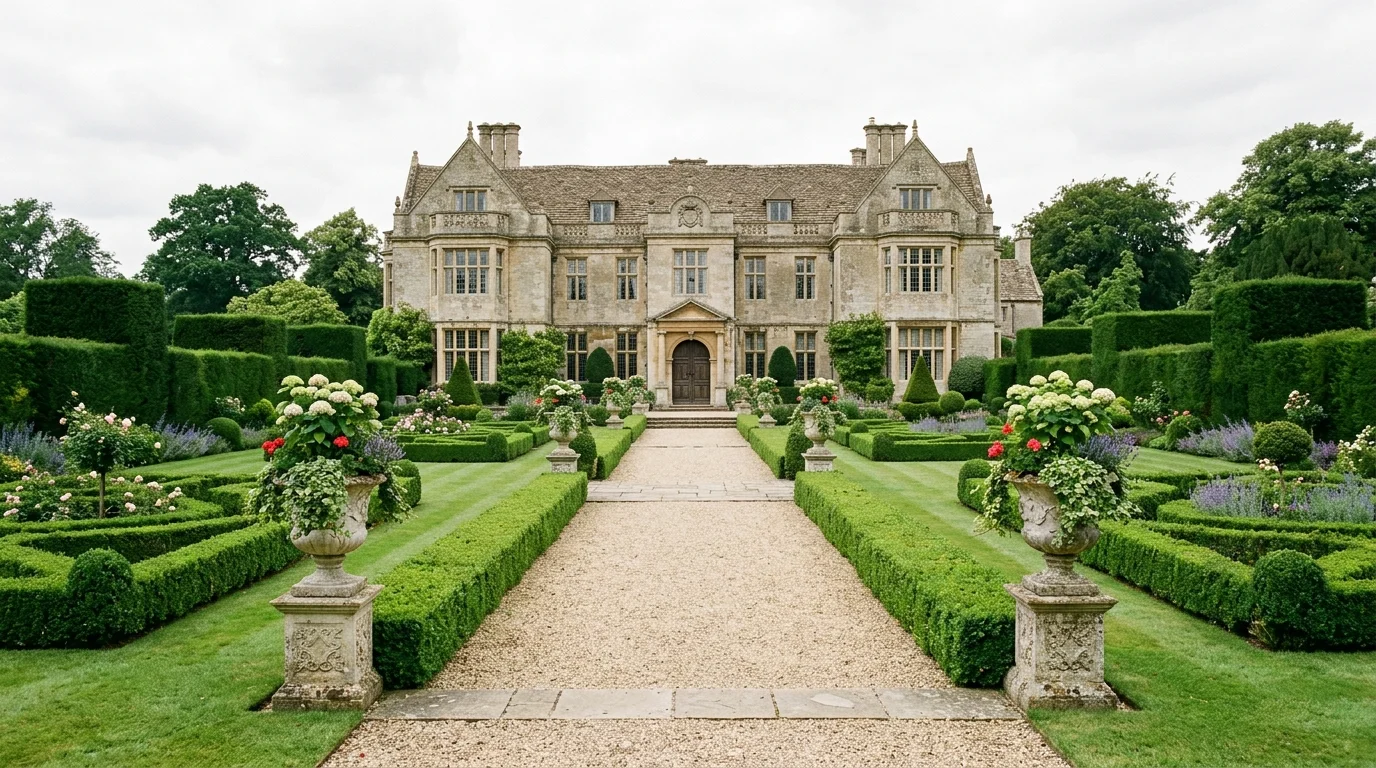
Columnar trees framing a stately front elevation
Tall, narrow trees add vertical dignity and help the architecture feel even more composed from the street. They are especially useful where the house needs stronger scale without losing the calm, classic feeling of a traditional front yard.
Idea 9
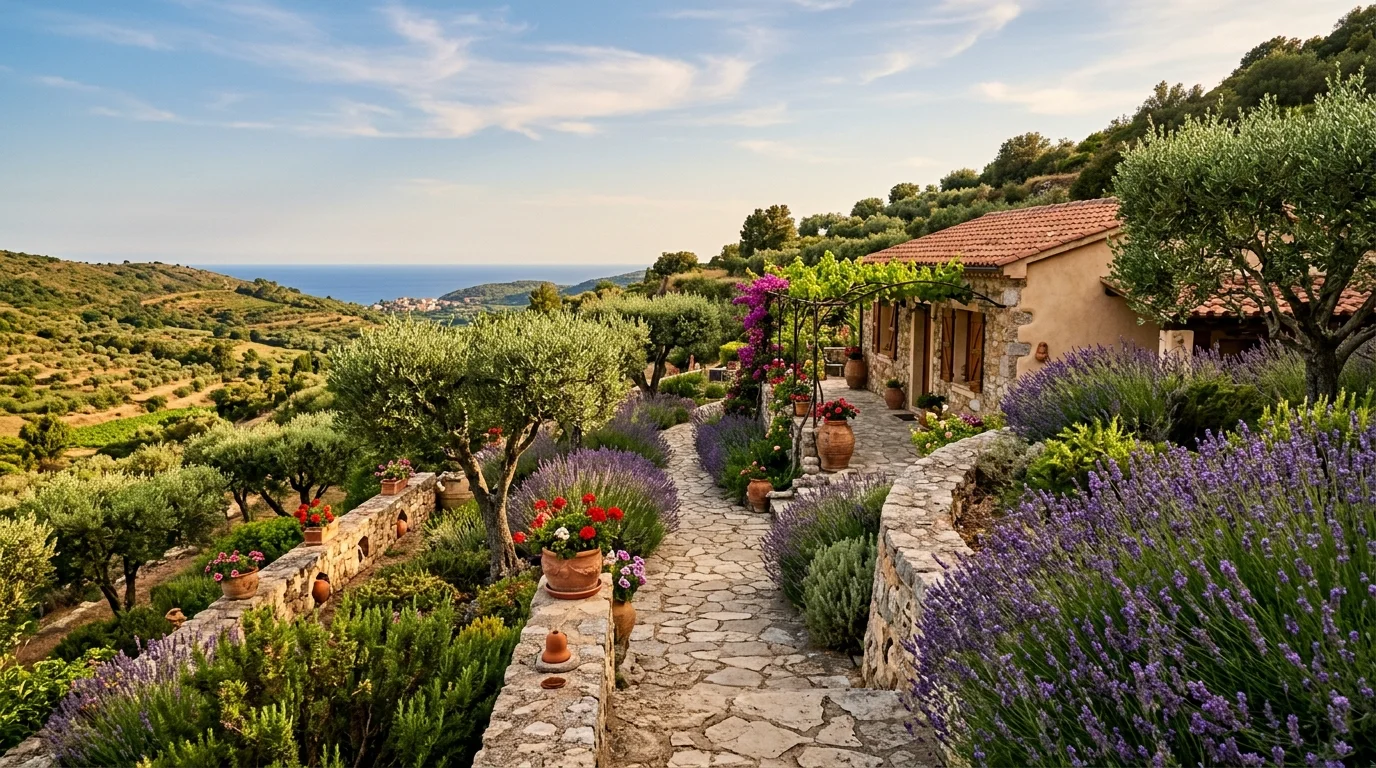
Low retaining wall with layered flowers on a gentle slope
A simple wall makes a sloped yard feel more controlled, while flowers spilling above it keep the structure from reading too hard or engineered. This combination gives classic curb appeal extra depth and a more finished sense of terrain.
Idea 10
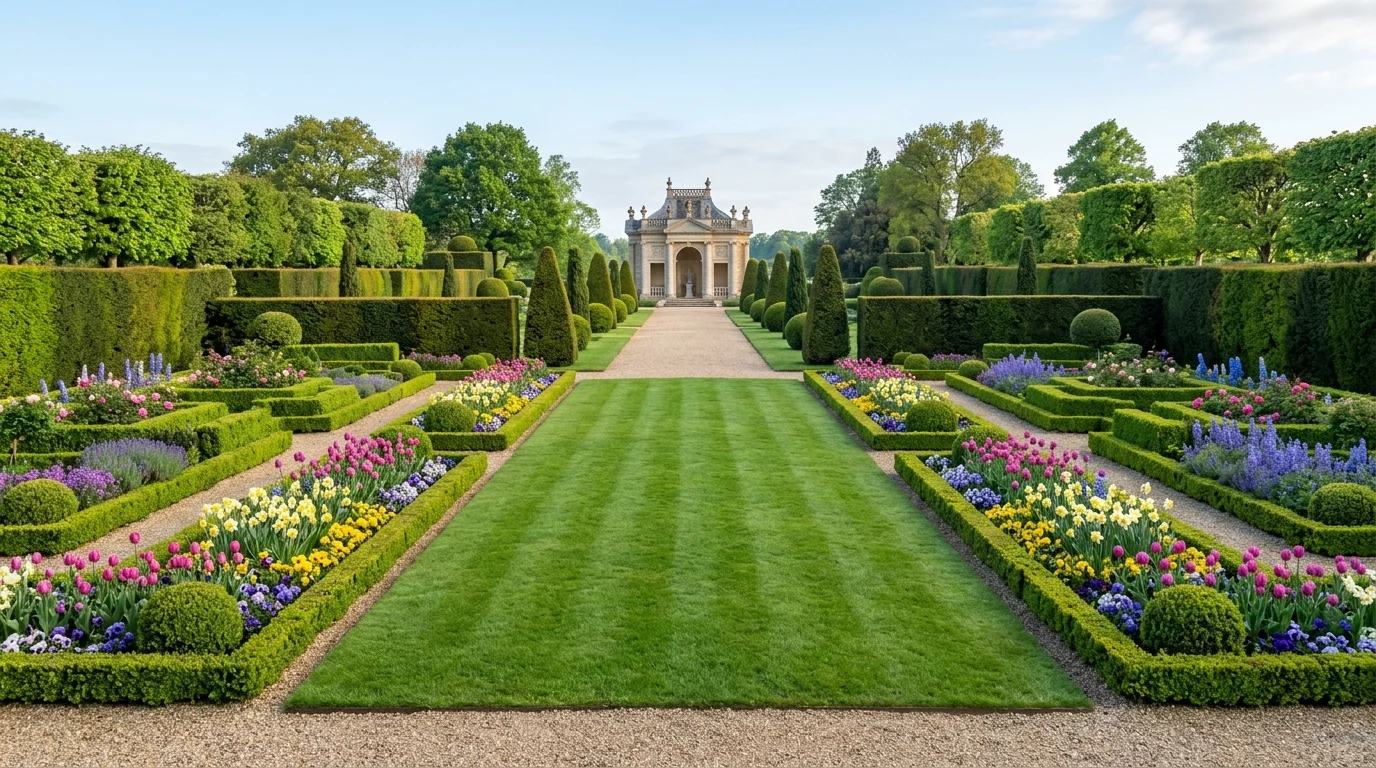
Traditional porch garden with clipped edges and seasonal color
Porch-adjacent beds feel strongest when the edges stay disciplined and the flower color is edited rather than scattered. That balance keeps the entrance looking cared for and lively at the same time, which is one of the hallmarks of timeless front landscaping.
Idea 11
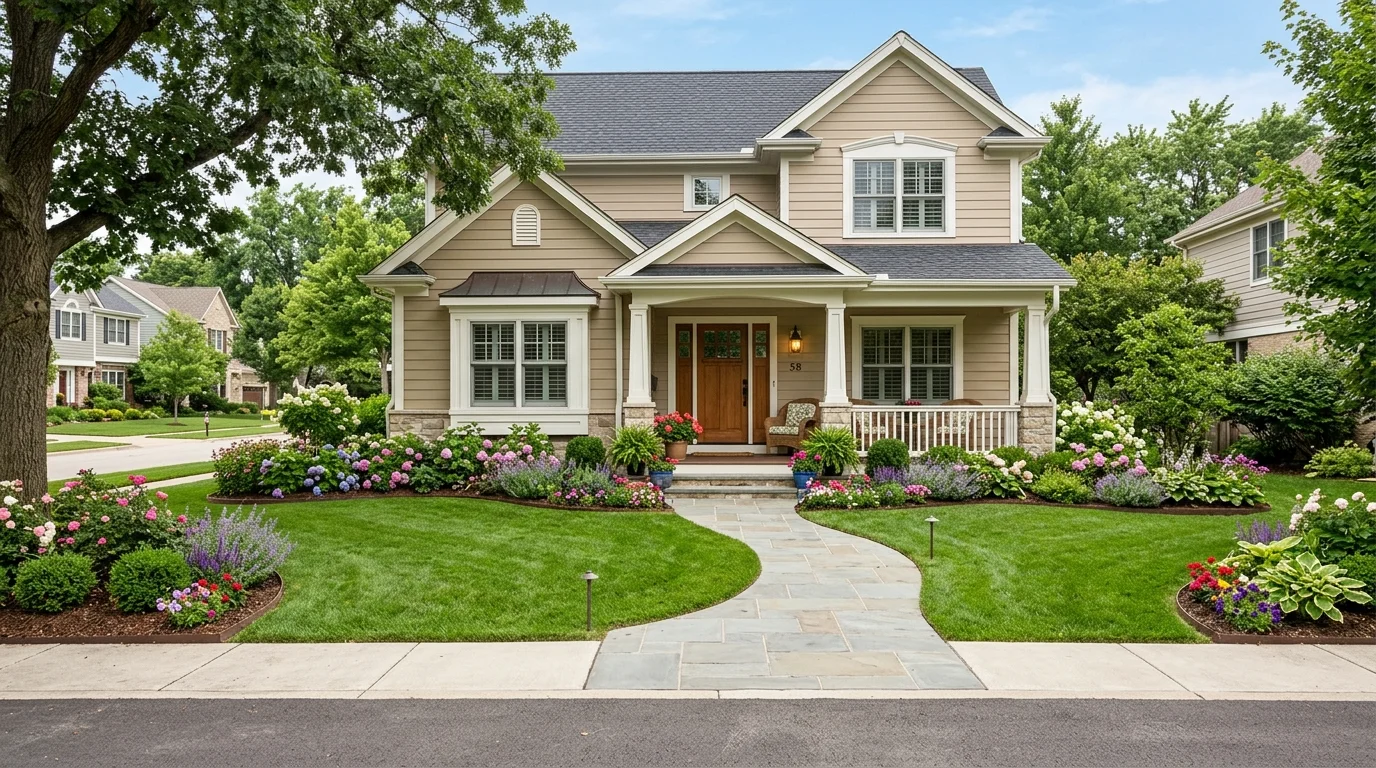
Gravel side path softened by neat hedge and border planting
Even secondary routes can strengthen curb appeal when they feel consistent with the front landscape language. A gravel path, clipped hedge, and soft border planting create that quiet sense of completeness that makes older landscapes feel mature.
Idea 12
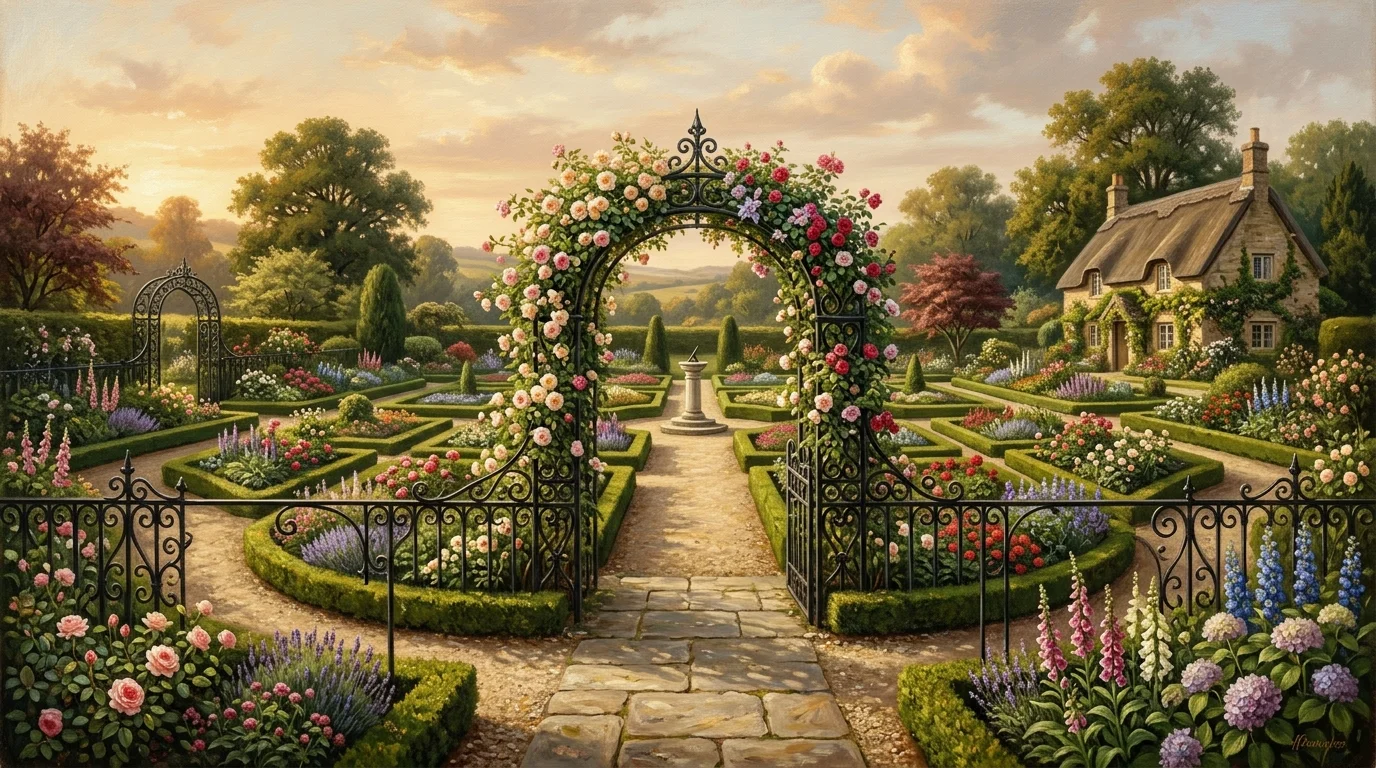
Wide front lawn anchored by symmetrical island beds
Island beds stop a broad lawn from feeling empty while still preserving the spaciousness that traditional properties often need. Symmetry keeps the design orderly, and the planting can be as restrained or colorful as the architecture allows.
Idea 13
Classic gate entry with brick piers and layered shrub borders
Brick piers, a simple gate, and layered shrub planting create an arrival sequence that feels permanent and welcoming rather than showy. It is a timeless way to make the property line itself contribute to the overall curb appeal story.
Read next on Saw & Sprout
Frequently asked questions
What makes a landscape feel traditional instead of dated?
Clear structure, balanced planting, and timeless materials make the difference. A traditional landscape feels current when the layout is edited well and the planting is healthy and intentional.
Do traditional front yards always need symmetry?
Not always, but some level of balance usually helps. Even looser traditional landscapes often use repeated planting or matching materials to create that settled feeling.
Which plants suit classic curb appeal best?
Evergreen shrubs, hydrangeas, roses, boxwood, columnar trees, and dependable perennials often work especially well because they support structure as well as seasonal beauty.