Mountain landscape design asks for a different kind of confidence than flat suburban yards do. When the backdrop is already dramatic, the best foreground design usually respects that scale and helps the property feel rooted in its terrain rather than visually disconnected from it.
That often means using stronger natural materials, working with slope instead of fighting it, and choosing planting that feels believable in the setting. It can also mean knowing when to be restrained so the mountain view remains the main event.
These 15 ideas look at different ways to achieve that balance, from terraces and retaining walls to lodge-style gardens, scenic paths, meadow planting, and more formal framed viewpoints.
If you want the landscape to feel worthy of a bigger horizon without trying to overpower it, these are the kinds of moves that tend to work best.
Quick planning notes
Let the natural view guide the design rather than treating it as background that needs to be covered or competed with.
Use durable materials and regionally appropriate planting so the landscape feels connected to its mountain setting.
Create one or two strong outdoor destinations that allow people to experience the scenery intentionally.
Treat grade changes as design assets, because terraces, paths, and retaining structures can add real beauty when handled thoughtfully.
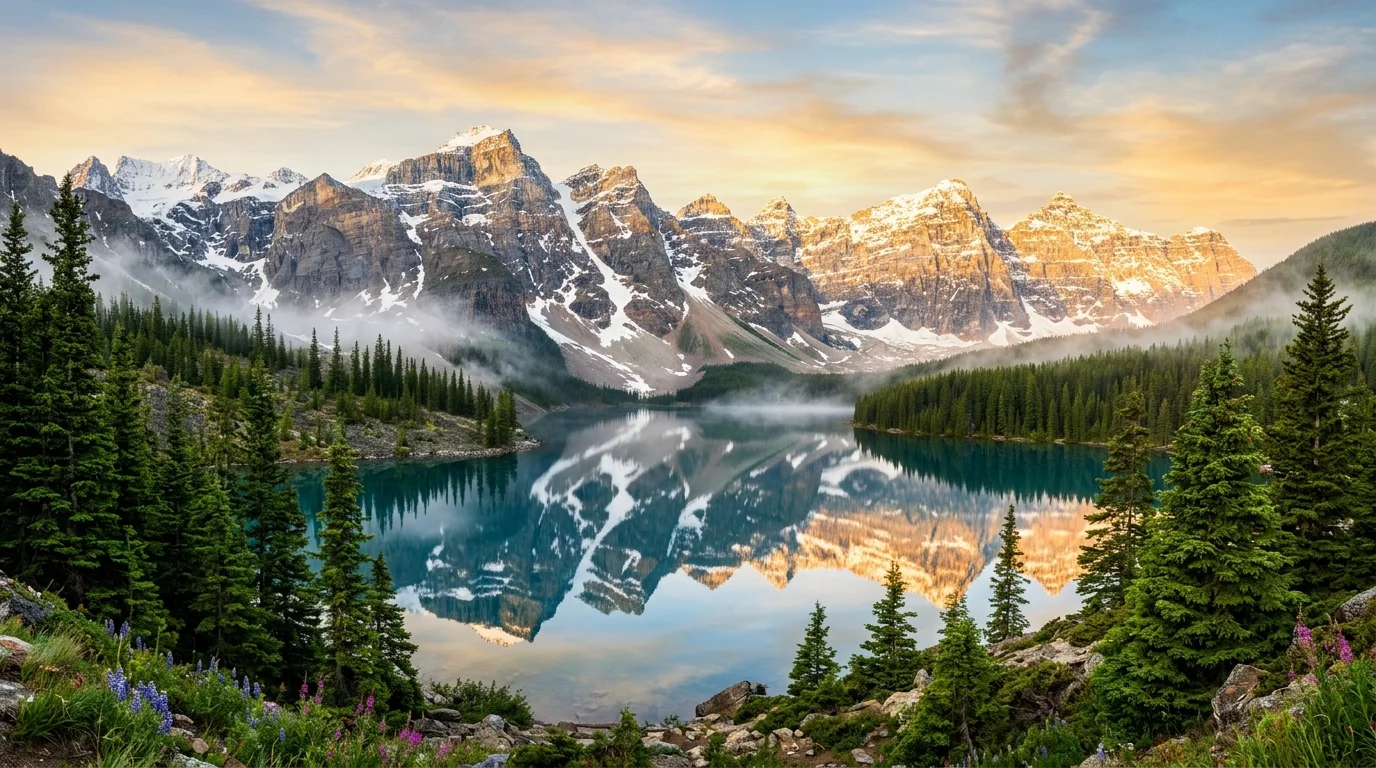
Idea 1
Stone-terraced mountain view garden with grounded elegance
A mountain landscape often works best when the design respects the scale of the backdrop instead of competing with it. Terraces, natural stone, and restrained planting can help the foreground feel worthy of the view without becoming visually noisy.
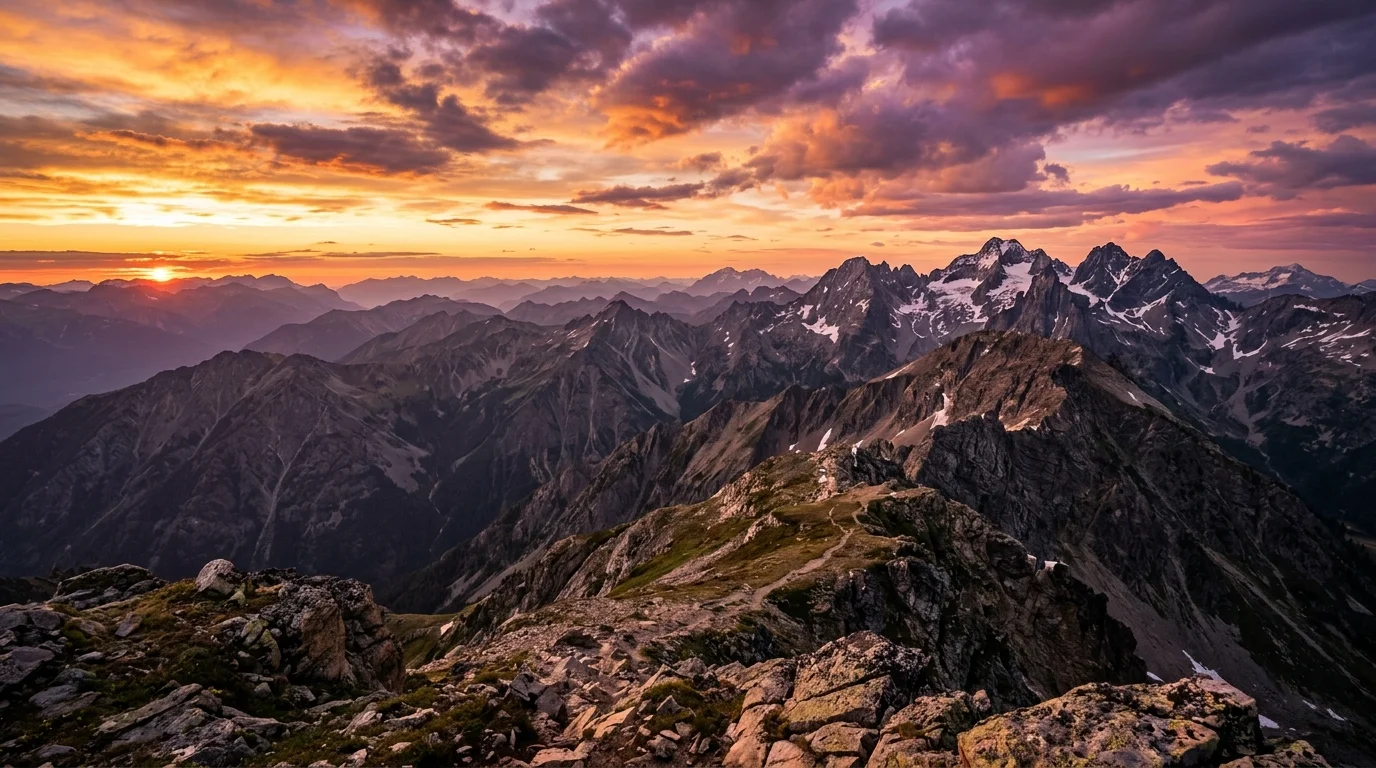
Idea 2
Lodge-style landscape with timber and alpine planting
Timber, boulders, and cool-climate plants create a landscape that feels rooted in place rather than imported from another style. It is especially effective when the home architecture already leans rustic or lodge-inspired.
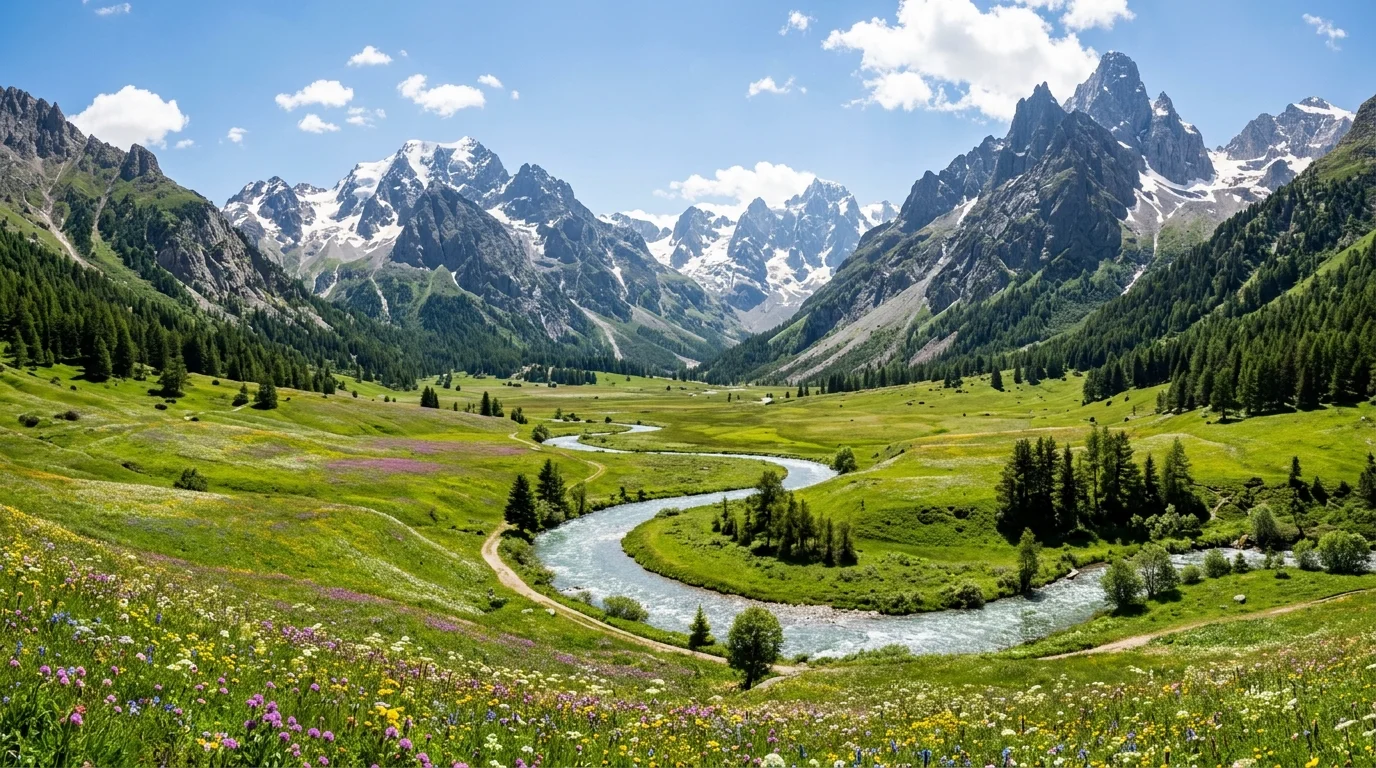
Idea 3
Meadow-edge mountain garden with softer natural flow
A looser meadow-like planting scheme can feel incredibly appropriate in mountain settings because it echoes the broader landscape. The goal is not wildness for its own sake but a gentler hand that belongs to the view.
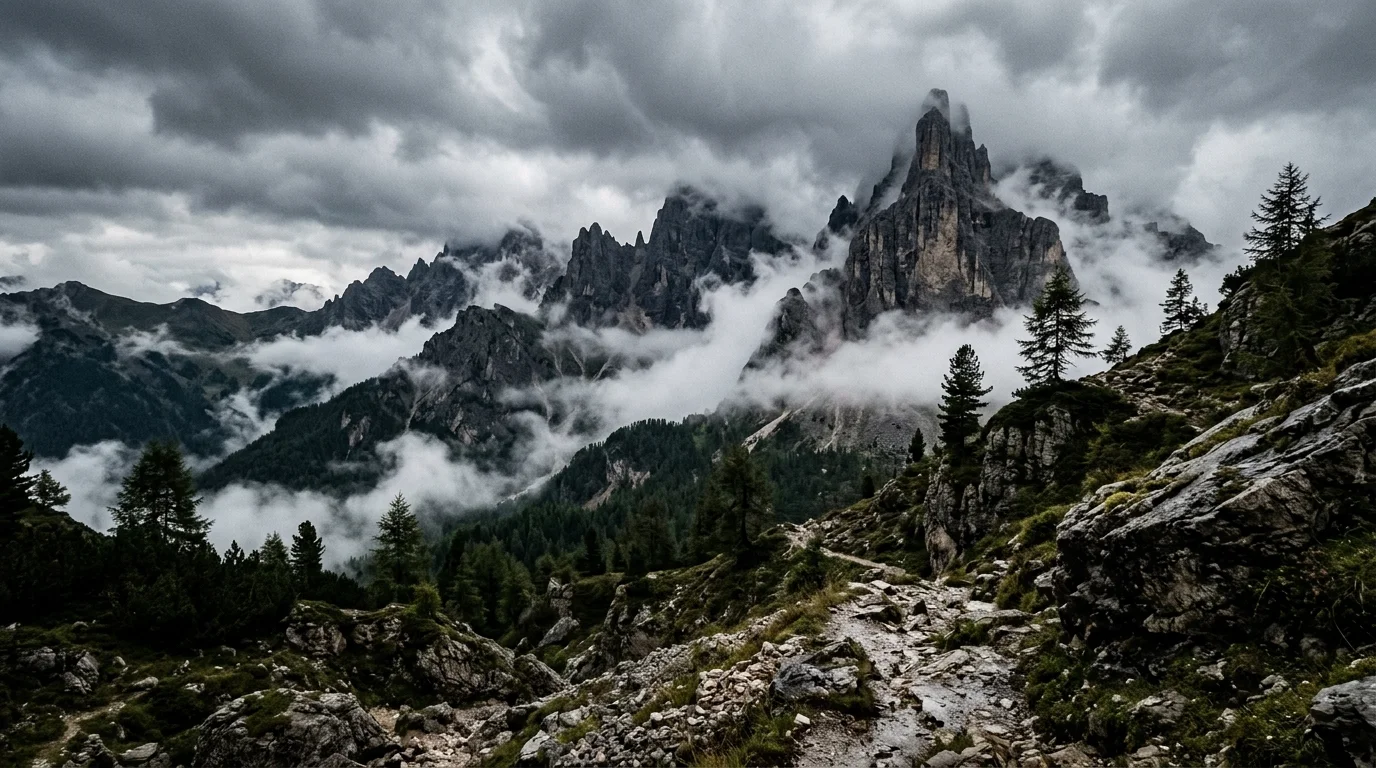
Idea 4
Fire-pit lookout garden framed for evening views
Mountain properties often deserve outdoor spaces that make the horizon usable after the sun drops. Framing a fire-pit zone carefully can turn a beautiful backdrop into part of daily life instead of something only admired from indoors.
Idea 5
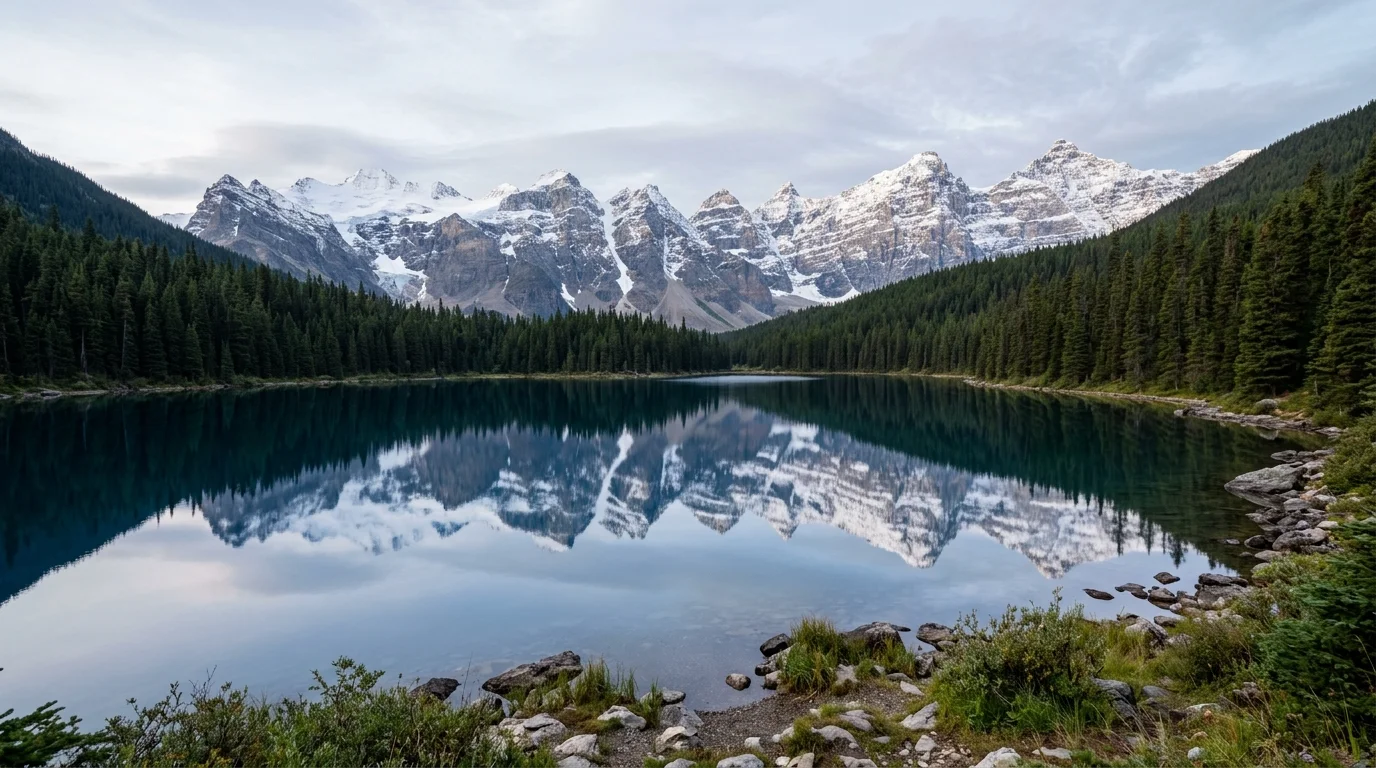
Retaining-wall mountain garden with bold level changes
Mountain landscapes frequently require structure to handle slope, and that can become a design asset rather than only an engineering necessity. Strong retaining elements paired with planting create order and drama at the same time.
Idea 6
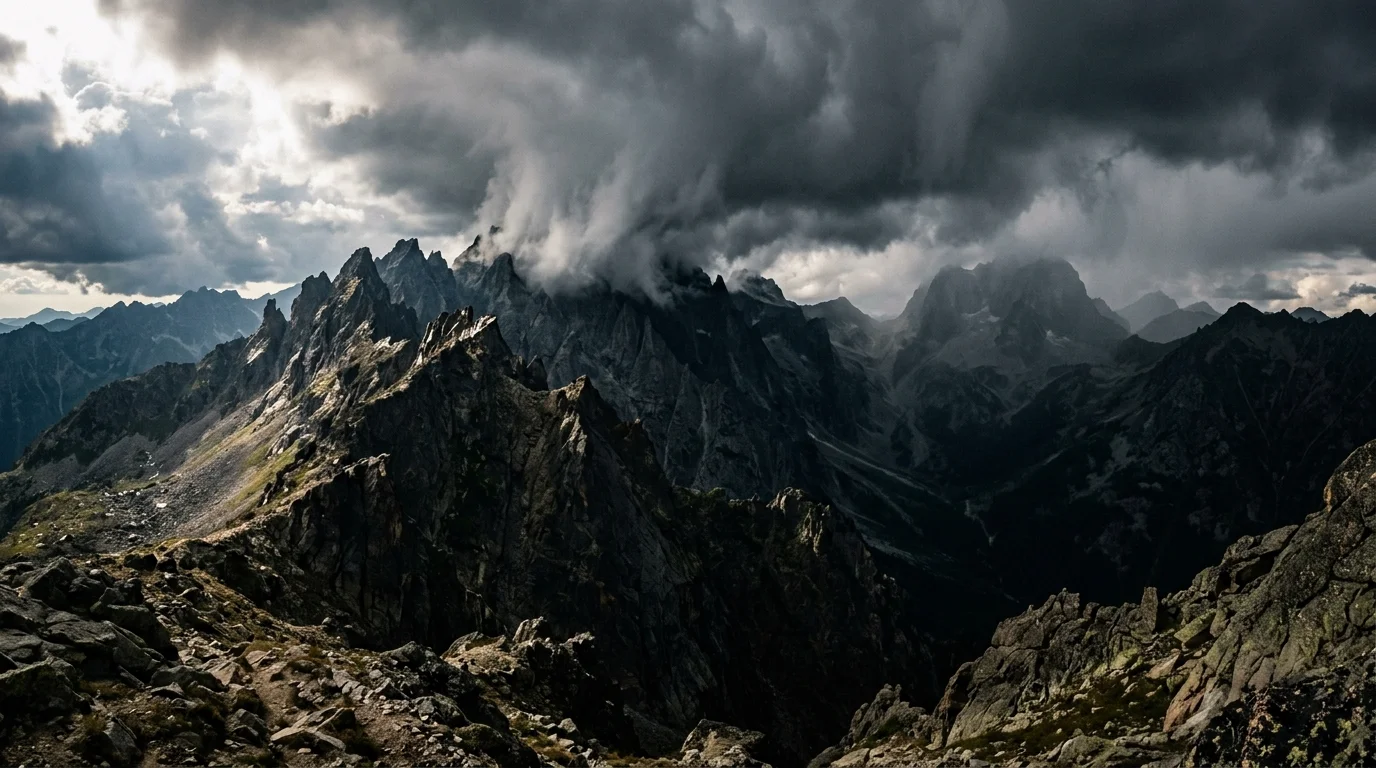
Pine-and-boulder landscape with rugged regional character
Pines, boulders, and evergreen structure give the landscape year-round presence and fit naturally with a mountain setting. This is a smart route when you want durability, texture, and a strong sense of place.
Idea 7
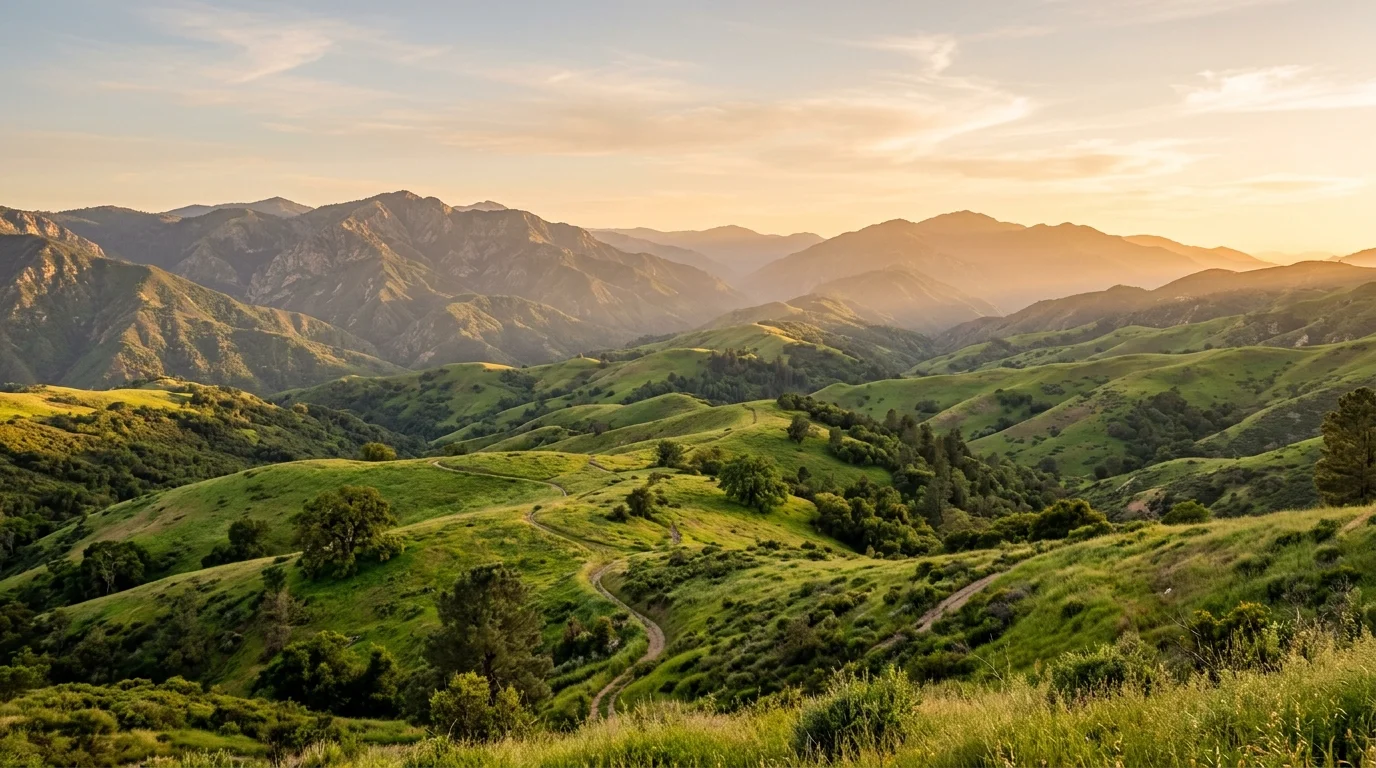
Modern mountain terrace with controlled panoramic framing
A cleaner modern layout can work beautifully in mountain country when it acts almost like a frame for the larger scenery. Simpler lines and selective planting keep attention on the horizon while still giving the property a finished foreground.
Idea 8
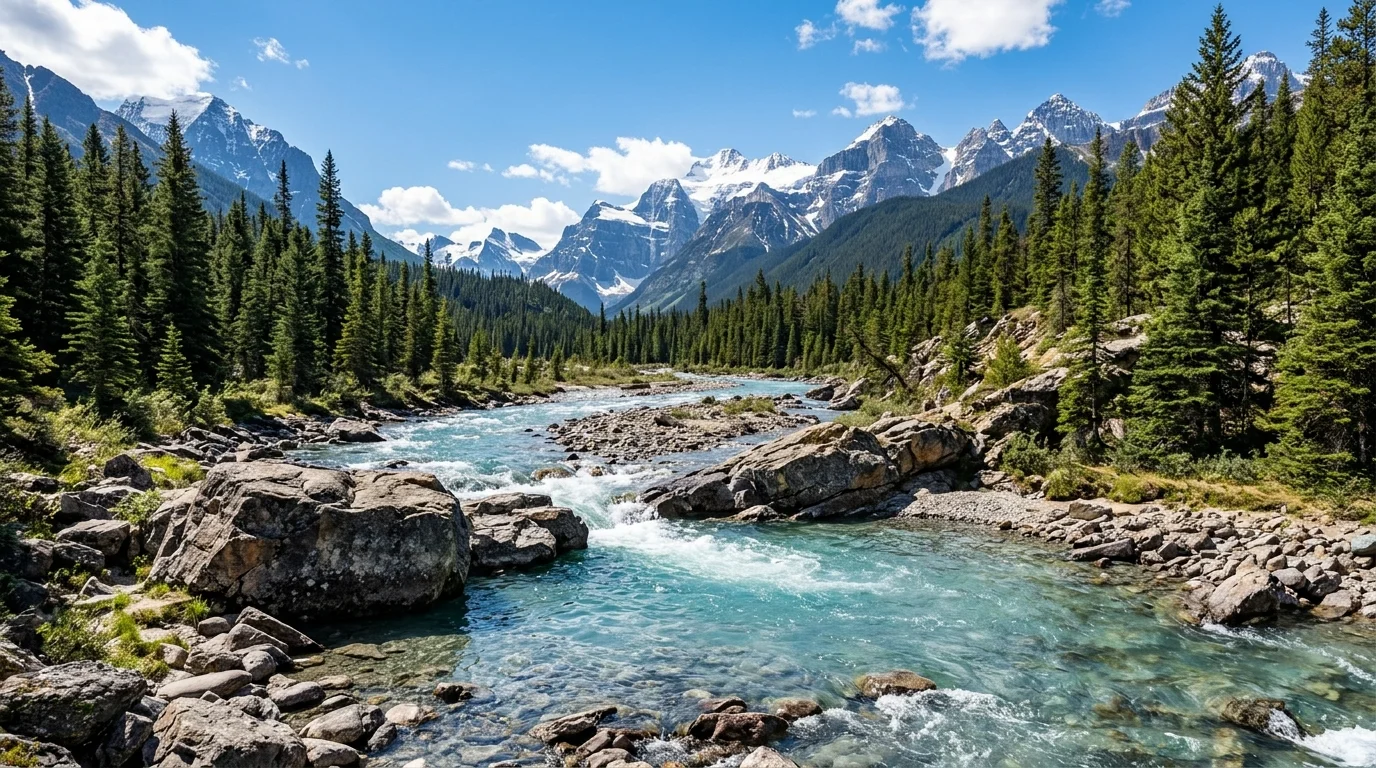
Creekside mountain garden with layered moisture-loving planting
Where water is present, the landscape can become much lusher and more nuanced without losing its rugged identity. This type of setting feels especially immersive because sound, texture, and scenery are all working together.
Idea 9
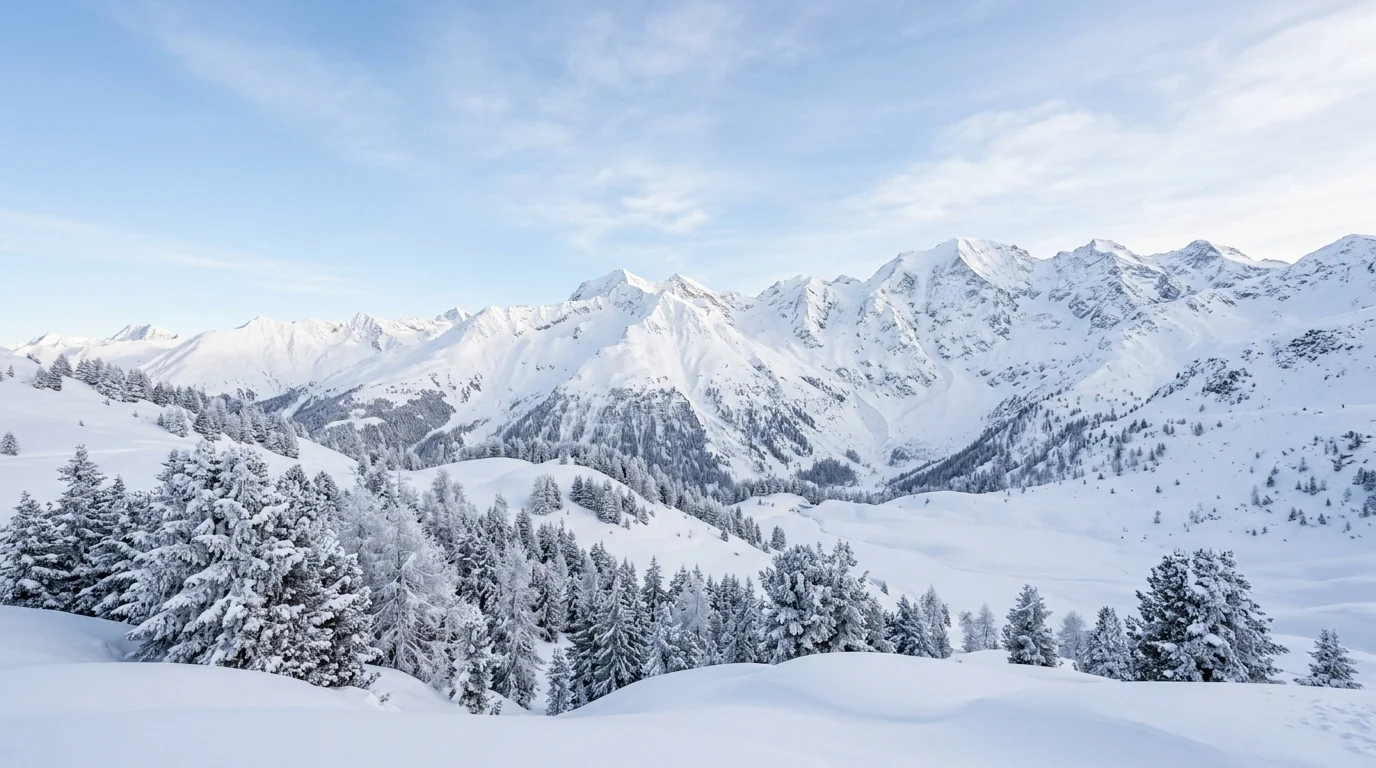
Gravel-path mountain garden with calm alpine simplicity
A simpler path-based landscape can feel beautifully resolved in mountain environments where the backdrop is already visually rich. It is a good reminder that sometimes the best design move is restraint rather than more ornament.
Idea 10
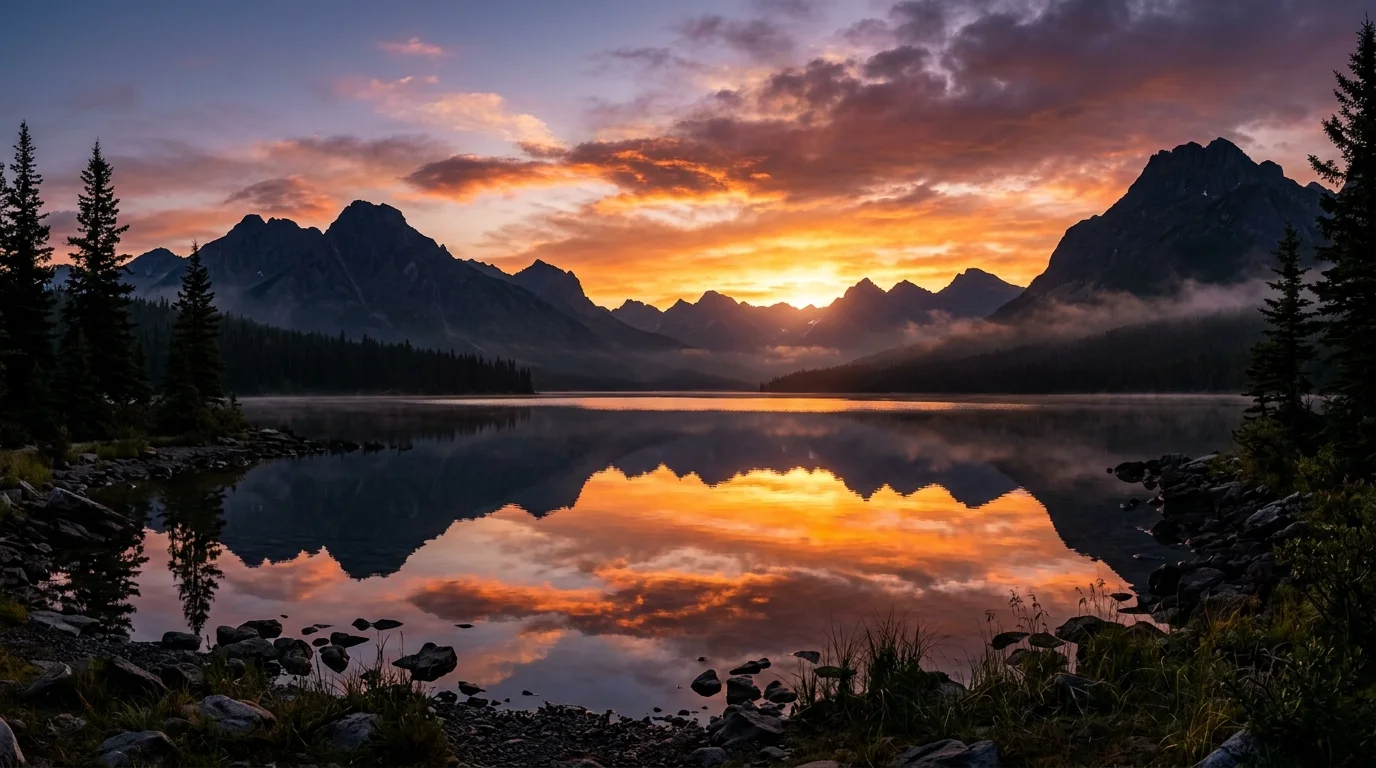
Outdoor dining terrace overlooking layered mountain views
Dining spaces become extraordinary when the layout uses the view as part of the room. Planting, paving, and furniture should support that experience rather than block or distract from it.
Idea 11
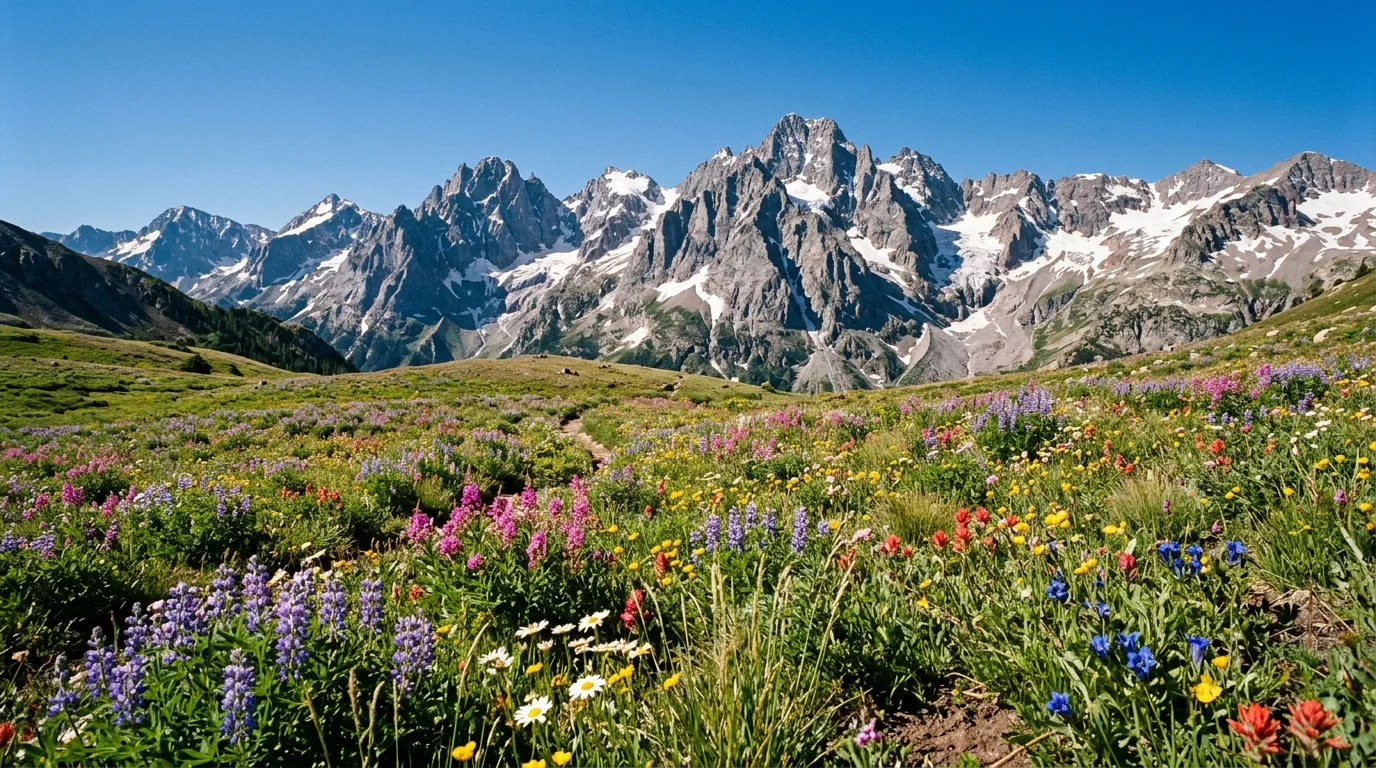
Wildflower mountain edge with seasonal color drifts
Color can feel especially striking in mountain landscapes when it appears in controlled drifts against bigger natural forms. This style works well for properties that want softness without losing the grandeur of the terrain.
Idea 12
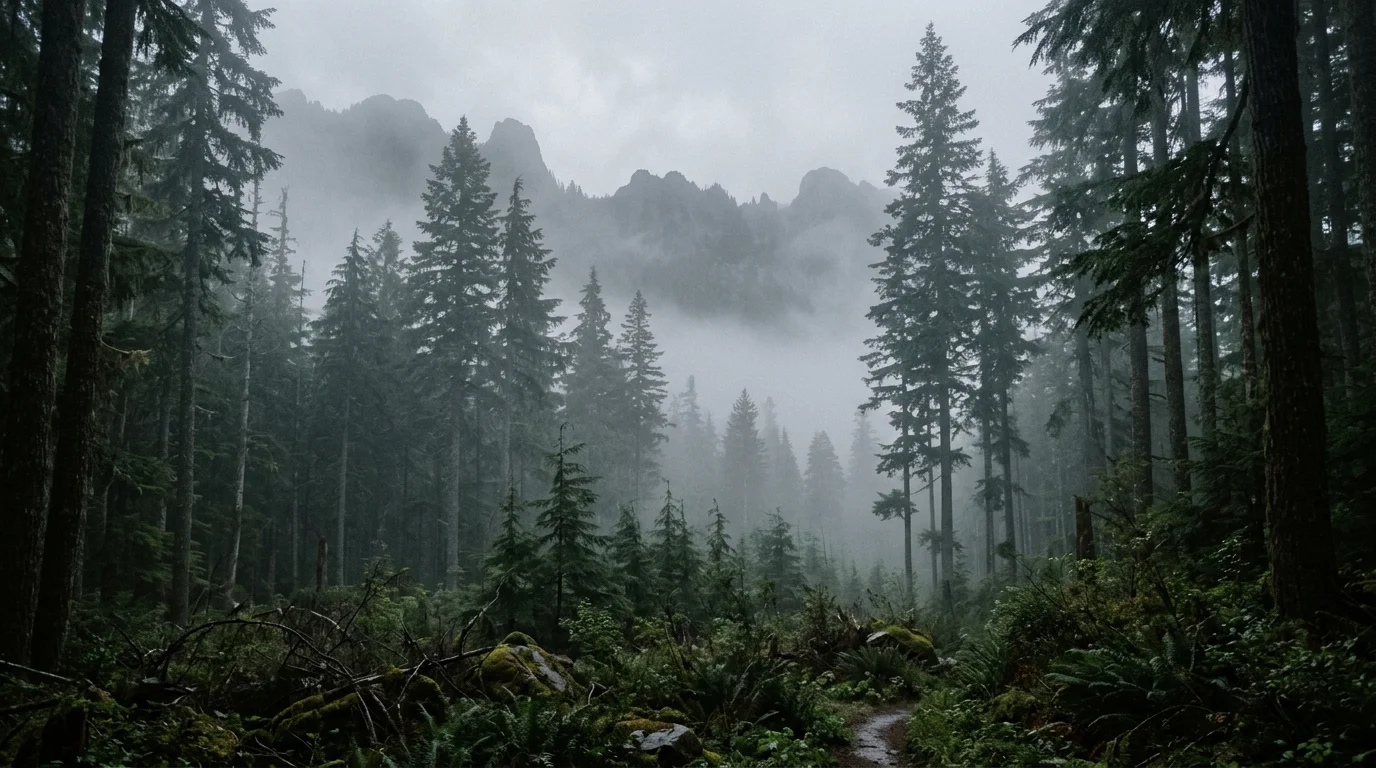
Rock-garden slope with strong textural resilience
Rock gardens are often an ideal match for mountain sites because they fit the topography and handle harsher conditions gracefully. With the right plant mix, they can feel as refined as they are practical.
Idea 13
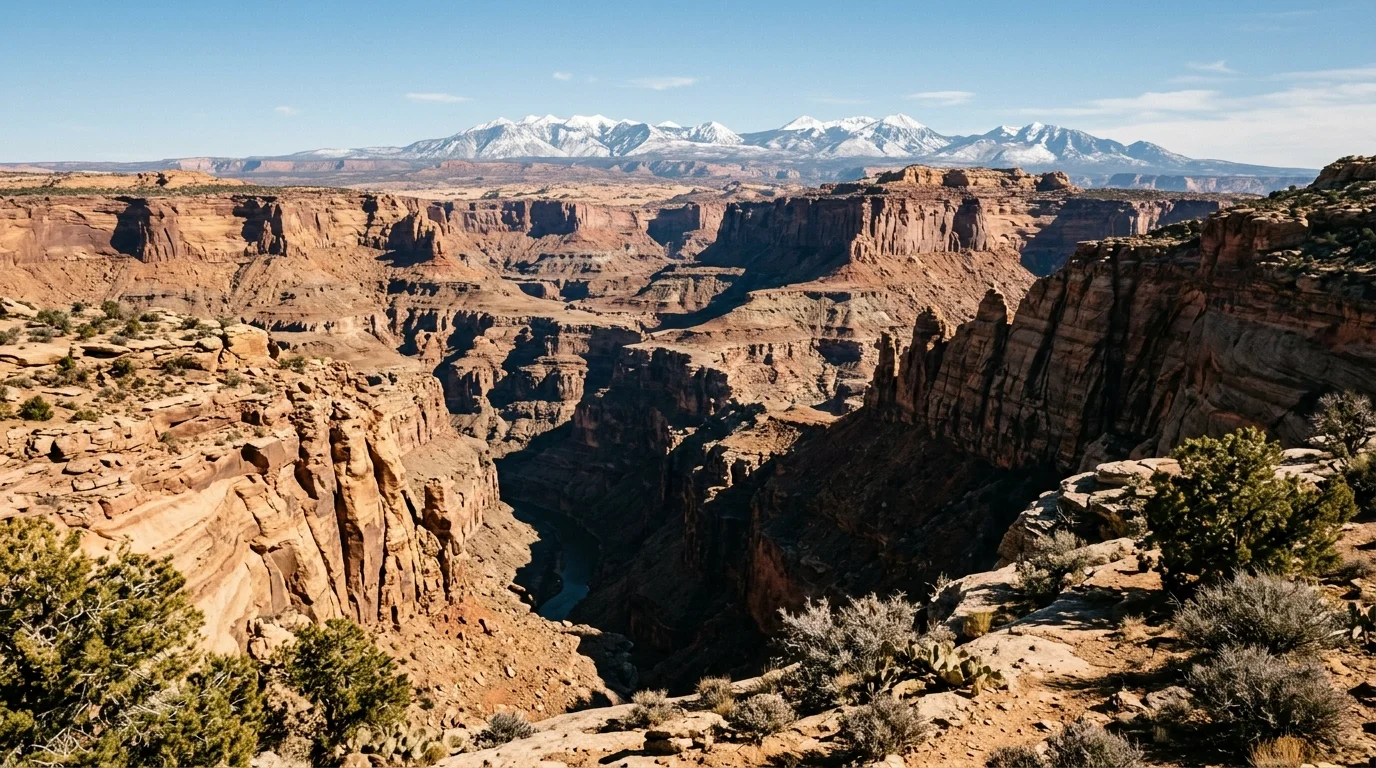
Evergreen mountain court with winter-ready structure
In climates where the landscape must carry through colder seasons, evergreen structure becomes especially important. This kind of design feels dependable, composed, and visually present even when flowering fades.
Idea 14
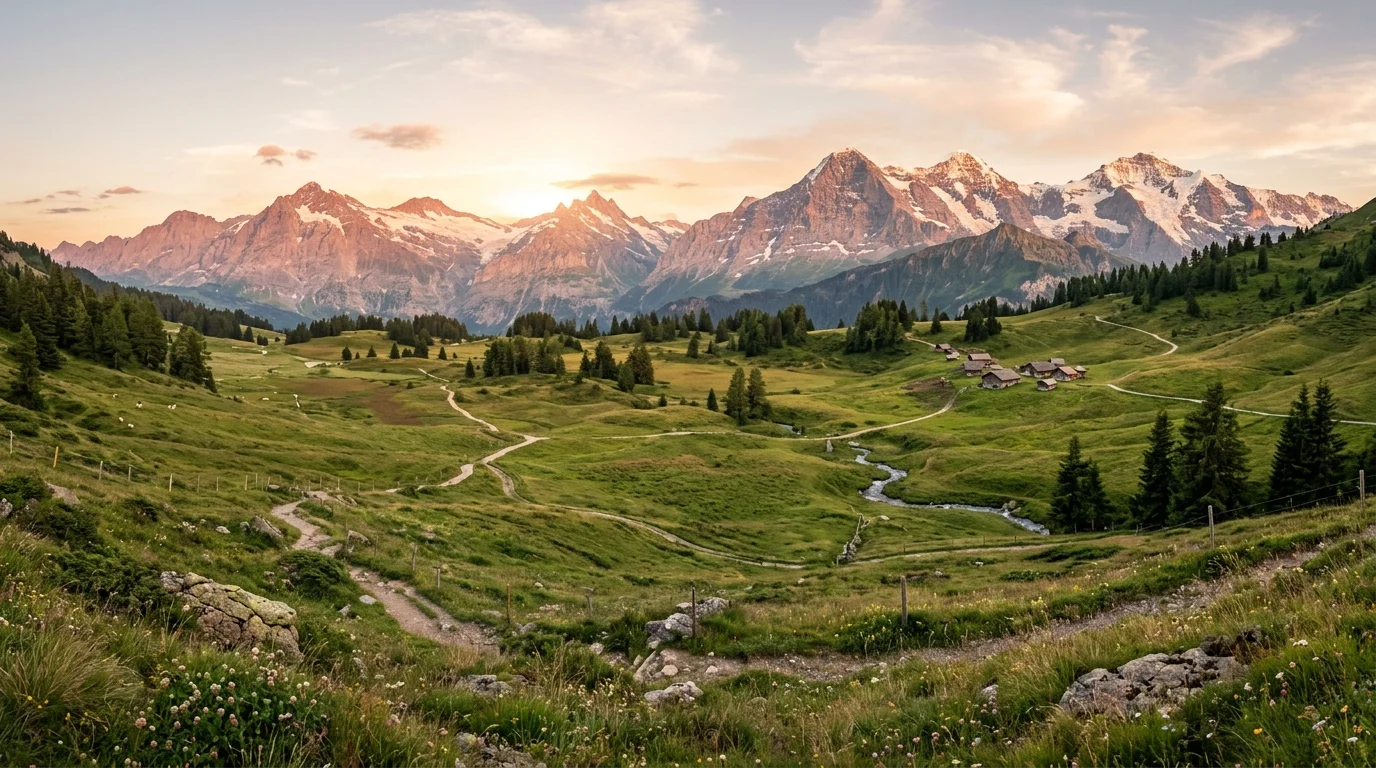
Scenic path garden leading to a framed overlook
A path can create anticipation and help the mountain view feel even more intentional when it is revealed gradually. This makes the landscape not only beautiful to look at, but also rewarding to move through.
Idea 15
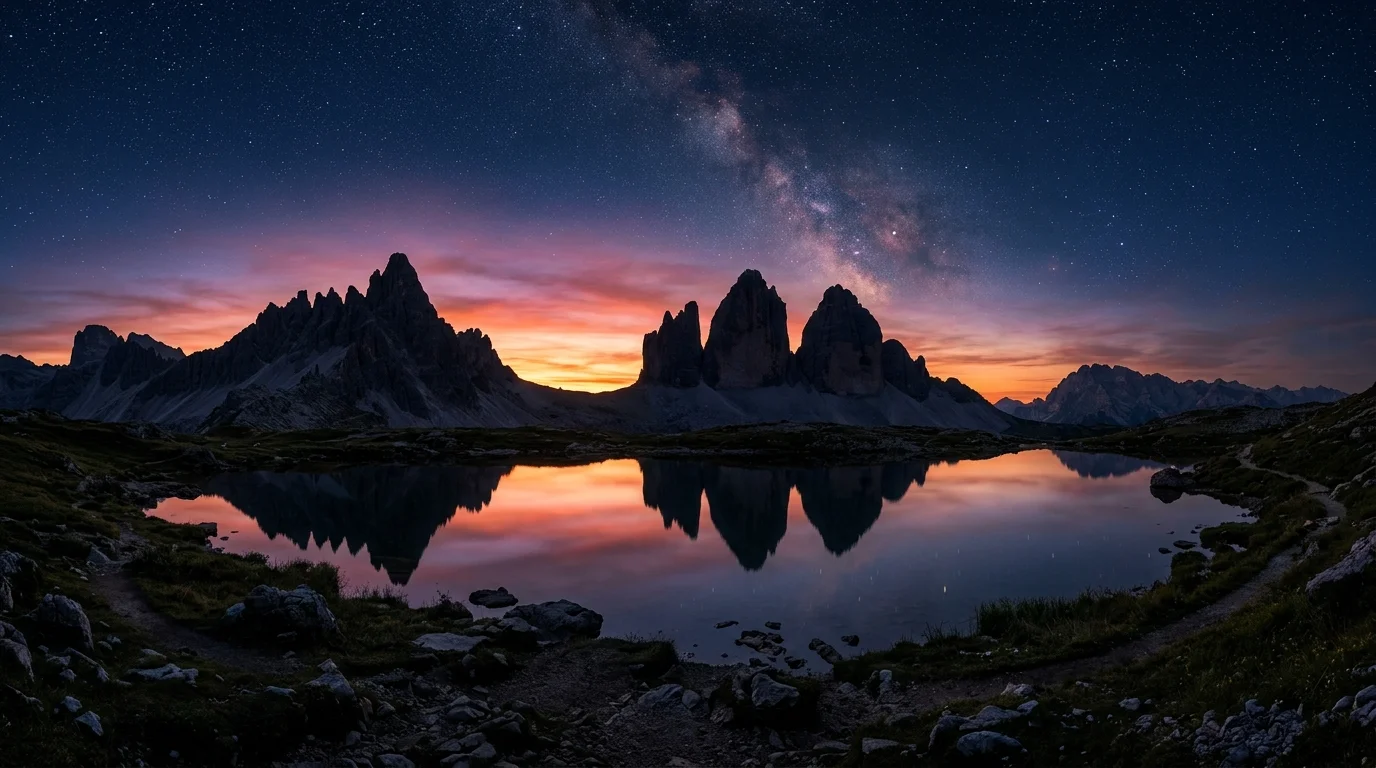
Luxury mountain property landscape with layered regional planting
A more expansive mountain landscape succeeds when every major element feels proportionate to the setting. Layered planting, strong materials, and clear outdoor rooms help the property feel complete without trying to outshine the scenery.
Read next on Saw & Sprout
Frequently asked questions
What makes a mountain landscape feel well designed rather than overworked?
Restraint, strong natural materials, regionally appropriate planting, and a layout that frames the view instead of distracting from it usually create the best results.
How should steep slopes be handled in a mountain landscape?
Terracing, retaining walls, gravel paths, and planting that stabilizes soil can turn difficult slopes into some of the landscape's strongest features.
Do mountain landscapes need to feel rustic?
Not necessarily. They can be modern, formal, or minimal, but they tend to work best when the design still feels proportionate to the scenery and grounded in natural texture.